How Much a Munchkin Drinks From a Floor Level Bowl
One of the most common worries for Munchkin cat owners is whether their short-legged companion is getting enough to drink. It’s a genuine concern, seeing as their unique physique means they interact with their environment, and especially their food and water bowls, quite differently from a regular-sized cat. You might find yourself wondering if their low stature makes it harder for them to reach, or if they’re simply not as enthusiastic about hydration when everything is at floor level. This guide will walk you through everything you need to know about encouraging your Munchkin to drink adequately from their floor-level bowls, ensuring they stay happy, healthy, and hydrated.
Why Floor-Level Bowls are Absolutely Essential for Your Munchkin
Let’s be honest, those adorable short legs are what make Munchkins so unique, but they also come with a responsibility for us as owners to adapt their world to them. Unlike a long-legged cat that can easily stretch up to a standard bowl, your Munchkin needs everything brought down to their level. It's not just about making things convenient; it's about safeguarding their long-term health and comfort.
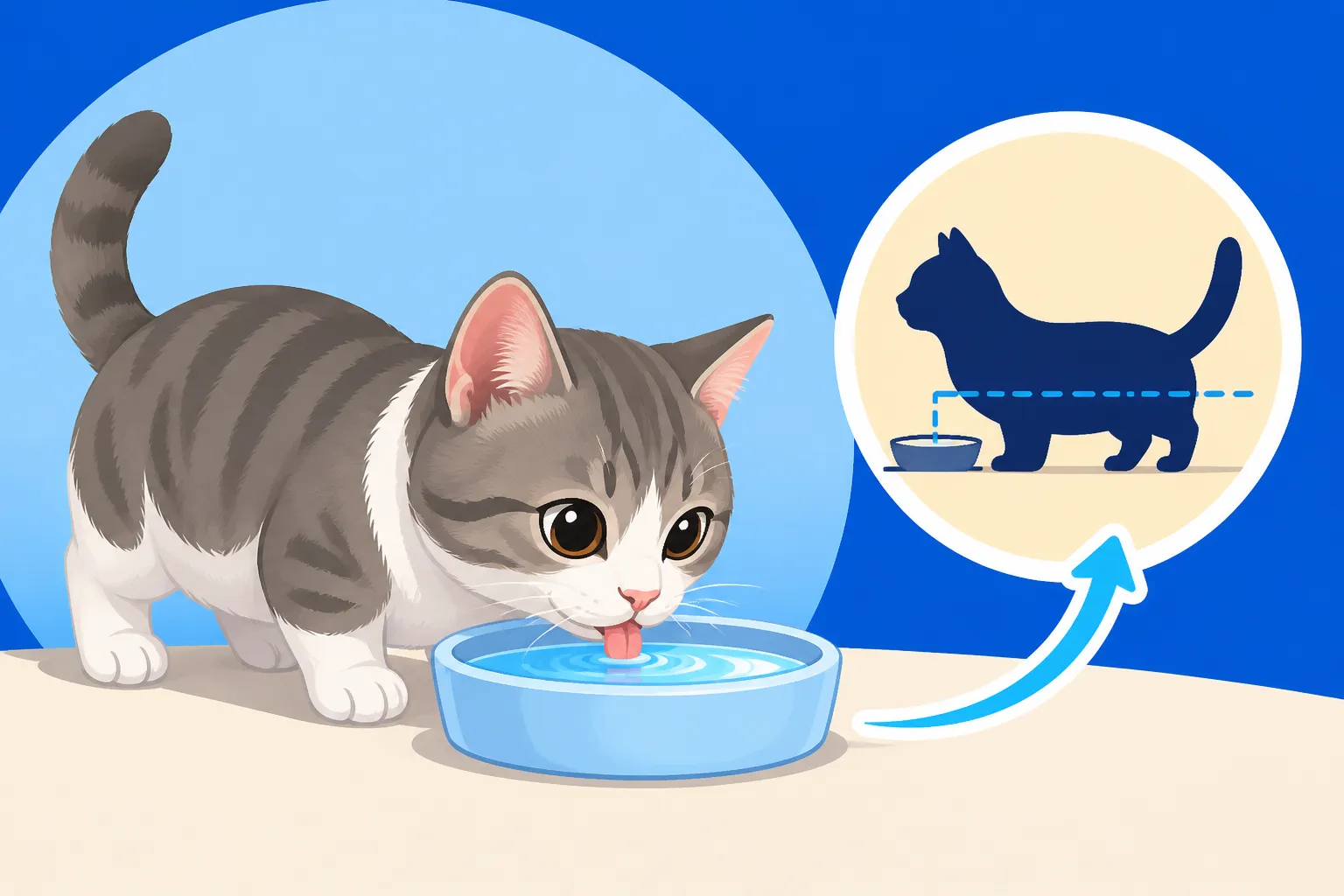
Imagine trying to drink from a sink while standing on your knees – uncomfortable, right? That’s a bit what it’s like for a Munchkin trying to drink from a bowl that's too high. They’d have to strain their neck and back, potentially putting undue pressure on their spine and shoulder joints. This isn't just a minor inconvenience; repeated straining can contribute to discomfort over time, especially as they get older. Ensuring their bowls are truly floor-level, or just slightly raised if absolutely necessary to prevent leaning down too much, is paramount. Think about it: they spend their whole lives close to the ground, and their posture should remain natural and comfortable even when they're drinking. This simple adjustment can make a world of difference to their daily well-being. Why a Munchkin's Food and Water Belong at Floor Level is a principle we really need to live by.
Understanding the Munchkin's Unique Physical Needs
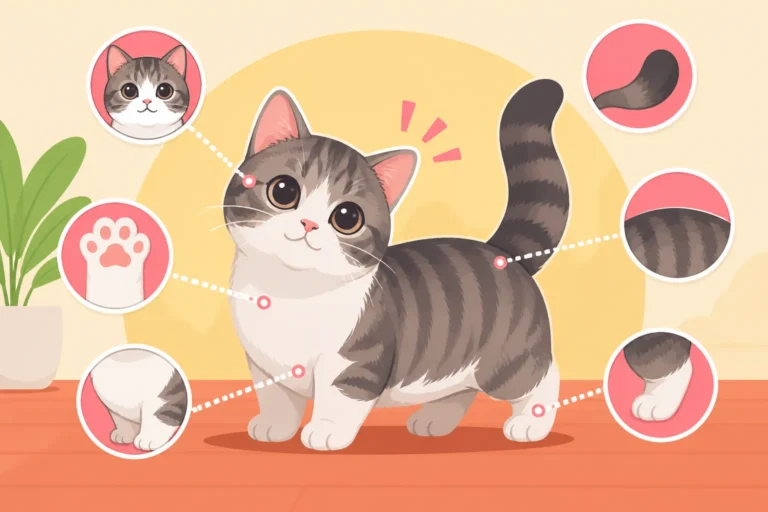
The defining characteristic of a Munchkin cat is their disproportionately short legs, a condition known as pseudoachondroplasia. While their body length is typically normal, their limbs are significantly shorter. This means their belly almost touches the floor, and their center of gravity is much lower than other cats. Because their legs are short, they don't have the same reach or leverage as a typical cat. Trying to drink from a tall bowl means they have to stretch their neck upwards and forwards, often while bracing their short front legs, which can be awkward and even painful over time.
This isn't just conjecture; it's basic biomechanics. When a Munchkin attempts to reach a higher bowl, the natural alignment of their spine and joints is compromised. Their spinal column, while typically of normal length, carries a load that can be exacerbated by awkward postures. Over years of this subtle straining, issues can potentially arise or existing predispositions can be made worse. It's much like how a person with back problems is advised to lift with their legs, not their back – for a Munchkin, drinking at floor level minimizes any unnecessary stress on their unique skeletal structure. We want them to have the best quality of life, and sometimes that means making small but significant adaptations to their environment.
Preventing Strain and Promoting Comfort
The goal with floor-level bowls is to eliminate any physical strain whatsoever during drinking. Your Munchkin should be able to approach the bowl, lower their head slightly, and drink naturally without any stretching of the neck, arching of the back, or pressing down on their front limbs. This comfortable posture encourages them to drink more frequently and for longer durations, which is vital for overall hydration.
Furthermore, a comfortable drinking position isn't just good for their physical health; it contributes to their mental well-being too. A cat that finds any part of its daily routine uncomfortable might subconsciously avoid it. If drinking is a chore or causes a slight twinge, they might not drink as much as they should. By providing easily accessible, floor-level water sources, you're not just offering water; you're offering a stress-free, natural way for them to stay hydrated, making it an enjoyable and instinctive part of their day. This is especially important when you consider Why a Munchkin's Belly Nearly Touches the Floor, making any upward reach a real stretch.
Factors Influencing Your Munchkin's Water Intake
It's easy to assume all cats drink the same amount, but just like us, every Munchkin is an individual, and their water intake can fluctuate based on several factors. Understanding these can help you better assess if your cat is drinking enough and adjust their care routine if needed.
Diet: Wet Food vs. Dry Kibble
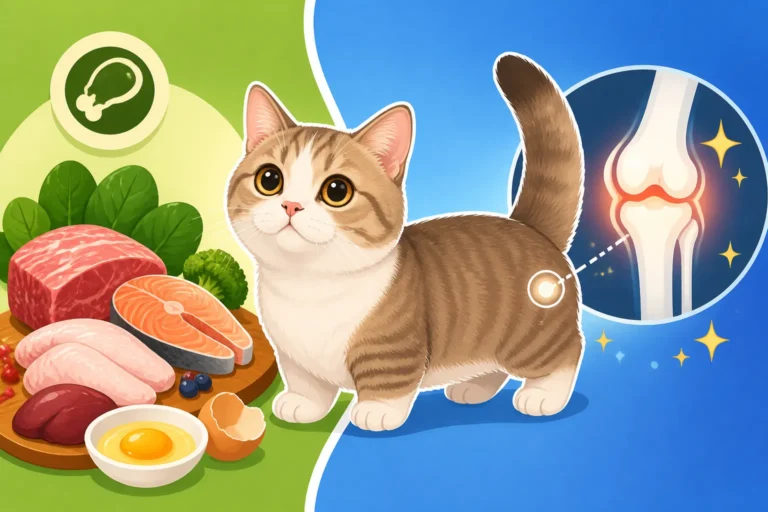
This is arguably the biggest factor influencing how much your Munchkin will drink from a bowl. Cats evolved to get most of their hydration from their prey. That's why wet food, which can be 70-80% water, is often recommended for feline health. If your Munchkin is primarily on a wet food diet, they will naturally drink less from their water bowls because a significant portion of their daily water needs are met through their meals. This is perfectly normal and actually a great way to ensure good hydration.
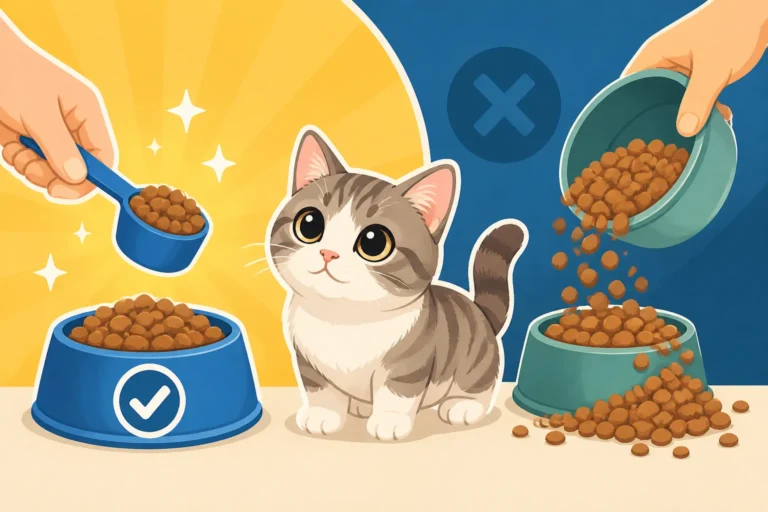
On the flip side, if your Munchkin eats mostly dry kibble, they must drink more from their bowls. Dry food contains very little moisture, typically less than 10%, meaning your cat needs to actively seek out and consume more water to compensate. For cats on a kibble-based diet, extra vigilance regarding their water intake is crucial. You'll want to ensure their bowls are always clean, fresh, and appealing to encourage consistent drinking. Many owners find incorporating even a small amount of wet food, perhaps as a daily treat, can significantly boost overall hydration. Fresh, moisture-rich meals can be a game-changer for hydration.
Activity Level and Environment
Even though Munchkins aren't known for scaling bookcases, they can be surprisingly active on the ground. They love to chase toys, dart around, and play, sometimes with the playful energy of a ferret. A Munchkin that's more active will burn more energy and potentially lose more moisture through respiration, leading to increased thirst. Conversely, a more sedentary cat might drink less. Observing your cat's play habits can give you a clue.
The environment also plays a huge role. In warmer climates or during hot summer months, your Munchkin will naturally need more water to stay cool and prevent dehydration. Similarly, low humidity in your home, especially during winter with heating systems running, can contribute to drier air and increased fluid loss. Think about providing multiple water sources and keeping an eye on their intake during these periods. Don't forget, even subtle changes in temperature or air quality can impact how much they feel the need to drink.
Health Conditions and Medications
Certain health conditions can dramatically affect a Munchkin’s water consumption. For example, kidney disease, hyperthyroidism, or diabetes are all conditions that can lead to increased thirst and urination. If you notice a sudden, drastic change in your Munchkin's drinking habits – either much more or much less – it’s always a good idea to consult your vet. This isn't something to ignore, as it could be the first sign of an underlying health issue.
Similarly, some medications can influence thirst. If your Munchkin is on any long-term medication, ask your veterinarian if increased or decreased thirst is a known side effect. Always inform your vet of any changes you observe in your cat's drinking patterns during routine check-ups. Catching these changes early can be vital for their overall health, especially as they get older. What an Old Munchkin Stops Being Able to Do can include changes in hydration patterns.
Recognizing Adequate Hydration and Signs of Dehydration
It's one thing to offer water, but another to know if your Munchkin is actually taking in enough. Learning to read the subtle cues your cat gives can empower you to ensure they're always well-hydrated.
Visual Cues of a Well-Hydrated Munchkin
A well-hydrated Munchkin will generally appear bright, alert, and active. Here are a few things to look for:
- Bright, Clear Eyes: Their eyes should be sparkling and clear, not sunken or dull.
- Moist Gums: Gently lift their lip – their gums should be pink and moist to the touch, not tacky or dry. If you press your finger against their gum, the pink color should return quickly, typically within 1-2 seconds. This is called capillary refill time.
- Good Skin Elasticity: This is a classic test. Gently pinch a fold of skin on their neck or between their shoulder blades. In a well-hydrated cat, the skin should snap back into place almost immediately.
- Consistent Urination: A hydrated cat will urinate regularly, producing a normal amount of urine. The litter box should show consistent, appropriately sized clumps if you use clumping litter.
- Energy Levels: They'll be their usual playful selves, exploring, playing, and generally acting like a happy, healthy cat. If you're wondering How to Judge a Munchkin's Quality of Life, good hydration is definitely a key indicator.
Warning Signs of Dehydration
Dehydration can be serious and needs prompt veterinary attention. Don't hesitate if you notice any of these signs:
- Lethargy and Weakness: A dehydrated cat will often be noticeably less active, weak, and may even seem disoriented.
- Sunken Eyes: Their eyes might appear sunken into their sockets, and the third eyelid (a membrane in the corner of the eye) may be more visible.
- Dry, Tacky Gums: Their gums will feel dry and sticky, and the capillary refill time will be prolonged (more than 2 seconds).
- Loss of Skin Elasticity: When you pinch the skin, it will take longer to return to normal, or it may even remain tented for a few seconds. This is a clear indicator of significant dehydration.
- Reduced Urination: You might notice fewer or smaller urine clumps in the litter box, or perhaps no urination at all.
- Loss of Appetite: Dehydration can lead to a lack of interest in food.
Here's a quick comparison of what to look for:
| Indicator | Well-Hydrated Munchkin | Dehydrated Munchkin |
|---|---|---|
| Eyes | Bright, clear | Sunken, dull, visible third eyelid |
| Gums | Pink, moist, slick | Pale, dry, tacky |
| Skin Elasticity | Snaps back quickly (1 sec) | Slow return, "tents" (2+ secs) |
| Urination | Regular, normal volume | Reduced, infrequent, or absent |
| Energy | Active, alert, playful | Lethargic, weak, withdrawn |
| Appetite | Normal, eager | Reduced or absent |
If you suspect your Munchkin is dehydrated, contact your veterinarian immediately. Why an Overweight Munchkin Is in Real Trouble reminds us how critical overall health is, and hydration is a cornerstone of that.
Encouraging Better Hydration with Floor-Level Bowls
Now that we know why floor-level bowls are important and how to tell if your Munchkin is drinking enough, let's talk about practical strategies to encourage optimal hydration.
Choosing the Right Floor-Level Bowl and Optimal Placement
It might seem simple, but the right bowl can make a huge difference. For a Munchkin, "floor level" doesn't just mean on the floor; it means accessible without strain.
- Material Matters: Stainless steel, ceramic, and glass are generally the best choices. They are easy to clean, non-porous (which prevents bacterial growth), and don't impart any strange tastes to the water. Plastic bowls can scratch easily, harboring bacteria, and some cats can develop an allergic reaction to plastic, leading to chin acne.
- Width and Depth: Opt for wide, shallow bowls. This is crucial for two reasons:
- Whisker Fatigue: Cats' whiskers are highly sensitive. If a bowl is too narrow or deep, their whiskers might constantly brush against the sides, which can be irritating and lead to "whisker fatigue," making them avoid the bowl. A wide, shallow bowl allows them to drink comfortably without their whiskers touching the edges.
- Ease of Access: A shallow bowl means less leaning down, which is perfect for a Munchkin's shorter stature.
- Non-Slip Base: Ensure the bowl has a non-slip base or is heavy enough not to slide around when your Munchkin drinks. A sliding bowl can be frustrating and may deter them from drinking. Many bowls from Chewy or Amazon come with silicone rings on the bottom for this purpose.
Placement is Key: Don't just put one bowl down and assume that's enough. Cats are notoriously finicky about where they drink.
- Multiple Stations: Place several water bowls throughout your home. Think about all the places your Munchkin likes to hang out – near their favorite sleeping spot, by their play area, in quiet corners. Having water readily available wherever they are makes it convenient and encourages more frequent sips.
- Away from Food and Litter: Cats often prefer their water to be separate from their food. In the wild, they wouldn't drink from stagnant water right next to their prey. Keep water bowls a few feet away from their food dish, and definitely away from their litter box. This prevents contamination and makes the water source more appealing.
- Quiet, Safe Locations: Ensure water bowls are in quiet, low-traffic areas where your Munchkin feels safe and undisturbed. A busy hallway or a spot where they might be startled by a child or another pet might make them hesitant to drink.
Water Quality, Freshness, and Temperature
It might sound obvious, but the quality of the water is paramount.
- Daily Changes: You should be changing the water in all bowls at least once, preferably twice, a day. Stagnant, stale water is unappealing.
- Clean Bowls: Wash the bowls daily with soap and water to remove any slime, food particles, or bacteria that can accumulate. A quick rinse isn't enough.
- Filtered Water: If your tap water has a strong chemical smell (like chlorine) or taste, consider using filtered water. Many cats are sensitive to these odors and might avoid drinking. A simple filtered water pitcher can make a big difference.
- Temperature: Most cats prefer room-temperature water. Some might enjoy slightly cooler water, especially in hot weather. Experiment to see what your Munchkin prefers, but avoid anything too cold or too warm.
Incorporating Wet Food and Hydrating Treats
As mentioned earlier, diet is a huge factor.
- Prioritize Wet Food: If your Munchkin is currently on a dry-food-only diet, gradually transitioning them to include more wet food is one of the most effective ways to boost their overall hydration. Even feeding wet food once a day can significantly increase their fluid intake.
- Hydrating Treats: There are many cat treats on the market that are high in moisture, such as lickable purees. These can be a fantastic way to sneak in extra fluids while offering a tasty reward.
- Water Down Wet Food: For an extra hydration boost, you can add a tablespoon or two of water (or even plain, low-sodium chicken or beef broth) to their wet food. Mix it in thoroughly. Most cats won't notice, and it adds valuable moisture. Just make sure the broth doesn't contain onions or garlic, which are toxic to cats.
Exploring Water Fountains and Other Enticements
Some cats are drawn to moving water, which often seems fresher and more appealing.
- Cat Water Fountains: There are many cat-specific water fountains available, including low-profile designs that are perfect for Munchkins. These fountains filter and circulate water, which can entice a cat to drink more. Many models are available on Chewy or Amazon. Make sure to choose one that is easy for your short-legged friend to access without having to climb or stretch. Look for models with a wide, shallow reservoir at the base, or multiple drinking levels where the lowest one is truly at floor level.
- Flavored Water (Safely): Occasionally, you can offer a very small amount of tuna juice (from tuna packed in water, not oil), or plain, low-sodium chicken broth mixed with water to make it more appealing. This can be a good trick if you're worried about their intake, but it shouldn't be an everyday solution.
- Ice Cubes: Some cats enjoy batting at and licking ice cubes in their water bowl, especially on a hot day. It adds a bit of novelty and can encourage engagement with their water source.
By understanding your Munchkin's unique needs and implementing these strategies, you can feel confident that your adorable, short-legged companion is getting all the hydration they need to thrive. Why a Munchkin's Water Bowl Should Not Be a Stretch is a golden rule we should all live by.
Disclaimer
This article is for general informational purposes only and does not constitute professional advice. Laws, prices and regulations vary by location and change over time. Consult a qualified professional for guidance on your specific situation.