What Munchkin Breeders Say About the Welfare Objection
Munchkin cat breeders argue short legs do not cause pain, while critics demand broader health studies to assess breeding practices.
Is this the right one for you?
Origins and temperament, size and coat, what living with one is actually like, and how it compares to the breeds people weigh against it.
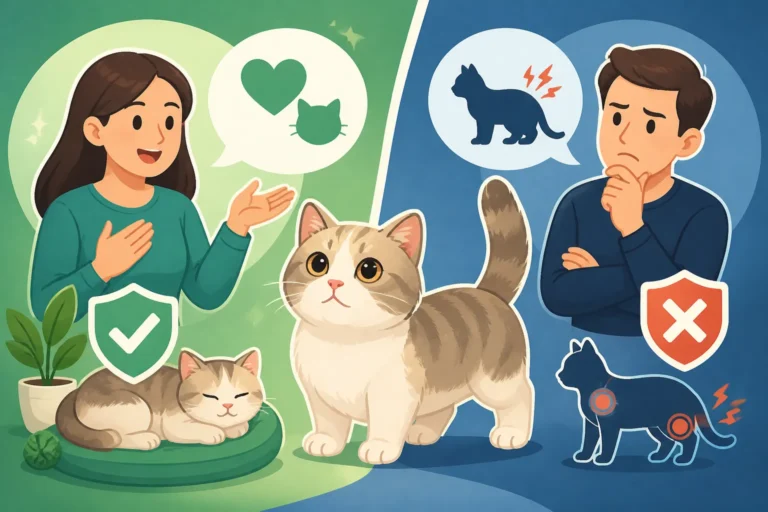
Munchkin cat breeders argue short legs do not cause pain, while critics demand broader health studies to assess breeding practices.
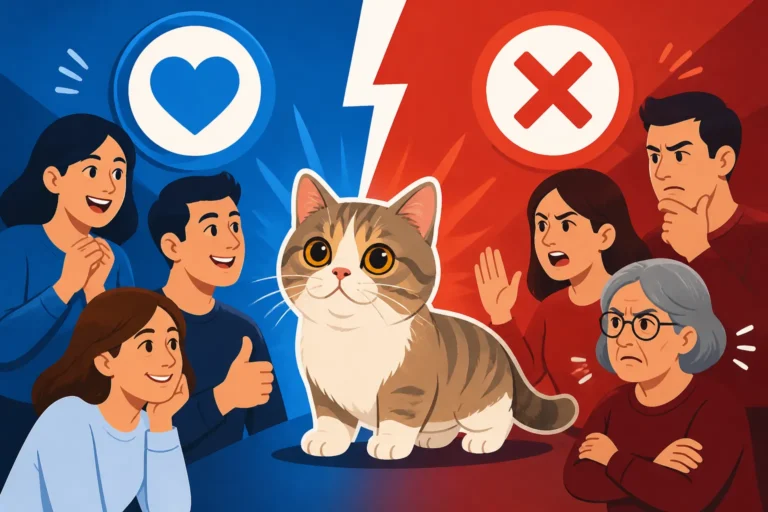
Munchkin cat breeding sparks intense debate among enthusiasts over genetics, welfare concerns, registry policies, and inherited skeletal traits.
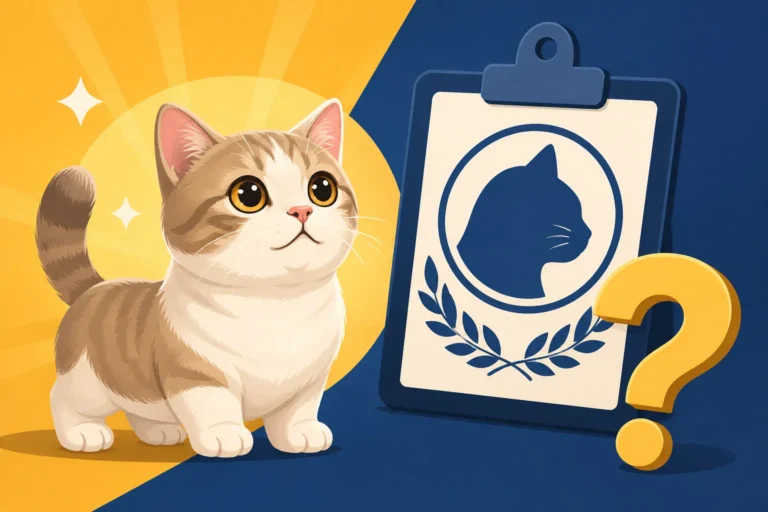
Cat Fanciers Association non-recognition of the Munchkin explains registry policies, the short-legged trait, and individual cat welfare.
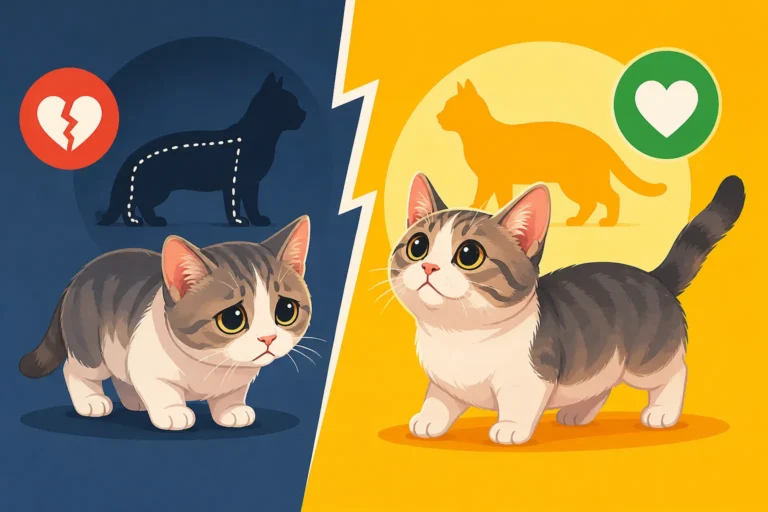
Forty years of Munchkin cat breeding debates reveal how mobility evidence and health standards shape ethical choices.
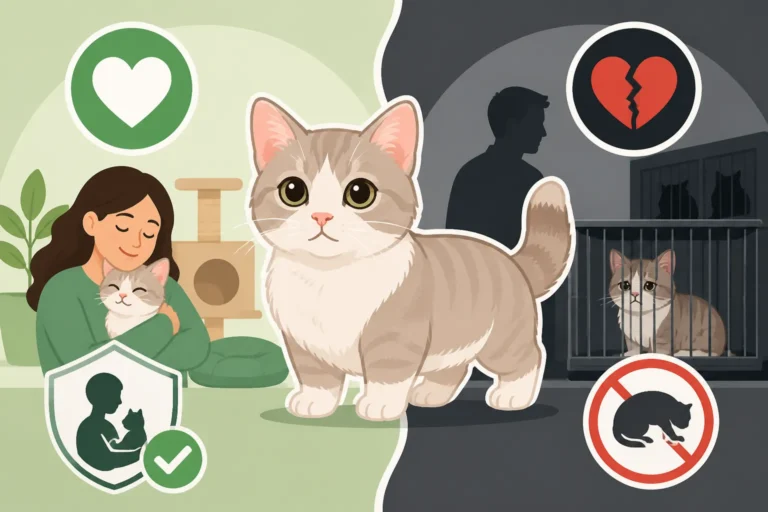
Munchkin cat ethics involves weighing short leg traits, uncertain health evidence, and breeder standards before deciding to buy.
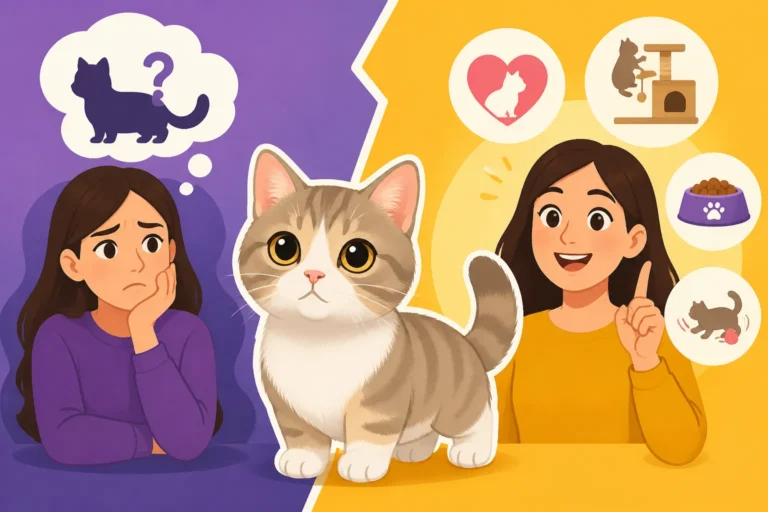
Munchkin cat ownership requires home adaptations, low litter boxes, and special steps because short legs limit jumping ability.
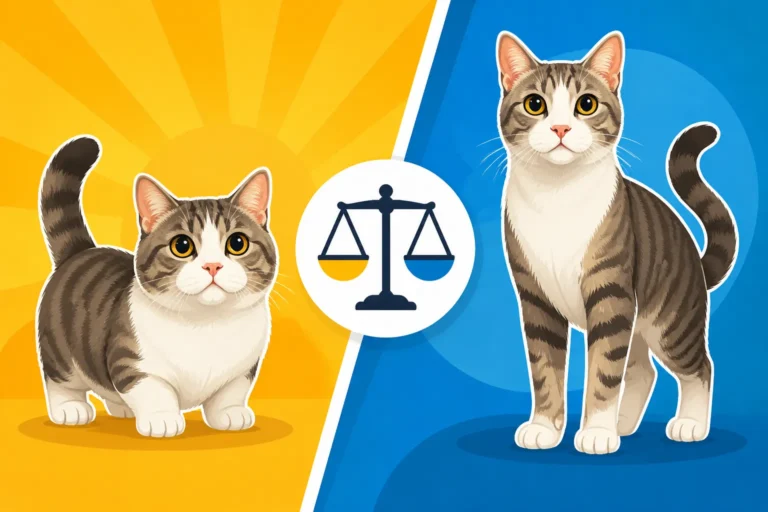
A Munchkin cat and a normal-legged cat compared through daily mobility, home setup needs, and furniture access.
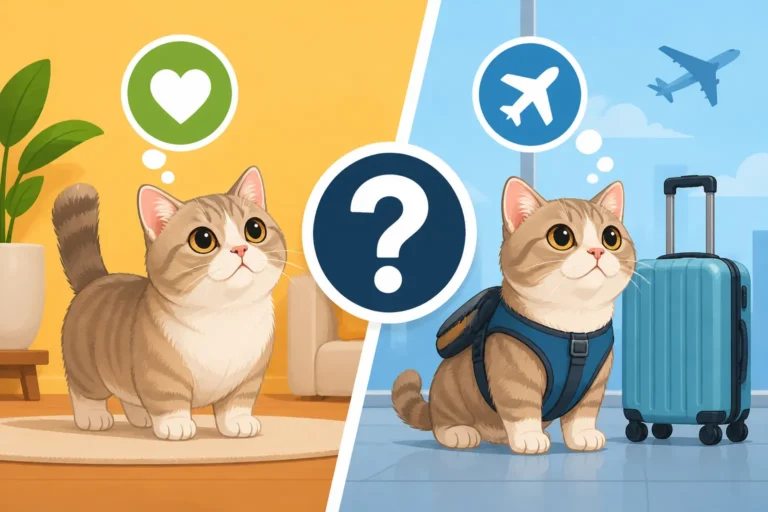
Traveling cat ownership details how Munchkin cats handle owner absences, sitters, and home layout adjustments.
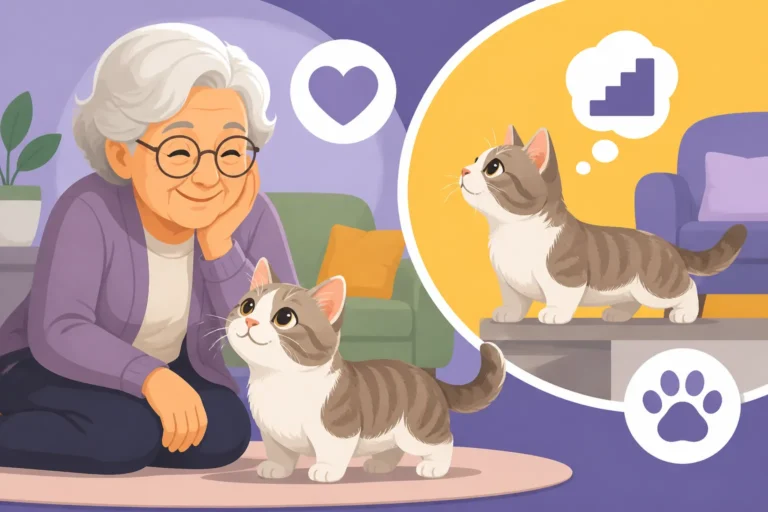
Munchkin cats with short legs need careful home planning, daily grooming, and mobility considerations for older owners.
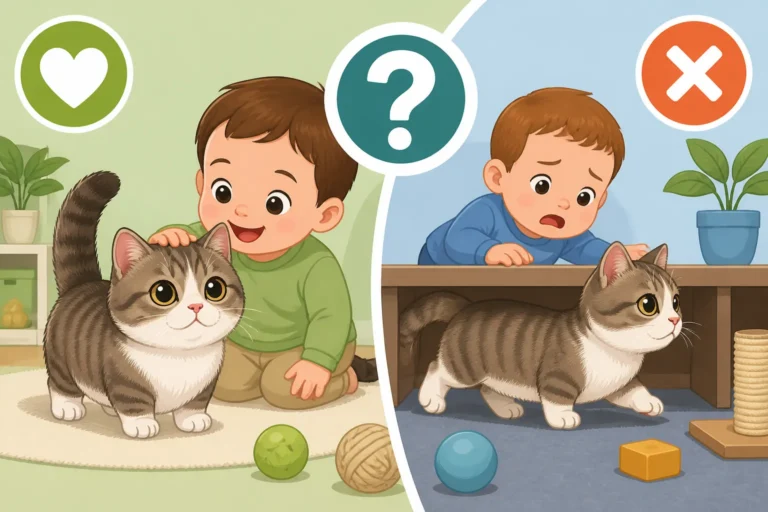
Munchkin cats and toddlers require safe home boundaries, reliable escape routes, and constant adult supervision to prevent stress or injury.