Whether the Munchkin Will Ever Be Recognized by CFA
A Munchkin can have pedigree papers from one registry and still be unrecognized by another, which makes the breed’s status easy to misunderstand. The Cat Fanciers’ Association, or CFA, has not recognized the Munchkin. This guide explains what that means, why recognition remains uncertain, and how to assess the issue without treating registry status as a verdict on any individual cat.
What CFA recognition would mean for the Munchkin
CFA recognition is a registry decision
CFA is a cat registry and show organization. Recognizing a breed means accepting it within CFA’s own system, including the organization’s rules for registration and showing. It does not mean a cat becomes more or less real, and it does not determine whether the breed is legal to own in a particular place.
That distinction matters because “recognized” can sound like a universal stamp of approval. It isn’t. A breed may be accepted by one registry and declined by another, because each organization makes its own decisions about breed standards, registration, and the qualities it is willing to support through its programs.
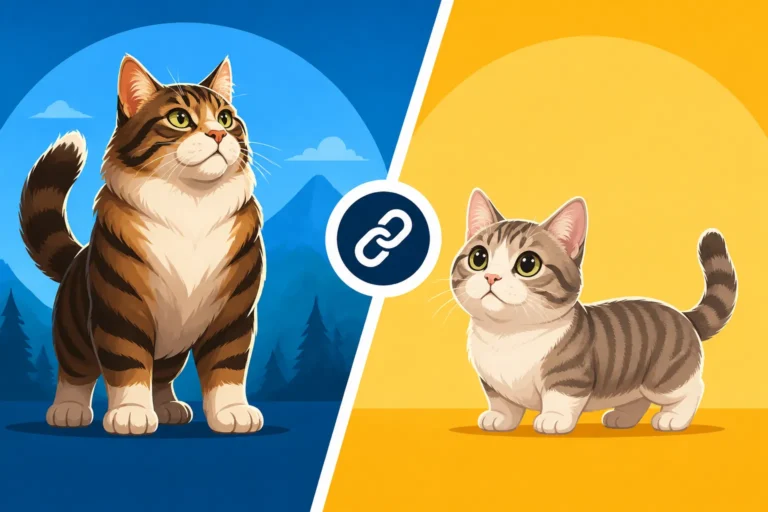
So if someone says, “The Munchkin is a recognized breed,” it is reasonable to ask, “Recognized by which organization?” For example, the Munchkin has been accepted by The International Cat Association, or TICA, while CFA has not accepted it. The details of that difference are explored in Which Registries Accept a Munchkin and What TICA Championship Status Gives a Munchkin.
Registration is not the same as endorsement everywhere
A Munchkin’s registration status may depend on the organization involved. Papers from one registry do not automatically transfer the breed into another registry’s system, and they do not require a competing organization to accept it. This can be confusing when a breeder advertises a kitten as registered without clearly naming the registry.
Before relying on a registration claim, ask which organization issued the papers and what the paperwork actually confirms. Does it identify the kitten and its pedigree? Does it list parentage? Is the registration for a Munchkin, or for a related crossbreed? Those are practical questions, not accusations. A transparent breeder should be able to explain the documents without making the registry label sound broader than it is.
It also helps to separate registration from health assessment. Papers are not a substitute for veterinary records, a physical examination, or a conversation about the kitten’s movement and development. A registry’s decision may tell you something about its policies, but it cannot tell you everything about an individual cat’s condition.
Recognition does not settle the welfare debate
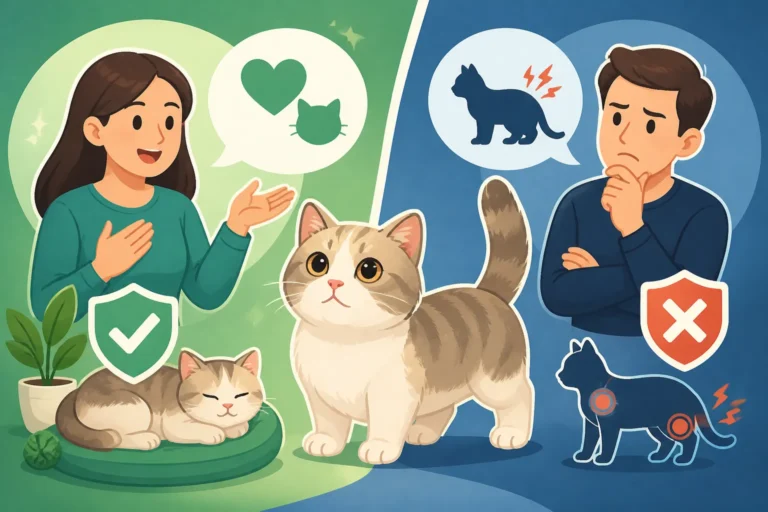
CFA recognition would not, by itself, prove that every Munchkin is healthy or that every concern about the breed is unfounded. Likewise, non-recognition does not mean that every Munchkin is sick, uncomfortable, or unable to live a full and active life. Registry decisions and individual welfare assessments answer different questions.
For a prospective owner, the most useful questions are concrete: Can this cat move comfortably? Is it maintaining a healthy weight? Can it reach its litter box, food, water, resting places, and play areas? Does it receive appropriate veterinary care? Those questions remain important whether a registry accepts the breed or not.
The distinction also helps keep conversations fair. People can disagree about deliberately breeding for short legs while still recognizing that individual cats deserve attentive care and a comfortable home. For more background on the broader disagreement, see What You Are Buying When a Breed Is Not Recognized and What Welfare Bodies Say About the Munchkin.
Why CFA may continue to decline recognition
The short-legged trait is central to the disagreement
The Munchkin’s defining feature is its short legs. Supporters may describe Munchkins as lively, affectionate cats that adapt well to family life. Critics focus on the ethical question of intentionally breeding for a physical trait that changes a cat’s proportions and may affect how it moves or reaches its environment.
That disagreement is not just about whether a particular cat can run across a room or climb onto a sofa. It is also about what breeders and registries should promote. Some people believe a breed should be accepted if cats can lead good lives and breeding is conducted responsibly. Others argue that a registry should avoid encouraging a body type that may create practical limitations or welfare risks.
CFA’s refusal is best understood within that larger debate, rather than as a simple judgment about a single Munchkin or a claim that every cat has the same health outcome. Why CFA Refuses to Register the Munchkin looks more closely at the organization-specific issue, while Why the Munchkin Divides the Cat Fancy More Than Any Breed explores why opinions remain so sharply split.
The available evidence and the ethical question are not identical
People often expect a single study or health statistic to settle the recognition question. In reality, evidence about a breed can be limited, may not answer every welfare question, and may not resolve disagreements about breeding ethics. Even if research documents how a particular cat is doing, a registry still has to decide what principles should guide its policies.
For instance, an owner may point to a Munchkin that plays, eats, grooms, and socializes normally. That is meaningful information about that individual. It does not automatically answer whether a registry should encourage breeding cats with the same deliberately selected trait. Conversely, concerns about the breed do not prove that a particular cat is currently suffering. Good discussion keeps those two levels separate.
Veterinary opinions can differ too, especially when people are weighing limited breed-specific evidence against broader knowledge of feline health and movement. If you are comparing viewpoints, Why Some Vets Refuse to Recommend a Munchkin and What Munchkin Breeders Say in Reply offer useful starting points. Read them as perspectives on a complicated issue, not as replacements for an assessment of a specific cat by a veterinarian.
A registry can change its position, but no outcome is guaranteed
It is possible for an organization to revisit a breed policy. But possibility is not a prediction. CFA would have to make its own decision, and outside observers cannot promise that it will happen or assign a reliable timeline to it.
A change would likely require more than public enthusiasm or the fact that another registry accepts the Munchkin. CFA would need to consider whether the breed meets its own standards and whether accepting it fits the organization’s policies. The available discussion around welfare, breeding practice, and the trait itself would remain relevant even if supporters presented additional documentation.
That is why a confident claim such as “CFA will recognize the Munchkin soon” deserves caution unless it is backed by a clear announcement from CFA. The same applies to claims that recognition will never happen. Unless CFA states a final position that rules out future reconsideration, nobody outside the organization can know what its future decision will be.
What could make CFA reconsider
A formal change would matter more than rumor
A social media post, a breeder’s prediction, or an informal conversation at a show is not the same as a formal registry decision. If CFA were to reconsider the Munchkin, the clearest sign would be an official policy update or communication from the organization describing its position.
Until then, check exactly what a claim means. “CFA is considering it,” “a club has applied,” and “CFA has recognized it” are different statements. If someone tells you recognition is imminent, ask where CFA has published that information. The goal is not to dismiss the possibility; it is to avoid mistaking speculation for a decision.
This is also where careful wording helps. A breeder may accurately say that a kitten is registered with another organization, while a buyer may mistakenly hear that as “recognized by all major registries.” Confirm the registry by name and verify the registration through the organization’s own records or documentation where possible.
Better documentation could inform the discussion, not predetermine it
Clearer health and welfare information could help people discuss the breed more responsibly. Useful documentation may include veterinary examinations, observed mobility, breeding records, and transparent reporting of health concerns. It can also help prospective owners understand what is known, what remains uncertain, and what care a particular cat may need.
But evidence alone does not dictate a registry’s values. Two organizations can look at similar information and reach different conclusions because they may weigh breed development, welfare, tradition, and the purpose of recognition differently. Even strong evidence about healthy individuals would not necessarily erase the ethical question of whether the trait should be deliberately promoted.
For buyers, the practical response is to ask for specific records rather than broad assurances. Ask what health checks have been done, whether the kitten’s parents can be observed moving, and whether the breeder will discuss concerns openly. What a Munchkin Breeder Should Be Able to Show You can help you prepare those questions.
Recognition would not replace responsible ownership
Whether CFA changes its position or not, daily care is still about the cat in front of you. A home may need accessible resting places, litter facilities that are easy to enter, and routes that do not require repeated high jumps. Keeping a cat at a healthy weight and arranging routine veterinary checks are sensible priorities for any cat, with particular attention to how an individual Munchkin moves and manages its environment.
If you are planning a home setup, retailers such as Chewy can be one place to compare practical supplies, including low-entry litter boxes or supportive pet steps. Check the dimensions and stability of any item rather than assuming a product marketed for cats will suit your home or your particular animal. A ramp that wobbles or a box with an awkward entrance is not helpful simply because it is labeled accessible.
Chewy may also be useful when comparing everyday grooming tools or litter options, but product choice should follow the cat’s needs. For example, a low belly may collect litter or debris, and a longhaired cat may need extra help keeping its hindquarters free of mats. If you use Chewy to look at supplies, consider the item’s size, ease of cleaning, and whether your cat can use it comfortably.
Most importantly, a purchase decision should not hinge only on whether CFA recognizes the breed. If you are considering a Munchkin, weigh your own comfort with the breeding debate, the breeder’s transparency, the individual kitten’s health, and your ability to provide an accessible home. Chewy can help you compare some practical care items, but no retailer or registry can make that personal ethical decision for you.
How to evaluate claims about CFA and the Munchkin
Use a simple status check
When you encounter a claim about Munchkin recognition, work through these questions:
- Which organization is being discussed? “Registered” or “recognized” should always be tied to a named registry.
- Is the claim official? Look for a statement from the registry itself, not only a breeder’s post or a discussion forum.
- What does the document prove? Registration may identify pedigree or eligibility within one organization, but it does not prove universal recognition or guarantee health.
- Is the discussion about the breed or an individual cat? Keep policy debates separate from a particular cat’s condition and quality of life.
- Are welfare claims supported with specifics? Ask what was examined, observed, or documented instead of relying on sweeping assurances.
This checklist works both ways. It can help you question an exaggerated claim that CFA is about to accept the breed, and it can help you question an equally sweeping claim that a registry decision tells you the complete story about every Munchkin.
Consider the decision from both the registry and the owner’s point of view
A registry is deciding whether the breed belongs in its program. An owner is deciding whether they can responsibly care for a particular cat. Those decisions overlap, but they are not interchangeable. A registry may take a cautious or restrictive position even when individual cats are cherished and well cared for. An owner may love a Munchkin while still acknowledging that the breed raises legitimate questions.
If you are trying to decide whether buying one aligns with your values, consider the full picture: the reason for the trait, the breeder’s practices, the cat’s individual needs, and the possibility that opinions about the breed will remain divided. Whether Buying a Munchkin Is an Ethical Decision is a relevant next read if you are weighing those considerations.
The most grounded answer to “Will the Munchkin ever be recognized by CFA?” is therefore: it cannot be predicted with certainty. CFA has not recognized the breed, and a future change would depend on CFA’s own decision. Until then, verify registry claims carefully and make choices based on transparent information, individual welfare, and the kind of care you can provide.
Disclaimer
This article is for general informational purposes only and does not constitute professional advice. Laws, prices and regulations vary by location and change over time. Consult a qualified professional for guidance on your specific situation.