What TICA Championship Status Gives a Munchkin
For anyone looking into the fascinating world of Munchkin cats, a big question often pops up: what does "TICA Championship Status" actually mean for this unique breed? It's a common point of confusion and sometimes even frustration for prospective owners and seasoned enthusiasts alike, especially since not all cat registries view the Munchkin in the same light. This guide will meticulously break down what TICA’s recognition entails, how it impacts breeders and owners, and why it's such a significant aspect of the breed's standing in the cat fancy community.
Understanding Cat Registries and Recognition
Before we dive specifically into the Munchkin and TICA, it’s crucial to grasp the broader landscape of cat registries. These organizations are the backbone of purebred cat breeding, establishing standards, maintaining pedigrees, and generally overseeing the health and integrity of various breeds.
The Landscape of Cat Fancy Organizations
Around the world, there are numerous cat registries, each with its own set of rules, recognized breeds, and philosophies. Think of them like different clubs, each with its own charter. Some are international giants, while others are more regional or specialize in certain types of cats. For example, The International Cat Association (TICA) is one of the largest and most globally recognized, known for being a bit more progressive in recognizing newer breeds. On the other hand, the Cat Fanciers' Association (CFA) is another major player, particularly prominent in North America, but known for its more conservative approach to breed recognition. There's a whole spectrum in between, and understanding which registry applies to a particular breed is essential for anyone interested in pedigree cats. The fact that a breed might be recognized by one and not another often leads to heated discussions within the cat community.
Each registry has its own set of criteria for a breed to be granted "full recognition" or "Championship Status." This often involves years of provisional status, demonstrating a stable genetic pool, consistency in type, and, crucially, a lack of widespread, severe health issues unique to the breed. It's a rigorous process designed to ensure that new breeds are viable and healthy over generations. Without this framework, the integrity of purebred cats would quickly unravel, making it impossible for breeders to track lines or for owners to have confidence in what they're acquiring.
Why Recognition Matters for Breeds
So, why does any of this matter to you, a potential Munchkin owner, or to a dedicated breeder? Recognition by a major registry like TICA isn't just a badge of honor; it has profound practical implications. For breeders, it means their cats can compete in official shows, earn titles, and their pedigrees are formally recorded and accepted worldwide by other TICA-affiliated breeders. This standardization helps maintain breed integrity and allows for consistent breeding goals. When you buy a kitten from a TICA-registered breeder, you're buying into a lineage that has met certain criteria and standards. If you're wondering What You Are Buying When a Breed Is Not Recognized, it usually means you're entering a far less regulated space, which can carry more risks.
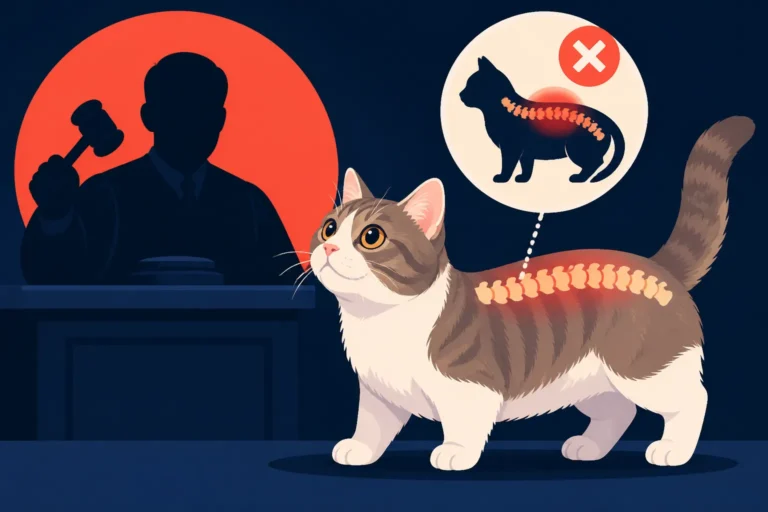
For pet owners, purchasing a cat from a recognized breed, through a reputable breeder, offers a layer of assurance. While it doesn't guarantee perfect health or temperament, it means the breeder is likely adhering to a set of ethical guidelines and standards established by the registry. It also means you're more likely to find consistent information about the breed's characteristics, potential health issues, and care requirements. The absence of such recognition can make it harder to verify a cat's lineage or predict its traits, leaving potential owners in a more uncertain position. This is part of the reason why there's such a strong division, as some registries, like CFA, have chosen not to accept the Munchkin, leading to the situation where TICA Judges the Munchkin and CFA Will Not Register It.
TICA's Role in the Munchkin Breed's History
The Munchkin cat, with its distinctive short legs, has a history marked by both rapid ascent in popularity and significant controversy. TICA has played a central, if sometimes contested, role in establishing the breed within the official cat fancy world.
The Munchkin's Journey to Acceptance
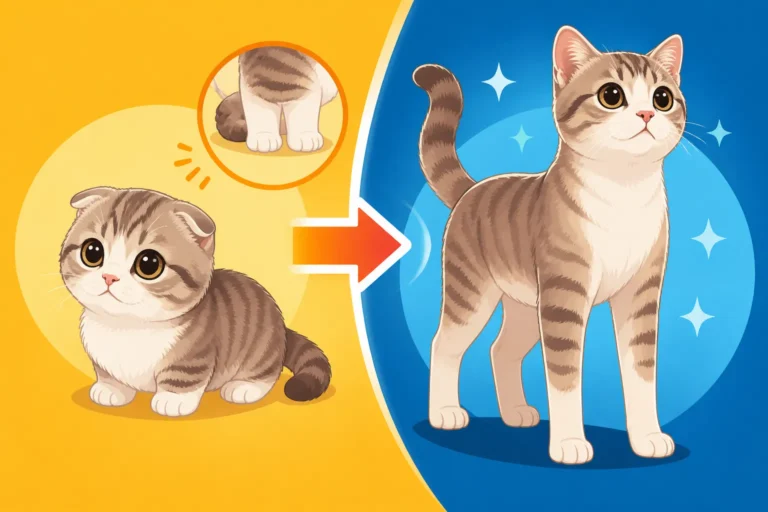
The Munchkin breed's modern history began in the early 1980s, when a Louisiana school teacher found two short-legged stray cats. One of these, a pregnant cat named Blackberry, produced a litter of kittens, some with short legs and some with normal length legs. This discovery pointed to a dominant gene causing the short stature. From these humble beginnings, a breeding program was established, with the goal of developing a new breed. The breed faced immediate skepticism and debate within the cat fancy community, largely due to concerns about the health implications of its unique physical characteristic. However, proponents argued that the Munchkin was a robust and active cat, and its short legs did not impede its overall health or mobility to the extent some critics claimed.
TICA's approach to new breeds has historically been more open than some other organizations. They allowed the Munchkin to be presented and studied, eventually granting it "New Breed" status in the early 1990s. This was a crucial step, as it permitted Munchkins to be exhibited in TICA shows, albeit without championship titles, allowing judges and the public to become more familiar with the breed. It also meant that breeders could officially register their cats and track pedigrees within TICA's framework. This period was vital for demonstrating the breed's viability, health, and consistent temperament to the wider cat community, despite ongoing arguments.
The Significance of Championship Status
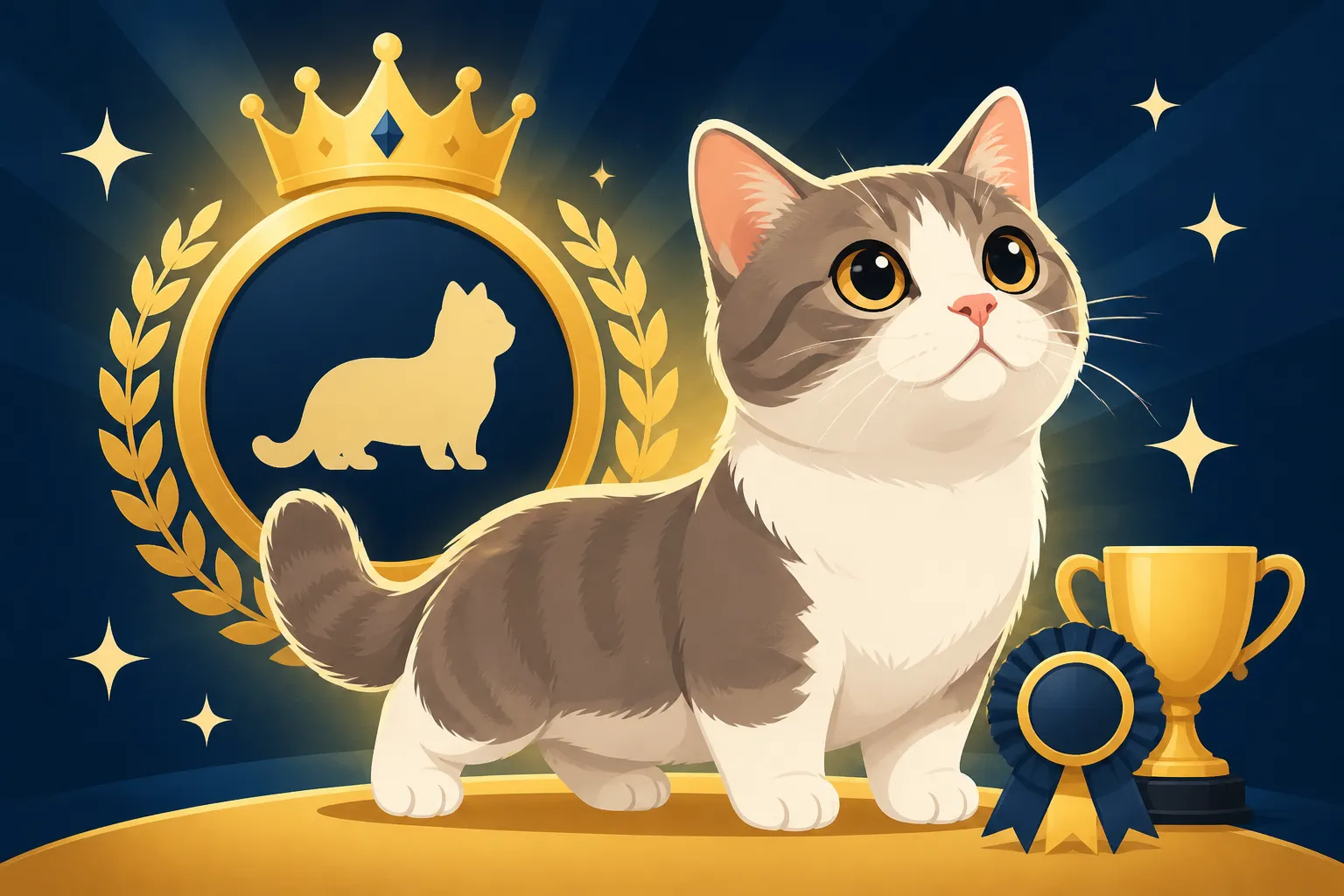
The pinnacle of recognition within TICA for any breed is "Championship Status." For the Munchkin, this milestone was achieved in 1995. This meant that Munchkins could now compete for championship titles at TICA-sanctioned shows, earning regional and international awards. For breeders, this was a monumental achievement, validating years of dedicated work and proving that the breed met TICA's stringent standards for health, temperament, and conformity to its breed standard. Championship status also meant that Munchkin pedigrees were fully recognized and respected within the TICA community, making it easier for breeders to confidently plan matings and track bloodlines.
For the Munchkin breed itself, TICA Championship Status provided a huge boost in legitimacy and popularity. It opened doors for greater public awareness and acceptance, encouraging more responsible breeders to enter the field. This formal recognition by a prominent international registry helped to standardize the breed, ensuring that Munchkins bred under TICA's umbrella adhered to a consistent type and temperament. Without this status, the Munchkin would likely have remained a niche, unrecognized variety, making it much harder for prospective owners to find reputable breeders and for the breed to flourish. This is why What TICA Championship Status Gives a Munchkin is such a critical discussion point among enthusiasts and critics alike.
Practical Implications of TICA Championship for Owners and Breeders
TICA Championship status isn't just a historical footnote; it carries very real, day-to-day implications for anyone involved with Munchkin cats, from dedicated breeders to loving pet owners.
For the Aspiring Munchkin Breeder
For someone looking to breed Munchkins, TICA Championship status is practically a prerequisite for being taken seriously. It provides a formal framework for breeding programs, offering clear guidelines on what constitutes a show-quality Munchkin and what health screenings are expected. Breeders of TICA-recognized Munchkins can confidently trace their cats' pedigrees back through generations, ensuring genetic diversity and avoiding excessive inbreeding. This also helps in demonstrating the health of their lines. A reputable breeder will always be transparent about their cat's lineage and health clearances, often backed by TICA registration. They will know that Why a Munchkin Contract Forbids Breeding Two Short Legs, an essential point to protect the breed's health.
Furthermore, TICA's recognition allows breeders to exhibit their cats in competitions. This isn't just about winning ribbons; it's a vital way to get external, expert evaluation of their breeding stock against the official breed standard. It helps them assess their progress, identify areas for improvement in their lines, and connect with other dedicated breeders. Showing also increases the visibility and reputation of a cattery, attracting serious buyers who are looking for healthy, well-socialized kittens from proven lines. For a breeder, having "TICA Champion" or "Grand Champion" in their cat's title is a testament to the quality and care they put into their program, and it directly influences demand and the perceived value of their kittens. They should be able to show you detailed records, aligning with What a Munchkin Breeder Should Be Able to Show You.
For the Pet Owner: What Championship Means for Your Kitten
If you're looking to bring a Munchkin kitten into your home, TICA Championship status in its lineage offers several benefits. Firstly, it gives you a much greater assurance of what you're getting. A kitten from TICA-registered parents, especially if those parents have achieved championship titles, means that the breeding stock has been judged to meet specific breed standards for appearance, health, and temperament. This reduces the guesswork and increases the likelihood that your kitten will grow up to embody the characteristics associated with the Munchkin breed. You're less likely to encounter a kitten from a dubious background or one whose parents haven't been properly vetted.
Secondly, a TICA pedigree provides valuable documentation. This isn't just fancy paper; it’s a record of your cat's ancestry, which can be important for health tracking or if you ever need to prove its breed for insurance purposes. While Munchkins are generally robust, like any purebred cat, they can have predispositions. Knowing the lineage can give your vet a better understanding of potential genetic factors. For instance, while a direct link isn't established, understanding the overall health of a line helps. You might also find it easier to get pet insurance from providers like Healthy Paws if your cat has verifiable breed papers, though you should always clarify coverage details regarding breed-specific conditions. The cost of a TICA-registered Munchkin kitten will likely be higher than one without papers, but many owners feel the peace of mind and ethical assurance are worth the investment over What a Munchkin Costs Over Thirteen Years. It's crucial to understand that even with TICA recognition, specific health guarantees, such as Whether a Munchkin Guarantee Covers Lordosis, are often separate agreements with the breeder and should be discussed clearly.
Navigating the Controversy and Ethical Considerations
The Munchkin's journey to TICA Championship Status was not without significant controversy, and debates surrounding the breed continue to this day. Understanding these discussions is crucial for any responsible owner or breeder.
The Ongoing Debate Around the Munchkin
The primary point of contention regarding the Munchkin cat centers on its defining characteristic: the short legs caused by a genetic mutation known as pseudoachondroplasia. Critics, including many veterinary associations and other cat registries, argue that breeding for such a physical trait is unethical if it potentially compromises the cat's health, mobility, or welfare. They often highlight concerns about spinal issues like lordosis or pectus excavatum, and the potential for premature arthritis in joints that bear unusual stress due to the shortened limbs. Why Some Vets Refuse to Recommend a Munchkin often stems from these welfare concerns.
Proponents, on the other hand, argue that the Munchkin is a healthy, active cat with no more health issues than many other breeds. They point to studies and anecdotal evidence suggesting that Munchkins run, play, and live full lives without significant impairment. TICA, in granting Championship Status, concluded that the breed was not inherently unhealthy or suffering due to its short legs. The debate often becomes quite passionate, with strong opinions on both sides, making it vital for prospective owners to research thoroughly and make an informed decision. It's a complex issue, and it’s important to acknowledge that the cat fancy community itself is divided on the ethics of breeding cats with this particular genetic trait.
Understanding Different Registry Stances
The divergent opinions on the Munchkin are clearly reflected in the stances taken by different cat registries worldwide. As mentioned, TICA has fully embraced the Munchkin, allowing it championship status and encouraging its responsible development. This position is based on their assessment that the breed is healthy and thriving. However, many other prominent registries have explicitly refused to recognize the Munchkin or have banned its breeding entirely.
The Cat Fanciers' Association (CFA), for example, maintains a firm stance against the Munchkin, citing welfare concerns. Their position is that deliberately breeding for a genetic mutation that causes a physical abnormality, even if not immediately debilitating, is contrary to their mission of promoting the health and welfare of all cats. Their decision has significant weight, particularly in North America. Similarly, the Governing Council of the Cat Fancy (GCCF) in the UK and many other European registries also refuse to recognize or register Munchkins, often going further to actively discourage their breeding. This means that if you're looking for a Munchkin and live in a region governed by these registries, you might find significant opposition or even legal restrictions on breeding or selling them. Understanding Why CFA Will Not Register a Munchkin and Why GCCF Refuses the Munchkin gives a clearer picture of the broader ethical debate. This stark contrast in recognition highlights the ongoing ethical dilemma surrounding the breed and underscores the importance of seeking out responsible breeders who prioritize health above all else.
Beyond Championship: Ensuring a Healthy and Well-Adjusted Munchkin
While TICA Championship Status is a significant achievement for the Munchkin breed, it's just one piece of the puzzle. The true well-being of a Munchkin, like any cat, comes down to responsible breeding, dedicated care, and a suitable home environment.
Prioritizing Health and Temperament
A TICA registration doesn't automatically guarantee a perfect cat, but it provides a framework for breeders to work within. Responsible breeders go far beyond simply registering their litters. They prioritize the health and temperament of their breeding cats, conducting thorough health screenings for common feline diseases, as well as keeping a close eye on any potential issues related to the Munchkin's unique conformation. This includes vigilant monitoring for conditions like lordosis or pectus excavatum, even if they aren't explicitly required by all registries for screening. They should be transparent about their cats' health history and any tests performed, and be able to discuss Which Studies Exist on Munchkin Health with you.
Temperament is equally crucial. A well-bred Munchkin should be outgoing, playful, and affectionate. They should be well-socialized from a young age, accustomed to human interaction, and comfortable in a home environment. A good breeder will spend significant time with their kittens, ensuring they are confident and ready for their new homes. This proactive approach to both physical and behavioral health is what truly defines a responsible breeding program, regardless of championship titles.
The Importance of Responsible Breeding Practices
The ethical responsibility of a Munchkin breeder extends beyond merely producing cute kittens. It involves a deep commitment to the welfare of the breed. This means carefully selecting breeding pairs to enhance desirable traits and minimize potential health concerns. It means understanding the genetics of the short-leg trait to avoid breeding two short-legged cats together, a practice that is widely considered lethal for homozygous embryos. A responsible breeder will also educate prospective owners about the unique needs of a Munchkin, such as the need for adapted furniture and ensuring they live in a safe, indoor environment where their short legs don't put them at a disadvantage.
Furthermore, a breeder's responsibility doesn't end when a kitten leaves for its new home. They should be available to offer advice and support to new owners, providing guidance on everything from nutrition to veterinary care. They will also typically have a contract that outlines expectations for care and often includes a clause for the return of the cat if the owner can no longer care for it, ensuring the cat never ends up in a shelter. Ultimately, TICA Championship status provides a recognized standard, but it's the individual breeder's dedication to health, ethics, and ongoing support that makes the most significant difference in the life of a Munchkin cat and its owner. Budgeting for ongoing care is also key, and many owners later realize What a Munchkin Owner Regrets Not Budgeting For, often including specialized items for their unique needs like ramps and low-entry litter boxes. Indeed, Why a Munchkin's House Costs More Than the Cat is a common realization.
Disclaimer
This article is for general informational purposes only and does not constitute professional advice. Laws, prices and regulations vary by location and change over time. Consult a qualified professional for guidance on your specific situation.