What a Low Entry Munchkin Litter Box Costs
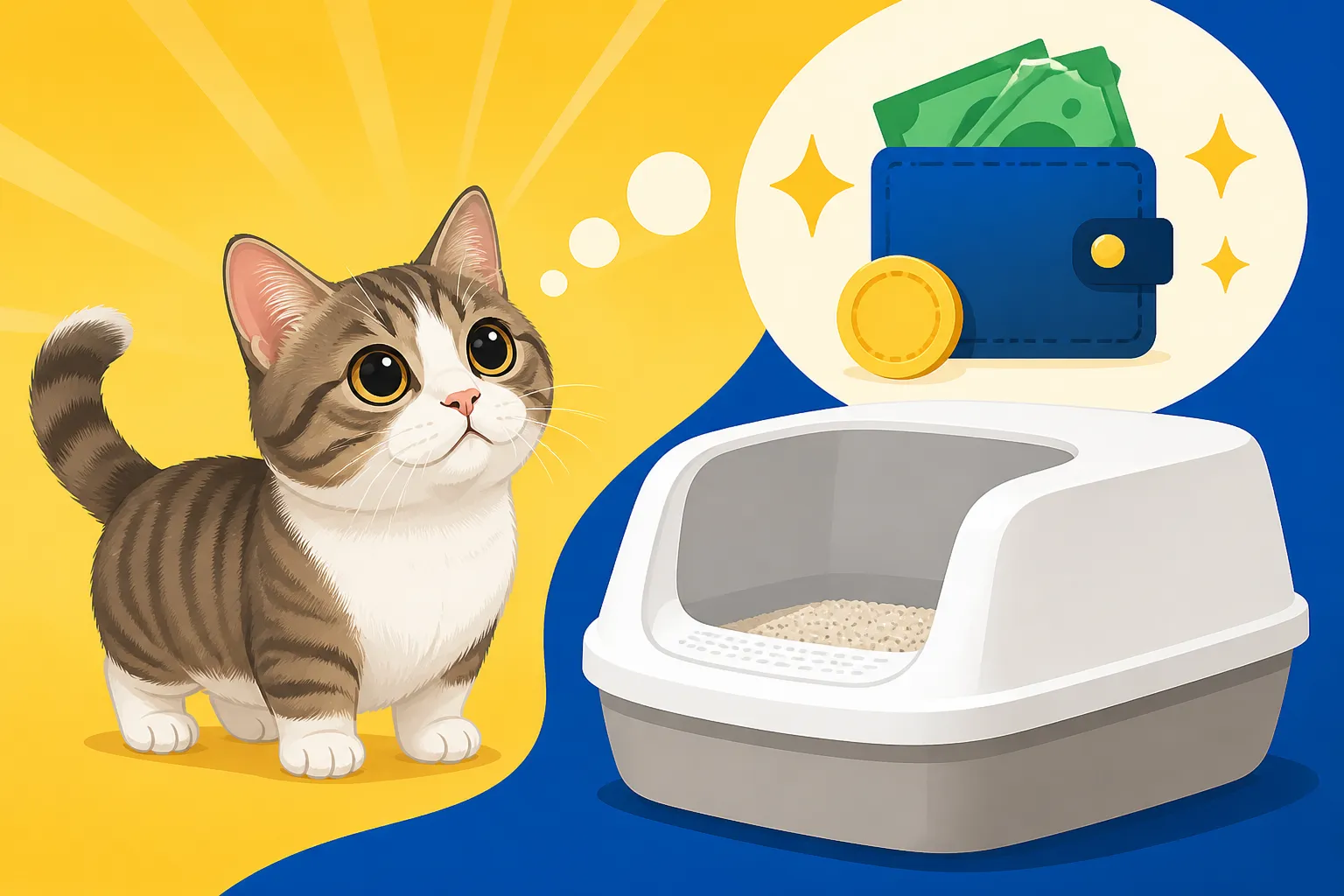
Bringing a Munchkin cat into your life is an absolute joy, but it also comes with a unique set of considerations, especially when it comes to their daily needs. One of the most overlooked, yet critical, aspects is their litter box. Standard litter boxes with high sides can be incredibly challenging for a short-legged Munchkin to enter and exit comfortably, leading to accidents, stress, and even potential health issues. This comprehensive guide will walk you through everything you need to know about what a low-entry Munchkin litter box costs, why it's so important, and the different options available to ensure your adorable furball has easy, dignified access to their potty.
Why a Low-Entry Litter Box Isn't Just a "Nice-to-Have" for a Munchkin
It might seem like a minor detail, but for a Munchkin cat, the height of their litter box entrance can make a monumental difference in their quality of life. Imagine having to scale a small wall every time you needed to use the restroom – it wouldn't take long before you started looking for easier alternatives, right? Your Munchkin feels the same way. Their unique anatomy means that standard litter boxes, designed for average-legged cats, present a physical barrier that can cause real problems.
The Physical Challenge for Short Legs
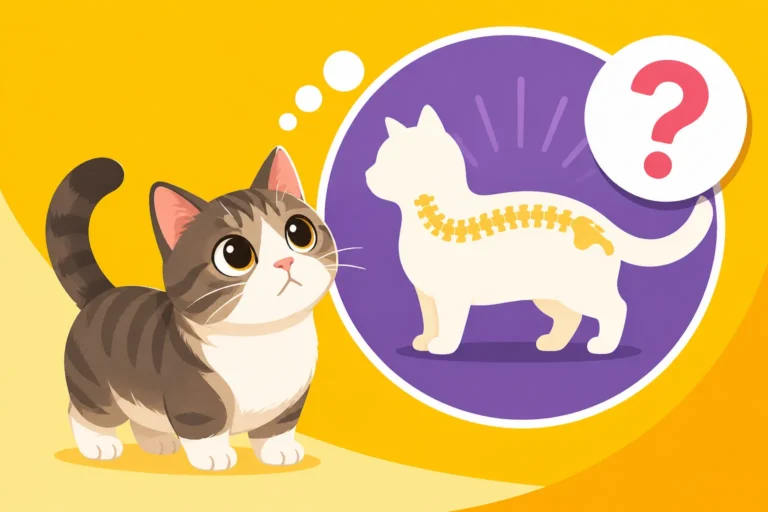
The defining characteristic of a Munchkin cat is their adorably short legs. While this makes them incredibly cute and gives them their distinctive "ferret-like" gait, it also means they lack the leverage and height to easily step over high barriers. A standard litter box often has an entry lip of four to six inches, which for a Munchkin, can feel like a significant hurdle. They might have to hoist themselves over, stretching their spine in an unnatural way, or even jump and land awkwardly inside.
This constant straining to enter and exit isn't just inconvenient; it can put undue stress on their back and joints, particularly their shoulders and elbows, which already bear a greater load due to their short limbs. Over time, this repetitive motion could contribute to discomfort or exacerbate any underlying joint issues. You want your Munchkin to feel safe and comfortable in their most private moments, and a difficult entry simply undermines that. It’s vital to understand How Short a Munchkin's Legs Actually Are to appreciate this challenge.
Preventing Accidents and Behavioral Issues
When a cat finds its litter box difficult to access, one of the first things they'll do is find somewhere easier. This often means inappropriate urination or defecation around the house. It's not out of spite; it's a practical decision on their part. If the sofa is easier to get onto than the litter box, or a quiet corner of the rug feels more accessible, that's where they'll go. These accidents are incredibly frustrating for owners, but the cat isn't being "naughty"; they're reacting to an environmental barrier.
Beyond the obvious cleanliness issues, these behavioral problems can cause significant stress for both you and your cat. A cat that's anxious about using their litter box might hold their urine or feces, which can lead to urinary tract infections (UTIs) or constipation – real health concerns. Ensuring your Munchkin has a box they can easily walk into drastically reduces the likelihood of these common and distressing issues. Providing easy access is a fundamental aspect of a low entry (How Low a Munchkin Litter Box Entry Should Be).
Long-Term Health and Mobility Considerations
As Munchkins age, just like any cat, they can become less agile. Arthritis and joint stiffness are common in senior cats, and for a Munchkin, whose leg structure already predisposes them to certain joint stresses, this can become particularly pronounced. A high-sided litter box that was merely inconvenient when they were young can become an insurmountable obstacle in their golden years.
Preventing strain from day one helps maintain their long-term mobility. By providing a low-entry option from kittenhood, you're establishing good habits and protecting their joints over their lifespan. Think of it as preventative care. The small investment in a suitable litter box now can potentially save you significant veterinary bills and heartache down the line, ensuring your Munchkin remains comfortable and mobile for as long as possible. Understanding What an Old Munchkin Stops Being Able to Do highlights the importance of accessibility throughout their life.
Exploring Different Types of Low-Entry Litter Box Solutions
When you start looking for a low-entry litter box, you'll find there are several routes you can take, from simple open trays to specially designed senior cat boxes, and even creative DIY modifications. Each option comes with its own set of pros and cons, particularly concerning cost and functionality.
Basic Open Trays and Shallow Pans
The most straightforward and often most affordable option is a basic open litter tray or a shallow pan. These are typically designed for kittens or small animals, but their low sides make them perfect for a Munchkin. You can find these made from various plastics, ranging from very flimsy to quite sturdy.
- Cost: These are usually the cheapest options, often ranging from quite inexpensive for a basic plastic pan to slightly more for a larger, more durable design.
- Pros: Very easy for a Munchkin to enter, readily available, and inexpensive. They're also easy to clean.
- Cons: Lack of height means litter can be easily kicked out, especially by an enthusiastic digger. There's also no cover, which some cats and owners prefer for privacy and odor control. You'll also need to be mindful of How Deep a Munchkin's Litter Should Be to minimize tracking.
Senior Cat-Specific Litter Boxes
Many pet supply brands, available at stores like Chewy, offer litter boxes specifically marketed for senior cats, cats with mobility issues, or those recovering from surgery. These are typically designed with one side significantly lower than the others, or a ramp built directly into the front.
- Cost: These specialized boxes are generally more expensive than basic trays, reflecting their design and targeted functionality.
- Pros: Tailored for easy access, often with a good balance of low entry and higher sides to contain litter. Some models offer partially enclosed designs which can help with privacy and tracking without completely hindering access. Many are made from more robust plastics or even eco-friendly materials.
- Cons: While better than standard boxes, some "senior" designs might still be a tad high for the shortest Munchkins, so always double-check the exact entry height. They can also be bulkier than simple trays. These boxes are ideal as Why a Senior Cat Box Suits a Munchkin.
DIY Modified Solutions
For the crafty owner or those on a tighter budget, modifying existing containers or purchasing items with the intent to adapt them can be a fantastic solution. Common items used include plastic storage bins, dishwashing tubs, or even large boot trays. The key is finding something with naturally low sides or one that can be safely cut down.
- Cost: The cost here varies widely. You might repurpose something you already own for free, or purchase an inexpensive storage bin for a few dollars. If you need tools for cutting, that's an additional, one-time expense.
- Pros: Highly customizable to your Munchkin's exact needs, potentially very cheap, and allows for creative solutions that blend with your home decor.
- Cons: Requires some effort and potentially tools. You need to ensure any cut edges are smooth and safe, and the material is durable enough for continuous use. You also want to make sure the modified box doesn't feel flimsy, as this can deter your cat. Learning How to Cut Down a Litter Box for a Munchkin can be incredibly useful here.
Litter Boxes with Built-In Ramps or Steps
A newer category of specialized litter boxes includes those with small, integrated ramps or steps leading up to the main litter area. These aim to provide an even more gradual incline for cats who struggle with even low steps.
- Cost: These are generally at the higher end of the litter box price spectrum due to their more complex design and manufacturing.
- Pros: Offers the easiest, most gentle access for cats with very limited mobility. The ramp is integrated, so you don't need to purchase or create a separate accessory.
- Cons: Can be quite large and take up more floor space. The ramp material needs to be easy to clean and resist litter tracking. These might also be harder to find in a wide variety of styles.
Here's a quick comparison of these common low-entry options:
| Litter Box Type | Entry Height (Typical) | Pros | Cons | Cost Range (Relative) |
|---|---|---|---|---|
| Basic Open Tray/Shallow Pan | 2-4 inches | Very low entry, simple, easy to clean, widely available | Poor litter containment, limited privacy, less sturdy options | Low |
| Senior Cat-Specific Box | 3-5 inches (one side) | Designed for mobility, better litter containment, some privacy | Still might be too high for some Munchkins, bulkier | Medium |
| DIY Modified Bin | Fully customizable | Very low cost, perfectly tailored to your cat, creative | Requires effort/tools, potential for rough edges, less aesthetic | Very Low to Low |
| Box with Built-in Ramp/Steps | Gradual incline | Easiest access, minimizes jumping/straining | Bulky, higher cost, can be harder to clean the ramp area | High |
Understanding the Cost Factors Beyond Just the Box Itself
When budgeting for a low-entry litter box for your Munchkin, it's easy to just think about the initial purchase price of the box itself. However, a truly comprehensive approach considers the ongoing costs and potential savings that are directly impacted by choosing the right (or wrong) litter solution. It's about more than just the container; it's about the entire litter area ecosystem and your cat's well-being.
Litter Type and Usage: A Hidden Ongoing Expense
The type and quantity of litter you use can significantly influence your overall costs, and this is often exacerbated by a non-ideal litter box. With a low-entry box, you might find that certain litters are better at staying put. If you opt for a very shallow pan to ensure easy access, you might need to use less litter depth, which could mean more frequent scooping or changing to maintain hygiene. Conversely, if litter is constantly kicked out because the sides are too low, you'll be using more litter over time.
Consider litters that are less prone to tracking and have good odor control, which might be slightly more expensive per bag but could save you money on cleaning supplies or larger litter top-ups. Brands found on Chewy offer a vast selection, from clumping clay to silica gel and natural options, each with its own price point and performance characteristics related to tracking and depth. Finding the right balance of accessibility and litter containment is key to managing this ongoing expense.
Cleaning Supplies and Accessories
An accessible litter box isn't just about preventing accidents; it's also about making cleanup easier for you. If your Munchkin is constantly making a mess around a high-sided box because they can't get in, you'll be spending more on enzymatic cleaners, paper towels, and deodorizers. This constant cleaning adds up, not just in terms of product cost but also your time and effort.
A low-entry box that encourages proper use reduces these incidents. Additionally, consider accessories like a good quality litter scoop (especially one that can reach into corners without awkwardly lifting the box) and a sturdy litter mat placed right outside the low entrance. These mats help trap litter from Which Litter Sticks to a Munchkin's Belly and paws, reducing spread and keeping your home cleaner, thus cutting down on other cleaning product expenses. These small investments enhance the overall functionality and cleanliness of your litter setup, turning potential frustrations into smooth routines.
Potential Vet Bills from Inaccessible Boxes
This is perhaps the most significant "hidden" cost of not having a suitable litter box. As mentioned earlier, a Munchkin struggling with their litter box can develop a range of health issues. Urinary tract infections (UTIs) are common when cats hold their urine due to discomfort or aversion to their box. These infections require veterinary consultation, antibiotics, and sometimes follow-up visits. Similarly, chronic constipation from avoiding the box can lead to more serious gastrointestinal problems, potentially requiring dietary changes, medication, or even enemas.
The cost of a single vet visit for a UTI or constipation can easily outweigh the cost of even the most expensive low-entry litter box. Furthermore, if your cat develops a chronic aversion to the box due to previous difficulties, behavioral therapy or special calming supplements might be needed, adding further expenses. While pet insurance providers like Healthy Paws can help mitigate some of these unexpected costs, prevention is always better than cure. Investing in an appropriate litter box is a proactive step that supports your Munchkin's long-term health and can save you considerable money and stress down the line. It's a small price to pay to avoid issues like How Kidney Disease Arrives in an Old Munchkin or other stress-related ailments.
DIY Solutions vs. Commercial Options: A Cost Comparison
When it comes to providing a low-entry litter box for your Munchkin, you generally have two main paths: buying a ready-made commercial product or getting creative with a DIY approach. Both have their financial implications and practical considerations. Understanding these can help you decide which is the best fit for your budget and lifestyle.
The Cost-Benefit of DIY Solutions
Choosing to go the DIY route can be incredibly cost-effective, especially if you're handy or enjoy upcycling. The primary cost-benefit is that you often start with inexpensive materials, or even items you already have around the house. A large plastic storage container, a robust dishwashing tub, or even a deep baking pan can all be adapted with a little ingenuity.
For example, a durable plastic storage bin might cost you relatively little at a discount store. If its sides are too high, a simple utility knife or Dremel tool (if you have one) can be used to cut a low entry point. The 'cost' then becomes your time and effort. The benefit is a perfectly customized litter box that precisely meets your Munchkin's needs without a hefty price tag. You also gain the satisfaction of crafting something practical for your beloved pet. The crucial point is ensuring the modified edges are smooth and safe for your cat, preventing any scrapes or injuries. This approach directly addresses the need for a low entry (How Low a Munchkin Litter Box Entry Should Be).
However, there's a flip side. If you don't already own the tools, the initial outlay for a good utility knife, sandpaper, or file to smooth edges could add to the cost. There's also the potential for error, meaning you might ruin a container or two before getting it right. For some, the time investment simply isn't worth the savings, especially if you lead a very busy life.
Pros and Cons of Pre-Made Options
Commercial low-entry litter boxes offer convenience and a professional finish right out of the box. You walk into a pet store or browse online retailers like Chewy, pick the one you like, and it's ready to use. This saves you the time, effort, and potential frustration of a DIY project. These products are designed with pet safety and often aesthetic appeal in mind, featuring smooth edges, durable materials, and sometimes features like non-slip bases.
The "cost" here is primarily monetary. Commercial options are generally more expensive than their DIY counterparts. A specialized senior cat litter box, or one with an integrated ramp, can cost significantly more. However, you're paying for design, durability, and immediate usability. For many owners, the peace of mind that comes from a purpose-built product, backed by a brand, is worth the extra expense. Furthermore, if you're not comfortable with tools or simply lack the time, a ready-made solution is invaluable.
The main "con" beyond the price is that you might still need to search to find the perfect entry height for your specific Munchkin. While many are low-entry, they aren't all created equal, and some might still present a minor challenge for the shortest "rug hugger" Munchkins. Always check product dimensions and read reviews from other short-legged cat owners to ensure it meets your specific needs, as highlighted in Which Litter Box a Munchkin Can Actually Enter.
Where to Find Affordable and Suitable Low-Entry Litter Boxes
Once you've decided on the type of low-entry litter box that suits your Munchkin and your budget, the next step is finding it. Thankfully, there are many places to look, from online giants to local community resources. Being strategic about where you shop can help you find the best value and the perfect fit.
Online Retailers and Pet Supply Websites
The internet is often the first stop for many pet owners, and for good reason. Large online retailers, including pet-specific sites like Chewy, offer an unparalleled selection of litter boxes. You can filter by features, read countless reviews, and compare prices from the comfort of your home. This is especially helpful for finding niche products like senior cat litter boxes with extra-low entry points or integrated ramps.
Many online stores also have competitive pricing, sales events, and subscription services for litter that can further reduce your ongoing costs. Just be sure to carefully check the dimensions, particularly the entry height, as photos can sometimes be deceiving. Don't forget to factor in shipping costs, though many larger retailers offer free shipping over a certain order value.
Local Pet Specialty Stores
While online shopping offers convenience, a visit to your local pet specialty store provides the advantage of seeing and touching the products in person. This can be invaluable when trying to assess the actual height of a litter box, the sturdiness of the plastic, or the texture of a ramp. You can also get advice from knowledgeable staff who might have experience with Munchkin cats or other breeds with mobility challenges.
Prices might be slightly higher at brick-and-mortar stores compared to online, but the ability to inspect the product and take it home immediately can be a big plus. It also supports local businesses, which is a wonderful thing to do! These stores are great places to find basic open trays or the more common senior cat litter box models. Plus, you can instantly see if a "low entry" box is truly low enough for Why a Munchkin's Belly Nearly Touches the Floor without guesswork.
Discount Stores and Repurposing Options
Don't overlook discount stores, dollar stores, or even general merchandise retailers. These places often carry inexpensive plastic storage bins, shallow tubs, or boot trays that can be repurposed into excellent DIY low-entry litter boxes. While they might not be specifically designed for pets, their low price point and versatility make them attractive options for modification.
Garage sales, thrift stores, or online marketplaces (like local community groups) can also be treasure troves for inexpensive, clean plastic containers that can be adapted. Just ensure any used items are thoroughly cleaned and sanitized before introducing them to your cat. This avenue is often the most budget-friendly, especially if you're comfortable with a little bit of DIY work. It's a smart way to manage the thirteen-year cost (What a Munchkin Costs Over Thirteen Years) by saving on smaller items.
Thinking Ahead for Long-Term Care and Budgeting
When you bring a Munchkin into your home, you're signing up for a lifetime of love and unique care considerations. Budgeting for their needs, including an accessible litter box, is part of that commitment. While the initial cost of a low-entry litter box might not seem significant, the long-term impact on your cat's health and happiness is immense. Whether you choose a simple DIY solution or a specialized commercial product, prioritizing easy access to their potty area is an act of love that will pay dividends in their comfort and well-being for years to come. Remember that a holistic approach to your Munchkin's environment is crucial, extending to considerations like What a Munchkin's House Costs More Than the Cat due to necessary adaptations.
Disclaimer
This article is for general informational purposes only and does not constitute professional advice. Laws, prices and regulations vary by location and change over time. Consult a qualified professional for guidance on your specific situation.