How Short a Munchkin’s Legs Actually Are
It's easy to look at a Munchkin cat and be charmed by those adorably short legs, but many prospective owners don't fully grasp just how short they truly are or the practical implications that come with this unique physical trait. This guide will walk you through the precise measurements, the various classifications of leg length, and most importantly, what these compact limbs mean for your Munchkin's daily life, movement, and long-term well-being, helping you understand the real-world considerations of bringing one into your home.
The Genetic Reality Behind Those Short Legs
When we talk about a Munchkin cat's legs, we're not just discussing a slight variation in height; we're delving into a genetic marvel, or perhaps, a genetic anomaly, depending on your perspective. Their distinctive short stature isn't just a quirk; it's the defining characteristic of the breed, a direct result of a specific genetic mutation that alters bone growth in their limbs.
Understanding Pseudoachondroplasia
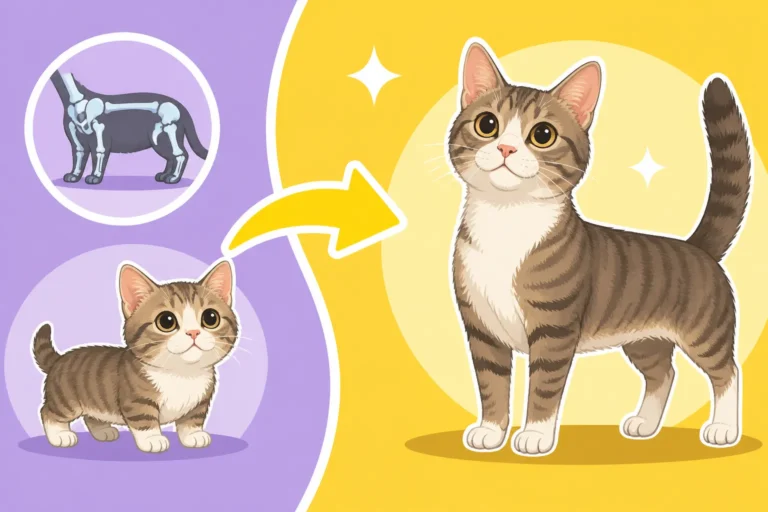
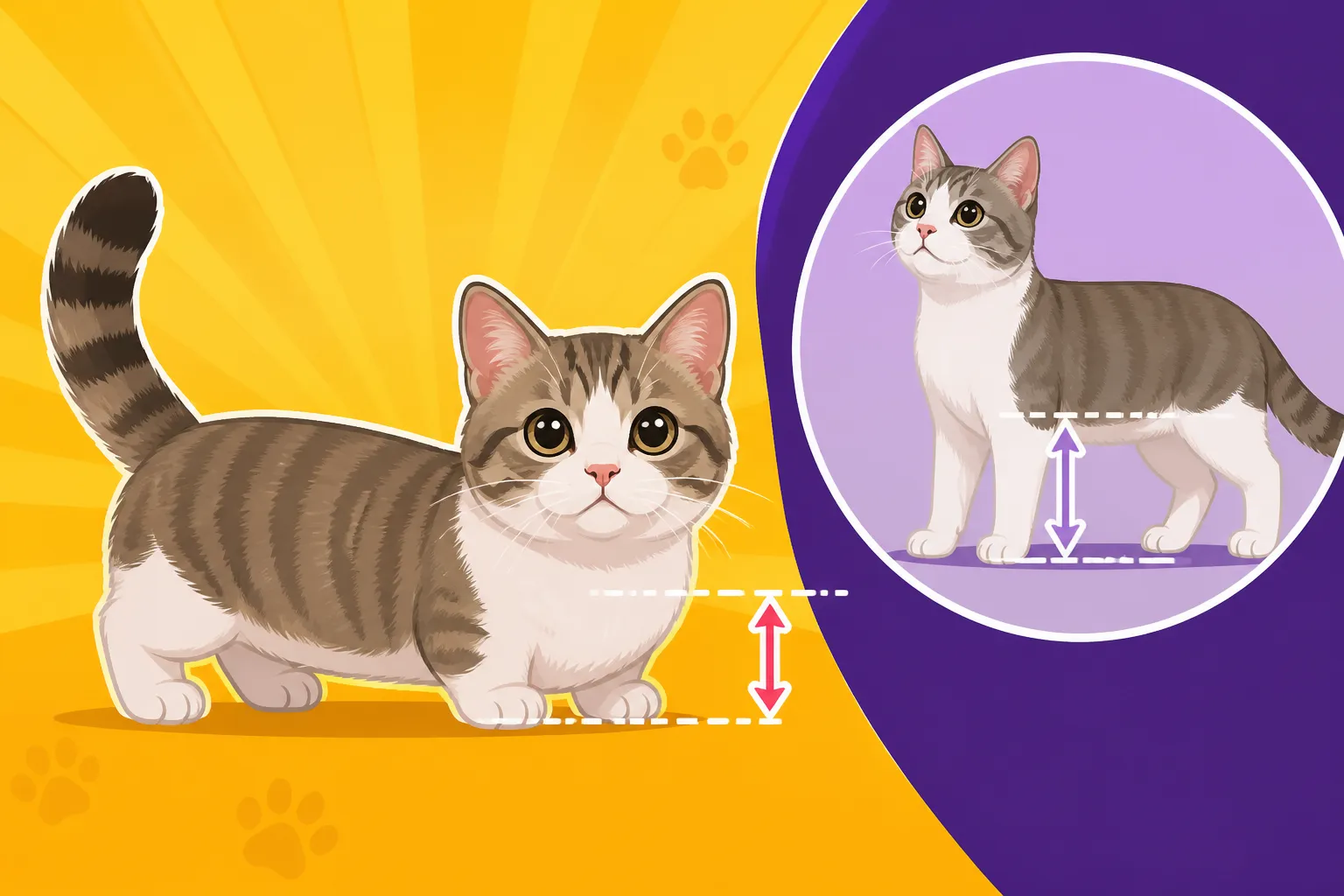
The scientific term for the Munchkin's short legs is pseudoachondroplasia. Now, don't let the fancy word intimidate you; it essentially means that while their long bones – those in their legs – are significantly shorter than those of an average cat, their spine and skull develop normally. This is a crucial distinction, because it means that a Munchkin isn't "dwarf" in the same way some breeds are, where all skeletal structures are proportionally smaller. Instead, their body is a normal size and length, supported by those much shorter limbs. This is why a Munchkin can often appear quite long in the body compared to its leg height, leading to that distinctive low-slung appearance. Understanding What Pseudoachondroplasia Does to a Munchkin's Legs is key to appreciating their unique physiology. It's a spontaneous autosomal dominant gene, meaning only one copy is needed for the trait to express itself, and it's the reason every Munchkin litter is a carrier cross, with some kittens having long legs and others short.
How Leg Length Compares to an Average Cat
So, let's get down to brass tacks: how short are they, really? While there can be some variation even among Munchkins, a typical adult domestic shorthair cat might stand around 9 to 10 inches tall at the shoulder. A Munchkin, on the other hand, usually stands significantly lower, often in the range of 5 to 7 inches. That's a reduction of roughly 30-50% in leg length. Imagine your own legs suddenly being half their usual length while your torso remains the same; that's the kind of proportional difference we're talking about. This substantial difference in limb length is the primary reason for their unique gait and their challenges with vertical movement. It's also why Why a Munchkin's Legs Are Short but Its Body Is Not is such an important aspect to grasp – they aren't "miniature" cats; they are cats with distinctively abbreviated limbs.
More Than Just "Short": The Different Leg Lengths in Munchkins
It's not a one-size-fits-all situation when it comes to Munchkin legs. Breeders and enthusiasts often categorize Munchkins based on the degree of their leg shortness, which can lead to further variations in how they navigate their world and even how much they're valued.
Standard vs. Rug Hugger Descriptions
Within the Munchkin breed, you'll hear terms like "standard," "super short," or "rug hugger" to describe leg length.
- Standard Munchkins have legs that are noticeably short but still allow for a fair amount of agility and a somewhat typical cat-like movement, albeit closer to the ground. They can often manage low jumps, though perhaps not with the grace or height of a long-legged cat. Their legs are definitely their defining trait, making them distinct from conventional felines, but they retain a good degree of functional mobility.
- Rug Huggers (sometimes called "super short" or "non-standard") are at the extreme end of the spectrum. Their legs are considerably shorter, often to the point where their belly seems to almost brush the floor as they walk. These cats possess an even more pronounced waddle and face greater challenges with vertical movement. Ironically, these "rug huggers" are often the most sought-after by some buyers due to their extreme cuteness, despite the increased physical limitations they may experience. Understanding What a Rug Hugger Munchkin Is and Why It Costs More sheds light on this phenomenon.
The Impact on Their Stature and Movement
Regardless of whether a Munchkin is "standard" or a "rug hugger," their compact legs fundamentally alter their posture and how they move through the world. Their low center of gravity means they move differently than a typical cat, often with a unique, somewhat rolling or "ferret-like" gait. They're surprisingly quick on flat ground, darting around with remarkable speed, but their ability to gain vertical height is severely compromised.
Imagine the powerful spring a long-legged cat generates to leap onto a counter or bookshelf; a Munchkin simply cannot achieve that same lift. Instead, they rely on different strategies. You'll observe them building momentum, making two small jumps where a normal cat would make one, or meticulously mapping out a route using furniture as a staircase. This is why How High a Munchkin Can Actually Jump is a question with a very different answer for them. Their short legs also give them a distinctive way of sitting, often propping themselves up on their hindquarters like a meerkat or a prairie dog to get a better view – a charming behavior known as The Prairie Dog Sit Only a Munchkin Does. This adaptation helps them compensate for their limited height, allowing them to survey their surroundings and interact more effectively with their taller companions or human family members.
Here’s a quick overview of the distinctions:
| Feature | Average Domestic Shorthair | Standard Munchkin | Rug Hugger Munchkin |
|---|---|---|---|
| Approx. Height | 9-10 inches at shoulder | 5-7 inches at shoulder | 3-5 inches at shoulder |
| Leg Proportion | Normal | Significantly shorter | Extremely short |
| Belly Clearance | High | Moderate | Very low, almost touching ground |
| Jumping Ability | High | Limited, low jumps | Severely limited |
| Gait | Fluid, graceful | Distinctive waddle, ferret-like | Pronounced waddle, very low to ground |
| Mobility | Excellent | Good on flat surfaces, needs aids for height | Good on flat surfaces, heavily reliant on aids for height |
Daily Life and Practical Considerations for Short Legs
Living with a Munchkin cat means understanding that their world is fundamentally different from that of a long-legged feline. Their environment needs to be thoughtfully adapted to ensure they can live a full, happy, and pain-free life. It's a commitment that goes beyond just admiring their unique appearance.
Jumping Abilities and Environmental Adaptations
The most obvious impact of a Munchkin's short legs is on their jumping ability. They simply cannot reach the same heights as other cats. This isn't a flaw in their character; it's a physical reality. While they are often described as active and playful, their activity is mostly confined to horizontal planes. That towering cat tree that a Siamese would effortlessly scale in seconds? A Munchkin might only be able to reach the first or second platform without assistance. This means a proactive approach to home design is essential.
You'll need to consider adding ramps or steps to help them access furniture like sofas, beds, and even certain window sills. This isn't just about convenience; it's about preventing injury. Repeatedly attempting jumps they can't quite make, or worse, jumping down from heights not designed for their short legs, can put undue stress on their joints and spine. Many owners find themselves rearranging furniture to create a series of "stepping stones" for their Munchkins. If you're a new Munchkin owner, you'll quickly realize the importance of learning How to Set Up Ramps Around a Munchkin's House to make everyday life easier and safer for your compact companion. This might seem like a lot of work, but ensuring your Munchkin can safely navigate their environment is paramount. Investing in sturdy, low-gradient ramps or pet stairs is a must. If an accident were to happen from a misjudged jump, having a reliable pet insurance provider like Healthy Paws can make a huge difference in managing unexpected vet bills, offering peace of mind.
Grooming, Litter Box, and Weight Challenges
Beyond jumping, those short legs also bring specific challenges to everyday care tasks.
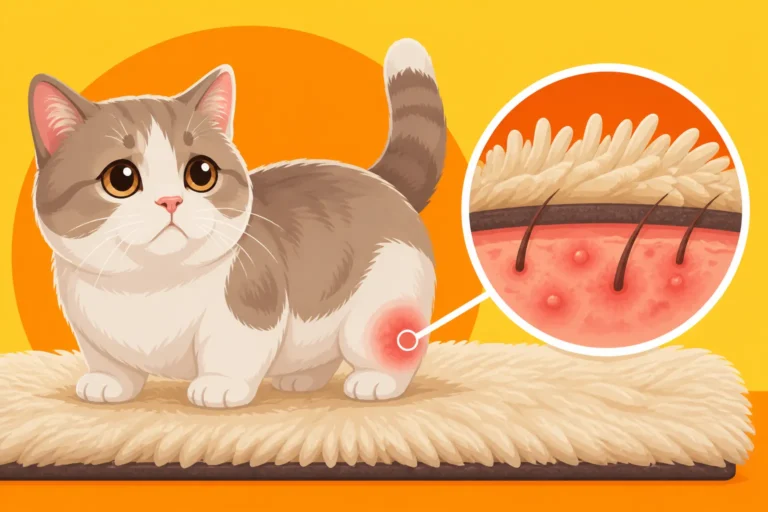
- Grooming: A Munchkin's normal-sized body means they often struggle to reach certain areas for self-grooming, especially their hindquarters and the middle of their back. This can lead to matting, skin irritation, and even infections if not properly managed by their human companions. Regular brushing, particularly for long-haired Munchkins, becomes a non-negotiable part of their routine. You might find yourself needing to learn How to Hold a Munchkin for a Nail Trim in a way that doesn't strain their delicate legs.
- Litter Box Access: Imagine trying to step into a bathtub if you only had very short legs. That's what a standard litter box can feel like for a Munchkin. Many traditional litter boxes have high sides that are difficult for them to enter comfortably, especially as they age or if they have joint issues. Low-entry litter boxes, or even modifying existing ones by cutting down a side, become necessary. Otherwise, you might find your beloved feline choosing to relieve themselves outside the box, not out of spite, but out of physical limitation. This is why considering Which Litter Box a Munchkin Can Actually Enter is so important before they even arrive home.
- Weight Management: Perhaps one of the most critical aspects of Munchkin care tied to their short legs is weight control. Because their legs are shorter and their bodies are normal-sized, any excess weight puts an immense amount of strain on their joints and spine. A few extra pounds on a Munchkin can be far more detrimental than on a long-legged cat, leading to earlier onset of arthritis and exacerbating potential spinal issues like lordosis. Their lower activity levels due to mobility constraints also mean they burn fewer calories. Owners must be diligent about portion control and ensure they receive enough interactive play. This makes understanding Why Weight Is More Dangerous on a Munchkin an absolute priority. If your Munchkin were to develop weight-related health issues, having pet insurance from a company like Healthy Paws could assist with vet visits, diagnostic tests, and ongoing treatments.
Long-Term Health Implications Related to Leg Length
While Munchkin cats are generally considered active and robust, their unique skeletal structure does predispose them to certain health considerations, particularly as they age. Understanding these potential challenges allows owners to be proactive in their care and provide the best possible quality of life.
Joint Stress and Early Onset Arthritis
The unique biomechanics of a Munchkin's short legs mean that their joints, especially in their shoulders, elbows, and hips, bear a different kind of load than those of a long-legged cat. Each step, each minor jump, and every landing puts stress on these joints. Over time, this cumulative stress can lead to the earlier development of osteoarthritis, a painful degenerative joint disease. While all cats can develop arthritis as they age, Munchkins might show signs sooner or experience more pronounced symptoms due to their unique conformation.
Symptoms to watch for include reluctance to jump, difficulty climbing (even up ramps they once used easily), stiffness, limping, or a change in their gait. They might also become less playful or show discomfort when handled. Regular veterinary check-ups are vital for early detection and management. Your vet might recommend joint supplements, pain management strategies, or even physical therapy to help maintain their mobility and comfort. Being prepared for these potential long-term health needs, and having a comprehensive pet insurance plan from a provider like Healthy Paws, can help alleviate the financial burden of managing chronic conditions like arthritis, ensuring your furry friend gets the care they need without compromise. This is a primary reason why Whether a Munchkin Gets Arthritis Earlier is a concern for many prospective owners.
Spinal Considerations Beyond Lordosis
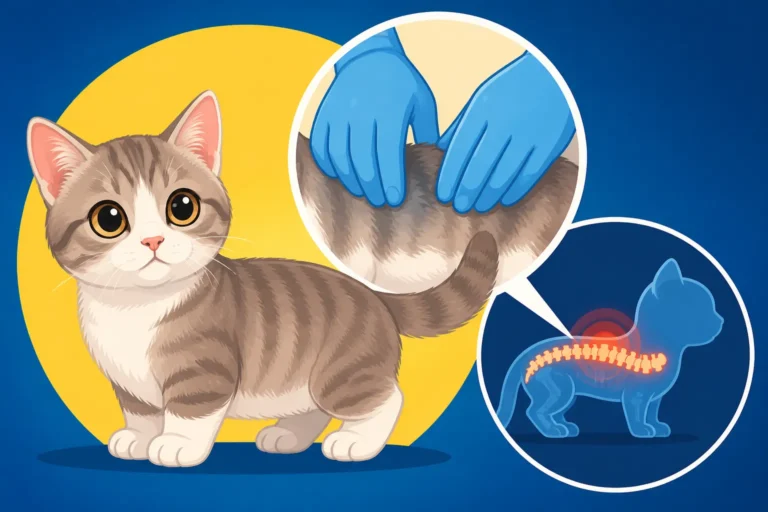
It's a common misconception that Munchkins have short spines. As discussed earlier, their body length is normal; it's just their limbs that are short. However, the overall skeletal structure and how the spine integrates with those short legs can still be a point of concern. The condition most frequently associated with Munchkin cats, beyond their leg length, is lordosis. Lordosis is a severe inward curvature of the spine, where the vertebrae grow inward, causing the spine to dip down towards the chest. While lordosis is not directly caused by the short leg gene itself, it is a skeletal anomaly seen with greater frequency in Munchkins than in the general cat population, often considered a secondary skeletal defect.
Severe lordosis can compress internal organs, leading to breathing difficulties and other health problems, and in extreme cases, it can be fatal for kittens. However, milder forms may exist with less severe impacts. It's crucial for breeders to screen for this condition and for owners to be aware of the signs. Why a Munchkin's Spine Carries a Load a Normal Cat's Does Not explores these biomechanical stresses further.
Regular veterinary examinations, particularly during their kittenhood and early adult life, can help monitor for any signs of spinal irregularities. Early palpation of the spine and, if indicated, X-rays, can provide crucial information. While pet insurance typically doesn't cover pre-existing conditions, having a policy in place before any issues arise means that if your Munchkin were to develop lordosis or other spinal issues not directly linked to their dwarfism, companies like Healthy Paws could help with diagnostic imaging, treatments, and ongoing supportive care. This vigilance ensures that your Munchkin enjoys a life as comfortable and mobile as possible.
Disclaimer
As a responsible content creator, I want to emphasize that while this article provides comprehensive information, it is not a substitute for professional veterinary advice. Always consult with a qualified veterinarian regarding your pet's specific health concerns and care needs.