How to Set Up Ramps Around a Munchkin’s House
One of the biggest challenges Munchkin cat owners face isn't just about admiring their adorable short legs, it's about understanding and actively adapting their entire home environment to ensure these unique felines can live a full, happy, and safe life without unnecessary strain. This guide is all about rolling up your sleeves and transforming your living space into a true Munchkin-friendly paradise, focusing specifically on how to effectively set up ramps and steps around your house to keep your little one mobile and prevent common injuries that can plague their delicate spines and joints over time.
Understanding the Munchkin's Unique Mobility Needs
It’s easy to look at a Munchkin and assume they’re just like any other cat, only shorter. But that perspective misses a critical point: their physiology means they interact with their world fundamentally differently. They have a normal-length spine and body but significantly foreshortened limbs, which directly impacts how they move, play, and navigate their territory. Understanding these unique physical limitations is the first step to creating a truly supportive home.
Why Jumping Is a Concern for Short-Legged Cats
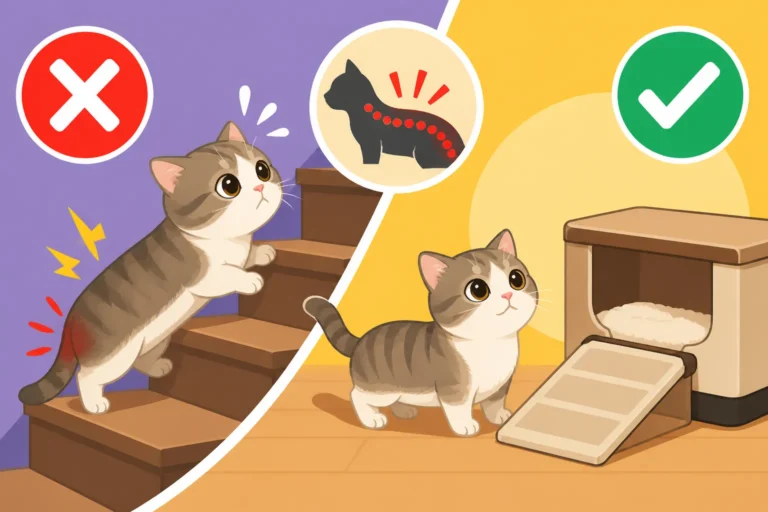
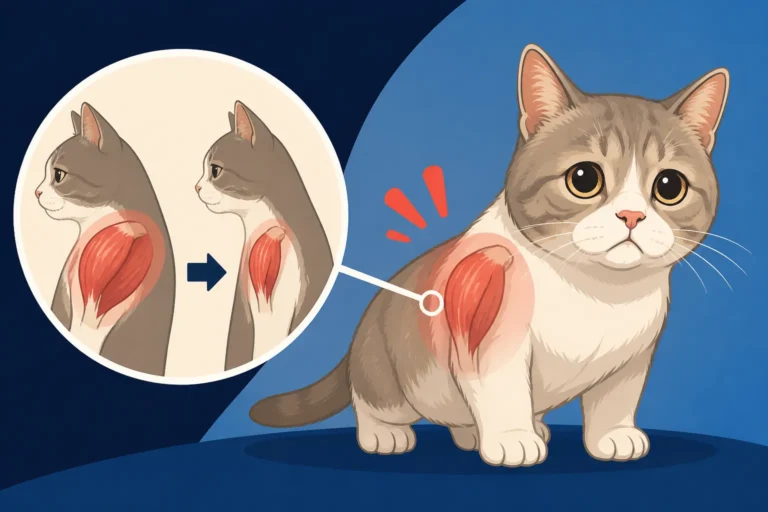
While Munchkins are surprisingly agile and can absolutely jump, the mechanics of their leaps are inherently different and often more impactful than a long-legged cat's. A normal cat uses its powerful hind legs to launch itself, absorbing the landing shock with its springy, longer limbs. A Munchkin, however, has less "spring" in those short legs, meaning each jump and especially each landing puts a disproportionate amount of stress on its spine and front joints. It’s not just about getting up, but about coming down repeatedly over years. Many owners worry constantly about their little ones attempting ambitious leaps, especially from heights, knowing the potential for strain or injury. It’s heart-wrenching to watch them struggle or, worse, to hear a thud that sounds a little too heavy for comfort. Why a Munchkin's Spine Carries a Load a Normal Cat's Does Not
We often see our Munchkins try and try again for that favorite windowsill or the top of a tall cat tree, sometimes successfully, sometimes not. Each attempt, whether it results in a graceful landing or a clumsy tumble, takes a toll. Over years, this cumulative stress can contribute to joint issues, particularly in their shoulders and elbows, and potentially exacerbate existing or developing spinal conditions like lordosis. It's not that they can't jump, it's that we need to actively manage how much and how high they jump to protect their long-term health and comfort.
The Role of Ramps in Preventing Strain and Injury
This is where ramps and steps become indispensable. They aren't just a convenience; they're a proactive health measure. By providing gentle, accessible pathways to their favorite elevated spots, we eliminate the need for those high-impact jumps entirely. Think of it as creating a miniature highway system for your cat, allowing them to ascend and descend gracefully, distributing their weight evenly and minimizing stress on their musculoskeletal system.
Consider the common scenario: your Munchkin wants to join you on the sofa or bed. Without a ramp, they'll either jump directly up, putting strain on their back, or repeatedly paw at you until you lift them. Both options aren't ideal long-term. A ramp allows them independence, preserving their dignity and natural desire to explore, all while safeguarding their physical health. It's about empowering them to reach their desired destinations without risking unnecessary wear and tear on their tiny bodies.
Designing Your Home for Effortless Movement
Creating a Munchkin-friendly home isn't about grand renovations; it's about thoughtful modifications and strategic placement of everyday items. The goal is to ensure every corner of their world is accessible, comfortable, and safe, turning potential obstacles into easy pathways. This proactive approach supports their natural curiosity and desire to be part of the family without putting them in harm's way.
Lowering Essential Access Points
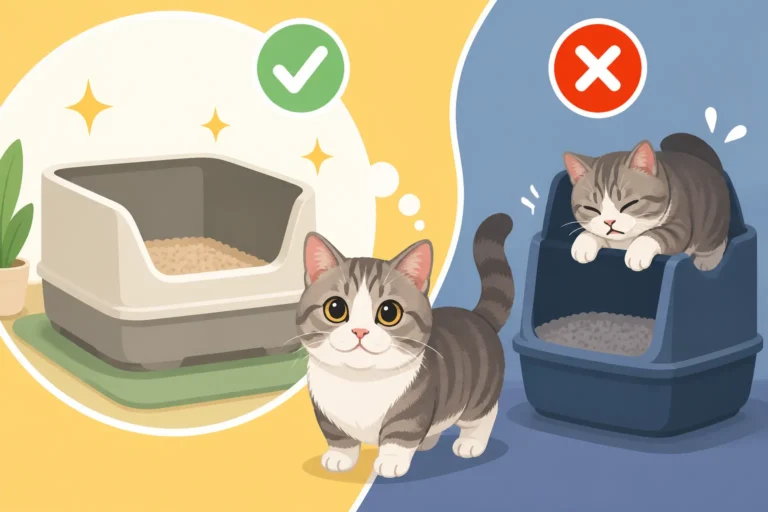
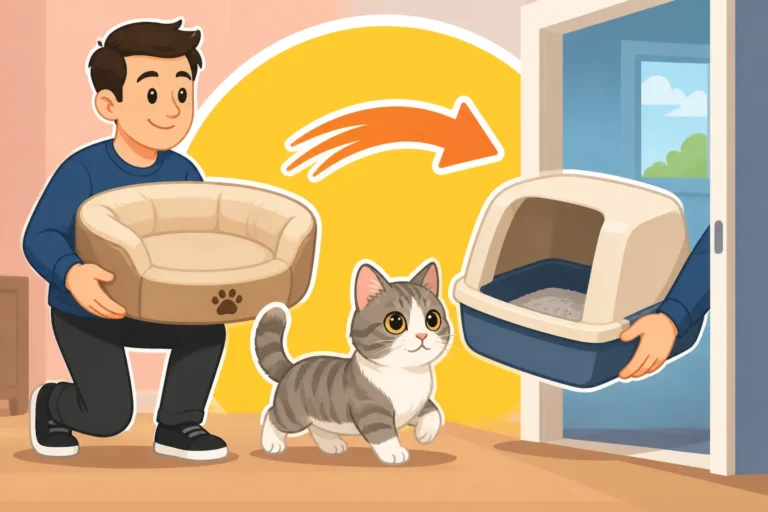
The first step in a Munchkin-friendly home design is to re-evaluate all essential access points from your cat's perspective. What do they need to reach daily? The litter box, food and water bowls, and their favorite sleeping spots immediately come to mind. These areas are non-negotiable for their well-being, and any struggle here can lead to stress, accidents, or even health problems. Why a Munchkin Needs a Litter Box It Can Walk Into
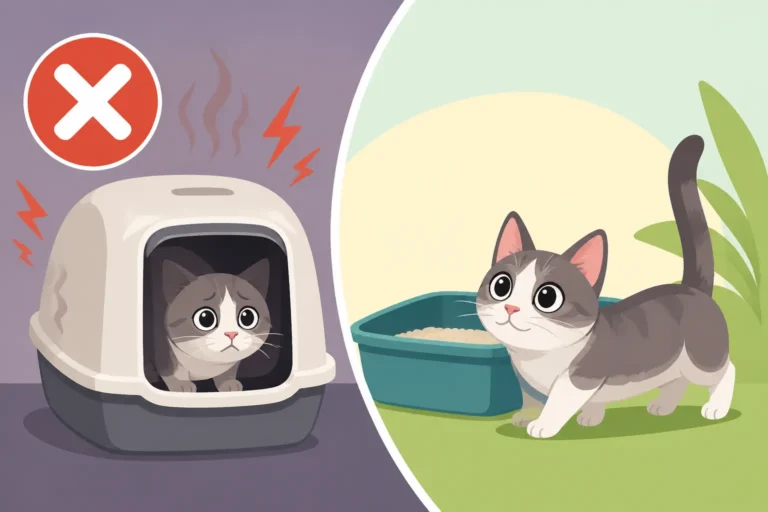
For litter boxes, those standard high-sided models become towering fortresses. A Munchkin needs a low-entry litter box, something they can simply walk into without an awkward hop. Many owners find success by modifying existing boxes by cutting down one side or opting for commercially available senior cat litter boxes, which are designed with accessibility in mind. Similarly, food and water bowls should be placed at floor level or on a very shallow, stable platform that allows them to eat comfortably without craning their neck or stretching their short front legs. A raised bowl that’s too high can actually put strain on their neck and shoulders, so finding the right height is key, often just an inch or two off the floor for adult cats, but sometimes directly on the floor is best. Why a Munchkin's Food and Water Belong at Floor Level
Creating Safe Climbing and Resting Spots
Beyond the essentials, consider where your Munchkin loves to hang out. Do they enjoy looking out the window? Do they crave the comfort of your bed or sofa? These are prime locations for ramp or step installation. Instead of allowing them to repeatedly jump onto furniture, provide a gradual slope or a series of easy steps. This isn't just about reducing impact; it's also about preventing falls. A misjudged jump from a bed can be a nasty surprise for any cat, but for a Munchkin, it could mean a more significant injury due to their physical structure.
Think about window perches: a common cat desire. Instead of a high sill, consider a cat tree with closely spaced platforms leading up to a lower window perch, or a series of steps to a carpeted ledge. For the sofa or bed, a sturdy ramp placed against the side allows them to amble up and down at their leisure. This thoughtful design not only protects their joints but also fosters their independence, letting them decide when to join you for cuddles and when to retreat for a nap, all without needing your assistance. It truly transforms their experience of the home, giving them confidence and freedom.
Choosing the Right Ramps and Steps
Navigating the world of pet ramps and steps can feel a bit overwhelming, but focusing on what truly serves your Munchkin's unique needs will guide your choices. It's not just about finding a ramp, it's about finding the right ramp or steps that are stable, appropriately angled, and comfortable for their short stature.
Ramp vs. Steps: Which Is Best for Your Munchkin?
The debate between ramps and steps is a common one among pet owners, and for Munchkins, there are distinct advantages to each. Generally, ramps tend to be a gentler option for their spines and joints, as they provide a continuous, low-impact ascent or descent. There are no sudden changes in height, which can be particularly beneficial for older Munchkins or those with early signs of arthritis. A gradual slope distributes their weight more evenly and requires less exertion.
Steps, on the other hand, can be more space-efficient, especially if you have limited room. They can also feel more intuitive for some cats, who might perceive them as a miniature staircase. When choosing steps, it's crucial that they have a very shallow rise and a deep tread. Each step should be low enough that your Munchkin doesn't have to leap onto it, and wide enough to provide a stable footing. Ultimately, the best choice often comes down to the specific height you need to reach, the available space, and your individual cat's preference. Some cats take to ramps instantly, while others prefer the distinct levels of steps.
Essential Features for Munchkin Ramps and Steps
Regardless of whether you choose a ramp or steps, certain features are non-negotiable for a Munchkin. First and foremost is stability. Anything wobbly or prone to shifting will deter your cat and could lead to injury. Look for solid construction, anti-slip feet, and a design that feels robust. Material matters too; carpeted surfaces or those with a good grippy texture are far superior to slick plastic or polished wood, which can cause them to slip, especially on the descent. Remember, their low center of gravity makes them less prone to tipping, but their short legs make them more susceptible to slipping.
The angle of the ramp is also critical. For a Munchkin, a gentle slope is always preferred over a steep incline. A good rule of thumb is that the ramp shouldn't feel like a mountain climb; it should be an easy stroll. For steps, the rise (height of each step) should be minimal, ideally no more than a few inches, and the run (depth of each step) should be generous to allow them to plant all four feet comfortably. You can find excellent options on sites like Chewy or Amazon, offering everything from foam steps that are soft on joints to sturdy wooden ramps with carpeted surfaces. Don't be afraid to experiment, and always prioritize safety and ease of use above all else. How Steep a Munchkin's Ramp Can Be
| Feature | Ideal for Munchkins | Why It Matters |
|---|---|---|
| Slope (Ramps) | Gentle, low angle | Reduces strain on spine and joints, especially for older or arthritic cats. |
| Rise (Steps) | Very shallow (e.g., 2-4 inches) | Prevents needing to jump onto each step, protecting short legs and back. |
| Tread (Steps) | Deep and wide | Provides stable footing, reduces risk of slipping, allows for full paw placement. |
| Surface | Carpeted, ribbed, or non-slip material | Offers traction, preventing slips and falls which can be dangerous for their build. |
| Stability | Solid construction, wide base, anti-slip feet | Prevents wobbling or tipping, ensuring confidence and safety during use. |
| Material | Durable wood, high-density foam, sturdy plastic with grip | Longevity and ability to support weight, while prioritizing comfort and safety. |
Strategic Placement for Maximum Accessibility
Once you've chosen your ramps and steps, their placement is paramount. It’s not enough to simply have them; they need to be positioned strategically to address your Munchkin's natural pathways and most desired destinations. This thoughtful arrangement will ensure they actually use these aids, making their lives easier and safer.
Ramps for Sofa and Bed Access
The sofa and your bed are often the most frequently accessed elevated surfaces in a home, and therefore, prime candidates for ramps or steps. Think about where your Munchkin usually attempts to jump up. Is it the side of the sofa? The foot of the bed? Place the ramp directly in their path, making it the most obvious and easiest route. It should align comfortably with the furniture, creating a seamless transition. For a sofa, a sturdy pet ramp that extends from the floor to the cushion height at a gentle incline works wonderfully.
For the bed, which is typically higher, you might need a longer ramp to maintain a gentle slope, or a set of three to four low steps. Consider the layout of your bedroom; if the bed is against a wall, you might place steps at the corner or side that offers the most open approach for your cat. The goal is to make using the ramp or steps feel more natural and less effort than attempting a jump. Over time, your Munchkin will learn that this is their dedicated pathway, making their human-sized furniture much more accessible and safe. Why a Munchkin's Sofa Needs Access
Optimizing Cat Trees and Window Perches
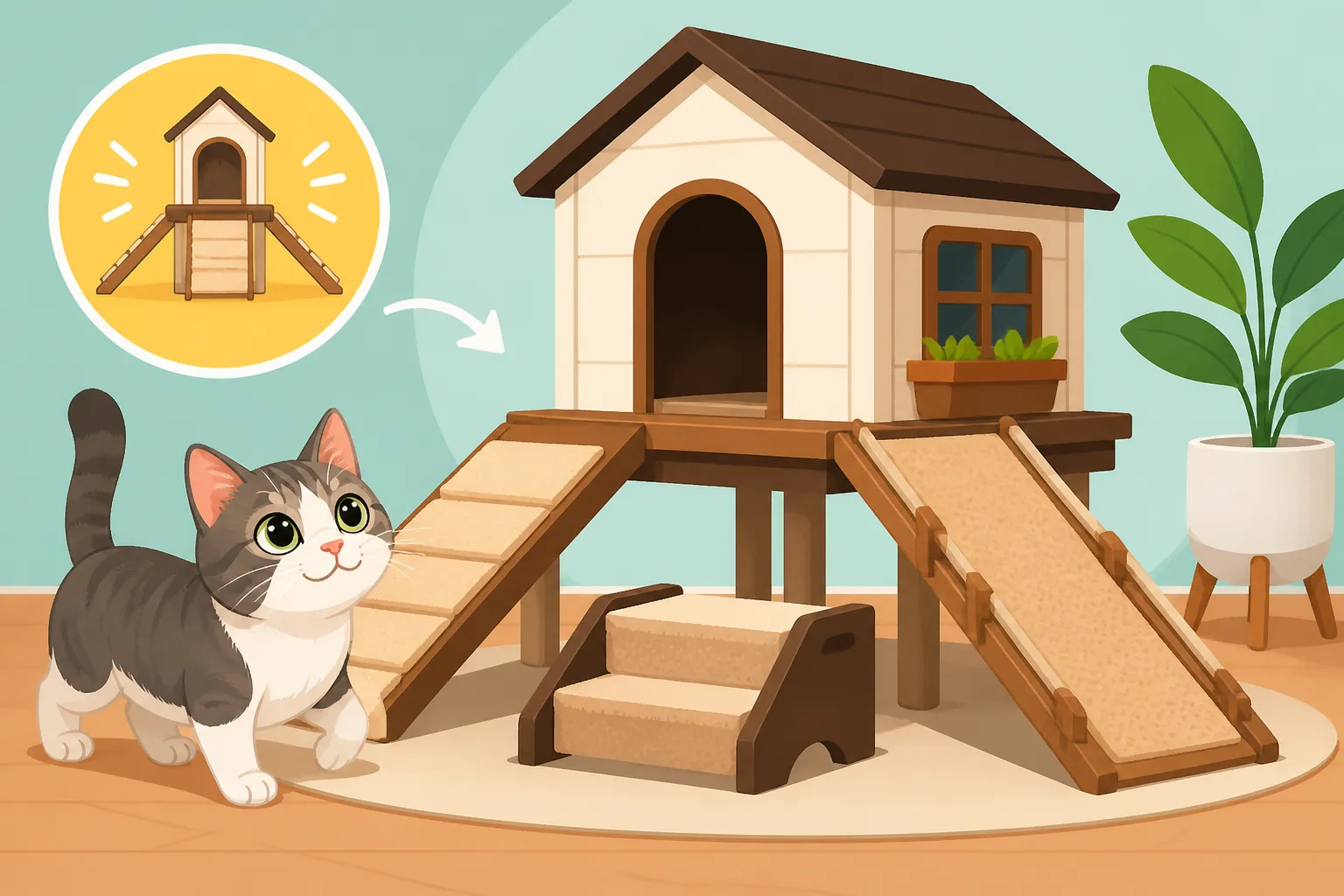
Cat trees and window perches are vital for feline enrichment, providing vertical territory and stimulating views. For a Munchkin, however, standard cat trees with widely spaced platforms can be impossible to navigate safely. This is where strategic placement and potentially some modifications come in. When choosing a cat tree, look for one with very close-set platforms, essentially acting as a series of steps. If your existing cat tree has larger gaps, you might need to add auxiliary steps or ramps between levels, or even create a custom "staircase" of smaller shelves against a wall leading up to a beloved perch.
For window perches, consider installing a ramp directly from the floor, or from a nearby piece of low furniture like a chest or sturdy stool, up to the windowsill. This creates an inviting and easy ascent, allowing your Munchkin to enjoy their outdoor viewing without any risky acrobatics. Remember that the ramp or steps should feel secure and provide good traction, especially for descending. A wobbly ramp or a slick surface will quickly discourage them. Companies found on Amazon often offer carpeted cat steps and ramps that integrate well into existing furniture setups, making it easier to create these safe havens.
Integrating Ramps with Play and Exploration Areas
Munchkins are incredibly playful and curious, and they love to explore every nook and cranny. Integrating ramps into their play and exploration areas helps keep them engaged and safe. Think about the routes they take when playing chase or exploring new toys. Are there low shelves they try to access? Are there favorite hiding spots that require a small jump? By adding miniature ramps or strategically placed low steps, you can expand their accessible territory.
For instance, if your Munchkin loves to explore under a coffee table or a low-sitting armchair, make sure they have easy, level access without having to contort themselves or jump down sharply. If they like to get into a cat tunnel that leads to a slightly elevated cat bed, ensure a small ramp connects the two. Even small changes, like placing a sturdy footstool next to a low bookcase, can open up a whole new world for them. The key is to observe your Munchkin's natural movements and identify where they struggle or take unnecessary risks, then intervene with a simple, well-placed ramp or step. This way, their world remains as expansive and exciting as any other cat's.
Teaching Your Munchkin to Use Ramps
It’s one thing to install ramps and steps, but it’s another to get your cat to actually use them! Cats are creatures of habit, and while some will naturally explore a new pathway, others might need a little encouragement. Patience and positive reinforcement are your best friends here.
Positive Reinforcement and Lure Training
The most effective way to teach your Munchkin to use ramps is through positive reinforcement and lure training. This means making the ramp a rewarding experience. Start by placing irresistible treats at the bottom of the ramp, then gradually moving them further up. Use small, high-value treats that your cat absolutely loves, or even a dollop of their favorite wet food. Gently place them on the ramp, allowing them to follow the trail of treats up to their desired destination.
As they climb the ramp or steps, offer praise in a soft, encouraging voice. Once they reach the top (or bottom, depending on which way you're training), give them a jackpot of treats and affection. Repeat this process several times a day in short, positive sessions. Avoid forcing them or pushing them onto the ramp, as this can create a negative association. Remember, we want them to choose the ramp because it's associated with good things. Consistency is key; keep it fun and rewarding, and they'll soon associate the ramp with easy access and tasty snacks.
Making Ramps Inviting and Familiar
Beyond treats, you can make ramps more inviting by incorporating them into your Munchkin’s existing routines and environment. If your cat loves a particular toy, try dangling it from the top of the ramp, encouraging them to climb to get it. Place their favorite blanket or a familiar scent at the top or bottom of the ramp so it feels like a continuation of their safe space. Some cats are more inclined to use a ramp if it feels integrated into their familiar territory rather than an alien object.
Consider the surface of the ramp itself. If it's a new, unfamiliar texture, it might be off-putting. If your cat prefers carpeted surfaces, ensure the ramp has a similar feel. You can even rub a soft cloth on your cat's cheeks and then on the ramp to transfer their scent, making it more familiar. For steps, make sure they are wide enough and shallow enough that your Munchkin feels secure at each level. If the steps are too narrow or too high, they'll be less likely to use them. Over time, as they gain confidence and realize the ramp is an effortless path to their favorite spots, they'll begin to use it automatically.
Overcoming Resistance and Building Confidence
Sometimes, despite your best efforts, a Munchkin might show resistance. Don't get discouraged! This is normal for many cats learning new behaviors. If your cat is hesitant, take a step back and simplify the task. Can you start with a shorter, less steep ramp to a lower surface first? Perhaps they need a ramp with a wider path to feel more secure.
One common reason for resistance is instability. If the ramp wobbles or slips even slightly, a cat will lose trust in it. Double-check that all ramps and steps are rock-solid and don't move. You might need to anchor them against furniture or add non-slip pads to the bottom. For a particularly nervous cat, you could try placing the ramp in a quiet, low-traffic area initially, then gradually moving it to the more frequently used spots once they're comfortable. Remember that building confidence is a gradual process. Celebrate every small success, and don't rush them. Before you know it, your Munchkin will be confidently trotting up and down their ramps like they've done it all their lives. How to Teach a Munchkin to Use a Ramp
Maintaining and Adapting Over Time
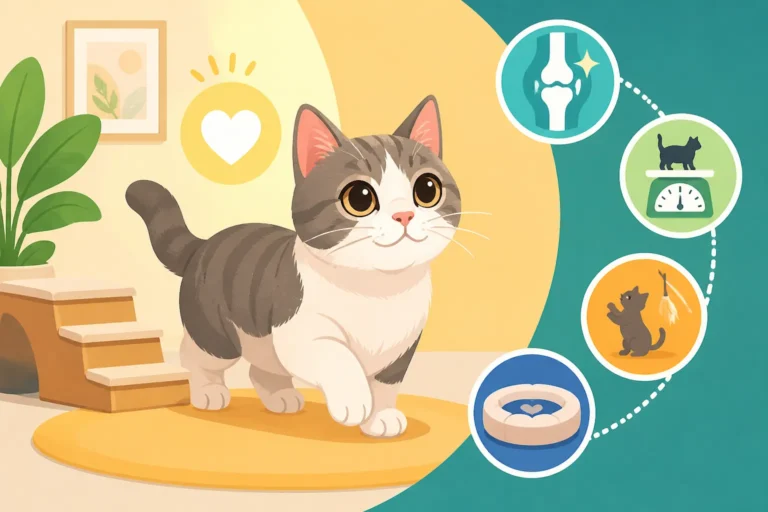
Setting up ramps is not a one-and-done task; it's an ongoing commitment to your Munchkin's well-being. As they age, their mobility needs might change, and your ramp setup should evolve with them. Regular maintenance and a willingness to adapt will ensure your home remains a safe and comfortable haven for their entire lifespan.
Regular Inspection and Cleaning of Ramps
Just like any piece of pet equipment, ramps and steps require regular inspection and cleaning. Carpets can fray, screws can loosen, and surfaces can accumulate dirt and pet hair, making them less inviting or even unsafe. Make it a habit to check all ramps and steps weekly. Look for signs of wear and tear, especially on the walking surface. If the carpet is getting worn thin or the non-slip strips are peeling, it's time for a repair or replacement. Tighten any wobbly parts and ensure they are still securely anchored to furniture or the floor.
Cleaning is equally important. Ramps that get dirty or smell unpleasant will deter your cat from using them. Vacuum carpeted ramps regularly to remove hair and debris. For other materials, a quick wipe down with a pet-safe cleaner will keep them fresh. Pay particular attention to ramps near litter boxes or food bowls, as these areas are more prone to getting messy. Maintaining a clean and sturdy ramp system reinforces its purpose as a safe and reliable pathway.
Adapting to Your Munchkin's Changing Needs as They Age
A Munchkin's needs will naturally change as they enter their senior years. When a Munchkin Counts as Senior Arthritis or other joint stiffness can become more prevalent, making even a gentle slope challenging. What was once a perfectly acceptable ramp might become too steep or too long for an older cat with reduced strength and mobility. This is where proactive adaptation comes in.
You might need to replace existing ramps with even gentler, lower-angled versions. For steps, you might need to find options with an even shallower rise and deeper tread to minimize any strenuous lifting of their legs. Consider adding more ramps than before, ensuring there's always an easy route to all their favorite spots, even if it means having a ramp to every armchair. Placing additional resting spots at various levels along longer ramp systems can also provide a welcome break for an older cat. Don't wait until you see your Munchkin struggling; observe subtle changes in their movement, such as hesitation before using a ramp or a slower pace, and adjust accordingly. Caring for an Old Munchkin That Has Stopped Climbing
Ensuring Continued Accessibility for All Areas
As your Munchkin ages, it becomes even more critical to ensure continued accessibility to all areas of their world, not just the main ones. This might mean lowering window perches, adding steps to a beloved scratching post, or even reconfiguring furniture to create a more ground-level friendly environment. They still need mental and physical stimulation, but their physical limitations may increase.
Think about their favorite sunbathing spots or their preferred hiding places. If these require any sort of jump or stretch, you need to intervene. Small ottomans, sturdy boxes, or custom-built platforms can serve as intermediate steps, breaking up longer climbs into manageable segments. Sometimes, it's about simplifying their environment, removing anything they might feel compelled to jump onto unnecessarily. The goal is to create a seamless, horizontal landscape as much as possible, where vertical movement is always supported by a ramp or step, allowing your Munchkin to live out their golden years with comfort, dignity, and independence. Why an Old Munchkin Stops Using Its Ramp
Disclaimer
This article is for general informational purposes only and does not constitute professional advice. Laws, prices and regulations vary by location and change over time. Consult a qualified professional for guidance on your specific situation.