How to Move an Old Munchkin’s Bed and Box Together
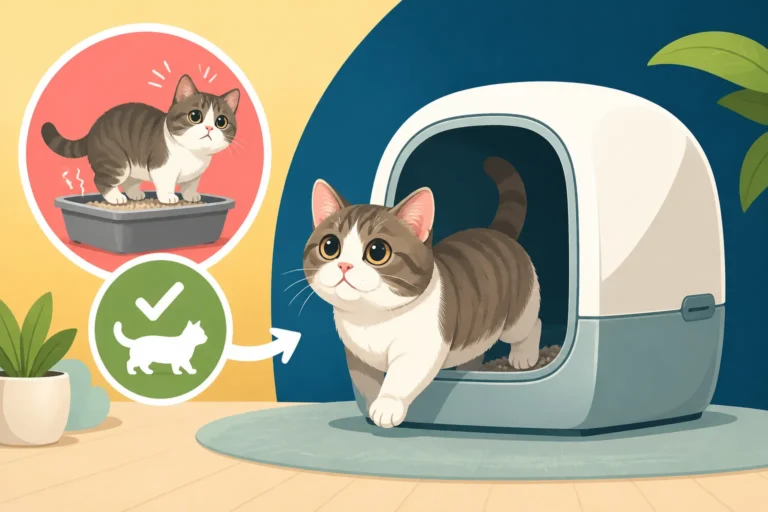
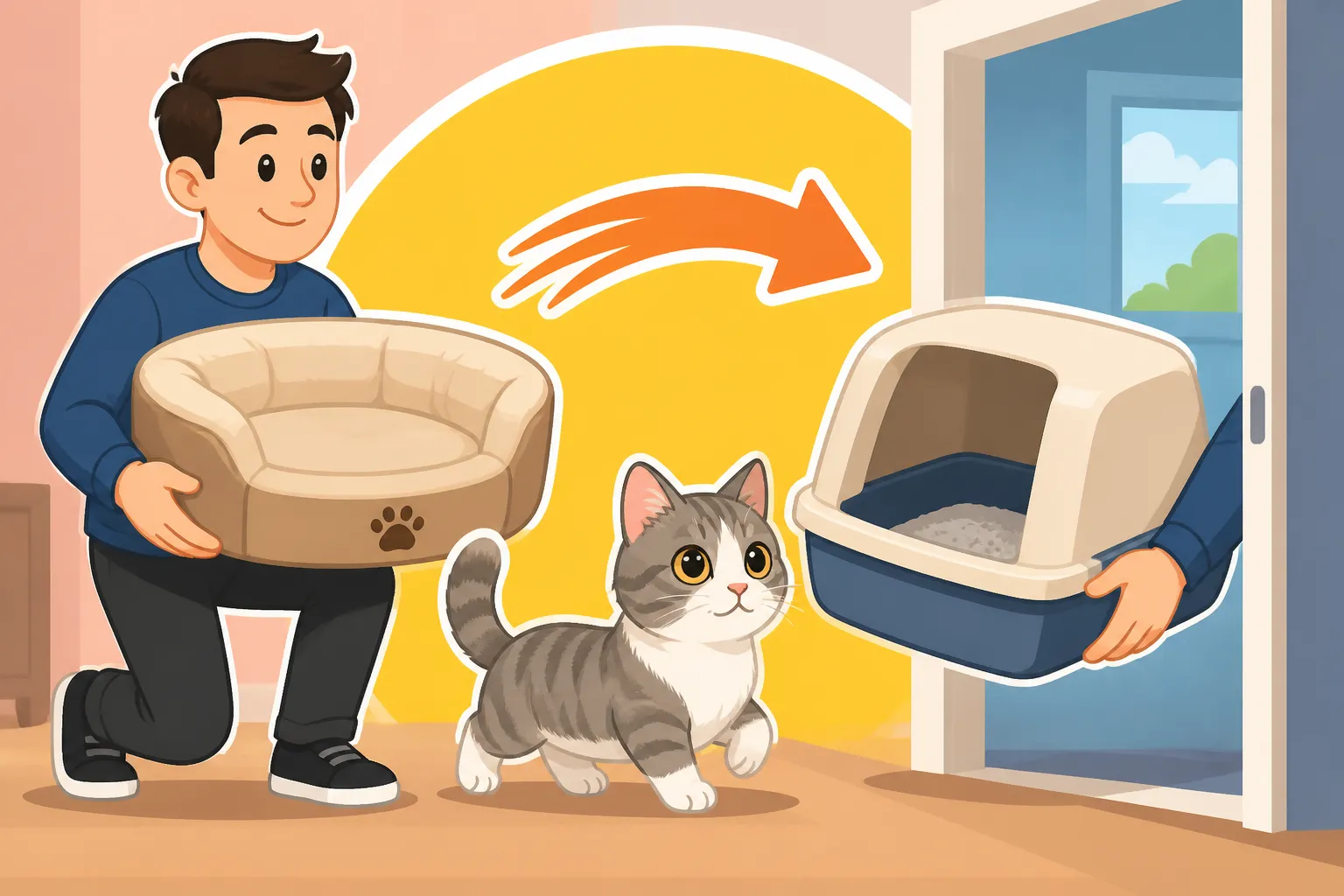
As our beloved Munchkin cats age, they often face new challenges, especially when it comes to mobility. What was once a quick hop onto the sofa or an easy step into the litter box can become a source of pain and struggle, leading to accidents and discomfort. This guide is here to walk you through the compassionate process of strategically moving your senior Munchkin's bed and litter box together, ensuring their golden years are as comfortable and dignified as possible.
Understanding Your Senior Munchkin's Changing Needs
It’s never easy to see our vibrant feline companions slow down, but acknowledging and adapting to their changing needs is one of the most loving things we can do. For a Munchkin, whose unique physiology already presents some mobility considerations, the aging process can introduce a whole new set of hurdles.
The Reality of Reduced Mobility
As Munchkins get older, just like any cat, their joints can start to stiffen, and their energy levels naturally dip. For a short-legged breed, this can be particularly impactful. Imagine trying to navigate your home if every step was an effort, every small elevation a mountain. This is often the reality for a senior Munchkin experiencing the onset of arthritis or general age-related aches.
You might notice subtle changes at first: a slight hesitation before jumping, a slower pace when they walk, or perhaps they start choosing to sleep on the floor instead of their favorite, slightly elevated bed. At What Age a Munchkin Starts to Stiffen can vary, but these signs are your cue that things are changing. Their short legs, which once allowed for surprising bursts of speed and agility, may now become a hindrance, making even simple movements painful. We're talking about the kind of chronic, low-level discomfort that can make a cat withdrawn and less engaged. Paying attention to How Arthritis Shows in a Munchkin's Front Legs is particularly important, as these are the legs that bear much of their weight and absorb impact from any remaining jumps.
The Importance of Easy Access to Essentials
When a cat struggles with mobility, access to their basic necessities like their bed and litter box shifts from convenience to critical welfare. If it becomes painful or difficult to reach their litter box, they might start avoiding it altogether, leading to accidents around the house. This isn't out of spite; it's often a desperate attempt to avoid pain.
These accidents can be incredibly stressful for both you and your cat. For your Munchkin, it's a loss of dignity and a sign that their environment is no longer serving their needs. Think about it from their perspective: they want to use the box, but their body is telling them no, or the effort is simply too great. This can lead to urinary tract issues if they're holding their bladder for too long, or even behavioral problems stemming from anxiety. Similarly, if their favorite sleeping spot is hard to get to, they might opt for less comfortable, but more accessible, locations. Ensuring easy access to these essentials is paramount for their physical health and emotional well-being.
Signs Your Munchkin Needs Environmental Adjustments
Your Munchkin can't verbally tell you they're in pain or struggling, so it's up to us to observe their behavior closely. There are several clear indicators that your aging cat needs some environmental modifications, particularly regarding their bed and litter box.
One of the most common signs is hesitation. Do they stand in front of the litter box, seemingly contemplating the jump, before slowly attempting it or even turning away? Are they having "accidents" just outside the box, or in new, unusual places that are easier to reach? These are often cries for help. You might also notice them sleeping in odd spots – perhaps on a hard floor instead of their soft bed, simply because it required less effort to get there. What an Old Munchkin Stops Being Able to Do often includes simple actions like jumping onto furniture or even confidently entering their litter box. Increased vocalization, especially when attempting to move, can also be a sign of discomfort. Another subtle but important cue is decreased self-grooming, particularly on their hindquarters, which can indicate they can no longer twist or reach as they once could.
Strategically Placing Bed and Litter Box for Senior Comfort
Once you recognize your senior Munchkin's changing needs, the next step is to create a home environment that supports their comfort and accessibility. This often involves a thoughtful rearrangement of their essential items.
The "Zone of Comfort" Concept
The core idea behind supporting an aging Munchkin is to create what I like to call "zones of comfort." This means having a small, self-contained area where all their immediate essentials – specifically their bed, litter box, food, and water – are within a paw's reach, or at least a very easy stroll. The goal is to minimize the amount of effort and movement your cat needs to expend throughout the day.
Imagine your Munchkin waking up from a nap. Instead of having to embark on a mini-expedition across the room, perhaps navigate a small step, and then finally get into their litter box, everything is right there. This reduces physical strain, certainly, but it also significantly lowers their anxiety. They know, instinctively, that relief and comfort are always close by. While you might have multiple zones throughout a larger home (say, one on each floor if you have stairs, though ideally you'd avoid stairs entirely for an old Munchkin), having one primary, perfectly appointed zone is crucial. This primary zone should be where they spend most of their time, particularly at night.
Ideal Location Considerations
Choosing the right spot for this new "zone of comfort" is paramount. You want a location that is quiet and away from high-traffic areas where they might be startled or feel vulnerable. Drafts from windows or doors should also be avoided, as older cats can be more sensitive to cold. However, don't exile them to a lonely corner. They are still part of the family and thrive on your presence. A corner of your living room, a quiet spot in your bedroom, or even a dedicated nook in a den can work perfectly. The key is balance: accessible to them, but also close enough to you so you can monitor them and offer assistance easily.
Crucially, this location should be on the ground floor if you live in a multi-story home. Stairs, even gentle ones, become increasingly difficult and potentially dangerous for an aging Munchkin. Why an Old Munchkin Stops Using Its Ramp usually signals that even their familiar assisted routes are becoming too much. If they have to climb stairs to reach their litter box or bed, it's a recipe for accidents and distress. In an ideal scenario, a single-story home provides the best layout, but thoughtful rearrangement can make a multi-story home manageable. Consider setting up a secondary "comfort zone" on any floor they frequent, but prioritize the main living level.
Maintaining Hygiene and Airflow in a Combined Space
Bringing the litter box and bed closer together naturally raises questions about hygiene and odor control. Nobody wants their cat sleeping next to a stinky box, and your cat certainly doesn't! However, with a few proactive measures, you can easily maintain a clean and fresh environment.
First, invest in a high-quality litter that offers superior odor absorption. Many brands offer formulas specifically designed for multi-cat homes or maximum odor control. Look for low-dust options, as respiratory irritation is something to avoid, especially for an older cat. Daily scooping is non-negotiable – not just once a day, but ideally two or three times. The less waste sitting in the box, the better the hygiene. Consider using baking soda sprinkled at the bottom of the litter box (under the litter, of course) for an extra layer of odor absorption. Using an uncovered, low-entry box (which we'll discuss more below) can actually help with airflow compared to enclosed boxes that trap odors. For the bed, ensure it has a removable, washable cover that can be laundered frequently. If you're concerned about litter tracking onto the bed, a small, easy-to-step-over mat between the box and the bed can help. Be aware that Why a Munchkin Carries Litter on Its Underside means you might need to check their belly fur regularly.
Adapting Equipment for Maximum Senior Accessibility
When creating a comfortable "zone of comfort" for your aging Munchkin, selecting the right equipment is just as important as placement. Standard pet products often aren't designed with the unique needs of a senior, short-legged cat in mind.
Choosing the Right Low-Entry Litter Box
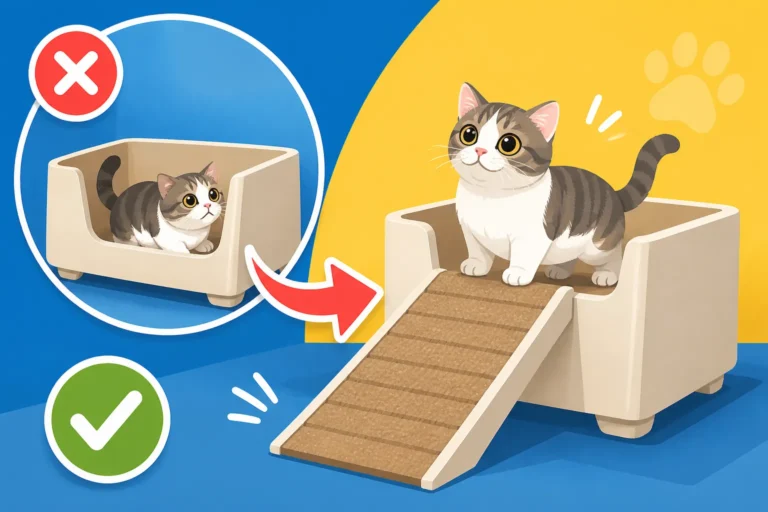
This is perhaps the most critical piece of equipment for a senior Munchkin. A traditional litter box with a high lip becomes an almost insurmountable barrier when arthritis sets in. You need a box with an extremely low entry point, ideally no more than 2-3 inches high. Think about it: they're not just stepping over, they're lifting their aching joints and pushing their body over that edge.
Look for litter boxes marketed as "senior" or "handicap accessible." Many brands, available through retailers like Chewy or Amazon, now offer excellent options. The front lip should be practically flush with the floor, allowing your Munchkin to simply walk in without lifting their legs much at all. A wide box is also beneficial, allowing them to turn around comfortably without bumping into sides. If you can't find a perfect commercial option, a DIY solution might be necessary. Some owners have successfully cut down one side of a sturdy plastic storage container or a regular litter box to create a custom low-entry point. Just be sure to smooth any sharp edges completely. How Low a Munchkin Litter Box Entry Should Be is a crucial measurement to consider.
To help you visualize, here's a quick comparison of litter box types:
| Feature | Standard Litter Box | Senior/Low-Entry Litter Box | DIY Modified Litter Box |
|---|---|---|---|
| Entry Height | 4-6 inches (or higher) | 2-3 inches (or lower) | Variable, depending on modification |
| Accessibility | Challenging for stiff or arthritic cats | Excellent for senior cats with mobility issues | Can be excellent if modified correctly |
| Odor Control | Depends on litter/scooping frequency | Depends on litter/scooping frequency | Depends on litter/scooping frequency |
| Stability | Generally good | Good, often wider base | Varies based on base container |
| Availability | Widely available | Increasingly available from pet retailers | Requires effort and tools |
Remember, Which Litter Box a Munchkin Can Actually Enter is directly tied to their comfort and willingness to use it.
Comfortable and Accessible Bedding Options
Just like the litter box, your Munchkin's bed needs to be easily accessible. While they might have enjoyed a raised bed or a cozy cubby in their younger years, these can become problematic with age. The ideal senior Munchkin bed is soft, supportive, and, most importantly, very low to the ground.
Look for orthopedic beds, often made with memory foam, which provide excellent support for aching joints and pressure points. These beds cradle their body, reducing stress on their spine and hips. The bed itself should have a minimal lip or edge, allowing them to step or simply flop into it with ease. Consider a thick, plush mat that offers cushioning without any elevation. Brands available on Chewy or Amazon offer a range of orthopedic beds suitable for senior pets. Ensure the material is soft and warm, as older cats can struggle more with regulating their body temperature. You might find that Whether a Munchkin Should Sleep Somewhere It Can Reach Alone becomes a frequent choice for your senior cat, highlighting the need for comfortable, floor-level options.
Incorporating Ramps or Steps for Subtle Elevations
Even with the best intentions, sometimes a slight elevation is unavoidable or desired. Perhaps your Munchkin absolutely loves sleeping on your bed, or their favorite window perch is just a few inches too high. In these cases, gentle ramps or low steps become invaluable tools to maintain their access to cherished spots without strain.
The key here is "gentle" and "low." Avoid steep ramps, as these can put stress on their back and shoulders. Opt for a gradual incline with a non-slip surface, like carpet or textured fabric, to provide secure footing. If using steps, ensure they are wide, stable, and have a very shallow rise between each step – again, with non-slip surfaces. You're aiming for a seamless transition, not a mini-staircase challenge. What an Old Munchkin Needs Once Its Ramps Get Too Steep is a sign that existing ramps might need to be replaced or re-evaluated for a gentler slope. When introducing them, place treats on the ramp or steps to encourage exploration. It might take some time, but How to Teach a Munchkin to Use Steps is a process that pays dividends in their comfort and continued enjoyment of their favorite spots.
Implementing the Transition and Ongoing Care
Making these changes for your senior Munchkin isn't a one-time event; it's a process that requires patience, observation, and an ongoing commitment to their well-being.
Gradual Introduction and Positive Reinforcement
Cats are creatures of habit, and senior cats even more so. Suddenly changing their entire setup can be disorienting and stressful. The best approach is a gradual one, combined with plenty of positive reinforcement. Start by placing the new, low-entry litter box in close proximity to their old one, perhaps just a foot or two away. Let them explore it. You can even scoop some of their old litter into the new box to transfer familiar scents.
Once they're comfortable with the new box, you can then begin moving their old bed (or replacing it with a new, accessible one) to its permanent spot next to the litter box. Use treats, gentle praise, and petting to encourage them to use the new setup. Place their favorite blanket or a toy in the new bed to make it more appealing and familiar. For a few days, monitor them closely. If they seem hesitant, don't force it. Take a step back and try again, perhaps even more slowly. The goal is to make the new arrangement feel safe, comfortable, and intuitive, not like a forced change.
Monitoring and Adjusting the Setup
The transition doesn't end once you've moved everything. You need to become a keen observer of your Munchkin's behavior. Watch how they approach the litter box: do they still hesitate, or do they walk right in with ease? Do they seem comfortable in their new bed, or are they still opting for other spots? Their actions will tell you if your adjustments are working or if further tweaks are needed.
Periodically check the ramp or steps you've provided. Is the surface still non-slip? Are they still using them confidently? Mobility can continue to decline, so what worked last month might be a struggle this month. Don't be afraid to make minor adjustments, like adding an extra, even lower step, or moving the entire zone slightly to a warmer or quieter spot. Regular check-ups with your veterinarian are also vital. They can assess your Munchkin's joint health, recommend pain management options, and provide guidance on how to keep them comfortable and mobile for as long as possible. How to Keep an Old Munchkin Moving Safely involves continuous vigilance and adaptation.
Beyond Bed and Box: Holistic Senior Munchkin Care
While consolidating the bed and litter box is a significant step, it’s just one piece of the larger puzzle of caring for an aging Munchkin. Holistic care involves attention to several other areas to ensure their overall well-being.
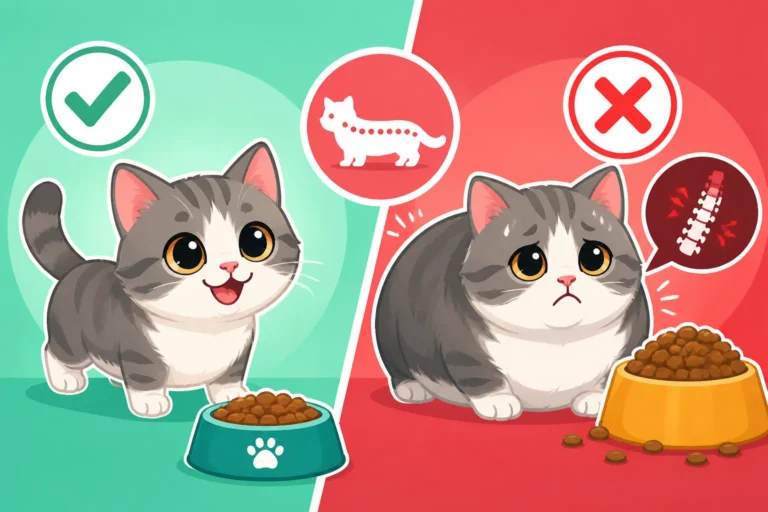
Weight Management: This is incredibly crucial for a Munchkin. Every extra pound places undue stress on their already unique spine and short legs, exacerbating any joint pain. Work with your vet to maintain an ideal body condition score. Why an Old Munchkin Needs Its Weight Watched Hardest cannot be overstated.
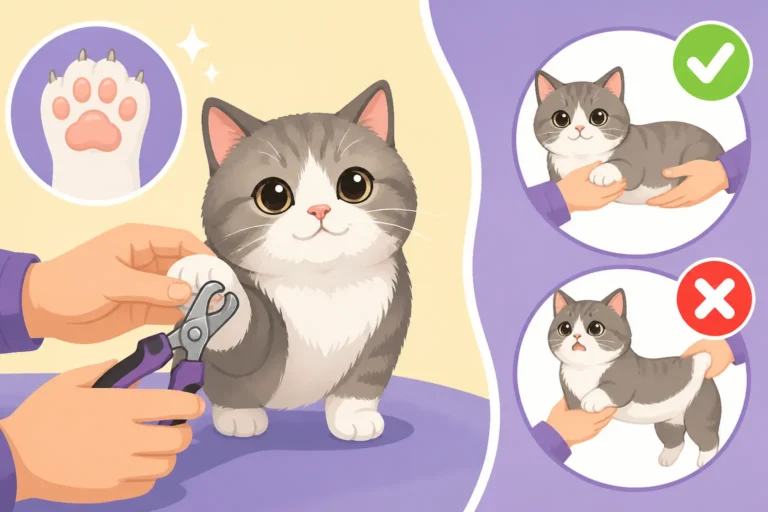
Grooming: As mentioned earlier, older cats, especially Munchkins with their limited reach, can struggle to groom their hindquarters. Regular, gentle brushing from you is essential to prevent mats, dander buildup, and skin irritation. You might even consider professional sanitary trims.
Nutrition: A balanced diet formulated for senior cats can help support joint health, maintain muscle mass, and manage weight. Your vet might also recommend joint supplements to help ease discomfort.
Veterinary Care: Routine vet visits, often twice a year for seniors, become even more important. These visits allow your vet to catch any health issues early, manage chronic conditions like arthritis or kidney disease, and ensure your Munchkin is comfortable. Caring for an Old Munchkin That Has Stopped Climbing means anticipating these issues and proactively addressing them.
Mental Enrichment: Even if their body is slowing down, their mind is still active. Continue to engage them with gentle, floor-level play, puzzle feeders, and plenty of cuddles and interaction. This helps keep them stimulated and connected to you, maintaining their quality of life as they age.
By thoughtfully adapting their environment and providing comprehensive care, you can help your senior Munchkin enjoy their golden years with comfort and grace.
Disclaimer
This article is for general informational purposes only and does not constitute professional advice. Laws, prices and regulations vary by location and change over time. Consult a qualified professional for guidance on your specific situation.