At What Age a Munchkin Starts to Stiffen
It's heartbreaking to see our beloved feline companions start to slow down, and for Munchkin cat owners, there's often an added layer of concern about how their unique anatomy might affect their mobility as they age. Many of us worry about our little short-legged friends developing stiffness and discomfort, wondering if it will happen sooner or be more severe than in other cats. This guide is here to shed light on when Munchkins typically start to experience joint stiffness, what signs to look for, and how you can proactively support their comfort and quality of life.
Understanding the Early Signs of Stiffness in Munchkins
It's easy to assume that because Munchkins have short legs, they're automatically more prone to joint issues. While their unique conformation does mean their joints experience different stresses compared to a long-legged cat, recognizing early signs of stiffness isn't always straightforward. Their inherent resilience and playful nature can sometimes mask discomfort until it's more advanced, which is why being vigilant is so important.
Why Early Detection Matters More for Munchkins
For a Munchkin, whose daily movements already involve a slightly different gait and modified jumping techniques, even minor stiffness can significantly impact their ability to navigate their world. Unlike a longer-legged cat that might easily compensate for a sore joint by shifting weight or avoiding certain movements, a Munchkin's options are often more limited. Their short stature means they rely heavily on the smooth function of their shoulders, elbows, and spine to move, play, and even perform basic grooming. If stiffness sets in, activities they once managed with ease, like hopping onto a low couch or getting into their litter box, can become challenging or even painful. Early detection allows for prompt intervention, which can slow the progression of conditions like osteoarthritis and significantly improve their comfort for years to come. It’s about catching those subtle changes before they turn into something more debilitating.
Subtle Behavioral Changes to Watch For
Our cats are masters at hiding pain, so you'll need to be a super sleuth to pick up on the subtle cues that your Munchkin might be stiffening up. Don't wait for them to cry out in pain or stop moving altogether. Instead, pay close attention to shifts in their routine or demeanor. Are they suddenly hesitant to use the cat tree they once loved, or are they taking a longer, more circuitous route to get to their favorite sunbeam? Perhaps they're struggling to jump onto a low chair, or you notice them bracing themselves more when they land. You might observe a decrease in their usual zoomies or less enthusiasm for play. Maybe they're not grooming their back half as thoroughly, leading to mats, which is a common issue for Munchkins due to their reach. Even small things, like a change in litter box habits because it's harder to step in and out, can be a red flag. If your usually affectionate Munchkin suddenly shies away from being petted on their back or hindquarters, it could be a sign of discomfort. Sometimes, they might just seem a little more withdrawn, sleeping more, or simply not as engaged with their surroundings. These aren't always definitive signs of stiffness, but they warrant a closer look and a chat with your vet.
The Role of a Munchkin's Unique Anatomy in Joint Wear
The Munchkin's defining characteristic – their adorably short legs – is due to a genetic mutation that causes a condition called pseudoachondroplasia. While their body length and spine are typically proportional to those of a normal-sized cat, it's their shortened long bones in the legs that create this unique appearance. This means that while they might not suffer from the same spinal compression issues as some other dwarf breeds, their weight-bearing joints are subjected to different biomechanical forces.
Think about it: a standard cat has long levers (legs) that distribute impact and allow for fluid, wide-ranging motion. A Munchkin's shorter levers mean that the force of every jump and landing is concentrated over a smaller area, particularly on their shoulders, elbows, and to a lesser extent, their knees. This altered mechanics can lead to accelerated wear and tear on the cartilage and bone surfaces within these joints over time. While the breed standard aims for cats with good bone structure and straight legs, even the best-bred Munchkin will still have this fundamental difference in how their joints bear weight. Understanding Why a Munchkin's Spine Carries a Load a Normal Cat's Does Not can also provide insight into how their overall structure is impacted.
The Typical Onset of Joint Stiffness: When to Expect It
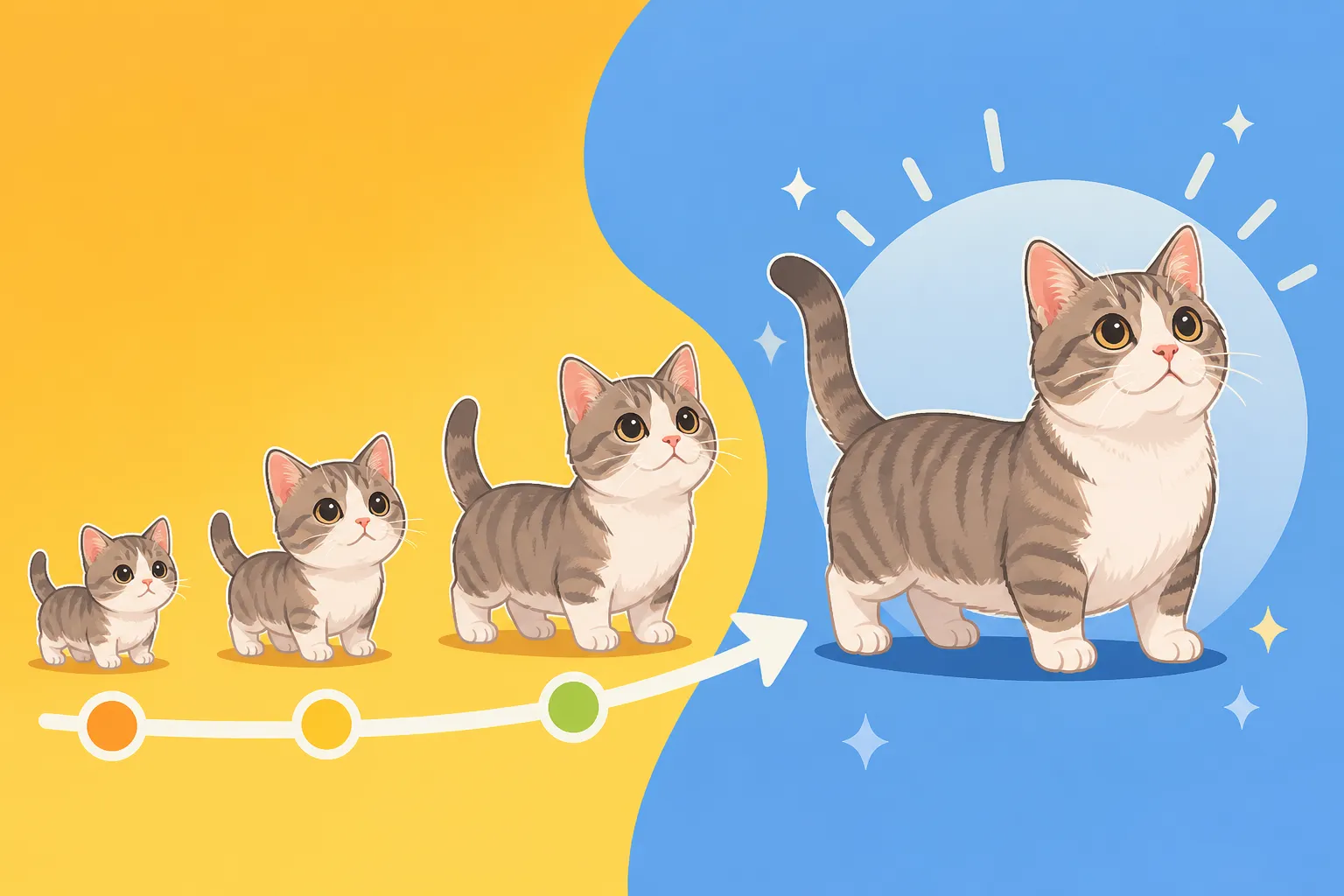
There's no single "magic" age when all Munchkins suddenly wake up stiff, but there are general patterns to watch for. Just like in humans, every cat is an individual, and factors like genetics, diet, activity level, and even living environment play a huge role. However, it's fair to say that as a general rule, Munchkins may show signs of joint stiffness a little earlier than some long-legged domestic shorthairs, often in their middle to senior years.
When Arthritis Typically Appears in Munchkin Joints
For many cats, regardless of breed, the first subtle signs of osteoarthritis can begin to emerge around 7-10 years of age. For Munchkins, due to the biomechanical stresses we discussed, some owners and vets report seeing these signs as early as 5-7 years, although it's often mild and easily managed at this stage. By the time they reach 8-10 years, it's not uncommon for a Munchkin to show some degree of stiffness. This isn't to say it's inevitable or that every Munchkin will be severely affected, but it's a window during which increased vigilance and proactive care become paramount.
The stiffness isn't usually sudden; it's a gradual process. You might first notice it after a long nap, when your cat seems a bit slower to get up, or perhaps after a particularly active play session. The chillier months can also exacerbate joint discomfort, making stiffness more apparent. Knowing Whether a Munchkin Gets Arthritis Earlier can help you prepare mentally and practically for these changes. Regular, gentle handling during grooming can also help you notice changes in flexibility or any discomfort when their limbs are moved.
Focus Areas: Shoulders, Elbows, and Spine
When we talk about joint stiffness in Munchkins, the primary areas of concern are usually the shoulders, elbows, and sometimes the spine.
- Shoulders: The front legs of a Munchkin bear a significant amount of weight, especially during landing from even small jumps. This constant impact can lead to wear and tear in the shoulder joints. Owners might notice their cat becoming reluctant to reach for high places, having trouble extending their front paws fully, or even a subtle change in their walking gait that suggests discomfort in the front end. Understanding How Osteoarthritis Shows in a Munchkin's Shoulders can help you recognize these indicators.
- Elbows: Similarly, the elbows are crucial hinge joints in the front legs and are susceptible to stress from movement and landings. Stiffness here might manifest as a reluctance to bend the elbow fully, a stiff-legged walk, or an unwillingness to place full weight on that limb. Read more about Why a Munchkin's Elbows Take the Landing to grasp the impact of their unique physics.
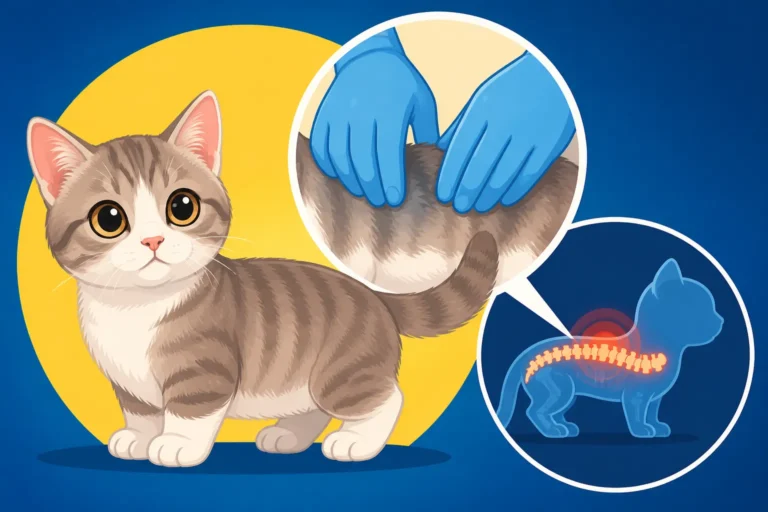
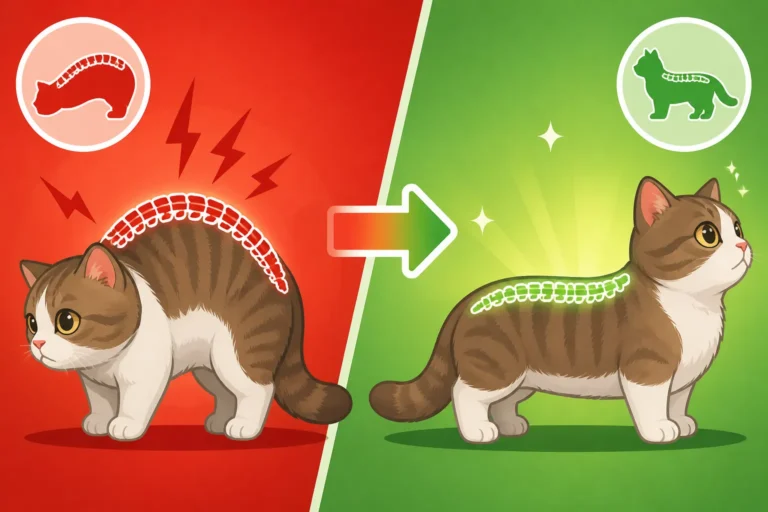
- Spine: While Munchkins generally don't have shortened or compressed spines, the abnormal loading from their short limbs can still affect spinal health over time. Conditions like lordosis, a curving of the spine, are a concern in some lines, and even without overt lordosis, the overall biomechanics can contribute to spinal stiffness or discomfort. Watch for changes in posture, an unwillingness to stretch, or sensitivity along the back.
Here's a quick overview of typical onset and signs:
| Age Range (Approx.) | Potential Signs of Stiffness | Common Joints Affected | Action |
|---|---|---|---|
| 5-7 Years | Slight hesitation before jumping, less agile play, longer warm-up after rest | Shoulders, Elbows | Increase vigilance, introduce joint-supporting diet, gentle exercise, consider vet check. |
| 7-10 Years | Visible reluctance to jump, difficulty with stairs, reduced grooming of hindquarters, subtle limping | Shoulders, Elbows, Spine | Vet consultation for diagnosis, pain management discussion, environmental adaptations. |
| 10+ Years | Significant mobility reduction, withdrawal, persistent stiffness, difficulty rising, overt pain signs | All joints, Spine | Advanced vet care, regular pain management, extensive home adaptations, focus on comfort and quality of life. |
Factors That Can Accelerate or Delay Onset
Several factors can influence when your Munchkin starts to show signs of stiffness.
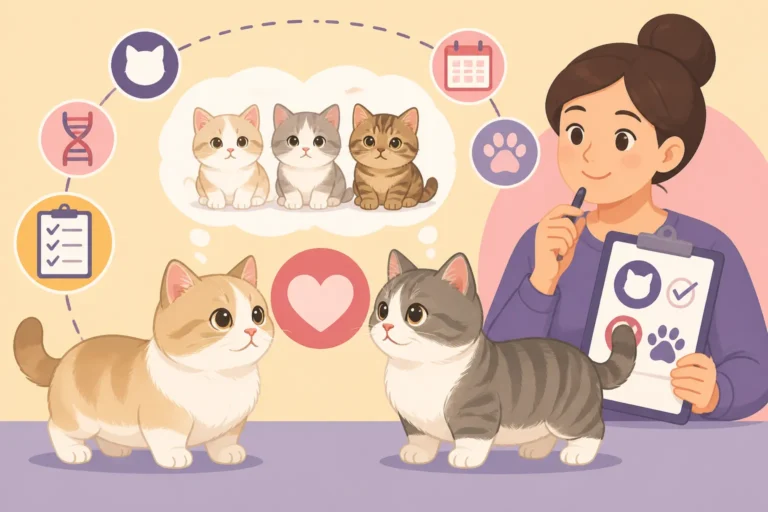
- Genetics and Breeding: A well-bred Munchkin from reputable lines is generally healthier. Breeders who carefully select breeding stock for sound conformation and good health may produce cats less prone to early joint issues. Always ask about the health history of the parents.
- Weight Management: This is arguably the most critical factor. Even a couple of extra pounds on a Munchkin's frame can place an immense, disproportionate strain on their already unique joints. Maintaining a lean body condition throughout their life is paramount. Why Weight Is More Dangerous on a Munchkin explains this in detail.
- Activity Levels: Regular, moderate exercise helps keep joints lubricated and muscles strong. However, excessive high-impact jumping or prolonged stair climbing should be minimized to protect their joints. Floor-level play and safe, low-impact activities are best.
- Nutrition: A high-quality diet that supports overall health is vital. Furthermore, introducing specific joint supplements early (with vet guidance) can potentially delay or reduce the severity of stiffness.
- Environmental Adaptations: Providing ramps and steps to their favorite perches, low-entry litter boxes, and accessible food/water bowls reduces daily strain on their joints, delaying the onset or slowing the progression of discomfort.
Preventative Care and Early Interventions to Support Mobility
The good news is that as a dedicated Munchkin owner, you have a lot of power to help your cat maintain their mobility and comfort for as long as possible. Thinking proactively about their long-term joint health can make a world of difference.
Maintaining a Healthy Weight: The Golden Rule for Munchkins
Seriously, if there's one thing you can do for your Munchkin, it's keeping them at an ideal, lean body weight. We touched on this earlier, but it cannot be stressed enough. Their short legs simply aren't designed to carry excess weight without significant strain on their joints, particularly their shoulders and elbows. Every extra ounce puts more pressure on their cartilage, accelerating wear and increasing the risk of inflammation and pain.
Work with your veterinarian to determine your Munchkin's ideal weight and body condition score. This isn't just about looking at a number on the scale; it's about feeling their ribs and spine. Then, establish a precise feeding plan based on their age, activity level, and metabolic needs. Avoid free-feeding, as Munchkins can be prone to overeating. Measure their food portions carefully and limit treats, or factor them into their daily caloric intake. Remember, a fit Munchkin is a happier, more mobile Munchkin.
Environmental Adaptations to Ease Joint Strain
Your home environment plays a massive role in your Munchkin's joint health. Every jump, every awkward climb, contributes to wear and tear. By making simple adaptations, you can significantly reduce the daily stress on their joints.
- Ramps and Steps: These are non-negotiable for a Munchkin. Provide sturdy, carpeted ramps or pet steps to allow easy access to all their favorite spots: the sofa, your bed, windowsills, and cat trees. The goal is to eliminate the need for them to jump up or, more critically, jump down from any significant height. Going down can often be harder on joints than going up. You might even want to consider some custom-built steps or ramps.
- Low-Entry Litter Boxes: As Munchkins age and stiffness sets in, stepping over high sides of a litter box can become painful. Switch to senior cat litter boxes or those specifically designed with a low entry point. This ensures they continue to use the box without discomfort, preventing accidents.
- Accessible Food and Water Bowls: While not directly related to jumping, raised food and water bowls can make eating and drinking more comfortable by reducing the strain on their neck and shoulders, especially for a cat with a low stance. Ensure their favorite napping spots are easily accessible without any climbing.
- Soft Landings: If they insist on jumping, try to provide soft, carpeted landing areas. Thick rugs or soft pet beds strategically placed can cushion any impacts.
Investing in these adaptations is a powerful preventative measure, and it can save you a lot in vet bills and heartache down the line.
Nutritional Support and Supplements
Beyond a balanced diet, certain supplements can provide vital support for your Munchkin's joint health, especially as they approach their middle years. Always consult your veterinarian before starting any new supplement regimen to ensure it's appropriate for your cat and won't interact negatively with any existing conditions or medications.
- Glucosamine and Chondroitin: These are building blocks for cartilage and can help maintain its elasticity and integrity. Many joint supplements for pets contain these ingredients.
- Omega-3 Fatty Acids: Found in fish oil, omega-3s (EPA and DHA) are natural anti-inflammatories. They can help reduce joint pain and swelling.
- Green-Lipped Mussel Extract: This natural supplement is gaining popularity for its anti-inflammatory and joint-supporting properties.
- MSM (Methylsulfonylmethane): Another compound known for its anti-inflammatory and pain-relieving effects.
Your vet can recommend specific brands and dosages tailored to your Munchkin's needs. Incorporating these into their diet from around 5-7 years of age, or even earlier if your vet advises, can be a valuable part of their long-term care plan. Learning Which Joint Supplements Suit a Munchkin can give you a head start.
Managing Progressive Stiffness in Your Aging Munchkin
Even with the best preventative care, some degree of stiffness is often an inevitable part of aging for any cat, and Munchkins are no exception. The key is to manage it effectively to ensure your cat remains comfortable and enjoys a good quality of life into their senior years. This phase often requires a closer partnership with your veterinarian and a willingness to adapt your home and routines further. You can learn more about Caring for a Munchkin Past Ten for a broader perspective.
Veterinary Diagnosis and Treatment Options
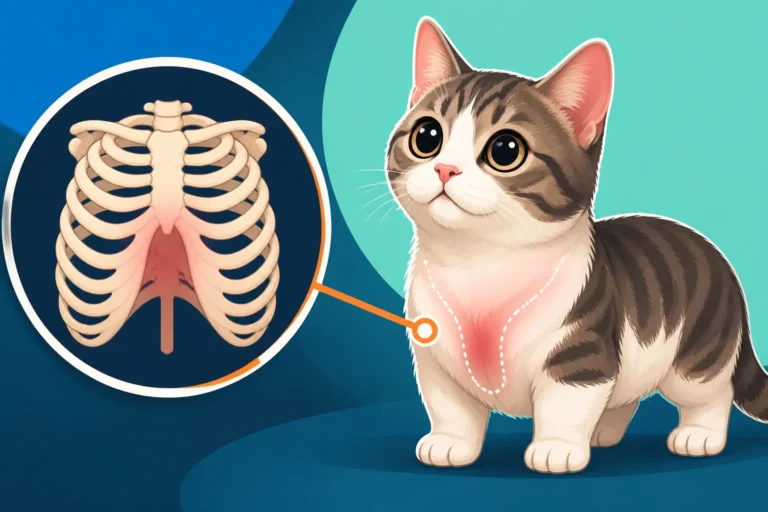
If you notice persistent signs of stiffness or discomfort, a vet visit is essential. Your veterinarian will perform a thorough physical examination, assessing your Munchkin's gait, range of motion in their joints, and palpating their spine for any sensitivities. They might recommend diagnostic imaging, such as X-rays, to get a clear picture of their joint health, looking for signs of arthritis, bone spurs, or other structural changes. Knowing Whether a Munchkin Needs X Rays as It Ages can help you prepare for this possibility.
Based on the diagnosis, your vet can then discuss a tailored treatment plan, which might include:
- Pain Management Medication: Non-steroidal anti-inflammatory drugs (NSAIDs) are commonly prescribed to reduce pain and inflammation. There are also other medications, like gabapentin, that can help with chronic pain. Your vet will select the safest and most effective options. For example, brands like Metacam or Onsior are often used, but specific dosages and suitability are always vet-dependent. Understanding What Pain Relief a Stiff Munchkin Can Take is crucial here.
- Disease-Modifying Osteoarthritis Drugs (DMOADs): Injections like polysulfated glycosaminoglycans (e.g., Adequan) can help protect cartilage and improve joint fluid quality.
- Alternative Therapies: Some vets may also suggest therapies like acupuncture, laser therapy, or even hydrotherapy, which can be beneficial for pain relief and muscle strengthening without putting stress on joints.
- Weight Loss Plan (if needed): If your Munchkin is overweight, a structured weight loss plan under vet supervision will be a cornerstone of their treatment.
It’s also wise to consider pet insurance from a reliable provider like Healthy Paws when your Munchkin is young and healthy. This way, if chronic conditions like arthritis develop later, the treatment costs, including diagnostics, medications, and specialized therapies, can be more manageable. Healthy Paws, for instance, often covers chronic conditions if they aren't pre-existing, making it a valuable safety net.
Adjusting Daily Routines and Enrichment
As stiffness progresses, you'll need to make further adjustments to your Munchkin's daily life to ensure their comfort and engagement.
- Rethink Playtime: While high-energy chasing and jumping might become too much, your Munchkin still needs mental and physical stimulation. Focus on floor-level play with wand toys that you can drag along the ground, puzzle feeders, and soft toys they can bat around. Encourage gentle walks if they enjoy a harness and leash, keeping them on flat, even surfaces.
- Accessibility is Key: Double-check all areas of your home for accessibility. Ensure litter boxes are truly low-entry and easily reached. If they struggle with ramps, consider shallower inclines or more frequent, closer-together steps. Their bed should be on the floor, or easily reachable via a very gentle ramp.
- Grooming Assistance: A stiff Munchkin may find it increasingly difficult to groom themselves, especially their back and hindquarters. Be prepared to step in with regular brushing and even sanitary clips if needed. This prevents mats and keeps their skin healthy. You might find yourself needing a "Munchkin budget" line for things like professional grooming, just as you might need one for Why a Munchkin Budget Needs a Mobility Line.
- Regular, Gentle Movement: While rest is important, complete inactivity can worsen stiffness. Encourage short, gentle periods of movement throughout the day to keep their joints lubricated and muscles from atrophying.
Ongoing Support for Comfort and Quality of Life
Living with an aging, stiff Munchkin requires a commitment to ongoing support and attentiveness. Your goal is to maximize their comfort and ensure their quality of life remains high.
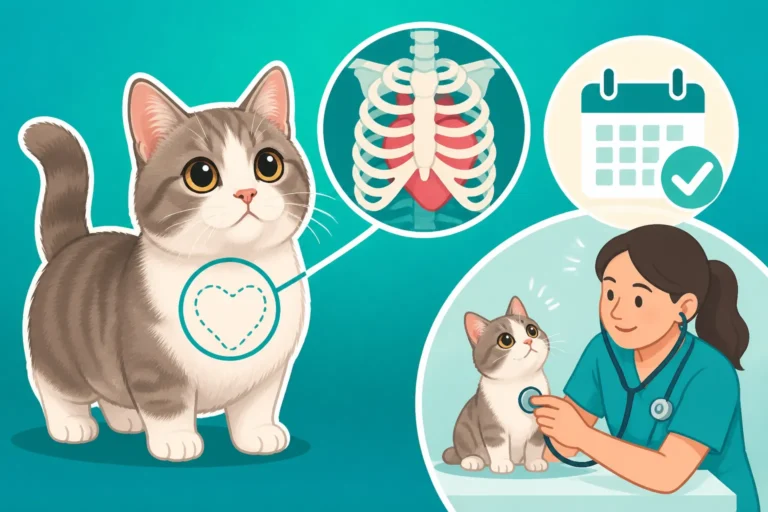
- Regular Vet Check-ups: As they age, your Munchkin should have more frequent vet visits – often twice a year instead of annually. These check-ups allow your vet to monitor their joint condition, adjust pain management plans as needed, and screen for other age-related health issues. This proactive approach helps ensure issues are caught early.
- Comfortable Resting Spots: Provide multiple soft, orthopedic beds in easily accessible, warm spots around the house. Consider heated pet beds, especially in colder climates, as warmth can soothe aching joints.
- Emotional Support: An aging cat who can't do all the things they used to might become a little frustrated or withdrawn. Offer plenty of gentle affection, engage them with accessible toys, and ensure they feel secure and loved. Observe What an Old Munchkin Stops Being Able to Do and adjust your interactions accordingly. If you have pet insurance like Healthy Paws, they often emphasize the importance of preventative care and regular check-ups, which aligns perfectly with this kind of long-term support.
- Observe and Report: You are your Munchkin's best advocate. Keep a diary of their mobility, pain levels, and any changes in behavior. This information is invaluable to your vet in tailoring their care. Don't hesitate to reach out to your veterinary team with any concerns, no matter how small they seem.
By understanding the unique challenges Munchkins face with joint health and implementing these preventative and management strategies, you can help your short-legged companion enjoy a long, happy, and comfortable life right by your side.
Disclaimer
The information provided in this article is for general informational purposes only and is not a substitute for professional veterinary advice. Always consult with a qualified veterinarian for any health concerns or before making any decisions related to your pet's health and treatment.