Why Weight Is More Dangerous on a Munchkin
It's incredibly easy to fall in love with a Munchkin cat. Their adorable short legs and playful personalities just melt your heart. But beneath that undeniable charm lies a unique physical structure that makes carrying even a little extra weight far more dangerous for them than for a regular-legged cat. This guide will delve into exactly why keeping your Munchkin at a healthy weight is paramount and how their distinctive anatomy amplifies the risks associated with obesity.
The Unique Biomechanics of a Munchkin's Body
When you look at a Munchkin, it's those incredibly short legs that first catch your eye. What many people don't realize is that while their legs are short, their body and spine are typically a normal length. This combination creates a very specific biomechanical challenge, especially when it comes to carrying weight.
Shortened Limbs and Spinal Load
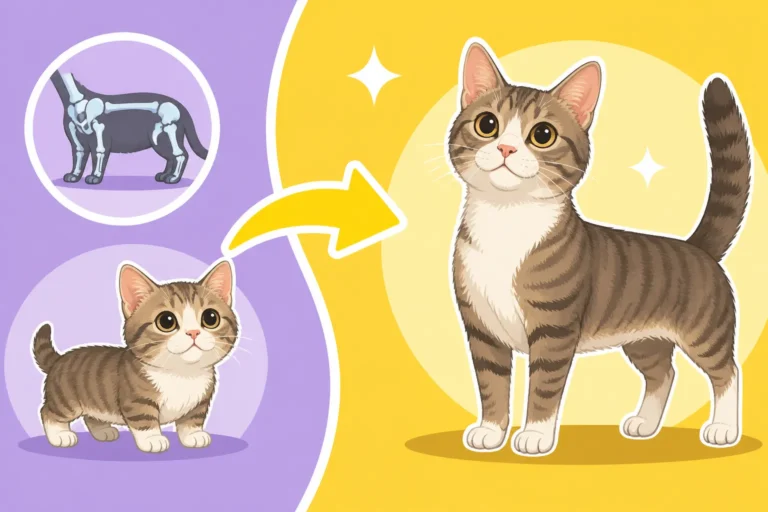
Imagine a regular cat, with its long, agile legs designed to distribute its weight evenly and absorb the shock of jumps and movements. Now, envision a Munchkin. Their limbs are significantly shorter, meaning their body is much closer to the ground. This isn't just a cute aesthetic; it's a fundamental difference in how their skeletal system manages daily forces. Because their legs are abbreviated, the spine, which is still full-sized, has to bear a disproportionately greater load. Every step, every twist, every little movement puts pressure on their vertebral column. This is a critical point that many new Munchkin owners don't fully grasp: Why a Munchkin's Spine Carries a Load a Normal Cat's Does Not.
When you add even a few extra ounces, let alone pounds, to this already challenged system, the stress on their spine and joints escalates dramatically. It's like asking a small bridge to carry a heavier load than it was designed for; while it might hold for a while, the wear and tear will be rapid and severe. For a Munchkin, that extra weight means their short legs have to push harder, their joints compress more, and their spine is constantly under increased strain. This persistent, elevated pressure can lead to chronic discomfort and debilitating conditions over time.
A Lower Center of Gravity, But at What Cost?
Munchkins are often praised for their agility on flat surfaces, and it's true, their low center of gravity can give them an almost ferret-like glide across the floor. This unique posture also contributes to their distinctive "prairie dog" sit, where they stand upright on their hind legs to get a better view. You might observe how Why a Munchkin's Low Body Helps It Chase toys or dart around corners with surprising speed. This low-slung build is part of their charm and seems to offer a certain stability.
However, this perceived benefit comes with a hidden cost, especially when excess weight enters the picture. While a low center of gravity might initially aid in balance, extra fat around the belly and torso can pull their body even lower, making it harder to move. The graceful "ferret-like" movement becomes a labored waddle. Their short legs, already working hard, now have to contend with a heavier mass, making simple acts like getting up from a lying position, navigating small steps, or even turning quickly much more taxing. It becomes a struggle rather than an effortless motion, rapidly diminishing their natural playfulness and overall zest for life. It can also be tricky for owners to gauge a healthy weight because their natural body shape can appear rounded, leading to the question: Why a Munchkin Looks Round Even When Lean. This makes regular, tactile body condition scoring even more vital.
The Cascade of Health Problems Amplified by Obesity
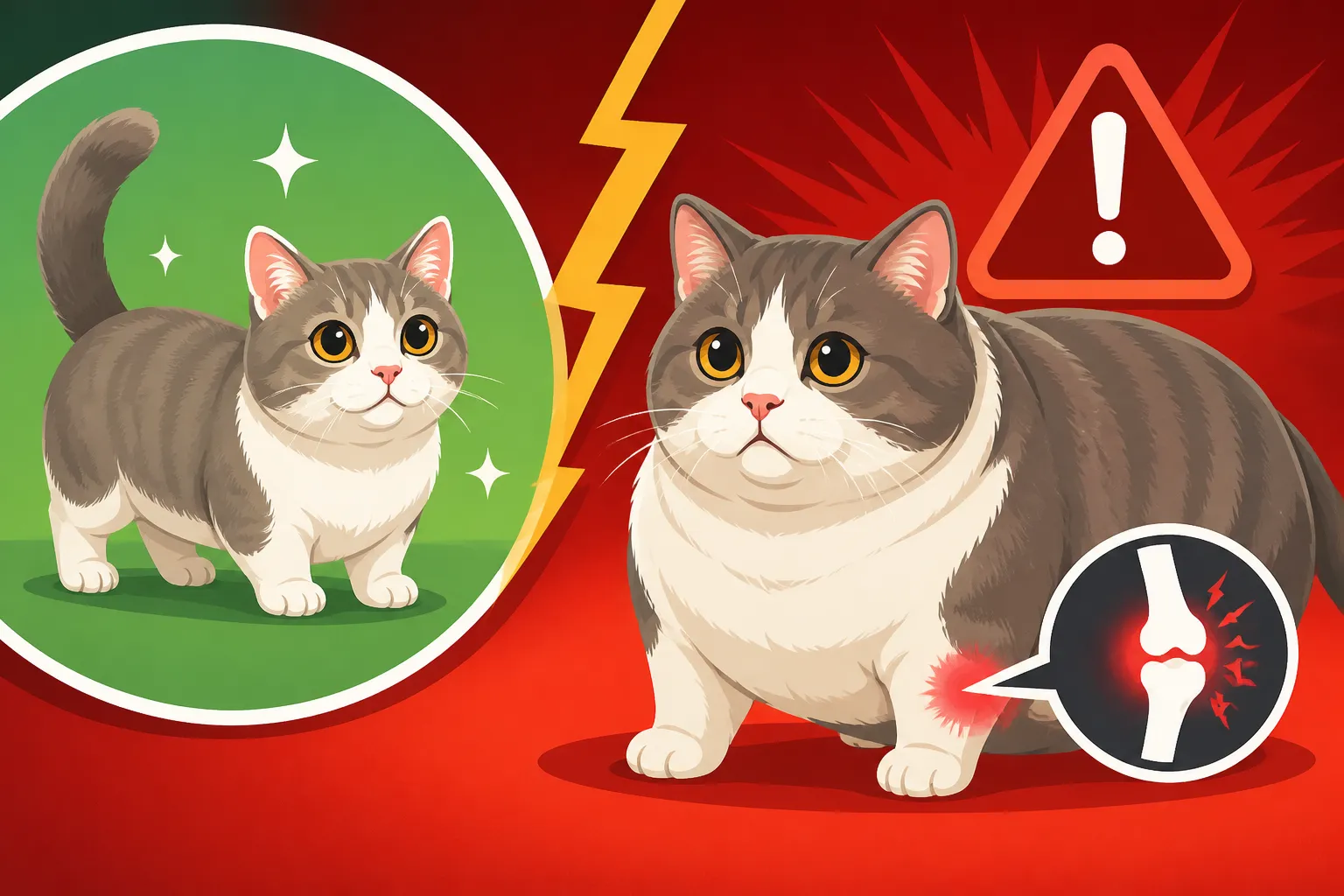
Obesity is a serious health concern for any cat, but for a Munchkin, it's not just a risk factor; it's an accelerant for conditions their unique anatomy already makes them prone to. The added strain on their musculoskeletal system can lead to a host of debilitating problems, severely impacting their long-term health and comfort.
Exacerbated Joint Issues and Arthritis
Munchkins, due to their shortened limbs, naturally experience increased strain on their joints. Their leg bones are disproportionately short, while the rest of their body is typically normal-sized, meaning the joints in their shoulders, elbows, and hips absorb more impact than those of a cat with standard-length legs. This predisposition means they are already at a higher risk for developing osteoarthritis. When excess weight is introduced, it’s like throwing fuel on a fire. Every pound, every extra ounce, adds immense pressure to these already vulnerable joints.
This constant, amplified stress accelerates the wear and tear on cartilage, leading to inflammation, pain, and the earlier onset of degenerative joint disease. You might notice your Munchkin becoming less eager to play, struggling with movements they once found easy, or even limping. The shoulders, which bear a significant portion of their body weight, are often among the first joints to show signs of discomfort, as detailed in How Osteoarthritis Shows in a Munchkin's Shoulders. Similarly, their elbows, constantly taking the landing impact from even small jumps, are also highly susceptible to exacerbated problems when they carry more weight, as explored in Why a Munchkin's Elbows Take the Landing. The pain from arthritis can significantly diminish their quality of life, making their golden years far less comfortable than they should be.
Spinal Stress and Lordosis Risk
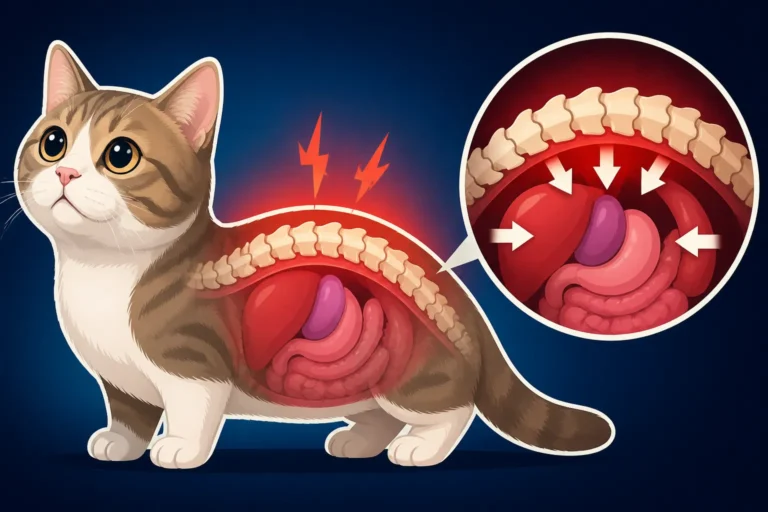
The spine is another critical area of concern for Munchkins, and excess weight compounds these risks exponentially. While their legs are short, their spine is generally of normal length, creating a unique curvature and distribution of weight. Munchkins are known to be at a higher risk for lordosis, a condition where the spine curves downwards towards the belly. This isn't unique to Munchkins, but their specific conformation makes it a more significant concern for them.
When a Munchkin carries extra weight, especially around their midsection, this additional belly fat and overall body mass exert tremendous downward pressure on their already vulnerable spine. This pressure can significantly worsen any existing lordosis or increase the likelihood of it developing, as discussed in What Lordosis Does to a Munchkin. In severe cases, particularly with significant obesity, this exaggerated spinal curve can lead to the compression of internal organs, impacting their respiratory and digestive systems. Why Severe Lordosis Compresses a Munchkin's Organs outlines the serious consequences this can have, leading to breathing difficulties, chronic constipation, and immense discomfort. Keeping your Munchkin lean helps to minimize this downward force, offering their spine the best possible chance to remain healthy and reduce the risk of such severe complications.
The Impact on Mobility and Quality of Life
Beyond the internal physiological stress, excess weight dramatically impacts a Munchkin's day-to-day life, robbing them of their natural playfulness and making basic self-care a challenge. Their unique physical attributes, which allow for a certain kind of agility, are severely compromised by obesity.
Restricted Movement and Play
Munchkins are, at heart, playful and curious cats. Despite their short legs, they are surprisingly quick on the flat and are known for their unique movements, often described as Why a Munchkin Moves Like a Ferret. They love to chase toys, explore, and interact with their environment. However, when they become overweight, this innate desire for activity is severely hampered. Every movement becomes a struggle. What was once a quick dart across the room transforms into a labored shuffle. Their already limited jumping ability diminishes further, meaning they can't even manage the small, controlled jumps they once could to reach low furniture or enrichment items.
This reduction in mobility creates a cruel cycle: the less they move, the more weight they gain, and the more difficult it becomes to move. They might become withdrawn, less engaged in play, and spend more time sleeping, not out of laziness, but because movement is physically uncomfortable and exhausting. Their ability to explore their world, climb onto a low cat tree, or even engage in a rousing game of chase is compromised, leading to a significant decrease in their overall quality of life and mental stimulation. Owners often find themselves constantly lifting their cat, which, while well-intentioned, doesn't address the underlying issue of their restricted movement.
Grooming Challenges and Skin Issues
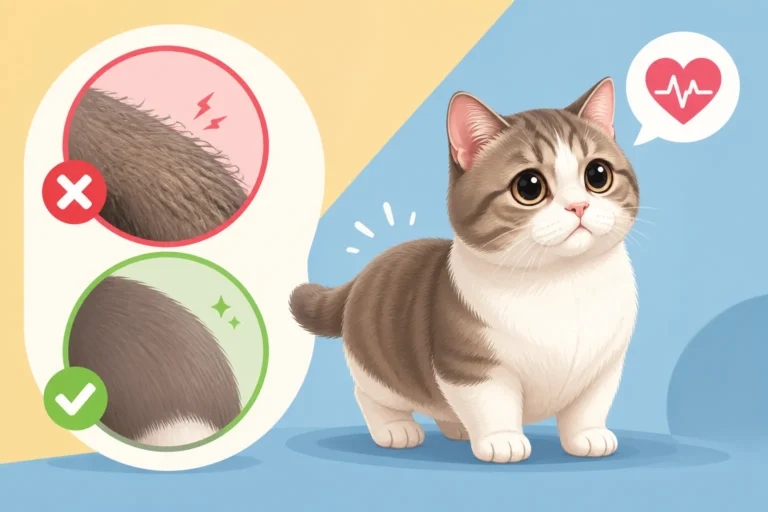
One of the most immediate and visible impacts of excess weight on a Munchkin is their inability to properly groom themselves. Even a healthy Munchkin, with their short legs and normal-length body, struggles to reach certain areas, particularly their hindquarters and the underside of their belly, as explored in Which Parts of Itself a Munchkin Cannot Reach. This is a common frustration for owners who find themselves constantly having to assist with grooming.
When a Munchkin becomes overweight, this challenge becomes insurmountable. The rolls of fat, combined with their short limbs, make it virtually impossible for them to twist and contort their bodies enough to lick and clean their back half. This often leads to severe matting, especially in long-haired Munchkins, and can cause painful skin infections, dander buildup, and flea infestations that go unnoticed. Not being able to clean themselves after using the litter box can also lead to hygiene issues, causing unpleasant odors and discomfort. Ultimately, Whether Matting Becomes a Health Problem in a Munchkin is a resounding yes, and it’s a direct consequence of their physical limitations exacerbated by obesity. These issues require diligent owner intervention, including regular brushing, bathing, and sometimes professional grooming or sanitary clips, all of which could be minimized with proper weight management.
Managing Weight: Prevention and Intervention
Given the amplified risks, weight management isn't just a suggestion for Munchkin owners; it's a fundamental pillar of their long-term health and well-being. Proactive prevention and swift intervention are key to ensuring your short-legged companion lives a long, comfortable, and active life.
Calorie Control and Appropriate Diet
The first and most crucial step in managing a Munchkin's weight is meticulous calorie control. It's a simple truth that Munchkins, due to their limited mobility compared to standard-legged cats, naturally burn fewer calories. This means their dietary needs are often lower than what you might typically feed a cat of similar body weight but with longer legs, a fact highlighted by Why a Munchkin Burns Less Than a Normal Legged Cat. It’s not about starving them, but about providing the right amount of high-quality, nutrient-dense food.
Free-feeding is generally discouraged for Munchkins. Instead, precise portion control is essential. Invest in a small digital kitchen scale and weigh out every meal. This might seem overly meticulous, but it truly makes a difference. Why a Munchkin's Portion Should Be Weighed cannot be stressed enough; even a slight overestimation in kibble can add up to significant caloric excess over weeks and months. Opt for high-protein, moderate-fat cat foods that support lean muscle mass. Discuss specific dietary needs and appropriate calorie intake with your veterinarian, as they can recommend the best food type and quantity for your individual cat's age, activity level, and health status. Remember, every gram of excess food directly translates to extra burden on their unique skeletal structure.
Tailored Exercise and Environmental Enrichment
Even with their short legs, Munchkins are active and need to play to maintain muscle tone and burn calories. However, their exercise needs to be tailored to their physical limitations to prevent injury while still providing ample enrichment. Focus on activities that encourage movement at floor level. Wand toys, laser pointers (used responsibly to avoid frustration), and toys they can bat around or chase are excellent choices. Set up obstacle courses with low tunnels, crinkle bags, or soft fabric hurdles.
Environmental enrichment is equally important. Since Munchkins can't easily jump onto high surfaces, you need to bring the world down to their level. Provide sturdy, carpeted ramps or low steps to access favorite window perches, sofas, or beds. This allows them to explore and reach elevated spots safely without putting undue stress on their joints and spine from repeated jumping or falling. What a Full Set of Munchkin Ramps Costs might seem like an upfront investment, but it’s invaluable for their long-term mobility and happiness. Encourage short, frequent play sessions throughout the day rather than one long, exhausting one. Gentle, consistent activity helps maintain a healthy weight, strengthens supporting muscles, and keeps their minds sharp.
Regular Veterinary Check-ups and Monitoring
Consistent veterinary care is non-negotiable for a Munchkin, especially when it comes to weight management and monitoring for the associated health risks. Regular check-ups allow your vet to assess your cat's body condition, discuss their diet and activity levels, and catch any early signs of joint pain, spinal issues, or other complications before they become severe. Don't underestimate the value of your vet's experienced eye. They can accurately assess your cat's body condition score, which goes beyond just looking at the number on the scale, helping you understand How to Score a Munchkin's Body Condition.
During these visits, your vet can also recommend appropriate joint supplements, such as glucosamine and chondroitin, or omega-3 fatty acids, which can support joint health, especially as your Munchkin ages. If weight loss is needed, they can help formulate a safe and effective plan. It's also wise to consider pet insurance, as many of the chronic conditions exacerbated by weight can incur significant diagnostic and treatment costs over time. A good pet insurance policy, like those offered by Healthy Paws, can provide much-needed financial support for everything from regular check-ups to potential imaging or pain management therapies. Having a reliable plan from Healthy Paws in place before any issues arise can offer immense peace of mind. Discussing proactive measures, including a robust pet insurance plan from Healthy Paws, with your veterinarian is a crucial part of holistic Munchkin care.
Comparing Weight Impact: Normal Cat vs. Munchkin
To truly underscore the danger of excess weight for a Munchkin, let's look at how it impacts them compared to a normal-legged cat.
| Feature / Condition | Impact on Normal-Legged Cat | Impact on Munchkin Cat |
|---|---|---|
| Weight Distribution | Evenly distributed across longer limbs and balanced frame. | Disproportionately heavy load on shorter limbs and spine. |
| Joint Strain | Increased risk of arthritis, but joints generally designed for higher impact. | Severely amplified risk of early and severe arthritis in shoulders, elbows, and hips due to constant compression. |
| Spinal Stress | Moderate increase in risk for spinal issues, but less direct compression. | Extreme increase in risk for lordosis and intervertebral disc disease due to exaggerated downward pressure; potential organ compression. |
| Mobility | Reduced agility, slower movement, less jumping ability. | Drastically reduced mobility, struggle with basic movements, inability to self-groom, complete loss of limited jumping. |
| Self-Grooming | May struggle to reach some areas, but generally manageable. | Virtually impossible to groom hindquarters and belly, leading to severe matting, skin infections, and discomfort. |
| Energy Levels | May become lethargic and less playful. | Becomes withdrawn, reluctant to move or play, significantly reduced quality of life. |
| Overall Health | Increased risk of diabetes, heart disease, urinary issues. | All above risks compounded, plus heightened risk of complications from unique skeletal structure. |
Disclaimer
This article is for general informational purposes only and does not constitute professional advice. Laws, prices and regulations vary by location and change over time. Consult a qualified professional for guidance on your specific situation.