Why a Munchkin Burns Less Than a Normal Legged Cat
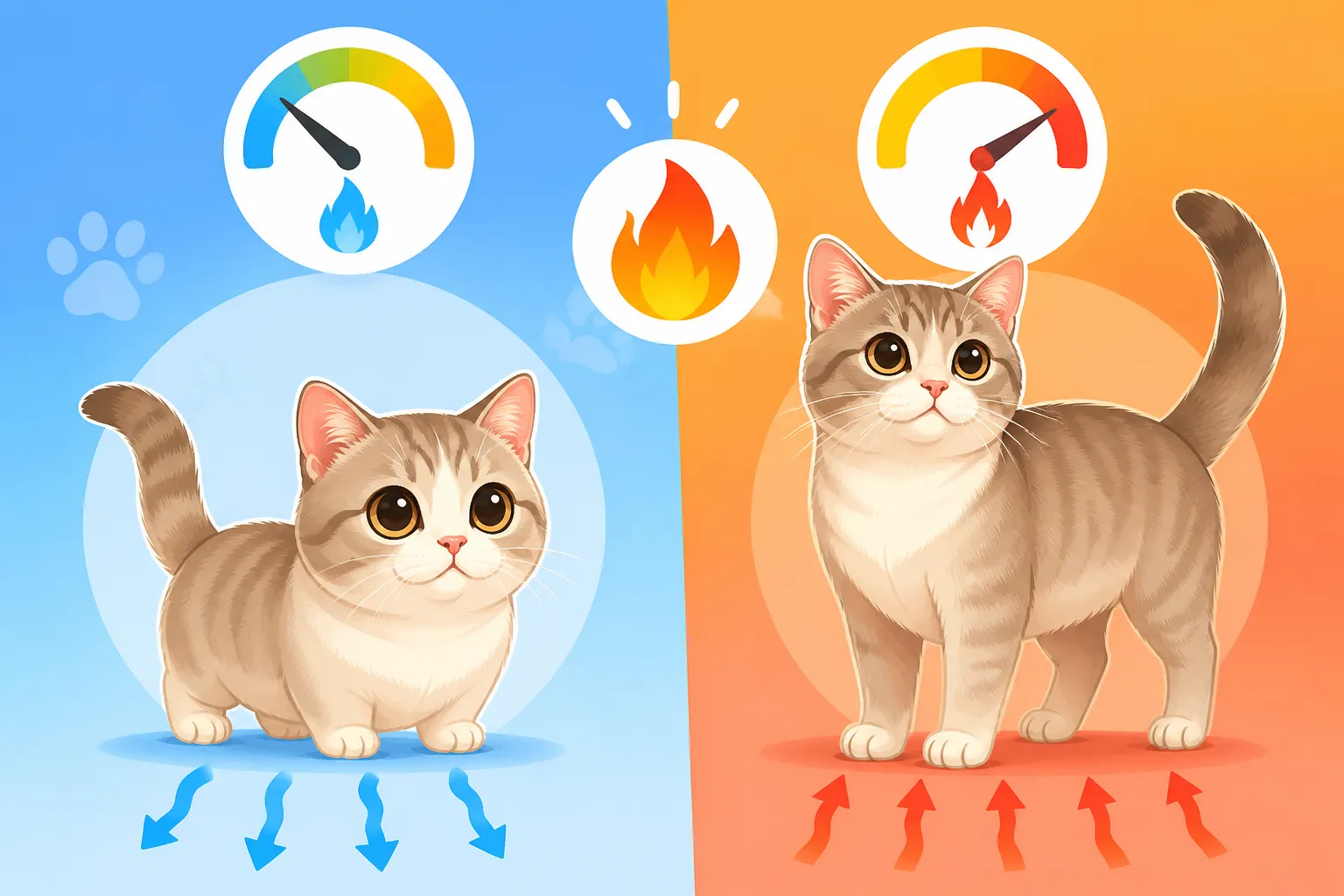
One of the most common surprises new Munchkin cat parents face is just how easily these adorable, short-legged furballs can pack on the pounds. You might be feeding them what seems like a perfectly normal amount for a cat, yet they start looking a little rounder, and suddenly, you're wondering if your kitchen scales are broken or if your cat is secretly raiding the pantry. The truth is, your Munchkin burns fewer calories than a normal-legged cat, and understanding why is key to keeping them healthy and happy throughout their unique lives. This guide will dive deep into the physiological reasons behind their lower caloric needs and offer practical advice for managing their weight effectively.
The Core Difference: How Short Legs Impact Metabolism
It’s easy to look at a Munchkin and see a "normal" cat with short legs. And in many ways, they are! They're playful, curious, and just as full of personality as any other feline. However, those distinctive short legs, a result of a naturally occurring genetic mutation for Why Munchkin Dwarfism Is Called Autosomal Dominant, fundamentally change how their bodies operate and, consequently, how many calories they burn. This isn't about being lazy; it's about physics and biology.
Reduced Range of Motion and Energy Expenditure
Think about how a typical cat stretches, leaps, and bounds. Their long, flexible limbs allow for expansive movements, enabling them to propel themselves upward, cover ground quickly, and absorb impacts with efficiency. A Munchkin, on the other hand, operates within a much more limited range of motion. Their short femurs and tibias mean that each stride they take covers less distance, and the overall arc of their movement is significantly compressed. They might still zoom around your living room like a furry torpedo, but the effort involved in moving their body a given distance is different.
Because their legs are shorter, a Munchkin has to take more steps to cover the same distance as a normal-legged cat. While this might seem like it would burn more calories, the reality is that the type of movement and the mechanical advantage of longer limbs contribute to higher energy expenditure in their long-legged counterparts. Munchkins tend to shuffle or waddle, keeping their bodies low to the ground. This low-slung posture, while adorable, means they're not engaging the same large muscle groups in the same dynamic way that a cat stretching up a tall scratching post or launching onto a counter would. Each movement is less intense, less explosive, and therefore, burns fewer calories.
The Impact on Muscle Mass and Basal Metabolic Rate
Muscle mass is a huge factor in a creature's basal metabolic rate (BMR) – that’s the number of calories their body burns just to exist, even at rest. Muscle tissue is metabolically more active than fat tissue, meaning it requires more energy to maintain. Since Munchkins have shorter limbs, they naturally have less overall muscle mass in their legs compared to a cat with standard leg length. This isn't to say their muscles are weak; they're simply proportionally smaller for their body frame, especially in the areas responsible for propulsion and jumping.
This reduced muscle mass translates directly to a slightly lower BMR. Their bodies just don't need to work as hard to maintain themselves when they're not actively moving. Over time, this small difference in daily energy expenditure adds up significantly. If you're feeding a Munchkin the same amount of food as a domestic shorthair of similar body weight, your Munchkin is likely taking in more calories than its body needs, leading to weight gain. It’s a subtle difference, but one that requires careful attention to their diet and activity levels to keep them at a healthy weight, preventing issues like Why an Overweight Munchkin Is in Real Trouble.
Activity Levels and Calorie Burn in Munchkins
It's tempting to think that a cat that runs and plays a lot must be burning a ton of calories. And while activity is crucial for a Munchkin's health and happiness, their type of activity is inherently different, impacting their overall caloric output. They have found clever ways to adapt to their unique physical structure, but these adaptations don't always equate to high-intensity calorie-burning exercises.
Different Movement Patterns and Energy Use
A Munchkin's movement pattern is distinct. They often exhibit a characteristic "ferret-like" gait, scuttling close to the ground. This allows them to navigate spaces effectively, weaving through furniture legs and under low obstacles with remarkable agility. While incredibly endearing to watch, this type of movement is generally less demanding on their cardiovascular system and muscles than the high jumps and explosive sprints of a typical cat. They aren't launching themselves onto high shelves or scaling tall cat trees with the same frequency or ease.
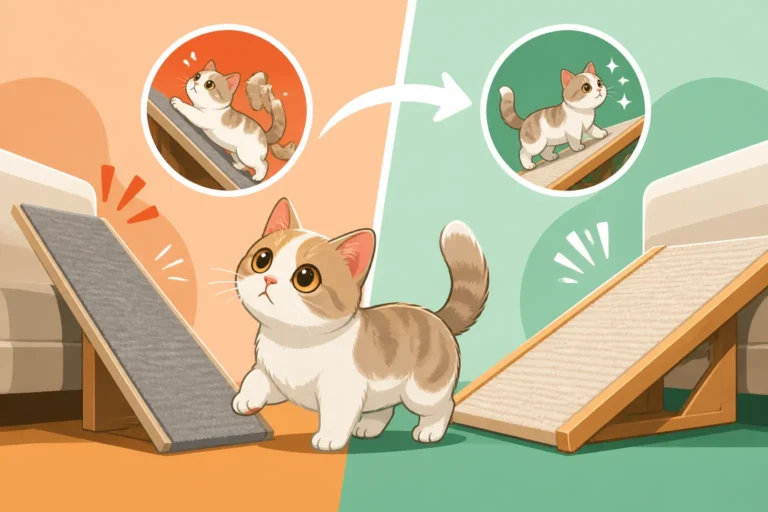
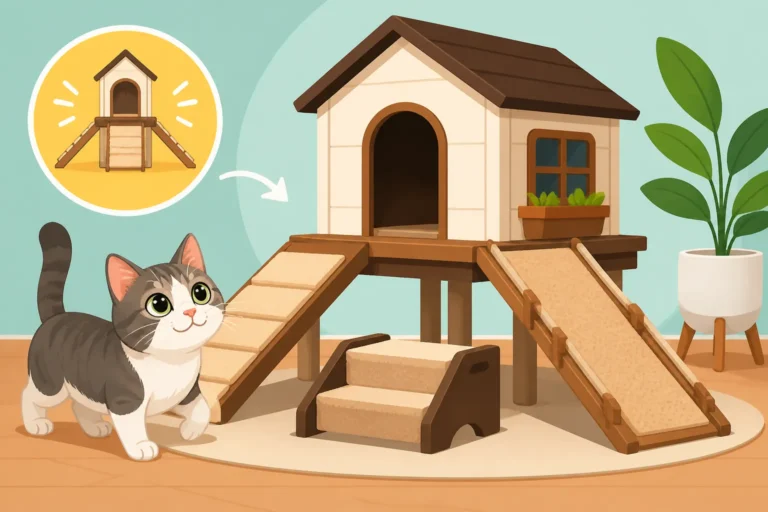
Consider the energy required to jump versus to scurry. Jumping involves a powerful burst of energy, engaging large hind leg muscles to propel the body upwards against gravity, followed by a controlled landing that also requires significant muscle engagement. A Munchkin, while capable of jumping, generally won't jump as high or as often. Instead, they might find a ramp, a series of steps, or a strategically placed stool to reach higher spots. Each of these alternative methods, while effective, demands less intense energy output than a full-power leap. This isn't a flaw; it's an evolutionary workaround, but it does mean their activity, while consistent, might not burn as many calories as you'd assume. How Many Inches a Munchkin Can Jump is often much less than an average cat.
The "Prairie Dog Sit" and Other Unique Behaviors
One of the most iconic and adorable behaviors of a Munchkin is their "prairie dog sit." They'll often sit up on their hind legs, balancing perfectly, to get a better view of their surroundings, much like a meerkat or a prairie dog. It's utterly charming and often elicits "awws" from anyone watching. This posture, while requiring some core strength to maintain, isn't a high-calorie-burning activity. It's a stationary position, not a dynamic exercise.
Other unique behaviors also contribute to their specific energy expenditure profile. For instance, a Munchkin might prefer to play on the floor, chasing toys that roll or slide within their easy reach. They might engage in elaborate games of hide-and-seek under blankets or low furniture, using their compact size to their advantage. While all these activities are excellent for mental stimulation and some physical exercise, they typically don't elevate their heart rate and muscle engagement to the same degree as a cat that frequently climbs to the highest point of a cat tree or engages in extended aerial acrobatics. It's important to remember that these behaviors are part of A Munchkin Is a Normal Cat That Cannot Reach, adapting its movements to its physical form.
Playtime Adaptations and Calorie Burn
When it comes to playtime, a Munchkin will absolutely participate with gusto! They love chasing wand toys, batting at crinkly balls, and pouncing on toy mice. However, the nature of their play is adapted to their short legs. You'll notice they often stay closer to the ground, relying on quick bursts of speed and agility rather than vertical jumps. A wand toy waved high in the air might frustrate them, whereas one dragged along the floor will ignite their inner hunter.
This adaptation means that while they are active, the overall caloric output from their play sessions might be lower than a cat that can launch itself into the air repeatedly to catch a feather toy. It highlights the importance of not just how long they play, but how they play. Providing enrichment that encourages sustained, moderate-intensity activity at ground level, rather than frustrating them with unreachable targets, is key. Think laser pointers that move across the floor, low tunnels they can dart through, or puzzle feeders that require persistent engagement rather than jumping. Which Toys Work at a Munchkin's Height are those that keep them moving horizontally.
| Activity Type | Normal-Legged Cat Calorie Burn | Munchkin Cat Calorie Burn | Notes |
|---|---|---|---|
| Running | High (long strides, powerful propulsion) | Moderate (more steps, lower ground clearance, less propulsion) | Covers distance faster, less overall intensity per stride. |
| Jumping | Very High (explosive, vertical movement) | Low to Moderate (limited height, often uses aids like steps) | Less verticality, more reliance on accessible surfaces. |
| Climbing | High (full body engagement, large muscle use) | Low (less frequent, relies on ramps/steps, less strain) | Less upper body engagement, prefers gradual inclines. |
| Stretching | Moderate (elongates spine, engages core) | Moderate (limited leg extension, but still beneficial) | Range of motion is inherently shorter, but core stretch remains important. |
| Resting/Sleeping | Baseline BMR | Slightly Lower BMR | Reduced overall muscle mass contributes to a lower resting metabolic rate. |
| Grooming | Moderate (twisting, reaching) | Moderate (may struggle with hindquarters, less flexibility) | Owner assistance often needed for hard-to-reach areas like Why a Munchkin's Hindquarters Get Matted. |
Understanding Your Munchkin's Unique Physiology
It's vital to recognize that your Munchkin's reduced calorie burn isn't a character flaw or a sign of laziness. It's a direct consequence of their unique skeletal structure and the way their bodies are designed to move. This perspective shift is crucial for responsible ownership, as it moves away from judgment and towards understanding and proactive care.
Not a "Lazy" Cat, Just Built Differently
Many owners, understandably, might perceive their Munchkin as less active than previous cats they've owned, or even "lazy." However, this isn't an accurate assessment. A Munchkin is just as curious and driven to explore, play, and interact as any other cat. The difference lies in how they achieve these goals. They simply cannot jump to the same heights, run with the same stride length, or access vertical spaces in the same manner as a cat with standard-length legs. This doesn't mean they don't want to; it means they are physically limited in how they can.
Their energy is expended differently. They might spend more time investigating nooks and crannies at floor level, or engaging in intricate games that involve less verticality. They are highly adaptable and will often find creative ways to get where they want to go, such as using furniture as a staircase or waiting patiently for an owner to provide a lift. This ingenuity is a testament to their inherent feline drive, not a lack of motivation. Understanding this distinction is the first step in setting up an environment that supports their natural desires without encouraging excessive caloric intake or physical strain. It’s why With a Munchkin the House Changes, Not the Cat is such a critical concept.
Genetic Predisposition to Weight Gain
Given their physiology, Munchkins have a genetic predisposition to weight gain if their caloric intake isn't carefully managed. Their shorter limbs and slightly lower basal metabolic rate mean that the margin for error in their diet is much smaller. A few extra kibbles here, a couple of too many treats there, and the weight can creep on surprisingly quickly. This isn't just an aesthetic concern; it's a serious health issue for Munchkins.
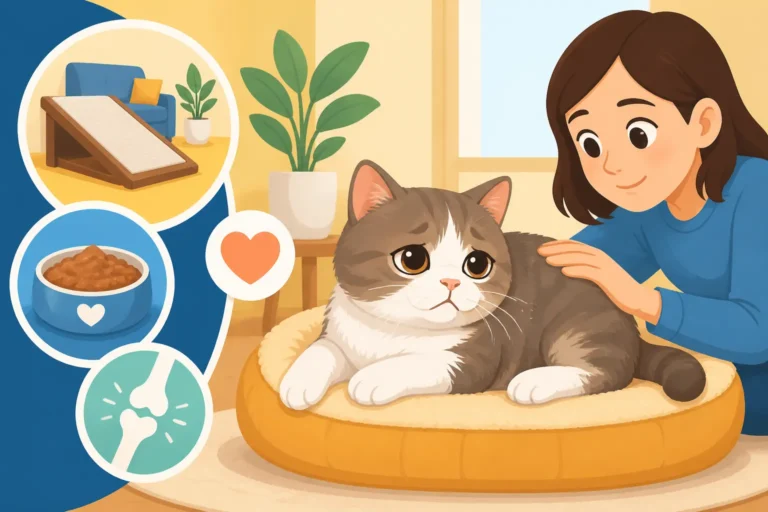
The extra weight puts undue stress on their unique spine and joints. While Why a Munchkin's Spine Is Normal Length, the load it carries is amplified by excess weight on their short legs. It can exacerbate conditions like arthritis, which Munchkins may be prone to developing earlier in life due to the altered mechanics of their movement. Being overweight also makes it harder for them to move, which in turn reduces their activity levels even further, creating a vicious cycle. Therefore, proactive weight management isn't just good pet ownership; it's a fundamental part of caring for a Munchkin. Knowing How Much Weight a Munchkin Can Safely Carry is paramount.
Practical Implications for Diet and Exercise
Understanding that your Munchkin burns fewer calories means you need to adjust your approach to their diet and exercise. This isn't about deprivation, but about precision and providing the right kind of stimulation for their unique needs. It requires a thoughtful, consistent effort from you as their caretaker.
Calorie Needs: Less Than You Think
The biggest takeaway here is that your Munchkin likely needs fewer calories than you would feed a standard domestic cat of the same weight and age. Generic feeding guidelines on cat food bags are often based on the caloric needs of an average-sized, average-activity cat, which may not apply directly to your Munchkin. Overfeeding is one of the quickest ways for a Munchkin to gain unhealthy weight. You need to focus on How Few Calories a Munchkin Actually Burns in comparison.
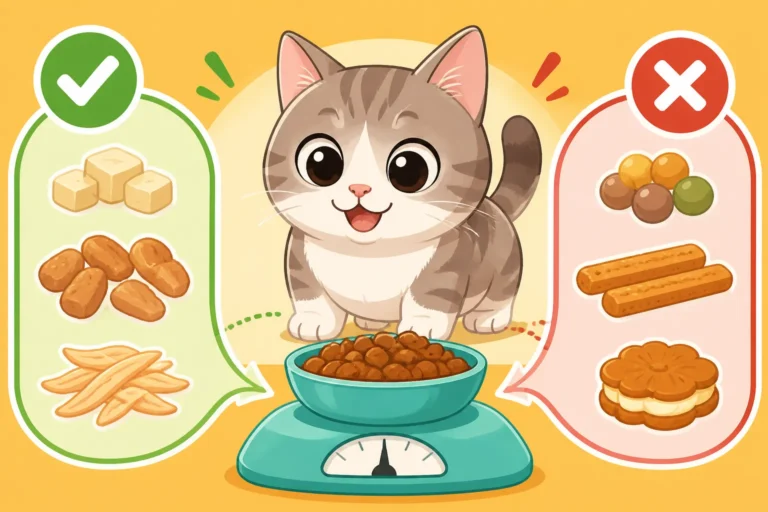
It's highly recommended to work with your veterinarian to determine an appropriate daily caloric intake for your specific cat, taking into account their age, current weight, activity level, and any underlying health conditions. They might suggest a high-quality, protein-rich food that supports muscle maintenance without excess fat. Measuring food precisely with a kitchen scale rather than simply scooping is critical. Fresh, portioned meals or high-quality kibble can be part of a tailored diet plan. Treats should be factored into their daily caloric allowance, not added on top. Every gram truly counts for these little guys, because Why Every Extra Gram Lands on a Munchkin's Spine.
Tailoring Exercise to Their Abilities
While a Munchkin might not be an Olympic high-jumper, they absolutely need and enjoy regular exercise. The key is to tailor their play to their physical capabilities. Focus on horizontal movement and activities that keep them engaged at ground level. This means providing plenty of opportunities for chasing, pouncing, and exploring within their reach.
Interactive toys like feather wands (used close to the floor), laser pointers, remote-control mice, or crinkly balls are fantastic. Create obstacle courses with tunnels, low boxes, or paper bags for them to investigate. Enrich their environment with How to Set Up Floor Level Enrichment for a Munchkin, ensuring they have places to "climb" that are actually low ramps or steps to window perches or favorite sleeping spots. Encourage short, frequent play sessions throughout the day rather than one long, exhausting one. This consistent, moderate activity is far more beneficial for maintaining a healthy weight and muscle tone without overstraining their joints.
Monitoring Weight and Body Condition
Regularly monitoring your Munchkin's weight and body condition is perhaps the most important aspect of their care. This isn't just about stepping on a scale; it's about learning to assess their body visually and by touch. You should be able to easily feel their ribs with slight pressure, and they should have a discernible waist when viewed from above. Their belly should not be dragging on the floor, even if they naturally sit low. How to Feel a Munchkin's Ribs is a skill every owner needs.
Weigh your Munchkin weekly or bi-weekly at home using a pet scale or by weighing yourself, then picking up your cat and weighing again. Keep a log to track any trends. Your vet can teach you How to Score a Munchkin's Body Condition using a numerical system, which helps you objectively assess whether they are underweight, ideal, or overweight. Early detection of weight gain allows for much easier intervention before it becomes a significant health problem. This consistent vigilance will pay dividends in their long-term health and well-being.
Why Weight Management Is Crucial for Munchkins
For any cat, maintaining a healthy weight is important, but for Munchkins, it's absolutely non-negotiable. Their unique physical structure means that excess weight carries amplified risks, making diligent weight management a cornerstone of their care.
Increased Strain on Joints and Spine
This is perhaps the most critical reason for strict weight control. A Munchkin's short legs and spinal structure are designed to carry a certain amount of weight effectively. When that weight significantly increases, the forces acting on their joints – especially in their shoulders, elbows, and hips – become much greater. Similarly, their spine, while typically normal in length, bears a disproportionate load due to the shorter lever arms of their legs. This constant, excessive strain can accelerate the development of osteoarthritis, a painful degenerative joint disease. Why a Munchkin's Shoulders Wear First is directly related to how they move and the stress placed on them.
Imagine carrying a heavy backpack all day, every day. It puts stress on your joints and back. For a Munchkin, even a small amount of extra weight is like that heavy backpack, constant pressure on structures that are already working harder than a normal-legged cat's to perform basic movements. This can lead to chronic pain, reduced mobility, and a significant decrease in their quality of life as they age. Owners often report that What an Old Munchkin Stops Being Able to Do includes difficulty jumping even onto low surfaces, struggling to groom, or becoming withdrawn, all of which can be exacerbated by excess weight.
Exacerbating Existing Health Concerns
Beyond direct joint and spinal issues, obesity in Munchkins can worsen any pre-existing or developing health conditions. Like all cat breeds, they can be susceptible to various ailments as they age, such as kidney disease or hyperthyroidism. However, being overweight can complicate the diagnosis and treatment of these issues. For example, obese cats are at a higher risk for developing diabetes, which is a major concern when coupled with the potential for mobility problems.
Fat deposits around internal organs can make it harder for veterinarians to perform physical examinations, monitor heart and lung function, and even carry out surgical procedures if needed. Anesthesia risk can also increase. Moreover, excess weight can contribute to poor hygiene, particularly in their hindquarters, as it becomes even harder for them to reach and groom themselves adequately, potentially leading to skin infections or matting, a problem compounded by What a Munchkin Cannot Reach to Groom. This makes a regular grooming routine, potentially including professional sanitary clips, even more vital.
Long-Term Health and Quality of Life
Ultimately, managing your Munchkin's weight is about ensuring they have the longest, healthiest, and happiest life possible. A lean, well-conditioned Munchkin is more agile, more comfortable, and more able to engage in the playful behaviors that make them such beloved companions. They will move more freely, enjoy their environment more fully, and be less prone to pain and discomfort as they age. This isn't about fitting some arbitrary beauty standard; it's about their welfare.
A Munchkin that struggles with obesity is a Munchkin that struggles with movement. This impacts everything from their ability to use a litter box comfortably (requiring a low-entry option from places like Amazon or Chewy) to their social interactions and overall demeanor. By being proactive with their diet, providing appropriate enrichment, and consistently monitoring their body condition, you are making a profound investment in their quality of life. It allows them to enjoy their unique capabilities and charming personality without the burden of preventable health problems.
Disclaimer
This article is for general informational purposes only and does not constitute professional advice. Laws, prices and regulations vary by location and change over time. Consult a qualified professional for guidance on your specific situation.