Which Treats Fit Inside a Munchkin’s Weighed Ration
It's such a joy to bond with our Munchkins, and giving them treats is often a big part of that loving connection. But let's be honest, for owners of these uniquely structured cats, every decision about their health and diet comes with an extra layer of thought. You want to spoil them, of course, but you're also acutely aware that their adorable short legs and compact build mean that extra weight isn't just a cosmetic issue – it's a serious health concern that can profoundly impact their quality of life. This guide is here to help you navigate the world of cat treats, showing you how to incorporate them safely and smartly into your Munchkin's diet without compromising their long-term well-being or their carefully measured daily food intake.
The Unique Challenge of Munchkin Weight Management
When it comes to our Munchkin cats, weight management isn't just about keeping them looking svelte; it's a critical component of their overall health and mobility. Their distinctive short stature, while charming, means they navigate the world differently, and this has direct implications for their dietary needs and how we approach treats.
Why Every Calorie Counts for a Munchkin
It might seem dramatic to say "every calorie counts," but for a Munchkin, it truly does. Unlike their long-legged feline cousins who can leap and bound with ease, a Munchkin's shorter limbs inherently restrict their range of motion and the intensity of their physical activity. They still play and run, often with surprising speed, but they aren't scaling tall cat trees or countertop parkour circuits in the same way. This means their daily caloric expenditure is naturally lower. If they consume the same amount of calories as a cat twice as active, those unburned calories quickly turn into unwanted pounds.
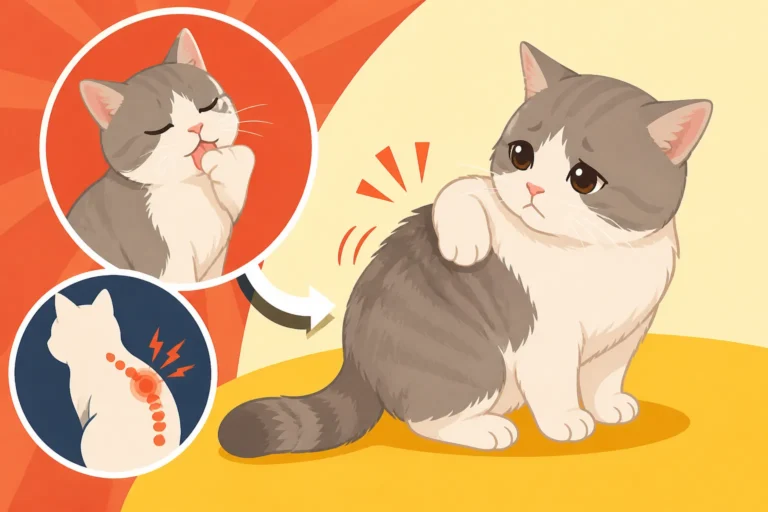
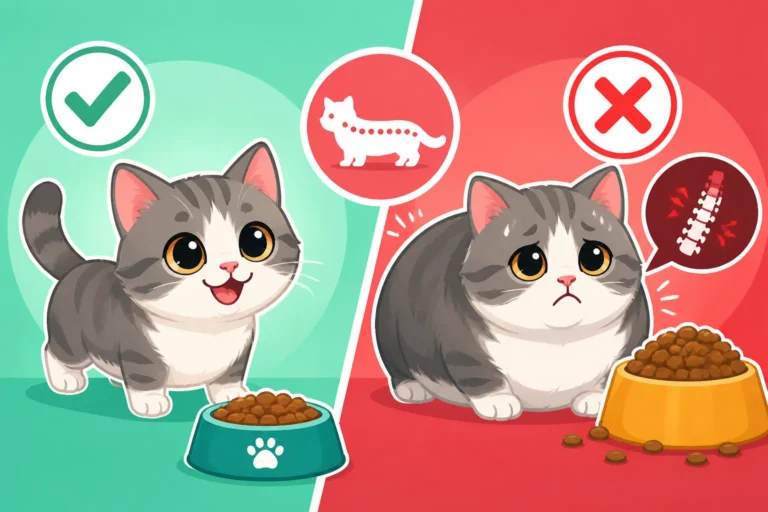
The real concern isn't just a little extra fluff; it's the profound impact that weight has on their unique anatomy. Their short legs and relatively normal-length spine mean that any additional weight puts undue stress on their joints, particularly their shoulders, elbows, and hips. Think about it: a Munchkin's skeleton isn't designed to carry excess bulk, especially not with the mechanics of its shorter limbs. Each extra gram acts as a burden, increasing the wear and tear on these crucial areas. This added strain can exacerbate or even accelerate the development of joint issues like arthritis, leading to discomfort and reduced mobility much earlier in their lives. The constant stress on their spine, which is already carrying a specific load due to their conformation, is also a significant worry. You see, Why a Munchkin's Spine Carries a Load a Normal Cat's Does Not is a real factor, and adding extra weight only compounds that challenge. It’s why Why Weight Is More Dangerous on a Munchkin isn't an exaggeration – it's a fundamental truth about their care.
Understanding Your Munchkin's Daily Calorie Needs
So, if every calorie is so important, how do you figure out how much your Munchkin actually needs? This isn't a one-size-fits-all answer, and it's something you should always discuss with your veterinarian. Factors like age, activity level, whether they are spayed/neutered, and their ideal body condition all play a role. Your vet can help you calculate a precise daily caloric target.
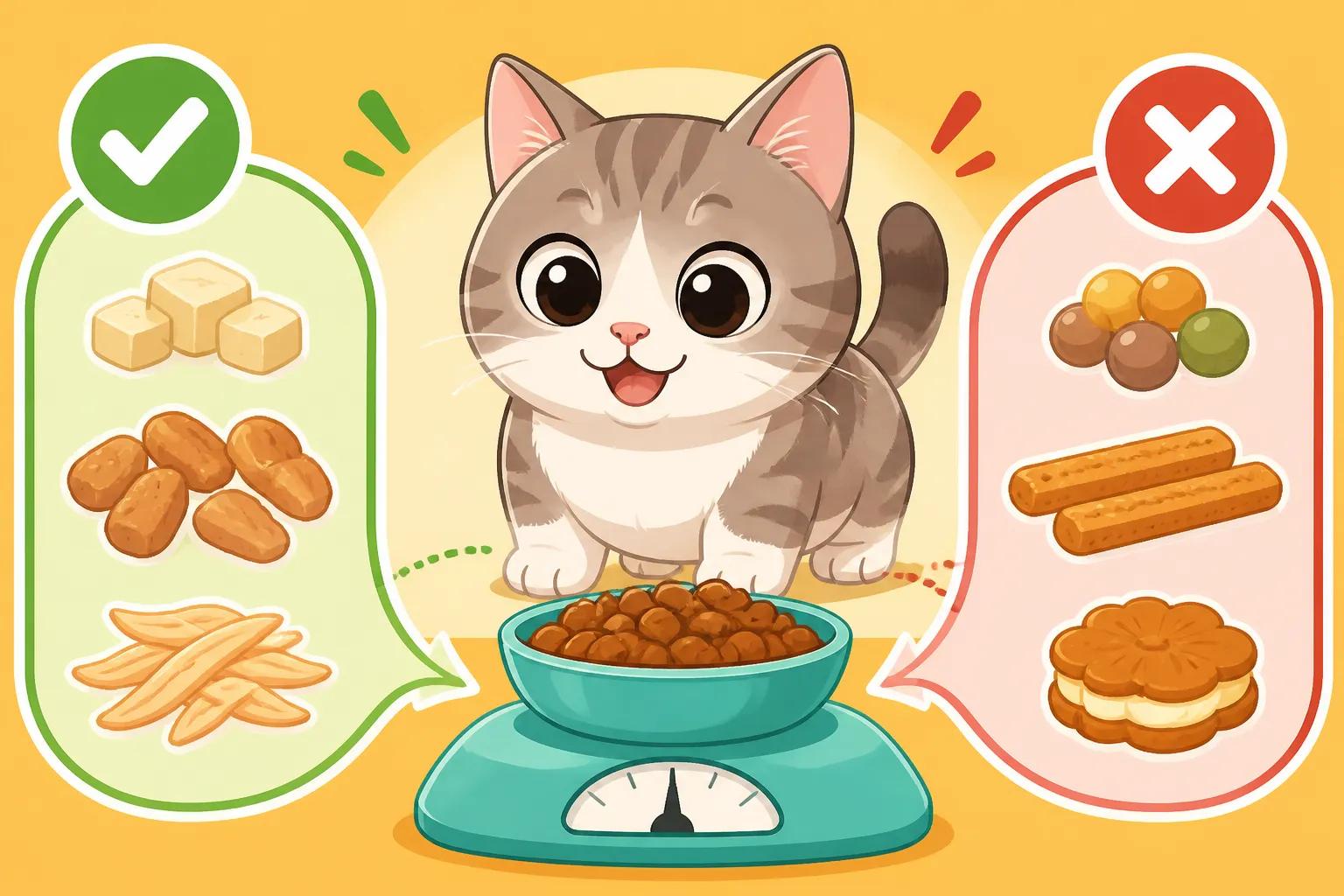
Once you have that target, the concept of a "weighed ration" becomes paramount. This isn't just scooping kibble into a bowl; it involves using a digital kitchen scale to precisely measure every gram of food your Munchkin consumes each day. This includes their regular meals AND any treats. The idea is that treats aren't in addition to their daily food, but rather a part of it. If you give a treat, you subtract its caloric value from their regular meal portion. This level of precision might sound a bit intense at first, but it's truly the most effective way to maintain a healthy weight for your Munchkin. We talk more about this exact process in How Much a Munchkin Gets in a Weighed Meal and explain Why a Munchkin's Portion Should Be Weighed in detail. Without this careful accounting, it’s all too easy for those small, seemingly innocent treats to push your Munchkin over their calorie limit, leading to gradual but persistent weight gain.
Selecting Healthy Treats for Your Munchkin
Choosing the right treats for your Munchkin means thinking beyond just "what they like." We need to consider nutritional value, caloric density, and how these treats fit into their overall health plan. It’s about being mindful and making choices that support their unique physical needs.
Prioritizing Low-Calorie, Nutrient-Dense Options
When you're looking for treats, think quality over quantity. The best options are those that offer a good nutritional punch without a lot of empty calories. Single-ingredient freeze-dried meats are often an excellent choice. We're talking about treats made from just chicken, salmon, or liver, for example. These are typically high in protein, very low in carbohydrates, and incredibly palatable to most cats. Many pet supply stores, like Chewy or your local independent shop, offer a wide variety of these. You can often find great deals on Amazon for bulk purchases too, just be sure to scrutinize the ingredient list to ensure it truly is single-ingredient with no hidden fillers or preservatives.
Another fantastic option is to make your own. Small, pea-sized bits of cooked lean meat – like unseasoned chicken breast or plain white fish – can be perfect. Just ensure it's cooked thoroughly and entirely free of any seasonings, onions, garlic, or other ingredients that might be harmful to cats. These types of treats offer a natural source of protein and essential nutrients, mimicking what a cat would naturally eat, and you have complete control over the ingredients. Avoid anything with added sugars, artificial colors, or excessive fat, as these provide little nutritional benefit and just contribute to calorie creep.
Using Treats for Training and Enrichment
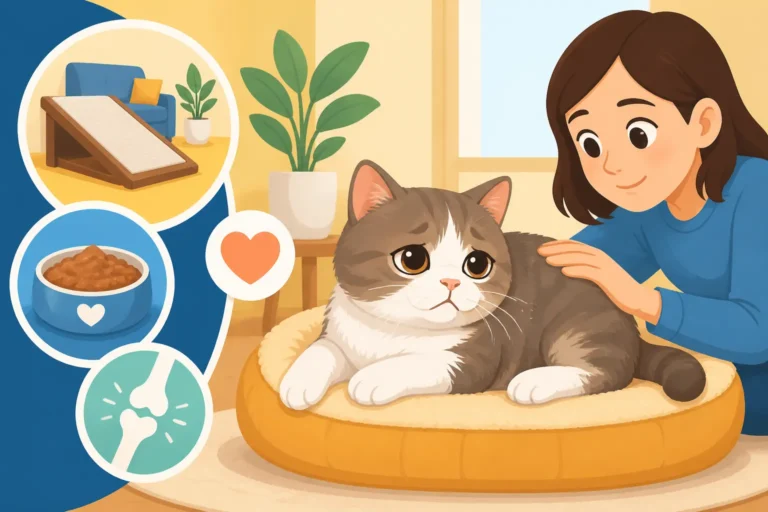
Treats aren't just for showing affection; they're powerful tools for positive reinforcement. For Munchkins, who might need encouragement to use ramps or accept specific grooming practices, treats can be invaluable. Imagine trying to teach your Munchkin to use a new ramp to get onto the sofa. A tiny, high-value treat offered at each step of the learning process can make a huge difference. Similarly, if your Munchkin is less than thrilled about having their hindquarters groomed (a common necessity, given their limited reach), tiny rewards during the process can turn it into a much more positive experience.
For training, choose treats that are small enough to be given frequently without adding too many calories. You want something that can be easily broken into even smaller pieces. This allows for repeated rewards during a training session, keeping your Munchkin engaged without overloading them with calories. Think of them as tiny motivators, not mini-meals. You can also incorporate a portion of their daily treat allowance into enrichment activities, such as puzzle feeders. These feeders, often available from brands you'll find on Amazon, can slow down eating and provide mental stimulation. Just make sure the puzzle feeder is accessible for your short-legged friend; Which Puzzle Feeders a Munchkin Can Reach Into is a good read on that topic.
Moderation is Key: Treat Size and Frequency
This might sound obvious, but for Munchkins, moderation is not just important; it's absolutely critical. When we say "treat," we mean a tiny piece, not a handful. A freeze-dried chicken piece the size of your thumbnail might be a generous reward, but it should be broken into 2-3 even smaller morsels for actual training or casual rewards.
Instead of giving one larger treat, consider spreading out several tiny portions throughout the day. This keeps your Munchkin feeling satisfied and engaged without consuming a large number of calories all at once. Remember, these treats must fit within their calculated daily calorie budget. If your vet advises a certain calorie intake, and a treat contains, say, 10 calories, you need to subtract 10 calories from their main meal for that day. It's a direct exchange, not an addition. It’s surprising How Quickly Treats Show on a Munchkin's Frame, so consistent adherence to this principle is vital. Always check the caloric content on the treat packaging, and if it's not listed, err on the side of extreme caution with portion sizes.
Avoiding Common Treat Pitfalls
Even with the best intentions, it's easy to fall into certain traps when it comes to treating our beloved Munchkins. Understanding these common pitfalls can help you make more informed decisions and keep your cat healthy and happy.
Treats That Add Unnecessary Calories and Fat
It's tempting to share a tiny bit of whatever you're eating, especially when those adorable Munchkin eyes are gazing up at you. However, many human foods and even some cat treats are loaded with unnecessary calories, unhealthy fats, and sugars that are detrimental to your Munchkin's health. Common culprits include dairy products like cheese or milk (cats are often lactose intolerant, anyway!), processed meats like deli ham, or any baked goods. These "empty calories" offer little to no nutritional value and rapidly contribute to weight gain.
For a Munchkin, whose metabolism is already burning fewer calories due to their lower activity levels compared to a long-legged cat, these extra calories are particularly dangerous. Even a small amount of high-fat human food can throw off their entire daily caloric balance. Over time, this consistent intake of extra calories leads to obesity, which, as we've discussed, places immense strain on their joints and spine. This can lead to Whether a Munchkin Gets Arthritis Earlier, making their later years far less comfortable than they should be. Always ask yourself: is this treat truly beneficial, or is it just a fleeting moment of pleasure that could lead to long-term health issues?
Dental Treats and Their Calorie Impact
Dental health is incredibly important for cats, and dental treats are often marketed as a convenient way to help keep their teeth clean. While some dental treats can be effective at reducing plaque and tartar, it's crucial to remember that they are still treats and contribute to your Munchkin's overall caloric intake. Many dental treats, even those from reputable brands you might find on Chewy or at your vet's office, can be surprisingly calorie-dense, especially if they are larger or contain significant amounts of carbohydrates.
Always, always check the label for caloric content. If you're giving dental treats, they need to be factored into your Munchkin's daily weighed ration. For some Munchkins, especially those who are struggling with weight, the caloric cost of dental treats might outweigh their dental benefits. In such cases, alternative dental care methods, like regular toothbrushing, become even more important. Introducing a Toothbrush to a Munchkin at Twelve Weeks can give you a head start on that journey. Discuss with your vet which dental care strategy is best for your individual Munchkin, balancing dental health with their weight management needs. Don't assume a "healthy" dental treat is calorie-free.
What to Do When Guests or Family Overfeed
This is a scenario many pet owners face, and it's particularly tricky with Munchkins. That well-meaning friend or family member might not understand the critical importance of strict weight control for your short-legged companion. They see a cute cat, they offer a treat, and suddenly your carefully balanced diet plan is out the window.
The best strategy is proactive communication and setting clear boundaries. Before guests arrive, explain your Munchkin's unique dietary needs and how extra calories impact their health. You might even pre-portion a small baggie of approved, low-calorie treats (like those freeze-dried chicken bits you got from Chewy or Amazon) and ask guests to only give those, within the specified limits. Make it clear that human food is strictly off-limits.
If family members live with you, it's even more vital to have a shared understanding. Perhaps a chart on the fridge, or a communal understanding that treats come out of the daily weighed ration and once they're gone, they're gone. The cumulative effect of multiple small, extra treats from different people throughout the day can quickly lead to significant weight gain. Remember, Why Every Extra Gram Lands on a Munchkin's Spine is a harsh reality for these cats, and a unified front from everyone in the household is key to preventing this.
| Treat Type | Pros for Munchkin | Cons for Munchkin | Calorie Impact | Best Practice for Munchkins |
|---|---|---|---|---|
| Freeze-Dried Meat | High protein, low carb, very palatable, often single-ingredient | Can be crumbly, sometimes pricier | Low to Medium | Break into tiny pieces; subtract from daily meal. Great for training. |
| Soft Training Bites | Easily broken, good for frequent rewards, palatable | Often have fillers (grains, sugars), check ingredient list for carbs/fat | Medium | Choose low-carb, grain-free options; use sparingly and subtract from meal. |
| Dental Chews/Treats | Can aid dental health | Often high in calories, watch for carb content; may not be suitable for all cats | Medium to High | Check calorie count carefully; ensure they don't displace vital calories from balanced food. Consider other dental care. |
| Human Foods (e.g., small cooked chicken, plain fish) | Natural, highly palatable, high value | Risk of overfeeding, seasoning, some human foods are toxic | Varies | Only small, unseasoned, cooked pieces of lean meat/fish; factor into daily calories. NO toxic ingredients. |
| Lickable Purées | Hydrating, palatable, good for medication, enrichment | Can be calorie-dense, some contain less desirable ingredients | Medium | Read labels for calories; serve as part of meal or dilute with water for lower calorie treat. |
| Cream Cheese/Peanut Butter | Useful for hiding medication (small amounts) | High in fat and calories, not species-appropriate, potential allergens | High | Strictly avoid as regular treats. Only minimal amounts for medication if vet approved. |
Ultimately, fitting treats into your Munchkin's weighed ration is entirely possible and can even enhance your bond and their training. It just requires diligence, careful calculation, and a commitment to their unique health needs. Regularly assessing their body condition (learning How to Score a Munchkin's Body Condition is so helpful!) and weighing them consistently will help you keep them at their ideal What a Munchkin Should Weigh at Its Frame. By making smart choices and treating responsibly, you can ensure your short-legged friend enjoys a long, healthy, and happy life, full of delicious (and appropriate!) rewards.
Disclaimer
This article is for general informational purposes only and does not constitute professional advice. Laws, prices and regulations vary by location and change over time. Consult a qualified professional for guidance on your specific situation.