How Low a Munchkin Litter Box Entry Should Be
It’s a common heartache for Munchkin cat parents: you’ve got this adorable, loving furball, but suddenly, you're noticing accidents around the house, or your sweet cat is holding it in for far too long. Often, the culprit isn't a behavioral issue, but rather a simple, physical limitation: the standard litter box. This guide will walk you through why traditional litter boxes pose such a challenge for your short-legged friend and precisely what you need to look for in a low-entry litter box to keep your Munchkin comfortable, healthy, and happy.
Understanding the Munchkin's Unique Mobility Challenges
Let's be honest, those short legs are what make Munchkins so incredibly charming and unique. They waddle, they run, and they have their own special way of navigating the world. But what's adorable in play can become a genuine struggle when it comes to everyday necessities, and the litter box is often at the top of that list. Owners frequently overlook this critical aspect, assuming a cat is a cat, and all litter boxes are created equal. This just isn't the case for our vertically challenged companions.
Why Standard Litter Boxes Are a Struggle
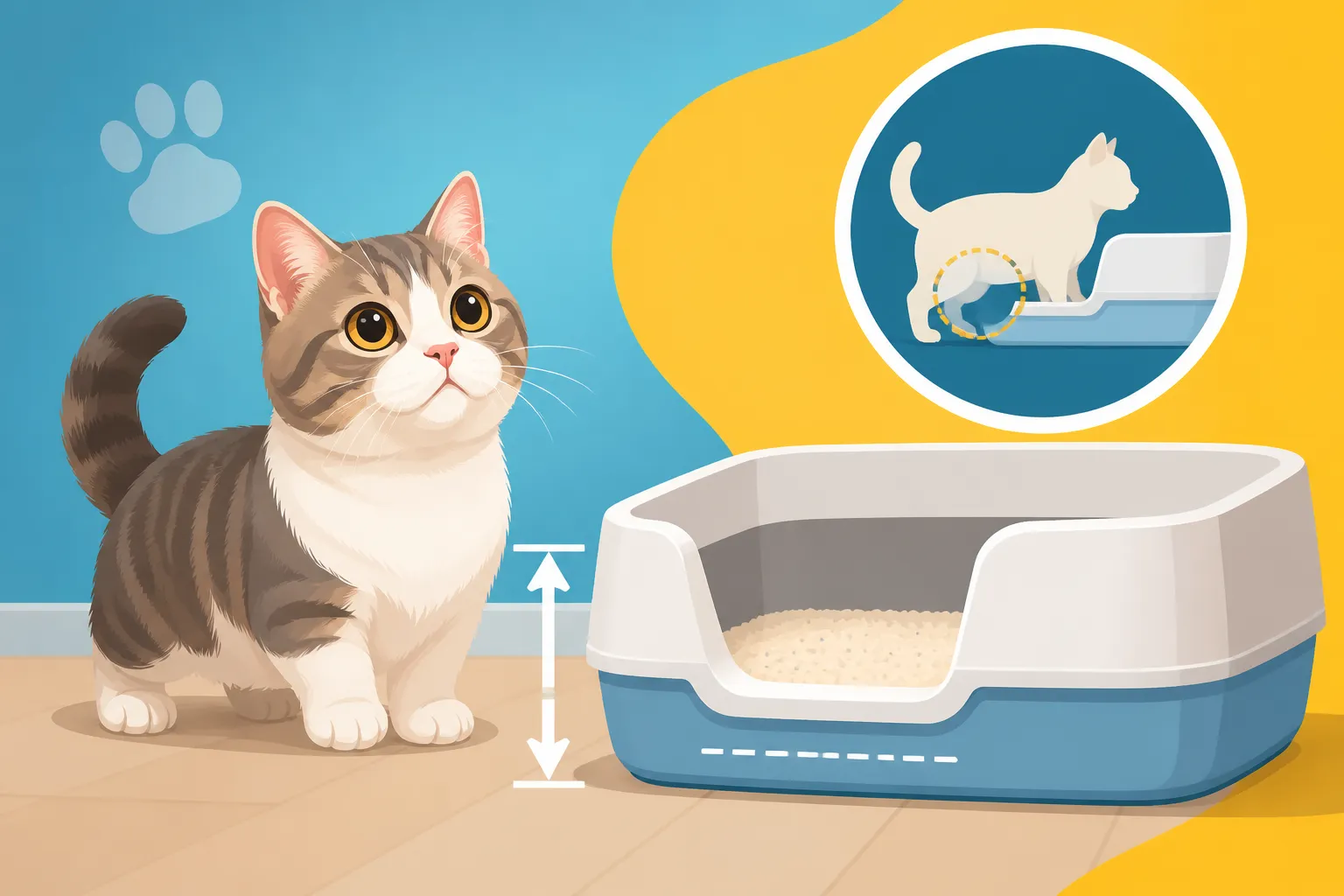
Imagine trying to climb over a wall that comes up to your chest every single time you need to use the restroom. That's essentially what a standard litter box with its typical 5-7 inch high lip feels like to a Munchkin. Their delightful, short legs mean they simply don't have the leverage or the reach of a long-legged cat. They can't just step over; they have to launch themselves, brace their tiny bodies, and pull themselves up. For a young, spry Munchkin, this might be a minor inconvenience, but for an older cat, or one with even a mild predisposition to joint issues, it's a significant barrier.
This constant effort leads to a cascade of problems. First, there's the immediate frustration. Your cat might stand at the edge, debating the monumental jump, sometimes even doing a little "prairie dog sit" to survey the challenge. They might try a few times, fail, and eventually, out of desperation or discomfort, decide that the soft rug in the corner is a much easier alternative. This isn't spite; it's pure physics. We’ve all been there, pushing ourselves to do something that hurts or is inconvenient, and eventually giving up. Your Munchkin is no different. The stress of having to perform an athletic feat just to relieve themselves can also contribute to urinary issues, as some cats may try to hold it in longer to avoid the pain or difficulty.
The Impact of Strain on Joints and Spine
Beyond the immediate inconvenience, the repeated strain of climbing into a high-sided litter box can have serious long-term consequences for your Munchkin's delicate body. Every time they jump or stretch to get over that lip, they are putting undue stress on their shoulders, elbows, and most importantly, their spine. Think about it: a Munchkin's spine already carries a load that a normal cat's does not, due to the way their short legs affect their center of gravity and movement. Why a Munchkin's Spine Carries a Load a Normal Cat's Does Not delves into this further.
This repetitive motion can exacerbate or even contribute to conditions like arthritis. We often associate arthritis with old age, but constant micro-traumas from straining can bring on symptoms much earlier. You might notice your Munchkin seems stiffer, less enthusiastic about playing, or even cries out subtly when trying to use the box. Their elbows take a particular pounding on landing, and their shoulders are constantly working overtime. Whether a Munchkin Gets Arthritis Earlier is a crucial read for understanding these risks. It's a silent toll that builds up over months and years, turning a simple bathroom break into a painful ordeal. As a responsible cat parent, mitigating these risks should be a top priority to ensure a long, comfortable life for your beloved companion.
Defining the Ideal Low-Entry Litter Box for a Munchkin
So, what exactly constitutes a "low-entry" litter box in the world of Munchkins? It's more than just finding something a little shorter than average. It's about designing an environment that respects their physical limitations and makes their daily routine as effortless as possible. We want to eliminate any reason for them to feel discomfort or stress when nature calls.
The Golden Rule: Entry Height
When we talk about "low-entry" for a Munchkin, we're talking about an entry point that allows them to walk in without needing to lift their front paws significantly or jump at all. Generally speaking, the ideal entry height for a Munchkin's litter box should be no more than 2 to 3 inches (5 to 7.5 cm) from the floor. This is a critical measurement. Anything higher than 3 inches starts requiring them to exert effort, and that's precisely what we're trying to avoid.
Think of it like a ramp, not a hurdle. Your Munchkin should be able to stroll in, do their business, and stroll out without a second thought. For younger kittens, you might even aim for an entry closer to 1 inch. Some commercial "senior cat" litter boxes fit this bill perfectly, as they are designed for cats with reduced mobility, which mimics the Munchkin's needs. When you're browsing options, whether on Amazon or Chewy, specifically look for models marketed for senior cats or those with disabilities, and always check the precise entry lip measurement in the product description. Don't just eyeball it from a picture, as perspective can be deceiving!
Beyond Just the Lip: Overall Box Design
While entry height is paramount, it's not the only factor to consider for an ideal Munchkin litter box setup. The overall design plays a huge role in their comfort, cleanliness, and willingness to use the box.
First, size matters. Even with short legs, a Munchkin needs enough space to turn around comfortably, dig, and squat without feeling cramped. A generous floor area is important. They might be small cats, but a too-small box will still feel confining and deter them from using it. Aim for a box that's at least 1.5 times the length of your cat from nose to base of tail, and wide enough for them to do a full 180-degree turn.
Second, open versus covered boxes is a big one. While covered boxes seem to offer privacy and odor control for us humans, they can be a nightmare for a Munchkin. The reduced air circulation can make the odors inside more intense for their sensitive noses, and the enclosed space might feel claustrophobic. More importantly, many covered boxes require a jump up to enter through a top opening, or a jump through a small, often elevated, front opening. This completely defeats the purpose of a low entry. Why a Covered Box Is Wrong for a Munchkin provides more detail on this. An open-top box with a low front entry is almost always the better choice. If you're worried about spray, look for an open box with higher sides after the low entry point, creating a safe, contained space once they're inside. This helps create a functional yet accessible bathroom for them. Why a High Sided Box Still Suits a Munchkin explores this design compromise effectively.
Finally, material and ease of cleaning are practical considerations for you. Smooth plastic is easiest to clean, preventing odors from lingering. Consider a litter box with rounded corners to make scooping simpler. Your Munchkin deserves a clean bathroom, and an easy-to-clean box means you’ll be more consistent with maintenance.
| Feature | Standard Litter Box | Ideal Munchkin Litter Box |
|---|---|---|
| Entry Height | 5-7 inches (12-18 cm) | 2-3 inches (5-7.5 cm) |
| Entry Type | Often requires a jump or high step | Walk-in access, no jump required |
| Overall Size | Varies, can be restrictive | Generous floor area for turning and digging |
| Covered/Open | Often covered with elevated openings | Open top, or covered with very low front entry |
| Side Walls | Uniform height | Low front, higher sides for containment (optional) |
| Material | Various | Smooth, easy-to-clean plastic |
| Target User | Average mobility cats | Senior cats, disabled cats, Munchkins |
Practical Solutions for a Munchkin-Friendly Litter Setup
Once you understand the ideal characteristics, implementing a Munchkin-friendly litter setup becomes much easier. It's often a combination of smart product choices and thoughtful household adjustments. Remember, your goal is to make using the litter box as easy and stress-free as possible for your cat.
Modifying Existing Boxes: DIY vs. Store-Bought
You might already have litter boxes at home. Before rushing out to buy new ones, consider if they can be modified. If your current box has a fairly high front lip but otherwise meets size requirements, you could potentially cut down one side. This is a DIY solution that requires careful measuring and a steady hand with a saw or utility knife. Make sure the cut edge is smooth and safe, perhaps sanded or covered with a protective trim, so your Munchkin doesn't scratch themselves. However, it's important to remember that cutting plastic can sometimes weaken the box structure, potentially leading to cracks over time.
For a more reliable and often safer option, many excellent low-entry litter boxes are available for purchase. Brands you find on sites like Chewy and Amazon often carry specific "senior" or "cat with mobility issues" lines. These are usually designed with a generously wide, very low entry point on one side, while keeping the other sides higher to prevent litter scatter. Some popular choices include specific models from brands like Petmate, KittyGoHere, or other independent manufacturers. When searching, use keywords like "low entry litter box," "senior cat litter box," or "handicap accessible litter box." Always double-check the exact dimensions, particularly the entry height, in the product specifications. Don't be swayed by marketing terms; the tape measure is your best friend here.
Ramps, Steps, and Strategic Placement
Sometimes, even with the lowest entry box, your Munchkin might benefit from additional assistance, or perhaps you have a slightly higher box that you can't replace immediately. This is where ramps and steps come in handy. Small, carpeted pet ramps or stairs, usually designed for small dogs or cats to reach sofas or beds, can be placed right up against the low entry side of the litter box. This creates an even more gradual incline, making access truly effortless. How to Set Up Ramps Around a Munchkin's House offers fantastic advice on integrating ramps throughout your home for optimal accessibility.
Strategic placement of the litter box is also crucial. Just as a human doesn't want their bathroom hidden in an inaccessible crawl space, your Munchkin needs easy access. Place litter boxes in quiet, easily reachable areas, away from high-traffic zones or noisy appliances. Avoid placing them near their food and water bowls – cats instinctively prefer separate areas for these functions. If you live in a multi-story home, it's essential to have at least one litter box on each floor your Munchkin frequents. They should not have to navigate stairs repeatedly just to use the bathroom. How Far a Munchkin Should Have to Walk to a Box highlights the importance of keeping boxes conveniently located. Consider a litter box in every main living area if possible, to minimize travel distance and potential accidents.
Choosing the Right Litter and Grooming Routine
While not directly about the box entry, the type of litter you use and your grooming routine are intrinsically linked to a Munchkin's litter box experience, especially with a low-entry setup. Because Munchkins sit closer to the ground and might have longer fur, particularly on their bellies and hindquarters, certain litter types can be problematic.
Litter Type: Opt for low-dust, finely textured litter. Coarse, heavy litters can cling to their fur more easily, especially if their belly or hindquarters brush against the litter during use or when entering/exiting a low box. Fine-grained, soft litters are generally more comfortable on their paws and less likely to cause irritation or stick. Which Litter Sticks to a Munchkin's Belly is a great resource to understand why this is a concern. Clumping litters are often preferred as they make scooping easier and reduce odor, but ensure it’s a low-dust variety.
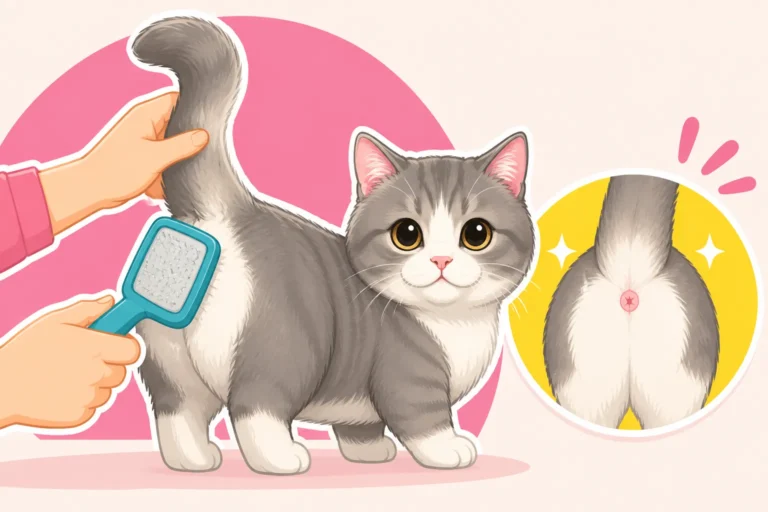
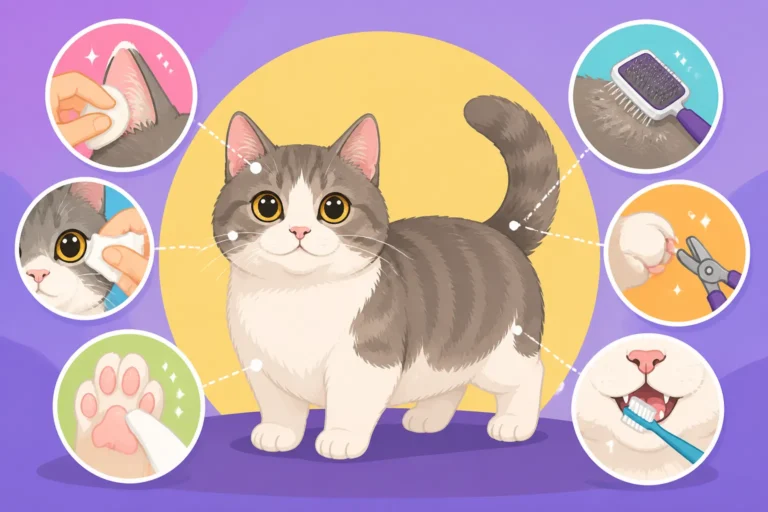
Grooming Routine: Regular grooming, particularly around your Munchkin's hindquarters and belly, is absolutely vital. With their low stance and sometimes restricted reach, they might struggle to clean themselves thoroughly after using the litter box. This can lead to litter clinging to their fur, or even fecal matter matting in their rear, which is unhygienic and uncomfortable. A daily quick brush or wipe, especially after they've done their business, can prevent these issues. Whether a Munchkin Needs Its Belly Wiped After the Box details the steps to keep your Munchkin clean and comfortable, reducing the risk of skin irritation or matting that can lead to more serious health problems. For long-haired Munchkins, a regular sanitary clip around the backend by a groomer or vet might be necessary to maintain hygiene.
Recognizing and Addressing Litter Box Issues
Even with the perfect low-entry litter box, it's crucial to remain observant of your Munchkin's habits. Cats are notoriously subtle about showing discomfort, and a change in litter box behavior is often the first, and sometimes only, sign that something isn't right. Understanding these cues and their consequences can help you intervene early and prevent bigger problems.
Signs Your Munchkin Is Struggling
Your Munchkin might not verbalize their struggle with a high-sided litter box, but they will show you through their actions. Here are some key signs to watch out for:
- Urination or Defecation Outside the Box: This is the most obvious sign. If your Munchkin starts having "accidents" on rugs, in corners, or near the litter box itself, don't immediately assume it's defiance. It's often a desperate plea for an easier solution. They might choose a spot just outside the box, indicating they understand where they should go, but physically cannot manage the box's entry.
- Hesitation or Circling the Box: Does your cat stand at the edge of the litter box, circling it repeatedly before finally deciding to enter? Do they seem to "psych themselves up" for the jump? This hesitation is a clear indicator that entry is difficult or uncomfortable.
- Straining or Vocalizing While Using the Box: Watch for signs of discomfort during elimination. This could be a hunched posture, excessive straining, or soft meows or growls. While these can also indicate medical issues like a urinary tract infection (which warrants a vet visit), they can also stem from the physical effort required to position themselves awkwardly in a difficult box.
- Incomplete Litter Coverage: If your Munchkin struggles to get fully into the box or position themselves comfortably, they might not cover their waste properly. This isn't laziness; it's often an inability to maneuver effectively within the space.
- Reluctance to Use Multiple Boxes: If you have several boxes, and your Munchkin consistently favors only one (perhaps the lowest one, or one with a ramp), it suggests the others are less accessible.
Observing these behaviors is your cue to reassess your litter box setup. A proactive approach here can prevent stress for both you and your cherished pet.
The Consequences of an Unsuitable Setup
Ignoring these subtle signs can lead to significant problems, both for your Munchkin's well-being and for the harmony of your home. The most immediate and obvious consequence is inappropriate elimination. When a cat consistently avoids its litter box, your home suffers. Accidents can create lingering odors, stain carpets, and damage flooring, leading to frustration and resentment on your part, which can unfortunately strain your bond with your cat.
More critically, for your Munchkin, prolonged avoidance of an unsuitable litter box can lead to serious health issues. If they are holding their urine for extended periods because they dread entering the box, they are at a much higher risk for urinary tract infections (UTIs), bladder stones, or other painful urinary system problems. Similarly, straining to defecate or avoiding bowel movements due to discomfort can lead to constipation or other gastrointestinal issues.
Beyond the physical, there's a significant psychological impact. A cat that cannot comfortably relieve itself when needed experiences chronic stress and anxiety. This can manifest as withdrawal, aggression, or a general decrease in their quality of life. They might begin to associate the litter box area with pain or difficulty, creating a negative feedback loop that only exacerbates the problem. As we discussed earlier, the repeated physical strain can also accelerate joint degeneration and spinal problems, leading to chronic pain and reduced mobility as they age. Why a Munchkin Will Go Outside a Box It Cannot Enter explains these behavioral consequences in depth, emphasizing that these actions are not malicious but a cry for help.
Ultimately, providing an accessible, comfortable litter box isnin't just about convenience; it's a fundamental part of responsible Munchkin ownership, contributing significantly to their physical health, emotional well-being, and your peaceful coexistence.
Disclaimer
This article is for general informational purposes only and does not constitute professional advice. Laws, prices and regulations vary by location and change over time. Consult a qualified professional for guidance on your specific situation.