How to Groom a Munchkin’s Hindquarters
One of the most common frustrations for Munchkin cat owners is realizing that their adorable, short-legged companions just can't quite reach every spot when it comes to self-grooming, especially their hindquarters. This often leads to unsightly mats, hygiene issues, and even skin problems that can cause discomfort for your beloved feline. This comprehensive guide will walk you through everything you need to know about effectively grooming your Munchkin's hindquarters, ensuring they stay clean, comfortable, and healthy.
Understanding the Unique Challenges of Munchkin Hindquarter Grooming
It's easy to assume all cats are master self-groomers, and for the most part, they are! But Munchkins, with their distinct physique, face some unique challenges. Their short legs are undoubtedly charming, but they do limit their reach, particularly when trying to maintain the sensitive and often messy hindquarter area.
Why Munchkins Can't Reach Their Rear
The defining characteristic of a Munchkin cat is their incredibly short legs, a result of a natural genetic mutation. While their body length and flexibility are otherwise normal for a cat, those shorter limbs simply don't allow them the same range of motion to twist and lick every inch of their rear end. Think about trying to scratch an itch in the middle of your back – it's a stretch for us humans, and it's even more so for a Munchkin trying to clean under their tail or the back of their thighs.
This physical limitation means that areas like the perineum (around the anus), the underside of the tail, and the inner and back parts of their hind legs often go unkempt. After using the litter box, tiny bits of litter or even residual fecal matter can cling to the fur, especially if it's longer. Without the ability to thoroughly clean these spots, it quickly becomes a breeding ground for problems. This is a common discussion point for many owners, and you can learn more about these limitations by reading Which Parts of Itself a Munchkin Cannot Reach.
The Health Risks of Neglected Hindquarter Grooming
When a Munchkin can't properly groom its hindquarters, it's not just an aesthetic issue; it poses significant health risks. The most immediate and visible problem is matting. Mats are tangles of fur that become dense and matted together, often pulling on the skin. These aren't just uncomfortable; they can be downright painful. Imagine having your hair constantly tugged at, especially when you move. Mats can restrict movement, cause skin irritation, and even hide underlying issues.
Beyond matting, fecal contamination is a serious concern. If your Munchkin can't clean itself thoroughly after using the litter box, residual fecal matter can accumulate on the fur. This not only leads to an unpleasant odor but also creates an environment where bacteria can thrive. This can cause skin infections, known as dermatitis, or even hot spots – inflamed, infected patches of skin that are very painful and itchy for your cat. In severe cases, constant moisture and bacterial growth can lead to more serious conditions. Furthermore, mats and soiled fur can provide excellent hiding spots for external parasites like fleas or ticks, making them harder to detect and treat. It's crucial to understand that Whether Matting Becomes a Health Problem in a Munchkin is not a trivial question; it truly can become one.
Essential Tools and Preparation for Hindquarter Care
Alright, so we've established why hindquarter grooming is so important for your Munchkin. Now, let's talk about how to do it effectively and safely. The right tools and a calm approach are your best friends here.
Gathering Your Grooming Arsenal
Before you even think about approaching your cat with a brush, make sure you have everything you need laid out and ready. This minimizes stress for both of you.
- Combs: You'll want a couple of different types. A wide-toothed comb is excellent for gently working through any larger tangles or checking for mats without pulling too much. A fine-toothed comb (often called a flea comb, but great for general use) is perfect for getting out smaller debris, checking for parasites, and ensuring the fur is smooth.
- Brushes: A soft slicker brush is fantastic for removing loose fur and stimulating the skin, while a deshedding tool can be very helpful for long-haired Munchkins to reduce shedding and prevent mats before they even form.
- Clippers: For sanitary trims, small, quiet, cordless clippers are ideal. Look for ones designed for pets, with ceramic or stainless steel blades that won't overheat. They should be easy to handle and maneuver in tight spaces. You'll be using a very low setting, usually a #10 blade or similar, to just trim the fur short, not shave to the skin.
- Scissors: Always have a pair of blunt-nosed safety scissors on hand. These are invaluable for carefully cutting out very stubborn mats that can't be brushed or combed out, or for intricate, delicate trimming if you're not comfortable with clippers in certain areas. The blunt tips prevent accidental pokes or cuts to your cat's skin.
- Wipes: Keep a supply of pet-safe, unscented wipes nearby. These are perfect for quick clean-ups of minor messes or for daily freshening up around the perineal area.
- Shampoo: If a bath is necessary, ensure you have a cat-specific, gentle shampoo that is formulated for sensitive skin. Never use human shampoo on your cat, as it can be too harsh and strip their skin of natural oils.
- Towels: Soft, absorbent towels are a must for drying if a bath is needed.
- Treats: Positive reinforcement is key! Have plenty of your Munchkin's favorite treats ready to reward good behavior during and after grooming sessions.
Knowing Which Tools a Munchkin Owner Buys to Groom Its Back Half can really make a difference in your experience. You can find a great selection of pet-safe wipes and gentle shampoos on platforms like Chewy or Amazon, ensuring you have everything you need for these delicate tasks.
Creating a Calm and Safe Grooming Environment
Grooming can be a stressful experience for some cats, so setting the right atmosphere is crucial.
- Choose the Right Spot: Find a quiet area in your home where your cat feels secure. A non-slip surface is essential. This could be a rubber mat on a table, a bath mat on the floor, or even a specialized grooming table if you have one. You want your cat to feel stable and not slip, which can cause anxiety or injury.
- Optimal Height and Lighting: Grooming at a comfortable height for you will prevent back strain and allow you to see clearly what you're doing. Good lighting is critical, especially when dealing with delicate areas and sharp tools. You need to be able to see any mats, debris, or skin issues without straining your eyes.
- Minimize Distractions: Turn off loud TVs, put away noisy children or other pets, and create a serene environment. The fewer unexpected sounds or movements, the more relaxed your Munchkin will be.
- Early Acclimation: The best way to make grooming easier is to start early. As a kitten, gently handle your Munchkin's paws, tail, and hindquarters regularly. Offer treats and praise. This positive association will make them more accepting of handling as they grow. Even an adult cat can learn to tolerate grooming with patience and consistent positive reinforcement. Learn more about getting them comfortable with handling by exploring Getting a Munchkin Used to Being Groomed on Its Back.
Step-by-Step Guide to Grooming Your Munchkin's Hindquarters
Now that you're armed with the right tools and a calm environment, let's get into the practical steps for grooming those hard-to-reach hindquarters. Remember to be patient, gentle, and always put your cat's comfort first.
Gentle Brushing and Combing for Daily Maintenance
Regular brushing is your first line of defense against mats and a build-up of debris. For many Munchkins, especially those with shorter coats, a quick daily brush of the hindquarters might be all that's needed. For longer-haired varieties, it might be twice daily.
- Start with Comfort: Begin by petting your Munchkin, making them feel relaxed. Offer a treat.
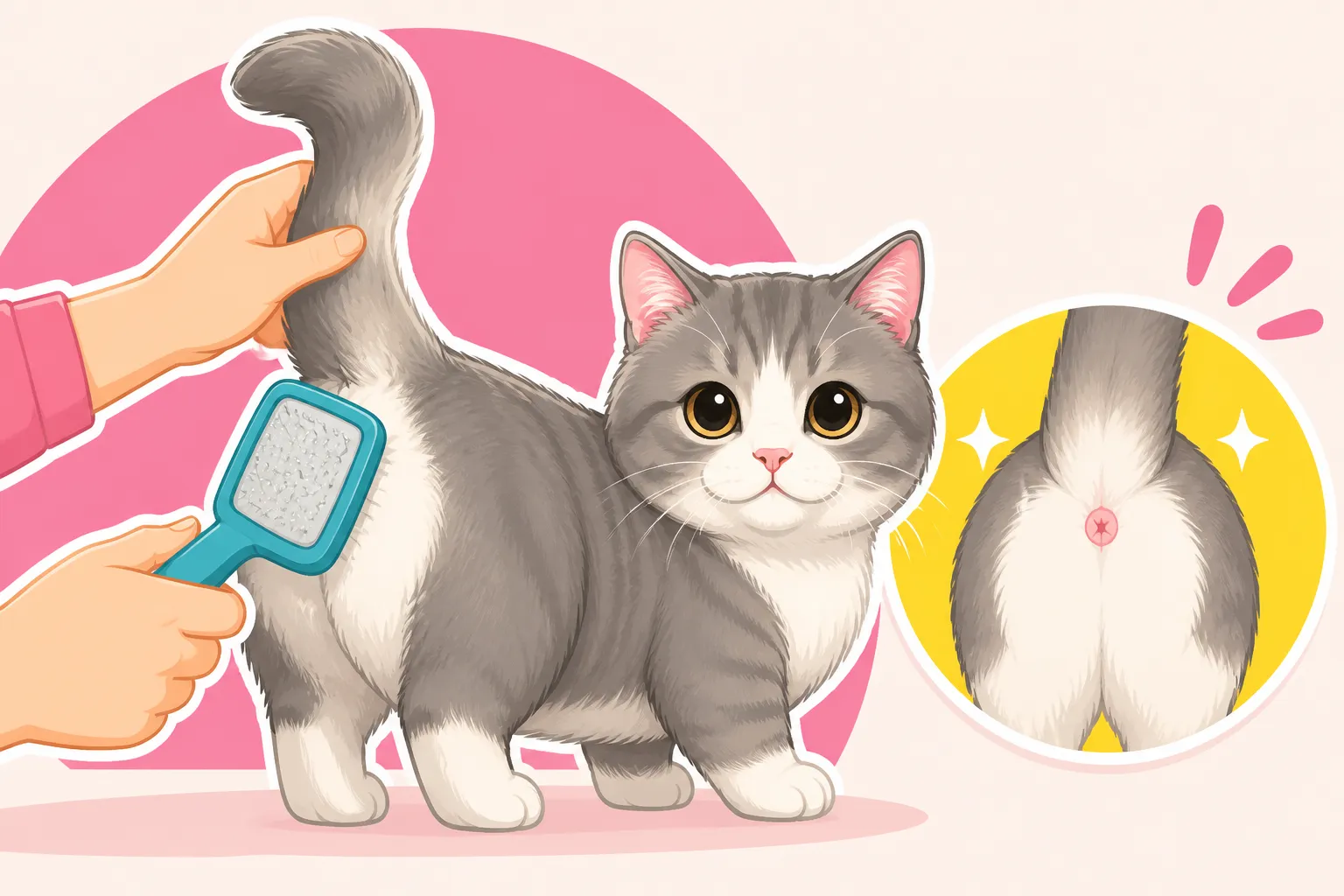
- Positioning: Gently position your cat so you have good access to their hindquarters. Some cats prefer to stand, while others might tolerate lying on their side. You might need to gently lift their tail to get to the underside. Always support their body and never force them into an uncomfortable position.
- Wide-Toothed Comb First: Take your wide-toothed comb and gently run it through the fur, starting from the outside of the hind legs and working your way towards the perineal area. Be on the lookout for any tangles or small knots. If you encounter one, don't pull! Hold the fur at the base of the tangle to minimize tugging on the skin, and gently work the comb through the ends, gradually moving closer to the skin.
- Slicker Brush for Loose Fur: Once any tangles are addressed, use a soft slicker brush to remove loose fur. This is particularly important for preventing new mats from forming. Brush in the direction of fur growth.
- Fine-Toothed Comb for Detail: Finish with your fine-toothed comb to ensure all loose hairs and small bits of debris are removed. This also helps you check for any tiny mats you might have missed.
- Praise and Reward: Throughout the process, offer soft words of encouragement and plenty of treats. Keep sessions short, especially when first starting out. The goal is to make this a positive, even enjoyable, routine.
Understanding How Often to Brush a Munchkin's Back will help you establish a consistent routine that keeps their coat healthy. Regular grooming also contributes to their overall well-being, as detailed in How to Groom a Munchkin's Hindquarters.
Performing a Sanitary Trim (Hygiene Clip)
For many Munchkins, particularly those with medium to long fur, a sanitary trim is essential. This involves carefully clipping the fur around the anus and inner thighs to keep it short and prevent it from becoming soiled.
- Assess the Need: A sanitary trim is generally needed if your cat frequently has fecal matter clinging to its fur, if they have very dense fur around the area, or if mats are a recurring problem despite daily brushing.
- Gather Supplies: You'll need your quiet clippers with a #10 blade, blunt-nosed safety scissors (as a backup), and treats.
- Prepare the Area: Ensure the fur is dry and free of large tangles. If there's any dried fecal matter, try to gently remove it first with a warm, damp cloth or pet wipe.
- Positioning and Tail Hold: Have your cat in a comfortable, stable position. Gently lift their tail straight up, exposing the perineal area. Hold the tail firmly but not roughly.
- Clipping Technique:
- Perineal Area: Using the clippers, gently trim the fur directly around the anus. Always move the clippers with the direction of fur growth, not against it, to minimize the risk of skin irritation or cuts. Keep the blade flat against the skin, using your free hand to gently stretch the skin taut to prevent nicks. You're aiming for a short, clean area, not a shave to the skin.
- Inner Thighs: Carefully trim the fur on the inner thighs, working your way down from the base of the tail to just above the hocks (the cat's "knees"). Again, move with the fur growth.
- Under the Tail: If the fur on the underside of the tail is long and gets dirty, you can very cautiously trim a small amount, being extremely careful not to cut the tail itself.
- Safety First: If your cat becomes agitated or if you feel unsure about using clippers in a specific spot, revert to blunt-nosed safety scissors. Always point the scissors away from the skin and only cut small amounts of fur at a time. It's better to leave it a little longer than risk injury.
- Reward: Lavishly praise and treat your Munchkin throughout and after the process.
Knowing Whether a Munchkin Needs a Sanitary Clip can save you a lot of trouble down the line.
Cleaning and Spot Treatment for Soiled Areas
Sometimes, despite your best efforts, messes happen. Here's how to deal with soiled hindquarters effectively.
- Minor Messes with Wipes: For fresh, minor messes or daily freshening, use pet-safe, unscented wipes. Gently clean the affected area until it's free of debris. Always wipe away from the body.
- Dealing with Dried Fecal Matter: This can be trickier.
- Softening: Take a warm, damp cloth (you can even add a tiny drop of cat-safe shampoo to the water if it's really stuck) and gently hold it against the dried matter for a minute or two to soften it.
- Careful Removal: Once softened, try to gently comb or pick out the debris. If it's still stubbornly attached to fur, use your blunt-nosed safety scissors to carefully snip away only the soiled fur, always keeping the blunt tips pointed away from the skin. Never pull at dried fecal matter, as it will yank on your cat's skin and cause pain.
- When a Full Bath Might Be Needed: A full hindquarter bath might be necessary for severe soiling, sticky substances, or if your cat has a skin condition that requires medicated shampoo.
- Prepare: Gather shampoo, towels, and a non-slip mat for the tub or sink. Fill the tub with a few inches of lukewarm water.
- Gentle Introduction: Gently place your Munchkin into the water, speaking softly and reassuringly. Focus on just getting their hindquarters wet.
- Shampoo and Rinse: Apply a small amount of cat-safe shampoo to the soiled area, gently lathering. Rinse thoroughly until all shampoo is gone. Residual shampoo can irritate the skin.
- Drying: Wrap your Munchkin in a warm towel and gently blot them dry. For longer-haired cats, you might need a blow dryer on a cool setting, held far away from the fur, being careful not to scare them or burn their skin. Ensure they are completely dry to prevent skin issues.
For more detailed bath instructions, refer to How to Wash a Munchkin's Rear.
Long-Term Care and Preventing Future Issues
Grooming isn't just about quick fixes; it's about a consistent, long-term approach that supports your Munchkin's overall health and prevents future problems. This involves more than just brushing.
Diet, Weight Management, and Joint Health
The connection between your Munchkin's diet, weight, and grooming ability is often overlooked but incredibly important.
- Weight Management is Paramount: An overweight Munchkin faces even greater difficulty reaching its hindquarters. Excess weight puts additional strain on their short legs and spine, and also creates rolls of fat that make grooming almost impossible. Why Weight Control Is the Whole Munchkin Care Plan cannot be stressed enough, and neglecting it can lead to severe health issues. An overweight Munchkin is truly Why an Overweight Munchkin Is in Real Trouble, facing mobility challenges and increased risk of diabetes and other conditions.
- Nutrition for Coat Health: A high-quality diet provides the essential nutrients for a healthy coat and skin. Look for cat foods with good sources of omega fatty acids, which contribute to a shiny coat and healthy skin barrier, reducing dryness and irritation that can lead to itching and further self-mutilation.
- Joint Supplements: Consider incorporating joint-supporting foods or supplements. While not directly related to reaching their rear, good joint health makes movement more comfortable. If your Munchkin is comfortable moving, they'll be more inclined to try and groom themselves, even if their reach is limited. Products designed to support joint health can contribute to overall mobility and ease of self-grooming.
Regular Vet Checks and Professional Grooming
Even with the most diligent home grooming routine, professional help is sometimes necessary.
- Routine Veterinary Examinations: Regular vet check-ups are crucial. Your veterinarian can spot early signs of skin irritation, infections, or underlying conditions that might be making grooming difficult or painful for your Munchkin. They can also provide advice on diet, weight management, and suitable grooming techniques for your individual cat. They might also check their spinal health, which is important for their overall mobility and flexibility.
- When to Consider a Professional Groomer:
- Long-Haired Munchkins: These cats often have more extensive grooming needs, and a professional groomer can handle tasks like full body clips, dematting, or more thorough sanitary trims with specialized tools and experience.
- Severe Matting: If your Munchkin develops severe, tight mats that you cannot safely remove at home, a professional groomer is the safest option. They have the expertise to remove mats without injuring your cat's skin, often requiring a full shave-down under sedation for very severe cases.
- Behavioral Challenges: If your Munchkin is highly resistant or aggressive during grooming, a professional groomer, or even your vet, can perform the necessary tasks in a controlled environment.
- Regular Maintenance: Even if you do most of the grooming at home, a professional groomer can offer regular sanitary trims or de-shedding treatments every few months to keep your Munchkin's coat in top condition. You can explore How Often a Munchkin's Hindquarters Need a Groomer to understand typical schedules. Many professional groomers also use high-quality tools and products from brands often found on Chewy, ensuring a gentle and effective experience for your cat.
Remember, grooming your Munchkin's hindquarters is an act of love and responsibility. It might require a bit more effort than with a long-legged cat, but the rewards of a clean, healthy, and happy feline companion are well worth it. Be patient, be gentle, and make grooming a positive bonding experience.
| Grooming Tool | Primary Use | Munchkin-Specific Benefit |
|---|---|---|
| Wide-Toothed Comb | Detangling, checking for large mats | Gentle on delicate hindquarter skin, won't pull small tangles as much. |
| Fine-Toothed Comb | Removing small debris, checking for parasites | Good for thorough cleaning around the anus and inner thighs, catching tiny forgotten bits. |
| Soft Slicker Brush | Removing loose fur, smoothing coat | Less harsh on short legs and back, helps prevent new mats by removing shedding fur. |
| Deshedding Tool | Reducing shedding in long-haired coats | Crucial for long-haired Munchkins to prevent dense mats where they can't reach. |
| Quiet Cordless Clippers | Sanitary trims, mat removal | Small, maneuverable for tight spaces, less intimidating sound, reduces risk of cuts. |
| Blunt-Nosed Safety Scissors | Cutting stubborn mats, delicate trimming | Essential for precision and safety around sensitive areas if clippers are too much. |
| Pet-Safe Wipes | Spot cleaning, daily freshening | Quick and easy for minor messes, gentle on sensitive skin without needing a full bath. |
| Cat-Specific Shampoo | Full baths for severe soiling/skin issues | pH-balanced for feline skin, won't cause irritation or dryness when a bath is needed. |
| Treats | Positive reinforcement | Makes grooming a positive experience, reduces stress and encourages cooperation. |
Disclaimer
This article is for general informational purposes only and does not constitute professional advice. Laws, prices and regulations vary by location and change over time. Consult a qualified professional for guidance on your specific situation.