How Many Calories a Munchkin Needs to Stay Off Its Joints
It’s a heart-wrenching truth that our adorable Munchkin cats, with their uniquely short legs, face specific health challenges that require a proactive approach to care. One of the biggest culprits that can exacerbate these issues, especially concerning their delicate joints and spines, is excess weight. If you've ever wondered exactly how many calories your short-legged friend needs to thrive without putting undue strain on their body, you're not alone. This guide is here to shed light on the crucial balance of nutrition and activity to keep your Munchkin healthy and happy.
The Unique Challenge of Munchkin Weight Management
Let’s be honest, every cat owner worries about their pet's weight to some extent, but for Munchkin owners, it's a concern that takes on a whole new level of importance. Their distinctive physique, while undeniably cute, means their skeletal system operates differently from that of a long-legged cat. This isn't just about looking svelte; it's fundamentally about protecting their long-term health and mobility.
Why Every Extra Pound Matters More for a Munchkin
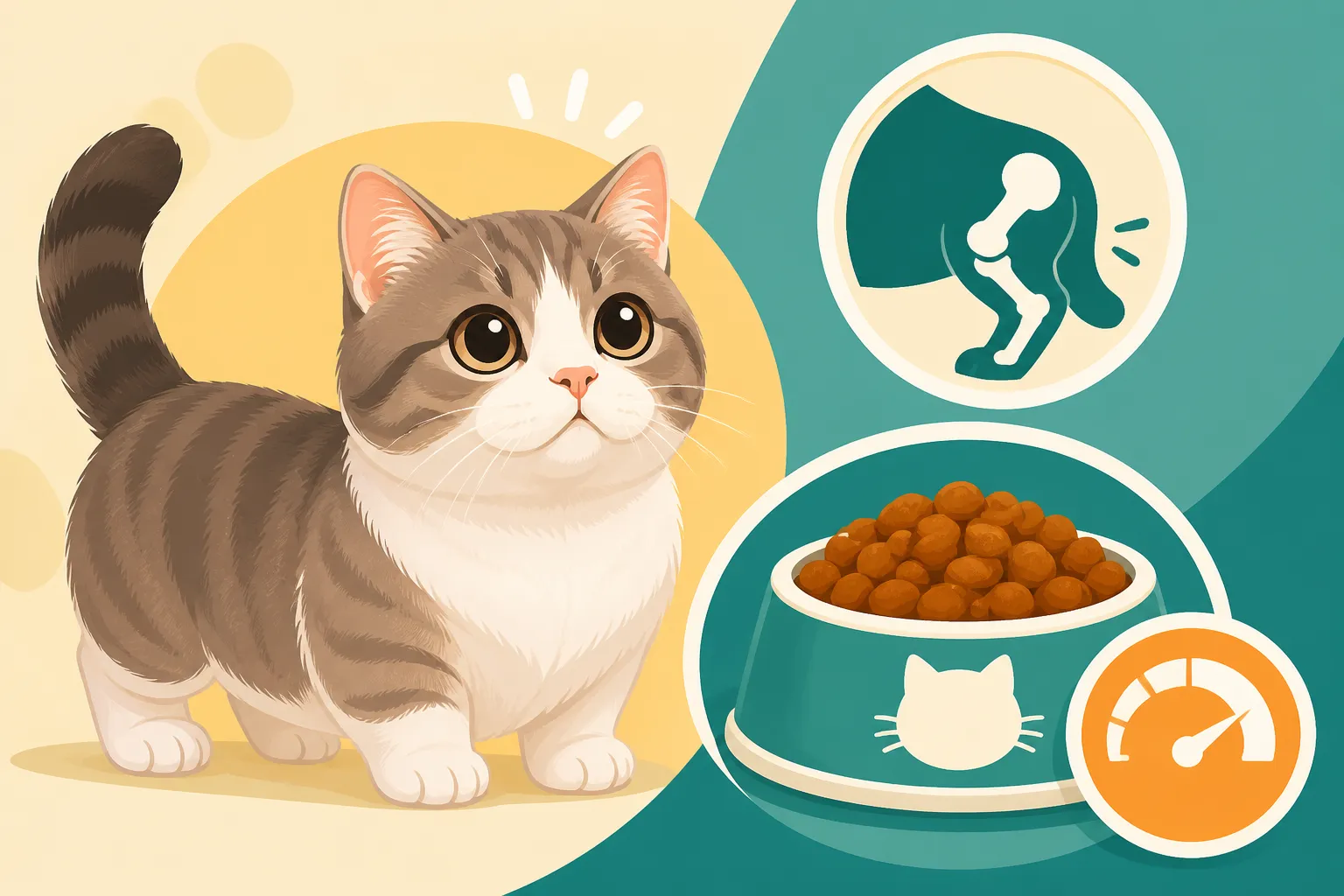
Imagine carrying a heavy backpack all day, every day, but your legs are half the length of everyone else's. That's a bit like what an overweight Munchkin experiences. Their short limbs are not designed to bear excessive weight, and even a small amount of extra padding can put immense strain on their joints, particularly in their shoulders, elbows, and hips. Think about it: every landing from a tiny jump, every little sprint across the living room, every shift of weight while grooming – it all becomes a greater burden. Why Every Extra Pound Matters More on a Munchkin delves deeper into the mechanical aspects of this.
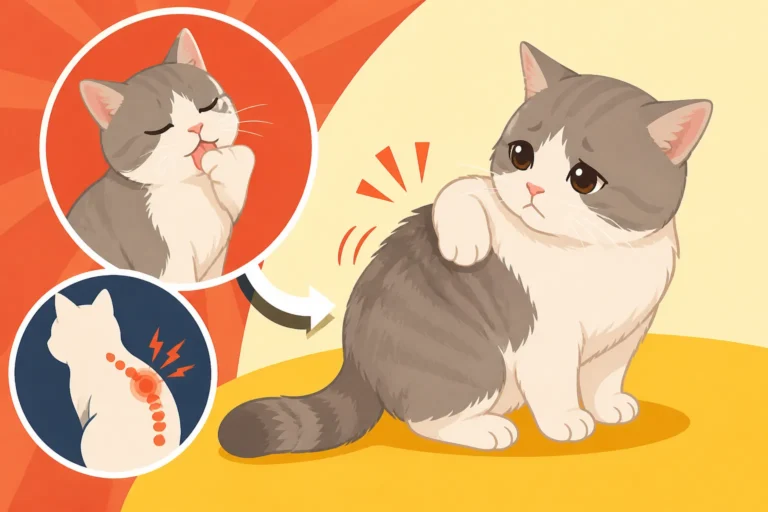
Beyond just the direct strain, excess weight can worsen or bring on other health issues. For instance, if your Munchkin has a predisposition to lordosis, a spinal curvature, that extra weight can compress their internal organs and further stress an already vulnerable spine. The same goes for pectus excavatum, or a sunken chest; an overburdened respiratory system from extra fat makes breathing even harder. It's a cascading effect where one problem feeds another, ultimately diminishing their quality of life. Owners often don't realize that even a seemingly minor weight gain can significantly reduce their cat's comfort and mobility, making simple joys like playing or even just moving around much more arduous.
The Metabolism Myth: Do Munchkins Burn Fewer Calories?
There's a common misconception that because Munchkins have short legs and can't jump as high or run as fast as a standard cat, they must naturally burn fewer calories. While it's true that they might not expend as much energy scaling tall cat trees or leaping onto high shelves, their baseline metabolic rate isn't inherently different just because of their leg length. How Few Calories a Munchkin Actually Burns explores this in more detail.
The real difference lies in their activity patterns and the mechanical efficiency of their movement. A Munchkin may choose to be less active if their environment isn't adapted to them, or if movement becomes uncomfortable due to weight. However, a lean, well-adjusted Munchkin can be surprisingly agile and quick on the flat. They might not climb to the top of your fridge, but they'll often zip around the floor with a ferret-like gait, using furniture as steps to get where they need to go. Therefore, the caloric needs aren't drastically lower across the board; it's more about ensuring their environment encourages appropriate activity and that their intake matches their actual energy expenditure, not just their perceived "shortness." It’s less about a slower metabolism and more about careful management of intake versus output, considering their physical limitations.
Calculating Your Munchkin's Ideal Calorie Intake
So, how do you figure out the magic number for your unique feline friend? It’s not a one-size-fits-all equation, but there are excellent starting points and principles you can follow to ensure your Munchkin is getting precisely what they need.
Starting with the Basics: RER and MER
When we talk about calorie needs, we usually start with two key terms: Resting Energy Requirement (RER) and Maintenance Energy Requirement (MER). RER is the amount of energy your cat needs just to lie there and maintain basic bodily functions – breathing, circulation, digestion, etc. MER is what they need for RER plus all their daily activities, like playing, grooming, and walking.
A common formula to estimate RER is: (30 x ideal body weight in kilograms) + 70. So, if your Munchkin's ideal weight is 4 kg (about 8.8 lbs), their RER would be (30 x 4) + 70 = 120 + 70 = 190 calories per day. From there, you apply a multiplier for their MER, which varies significantly. For an average, neutered adult cat of ideal weight, the MER is often around 1.2 to 1.4 times their RER. This means our hypothetical 4 kg Munchkin might need roughly 228-266 calories per day (190 x 1.2 to 1.4). These are, however, just guidelines. Every cat is an individual, and factors like their age, activity level, and health status will fine-tune this number. It's about finding that sweet spot where they maintain their ideal weight for their frame (What a Munchkin Should Weigh at Its Frame) comfortably without gaining or losing.
Factors That Influence a Munchkin's Calorie Needs
Getting the calorie count right is a bit like being a detective. You need to consider several clues about your Munchkin's life to tailor their nutritional plan perfectly. It's not just about a generic formula; it's about understanding them.
First and foremost, age plays a huge role. Kittens are growing rapidly and are usually little bundles of boundless energy, so they need significantly more calories per pound of body weight than an adult. As they enter their senior years, their metabolism often slows down, and their activity levels might decrease, necessitating a reduction in calories to prevent weight gain. When a Munchkin Counts as Senior highlights these changes.
Activity level is another critical factor. While Munchkins might not be Olympic high-jumpers, some are far more playful and active than others. A Munchkin who zips around the house, constantly engaging with toys and using their ramps, will naturally burn more calories than a more sedate couch potato. Even their neutered status affects their needs; neutered cats tend to have a slightly slower metabolism and are more prone to weight gain, often requiring about 20-30% fewer calories than their intact counterparts. Finally, any underlying health conditions, such as early-stage arthritis or thyroid issues, can also alter metabolic rates or activity levels, thereby changing their caloric requirements. This is why regular vet check-ups are so vital, as your vet can help you adjust their diet based on their health status. Remember, Why an Overweight Munchkin Is in Real Trouble really emphasizes the impact on their health.
Here’s a simplified look at MER multipliers you might use, but always consult your vet for personalized advice:
| Cat Life Stage/Condition | MER Multiplier (Approx. x RER) | Notes |
|---|---|---|
| Kitten (0-4 months) | 2.5 – 3.0 | High growth, very active. |
| Kitten (4-12 months) | 2.0 – 2.5 | Still growing, high energy. |
| Adult (Neutered/Spayed) | 1.2 – 1.4 | Average activity, prone to weight gain post-surgery. |
| Adult (Intact) | 1.6 – 1.8 | Higher hormonal activity. |
| Less Active Adult | 1.0 – 1.1 | Sedentary, needs strict monitoring. |
| Active Adult | 1.5 – 2.0 | Plays vigorously, moves a lot. |
| Weight Loss | 0.8 – 1.0 | Aim for gradual, healthy weight loss under vet guidance. |
| Senior (Healthy) | 1.0 – 1.2 | Often reduced activity, monitor muscle mass. |
| Senior (Frailer/Ill) | Varies greatly | Vet guidance essential, may need more or fewer calories depending. |
Practical Steps for Calorie Control and Joint Health
Now that you understand the "why" and the "how" of calculating calories, let's talk about putting it into practice. This is where the rubber meets the road, or rather, where the kibble meets the bowl!
The Importance of Accurate Portioning
One of the biggest pitfalls for cat owners, myself included at times, is simply "eyeballing" portions. It’s so easy to grab the scoop and pour, but those tiny differences add up remarkably fast, especially for a cat with a smaller frame and a unique skeletal structure like a Munchkin. Just an extra few kibbles per meal, multiplied by two meals a day over a year, can translate into significant unwanted weight gain. Why a Munchkin's Portion Should Be Weighed really drives this point home.
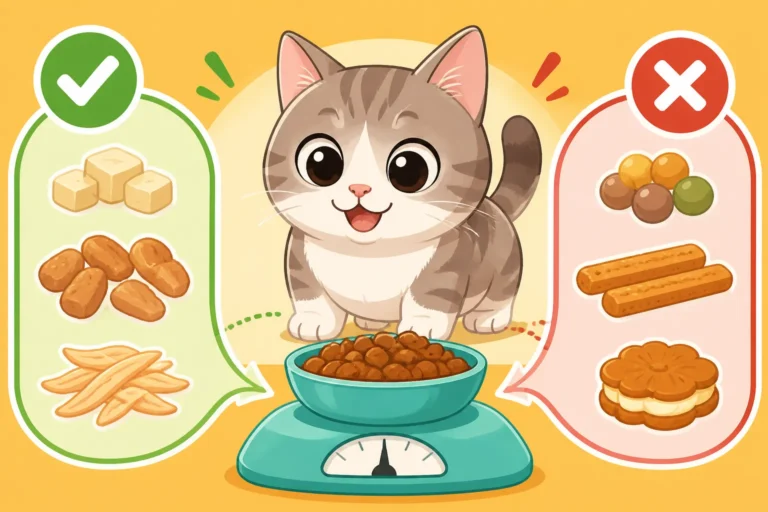
The solution is simple but requires a bit of discipline: use a kitchen scale. Most good quality cat foods provide calorie counts per cup or per gram. By weighing out your Munchkin's food precisely, you can ensure they are getting exactly the caloric intake you've calculated. This removes the guesswork and provides consistency, which is key for weight management. Invest in a digital kitchen scale – they're inexpensive and invaluable for your cat's health. Treat amounts should also be factored into their daily calorie budget, not just added on top. Those little crunchy snacks are often more caloric than we realize!
Choosing the Right Food for Your Munchkin's Joints
Beyond just the quantity of food, the quality and type of food you offer can significantly impact your Munchkin's joint health. You want to choose a diet that supports their overall well-being and specifically aids in maintaining healthy joints, without excessive fat that leads to weight gain.
Look for foods that are high in quality protein to maintain lean muscle mass – this muscle helps support their joints. Moderate fat levels are usually ideal, providing necessary energy without being overly calorie-dense. Many premium cat food brands also incorporate ingredients known to support joint health, such as glucosamine, chondroitin, and omega-3 fatty acids (like those found in fish oil). These ingredients can help maintain cartilage health and reduce inflammation, which is crucial for a breed predisposed to joint strain. You can find a wide selection of such specialized foods from retailers like Chewy, often with detailed nutritional information to help you compare. Fresh food options that emphasize whole ingredients can be beneficial, but always verify calorie density and balanced nutrition. Reading labels is crucial, and sites like Amazon often have customer reviews that can offer insights, though the nutritional panel is your ultimate guide. Which Food Suits a Munchkin's Joints offers more comprehensive advice on this topic.
Keeping Tabs on Progress: Regular Weigh-Ins and Body Scoring
You've calculated their calories and chosen the best food – now how do you know if it's working? Consistent monitoring is key. Regular weigh-ins and body condition scoring are your best tools to adjust their diet as needed and catch any trends early.
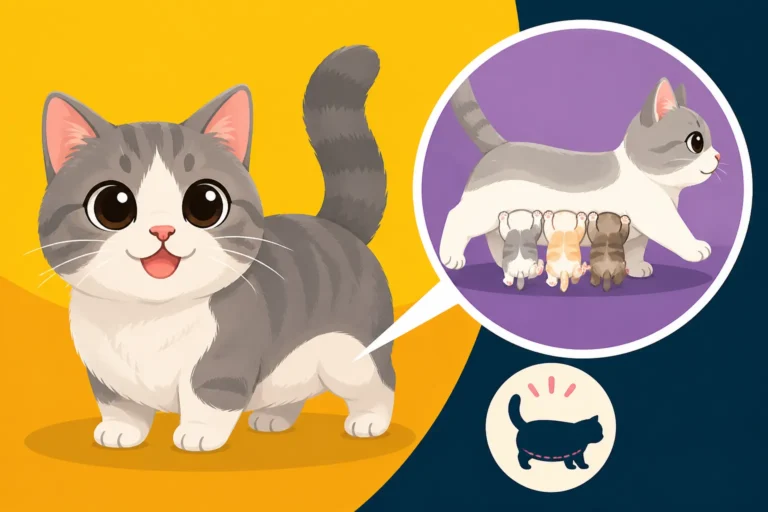
Weigh your Munchkin weekly, or at least every couple of weeks, using a small pet scale or even your bathroom scale (weigh yourself, then pick up your cat and weigh again, subtracting your weight). Keep a log of their weight. This data will show you if your calorie plan is on target, or if you need to slightly increase or decrease their intake. Beyond the numbers, learning to body condition score your Munchkin is invaluable. Because their short legs can make them look "round" even when lean, you can't always rely on visual cues alone. You should be able to easily feel their ribs with light pressure, but not see them protruding. There should be a noticeable waist when viewed from above, even if it's subtle due to their low-slung body. How to Score a Munchkin's Body Condition provides a detailed guide on how to do this accurately for your unique feline. If their weight is creeping up, or you can no longer easily feel those ribs, it’s time to dial back the calories slightly and re-evaluate their activity.
Lifestyle Adjustments to Complement Calorie Management
Calorie control isn't just about what goes into the bowl; it's also about how your Munchkin moves and interacts with their world. A carefully managed diet combined with an optimized environment is the winning formula for their joint health.
Encouraging Safe, Low-Impact Activity
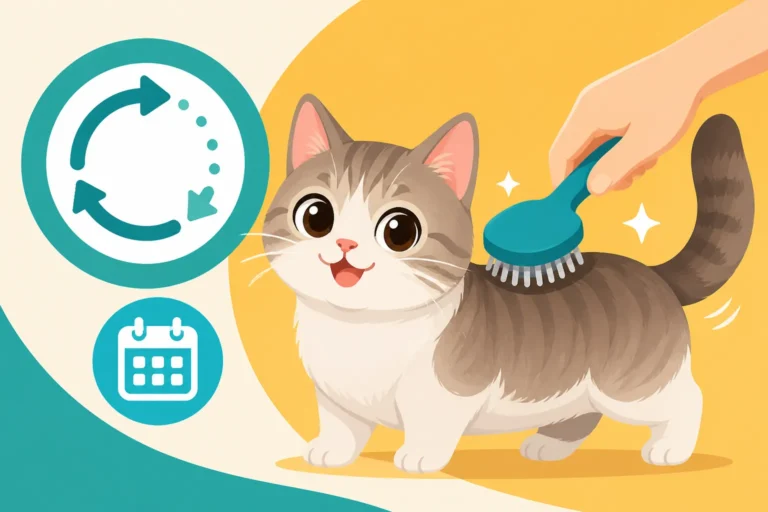
While Munchkins might not be prodigious jumpers, they are still cats and need to express their natural predatory and playful instincts. The trick is to encourage activity that is safe and low-impact, minimizing strain on their joints. Think floor-level play! Wand toys that drag along the ground, small balls they can chase, and interactive games that keep them moving horizontally are perfect. They often love to stalk and pounce, and you can facilitate this by ensuring clear, uncluttered floor spaces for them to zoom around.
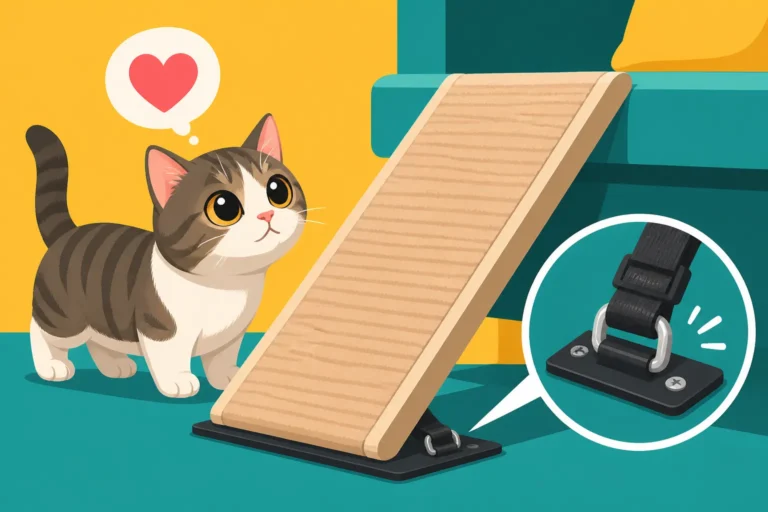
For accessing favorite spots like a sofa or a lower windowsill, ramps or sturdy steps are absolutely essential. This allows them to get to their desired height without repeatedly jumping and landing, which can be hard on their shoulders and elbows over time. How Much Floor Level Play a Munchkin Needs cannot be overstated – it's vital for burning calories, maintaining muscle tone, and keeping their minds sharp. Remember, a bored cat is often a sedentary cat, which can lead to weight gain.
Environmental Enrichment and Mental Stimulation
A truly healthy Munchkin isn't just fed well and kept at an ideal weight; they're also mentally stimulated and happy in their environment. Environmental enrichment plays a huge role in preventing boredom, which can sometimes lead to overeating or inactivity.
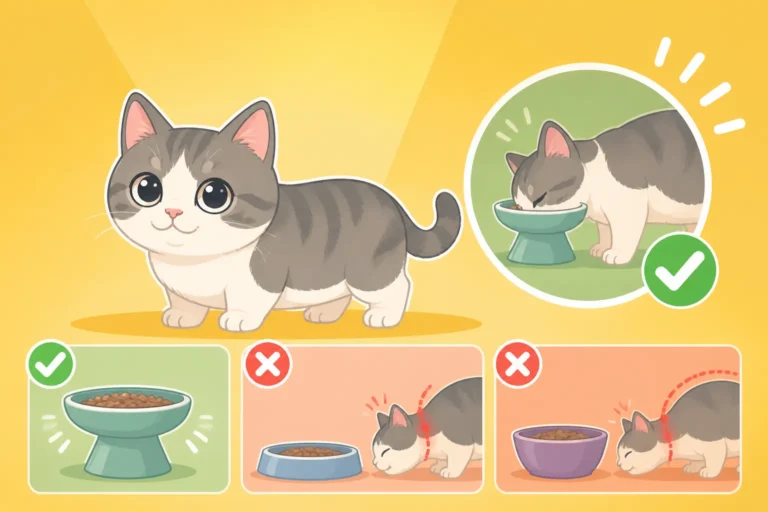
Puzzle feeders are fantastic tools for Munchkins. They make mealtime a game, slowing down consumption and requiring a bit of mental effort to "hunt" for their food. This burns a few extra calories and satisfies their natural foraging instincts. You can find many varieties, from simple treat balls to more complex designs, ensuring they're accessible at floor level. Also, consider creating safe, accessible perches near windows using sturdy steps or ramps, allowing them to survey their world without risky jumps. A supervised outdoor catio can also provide wonderful mental and physical stimulation, as long as it's designed with their limited climbing ability in mind. How to Set Up Floor Level Enrichment for a Munchkin can give you even more ideas. Ultimately, remember that Why a Munchkin's House Changes, Not the Cat is the mantra for successful Munchkin ownership, and this includes adapting their world to keep them active and engaged at their unique height.
Disclaimer
This article is for general informational purposes only and does not constitute professional advice. Laws, prices and regulations vary by location and change over time. Consult a qualified professional for guidance on your specific situation.