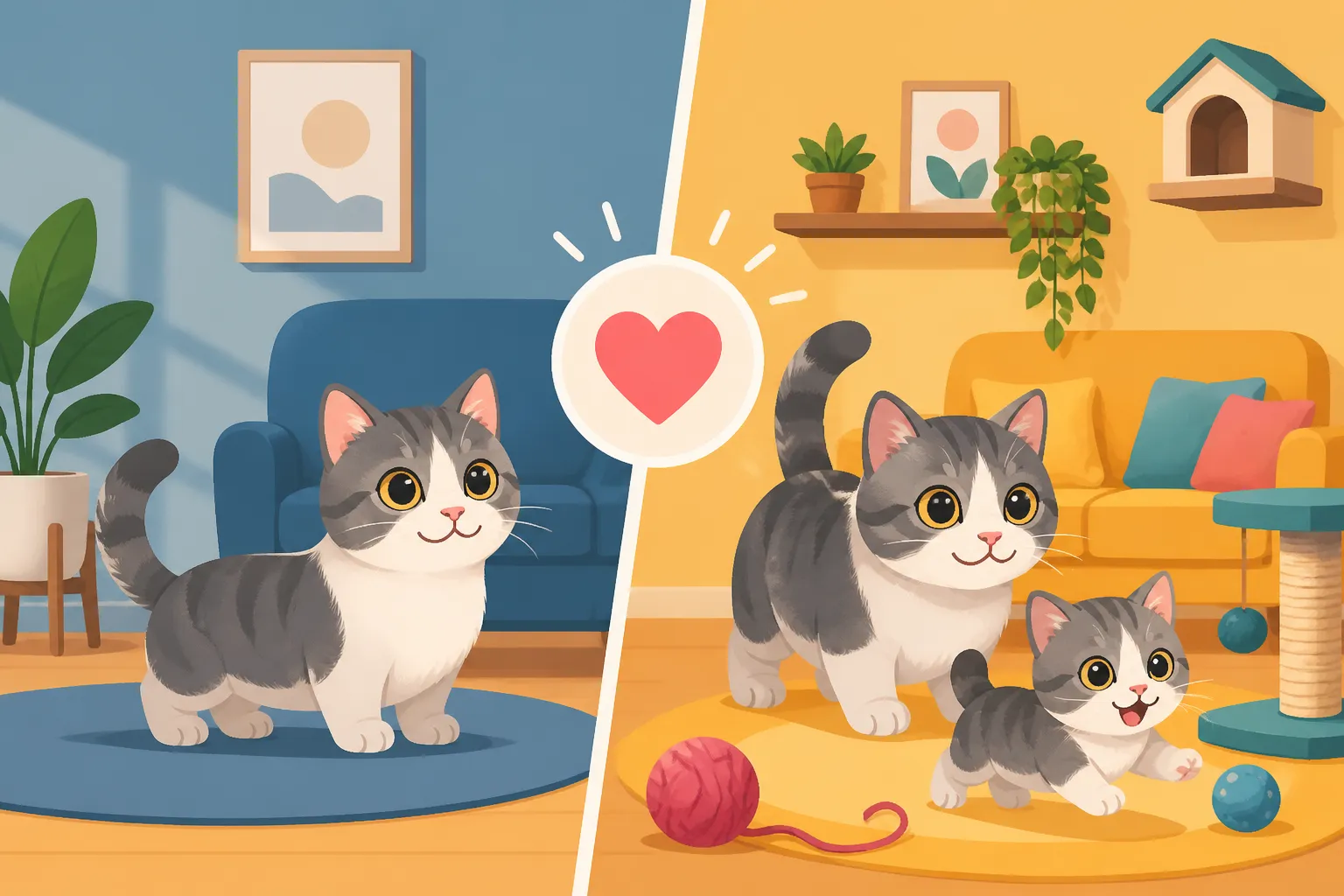
With a Munchkin the House Changes, Not the Cat
Bringing a Munchkin into your home is an incredibly joyful experience, but it also comes with a unique set of considerations that many new owners don't fully anticipate. The biggest misconception is often that these charming, short-legged cats will simply adapt to a standard cat-friendly home. The reality, however, is that your home needs to adapt to them. This comprehensive guide will walk you through exactly how to create a safe, comfortable, and enriching environment tailored to your Munchkin’s specific needs, ensuring they thrive and live their happiest, healthiest life with you.
Understanding the Munchkin's Physical Realities
Before we dive into adapting your home, it's crucial to truly grasp the unique physical makeup of a Munchkin cat. Their adorable short legs are a result of a genetic mutation, and while it gives them their distinct look, it also dictates much of how they interact with their world. Understanding these realities isn't about dwelling on perceived limitations, but about empowering you to proactively meet their needs and prevent future issues.
The Limitations of Short Legs
Let's be real: those short legs, while endearing, mean a Munchkin can't scale a towering cat tree or leap onto the kitchen counter with the effortless grace of a long-legged cat. Many new owners quickly realize that what a standard cat considers a minor hop, a Munchkin might view as an insurmountable challenge or even a risky maneuver. They can jump, often surprising people with their vertical spring, but their maximum jump height is significantly reduced. They simply cannot reach the high perches that normal cats use for safety, observation, or escape.
This isn't just about missing out on a bird's-eye view; it's about access and safety. Think about the top of a dresser, a high bed, or a tall window sill. These are common spots cats love, but for a Munchkin, they become unreachable territories. This can lead to frustration or, more concerningly, repeated attempts at jumps that put undue stress on their joints and spine. Understanding this means shifting your perspective from expecting them to reach things to bringing everything they need down to their level or providing safe, gradual ascents. This often involves realizing What the Short Legs Actually Cost a Munchkin in terms of necessary household modifications.
Spinal Considerations
The Munchkin's characteristic short legs are caused by a form of dwarfism called pseudoachondroplasia. While their legs are significantly shorter, their spine is typically of normal length. However, this doesn't mean their spine is exempt from unique considerations. One of the primary concerns often discussed is lordosis, a condition characterized by an excessive inward curvature of the spine. While lordosis isn't exclusive to Munchkins, their unique body structure can sometimes make them more prone to it or exacerbate its effects. Lordosis Is the Spinal Curve the Munchkin Argument Is About, and it's a critical aspect of their health to be aware of.
Another condition sometimes associated with the breed is pectus excavatum, or "funnel chest," where the sternum grows inward. Both lordosis and pectus excavatum can potentially impact organ function or cause discomfort, particularly as the cat ages. Even without these specific conditions, the biomechanics of a Munchkin's body mean their spine, especially the thoracic and lumbar regions, carries a different load distribution compared to a long-legged cat. This makes proactive care, focused on maintaining a healthy weight and ensuring safe movement, incredibly important to support their long-term spinal health. Regularly observing your Munchkin's posture and movement, and discussing any changes with your vet, is key.
The Unique Gait and Movement Style
If you've spent any time watching a Munchkin move, you'll notice their distinctive gait. It's often described as a "ferret-like" trot, a low-slung, agile scurry across the floor. They are surprisingly quick and nimble on level ground, darting and weaving with an impressive burst of speed that can catch you off guard. Their low center of gravity actually gives them excellent stability and cornering ability, making them adept at navigating tight spaces and chasing toys across the floor.
However, this unique movement style means they rely heavily on horizontal movement rather than vertical. They're master navigators of under-furniture spaces and floor-level adventures. They might use their front paws to pull themselves onto low surfaces or "bunny hop" to gain a bit of extra height. You'll also likely witness the adorable "prairie dog" sit, where they sit upright on their hind legs, balancing to get a better view. While charming, it's a testament to their desire to see what's happening at your height, a height they often cannot reach otherwise. Understanding this means designing an environment that respects their natural movement patterns while providing safe alternatives for vertical exploration.
Creating an Accessible Home Environment
This is where the rubber meets the road! Adapting your home isn't about making drastic, ugly changes, but rather thoughtful modifications that blend seamlessly into your living space, making it a true haven for your Munchkin. The goal is to eliminate potential hazards, reduce strain on their joints and spine, and empower them to access all the comforts of home independently.
Ramps, Steps, and Low-Level Furniture
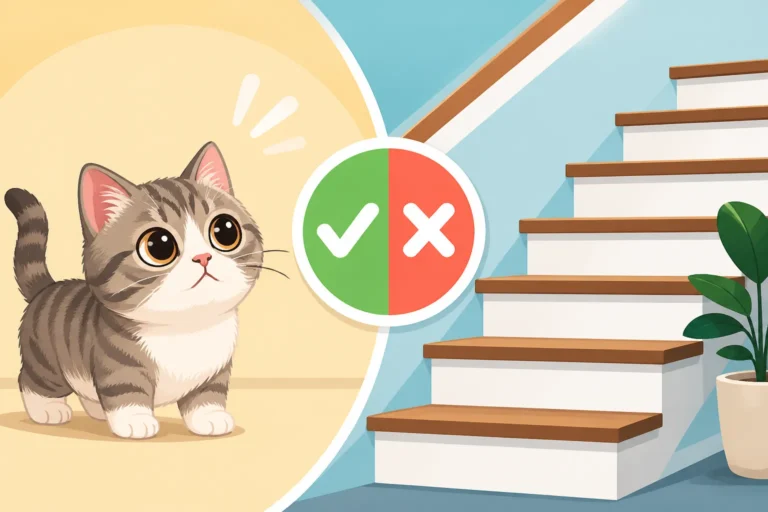
The absolute cornerstone of a Munchkin-friendly home is providing accessible pathways to their favorite spots. Think of any elevated surface your Munchkin might want to reach: your bed, the sofa, a favorite armchair, a sunny window perch. For a standard cat, these are effortless jumps; for a Munchkin, they're potential sites of strain or frustration. This is where ramps and steps become essential, not luxuries.
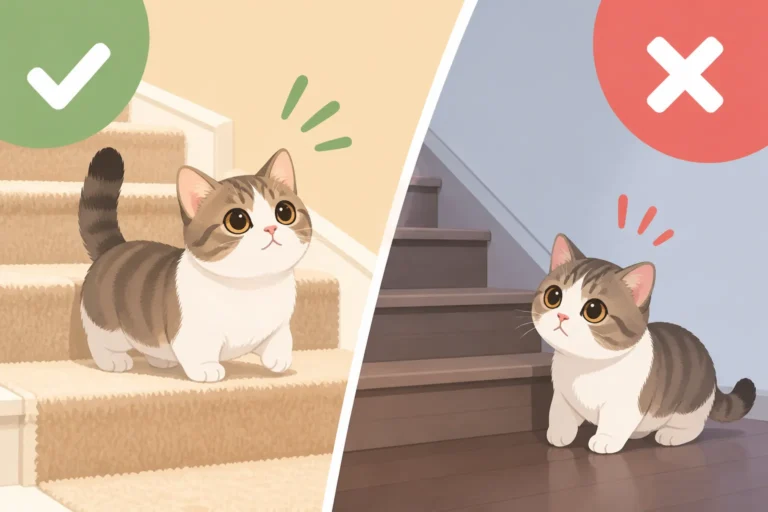
Invest in sturdy, carpeted ramps or pet stairs that offer a gentle incline or shallow steps. You can find many options on platforms like Chewy or Amazon, designed for small dogs or senior pets, which work perfectly for Munchkins. Place them strategically: next to your bed, alongside the sofa, and leading up to any window sills you want them to enjoy. The key is a gradual slope or closely spaced steps to minimize impact. Some owners even build custom solutions, integrating them into existing furniture. Additionally, consider having some low-lying furniture. Ottomans, floor cushions, or low benches can act as intermediate steps, breaking up larger vertical distances. Remember, How a Munchkin Gets Where It Wants Without Jumping is often by utilizing these gradual ascents and strategic pathways.
Optimizing Litter Box Access
This might seem like a small detail, but it's incredibly important for your Munchkin's comfort and hygiene. Standard litter boxes often have fairly high sides that are easy for a long-legged cat to step over. For a Munchkin, these can present a significant hurdle, especially as they get older or if they're carrying a little extra weight. Imagine having to perform a small high jump every time you needed to use the restroom – it wouldn't be pleasant or sustainable.
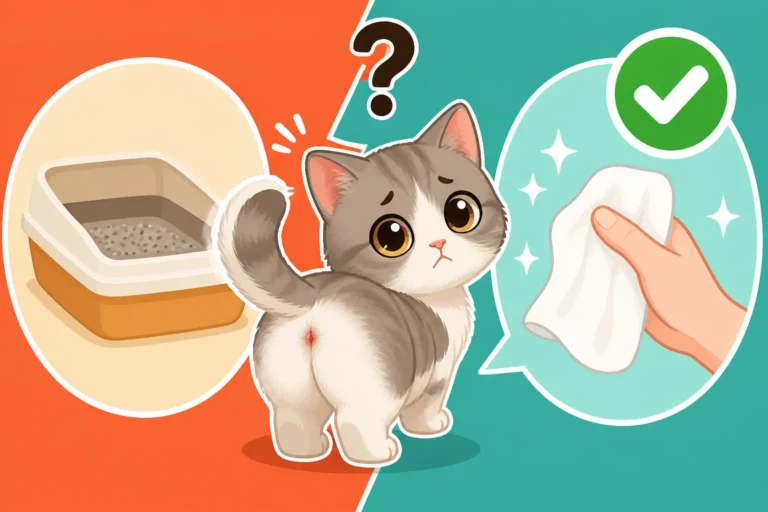
A high-sided box can lead to accidents outside the box or, worse, your Munchkin holding it in because the effort is too much. The solution is simple: low-entry litter boxes. Many brands offer "senior cat" or "kitten" litter boxes that have an entry point just a few inches from the ground. You can also get creative by cutting a U-shaped notch in a plastic storage bin or using a large, shallow baking sheet if you're handy. Just ensure the sides are high enough elsewhere to contain litter scatter. Providing at least one easily accessible litter box on each floor of your home, with a walk-in entry, is paramount for their long-term health and your peace of mind. Why a Munchkin Needs a Litter Box It Can Walk Into truly highlights this critical aspect of their daily care.
Rethinking Vertical Space
When you have a Munchkin, the way you think about vertical space in your home completely transforms. Gone are the days of towering cat condos with huge gaps between platforms. For a Munchkin, these are death traps waiting to happen, or at best, completely inaccessible. Instead, think "horizontal" enrichment, or "tiered" verticality with very close steps.
Consider shorter, wider cat trees with multiple, closely spaced platforms that form a gentle staircase. Look for models designed for smaller or older cats. Wall-mounted shelves can also work beautifully, but they must be staggered like a real staircase, with no more than 6-8 inches of vertical difference between them, and enough surface area for safe landings. Don't forget window perches! If your Munchkin can't jump up, a ramp or a stack of sturdy, carpeted steps can lead them to a comfy window bed where they can watch the world go by. Remember that Why a Munchkin Cannot Make the Kitchen Counter means you need to rethink any elevated dangers or unreachable necessities, either by bringing them down or by providing safe access. Providing these accessible vertical options not only enriches their environment but also gives them crucial vantage points that cater to their natural feline instincts without risking injury.
Nutrition and Weight Management for Joint Health
When it comes to your Munchkin's long-term health, diet and weight management are arguably the most critical components of their care. Their short legs and unique spinal structure mean that every extra ounce of weight carries a disproportionately higher burden on their joints and spine compared to a long-legged cat. This isn't just about aesthetics; it's about preventing pain, mobility issues, and costly veterinary interventions down the line.
Calorie Needs and Portion Control
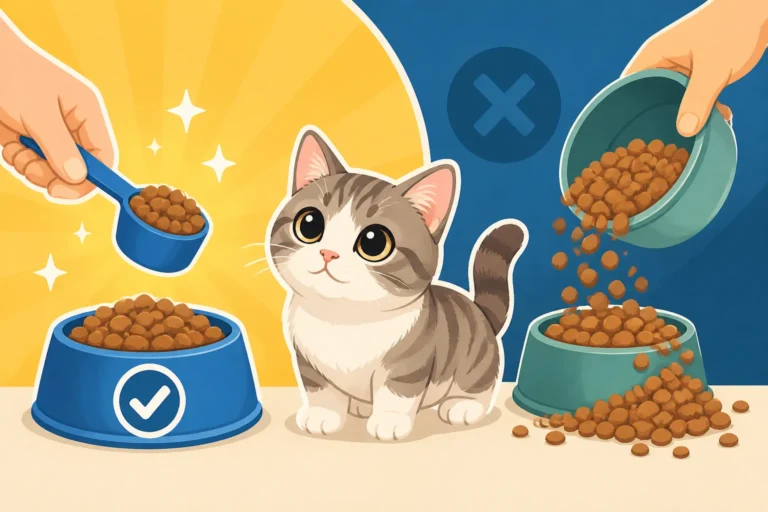
Munchkin cats, by nature of their shorter limbs, generally have a slightly lower basal metabolic rate than a comparably sized long-legged cat. They don't expend as much energy jumping and climbing, which means their calorie needs are often a bit lower than you might expect. Overfeeding, even slightly, can quickly lead to weight gain. This is why Why Weight Control Is the Whole Munchkin Care Plan is so true.
It’s crucial to be diligent with portion control. Forget free-feeding; measured meals are your best friend. Consult your veterinarian for a precise calorie recommendation based on your Munchkin's age, activity level, and ideal body condition. Use a kitchen scale to accurately weigh out their food portions. This might seem obsessive, but it's the most effective way to ensure they're getting exactly what they need without overdoing it. Remember that even small treats add up, so factor them into their daily calorie allowance. Regularly monitoring their weight at home is a great habit to get into; How Often to Weigh a Munchkin at Home can give you invaluable insight into their dietary needs.
Selecting Joint-Supportive Foods
While controlling calories is paramount, the type of food you offer also plays a significant role in supporting their joint health. Look for high-quality cat foods formulated with ingredients that promote joint and cartilage health. These often include:
- Omega-3 Fatty Acids: Particularly EPA and DHA, commonly found in fish oils. These have anti-inflammatory properties that can help reduce joint pain and stiffness. Many premium cat foods now include these.
- Glucosamine and Chondroitin: These are natural components of healthy cartilage and are often added to joint-supportive diets. While the evidence on their efficacy when consumed orally is still debated, many owners and vets find them beneficial.
- Antioxidants: Vitamins E and C, along with other antioxidants, can help combat oxidative stress in the joints.
You can find specialized "joint support" formulas from reputable brands at pet stores or online retailers like Chewy or Amazon. Alternatively, some owners choose to supplement their Munchkin’s diet with specific joint supplements. Discuss these options with your vet to determine the best approach for your individual cat, as Which Joint Supplements Suit a Munchkin can vary depending on their specific needs and health status. Remember that quality protein is also essential for maintaining lean muscle mass, which helps support their skeletal structure.
Monitoring Weight and Body Condition
Regularly monitoring your Munchkin's weight and body condition is perhaps the most important proactive step you can take. Weight gain can be insidious, creeping up slowly until it becomes a significant problem. A weekly or bi-weekly weigh-in on a reliable digital pet scale can catch weight creep early.
Beyond the number on the scale, learn to assess your Munchkin's body condition score (BCS) by touch. You should be able to easily feel their ribs, spine, and hip bones with a thin layer of fat covering them, without them being visibly prominent. They should also have a noticeable waist when viewed from above, and a slight abdominal tuck from the side. If their ribs are hard to feel, or they're starting to look round through the middle, it's time to re-evaluate their food intake and activity levels with your vet. Catching weight gain early is much easier than trying to get an overweight cat to slim down. Your veterinarian can teach you how to properly assess their body condition and help you develop a weight management plan if needed.
Grooming for the Unreachable Spots
One of the less-talked-about aspects of Munchkin care is their unique grooming challenges. While they are cats and inherently clean animals, their short legs mean there are certain areas of their body they simply cannot reach effectively for self-grooming. This isn't a sign of laziness; it's a physical limitation that requires your proactive assistance to prevent mats, skin issues, and hygiene problems.
The Challenges of Self-Grooming
Imagine trying to scratch your lower back when your arms are disproportionately short, or attempting to clean between your toes with limited flexibility. This is the reality for a Munchkin trying to groom its hindquarters, belly, and inner thighs. These are the areas that are most prone to matting, especially in long-haired Munchkins, and are also the areas most likely to get soiled after using the litter box.
Over time, neglected grooming in these areas can lead to several problems:
- Mats and Tangles: These are not just unsightly; they can pull on the skin, causing pain and discomfort. Severe mats can restrict movement, hide skin infections, or even harbor parasites.
- Skin Irritations and Infections: Urine or fecal matter that isn't properly cleaned can sit against the skin, leading to rashes, redness, and bacterial or yeast infections.
- Odor: A matted, soiled hindquarter will inevitably develop an unpleasant odor.
Understanding these challenges means accepting that you are an integral part of your Munchkin's grooming routine. This is truly Grooming the Half of a Munchkin It Cannot Reach.
Tools and Techniques for Hindquarters and Belly
To effectively groom the areas your Munchkin can't reach, you'll need the right tools and a gentle technique. Start by creating a calm and comfortable environment. A non-slip mat on a table can help you reach them without having to bend too much, while also ensuring their safety.
Essential grooming tools include:
- Soft-bristled brush or grooming glove: For daily maintenance and removing loose fur.
- Fine-toothed comb or de-matting comb: For working through small tangles before they become full-blown mats. Be very careful with these, as they can pull on the skin.
- Pet-safe wipes: For cleaning soiled areas around the hindquarters and belly after litter box use. Look for unscented, hypoallergenic options.
- Blunt-nosed scissors (for emergencies): ONLY use these if you are confident and can safely get under a mat without cutting the skin. It's often safer to visit a groomer or vet for mat removal.
Technique:
Focus on brushing their hindquarters, the underside of their tail, and their belly daily, especially if they are long-haired. Use short, gentle strokes. If you encounter a small tangle, try to work it out with your fingers first, then with a comb, always brushing away from the skin. For soiled areas, use the pet-safe wipes, making sure to dry the area thoroughly afterward to prevent skin irritation. Making grooming a positive experience from a young age with treats and praise can make a huge difference.
When Professional Grooming Becomes Essential
Even with diligent at-home care, there might be times when professional help is necessary, especially for long-haired Munchkins or those prone to severe matting. Don't feel like you've failed if you need to call in a pro! Professional groomers have the expertise, specialized tools, and often, the patience to handle tricky situations safely.
Consider booking regular professional grooming appointments for:
- Hygiene trims (sanitary clips): A groomer can carefully trim the fur around your Munchkin's hindquarters and inner thighs. This "sanitary clip" helps prevent matting and keeps the area cleaner, making your at-home maintenance much easier.
- Mat removal: If your Munchkin develops large or tight mats that you can't safely remove yourself, a professional groomer or veterinarian should handle it. Attempting to cut out large mats yourself can easily injure your cat's delicate skin.
- Full baths: While many cats don't require regular bathing, a Munchkin with mobility issues or persistent soiling might benefit from an occasional professional bath. Groomers can ensure they are thoroughly cleaned and dried without causing stress or injury.
Establish a relationship with a reputable groomer who has experience with cats, especially those with unique needs. They can provide valuable advice and ensure your Munchkin stays comfortable and clean.
Enrichment and Play at Floor Level
Just because a Munchkin can't jump like a regular cat doesn't mean they're less playful or need less enrichment. In fact, they thrive on mental and physical stimulation, but their play style and the way they interact with toys will naturally be different. Your job is to provide an environment that caters to their ground-level agility and intelligence, ensuring they remain happy, engaged, and physically active within their unique limits.
Adapting Playtime for Short Legs
Munchkins are often described as being perpetually kitten-like in their playfulness. They love to chase, pounce, and stalk, but their arena is primarily the floor. Forget laser pointers aimed at the ceiling or toys dangled from unreachable heights. Think horizontally! Games that involve chasing, batting, and exploring at ground level are their absolute favorites.
Consider games that simulate hunting small prey along the floor. Wand toys are fantastic for this; drag feathers, ribbons, or small stuffed critters across the room, letting your Munchkin pounce and "capture" them. Puzzle feeders are also excellent, encouraging them to use their brains and paws to get treats or kibble. These can be particularly good for slow feeders and managing their weight. Hide-and-seek with toys or treats at ground level can also be incredibly engaging. Remember, their low center of gravity makes them surprisingly agile and fast on the flat, so don't underestimate their ability to zoom around!
Safe and Accessible Toys and Activities
Choosing the right toys for a Munchkin means focusing on accessibility and safety. Avoid toys that require significant vertical leaps or extensive reaching, as these can cause frustration or strain. Instead, opt for:
- Ground-level chase toys: Small balls, crinkle toys, felt mice, and anything that rolls or slides easily across the floor.
- Wand and teaser toys: As mentioned, these are perfect for interactive play, allowing you to control the movement at their level.
- Puzzle feeders: These are fantastic for mental stimulation and slowing down eating, which is beneficial for weight management. Brands like Chewy and Amazon offer a wide variety of puzzle feeders for cats.
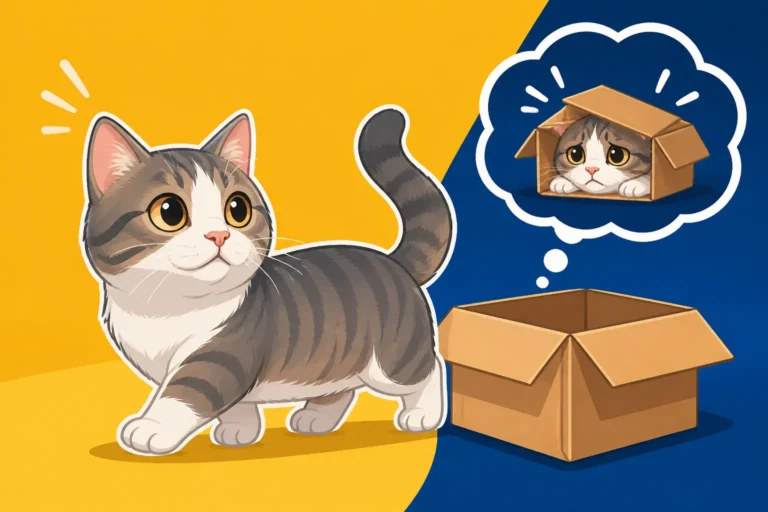
- Low tunnels and hideaways: Munchkins love to dart through tunnels and pop out to ambush toys. Cardboard boxes, paper bags (with handles removed), and fabric tunnels provide excellent places to play and hide.
- Scratchers: While they might not stretch up tall scratching posts, horizontal scratch pads or low-angled scratchers are perfect for them to stretch out and maintain their claws.
Always supervise playtime, especially with new toys, to ensure they are safe and durable. Rotate toys regularly to keep things interesting and prevent boredom.
Managing Interactions with Other Pets and Children
This is a critical area for Munchkin owners, as their inability to easily jump to escape can make them vulnerable in certain situations. While many Munchkins live harmoniously with other pets and children, careful management is key to ensuring their safety and well-being.
- Other Cats: If you have long-legged cats, ensure the Munchkin has plenty of escape routes and safe, low hideaways. A common issue is a larger cat inadvertently blocking access to food, water, or the litter box. Ensure multiple accessible resources are available. While Munchkins are often confident, they can't always escape a rough-and-tumble play session if they can't climb out of reach.
- Dogs: This requires careful supervision. A Munchkin cannot outrun or escape a dog by jumping onto furniture. Introduce them slowly, always supervise interactions, and ensure the Munchkin has dog-free zones that are easily accessible at ground level or via their ramps and steps. A large, playful dog, even if well-meaning, can accidentally injure a Munchkin.
- Children: Toddlers and very young children can pose a significant risk. They may not understand that the Munchkin cannot get away, or that it shouldn't be picked up roughly. Teach children how to gently interact with your Munchkin, always supervising their interactions. Ensure the Munchkin has safe, child-free spaces they can retreat to, perhaps behind a baby gate that only they can slip through.
The key is prevention and careful planning. Your Munchkin needs to feel secure and have the ability to retreat if overwhelmed, something their short legs can hinder.
Veterinary Care Focused on Their Unique Needs
Just like any other cat, Munchkins require regular veterinary care. However, their unique physical characteristics mean that certain aspects of their health need closer monitoring and a slightly different approach from your vet. Establishing a good relationship with a veterinarian who understands the breed's specific considerations is crucial for their long-term health.
Regular Health Checks and Early Detection
Routine veterinary check-ups are always important, but for a Munchkin, they are an opportunity to proactively monitor for conditions that might be more prevalent or impactful due to their conformation. These check-ups should ideally include:
- Thorough musculoskeletal examination: Your vet should pay close attention to their gait, spinal flexibility, and joint health, palpating their legs and spine for any signs of discomfort, stiffness, or structural changes. Early signs of conditions like lordosis or joint issues can be subtle.
- Weight assessment: As discussed, maintaining an ideal weight is paramount. Your vet will accurately weigh your Munchkin and assess their body condition score, offering guidance on diet if needed.
- Cardiac health: While not directly related to their short legs, some breeds used as outcrosses for Munchkins might carry predispositions to heart conditions. A vet will listen for heart murmurs.
- General health screening: Of course, all the standard health checks, vaccinations, parasite control, and dental examinations remain essential.
Don't hesitate to ask your vet about any concerns you have, no matter how small. They are your best resource for understanding your Munchkin's unique health profile.
Addressing Mobility and Joint Issues as They Age
As Munchkins enter their senior years, typically around 8-10 years of age, mobility and joint health become even more critical. Like many older cats, they can develop osteoarthritis, but their short legs and different load-bearing dynamics mean it can present or progress uniquely. What an Old Munchkin Stops Being Able to Do often relates directly to decreased mobility and joint pain.
Signs of joint pain or stiffness might include:
- Reluctance to use ramps or steps they previously navigated easily.
- Difficulty getting up or down from low surfaces.
- Decreased activity or reluctance to play.
- Changes in grooming habits (unable to reach certain areas).
- Limping or an altered gait.
- Irritability when handled or touched in certain areas.
If you notice any of these signs, discuss them with your vet immediately. There are many ways to support an aging Munchkin, including:
- Pain management: Your vet can prescribe cat-safe anti-inflammatory medications or other pain relievers.
- Joint supplements: Continuing with or starting joint supplements like glucosamine and chondroitin can be beneficial.
- Physical therapy/hydrotherapy: In some cases, specialized exercises or hydrotherapy might be recommended to maintain muscle mass and joint flexibility.
- Environmental modifications: Making ramps even gentler, adding more low-level beds, and ensuring all essential resources are easily accessible without any climbing or jumping.
Proactive and responsive care can significantly improve the quality of life for an older Munchkin, helping them stay comfortable and active for as long as possible.
Anesthesia and Specific Considerations
While Munchkins are generally considered normal anesthetic risks, it's always worth discussing their specific conformation with your veterinarian before any procedure requiring sedation or anesthesia. This isn't necessarily about a higher risk, but about ensuring the veterinary team is aware of any potential anatomical considerations.
For example, if your Munchkin has a pronounced case of pectus excavatum, the vet might take extra precautions with positioning during surgery or monitoring respiratory function. Similarly, if there are any known or suspected spinal issues, careful handling and positioning are always important to avoid exacerbating them.
A good veterinary team will always conduct a thorough pre-anesthetic evaluation, including blood work, to ensure your Munchkin is healthy enough for the procedure. Don't be afraid to ask questions about the anesthetic protocol, monitoring procedures, and how they will specifically address your Munchkin's unique physical traits. Open communication with your vet is key to ensuring the safest possible outcomes for your beloved short-legged companion.
Disclaimer
This article is for general informational purposes only and does not constitute professional advice. Laws, prices and regulations vary by location and change over time. Consult a qualified professional for guidance on your specific situation.