Grooming the Half of a Munchkin It Cannot Reach
Anyone who shares their home with a Munchkin cat quickly learns that their adorable short legs, while endearing, come with a unique set of care requirements. One of the biggest challenges Munchkin owners face is helping their beloved feline friends maintain proper hygiene, especially in those hard-to-reach spots. This guide is dedicated to tackling that very real frustration, offering practical, empathetic advice on how to groom the parts of your Munchkin that their little legs simply can't manage on their own.
Understanding the Munchkin's Unique Grooming Challenges
Let's be honest, we all adore those cute little legs that define the Munchkin cat. They make them look eternally kitten-like, and their playful scampers are endlessly entertaining. But those short legs are also the root of many of their unique care needs, particularly when it comes to self-grooming. It’s not that Munchkins are lazy or don’t care about being clean; it’s a physical limitation that, if not addressed, can lead to real discomfort and even serious health issues for your feline companion.
The Physical Limitations of Short Legs
Imagine trying to reach your lower back or the middle of your shoulder blades if your arms were significantly shorter. You'd struggle, right? That's precisely the predicament a Munchkin cat finds itself in. Their torso is typically a normal length, proportionate to an average cat, but their limbs are shortened due to the genetic mutation responsible for their distinctive appearance. This pseudoachondroplasia, as it's known, means they simply lack the leverage and reach of a long-legged cat. They can twist and contort, bless their hearts, but there are just some areas that remain perpetually out of tongue's reach. It's not a fault of their effort, but a feature of their anatomy. What Pseudoachondroplasia Does to a Munchkin's Legs explains this in more detail.
This physical reality means that crucial areas for cleanliness – think around the anus, the insides of the hind legs, and often a good portion of the belly – become prime territory for mats, debris, and accumulation of… well, let's just say "litter box souvenirs." A normal cat can easily stretch, bend, and lick every inch of its body, maintaining a pristine coat. A Munchkin, unfortunately, cannot.
Why Normal Cat Grooming Advice Falls Short
If you've ever owned a regular-sized cat, you know that beyond a casual brush now and then, they mostly take care of their own grooming. You might see advice to brush them once a week to reduce shedding, but rarely is there a strong emphasis on daily, targeted hygiene. With a Munchkin, that kind of laid-back approach just won't cut it. Relying on their natural instincts for cleanliness will, inevitably, lead to problems. Their bodies are built differently, so their care routine needs to be different too.
You can't just expect a Munchkin to keep itself pristine. The usual "brush frequently" advice still applies, and is even more critical for longhaired Munchkins, but it needs to be combined with a very deliberate, hands-on approach to those zones that their tongues can't reach. It’s about anticipating their needs, rather than reacting to a problem that has already developed, like a severe mat or a soiled hindquarter.
The Domino Effect of Neglected Grooming
When a Munchkin can't groom itself properly, it's not just about looking a little scruffy. The consequences can range from mild annoyance to serious health concerns. Small tangles quickly turn into dense, painful mats, especially in the fine fur of the hindquarters. These mats pull at the skin, restricting movement, and can hide skin infections, parasites, or sores. A particularly nasty mat can even make walking uncomfortable, impacting their already unique gait.
Beyond mats, the inability to thoroughly clean their rear end after using the litter box can lead to feces caked in their fur. This not only smells unpleasant but creates a breeding ground for bacteria, leading to skin irritation, infections, and discomfort. Imagine trying to sit or lie down with matted, soiled fur – it's just not right for our furry friends. It impacts their dignity and overall quality of life. This is why addressing the grooming needs of the half of a Munchkin it cannot reach is so critical to their well-being. Why a Munchkin's Belly Fur Needs Checking is a great resource for understanding why consistent checks are so important.
Identifying the "Unreachable" Zones
Okay, so we know Munchkins have trouble reaching certain spots. But what exactly are those spots? It’s important to be specific so you know precisely where to focus your attention during your regular grooming sessions. Think of yourself as their personal hygiene assistant, stepping in where their natural abilities fall short.
The Hindquarters and Tail Base
This is arguably the most critical area for targeted grooming in a Munchkin. Because of their short legs, a Munchkin often has a hard time squatting deeply enough in the litter box to keep their rear end completely clear of waste. As a result, fecal matter can easily get caught in the fur around the anus and under the tail. For longhaired Munchkins, this is almost a guaranteed problem without intervention.
Even short-haired Munchkins can experience this. The fur here, especially if it's thicker, can quickly become matted and caked. This isn't just unsightly; it's a major hygiene issue. The constant dampness and presence of bacteria can lead to painful skin infections, irritation, and even fly strike in severe cases if they spend time outdoors (which, for a Munchkin, is generally not recommended anyway due to their vulnerability). Regularly checking this area and keeping it clean is paramount to their health and comfort. Why a Munchkin's Hindquarters Get Matted elaborates on this specific issue.
The Underbelly and Inner Thighs
Another challenging area for Munchkins is their underbelly and the inside of their thighs. Their short stature means their belly often rides quite low to the ground, increasing the likelihood of picking up debris, dust, or even tracking through shallow puddles. Furthermore, when they lie down or stretch, the fur in these areas can easily rub together, creating friction and leading to mats.
Cats typically groom their bellies by lying on their backs and licking, but a Munchkin's short legs can make this maneuver less effective. The inner thighs are particularly prone to tangles and mats, as the fur is often softer and less dense than on their back. If left unchecked, these mats can become quite extensive and uncomfortable, making it difficult for them to walk or even lie down without pain. Regularly running your fingers through their belly fur, feeling for any nascent tangles, is a vital part of proactive care.
Lower Back and Scapular Region
While not as immediately problematic as the hindquarters or belly, the lower back and the area around the shoulder blades can also be difficult for a Munchkin to reach effectively. A normal cat can arch its back and twist to get at these spots, but a Munchkin's range of motion might be more limited due to their unique spinal structure and the load it carries. Why a Munchkin's Spine Carries a Load a Normal Cat's Does Not explains the biomechanics here.
Mats in these areas might not directly involve waste, but they can still cause discomfort. They can hide parasites, prevent proper airflow to the skin, and pull uncomfortably, especially when the cat stretches or moves. While not as high-priority as the sanitary areas, including the lower back and shoulders in your grooming routine ensures comprehensive care and helps you spot any unusual skin conditions or lumps that might be developing.
Essential Grooming Tools for Munchkin Owners
Now that we know where to focus, let's talk about what you'll need. Just like a chef has the right tools for different culinary tasks, a Munchkin owner needs a specific kit to tackle their cat’s unique grooming needs. Don’t skimp on quality here; good tools make the job easier for both you and your cat, turning what could be a stressful chore into a manageable, even bonding, experience.
Brushes and Combs for Different Coat Types
The type of brush you need will largely depend on whether your Munchkin is shorthaired or longhaired. Many Munchkins are shorthaired, but longhaired varieties (sometimes called "Long John Munchkins") are also popular and require more intensive brushing.
- For Shorthaired Munchkins: A good quality rubber curry brush or a fine-toothed flea comb works wonders. The rubber brush helps remove loose hair and stimulates the skin, improving circulation and distributing natural oils. A flea comb is excellent for catching any stray debris or actual fleas (heaven forbid!) that might be hiding in their coat, especially around the tail base. Look for options on Amazon or Chewy with good reviews specifically for short-haired cats.
- For Longhaired Munchkins: You'll need a slicker brush and a metal comb with both wide and narrow teeth. The slicker brush is fantastic for removing tangles and mats from the topcoat and undercoat, gently separating the hairs. Follow up with the metal comb, using the wide-toothed side first to work through any stubborn knots, then the fine-toothed side for a smooth finish. Pay particular attention to the "feathering" around their hindquarters and tail.
It’s not about just one brush; it’s about having the right tools for the job. Regular brushing helps prevent mats from forming in the first place, making your life and your cat’s life much easier.
Shampoos, Conditioners, and Waterless Options
Bathing a cat can be an ordeal, but sometimes it’s absolutely necessary for a Munchkin, particularly if their hindquarters get severely soiled. You'll want to use a cat-specific shampoo – never human shampoo, as it can be too harsh for their skin and coat. Look for gentle, hypoallergenic formulas. A good conditioner can also help keep long fur tangle-free.
For those times when a full bath isn't needed or is too stressful, waterless shampoos or grooming wipes are lifesavers. These are perfect for quick clean-ups of soiled areas or refreshing their coat between baths. Keep a stash of pet-friendly wipes near the litter box for immediate spot treatments. Pet supply stores often have excellent grooming products.
Remember, the goal is hygiene. If your Munchkin is particularly sensitive to water or dislikes baths, these waterless options can maintain cleanliness without the full-on wrestling match. How to Bathe a Munchkin Without Straining Its Back offers more practical advice on bathing techniques.
Clippers and Scissors for Hygiene Trims
This is where many owners get nervous, but a good pair of pet grooming scissors with blunt tips and a quiet, small clipper can be indispensable. These aren't for styling, but for practical "sanitary clips" – trimming the fur around the anus and inner thighs to prevent soiling and matting.
- Blunt-tipped scissors: Essential for carefully trimming fur in sensitive areas. The blunt tips prevent accidental nicks to the skin. Always comb the fur out first, then hold it taut between your fingers before cutting, ensuring you're only cutting fur, not skin.
- Small, quiet clippers: These are fantastic for a consistent, clean sanitary clip. Look for cordless, low-vibration models designed for pet grooming. The less noise and vibration, the less likely your cat will be stressed. Always use a guard comb on the clipper to prevent cutting too close to the skin.
If you’re not confident using clippers or scissors, that’s perfectly understandable! This is a great time to consult a professional groomer or your vet, who can perform these trims safely and show you how. Better to pay for a professional trim than risk injuring your beloved cat.
Mastering the Art of Rear-End Grooming
Let’s dive into the trickiest part: the hindquarters. This is often where a Munchkin's short legs create the most significant hygiene challenges. It might sound a bit unglamorous, but keeping this area clean is absolutely crucial for your cat's comfort and health. It’s a task that requires patience, gentleness, and a consistent approach.
The Sanitary Clip: A Necessity, Not a Luxury
For many Munchkin owners, especially those with long-haired varieties, a "sanitary clip" isn't an option – it's a non-negotiable part of their care. This involves carefully trimming the fur around the anus and sometimes the inner thighs to create a shorter, cleaner area where waste is less likely to cling. Think of it as creating a protective buffer.
When performing a sanitary clip, always ensure your cat is calm and comfortable. Having a second person to gently hold your Munchkin can be incredibly helpful. Use quiet, pet-specific clippers with a small guard attachment (like a #10 blade with a guard) or blunt-tipped grooming scissors. Gently separate the fur around the anus and carefully trim it short, making sure to avoid cutting the skin. You're aiming for a neat, tidy area that reduces the surface area for feces to stick to.
This isn't just about preventing visible messes. It drastically reduces the risk of fecal matter accumulating and leading to painful skin irritation, infections, and discomfort. Without it, some Munchkins can develop chronic hygiene issues that are distressing for both pet and owner. Whether a Munchkin Needs a Sanitary Clip offers a detailed look at this specific grooming task.
Cleaning After Litter Box Use
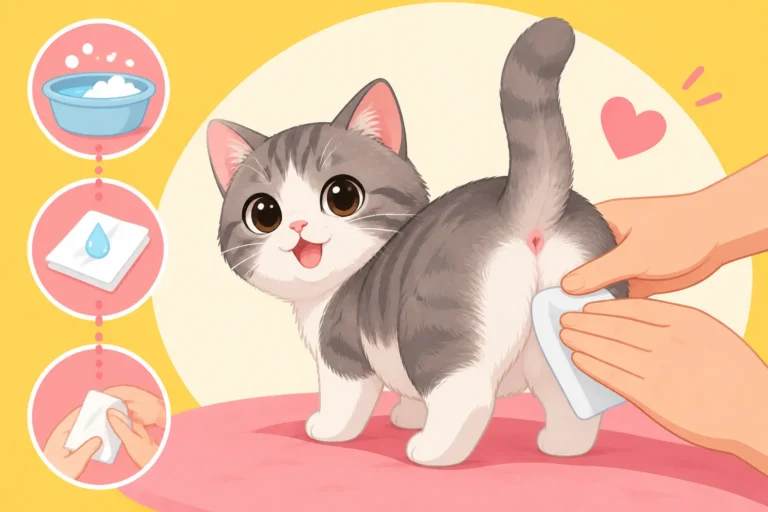
Even with a sanitary clip, sometimes accidents happen, or a particularly sticky litter box visit leaves a residue. That's why having pet-friendly grooming wipes on hand is a game-changer. After your Munchkin uses the litter box, especially if you notice them doing a little "wiggle-walk" afterwards, take a moment to gently check their hindquarters.
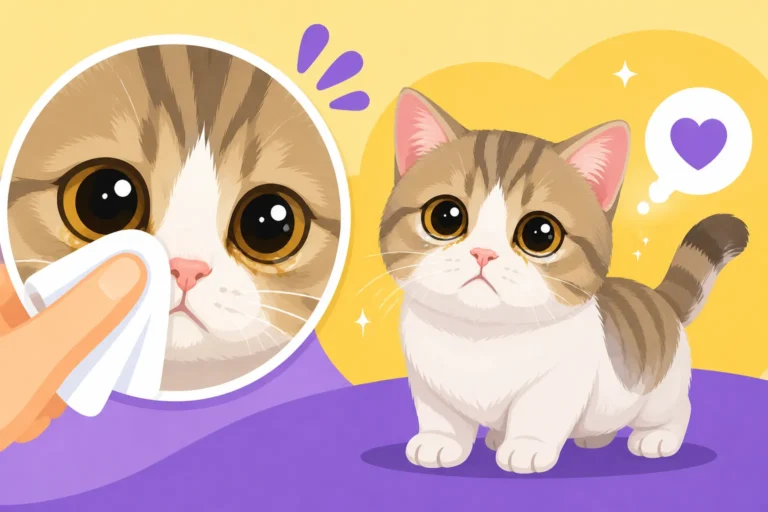
If there's any visible soiling, gently wipe the area clean with a pet wipe. Be thorough but gentle, ensuring you remove all traces of fecal matter. Don't rub too hard, as this can irritate delicate skin. For more stubborn messes, a damp cloth with a tiny bit of pet-safe shampoo (and a thorough rinse) might be needed. This quick clean-up prevents small messes from drying and hardening into painful mats or causing bacterial growth. It's a proactive step that makes a huge difference in their daily comfort.
Dealing with Mats and Tangles in the Hindquarters
Mats in the hindquarters are particularly problematic. They can be incredibly painful, pulling on the skin with every movement, and are a breeding ground for skin issues. If you discover a mat, resist the urge to pull or yank at it. This will only cause pain and make your cat averse to future grooming.
Instead, start by gently teasing the mat apart with your fingers. Then, use a wide-toothed comb, working from the outside edges of the mat inwards, one small section at a time. A mat splitter tool can also be very useful, carefully cutting through the mat without getting too close to the skin. For really dense, tight mats, especially those close to the skin, it's always best to seek professional help. A vet or professional groomer has the tools and expertise to safely remove them without causing injury or undue stress to your cat. Never try to cut out a mat with sharp scissors unless you are absolutely confident in your ability, as it’s all too easy to snip skin.
Tackling Belly and Under-carriage Care
The belly and undercarriage might not get as visibly soiled as the hindquarters, but they are still a prime area for mats, especially for Munchkins whose bellies often sit closer to the floor. Regular attention to this area is key to preventing discomfort and maintaining overall skin health.
Preventing and Removing Belly Mats
Belly mats are sneaky. They often start as small tangles in the soft, fine fur of the abdomen and can quickly become large, dense felt-like patches if not addressed. Because the belly is so vulnerable to friction from walking and lying down, these mats can be particularly painful and can restrict movement.
The best defense is a good offense: regular brushing. Gently lay your Munchkin on their back (if they tolerate it) or hold them securely on their side, and use a slicker brush or a fine-toothed comb to work through the fur. Pay extra attention to the areas where the legs meet the body and along the centerline of the belly. If you find a small tangle, try to gently tease it apart with your fingers first, then use a comb. For larger mats, a mat splitter can be effective, but again, caution is key. If the mat is tight against the skin, consider professional help. How to Reach Under a Munchkin's Legs is essential reading for this task.
Addressing Skin Irritations and Sores
Because their belly often brushes against surfaces, Munchkins can be more prone to minor skin irritations or even small sores from constant rubbing, especially if their fur is not kept clean and mat-free. Regular grooming sessions for the belly aren't just about removing hair; they're also an opportunity to inspect the skin underneath.
Look for any redness, bumps, scabs, or signs of inflammation. If you notice any unusual patches or sores, gently clean the area with a pet-safe antiseptic wipe (avoiding alcohol-based products, which can sting). If the irritation persists, worsens, or your cat seems to be in pain, it's time for a vet visit. Early detection of skin issues can prevent them from escalating into more serious infections that require medication.
Keeping Legs and Paws Clean
While their short legs are the reason for their grooming challenges, the legs and paws themselves still need attention. A Munchkin’s paws might pick up more dirt and debris from the floor, and the fur on their legs can mat, particularly if it's long.
Regularly check between their toe beans for any stuck litter, dirt, or foreign objects. Use a damp cloth to wipe down their paws after they’ve been particularly active or if you notice them tracking something. For longhaired Munchkins, trim the fur that grows excessively between their paw pads. This prevents slipping on smooth floors and reduces the amount of debris they track into the house. Also, keep an eye on their claws. Trimming a Munchkin's Claws Without Twisting Its Legs covers the best way to handle nail care. A consistent paw care routine contributes to their overall cleanliness and comfort, ensuring their foundation is stable and free from irritation.
Preventative Measures and Daily Routines
The key to successful Munchkin grooming isn't just reacting to problems; it's about prevention. Establishing a consistent routine and making a few strategic adjustments to their environment can dramatically reduce the occurrence of mats and hygiene issues, making life easier and more pleasant for both of you.
Establishing a Positive Grooming Routine Early
The earlier you start with a grooming routine, the better. If you bring home a Munchkin kitten, begin gentle brushing and handling sessions from day one. Make it a positive experience with treats, praise, and short sessions. This helps them associate grooming with pleasant sensations and builds trust. Even if you have an older Munchkin, it’s never too late to start, but you might need more patience and go slower.
Aim for a quick daily brush for longhaired Munchkins, focusing on those problem areas. For shorthaired Munchkins, a few times a week might suffice, but still include daily checks of the hindquarters. Consistency is more important than duration. A five-minute daily session is far more effective than an hour-long battle once a month. This regular interaction also gives you the chance to spot any changes in their skin or coat early on. Getting a Munchkin Used to Being Groomed on Its Back gives more ideas on how to acclimate your cat.
Environmental Adaptations to Aid Grooming
A Munchkin-friendly home isn't just about ramps and low furniture; it's also about things that contribute to cleanliness. One of the biggest challenges is the litter box. A Munchkin needs a litter box it can easily walk into without straining or creating a bigger mess.
- Low-entry litter boxes: Opt for boxes with a very low front lip. Many senior cat litter boxes are perfect for Munchkins. This allows them to step in without having to hop over a high side, reducing the chance of them dragging their belly or hindquarters over the edge and collecting litter or waste. Which Litter Box a Munchkin Can Actually Enter is a helpful resource.
- Appropriate litter type: Some litters are notorious for sticking to fur. Consider a fine-grained, low-dust, and non-clumping litter, or one specifically designed to be non-stick. This minimizes the amount of material that can get caught in their belly fur or around their rear.
- Cleanliness of environment: Regular vacuuming and sweeping helps reduce the amount of dust and debris their low-slung bellies can pick up. A clean home means a cleaner cat!
These small environmental changes can make a huge difference in the frequency and severity of grooming issues.
The Role of Diet in Coat Health
You might not immediately connect diet with grooming, but what your Munchkin eats plays a significant role in the health and quality of their coat. A well-nourished cat will have a shinier, healthier coat that is less prone to excessive shedding and matting.
Look for high-quality cat food with a good source of animal protein as the first ingredient. Many premium cat foods also include beneficial fatty acids like Omega-3 and Omega-6, which are excellent for skin and coat health. These essential fats help maintain skin elasticity and produce a lustrous coat that is more resilient to tangles.
Conversely, a poor diet can lead to a dry, brittle coat that is more susceptible to matting and skin problems. If you're struggling with persistent coat issues, it's always worth discussing your cat's diet with your veterinarian. They might recommend specific supplements or a change in food to support optimal coat health, making your grooming tasks a little easier.
When to Call in Professional Help
As dedicated as we are to our furry companions, there are times when a situation is simply beyond our abilities, or when it's just safer and less stressful to let a professional handle things. Recognizing these moments isn't a sign of failure; it's a sign of responsible pet ownership.
Recognizing When Mats Are Too Severe
Sometimes, despite our best efforts, a mat can become too severe for home removal. This often happens when a mat is:
- Large and dense: Spanning a significant area of the body or feeling like a hard, impenetrable lump.
- Tight against the skin: Making it impossible to get a comb or even scissors underneath without risking cutting the skin.
- Causing pain: If your Munchkin cries out, hisses, or becomes aggressive when you try to touch the mat, it's definitely time for a professional.
- Located in a sensitive area: Such as close to the genitals, armpits, or deep on the inner thighs.
Attempting to remove these types of mats at home can cause immense pain, skin lacerations, and trauma to your cat, making future grooming nearly impossible. A professional groomer or vet can often remove these mats safely, sometimes even under light sedation if necessary, which is far kinder than a prolonged, painful struggle at home.
Dealing with Aggression or Anxiety During Grooming
Some cats, no matter how gently you try, simply do not tolerate grooming. This could be due to past negative experiences, a naturally anxious temperament, or underlying pain that makes touching certain areas unbearable. If your Munchkin becomes consistently aggressive (biting, scratching, growling) or extremely anxious (hiding, trembling, panting) during grooming sessions, it’s a clear signal that you need assistance.
Pushing through this kind of resistance can damage your bond and make the situation worse. A professional groomer often has techniques, equipment, and a calm demeanor that can help manage anxious cats. If the aggression is severe or linked to suspected pain, a vet should be consulted first to rule out any medical issues. They might also be able to prescribe mild sedatives for grooming if behavioral modification isn't enough.
Regular Professional Hygiene Trims
Even if you're comfortable with basic brushing, many Munchkin owners find it incredibly helpful to schedule regular professional hygiene trims. This is particularly true for longhaired Munchkins who are prone to more frequent matting and soiling.
A professional groomer can provide a precise sanitary clip, trim belly fur, and expertly remove any burgeoning mats in those difficult-to-reach areas. They can also advise you on the best tools and techniques for home care. Think of it as a specialized spa day for your cat that ensures their long-term health and comfort. Depending on your cat's coat type and lifestyle, a professional trim every 2-3 months might be all they need to stay pristine, alleviating much of the stress from your home grooming routine.
Long-Term Health Benefits of Consistent Grooming
Grooming isn't just about keeping your Munchkin looking neat and tidy, although that's certainly a nice bonus. Consistent, thorough grooming, especially in those areas your Munchkin can't reach, is a fundamental pillar of their long-term health and well-being. It’s an investment in their comfort, their health, and ultimately, your peace of mind.
Preventing Skin Infections and Parasites
One of the most immediate and significant benefits of regular grooming is the prevention of skin infections and the early detection of parasites. When fur becomes matted, it creates a warm, moist, dark environment underneath that is ideal for bacterial and fungal growth. This can lead to painful skin infections, hot spots, and general irritation. The lack of air circulation under mats makes skin unhealthy and vulnerable. How Skin Problems Start Under a Munchkin's Mats highlights this risk.
Furthermore, frequent brushing and inspection allow you to spot fleas, ticks, or other external parasites before they become a major infestation. Catching them early means faster treatment and less discomfort for your cat. Imagine trying to find a tiny flea in a dense, matted patch of fur versus a neatly groomed area – it's a night and day difference. Regular grooming is your first line of defense against these common irritants.
Early Detection of Health Issues
Your grooming routine is more than just fur care; it’s a full-body health check. As you run your hands over your Munchkin's body, you're feeling for anything unusual. This tactile examination can alert you to:
- Lumps or bumps: New growths that might warrant a vet visit.
- Skin lesions: Cuts, scabs, or rashes that indicate injury or infection.
- Swelling: Especially around joints, which could indicate inflammation or arthritis. How Arthritis Shows in a Munchkin's Front Legs might be relevant here as well.
- Painful spots: Areas where your cat flinches or reacts negatively, potentially indicating muscle strain or underlying discomfort.
Many serious health conditions, from skin cancer to internal issues, can manifest with subtle external signs. By being intimately familiar with your Munchkin's body through regular grooming, you become attuned to these changes, enabling you to seek veterinary attention much sooner than if you only noticed a problem when it became visually obvious or caused severe symptoms.
Enhancing Comfort and Quality of Life
Ultimately, the goal of all this dedicated grooming is to provide your Munchkin with the best possible quality of life. A cat that is free from painful mats, clean in all its parts, and has healthy skin and coat is a comfortable, happy cat. They can move freely, without the drag and pull of matted fur. They can lie down without discomfort, and they won't be constantly irritated by trapped debris or soiled fur.
A well-groomed Munchkin is also less likely to experience secondary behavioral issues arising from discomfort, such as irritability, hiding, or reluctance to be handled. They'll be more playful, more affectionate, and generally more content. Your active role in their hygiene isn’t just a chore; it's an act of love that directly translates into their daily joy and overall well-being. It helps them live their full, quirky, and beloved lives to the fullest.
| Grooming Task | Frequency | Tools Needed | Benefits |
|---|---|---|---|
| Full Body Brushing | Daily (longhair), 2-3x/wk (shorthair) | Slicker brush, metal comb, rubber curry brush | Prevents mats, removes loose fur, stimulates skin, strengthens bond |
| Hindquarter Check | Daily | Pet wipes, blunt-tipped scissors, small clipper | Prevents soiling, reduces odor, prevents skin infections |
| Belly Inspection | Daily-Every other day | Slicker brush, fine-toothed comb | Prevents belly mats, checks for skin irritation |
| Paw & Nail Care | Weekly-Bi-weekly | Nail clippers, damp cloth, small scissors | Prevents ingrown nails, removes debris, reduces tracking dirt |
| Sanitary Clip | Monthly-Quarterly (as needed) | Quiet clippers with guard, blunt scissors | Drastically reduces risk of fecal matting and skin issues |
| Professional Grooming | As needed (for severe mats/trims) | Professional groomer | Safe removal of severe mats, expert hygiene trims, stress reduction |
Disclaimer
This article is for general informational purposes only and does not constitute professional advice. Laws, prices and regulations vary by location and change over time. Consult a qualified professional for guidance on your specific situation.