Trimming a Munchkin’s Claws Without Twisting Its Legs
One of the most common anxieties I hear from fellow Munchkin cat parents is about nail trimming. It’s not just a tricky task with any cat; when your sweet, short-legged companion is squirming, the fear of accidentally twisting their delicate legs or causing discomfort to their spine can feel overwhelming. Many of us worry about causing pain or future problems, turning a routine grooming task into a source of dread. This comprehensive guide is here to walk you through stress-free, safe techniques for trimming your Munchkin's claws, focusing on their unique anatomy to ensure their comfort and long-term health.
The Unique Challenges of Munchkin Nail Trimming
Let's be honest, getting a cat to cooperate for a nail trim is often a battle of wills. But with a Munchkin, there's an added layer of concern that goes beyond just dealing with a grumpy feline. Their distinctive physical characteristics mean we, as their caregivers, need to be extra mindful of how we handle them during this essential grooming task. It's not just about getting the job done, but about protecting their unique anatomy.
Understanding Their Anatomy: Why It's Different
A Munchkin cat's defining feature, of course, is their delightfully short legs. This isn't just a cosmetic trait; it profoundly impacts how they move, bear weight, and interact with their environment. While their legs are short due to a dominant genetic mutation, it's crucial to remember that their spine is typically of normal length. This normal-length spine sitting atop shorter legs means their posture and weight distribution are inherently different from a long-legged cat. Imagine a standard-sized bookshelf standing on shorter legs – the principles of balance and leverage shift.
Because their legs are proportionally shorter, Munchkins often have a slightly lower center of gravity. This might make them surprisingly agile on flat surfaces, but it also means their limb joints, especially the shoulders and elbows, bear a considerable amount of impact from everyday activities like running, pouncing, and even just getting around. When you're holding them for a nail trim, any twisting or awkward positioning can put unnatural stress on these already working joints. We're talking about limbs that are already absorbing a lot of the shock and strain of daily life. For instance, you might notice that a Munchkin's front legs can sometimes appear a little bowed, which is a normal aspect of their conformation, but it underscores how their limb structure is optimized for their short stature, not for being twisted into unnatural angles. Keeping their joints healthy is paramount for their quality of life, and improper handling during a nail trim can unfortunately contribute to issues like arthritis over time. How Arthritis Shows in a Munchkin's Front Legs
The Risk of Joint Strain and Spinal Discomfort
This unique anatomical setup means incorrect handling during a nail trim isn't just a minor inconvenience; it carries a very real risk of causing strain to their joints and spine. Unlike a long-legged cat where you might be able to easily stretch out a leg to get to the claw, forcing a Munchkin's leg into an unnatural position can twist their shoulder or hip joints. Their shoulders, in particular, are prone to wear and tear over their lifespan due to their physiology. Why a Munchkin's Shoulders Wear First If you're trying to reach their claws by twisting their entire paw or leg, you could be pushing these joints beyond their comfortable range of motion.
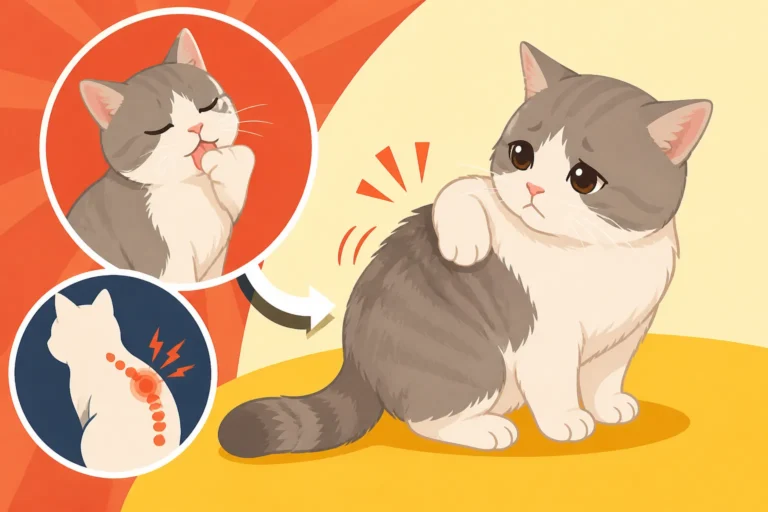
Furthermore, any sustained, awkward posture that puts torque on their torso can affect their spine. While a Munchkin's spine itself is generally healthy and of normal length, it's still susceptible to strain if held improperly, especially if there are any underlying predispositions. Some Munchkins, though not all, can be prone to conditions like lordosis, which is a curvature of the spine. Even in cats without such conditions, sustained twisting can be uncomfortable or even painful, leading to a negative association with nail trimming. The goal is always to keep their body as aligned and supported as possible, just as you would want your own back to be supported when performing a task that requires precision. Think of it this way: if a long-legged cat's leg is a long lever, a Munchkin's is a short one. The shorter the lever, the less forgiving it is to awkward twists at the joint. We want to avoid causing any unnecessary stress that could lead to discomfort or even necessitate pain relief in the future. What Pain Relief a Stiff Munchkin Can Take
Preparing for a Stress-Free Claw Clipping Session
Getting ready for a successful nail trim is half the battle, especially with a Munchkin. It’s not just about having the right tools, but about setting the stage for a calm experience that minimizes stress for both you and your cat. A little preparation goes a long way in turning a potentially fraught chore into a manageable routine.
Gathering the Right Tools for Tiny Paws
The first step is arming yourself with the proper equipment. Not all cat nail clippers are created equal, and for a Munchkin's smaller, often more delicate paws, selecting the right type can make a significant difference in ease and safety.
You'll generally find a few types on the market:
- Scissor-style clippers: These are often favored for their precision, much like a tiny pair of scissors. They allow you to see exactly where you're cutting and are generally easy to handle for smaller paws. Many cat parents find these intuitive to use.
- Guillotine clippers: These work by placing the nail through a small hole and then squeezing a handle, which brings a blade down to cut the tip. Some people prefer the leverage they offer, but they can be bulkier and sometimes harder to position precisely on a Munchkin's paw, especially for those tiny back claws.
- Nail grinders/dremels: While not strictly clippers, these battery-operated tools file down the nail. They are excellent for cats who are terrified of the clipping sensation, but they require a very gradual introduction due to the noise and vibration. For a Munchkin, the vibration might be less of a concern than with a long-legged cat, but ensuring it doesn't cause any spinal discomfort from prolonged holding is key.
For Munchkins, I generally lean towards the smaller, sharp scissor-style clippers. They allow for delicate maneuvering around their short legs and small toe beans. The key is sharpness. Dull clippers can crush the nail, which is painful and frightening for your cat. Replace them regularly or sharpen them if possible. Many reputable pet supply retailers, like Chewy or Amazon, offer a wide range of these clippers, so you can compare options and find one that feels comfortable in your hand and is appropriately sized for your cat's paws.
Beyond the clippers, make sure you have:
- Styptic powder: This is an absolute must-have. Accidents happen, and if you cut too far into the quick (the sensitive part of the nail with nerves and blood vessels), styptic powder will quickly stop the bleeding. Cornstarch can also work in a pinch.
- High-value treats: These are your secret weapon for positive reinforcement. Think small, delicious, and easy-to-eat morsels that your Munchkin absolutely loves. You'll be using these generously!
- A soft towel or blanket: This can be used to wrap your cat gently if they’re a bit squirmy, providing a sense of security without restricting their movement too much.
Creating a Calm Environment and Routine
Your environment plays a huge role in how cooperative your Munchkin will be. Imagine trying to get a pedicure in a chaotic, noisy room – not relaxing, right? Your cat feels the same way.
- Choose a quiet, familiar space: A calm room where your cat already feels safe is ideal. Avoid high-traffic areas, loud noises, or distractions like other pets or children. Your lap while you're relaxing on the sofa, or a quiet spot on a low, stable table (with a soft mat for grip!) can work wonders.
- Mind the lighting: Ensure you have good lighting so you can clearly see the nails and the quick, but avoid harsh, glaring lights that might stress your cat. Natural light is often best.
- Establish a routine: Cats thrive on routine. Try to pick a consistent time for nail trims – maybe when they’re naturally sleepy after a meal, or during a quiet evening cuddle session. Consistency helps them anticipate the process and reduces anxiety.
- Start young (if possible) and desensitize: If you have a Munchkin kitten, start handling their paws gently and frequently from a young age. Touch their toe beans, gently extend a claw, and immediately reward with a treat and praise. Do this often, even if you’re not trimming. The goal is to make paw handling a normal, positive experience, so that when the clippers come out, it's not a shock. Even with an older cat, you can gradually desensitize them. Start with just touching their paws, then progress to holding a paw, then showing the clippers, then clipping one nail, all with copious rewards. Slow and steady wins the race here. Building this foundation of trust and positive association is key to a lifetime of easier grooming.
Gentle Handling Techniques to Protect Their Legs and Spine
This is where the rubber meets the road. How you physically hold and position your Munchkin during a nail trim is critical for their comfort and safety. We want to avoid any twisting or strain on their unique anatomy.
Choosing the Best Position for Your Munchkin
The primary goal is to keep your Munchkin's spine in a natural, aligned position and to support their body weight without putting stress on their short limbs. Forget the "cat burrito" or holding them suspended in mid-air unless absolutely necessary and done with extreme care.
Here are a few positions that tend to work well:
- On your lap, facing away from you: This is often a go-to. Sit comfortably, place your Munchkin on your lap so their back is against your stomach/chest. This provides excellent spinal support. Their hindquarters are nestled in your lap, and their front paws are accessible. You can use one arm to gently steady their body while the other hand works on the paws. Make sure their body isn't sagging or bending awkwardly.
- On your lap, lying on their side: For some cats, especially those more relaxed, having them lie on their side across your lap can be comfortable. Again, ensure their spine is straight and fully supported by your thighs. This allows you to access both the front and back paws on one side without having to significantly reposition them.
- On a low, stable table with a non-slip mat: If your Munchkin is comfortable on a table (or you have a second person to help), a low table can work. Crucially, it must have a non-slip surface like a yoga mat or a rubber bathmat to prevent slipping, which could cause them to splay their legs or twist their spine. The table should be low enough that you don't have to bend over excessively, putting strain on your own back or creating an awkward angle for your cat. A second person can gently hold your Munchkin, keeping them calm and preventing them from jumping off, while you focus on the claws.
- "Cuddled" in the crook of your arm, facing outwards: For very small or timid Munchkins, holding them gently but securely in the crook of your arm, with their back against your forearm and their head tucked near your elbow, can make them feel safe. Their front paws will be accessible, and their back will be supported. Just make sure their short legs aren't dangling in a way that puts strain on their shoulder joints.
The positions to avoid are those that force your Munchkin's body into contorted shapes, or where they are suspended in a way that their short legs are left dangling and straining their joints. Imagine trying to get a manicure while someone holds your arm twisted behind your back – that’s how a cat might feel if their legs are bent or twisted unnaturally. The more their body feels secure and aligned, the less resistance you'll likely encounter. Remember, ramps and steps are not just for getting around the house; they reflect a general principle of supporting your Munchkin's natural movement and posture. Ramps and Steps Are Munchkin Equipment, Not Luxuries
Mastering the Grip: Supporting Each Paw Safely
Once you have your Munchkin in a good position, the next critical step is how you handle each individual paw. This is where you prevent accidental twisting of their short legs.
- Approach with a gentle, confident hand: Don't grab their paw suddenly. Slowly and calmly reach for it, speaking in a soothing voice.
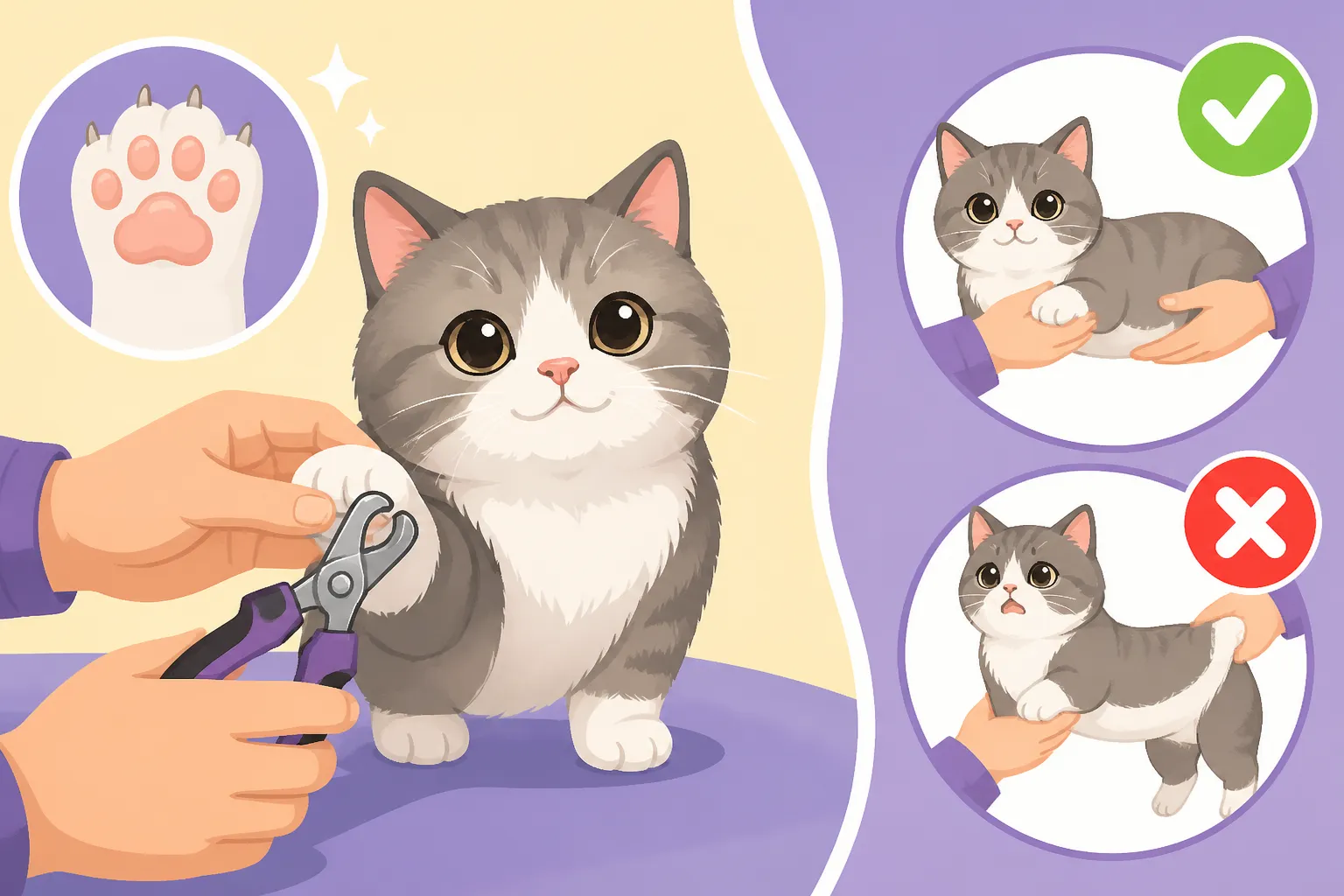
- Support the entire paw: Instead of just grabbing a single toe, gently hold the entire paw in your non-dominant hand. Your thumb should rest on top of the paw, and your fingers underneath, cradling the paw and giving it full support. This distributes the pressure and prevents individual toes or joints from bearing all the force.
- Isolate one toe: With your thumb on top and forefinger underneath, gently push down on the toe pad while simultaneously pushing your thumb up on the top of the toe. This action will extend the claw. The key here is gentleness. You're not forcing it; you're encouraging the claw to emerge.
- Keep the leg straight: As you extend the claw, pay close attention to the entire leg. Ensure you are not twisting the leg at the elbow, wrist, or shoulder joint. The leg should remain in as natural and straight an alignment as possible. You are moving the paw, not torquing the leg. This is especially important for the front legs, which are often bowed and carry significant weight.
- Focus on controlled movement: Each movement should be deliberate and slow. If your Munchkin pulls back, don't yank. Release the paw, give them a moment, a reassuring stroke, and try again when they're calmer. Patience is your best friend here.
- Avoid holding by the front legs: This is a crucial rule for handling Munchkins in general, but especially during grooming. Never lift or hold a Munchkin solely by their front legs, or allow their full body weight to hang from them. This puts immense strain on their shoulder and elbow joints and can easily lead to injury or chronic pain. Think of the analogy of carrying a heavy bag by a single strap – eventually, the strap will give, or your shoulder will ache. For a Munchkin, whose leg structure already bears a lot of impact, this kind of handling is a definite no-go (see Why a Munchkin Should Never Be Held by the Front Legs). The techniques described above ensure you're supporting the whole paw and leg, rather than putting all the stress on fragile joints.
By mastering this gentle, supportive grip, you'll be able to extend each claw for trimming without causing any uncomfortable twisting or strain on your Munchkin's delicate short legs or spine. How to Hold a Munchkin for a Nail Trim
The Step-by-Step Trimming Process
Once your Munchkin is comfortably positioned and you've mastered the gentle grip, it's time to actually make the cut. This part requires a steady hand, good lighting, and a clear understanding of your cat's nail anatomy.
Identifying the Quick and the Safe Zone
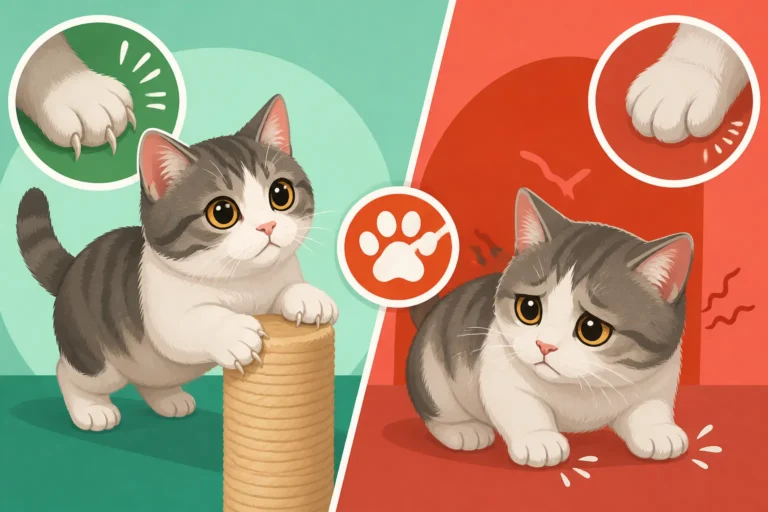
This is perhaps the most crucial part of safe nail trimming. Inside each of your cat's claws is something called the "quick." The quick is a soft, fleshy part that contains blood vessels and nerves. If you cut into the quick, it will bleed and be painful for your cat, making them understandably resistant to future trims. Our goal is to avoid the quick at all costs.
- For clear or light-colored claws: This is usually easier. The quick will appear as a pinkish area inside the translucent claw. You'll see the clear, sharp tip, then the pink quick starts further up. Your aim is to cut only the clear, hooked tip, staying a couple of millimeters away from the visible quick. It’s always better to take off too little than too much.
- For dark or black claws: This is where it gets trickier, as the quick isn't visible. In this case, you'll need to make very small cuts. Look at the underside of the claw; you'll typically see a soft, gray or whitish area in the center of the nail, surrounded by a harder outer shell. As you trim tiny slivers off the very tip, watch for a small, dark dot appearing in the center of the cut surface. This dot indicates you're getting close to the quick. Stop immediately if you see this, or if the cut surface begins to look moist. When in doubt, always trim less. You can always take another tiny bit off later.
The "safe zone" is the very tip of the claw, the sharp, often hooked part. This is the dead keratin that needs to be removed. Removing this tip helps prevent overgrowth, which can lead to nails curling into the paw pads (painful!) or getting snagged on furniture and carpets. For a Munchkin, whose low stature means their claws might naturally touch the ground more often on some surfaces, maintaining appropriate length is even more important for comfortable movement and avoiding strain.
A Paw at a Time: Pacing and Rewards
Once you know where to cut, it's time to take action. Remember that phrase: "patience is a virtue"? Nowhere is it more true than with cat grooming.
- Clip only the tip: With the clipper blade positioned to cut only the sharp tip, make a quick, clean cut. Be decisive to ensure a clean break, not a crush. If using scissor-style clippers, ensure the blade is perpendicular to the claw to avoid splitting.
- Pace yourself: Do not feel pressured to trim all twenty claws (or even all claws on one paw) in a single session, especially when you're both learning. For a new or anxious Munchkin, start with just one or two claws, or even just the front paws. Their back claws often wear down more naturally from scratching, though this isn't always the case.
- Reward, reward, reward: Immediately after each successful clip (or even after successfully extending a claw without a clip), offer a high-value treat and lavish praise. “Good kitty! Smart cat!” This positive reinforcement creates a strong association between nail trimming and delicious rewards. Look for fantastic high-value cat treats at pet stores or online.
- Observe for stress cues: Pay close attention to your Munchkin's body language. Signs of stress include:
- Tail lashing
- Flattened ears or ears rotated sideways
- Tensing up or trying to pull away forcefully
- Growling, hissing, or biting
- Excessive licking of their lips or yawning (stress signals)
If you see these signs, it's time for a break. Push yourself too far, and you'll undo all your progress in building trust and positive associations. Stop the session, give them cuddles, and try again later, or even the next day. Sometimes, splitting the task over several days – front paws one day, back paws another – works best to keep stress levels low. The ultimate goal is a cat that tolerates, rather than fears, nail trims, and that means respecting their boundaries.
By following these steps, you'll gradually build up your Munchkin's tolerance and cooperation, making nail trimming a much less daunting task for both of you.
Troubleshooting Common Nail Trimming Woes
Even with the best preparation and technique, there will be days when your Munchkin just isn't having it. It's totally normal for cats to resist, and it doesn't mean you're doing anything wrong. Learning how to navigate these challenges calmly is part of being a good pet parent.
Dealing with Fear and Resistance
A Munchkin who hates nail trims isn't uncommon. Maybe they had a bad experience before, or they're just naturally more sensitive. Whatever the reason, forcing the issue will only make things worse.
- Slow down, even more: If your Munchkin is severely resistant, go back to basics. Don't even bring out the clippers for a while. Focus purely on positive paw handling. Sit with your cat, gently stroke their paws, massage their toe beans, and immediately give a treat and praise. Do this several times a day for short periods. The goal is to make paw touches a normal, pleasant thing.
- Gradual reintroduction: Once they tolerate paw touches, introduce the clippers without actually clipping. Let them sniff the clippers, lay them near their paw, and give treats. Then, try extending a claw, treat. Only when they are relaxed with these steps should you attempt a single clip, followed by a jackpot of treats and affection.
- Involve a second person: Sometimes, having an extra set of hands makes all the difference. One person can gently hold and distract the Munchkin with treats or toys, while the other focuses on trimming. This can often alleviate stress, as the cat doesn't feel restrained by the person who is also performing the "scary" task.
- Consider professional help: If your Munchkin is truly uncooperative, aggressive, or you feel completely overwhelmed, don't hesitate to seek professional help. A vet tech or professional groomer has experience with difficult cats and can often get the job done quickly and safely. They can also demonstrate techniques for you to try at home. For some cats, a vet might even suggest mild sedative options if nail trims are causing extreme stress and becoming a welfare issue due to overgrowth.
- Never punish: Punishment will only make your cat associate you and the clippers with negative experiences, increasing their fear and resistance. Remain calm, patient, and positive, even if you don't get a single nail clipped. It's about building trust, not winning a fight. Remember that for a Munchkin, who can't easily climb away from a perceived threat, feeling cornered during a grooming session can be particularly distressing.
Avoiding the Quick: What to Do If It Happens
Cutting the quick is upsetting for both you and your cat. It's painful for them, and the sight of blood can be alarming for you. But it happens, especially with dark nails, and it’s important to know how to react calmly.
- Don't panic: Your cat will sense your anxiety. Take a deep breath.
- Apply styptic powder immediately: This is why you keep it handy! Press a small amount of styptic powder directly onto the bleeding quick. Apply gentle, firm pressure for about 30 seconds to a minute. The powder contains agents that help clot the blood quickly. If you don't have styptic powder, cornstarch or flour can work as an emergency alternative, though less effectively.
- Reassure your cat: Speak in a calm, soothing voice. Offer a high-value treat to redirect their attention and try to turn the experience into something positive again. Don't resume trimming other nails immediately. Give them a break, some cuddles, and let them calm down.
- Monitor the claw: Once the bleeding has stopped, keep an eye on the claw for the next few hours to ensure it doesn't start bleeding again.
Accidentally quicking a nail can set back your training, so focus on rebuilding trust. Don't force another trim for a few days. When you do try again, start with the most cooperative paw, and perhaps just one nail, heavily reinforcing with treats. The table below summarizes what to do if you encounter a bleeding quick.
| Action | Description | Why It Helps |
|---|---|---|
| Stay Calm | Your cat will mirror your emotions. Panicking will only stress them further. | Reduces cat's anxiety, prevents escalation. |
| Apply Styptic Powder | Press powder firmly onto the bleeding quick for 30-60 seconds. | Quickly stops bleeding from the injured quick. |
| Reassure & Reward | Speak gently, offer a favorite treat. | Helps create a positive association, even after a negative incident. Redirects focus from pain. |
| Stop the Session | Do not attempt to trim more nails immediately. | Prevents further stress and potential injury. Allows the cat to recover. |
| Monitor | Check the claw periodically to ensure bleeding has stopped and doesn't restart. | Ensures the wound closes properly and prevents further complications. |
Learning how to gracefully handle these moments of resistance or accidental quicking is part of the journey. It shows your Munchkin that even when things go wrong, you are a source of comfort and safety, not further distress.
Long-Term Care and Preventative Measures
Nail trimming, while a specific task, is really just one piece of the puzzle when it comes to the holistic care of your Munchkin. By integrating it into a broader routine of grooming and health maintenance, you ensure their overall well-being and make these tasks easier in the long run.
The Role of Regular Grooming in Overall Health
Beyond just their claws, regular grooming sessions play a vital role in building trust, familiarizing your Munchkin with being handled, and preventing other health issues. For a short-legged cat like a Munchkin, this is especially important because there are certain areas they simply can't reach to groom themselves effectively.
- Brushing: Regular brushing, even for short-haired Munchkins, removes loose fur, prevents matting, and stimulates circulation. It's a wonderful bonding activity and gets your cat used to being touched all over their body. How Often to Brush a Munchkin's Back This makes them more tolerant when you need to handle their paws for a trim or examine their belly.
- Checking their hindquarters: Due to their low stature, Munchkins can sometimes struggle to clean their hindquarters thoroughly after using the litter box. Regular checks and, if necessary, gentle cleaning or even a sanitary trim, can prevent mats, fecal accumulation, and skin irritation. Getting a Mat Out of the Part a Munchkin Cannot Reach This area is prone to matting, which can be very uncomfortable.
- Belly checks: Similarly, their belly fur can sometimes drag on the ground or become soiled. Weekly checks help you catch any skin issues, mats, or even parasites early. Why a Munchkin's Belly Needs Checking Weekly
- Ear and eye cleaning: Incorporating gentle ear checks and eye wiping (if needed) into your routine helps build a comprehensive comfort level with handling.
The more familiar and comfortable your Munchkin is with being handled and groomed, the less stress they will experience when it comes to specific tasks like nail trimming. These sessions reinforce that your touch is safe and loving, not something to fear.
Maintaining Joint Health to Support Mobility
Ultimately, the goal of careful nail trimming is to support your Munchkin's overall comfort and mobility throughout their life. Their short legs mean their joints are constantly working, and maintaining their health is paramount.
- Weight control: This cannot be stressed enough. Every extra gram of weight on a Munchkin's frame puts additional strain on their short legs and spine. Obesity can exacerbate any predisposition to joint issues, making movement harder and potentially leading to earlier onset of arthritis. A lean body condition is critical for their long-term health. Why Weight Is More Dangerous on a Munchkin Regular vet check-ups will help you determine and maintain an ideal weight for your individual cat.
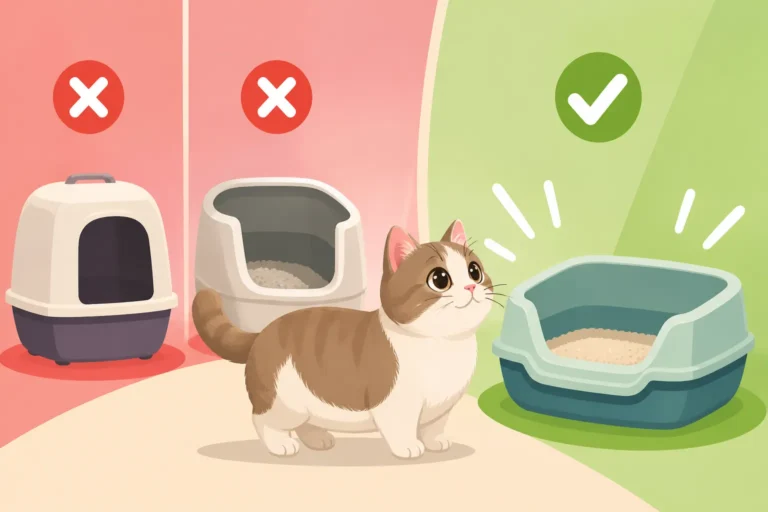
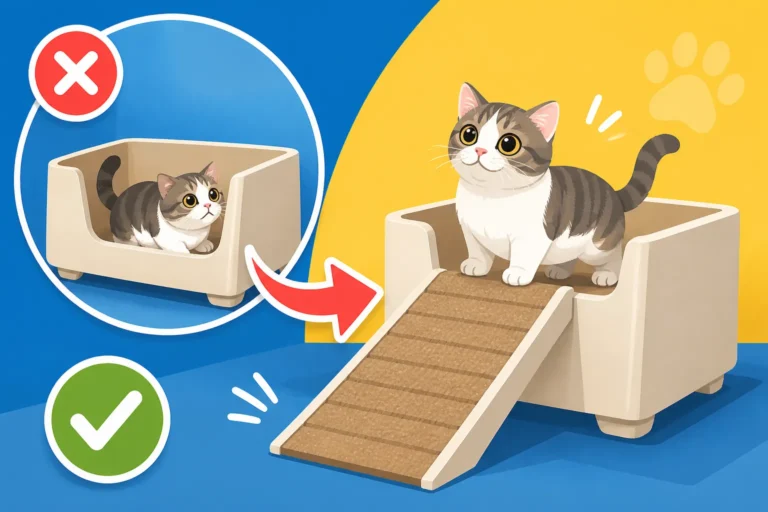
- Adapted home environment: Providing a home that caters to their short legs minimizes jumping and straining. This means ramps to sofas and beds, steps to windowsills, and low-entry litter boxes. Ramps and Steps Are Munchkin Equipment, Not Luxuries When they don't have to constantly strain or jump from heights, their joints get a much-needed break.
- Regular, gentle exercise: Encourage floor-level play to keep them active and maintain muscle tone without putting excessive strain on their joints. Interactive wand toys are excellent for this.
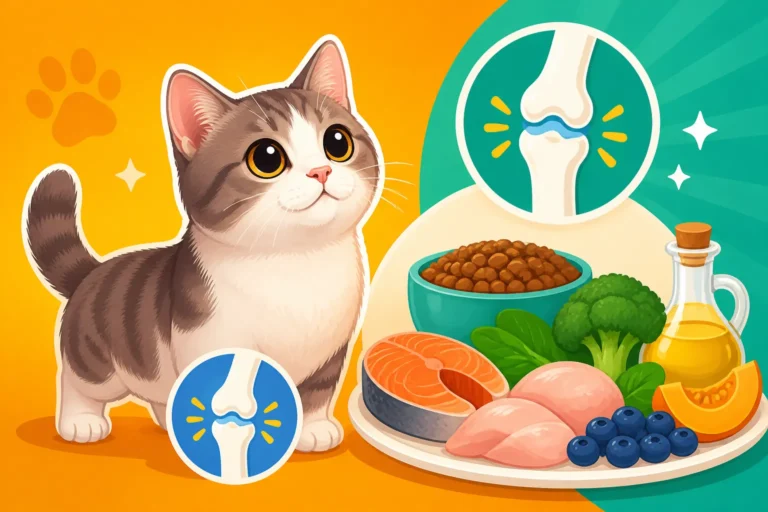
- Joint supplements (with vet approval): As Munchkins age, just like many other cat breeds, they can develop osteoarthritis. Discuss with your veterinarian whether joint supplements containing ingredients like glucosamine, chondroitin, or omega-3 fatty acids might be beneficial for your cat, especially as they enter their senior years. These can help support cartilage health and reduce inflammation.
- Early detection of discomfort: Pay attention to any changes in your Munchkin's gait, willingness to move, or reluctance to use their ramps or steps. These could be subtle signs of joint discomfort or pain. An older Munchkin who stops climbing might be experiencing pain, not just laziness. Caring for an Old Munchkin That Has Stopped Climbing Regular veterinary visits, including discussions about their mobility, are key to catching and managing potential issues early.
By combining careful nail trimming techniques with a comprehensive approach to grooming and joint health, you're not just performing a chore – you're investing in a lifetime of comfort and happiness for your beloved Munchkin. It takes effort and understanding, but the wag of a tail (or the happy purr of a well-cared-for cat) is always worth it.
Disclaimer
This article is for general informational purposes only and does not constitute professional advice. Laws, prices and regulations vary by location and change over time. Consult a qualified professional for guidance on your specific situation.