How to Check a Munchkin’s Ears Without Lifting It
It can be incredibly frustrating, and honestly, a little heartbreaking, when you know your sweet Munchkin needs a routine health check like an ear inspection, but the very act of lifting them causes them distress or you worry about their unique physical needs. Their little legs and distinct spinal structure mean that what’s a simple scoop for a regular cat can feel like a big deal for a Munchkin. This comprehensive guide is here to walk you through gentle, low-stress methods for checking your Munchkin’s ears without having to lift them, ensuring their comfort and your peace of mind.
Understanding Why Lifting a Munchkin Can Be a Challenge
For most cat owners, picking up their feline friend for a quick check-up is second nature. But if you live with a Munchkin, you know it's often not quite so straightforward. Their unique physiology, while undeniably adorable, does require a more thoughtful approach to handling, especially when it comes to things like lifting. It’s not just about them being stubborn; there are real physical reasons why they might resist, and why we, as responsible guardians, need to adapt.
The Physical Realities of Their Unique Build
Munchkins are known for their distinctive short legs, a genetic trait that affects their long bones but generally leaves their spine at a normal length. However, this doesn't mean their spine is under the same kind of load as a cat with standard-length legs. Imagine trying to carry a heavy backpack while standing on much shorter stilts – the dynamics change. When you lift a Munchkin, particularly by supporting only their chest or abdomen, you can inadvertently put strain on their lumbar region, which isn't designed to support their full body weight in that way.
This concern is amplified if your Munchkin has any predisposition to spinal conditions, which is a common discussion point within the breed. Even without a diagnosed issue, the act of lifting can feel awkward or even uncomfortable for them. They might stiffen, vocalize, or try to squirm away, signaling that this position isn't ideal. Our goal is always to minimize stress and potential discomfort, and understanding Why a Munchkin's Spine Carries a Load a Normal Cat's Does Not is crucial to developing better handling techniques. We want them to associate care with comfort, not with fear or pain.
Behavioral Resistance and Trust Building
Beyond the physical, cats, in general, are creatures of habit and often wary of being restrained or put in positions where they feel vulnerable. For a Munchkin, whose natural defense of 'running away fast' is excellent on the flat but limited when it comes to climbing to safety, feeling trapped or unable to escape can heighten their anxiety. If they've had previous negative experiences with being lifted, they'll certainly remember it.
Building trust is paramount. This means approaching them on their terms, in their space, and making the experience as positive as possible. If your Munchkin is typically vocal when they want attention or to be lifted, you'll know How Much a Munchkin Talks When It Wants Lifting, and you can use these cues to understand their comfort levels. By performing routine checks like ear inspections on their own preferred level – the floor, a low sofa, or their favorite bed – you empower them. They maintain a sense of control, which significantly reduces their stress and makes them much more cooperative. It’s about meeting them where they are, literally and figuratively, to foster a bond based on respect and gentle care.
Preparing for a Low-Stress Ear Check
Successfully checking your Munchkin's ears without lifting them starts long before you even touch their ears. It’s all about creating an environment that feels safe and predictable, and having the right tools on hand so you’re not scrambling mid-check. Think of it like setting the stage for a calm, spa-like experience, rather than a wrestling match.
Creating the Right Environment
The first step is to choose your battleground – or rather, your comfort zone. A quiet room where your Munchkin feels secure is ideal. Avoid high-traffic areas, loud noises, or other pets or children who might distract or startle them. A bathroom counter or kitchen island is typically out of the question if you’re trying to avoid lifting, so opt for the floor, a low, stable sofa, or even their own bed. These are places where they already feel safe and grounded.
Lay down a soft towel or blanket. This provides a familiar, comfortable surface and also gives them something to grip, preventing slipping which can add to their anxiety. You want them to feel completely stable. Having everything you need within arm's reach is also critical. If you have to get up and search for a cotton ball, you break the calm atmosphere and risk your Munchkin deciding playtime is over. Remember, patience and a serene setting are your best friends in this endeavor.
Essential Tools for the Task
Gathering your supplies beforehand means you can focus entirely on your cat once you begin. Here’s what you’ll typically need:
- Cat-Safe Ear Cleaner: It's vital to use a cleaner specifically formulated for cats. Human products or those designed for other animals can cause irritation. Your vet can recommend a good brand, and you can often find these at reputable pet stores or online retailers like Chewy or Amazon.
- Soft Cotton Balls or Pads: Avoid cotton swabs (Q-tips) as they can push debris further into the ear canal or even cause damage. Soft cotton balls or makeup pads are gentle and effective for wiping away discharge from the outer ear.
- Treats: High-value treats are your secret weapon! These will be used for positive reinforcement throughout the process. Think small, delicious, and easy to consume.
- Penlight or Small Flashlight (optional but helpful): Sometimes, the lighting in the room just isn't quite right, and a small, bright light can help you see clearly into the outer ear canal without needing to move your cat into harsher lighting.
- Disposable Gloves (optional): If you're dealing with a particularly dirty ear or suspect an infection, gloves can keep things hygienic.
By having these items neatly arranged and ready to go, you streamline the process, making it quicker and less stressful for both you and your Munchkin. This preparation signals to your cat that this is a calm, controlled activity, not an unexpected ambush.
Step-by-Step Guide to a Ground-Level Ear Inspection
Now that you've set the stage and gathered your tools, it's time to actually check those ears! The key here is gentleness and patience. Remember, your goal is to make this a positive experience, or at least a neutral one, so your Munchkin doesn't dread future ear checks.
Gentle Approach and Initial Observation
Begin by simply sitting or kneeling beside your Munchkin at their level. Don't immediately reach for their ears. Start with some gentle petting, offering reassuring words, and maybe even a few treats. The idea is to get them relaxed and comfortable with your presence. Once they're settled, you can begin your visual inspection.
Look at the outer ear flap (pinna) first. Is there any redness, swelling, or crusting? Does your cat seem itchy or bothered by that ear? Pay attention to any head shaking or excessive scratching in the days leading up to your check. If they are already showing signs of discomfort, approach with even more caution. A key indicator of their comfort, especially as they get older, is their gait and general body language. You might notice subtle changes in their movement if they are in discomfort, which can be linked to other issues. You can observe their posture and general mobility for signs of discomfort. How to Tell Stiffness From Old Age in a Munchkin might give you some additional cues on general well-being that can relate to ear discomfort.
The "Scoop and Peek" Method
This is where you get creative to examine the inner ear without needing to lift your cat's entire body.
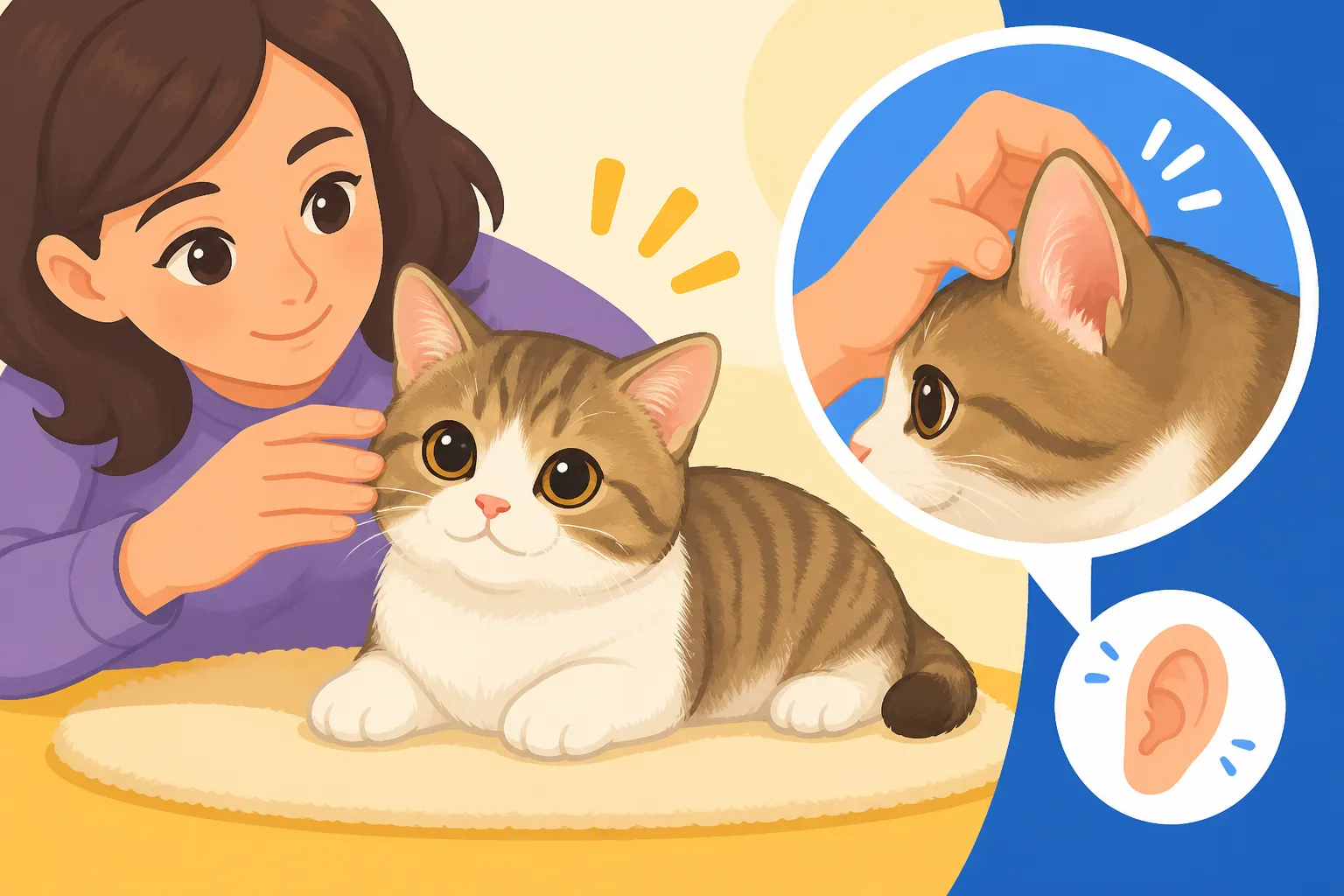
- Position Yourself: Kneel or sit on the floor next to your Munchkin. Have them facing away from you or slightly to the side, so you can easily access their ear from behind or the side.
- Gentle Head Support: With one hand, gently cup the back of your Munchkin's head, just behind their jawline. You’re not lifting, but rather providing a stable, reassuring anchor.
- Lift the Ear Flap: With your other hand, gently fold back the ear flap (pinna). You're aiming to open up the entrance to the ear canal so you can see inside. Sometimes a slight, gentle upward tilt of their head while their body remains on the floor might be necessary to get a better angle. Think of it like gently tilting a teacup to see the bottom, without lifting the whole cup off the table.
- Inspect: Use your penlight if needed to illuminate the ear canal. Take a good look at the visible parts of the ear. What color is the skin? Is there any discharge? What does it smell like?
Remember to keep the process brief and praise your Munchkin throughout, offering treats for their cooperation. If they resist too much, don't force it. You can always try again later, or even split the inspection into two short sessions.
What to Look For: Signs of Trouble
Knowing what's normal and what's not is crucial. A healthy cat ear should be clean, pale pink, and largely free of discharge or odor. There might be a small amount of light brown earwax, which is completely normal.
Here's a quick guide to what might indicate a problem:
| Sign of Trouble | Description | Potential Meaning |
|---|---|---|
| Excessive Wax | Dark brown, black, or yellowish, often greasy or crumbly. | Ear mites (often crumbly/black), yeast infection, bacterial infection, or excessive natural wax production. |
| Strong Odor | Unpleasant, yeasty, or foul smell emanating from the ear. | Yeast or bacterial infection. |
| Redness or Swelling | The inner ear flap or visible canal skin appears inflamed, redder than usual, or puffy. | Inflammation, infection, allergies, or irritation. |
| Discharge | Yellow, green, black, or thick discharge. Can be pus-like, watery, or resemble coffee grounds. | Bacterial infection (yellow/green), yeast infection (brown/yeasty), ear mites (coffee grounds). |
| Scratching/Shaking | Persistent scratching at the ears, rubbing head against furniture, or frequent head shaking. | Irritation, pain, foreign body, ear mites, or infection. |
| Pain/Sensitivity | Your Munchkin pulls away, cries, or shows aggression when their ear is touched or even approached. | Infection, inflammation, trauma, or a foreign object deep in the ear. |
If you notice any of these worrying signs, it's time to contact your veterinarian. Early detection and treatment are always best.
When and How to Clean a Munchkin's Ears Safely
Once you’ve inspected your Munchkin's ears, you might find they need a little cleaning. But it’s important to know when a simple clean is appropriate and when you should absolutely defer to a veterinary professional. Over-cleaning or improper cleaning can do more harm than good, especially for a cat whose general well-being is so tied to careful handling.
Knowing When to Intervene vs. When to See a Vet
Generally, if your Munchkin's ears appear healthy – pale pink, minimal light brown wax, no strong odor, and no signs of discomfort – they probably don't need regular cleaning. Cats are quite good at self-maintenance. However, if you observe a small amount of light brown wax accumulation or a bit of dust in the outer ear, and your cat isn't showing any other symptoms of irritation or infection, a gentle home cleaning might be okay.
When to always see a vet:
- Any signs of infection: Strong odor, redness, swelling, yellow/green/black discharge, significant pain, or persistent scratching/head shaking. These symptoms require professional diagnosis and often prescription medication.
- Presence of ear mites: The distinctive "coffee ground" discharge. Your vet will prescribe specific treatment.
- Foreign objects: If you suspect anything is lodged in the ear canal. Never try to remove it yourself.
- Unusual growths: Any lumps or bumps you observe.
- History of ear problems: If your Munchkin is prone to ear infections, always consult your vet before attempting to clean them yourself, as they might have specific recommendations or want to re-check them.
It's better to be safe than sorry. A quick call to your vet to describe what you're seeing can save your Munchkin from unnecessary discomfort and you from potentially worsening a problem. Remember, part of good care, especially for a breed with specific needs like the Munchkin, involves knowing when to seek expert help. How Often a Healthy Adult Munchkin Needs Checking will typically include a thorough ear exam by a professional.
Techniques for Gentle Cleaning
If your vet has given you the green light for home cleaning, or you're simply wiping away superficial dust, here’s how to do it gently, still without lifting your cat:
- Prep Your Munchkin and Supplies: Get your cat settled in their comfortable, low-level spot. Have your cat-safe ear cleaner and cotton balls ready.
- Apply Cleaner to Cotton Ball: Do not squirt ear cleaner directly into your Munchkin’s ear canal unless specifically instructed by your vet for a particular treatment. Instead, moisten a cotton ball or pad with the ear cleaner until it's damp, but not dripping wet.
- Clean the Visible Outer Ear: Gently fold back the ear flap (pinna) as you did for inspection. Carefully wipe the visible parts of the outer ear and the entrance to the ear canal. Use a fresh cotton ball for each wipe to avoid spreading debris or bacteria. Focus on the nooks and crannies of the outer ear.
- Avoid the Inner Canal: Never insert anything deep into your Munchkin’s ear canal. The internal structures are delicate and easily damaged. Stick to wiping only what you can clearly see and reach with your moistened cotton ball.
- Reward and Praise: Once you’ve finished, give your Munchkin lots of praise and their high-value treats. This reinforces that the experience wasn’t so bad and encourages cooperation for next time.
After cleaning, your Munchkin might shake their head. This is normal and helps dislodge any loosened debris. Just make sure they aren't shaking their head excessively or for an extended period, which could indicate continued discomfort. This gentle cleaning method, when done correctly, helps maintain hygiene without stressing your Munchkin's unique physique.
Maintaining Ear Health and Preventing Future Issues
Proactive care is always easier than reactive treatment, especially when it comes to your Munchkin’s health. Building a consistent routine and understanding how overall well-being impacts specific areas like ear health can make a huge difference in preventing issues and ensuring your furry friend stays comfortable.
Regular Routines and Positive Reinforcement
The best defense against ear problems is a good offense. Establishing a regular, gentle ear-checking routine, even if it's just a quick visual inspection every week or two, can help you catch potential issues early. This doesn't mean you need to clean their ears every time; it simply means familiarizing yourself with what their healthy ears look like and how they behave when you interact with them.
Incorporate these checks into their regular petting sessions, making it feel like an extension of affection rather than a veterinary procedure. Always use positive reinforcement: treats, verbal praise, and gentle strokes. If your Munchkin knows that a quick ear check leads to a tasty reward, they'll be far more cooperative. This consistent, positive exposure helps to desensitize them to handling, making future checks easier. You want them to think, "Oh, it's just Mom/Dad checking my ears again, almost treat time!" rather than associating it with anxiety.
Diet and Overall Health Considerations
Believe it or not, what goes into your Munchkin’s food bowl can sometimes impact their ear health. Allergies, for instance, often manifest as skin irritation, which can extend to the ears, causing itching, redness, and increased wax production. Feeding a high-quality, balanced diet tailored to their needs can support their immune system and overall skin and coat health, which in turn can reduce the likelihood of ear issues.
Some owners explore specific diets or supplements if their cat is prone to certain health issues. While a Munchkin kitten needs a careful feeding plan to avoid putting extra weight on their developing joints, Feeding a Munchkin Kitten Without Loading Its Joints also helps set them up for overall good health. For adult Munchkins, especially those showing any signs of joint stiffness or chronic inflammation (which can sometimes be linked to generalized allergies), your vet might suggest certain dietary changes or supplements. Always discuss any significant dietary changes with your veterinarian. Similarly, certain supplements like omega fatty acids can promote healthy skin and coat, indirectly benefiting ear health. Which Joint Supplements Suit a Munchkin can also be discussed with your vet, as joint health and overall inflammatory responses can be interconnected. Maintaining a healthy weight is also paramount, as an overweight cat may have more difficulty grooming themselves, potentially leading to hygiene issues that can include their ears.
Advanced Tips and Professional Assistance
Even with the best intentions and the most gentle techniques, sometimes you'll encounter a Munchkin who is particularly resistant, or a situation that's simply beyond your home care capabilities. It's crucial to know when to push forward gently, and when to step back and let the experts take over.
Dealing with a Reluctant Munchkin
Some cats, bless their independent little hearts, are just not keen on having their ears handled, no matter how many treats you offer or how carefully you approach them. If your Munchkin becomes overly stressed, aggressive, or panics during an attempted ear check, it’s not worth forcing the issue. Excessive force can damage your bond, injure you, or even cause physical harm to your cat.
Here are a few strategies for a particularly reluctant Munchkin:
- Patience and Gradual Desensitization: Instead of aiming for a full inspection, start with just touching their ear flap for a second, then immediately reward. Gradually increase the duration and extent of the touch over several days or weeks. This is a long game, not a sprint.
- Distraction: Sometimes a favorite toy or a lick mat covered in a treat (like a small amount of cat-safe paste) can keep them occupied while you perform a quick check. The key is that the distraction is so engaging, they hardly notice what you’re doing.
- The "Burrito Wrap": If absolutely necessary and only for a quick, essential inspection, a towel wrap can gently restrain a very resistant cat, keeping their paws safely tucked in. However, this should be a last resort and performed very carefully to minimize stress. Always have someone else help you if you use this method, one person to hold the burrito, the other to inspect. And ensure the wrap is snug but not tight enough to restrict breathing.
If your Munchkin remains highly resistant, or if their ears look problematic and you simply cannot get a good enough look, it's time to call in the professionals.
When to Seek Veterinary Help
Never hesitate to contact your veterinarian if you have concerns about your Munchkin’s ears. They have the specialized tools, knowledge, and experience to safely and effectively examine and treat ear issues.
Reasons to call the vet immediately:
- Persistent Symptoms: If you've tried gentle cleaning and the symptoms (redness, odor, discharge, itching) persist or worsen after a day or two.
- Pain or Swelling: If your Munchkin is clearly in pain, vocalizes when their ear is touched, or the ear appears significantly swollen.
- Deep-Seated Issues: If you suspect an object is deep in the ear canal, or if you can see growths or persistent severe discharge.
- Uncertainty: If you're simply not sure what you're seeing, or if you're uncomfortable attempting to clean them yourself. That's what your vet is there for!
During a vet visit, they can perform an otoscopic examination, looking deep into the ear canal with a specialized instrument, and take samples for cytology to determine the exact cause of any infection (bacterial, yeast, mites). They can also sedate your cat if necessary to ensure a thorough, pain-free examination and cleaning. Remember, early veterinary intervention can prevent minor ear problems from escalating into more serious, painful, and harder-to-treat conditions. Don't feel guilty about asking for help; it's part of being a responsible Munchkin parent. For a young kitten, one of the crucial parts of their initial examination is a thorough check of all these areas, as covered in What a Munchkin Kitten's First Exam Should Cover.
Disclaimer
This article is for general informational purposes only and does not constitute professional advice. Laws, prices and regulations vary by location and change over time. Consult a qualified professional for guidance on your specific situation.