Why a Munchkin’s Route to Everything Should Be Mapped
One of the biggest eye-openers for new Munchkin cat parents is realizing just how much their home environment needs to adapt to their furry friend's unique physical needs. It's not just about getting a cute, short-legged cat; it's about creating a world where they can thrive, and a huge part of that is meticulously planning and mapping out every single route they take through your home. This guide will walk you through why this thoughtful approach to your home layout is absolutely crucial for your Munchkin's health, happiness, and overall quality of life.
Understanding the Munchkin's Unique Mobility Needs
It’s easy to look at a Munchkin and just see adorable, stubby legs, but beneath that charming exterior lies a very specific set of physical realities that impact how they move through the world. They aren't just small cats; their skeletal structure is fundamentally different, which directly influences their capabilities and vulnerabilities.
The Impact of Short Legs on Movement
Unlike long-legged cats who can bound, stretch, and leap with incredible agility, a Munchkin's short legs mean they operate on a much more horizontal plane. Think of it less like a cat and more like a low-rider vehicle – built for speed on the flat, but not for scaling heights. Their shortened long bones in the legs mean that vertical reach is severely limited. What a typical cat might simply step over, a Munchkin might have to navigate around, or worse, attempt to jump onto with considerable effort.
This isn't just about inconvenience; it's about biomechanics. Their body is designed for a normal cat, but with these significantly reduced levers at their corners. Every movement, every step, every attempt to climb is a calculation of effort versus reward, and sometimes, the effort can be quite strenuous on their little bodies. We’re talking about everything from getting into a litter box to reaching a favorite sunny spot on the sofa. Understanding Why a Munchkin's Legs Are Short but Its Body Is Not helps clarify this dynamic, highlighting that it's the proportions that create the challenge.
The Importance of a Low Center of Gravity
One of the fascinating aspects of Munchkin mobility is how their low center of gravity affects their movement on level ground. While they can't jump high, they can be surprisingly agile and quick when running and turning corners. Their low slung bodies allow them to hug the ground, making them excellent at rapid directional changes. They can zip under furniture and weave through obstacles with impressive speed. This is fantastic for playtime and chasing toys across the living room floor, and it's why you often hear owners describe their movement as ferret-like.
However, this advantage on the flat doesn't translate to vertical prowess. It means their world is largely defined by what's at ground level. They might be able to chase a laser pointer with remarkable speed, but that same laser dot moving up a wall will quickly leave them behind, often resorting to their adorable "prairie dog" sit to get a better view. This ground-level focus underscores why making essential resources easily accessible horizontally is paramount.
Why Jumping and Climbing are Risky
This is where the rubber meets the road, or rather, where the paws meet the unjumpable counter. Because their legs are short, their jumping ability is severely compromised compared to a standard cat. A normal cat can spring onto a kitchen counter or a tall bookshelf with ease. A Munchkin cannot. While they might try to jump onto a low chair or a footstool, anything higher than that is likely to be beyond their reach, or worse, a dangerous endeavor.
Repeatedly attempting jumps that are too high, or worse, falling from them, puts immense strain on their spine and joints, particularly their shoulders and elbows. These parts of their body take the brunt of both the upward propulsion and the landing impact. Over time, this kind of stress can contribute to joint issues and even spinal problems. Think about a regular cat making a graceful leap; now imagine a Munchkin trying to achieve the same height with half the leg leverage. It’s physically taxing and can be painful. This is why discouraging high jumps and instead providing safe, graduated access to elevated spots is a cornerstone of Munchkin care. Whether a Munchkin Should Be Discouraged From Jumping delves deeper into this crucial aspect of their welfare.
Mapping Essential Routes for Safety and Accessibility
The idea of "mapping" your Munchkin's route isn't about drawing blueprints (though you absolutely could if you wanted to get super detailed!). It's a mental exercise in empathy and foresight, putting yourself at your cat's level and understanding every path they'll need to take.
The "Must-Reach" Destinations
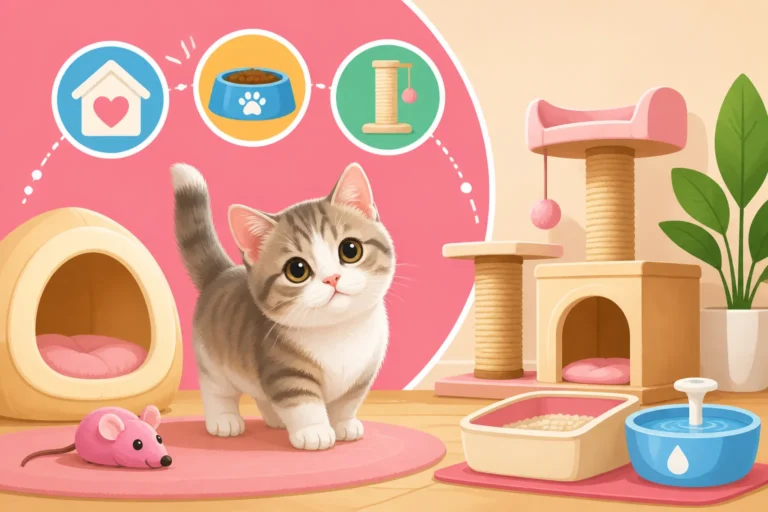
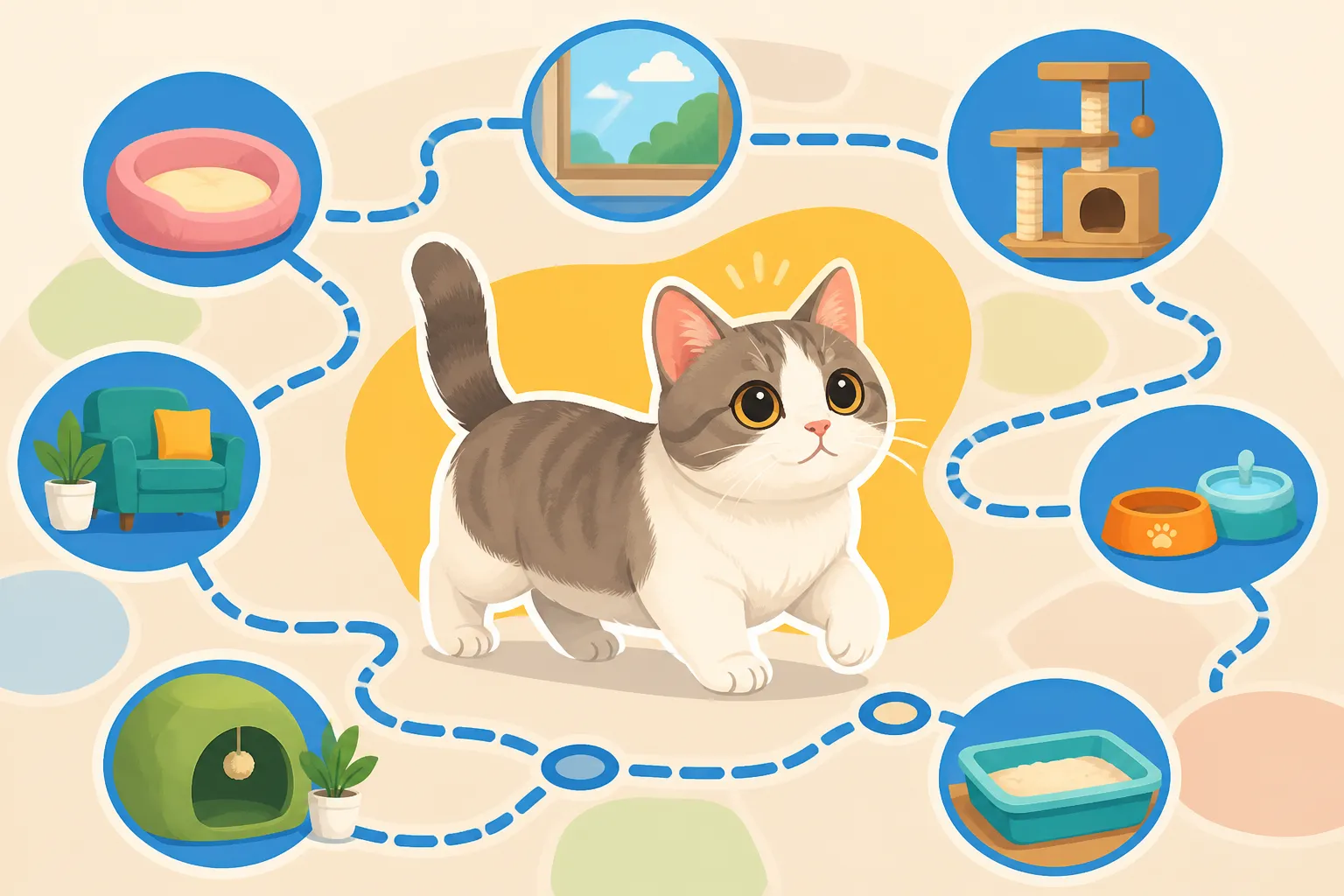
Just like us, cats have non-negotiable needs: food, water, and a place to relieve themselves. For a Munchkin, these "must-reach" destinations are where accessibility becomes most critical. Imagine a thirsty cat trying to get to a water bowl placed on a high stand, or a cat with a full bladder struggling to climb into a litter box with high sides. This isn't just uncomfortable; it can lead to stress, accidents outside the box, or even dehydration if access to water is consistently difficult.
- Food and Water Bowls: These need to be at floor level, or ideally, slightly raised on a low stand to ease strain on their neck and shoulders. Consistency in location is also key. Your Munchkin needs to know exactly where to find their sustenance without having to embark on an expedition. Brands like Chewy offer a variety of low-profile bowls or shallow dishes that can be perfect for their shorter stature.
- Litter Boxes: This is perhaps the most vital. A standard litter box with high walls is an insurmountable barrier for many Munchkins. You need low-entry litter boxes, specifically designed for kittens, senior cats, or those with mobility issues. The entry lip should be as low as possible, allowing them to simply walk in without a jump or stretch. Which Litter Box a Munchkin Can Actually Enter provides detailed insights into choosing the right one. Strategically placing these boxes in multiple, easily accessible locations on each floor of your home ensures they're never too far from relief.
Social and Comfort Zones
Beyond basic needs, cats are creatures of comfort and social interaction. They want to curl up in a sunny spot, nap on your lap, or observe the world from a favored perch. For a Munchkin, these comfort zones also require careful consideration.
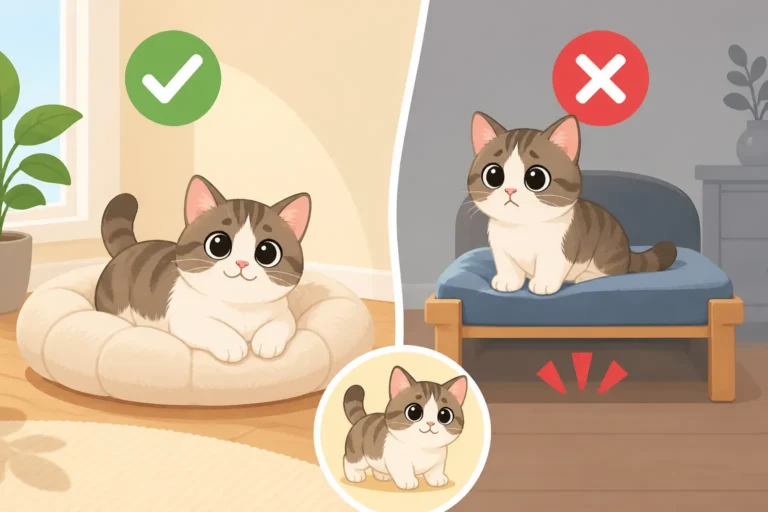
- Sleeping Spots: Most cats love elevated sleeping spots, but a Munchkin's main bed should be easily reachable on the floor. If they prefer to sleep on your bed or sofa, you must provide ramps or steps. Repeatedly jumping up and down can be detrimental to their joints and spine over time.
- Favorite Lounging Spots: Does your Munchkin love a particular windowsill to bird-watch? Or a cozy corner on the sofa for cuddles? For any elevated spot, steps or a ramp are non-negotiable. This allows them to maintain their independence and access these cherished locations without risk of injury or frustration. You can find many ready-made options on Amazon for pet steps or small ramps.
- Human Interaction Points: Munchkins often bond closely with their humans and love to be near them. If your primary sitting areas (sofas, armchairs) are too high, your Munchkin might feel excluded or constantly need to be lifted. Mapping includes ensuring they can easily join you. This means steps to the sofa or a designated low cushion on the floor near you where they can feel part of the action. This helps them participate in family life without constant dependence on you for lifting.
Escape Routes and Safe Havens
Cats are prey animals by nature, and having safe, elevated places to retreat to when startled or stressed is instinctual. For a Munchkin, this instinct is still strong, but their physical limitations mean they can't use traditional high perches. This is where mapping out "safe havens" becomes a different kind of challenge.
Instead of high shelves, think about secure, low-to-the-ground hiding spots. A cozy cat cave on the floor, a protected space under a bed that's easily accessible, or even a specialized cat tree with very close-set platforms are all possibilities. Their escape routes also need to be clear. If a dog or a rambunctious child enters the room, can your Munchkin quickly and safely move to a secure area without having to make a risky jump or navigate a difficult obstacle course? This type of mapping ensures their psychological well-being is considered alongside their physical needs.
Practical Strategies for Creating a Munchkin-Friendly Layout
Now that we understand why mapping is so important, let's talk about the how. It's about proactive planning and providing the right tools to make their world accessible and safe.
Strategic Placement of Resources
The first step in creating a Munchkin-friendly home is a strategic placement of all essential resources. This isn't just about putting things on the floor; it's about making sure the journey to those things is smooth and obstacle-free.
- Food and Water Stations: Place these in quiet, low-traffic areas where your Munchkin feels secure eating and drinking. Avoid placing them directly next to the litter box. If you have multiple floors, consider having at least one food and water station on each floor your Munchkin frequents, especially if you have stairs that they cannot easily navigate. Remember, Why a Munchkin's Water Bowl Should Not Be a Stretch is a key point here.
- Litter Boxes Everywhere: Many cat experts recommend having one litter box per cat, plus one extra, and this is even more critical for a Munchkin. Place them in easily accessible locations on every floor, ensuring the path is clear. If a Munchkin has to make a difficult jump or climb to reach their litter box, they may start eliminating in inappropriate places out of necessity, not spite.
- Resting Spots: Ensure there are multiple comfortable resting spots at various accessible heights. This might mean a low-profile cat bed on the floor, a cozy blanket on a low footstool, or a cat tree specifically designed with closely spaced platforms so they can "stair-step" their way up. Providing a range of choices caters to their changing preferences and energy levels throughout the day.
Incorporating Ramps and Steps
Ramps and steps are not luxuries for a Munchkin; they are essential mobility aids. They bridge the gap between their limited jumping ability and their natural desire to reach higher places.
- Ramps for Gradual Ascent: Ramps are excellent for providing smooth, low-impact access to beds, sofas, and windowsills. The key is to ensure the ramp isn't too steep – a gradual incline is crucial for their short legs and delicate spines. A good rule of thumb is no steeper than a 20-degree angle. The surface should also be non-slip, perhaps carpeted, to give them confidence. How to Teach a Munchkin to Use a Ramp can be very helpful here, as some cats take time to get used to them.
- Steps for Shorter Distances: Pet steps work well for slightly lower elevations, like a favorite armchair or a low sofa. Again, the steps should be wide and deep enough for them to comfortably ascend and descend, and the rise between each step should be relatively short. Ensure they are stable and don't wobble, as this can deter your cat from using them. Many pet supply stores and online retailers like Chewy or Amazon offer a variety of pet steps and ramps.
- Strategic Placement: Every piece of furniture your Munchkin might want to access (and safely descend from) should have a ramp or steps. This might mean multiple ramps for different sides of a large bed, or a set of steps leading to each end of a long sofa. Consider their most common entry and exit points and place the aids accordingly. It's about creating a series of accessible "paths" rather than isolated jumps.
Surface Considerations and Traction
The flooring in your home also plays a significant role in your Munchkin's mobility and comfort.
- Non-Slip Surfaces: Hard, slick surfaces like tile, laminate, or polished wood can be a challenge for Munchkins. Their short legs mean they rely heavily on good traction to push off and stop. On slippery floors, they can struggle to gain purchase, leading to frustrating slips and slides that can strain their joints. Why a Munchkin Slips on Laminate is a topic many owners discover the hard way.
- Rugs and Runners: Strategically placed rugs, carpet runners, or even yoga mats can provide much-needed traction on hard floors, especially in high-traffic areas or along routes to essential resources. This creates a "road map" of grippy surfaces for them to navigate their home confidently.
- Carpeted Areas: If possible, having carpeted areas or rooms can be a huge benefit for a Munchkin, offering consistent traction and a softer landing surface should they misjudge a jump from a low height. Think about their primary pathways: can you line them with runners or provide a consistent, non-slip texture?
| Area of the Home | Potential Challenge for Munchkin | Recommended Solution (Mapped Route) | Example Product/Brand |
|---|---|---|---|
| Kitchen/Dining | High food/water bowls, slippery floor | Floor-level or raised bowls, non-slip mat/rug underneath | Shallow ceramic bowls, silicone mat from Chewy |
| Living Room | High sofa/armchair, slippery floors | Pet steps or ramp to furniture, area rugs | Foam pet steps (e.g., from Amazon), non-slip rugs |
| Bedroom | High bed, no easy access for sleep | Pet ramp or steps to the bed, low floor bed options | Wooden pet ramp, orthopedic low-profile bed |
| Bathroom/Laundry | High-sided litter box, cold/slippery tile | Low-entry litter box, non-slip bath mat | Senior cat litter box, rubber-backed bath mat |
| Windowsills | Too high for bird-watching | Steps or ramp to reach windowsill, sturdy window perch | Cat tree with close platforms, window sill step from Amazon |
| General Pathways | Long stretches of hard flooring | Strategically placed runners or grippy mats | Carpet runners, washable area rugs |
The Long-Term Benefits of a Mapped Home Environment
Implementing these strategies isn't just about immediate convenience; it's an investment in your Munchkin's long-term health and well-being. A carefully mapped home prevents problems before they start and ensures your cat enjoys a full, comfortable life.
Preventing Injury and Strain
Perhaps the most significant benefit of a mapped home is the prevention of injury and chronic strain. Every time a Munchkin attempts a jump that's too high, or struggles to get into a litter box, they're putting undue stress on their body.
- Protecting Joints and Spine: Their unique anatomy means their spine and joints, particularly in the shoulders and elbows, are more susceptible to wear and tear. Constant jarring from jumping or awkward movements can accelerate the development of conditions like arthritis. By providing ramps and steps, you significantly reduce this impact, allowing their joints to function within a more comfortable range of motion. This proactive approach can make a huge difference in their comfort as they age. Why a Munchkin's Shoulders Wear First is a crucial piece of knowledge for any Munchkin owner.
- Avoiding Accidents: Falls can lead to serious injuries, from sprains and fractures to more internal damage. A home designed with clear, accessible routes minimizes the chances of your Munchkin misjudging a leap or slipping on an unsuitable surface. This creates a safer environment where they can explore and play without you constantly worrying about them getting hurt.
- Maintaining Muscle Health: When movement is easy and supported, a Munchkin is more likely to stay active. Consistent, low-impact activity helps maintain muscle mass, which in turn supports their skeletal structure. Conversely, if movement is difficult or painful, they might become less active, leading to muscle atrophy and potential weight gain, both of which can exacerbate joint and spinal issues.
Enhancing Quality of Life and Confidence
A physically accessible home isn't just about avoiding pain; it's about fostering independence, reducing stress, and ultimately, boosting your Munchkin's overall happiness and confidence.
- Independence and Freedom: Imagine not being able to reach your favorite spots without assistance. It would be incredibly frustrating! When a Munchkin can freely access their food, water, litter box, and beloved lounging spots without struggling or waiting to be lifted, it grants them a profound sense of independence. They can follow their natural instincts, explore, and relax on their own terms, leading to a much happier, less stressed cat.
- Reduced Frustration: Munchkins are intelligent and curious, and being constantly thwarted by physical barriers can lead to frustration and behavioral issues. A mapped home removes these obstacles, allowing them to engage with their environment and satisfy their natural curiosity without hindrance. This reduces the likelihood of them developing stress-related behaviors like excessive vocalization or inappropriate urination.
- Mental Stimulation: When a cat feels confident in its ability to navigate its environment, it's more likely to explore and engage with enrichment. They might use their ramps to reach a window perch and watch birds, or confidently move between play zones. This constant, safe interaction with their surroundings provides essential mental stimulation. What a Munchkin Does All Day at Floor Level gives further context to their primary domain.
Adapting for an Aging Munchkin
The benefits of a mapped home become even more pronounced as your Munchkin enters their senior years. Just like humans, older cats often experience reduced mobility, stiffness, and potentially arthritis.
- Proactive Age-Proofing: By establishing accessible routes early on, you're essentially "age-proofing" your home. What might be an easy jump for a young Munchkin could become a painful obstacle for a ten-year-old. Having ramps and steps already in place means less disruption and stress as their mobility naturally declines.
- Coping with Reduced Mobility: As Munchkins age, their willingness or ability to jump, even small distances, may decrease. A well-mapped home ensures that even with significant mobility loss, they can still access all their necessities and favorite spots. This is critical for maintaining their dignity and comfort during their golden years. What an Old Munchkin Stops Being Able to Do describes these changes in detail.
- Sustaining Quality of Life: The goal is for your Munchkin to enjoy a high quality of life throughout their entire lifespan, which can be The Twelve to Fifteen Years a Munchkin Usually Gets. A mapped environment plays a vital role in achieving this, allowing them to remain engaged, comfortable, and pain-free for as long as possible. It means fewer adjustments for them (and you) as they gracefully transition into seniority, fostering a continuous sense of security and belonging in their beloved home.
Disclaimer
This article is for general informational purposes only and does not constitute professional advice. Laws, prices and regulations vary by location and change over time. Consult a qualified professional for guidance on your specific situation.