Whether a Munchkin Should Be Discouraged From Jumping
It’s a common sight: your adorable Munchkin cat, with those distinctive short legs, eyeing a countertop or a tall piece of furniture, contemplating the leap. You love their playful spirit, but a nagging worry sets in – should you be letting them jump? This guide will dive deep into the Munchkin’s unique physical makeup, the risks associated with jumping, and how you can create a safe, enriching environment that respects their natural instincts while protecting their long-term health.
Understanding the Munchkin's Natural Jumping Instincts
Cats are born athletes, and jumping is fundamentally ingrained in their very being. For a Munchkin, whose short stature is a defining characteristic, this natural instinct doesn't disappear; it simply manifests in a slightly different way. Understanding this is key to providing them with a fulfilling life.
Why Jumping is a Feline Necessity
From the smallest domestic cat to the largest wild felines, the ability to jump is crucial for survival, play, and mental well-being. Cats jump to explore their environment, to reach high vantage points where they feel safe and dominant, and to hunt and stalk prey – even if that "prey" is just a feather wand toy. This isn't just about physical exercise; it's about mental stimulation and fulfilling their innate predatory drive. Preventing a cat from jumping altogether can lead to frustration, boredom, and even behavioral issues. They need outlets for this energy and instinct, and finding appropriate ways for them to achieve height is part of being a responsible Munchkin owner.
Their agility, balance, and quick reflexes are honed through these movements. Even a Munchkin, despite their unique limb structure, possesses the same fundamental feline wiring. They still desire to climb and survey their territory from above, to pounce and spring, and to move their bodies in dynamic ways. Denying them these opportunities entirely would be akin to asking a bird not to fly; it goes against their very nature.
How Munchkins Adapt Their Jumps
While a long-legged cat might effortlessly clear a five-foot hurdle, a Munchkin employs a clever, multi-stage approach. Instead of one mighty leap, you'll often observe a Munchkin taking several smaller, calculated jumps. They might bounce onto a low stool, then a chair, then finally the sofa, using intermediate platforms like a natural staircase. This is part of what makes them so endearing – their determination and ingenuity in navigating a world designed for longer legs.
Their low center of gravity actually gives them excellent stability on the ground, allowing them to turn corners faster than you might expect, but it doesn't mean they're exempt from the forces of gravity when landing. They often crouch lower before a jump, gathering all their strength, and their landings, while often graceful, can still put stress on their joints, particularly their front legs. You might have seen them perform an impressive jump, only to wonder, "How High a Munchkin Can Actually Jump." They are surprisingly capable within their limitations, often using their strong hindquarters to propel themselves, and a surprising amount of upper body strength to pull themselves up. However, these adaptations, while impressive, don't negate the potential for strain, which we'll discuss next.
The Risks Associated with Munchkin Jumping
While their tenacity is admirable, the very adaptations Munchkins employ to navigate their world can sometimes lead to complications due to their underlying genetic condition. It’s important for owners to be aware of these potential issues.
Spinal and Joint Strain Concerns
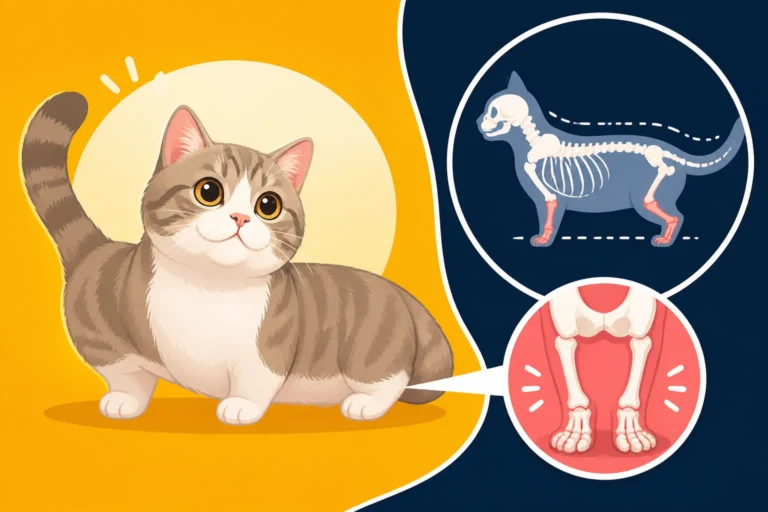
The defining characteristic of a Munchkin cat is their inherited form of dwarfism, known as pseudoachondroplasia. This condition primarily affects the long bones of their legs, causing them to be significantly shorter than those of a typical cat, while their spine remains a normal length. This normal-length spine, supported by short limbs, can be placed under different mechanical stress compared to a cat with proportionate legs. When a Munchkin jumps, especially from a height, the impact is absorbed more acutely by their joints and spine.
Their shoulders and elbows, in particular, bear the brunt of landing forces. Over time, repeated high-impact landings can contribute to conditions like osteoarthritis. You might wonder, "Whether a Munchkin Gets Arthritis Earlier," and unfortunately, due to these biomechanical differences, there is a heightened risk of premature wear and tear on their joints. The lack of a shock-absorbing "spring" that longer legs provide means that each landing sends a more direct jolt through their skeletal structure. This is a primary reason why many vets suggest managing their environment.
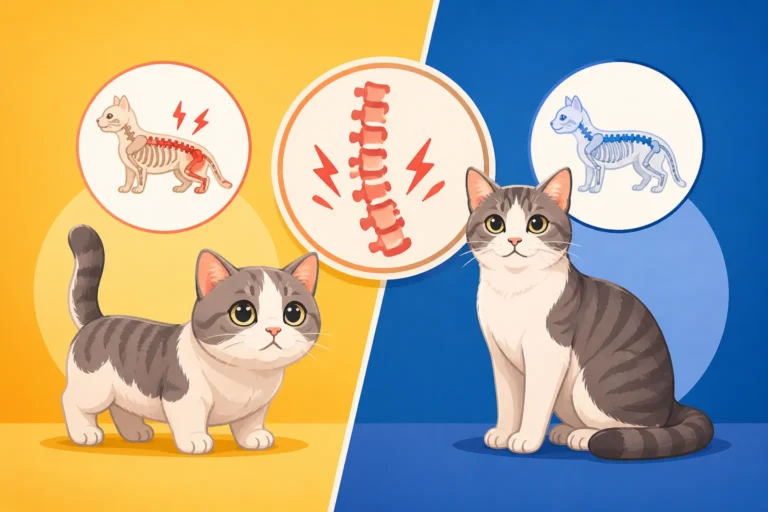
Furthermore, some Munchkins are predisposed to conditions like lordosis, a spinal curvature where the spine dips downward. While not all Munchkins develop it, and it can occur in other breeds, the unique spinal mechanics of a short-legged cat could theoretically exacerbate or be impacted by jumping. For more information on this condition, you can read about how Lordosis Is the Spinal Curve the Munchkin Argument Is About. Jumping and landing can put rotational and compressive forces on the spine, which, if weakened or predisposed to issues, could lead to discomfort or progression of existing conditions. This is where pet insurance, like a plan from Healthy Paws, can be invaluable for covering potential veterinary costs associated with these joint and spinal issues as they age.
Exacerbating Existing Conditions
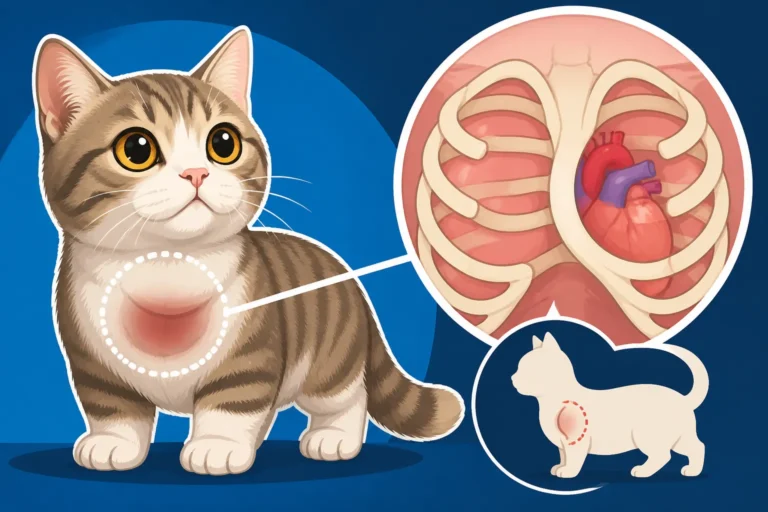
Beyond general strain, jumping can worsen pre-existing health problems that might not be immediately obvious. Some Munchkins, for instance, can have a condition called pectus excavatum, or a sunken chest. While mild cases might not present significant symptoms, the impact from jumping, especially if misjudged, could theoretically put undue pressure on the chest cavity, potentially affecting breathing or organ function.
Moreover, if a Munchkin has an undiagnosed or mild form of lordosis, excessive or uncontrolled jumping could aggravate the condition. The spinal column, already potentially under stress from its disproportionate length relative to the short legs, is simply not designed to absorb high-impact forces repeatedly. You really don't want to add further stress to a body that's already working harder just to move.
It's also worth considering the weight factor. As a Munchkin ages, especially if they become overweight, the additional strain on their joints from jumping increases exponentially. This is why strict weight management is so critical for these cats. The mantra "Why a Munchkin's Spine Carries a Load a Normal Cat's Does Not" truly resonates when you consider the impact of excess weight combined with jumping. If your Munchkin already has any orthopedic issues, even subtle ones, letting them continually jump from significant heights could lead to chronic pain and decreased mobility, necessitating more frequent vet visits and potentially costly treatments. A robust pet insurance plan, such as those offered by Healthy Paws, can help manage these unexpected health challenges.
Practical Strategies for Managing Jumping Behavior
So, if completely stopping a Munchkin from jumping isn't ideal or even possible, what's a responsible cat parent to do? The answer lies in managing their environment and providing safe alternatives.
Creating a "Step-Ladder" Environment
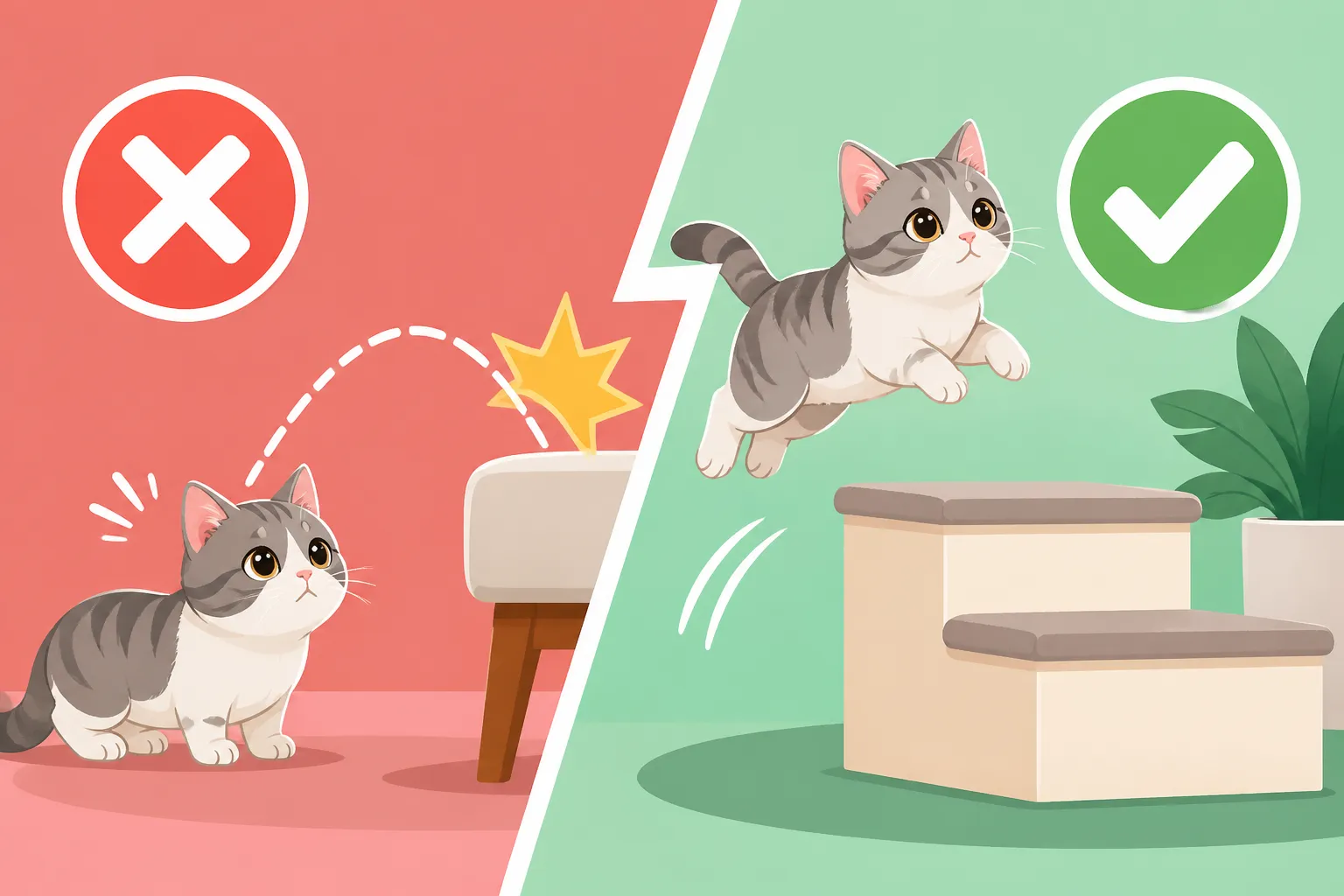
The goal isn't to prevent all elevation, but to make accessing higher spots safe and gentle. Think of your home as an obstacle course that needs to be Munchkin-proofed with easy-access points. Ramps and pet stairs are your best friends here. Instead of letting your Munchkin launch themselves onto the sofa or your bed, provide a gradual ramp or a series of low steps. There are many commercially available options, or you can even get creative and build your own. For ideas on placement and design, check out our guide on How to Set Up Ramps Around a Munchkin's House.
Consider every piece of furniture they might want to reach. Can a low ottoman be placed next to a chair? Can a sturdy box become an intermediate step to a windowsill perch? Cat trees designed for senior cats or those with disabilities often have closer-set platforms, making them ideal for Munchkins. The key is to minimize the height of any single jump and provide multiple, stable stepping stones. This way, they can still satisfy their natural desire to climb and explore vertical spaces without putting undue stress on their delicate joints and spine. Remember, the idea is to facilitate movement, not restrict it. Learning How to Teach a Munchkin to Use Steps can be incredibly rewarding for both you and your cat.
Engaging in Safe, Ground-Level Play
While vertical access is important, don't underestimate the power of engaging, floor-level play. Munchkins are notoriously playful and enjoy interacting with toys on their own level. This helps burn energy, maintain a healthy weight, and provides mental stimulation without the high-impact stress of jumping.
Invest in wand toys that allow you to bring the "prey" down to their level, encouraging stalking, pouncing, and chasing across the floor rather than leaping into the air. Puzzle feeders are also fantastic for mental enrichment and can keep them occupied for extended periods, appealing to their problem-solving skills. Rotate toys regularly to keep things interesting. Laser pointers can be fun, but always end a session with a tangible toy they can "catch" to prevent frustration. A good understanding of How Much Floor Level Play a Munchkin Needs will help you create a balanced routine.
Interactive play sessions where you’re actively involved are crucial. This not only strengthens your bond but also allows you to control the intensity and type of movement. Avoid games that encourage repeated high jumps or awkward landings. Instead, focus on games that involve quick bursts of speed, agile turns, and gentle pouncing. Keeping them active and mentally stimulated prevents boredom, which can sometimes lead to destructive behaviors or excessive attempts at reaching inaccessible places. This proactive approach to care can also reduce the likelihood of costly vet visits later on, though a quality plan from Healthy Paws can provide peace of mind for any unexpected health needs.
Monitoring and Veterinary Consultation
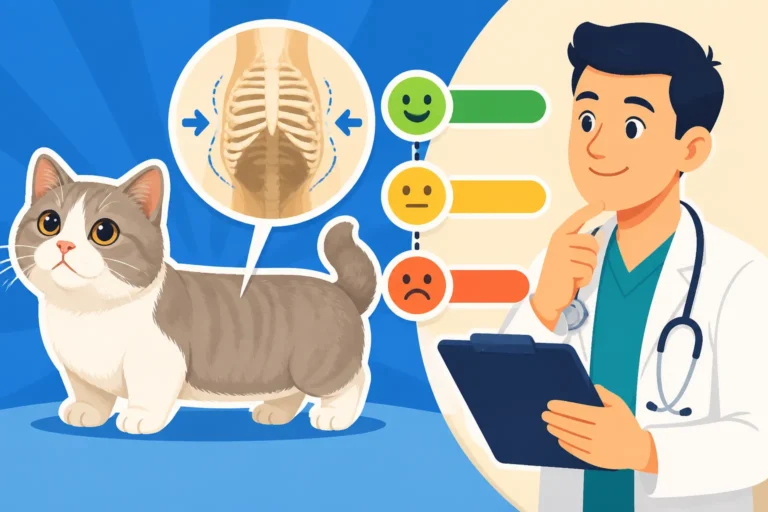
Regular observation of your Munchkin's movement and behavior is paramount. Watch how they jump, how they land, and if they show any hesitation or discomfort. Are they suddenly avoiding a favorite spot they used to jump to easily? Are they limping, favoring a leg, or vocalizing during movement? These are all signs that warrant a vet visit.
It's also vital to maintain a regular veterinary schedule, even if your Munchkin appears healthy. Your vet can perform routine physical exams, assess their gait, and palpate their spine and joints for any early signs of issues. Don't shy away from discussing your concerns about jumping and mobility with your vet. They can offer personalized advice, suggest preventative measures, and recommend joint supplements. Products like glucosamine and chondroitin can be beneficial, and exploring Which Joint Supplements Suit a Munchkin with your vet's guidance is a good idea. In some cases, your vet might recommend X-rays as your cat ages, especially if they show signs of discomfort, to get a clear picture of their joint and spinal health.
Having pet insurance, such as a plan from Healthy Paws, can be incredibly helpful here. It allows you to make care decisions based on your cat's needs, rather than solely on cost, ensuring you can pursue diagnostics and treatments like X-rays, medication, or even physical therapy without significant financial stress. Catching potential problems early through diligent monitoring and professional veterinary care can significantly improve your Munchkin's quality of life and potentially extend their comfortable years.
Balancing Quality of Life with Safety
The essence of caring for a Munchkin cat is finding that sweet spot where their natural instincts for activity and exploration are nurtured, while simultaneously protecting their unique physical structure from undue harm. It's a delicate dance between allowing them to be a cat and being a responsible guardian of their health.
When to Intervene and When to Let Be
This is often the hardest part for Munchkin owners. You want your cat to be happy and to express their natural behaviors, but you also want them to be safe. The key lies in understanding the difference between a natural, low-impact jump and a risky, high-impact leap. Short, controlled jumps from a low stool to a slightly higher sofa are generally less concerning than daring leaps from a tall bookshelf directly to the floor.
Intervene when you see your Munchkin consistently attempting jumps that are clearly too high for them, or when they’re making awkward, hard landings that jar their body. Redirect their energy by offering a ramp or steps, or engaging them in a game on the floor. However, don't feel the need to micro-manage every single movement. If they're making small, seemingly effortless jumps between low-lying furniture you've provided, and showing no signs of discomfort, it's often best to let them be. Constant restriction can lead to frustration and a diminished quality of life. Understanding Why a Munchkin Should Not Be Jumping Down Repeatedly can help you decide when to step in. It’s about creating a safe environment so they can make safe choices, rather than constantly policing their actions.
Ensuring Mental and Physical Enrichment Without High Jumps
A cat’s world doesn’t have to be vertical to be enriching. Providing a diverse range of environmental enrichment at ground level and through gentle elevation can keep your Munchkin mentally stimulated and physically fit without relying on dangerous high jumps.
Think about enriching their sensory experiences. Cat grass, puzzle toys that dispense treats, scratching posts designed for low-to-the-ground stretching, and varied textures to explore can all contribute to a happy cat. Consider interactive feeders that make them work for their meals, which not only provides mental engagement but also helps with weight management. For physical exercise, focus on long hallways for sprinting games or play tunnels for exploration and ambush games. Many Munchkins love to chase toys along the floor, exhibiting surprising speed and agility despite their short legs.
For elevation, besides ramps and steps, consider secure, low-level window perches they can walk or step onto, allowing them to survey the outside world safely. Place comfortable beds in easily accessible spots where they can feel secure and observe their surroundings from a slight height. The goal is to replicate the benefits of high perches (security, observation) through accessible means. A "Munchkin budget needs a mobility line" to cover these kinds of adaptations, ensuring your cat has every opportunity to thrive.
Here's a quick guide to help you manage specific jumping scenarios:
| Scenario | Potential Risk | Recommended Action |
|---|---|---|
| Jumping onto High Furniture | Spinal compression, joint impact | Install ramps or steps. Rearrange furniture to create intermediate steps. Use accessible cat trees. |
| Jumping Down from Height | Strain on front legs (shoulders/elbows) | Discourage. Provide ramps or lower steps for descent. Pad landing areas if jumps are unavoidable. |
| Repeated Attempts at High Jumps | Frustration, potential injury | Redirect with ground-level play. Ensure adequate accessible vertical spaces are available. Offer wand toys. |
| Prairie Dog Sitting | Generally low risk (natural behavior) | Observe for signs of pain or stiffness. This posture, though unique, is generally considered a normal Munchkin trait. |
| Sprinting and Cornering | Generally low risk (low center of gravity) | Encourage! Great for exercise. Ensure non-slip surfaces for optimal traction. |
Disclaimer
As a veteran lifestyle blogger focused on pets, I always want to share what I've learned through experience and research. However, this article is intended for informational purposes only and is not a substitute for professional veterinary advice. Always consult with a qualified veterinarian regarding your Munchkin cat's specific health concerns and care needs. They can provide a personalized assessment and recommendations based on your cat's individual condition.