Lordosis Is the Spinal Curve the Munchkin Argument Is About
One of the most profound concerns potential Munchkin cat owners grapple with, and indeed the entire veterinary community often debates, revolves around the health of their spine. Many individuals worry about the impact of the breed's characteristic short legs on its overall skeletal structure, and rightly so. This guide aims to shed light on a specific spinal condition, lordosis, which is frequently at the heart of these discussions, helping you understand what it is, why it matters for Munchkins, and how to best care for your furry friend.
Understanding Lordosis in Cats
The term "lordosis" often conjures up images of complex medical conditions, and for good reason. It’s a condition that can affect various species, including our feline companions, and understanding its basic premise is the first step in appreciating why it's such a significant topic in the world of Munchkin cats.
What is Lordosis?
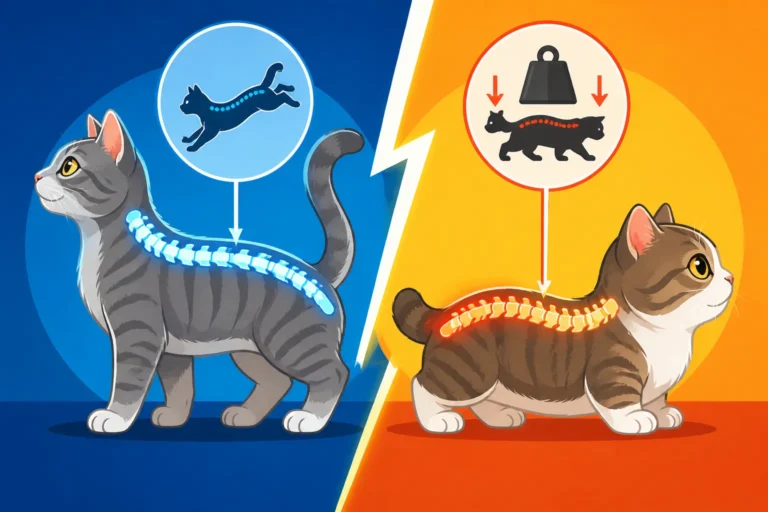
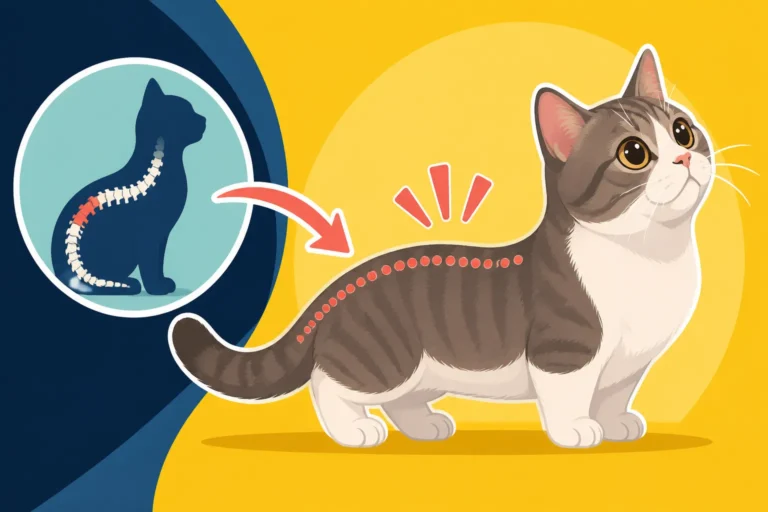
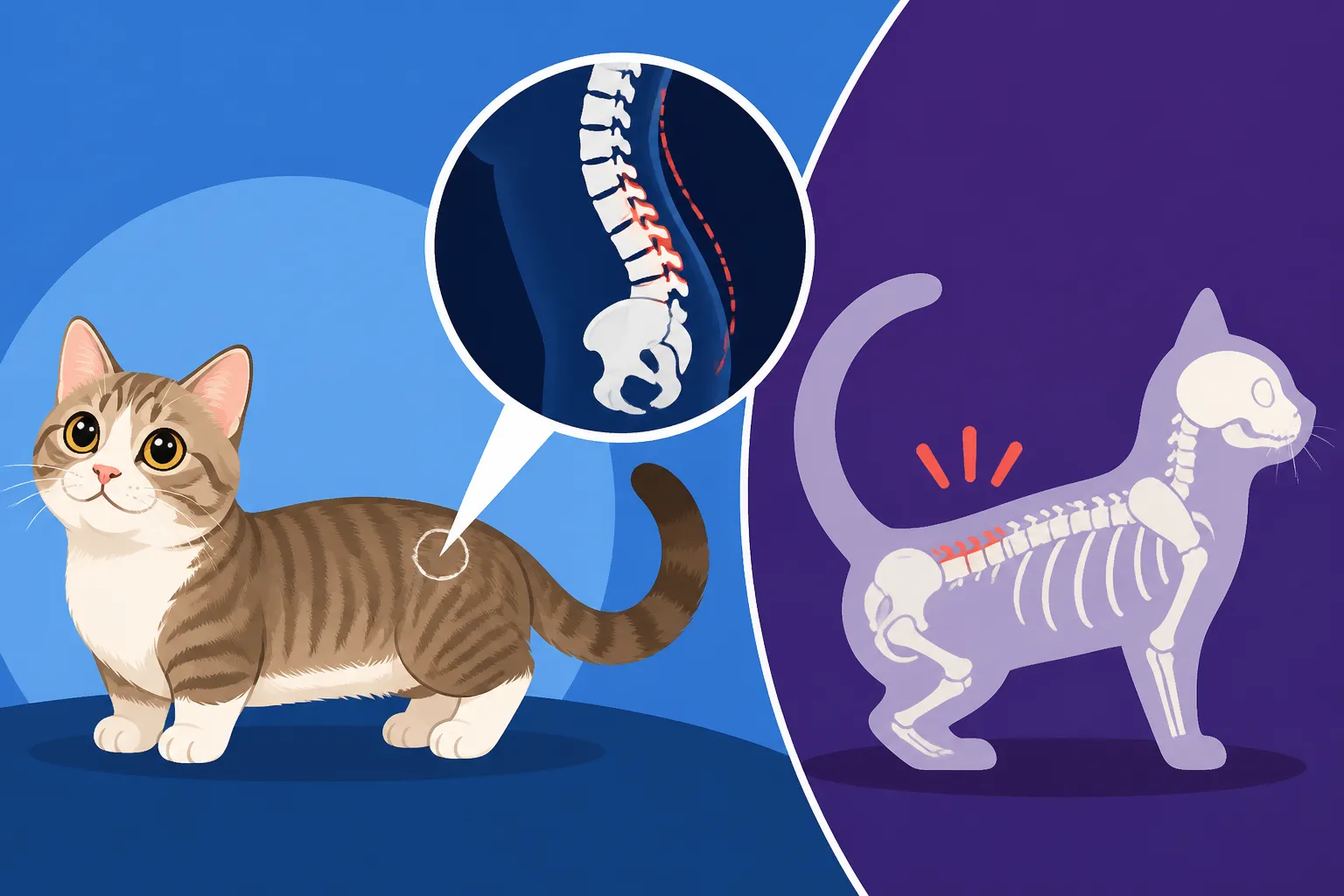
At its simplest, lordosis refers to an excessive inward curvature of the spine. Think of it like a swayback, where the spine dips downward more dramatically than it should. In healthy cats, the spine has natural curves that provide flexibility, shock absorption, and support for movement. These curves are essential for their incredible agility, their ability to leap, twist, and land gracefully. When a cat has lordosis, one of these natural curves, typically in the lumbar (lower back) region, becomes exaggerated. Instead of a gentle, upward arch, you see a noticeable dip or concavity in the back, often making the cat's belly appear to sag much closer to the ground than normal. This isn't just a cosmetic issue; it can compress internal organs, restrict lung capacity, and place undue stress on the vertebrae and surrounding muscles. It’s a serious condition that can severely impact a cat's quality of life.
Causes of Lordosis in Cats Generally
Lordosis isn't exclusively a Munchkin cat problem; it can occur in any cat breed, albeit for different reasons. In some cases, it can be a congenital defect, meaning a kitten is born with it due to developmental issues during gestation. This might be linked to nutritional deficiencies in the mother or genetic predispositions that aren't necessarily tied to dwarfism. Trauma, such as a severe fall or impact, can also lead to acquired lordosis if the spinal column is damaged and heals incorrectly, or if muscle weakness and pain cause compensatory posture changes. Certain neuromuscular diseases that affect muscle strength and spinal support can also contribute to the development of lordosis over time. In rare instances, severe malnutrition, particularly during growth, can impact bone development and lead to skeletal deformities including spinal curvatures. Understanding these general causes helps us differentiate them from the specific concerns often raised about the Munchkin breed, where the genetic mutation plays a unique role.
How Lordosis is Diagnosed
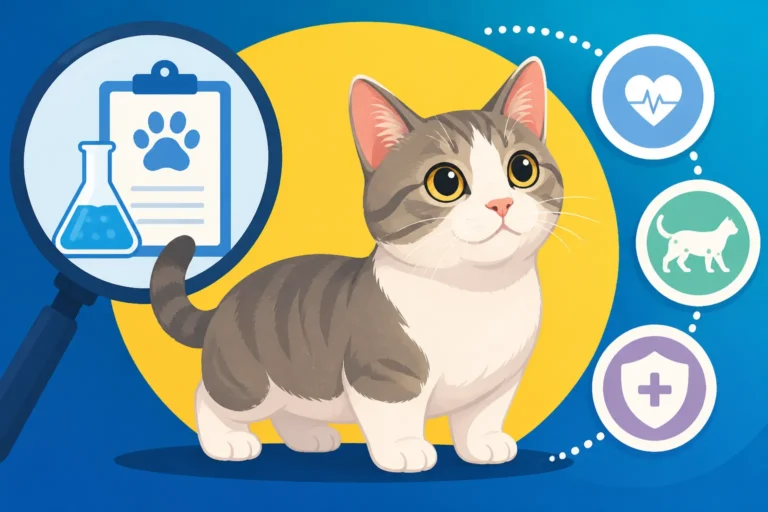
Diagnosing lordosis typically starts with a thorough physical examination by a veterinarian. They will meticulously palpate (feel) the cat's spine, assessing for any abnormal curves, tenderness, or muscle atrophy. Observing the cat's gait and posture as it walks, runs, and sits is also crucial, as cats with lordosis might exhibit a stiff, wobbly, or otherwise unusual movement pattern. They might struggle with balance or show reluctance to jump or stretch. If lordosis is suspected, the next step usually involves diagnostic imaging. X-rays are the primary tool, allowing the vet to visualize the spinal column, measure the degree of curvature, and identify any underlying vertebral abnormalities or compression. In more complex cases, or if neurological signs are present, advanced imaging techniques like MRI (Magnetic Resonance Imaging) or CT (Computed Tomography) scans might be recommended. These provide much more detailed images of the soft tissues, nerves, and spinal cord, helping to determine the extent of nerve compression or other related damage. Early and accurate diagnosis is key to developing an effective management plan.
The Link Between Munchkin Genetics and Lordosis
Now that we’ve covered lordosis in general, let's zoom in on why this particular condition becomes such a focal point when discussing the Munchkin breed. It's intimately tied to the very genetic trait that gives them their distinctive appearance.
The Dachsund-like Dwarfism Gene
The Munchkin cat's short legs are the result of a spontaneous genetic mutation, specifically an autosomal dominant gene that causes a form of dwarfism known as pseudoachondroplasia. This is the same type of mutation found in Dachshunds and Corgis, and it means that the long bones in the legs don't grow to their full length, while the body and head typically remain normal sized. It’s important to understand that this isn’t a generalized dwarfism affecting all skeletal components equally; it primarily impacts the limbs. Because the gene is dominant, only one copy is needed for a cat to display the short-legged trait. However, having two copies of this gene is considered lethal, which is why breeders never breed two short-legged Munchkins together; it results in non-viable embryos. This genetic predisposition to altered bone growth is at the core of the discussion about skeletal health, including the spine. While the mutation directly impacts the long bones of the legs, its indirect effects on the overall biomechanics of the feline body are what lead to concerns regarding conditions like lordosis.
Why the Spine is a Concern in Munchkins
Even though the Munchkin gene primarily affects leg length, the spine becomes a concern due to the altered biomechanics of their short-legged stature. A Munchkin's body length is typically normal, meaning their spinal column is the same length as a regular cat's, but it's held up by significantly shorter supports. This changes the distribution of weight and forces acting on the spine. Imagine a bridge designed for certain support pillars; if those pillars are suddenly much shorter, the forces on the bridge itself change. The standard cat's spine is built for an upright posture and movement facilitated by longer limbs that provide leverage and distribute impact effectively. For a Munchkin, every movement – walking, running, or especially landing from a small jump – can place different, and potentially greater, stresses on the spinal column. The spine may have to bear a load a normal cat's does not, simply because the limbs aren't providing the same degree of shock absorption and support. This altered weight distribution and constant strain can, over time, predispose them to issues such as lordosis, where the spine curves inward excessively to compensate or due to weakened supporting structures.
Is Lordosis More Prevalent in Munchkins?
This is where much of the "Munchkin argument" truly lies. Many critics, including some veterinarians and welfare organizations, contend that lordosis, along with pectus excavatum (a sunken chest), is more common in Munchkins due to their genetic mutation and the associated skeletal abnormalities. They point to the anecdotal evidence and the breed's conformation as logical reasons for increased risk. However, proponents of the breed, particularly TICA-registered breeders, often argue that there is insufficient scientific data to definitively prove a higher prevalence in Munchkins compared to the general cat population. They maintain that a well-bred Munchkin from reputable lines is no more prone to spinal problems than any other cat. The problem is that the frequency of Munchkin spinal problems is disputed largely because comprehensive, large-scale studies specifically comparing the prevalence of lordosis in Munchkins versus other cat breeds are quite limited. What we do know is that the unique biomechanics of their short legs theoretically could lead to increased spinal stress, making careful observation and preventative care paramount for any Munchkin owner. Until more robust scientific data is available, the debate will likely continue, underscoring the importance of informed ownership and responsible breeding practices.
Recognizing the Signs and Symptoms of Lordosis in Your Munchkin
As a loving cat parent, you're the first line of defense when it comes to your pet's health. Being able to spot subtle changes in your Munchkin's behavior or physical appearance can make a significant difference in their prognosis if lordosis is present.
Visual Cues and Posture Changes
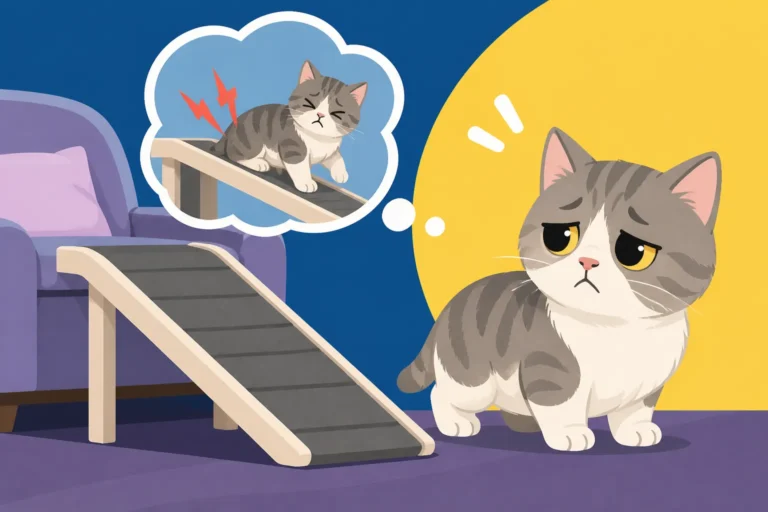
The most telling signs of lordosis are often visual, though they can be subtle at first. You might notice your Munchkin’s back appearing more "sunk in" than a normal cat’s, particularly around the mid to lower spine. This excessive inward curve can make their belly seem to hang lower, sometimes almost touching the ground, even if they aren't overweight. When they stand, their posture might look unusual, with their hindquarters appearing lower than their front, or they might struggle to maintain a straight line while walking. A classic visual cue is a reluctance or inability to jump onto low furniture that other cats would easily manage. You might see them repeatedly attempt a jump, only to hesitate or give up, or they might try to find alternative, more gradual ways to climb. In more severe cases, their chest might appear slightly sunken, which can sometimes accompany lordosis and is known as pectus excavatum. Observing how early lordosis shows in a Munchkin kitten can sometimes be challenging, as kittens are naturally more flexible, but a keen eye for persistent abnormal posture or an unusual gait during play can be an early indicator.
Behavioral Indicators of Discomfort
Cats are masters at hiding pain, so behavioral changes can be even more crucial to notice. A Munchkin experiencing discomfort from lordosis might become less active, showing a reduced interest in playing or interacting. They might spend more time sleeping or resting in unusual positions, perhaps trying to find a way to relieve pressure on their spine. You might observe a reluctance to stretch, arch their back, or engage in typical cat behaviors like kneading or climbing. Litter box habits can also change; if it's painful to squat or enter a standard litter box, they might start having accidents outside the box. Difficulty reaching certain areas to groom can also lead to matted fur, particularly around their hindquarters, as their range of motion becomes limited. They may also vocalize more, not necessarily with loud cries, but perhaps softer, more frequent meows or a general clinginess, signaling they need comfort. Any unexplained shift in your Munchkin's usual playful and curious demeanor warrants a veterinary check, especially when considering the potential for spinal discomfort.
The Importance of Early Detection
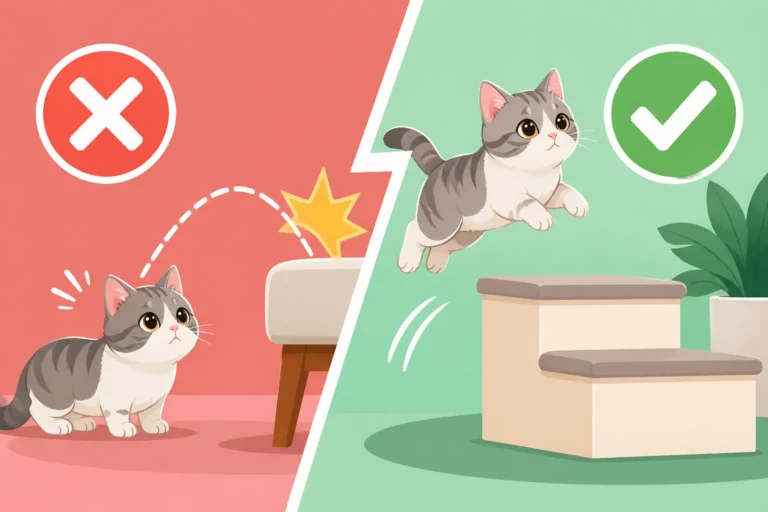
Detecting lordosis early in Munchkin cats is absolutely critical for managing the condition and preserving their quality of life. The sooner it's identified, the more options you and your veterinarian have for intervention, potentially slowing progression and alleviating discomfort. If left unchecked, the exaggerated spinal curve can lead to more severe complications. The continued pressure on internal organs, for instance, can impair respiratory function, making breathing difficult, or affect digestion. Nerve compression, a significant concern with spinal issues, can lead to pain, weakness, and even paralysis in severe cases. Early detection also means you can implement environmental modifications and lifestyle adjustments sooner, which can be immensely beneficial. For example, providing ramps and steps before a cat is in severe pain encourages them to use these aids naturally, reducing the strain of jumping. Regular vet check-ups, especially for Munchkin kittens, where a vet performs a gentle palpation of the spine, are essential for identifying any nascent signs before they become debilitating. Proactive care and vigilance truly make a difference.
Diagnosing and Grading Lordosis in Munchkins
Once you've noticed potential signs, the next step is a thorough veterinary assessment. Getting a precise diagnosis and understanding the severity of the lordosis is fundamental to formulating an effective management strategy for your Munchkin.
Veterinary Examination and Palpation
When you bring your Munchkin to the vet with concerns about their spine, the examination will be very detailed. The veterinarian will begin with a comprehensive physical assessment, which includes observing your cat's posture, gait, and overall mobility. They will pay close attention to how your Munchkin walks, sits, and stands, looking for any stiffness, imbalance, or unusual movement patterns. A crucial part of this examination involves careful palpation of the spine. The vet will gently run their hands along your Munchkin's back, feeling each vertebra, assessing for any abnormal curvatures, tenderness, muscle spasms, or areas of swelling. They will check the flexibility of the spine and the range of motion in the limbs. This hands-on approach is vital because it can reveal subtle signs of discomfort or structural abnormalities that might not be immediately obvious. For a Munchkin kitten's first exam, especially, a vet will pay particular attention to thoroughly palpating their spine to detect any early indications of lordosis or other congenital issues, allowing for proactive monitoring and discussion about future care.
Imaging Techniques: X-rays and MRI
While a physical exam can raise suspicions, definitive diagnosis and grading of lordosis almost always require advanced imaging. X-rays are the cornerstone of this process. They allow the veterinarian to visualize the bony structures of the spine, identify the exact location and severity of the abnormal curvature, and check for any vertebral anomalies like wedging or fusion that might contribute to the condition. The X-rays will often be taken from different angles to get a complete picture. Based on these images, the vet can measure the degree of spinal deviation and assess the impact on surrounding structures. In cases where there are neurological symptoms, significant pain, or if the X-rays suggest spinal cord compression, an MRI (Magnetic Resonance Imaging) or CT (Computed Tomography) scan may be recommended. These advanced techniques provide much greater detail of the soft tissues, including the spinal cord, nerves, and intervertebral discs. An MRI, for instance, can clearly show if the spinal cord is being compressed, how severely, and by what structures, which is critical for planning potential treatments. It's often recommended that when a Munchkin should have its spine imaged, it's done early if any signs are present, and possibly again as they mature, to monitor for progression or new issues. These imaging insights are invaluable for understanding the full scope of the condition.
Grading the Severity of Lordosis
Once diagnostic images have been obtained, veterinarians will grade the severity of the lordosis, which is crucial for determining the best course of action. This grading typically falls into categories:
- Mild Lordosis: In mild cases, the spinal curve is noticeable but might not cause significant clinical signs. The cat may show minimal discomfort, if any, and its mobility might be only slightly affected. Organ compression is usually not a major concern at this stage. Management often focuses on preventative care, environmental modifications, and regular monitoring.
- Moderate Lordosis: Here, the spinal curvature is more pronounced, and the cat is likely to exhibit clearer signs of discomfort, such as reduced activity, reluctance to jump, and intermittent pain. There might be some early signs of organ compression, particularly affecting breathing or digestion. At this stage, a more active management plan, including pain relief and physical therapy, becomes essential.
- Severe Lordosis: This is the most serious form, characterized by a highly exaggerated spinal curve. Cats with severe lordosis often experience chronic pain, significant mobility impairment, and noticeable organ compression, leading to respiratory distress, digestive issues, and potentially neurological deficits due to spinal cord impingement. Life expectancy can be significantly reduced without aggressive intervention, which might include surgery.
This grading helps your vet tailor a treatment plan, explain the prognosis, and guide discussions about long-term care. It also plays a role in the ethical discussions surrounding breeding, as many believe that cats with anything beyond the mildest form should not be bred due to the potential for passing on or exacerbating the condition.
Managing and Living with a Munchkin with Lordosis
Discovering your beloved Munchkin has lordosis can be unsettling, but it's important to remember that with proper care and management, many cats can still live fulfilling lives. The key is to be proactive and adapt their environment to their specific needs.
Medical Management and Pain Relief
Managing lordosis often involves a multi-faceted approach, with medical intervention playing a significant role, especially when pain or inflammation is present. Your vet might prescribe non-steroidal anti-inflammatory drugs (NSAIDs) to reduce pain and swelling, which can make a huge difference in your cat's comfort and mobility. Other pain medications, such as gabapentin, might be used to target neuropathic pain if nerve compression is suspected. Long-term use of these medications requires careful monitoring for side effects, particularly on the kidneys and liver, so regular blood tests will be necessary. Beyond conventional medications, many owners explore joint supplements containing ingredients like glucosamine, chondroitin, and MSM. These supplements are believed to support cartilage health and reduce inflammation, potentially slowing the progression of joint degeneration that can accompany spinal issues. Brands like Healthy Paws also offer comprehensive pet insurance plans that can help cover the costs of ongoing medications, diagnostics, and specialist treatments, easing the financial burden of chronic conditions. While these supplements are not a cure, they can be a valuable part of a holistic management strategy for pain relief a stiff Munchkin can take.
Environmental Adaptations for Spinal Support
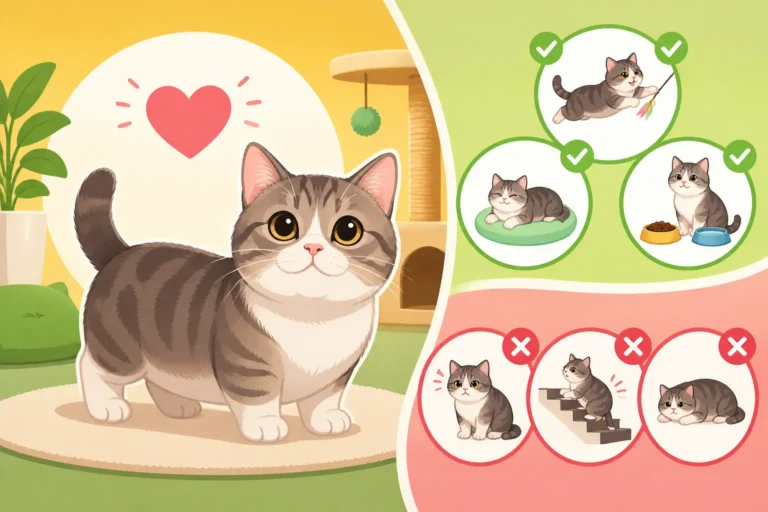
One of the most impactful things you can do for a Munchkin with lordosis is to adapt their living environment to minimize strain on their spine. Because jumping can exacerbate spinal issues, providing ramps and steps are Munchkin equipment, not luxuries. These should be placed wherever your cat needs to access elevated surfaces like sofas, beds, or even favorite window perches. Ensure the ramps are not too steep and have a non-slip surface to prevent accidents. Low-entry litter boxes are also essential, as squatting and stepping into a high-sided box can be painful and challenging. You can find commercial low-entry boxes, or even modify a regular storage bin. Elevated food and water bowls can also make a big difference, allowing your Munchkin to eat and drink without having to bend their neck and back excessively, which can alleviate strain on their shoulders and spine. Think about soft, orthopedic beds to provide ample support and reduce pressure points while they rest. Essentially, the goal is to create a "spinal-friendly" home that eliminates the need for strenuous movements and supports their natural, low-to-the-ground lifestyle.
Physical Therapy and Lifestyle Adjustments
Beyond medication and environmental changes, physical therapy and careful lifestyle adjustments can greatly enhance a Munchkin's comfort and mobility. Gentle, controlled exercise can help maintain muscle strength, particularly in the core, which supports the spine. Your vet or a veterinary physiotherapist can recommend specific exercises, such as gentle stretches, passive range of motion exercises, or short, supervised walks on soft surfaces. Hydrotherapy, which involves exercise in water, is often highly beneficial because the buoyancy reduces weight-bearing stress on the joints and spine while allowing for muscle strengthening. This can be especially helpful for cats with significant pain or mobility issues. Perhaps one of the most critical lifestyle adjustments is strict weight management. Why an overweight Munchkin is in real trouble is because every extra pound adds immense stress to their already compromised spine and joints, accelerating degeneration and increasing pain. A lean body condition is paramount for minimizing the load on their spine. Regular, gentle play sessions on the floor, using wand toys or laser pointers, can keep them engaged without encouraging risky jumps.
Surgical Options and Prognosis
In severe cases of lordosis, particularly when there is significant spinal cord compression causing neurological deficits or intractable pain that doesn't respond to medical management, surgery might be considered. The goal of surgery is typically to stabilize the spine, decompress the spinal cord, and correct the curvature as much as possible. This can involve procedures like spinal fusion or the insertion of rods or plates to support the vertebrae. However, spinal surgery in cats is complex, carries significant risks, including anesthetic complications, infection, and potential for worsening neurological signs. It also requires a lengthy and intensive recovery period, often involving extensive physical rehabilitation. The prognosis following surgery varies greatly depending on the severity of the lordosis, the extent of nerve damage, and the cat's overall health. While it can offer relief and improve quality of life in select cases, it is often a last resort. For many Munchkins with mild to moderate lordosis, the focus remains on conservative management through medication, environmental adaptations, and physical therapy to provide the best possible long-term comfort and mobility. Discussing whether Munchkin lordosis is treatable surgically is a serious conversation with your vet, weighing all the pros and cons carefully.
Ethical Considerations and Breeding Practices
The existence of lordosis and other potential skeletal issues in Munchkin cats is at the core of the ethical debate surrounding the breed. Understanding these arguments is crucial for anyone considering adding a Munchkin to their family or involved in the cat fancy.
The Controversial Breeding of Munchkins
The breeding of Munchkin cats has been a source of intense controversy within the veterinary community and various cat registries for decades. Critics argue that intentionally breeding for a genetic mutation that causes dwarfism, and which can be linked to potential health issues like lordosis and pectus excavatum, is inherently unethical. Many welfare bodies say about the Munchkin that such breeding practices prioritize aesthetic novelty over the animal's welfare, potentially condemning cats to a lifetime of discomfort or medical complications. They highlight the concerns about spinal fragility and altered biomechanics. On the other hand, breeders and proponents of the Munchkin argue that responsible breeding practices, including careful health screening and outcrossing, mitigate these risks. They maintain that the vast majority of Munchkins lead normal, happy, and healthy lives, and that the breed's playful and affectionate nature outweighs any perceived ethical concerns. This deeply divided opinion underscores the need for prospective owners to be thoroughly informed and critical when choosing a breeder.
Responsible Breeding to Minimize Risk
For those who choose to breed Munchkin cats, responsible practices are paramount to minimize the risk of lordosis and other health issues. A reputable breeder should be transparent about the potential health concerns associated with the breed and demonstrate a commitment to health screening their breeding stock. This includes ensuring that all breeding cats are physically sound, with no signs of spinal abnormalities or other conditions. Ideally, a breeder should be able to show you detailed veterinary records for the parent cats, including spinal x-rays, especially if there's any history of lordosis in the lineage. They should never breed two short-legged Munchkins together due to the lethal homozygous gene. Outcrossing to healthy domestic cats also helps maintain genetic diversity and reduces the risk of inherited conditions. Furthermore, responsible breeders typically provide a health guarantee that outlines their commitment to the kitten's well-being. Asking what a Munchkin breeder should be able to show you, such as health clearances, pedigrees, and a clear understanding of the breed's genetics, is essential for any potential buyer. They should also be monitoring their kittens closely from birth for any signs of physical abnormalities.
The Argument Against Breeding Affected Cats
Even with responsible breeding practices, the question of whether a Munchkin with even mild lordosis should be bred remains a contentious point. Critics argue that any degree of lordosis, no matter how mild, indicates a predisposition or an expression of a genetic weakness that should not be perpetuated in the gene pool. They suggest that breeding such cats, even if they appear asymptomatic, could contribute to the condition becoming more prevalent or severe in future generations. The argument emphasizes the principle of "first, do no harm" and advocates for prioritizing the long-term health and welfare of the breed over specific conformational traits. Proponents, however, might argue that mild lordosis, especially if asymptomatic, is not significantly debilitating and that excluding such cats from breeding could overly restrict the gene pool, leading to other genetic problems. This ethical dilemma has no easy answers and often comes down to individual breeders' philosophies and their interpretation of what constitutes an acceptable level of risk. However, it's clear that the more pronounced the lordosis, the stronger the argument against breeding becomes, as the risk of passing on a debilitating condition grows exponentially.
Understanding Spinal Curves in Munchkin Cats
| Feature | Normal Cat Spine | Munchkin Cat Spine (Potential Lordosis) | Implications for Cat Welfare |
|---|---|---|---|
| Natural Curvature | Gentle S-curve, providing flexibility & shock absorption | Exaggerated inward curve (swayback) in lumbar region | Reduced flexibility, increased stress on vertebrae |
| Leg Length | Proportional to body, providing full leverage | Significantly shorter, altering biomechanics | Uneven weight distribution, increased spinal load |
| Organ Compression | Minimal to none with healthy posture | Possible compression of lungs, digestive organs | Breathing difficulties, digestive issues |
| Mobility Impact | Agile, can jump, climb, stretch freely | Reduced jumping ability, reluctance to climb, stiff gait | Limited access to high places, reduced playfulness |
| Pain & Discomfort | Generally none, unless injury or disease | Can range from mild stiffness to chronic, severe pain | Reduced quality of life, need for pain management |
| Breeding Ethics | Healthy spine generally poses no ethical concern | Breeding debated due to potential for inherited condition | Controversy over prioritizing aesthetics vs. health risk |
Disclaimer
This article is for general informational purposes only and does not constitute professional advice. Laws, prices and regulations vary by location and change over time. Consult a qualified professional for guidance on your specific situation.