Why an Old Munchkin Stops Using Its Ramp
It’s a heartbreaking moment for any Munchkin owner: you glance over to see your beloved short-legged companion, who once zipped up and down their carefully placed ramps with glee, now staring wistfully at the sofa, or perhaps attempting a precarious, wobbly jump they haven't tried in years. If your senior Munchkin has suddenly stopped using their ramps, it’s a clear signal that something has changed for them. This guide will help you understand the common reasons behind this shift and offer practical, empathetic solutions to help your aging friend regain their confidence and comfort.
The Shifting Landscape of an Aging Munchkin's Mobility
Just like us, cats experience changes as they get older, and for a Munchkin with their unique conformation, these changes can impact their mobility in specific ways, turning once-easy tasks like using a ramp into a challenge or even a source of pain.
Natural Wear and Tear on Joints and Spine
One of the most common and often silent culprits behind a senior Munchkin’s reluctance to use ramps is the insidious creep of arthritis and general joint wear. Think about it: a Munchkin’s short legs mean their joints, particularly their shoulders and elbows, bear a different kind of load than a long-legged cat. Years of absorbing impact from even small jumps, or navigating the world from a lower perspective, can take their toll. Their unique spinal structure, while typically normal in length, is also constantly working to support a body that sits much closer to the ground, which can lead to fatigue or discomfort over time. You might have read about Why a Munchkin's Shoulders Wear First or Why a Munchkin's Elbows Take the Landing, and these issues become even more pronounced with age. The subtle aches and stiffness that accumulate can make the incline of a ramp, which was once a simple highway to comfort, feel like a mountain pass. It's not that they can't use the ramp, but rather that every step might now bring a twinge or a dull ache they’d rather avoid.
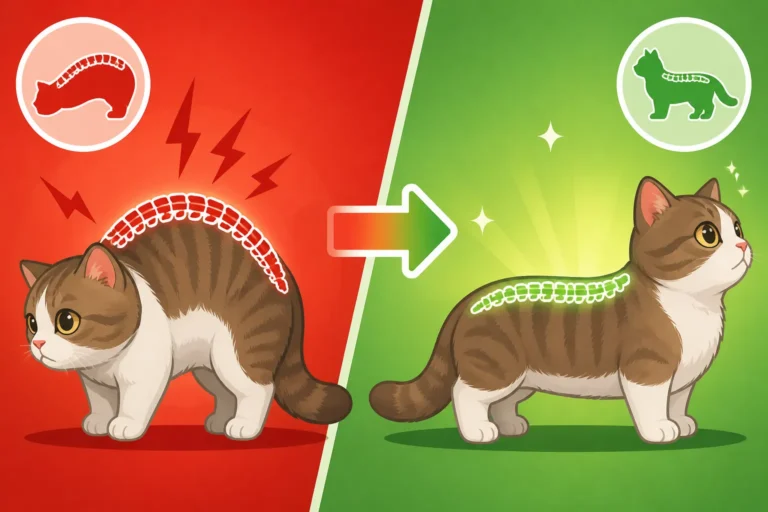
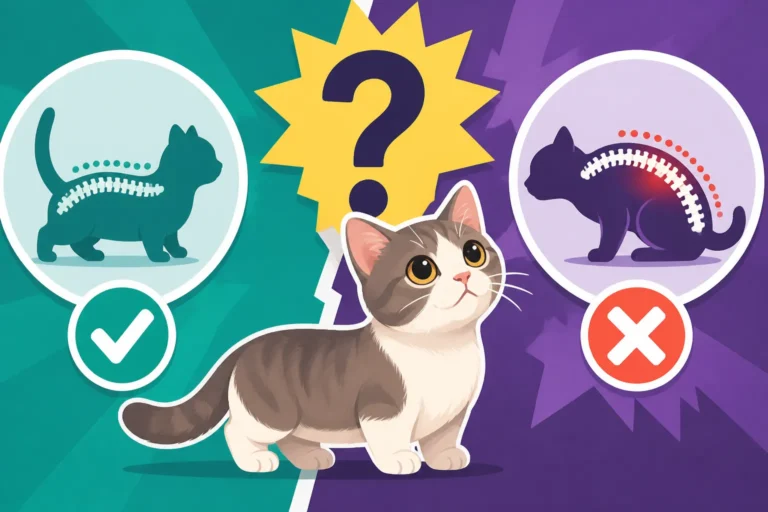
The spine is another critical area. While the Munchkin's spine is generally considered to be of normal length, it does carry a load that a normal cat's does not, simply due to the altered mechanics of their movement and how their body weight is distributed. Over years, this can lead to cumulative stress. When an older Munchkin starts feeling this discomfort, even a slight change in angle or stability on a ramp can make them hesitant. They might hesitate, plant their feet differently, or try to bypass the ramp entirely if they can find an easier (though potentially more dangerous) route.
Subtle Pain Signals and Discomfort
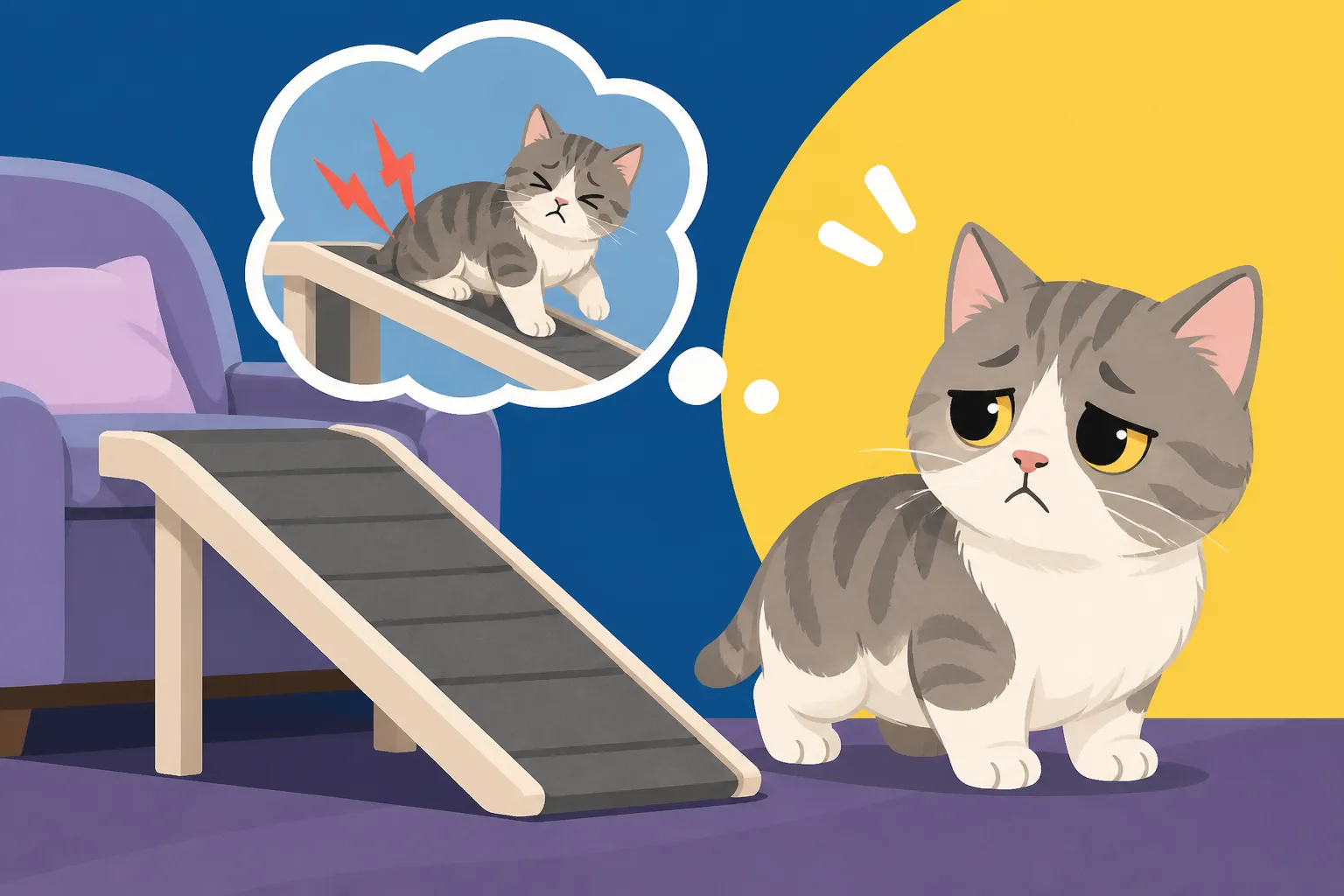
Cats are masters of disguise when it comes to pain. It’s their evolutionary instinct to hide weakness, so you might not see obvious limping or hear meows of distress. Instead, the signs can be incredibly subtle. A senior Munchkin who stops using their ramp might be telling you, in their quiet way, that it hurts. This could manifest as a slight hesitation before stepping onto the ramp, a slower pace when ascending or descending, or even a sudden refusal to use it at all, choosing instead to wait for you to lift them. They might start favoring one side, or you might notice a change in their usual "ferret-like" run, perhaps appearing a bit stiffer.
Observing how they move off the ramp can also provide clues. Are they still jumping onto lower furniture with ease, or do they now need multiple attempts? Do they seem less keen on playing, or are they grooming less effectively in certain areas because it causes discomfort? Understanding How Arthritis Shows in a Munchkin's Front Legs can help you spot these early warnings. It's crucial not to dismiss these changes as "just old age" but to recognize them as potential indicators of pain, prompting a visit to the vet. Sometimes, what looks like stubbornness is actually a plea for help.
Neurological Changes and Balance Issues
Beyond joint pain, aging can bring about neurological changes that affect a Munchkin’s balance, coordination, and overall confidence. Imagine trying to walk up a ramp if you suddenly felt a bit dizzy or your legs didn't quite do what you told them to. This can happen to older cats. Conditions like vestibular disease, which affects balance, or even general age-related cognitive decline can make a familiar ramp feel unstable or disorienting. They might feel unsteady, misjudge their footing, or simply lose the confidence they once had in their own ability to navigate the incline.
A Munchkin who seems more hesitant, takes wider steps, or even occasionally stumbles on flat ground, might be experiencing these neurological shifts. This loss of proprioception—the sense of where their body parts are in space—can make the precise foot placement required for ramp use feel incredibly challenging. They might also become more anxious about falling, leading to an avoidance of anything they perceive as a risk, including their once-trusted ramps. It’s a natural fear, and one that requires understanding and patience from us.
Environmental Factors and Perception Challenges
Sometimes, the issue isn't entirely with your Munchkin's physical state, but with how they perceive and interact with their environment, especially as their senses begin to dull with age. What once seemed perfectly fine might now present subtle challenges.
Ramp Design and Surface Grip
The design of the ramp itself can play a huge role in an older Munchkin's willingness to use it. Think about a ramp you might have put in years ago. Is it still as stable as it once was? Has the carpet or gripping surface worn smooth? A ramp that wobbles even slightly, or one that has lost its traction, can become a source of anxiety for an older cat whose balance might not be as sharp as it once was. A steep incline that was easy to scamper up as a youngster can feel like a daunting climb when joints are stiff.
Consider these aspects:
- Slope: If the ramp is too steep, it requires more effort and puts more strain on their front legs and spine. As detailed in Why a Munchkin Refuses a Steep Ramp, a gentle slope is always preferable.
- Surface Material: Slick surfaces like polished wood or plastic, even with small grooves, can be treacherous. Carpeting, non-slip rubber, or textured fabric provides much-needed grip. Over time, even carpet can get matted down and lose its "grab."
- Width and Edges: A wider ramp feels more secure. If the ramp is too narrow, an older Munchkin might feel precarious, especially if their vision isn't perfect. Low edges can also make them feel less contained and more likely to misstep.
- Stability: Any rocking, shifting, or creaking can instantly deter a cautious senior cat. Make sure the ramp is firmly anchored and doesn't move when they step on it.
A critical look at Which Surface a Munchkin's Ramp Should Have is important here. You might need to add non-slip strips, replace worn carpeting, or even construct a new, more gently sloped ramp to alleviate their concerns.
Vision and Spatial Awareness Declines
Just like humans, cats can experience a decline in their vision and spatial awareness as they age. Cataracts, glaucoma, or general age-related vision impairment can make it difficult for your Munchkin to accurately judge distances, depth, and the texture of surfaces. A ramp that once stood out clearly might now appear blurry, indistinct, or even blend into the background, making it hard for them to see where the ramp begins and ends, or to properly gauge the incline.
This isn't just about seeing obstacles; it's about confidently navigating their world. If they can’t clearly see the subtle shifts in surface or the exact edge of the ramp, they might hesitate or refuse to use it out of caution. Imagine walking up a dark staircase where you can’t quite see the treads – it’s unnerving. Similarly, an older Munchkin might be experiencing a perpetually dim or fuzzy view of their pathways. This can make them more prone to missteps, which then further erodes their confidence in using the ramp.
Changes in Household Dynamics or Layout
Cats are creatures of habit, and senior cats, in particular, can be very sensitive to changes in their environment. Even subtle shifts in your home's layout or daily routine can throw them off, especially if they are already dealing with age-related physical or sensory declines.
Consider these scenarios:
- Moved Furniture: Did you rearrange the living room? Even if the ramp itself wasn't moved, the furniture surrounding it might have shifted, changing the approach or the "safe landing zone." A new armchair might block a familiar pathway or cast a shadow that makes the ramp look different.
- New Obstacles: A new rug, a stack of books, or even a child's toy left near the ramp could be perceived as a daunting obstacle by a senior Munchkin who relies on predictable routes. They might choose to avoid the entire area rather than navigate the new "hazard."
- Increased Noise or Activity: A sudden increase in household noise, a new pet, or more visitors can heighten anxiety in an older cat. If the area around the ramp has become busier or noisier, they might feel less secure using it, preferring quieter, more predictable spaces.
- Lighting Changes: Is the area around the ramp now darker due to heavier curtains, a burnt-out lightbulb, or just the shifting seasons? Reduced lighting can exacerbate vision problems and make the ramp appear less inviting.
It's amazing how much A Munchkin Has to Relearn a House After a Move, even a minor one. For an old Munchkin, familiarity breeds comfort, and disruption can breed avoidance.
Underlying Health Conditions Affecting Mobility and Energy
Sometimes, a refusal to use ramps is a symptom of a deeper, systemic health issue that is affecting your Munchkin's overall energy levels, comfort, or strength. These conditions might not directly cause joint pain but can indirectly impact their willingness or ability to move.
Weight Gain and Its Exacerbating Effects
This is a big one, especially for our short-legged friends. A Munchkin’s unique physical structure means that every extra gram of weight they carry places a disproportionate strain on their joints and spine. Unlike long-legged cats who can distribute weight more easily or rely on longer levers for movement, a Munchkin’s skeletal system is already working harder to support their body. If they’ve put on a few pounds as they've aged—and many senior cats do, as their metabolism slows and play decreases—those ramps can suddenly feel like an insurmountable obstacle.
An overweight Munchkin will experience:
- Increased Joint Stress: Extra weight compresses their already vulnerable joints, accelerating arthritis and increasing pain. This is particularly true for their front legs, which take the brunt of climbing and landing. This highlights Why Weight Is More Dangerous on a Munchkin.
- Reduced Stamina: Carrying more weight requires more energy, making them tire faster. Climbing a ramp might simply be too exhausting.
- Impaired Flexibility: Excess fat can reduce their flexibility, making it harder to position their bodies correctly for ascending or descending a ramp comfortably.
- Difficulty Grooming: An overweight Munchkin might also struggle to groom their back half, leading to mats and skin irritation, which can further reduce their desire to move or be touched.
It’s truly disheartening to see Why an Overweight Munchkin Is in Real Trouble, as it often snowballs into further mobility issues. Keeping your Munchkin at a healthy weight throughout their life is perhaps the single most important thing you can do for their long-term joint health and mobility.
Organ System Issues Impacting Energy Levels
Beyond musculoskeletal problems, various internal health issues common in senior cats can manifest as a general lack of energy, weakness, or malaise, indirectly leading to ramp avoidance. If your Munchkin is feeling unwell, the last thing they want to do is exert themselves.
Consider these common conditions:
- Kidney Disease: Chronic kidney disease is prevalent in older cats. It can cause nausea, dehydration, muscle weakness, and a general feeling of being unwell, all of which would reduce their motivation to use ramps. You can read more about How Kidney Disease Arrives in an Old Munchkin.
- Hyperthyroidism: This condition involves an overactive thyroid gland, leading to increased metabolism. While some cats become hyperactive, others can become anxious, lose muscle mass despite eating, and experience muscle weakness, making movement difficult. Find out Why Hyperthyroidism Catches an Older Munchkin.
- Diabetes: If left uncontrolled, diabetes can cause lethargy, weakness, and nerve damage (neuropathy), which can affect their ability to walk steadily.
- Heart Disease: Reduced cardiac function can lead to fatigue, shortness of breath, and a general disinterest in activity, making ramp climbing taxing.
If your Munchkin seems lethargic, is eating or drinking more or less than usual, or shows any other changes in behavior beyond just ramp avoidance, a comprehensive veterinary check-up is essential to rule out these underlying health concerns.
Dental Pain and General Malaise
It might seem unrelated, but dental pain can significantly impact a cat's overall well-being and willingness to move. Imagine having a persistent toothache; you’d probably feel pretty miserable and uninterested in exerting yourself. Cats are incredibly stoic, and severe dental disease often goes unnoticed by owners. Infections, resorptive lesions, or gum inflammation can cause chronic pain that affects their appetite, sleep, and energy levels.
A cat in dental pain might:
- Eat less or become pickier: Resulting in weight loss or nutrient deficiencies that impact energy.
- Be withdrawn or irritable: Less likely to engage in play or use ramps.
- Have reduced grooming: Because stretching or manipulating their mouth is painful.
While not directly related to ramps, a cat feeling generally unwell due to dental issues won’t have the motivation or comfort to navigate them. It’s another reminder that holistic health is key, and addressing seemingly small issues can have a big impact on their quality of life. Regular dental check-ups are crucial for senior cats to prevent this often-overlooked source of discomfort.
Practical Steps to Re-engage Your Senior Munchkin with Ramps (and Life!)
Seeing your beloved Munchkin struggle is tough, but there are many proactive steps you can take to help them regain their confidence and comfort with their ramps and within their home. It often involves a combination of environmental adjustments and veterinary support.
Reassessing and Adapting Existing Ramps
The first step is to become a detective in your own home. Observe your Munchkin carefully around their ramps. Do they approach it, hesitate, and then walk away? Do they try to use it but seem unsteady? This observation will guide your modifications.
- Check the Slope: If your existing ramp is steep, consider replacing it with a more gradual one. You can find longer ramps online, or even build one yourself. A ramp with a very gentle incline is far less strenuous. For tips on how to adjust for their aging needs, explore Why an Old Munchkin Needs Its Route Lowered.
- Enhance Surface Grip: Is the ramp surface smooth or worn? Add carpet runners, non-slip adhesive strips, or even textured rubber matting. Ensure the material provides good traction for their paws, even if they are moving slowly. Remember, a surface that was fine for a young, agile cat might be too slick for an older one with less precise footing.
- Improve Stability: Check for wobbles. Reinforce the ramp where it meets the furniture or floor. You might need to add rubber feet to prevent slipping on hard floors, or secure it with brackets. A stable ramp builds confidence, as discussed in How to Anchor a Ramp So a Munchkin Trusts It.
- Widen the Path: If your ramp is narrow, a wider surface can make them feel more secure, giving them more room to adjust their footing.
- Ensure Clear Access: Remove any clutter around the ramp's entrance and exit points. Make sure there’s nothing blocking their sightline or making them feel cramped.
- Consider Steps: Some older Munchkins might prefer steps to a ramp, especially if the steps are wide, shallow, and carpeted. It might be worth trying a set of pet stairs as an alternative.
Veterinary Consultation and Pain Management
This is perhaps the most critical step. If your Munchkin has stopped using their ramps, it's highly likely they are experiencing some form of discomfort. A thorough check-up with your veterinarian is paramount. Don’t wait!
Your vet will:
- Perform a Physical Exam: They'll carefully palpate joints, check for signs of pain, assess gait, and listen to their heart and lungs. They might even film your Munchkin walking to analyze their movement more closely.
- Recommend Diagnostics: This could include X-rays to assess joint health (looking for arthritis or spinal issues), blood tests to check for organ function (kidney, thyroid, liver), and potentially a dental exam.
- Discuss Pain Management Options: If arthritis or other painful conditions are diagnosed, your vet can recommend appropriate treatments. This might include:
- NSAIDs (Non-Steroidal Anti-Inflammatory Drugs): These medications can significantly reduce pain and inflammation.
- Joint Supplements: Glucosamine, chondroitin, and omega-3 fatty acids can support joint health. Explore Which Joint Supplements Suit a Munchkin.
- Alternative Therapies: Such as acupuncture or cold laser therapy, which can provide relief for some cats.
- Weight Management Plan: If your Munchkin is overweight, your vet will help you devise a safe and effective weight loss program. You can also get more details on What Pain Relief a Stiff Munchkin Can Take.
Investing in pet insurance, like a plan from Healthy Paws, can be a game-changer here. Unexpected vet bills for diagnostics, medication, or ongoing therapies for age-related conditions can add up quickly. A good insurance plan can help ensure you don't have to make difficult decisions based on cost, allowing you to focus on getting your Munchkin the best care possible to keep them mobile and comfortable as they age. This financial peace of mind means you can explore all the recommended treatments without undue stress.
Creating New, Accessible Pathways and Enrichment
While you're working on the ramps and consulting your vet, it's also important to make your entire home more senior-Munchkin-friendly. This means thinking about every surface and every elevation.
- Lower Key Resources: Ensure food, water, and litter boxes are easily accessible on the ground floor, or on very low platforms. For tips, you might find How to Arrange a Munchkin's Room in One Plane helpful.
- Comfortable Resting Spots: Provide warm, soft beds on the floor in quiet areas. Raised beds might need a small step or ramp for access.
- Gentle Enrichment: Continue to engage them with play, but adapt it to their physical capabilities. Use wand toys that keep the play at floor level, rather than encouraging high jumps. Puzzle feeders can still provide mental stimulation without strenuous movement.
- Carpet Runners and Mats: On slippery hard floors, strategically place rugs or runners to create non-slip pathways throughout the house. This makes it easier and safer for them to get around without fear of slipping.
- Rethink Grooming: As they age, many Munchkins struggle to groom their hindquarters due to stiffness or pain. Be prepared to step in with regular brushing and perhaps a sanitary clip to prevent matting and skin issues.
- Regular, Gentle Movement: Encourage short, frequent periods of gentle movement and interaction throughout the day to keep their muscles active and prevent stiffness. Even a short play session with a feather wand can make a difference. Learn about How to Keep an Old Munchkin Moving Safely.
Remember, a senior Munchkin still wants to be an active part of your family. By making thoughtful adjustments to their environment and partnering with your vet, you can help them navigate their golden years with comfort and dignity. Being proactive about their health, and having support from something like Healthy Paws pet insurance, can ensure these adaptations and treatments are accessible and ongoing, keeping your short-legged friend happy and mobile for as long as possible. Don't forget, Why an Old Munchkin Needs Its Weight Watched Hardest is crucial to all these efforts.
Disclaimer
This article is for general informational purposes only and does not constitute professional advice. Laws, prices and regulations vary by location and change over time. Consult a qualified professional for guidance on your specific situation.