Why Hyperthyroidism Catches an Older Munchkin
As our beloved Munchkin cats journey into their golden years, many of us start to worry about the specific health challenges that might arise. One common concern that frequently crops up for senior felines, and can be particularly tricky to spot in our short-legged friends, is hyperthyroidism. This guide aims to shed light on why hyperthyroidism tends to affect older Munchkins, how their unique traits might mask the symptoms, and what steps you can take to ensure they receive timely and effective care.
Understanding Hyperthyroidism in Senior Cats
It's a bittersweet truth that as our furry companions age, their bodies, much like our own, become more susceptible to certain conditions. For cats, especially those past a certain age, hyperthyroidism is one of the most prevalent endocrine disorders.
What Hyperthyroidism Actually Is
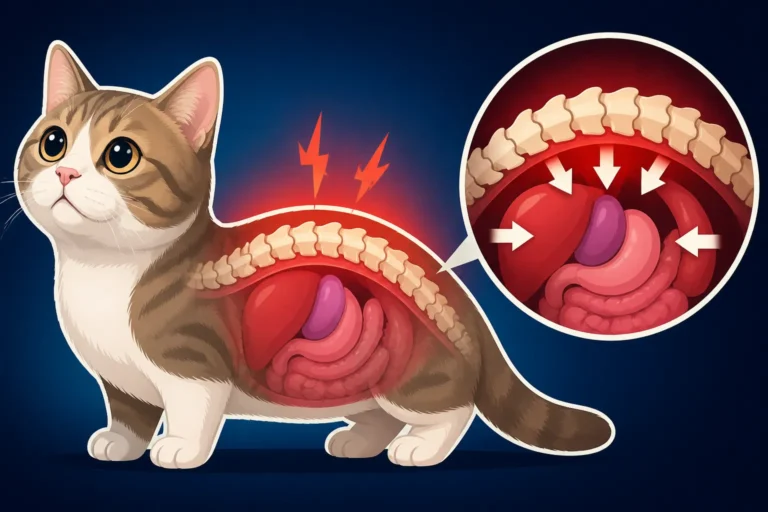
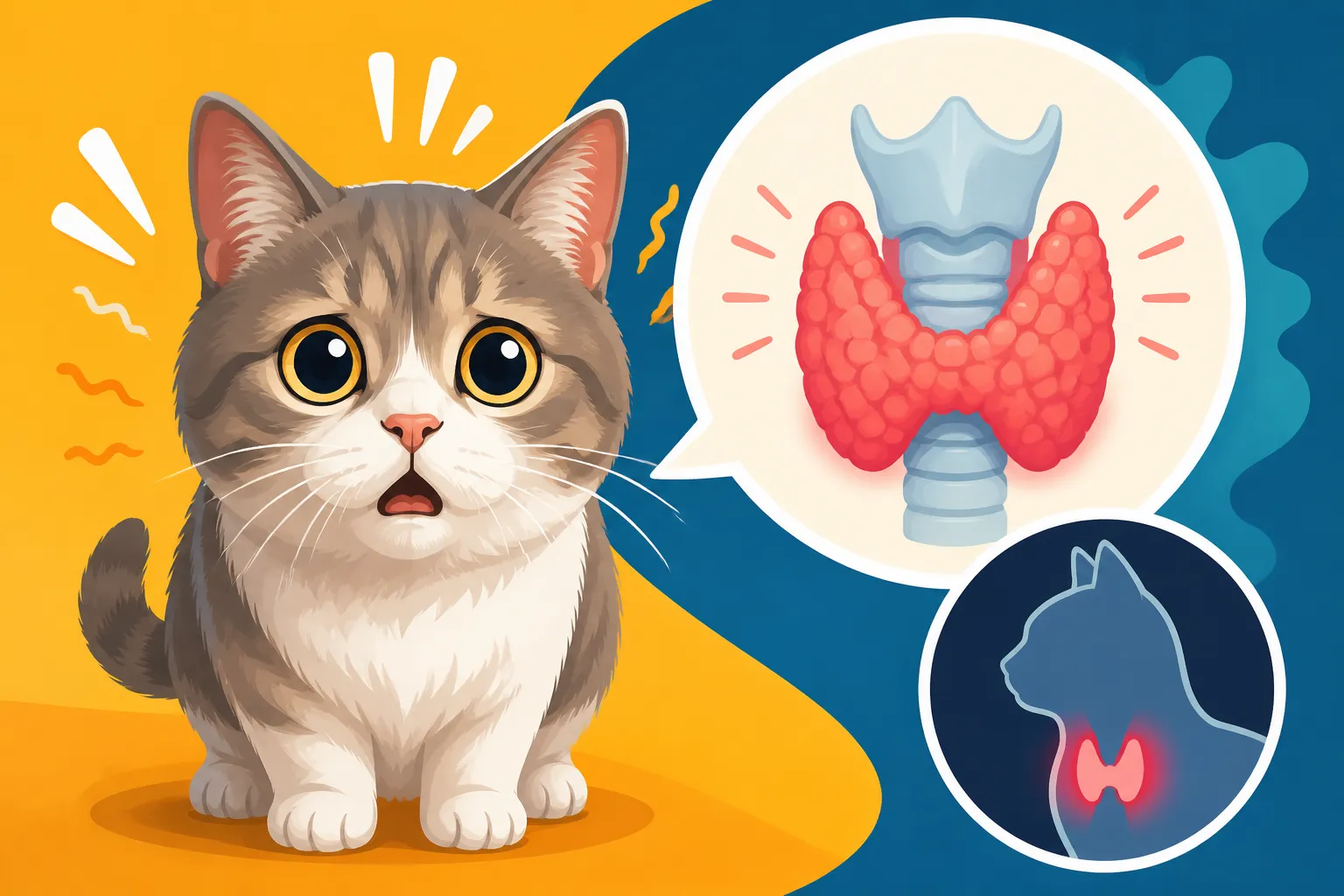
At its heart, hyperthyroidism is a condition where a cat's thyroid glands, located in the neck, become overactive and produce an excessive amount of thyroid hormones. These hormones are like the body's internal thermostat and speed regulator, influencing almost every organ system. When too much hormone is circulating, the body essentially goes into overdrive. Imagine your car always running in high gear, even when you're just idling; that's a bit like what happens inside a cat with hyperthyroidism. This constant overstimulation can lead to a cascade of effects, impacting their metabolism, heart rate, appetite, and overall well-being. It's not usually a sudden onset condition; rather, it often develops gradually, making it subtle and easy to miss in its early stages.
Why Older Cats Are More Susceptible
So, why does this happen more often in older cats? The vast majority of hyperthyroidism cases in felines are caused by a benign (non-cancerous) enlargement or tumor of the thyroid gland, called an adenoma. Think of it like a little factory in the neck that just starts working overtime and refuses to slow down. As cats age, the cells in these glands are simply more prone to these kinds of changes. It's a natural part of the aging process for many organs, where cell replication and growth can become a bit unregulated over time. This is why when a Munchkin counts as senior, usually around 8-10 years old, their risk of developing this condition, among others, begins to climb steadily. It's not about wear and tear in the same way joint problems are; it’s more about the accumulated cellular changes over a lifespan.
Do Munchkins Have a Higher Baseline Risk?
This is a question many Munchkin owners ponder: does their breed, with its unique genetic makeup and physical characteristics, make them inherently more prone to hyperthyroidism than other cats? The honest answer, based on current understanding, is generally no. Hyperthyroidism is a widespread issue affecting senior cats across all breeds, domestic shorthairs and purebreds alike. There isn't specific scientific evidence to suggest that the gene responsible for a Munchkin's short legs directly predisposes them to thyroid gland dysfunction.
However, where the Munchkin's unique traits do come into play is often in how their specific physiology and typical behaviors can complicate the detection and management of the disease. While the underlying cause of the hyperthyroidism itself isn't Munchkin-specific, the way a Munchkin presents symptoms or responds to treatment might require a slightly different approach or a more keen eye from their human companions. It's less about a higher risk of developing it and more about the nuances of living with it as a Munchkin.
Subtle Signs and Missed Clues in a Munchkin
Detecting hyperthyroidism in any senior cat can be a challenge because the symptoms often mimic other age-related issues or general slowing down. But for a Munchkin, their inherent characteristics can create even more layers of camouflage, making early diagnosis particularly tricky.
The Masking Effect of a Munchkin's Activity Level
One of the hallmark symptoms of hyperthyroidism is increased activity, restlessness, and sometimes even aggression, due to the body being constantly revved up. Now, think about your typical Munchkin. They are often described as energetic, playful, and forever kitten-like, even into adulthood. Their natural inclination to dart around, engage in playful antics, and maintain a certain level of zoomies might inadvertently mask the hyperactivity associated with an overactive thyroid. A regular cat suddenly tearing through the house at 3 AM might raise immediate alarm bells, but a Munchkin doing the same could be dismissed as "just being a Munchkin."
It’s easy to think, "Oh, Mittens is just having a burst of energy today," when in reality, that burst is becoming more frequent, more intense, and less tied to actual play or stimulus. You might notice them pacing more, being unusually vocal, or seemingly unable to settle, especially during times they would normally be relaxing. This subtle shift from typical playfulness to genuine restlessness can be a hard line to draw without careful observation.
Weight Loss and a Munchkin's Unique Body Shape
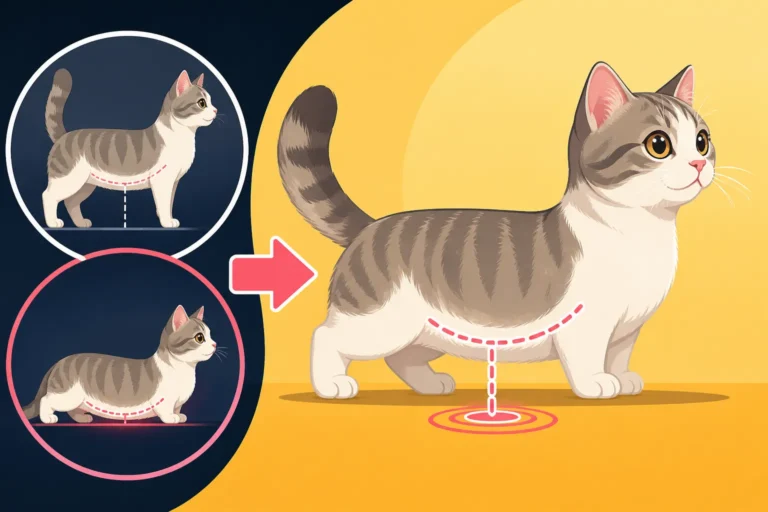
Another classic sign of hyperthyroidism is unexplained weight loss, despite a normal or even increased appetite. The elevated metabolism burns calories at an accelerated rate, preventing the cat from maintaining its body mass. For most cats, a noticeable reduction in their frame would be quite evident. However, a Munchkin's low-slung, compact body can make this assessment more challenging.
Their short legs give them a naturally unique silhouette, often making them appear more rounded or "chonky" even when they are lean. This can make it harder to visually spot the subtle thinning around their ribs or hindquarters. The belly of a Munchkin cat often nearly touches the floor, which can also obscure underlying changes in their torso. You might still be feeling for their ribs when learning how to score a Munchkin's body condition, but the visual cues are different. An owner might be less likely to notice their Munchkin has lost a pound or two until the condition is more advanced, simply because their unique build doesn't scream "underweight" as quickly as a long-legged cat might. This underscores why an old Munchkin needs its weight watched hardest, with regular weigh-ins becoming a crucial part of their senior care routine.
Behavioral Changes That Mimic Normal Munchkin Quirks
Cats are creatures of habit, and any significant change in their demeanor can be a red flag. With hyperthyroidism, you might see increased vocalization, irritability, anxiety, or even changes in litter box habits. However, Munchkins already have their own endearing, and sometimes quirky, behavioral repertoire. They are often known for being quite talkative, sometimes almost demanding attention with their meows. They also have distinct ways of getting where they want without jumping, and sometimes their persistent efforts can be misinterpreted.
For example, an anxious cat might increase its meowing, but a Munchkin already prone to chattiness might just seem "a little more vocal than usual." An increase in thirst or urination (another hyperthyroidism symptom) could be misattributed to other common senior cat ailments like kidney disease. Even the typical "prairie dog sit" posture that Munchkins love might be held more often if they are feeling restless. It's the degree and context of these changes that matter. If your Munchkin, who always used to be happy chasing a wand toy, now seems constantly agitated, or if they are withdrawing and seem less interested in interaction, it's worth noting. Any time a withdrawn Munchkin should see a vet is a clear indicator that something is amiss, and hyperthyroidism should be on the list of possibilities.
Here's a quick comparison of some symptoms and how they might be perceived in a Munchkin versus a regular cat:
| Symptom of Hyperthyroidism | Typical Presentation in Most Cats | Potential Masking in a Munchkin |
|---|---|---|
| Increased Activity | Obvious restlessness, pacing, hyperactivity | May be mistaken for normal Munchkin playfulness or 'zoomies' |
| Weight Loss | Visibly thinner, bony frame | Obscured by their low-slung body, may appear "rounded" despite loss |
| Increased Appetite | Ravenous eating, still losing weight | Often seen as a healthy appetite, less immediate concern |
| Vomiting/Diarrhea | Noticeable digestive upset | May be attributed to diet changes or general senior sensitivity |
| Increased Vocalization | Suddenly very chatty, cries more | May be mistaken for their naturally communicative nature |
| Poor Coat Condition | Dull, greasy, matted fur | May be attributed to inability to self-groom (common issue) |
| Increased Thirst/Urination | Frequent trips to water bowl/litter box | Could be confused with early kidney issues in seniors |
| Irritability/Aggression | Uncharacteristic snapping, hissing | May be seen as a grumpy senior or a reaction to pain |
It's clear that vigilance and understanding your individual Munchkin's baseline behaviors are key to recognizing when something is truly off.
Diagnosis and Management Strategies for Your Older Munchkin
Once you suspect hyperthyroidism in your older Munchkin, the next crucial steps involve getting an accurate diagnosis and working with your veterinarian to develop a tailored management plan. This is where proactive care truly shines.
The Importance of Regular Senior Vet Checks
For any senior cat, regular veterinary check-ups are paramount, but they become even more critical for breeds with unique physical considerations like the Munchkin. These routine visits allow your vet to establish baseline health parameters and catch subtle changes early. Ideally, once your Munchkin reaches around eight years old, twice-yearly check-ups are recommended. During these appointments, your vet won't just perform a physical exam; they'll also likely suggest routine blood work.
A comprehensive senior blood panel is essential. It usually includes a complete blood count (CBC), a biochemical profile to check organ function (especially kidneys and liver), and, crucially, a thyroid hormone (T4) level test. It’s those specific blood values that matter most in a Munchkin when it comes to diagnosing hyperthyroidism. Elevated T4 levels are the definitive indicator of the condition. Your vet will also likely palpate your Munchkin's neck to feel for any enlargement of the thyroid glands, although these can sometimes be difficult to feel, especially if they are small or located lower in the chest. Don't underestimate the power of these regular visits; they are your best defense against insidious diseases. Companies like Healthy Paws pet insurance often encourage proactive veterinary care by offering benefits that cover diagnostic tests, which can significantly ease the financial burden of managing a chronic condition like hyperthyroidism.
Tailoring Treatment for a Munchkin's Needs
Once hyperthyroidism is diagnosed, your vet will discuss various treatment options, each with its pros and cons. The main goal is to reduce the overproduction of thyroid hormones and alleviate symptoms.
- Oral Medication: This is often the first line of treatment. Drugs like methimazole work by blocking the production of thyroid hormones. It's usually given orally, sometimes twice a day. The dosage will be carefully adjusted based on your Munchkin's response and subsequent T4 levels. This can be a lifelong commitment, and regular monitoring of blood work is essential to ensure the medication is effective and not causing side effects.
- Radioactive Iodine Therapy (I-131): This is often considered the "cure" for hyperthyroidism. It involves a single injection of radioactive iodine, which specifically targets and destroys the overactive thyroid tissue while sparing healthy tissue. The success rate is very high, and many cats no longer require medication afterward. However, it requires a stay at a specialized veterinary facility for a few days to a week due to the radioactivity, and it can be a more significant upfront cost.
- Specialized Diet: Some prescription diets are designed to manage hyperthyroidism by restricting iodine intake, which is necessary for thyroid hormone production. This can be effective for cats who will exclusively eat the prescription food and don't share food with other pets. It's a non-invasive option but requires strict adherence.
- Surgical Removal: In some cases, the enlarged thyroid gland can be surgically removed. This option is less common now due to the effectiveness of I-131 therapy and the potential risks associated with anesthesia in older cats, but it remains a possibility for specific situations.
When considering these treatments for your Munchkin, your vet will take into account their overall health, any other co-existing conditions (like kidney disease, which is common in older cats), and your ability to administer medication or manage dietary restrictions. For instance, if your Munchkin already has stiffness or mobility issues, managing oral medication might be simpler than repeated veterinary visits for injections.
Adapting Your Home for a Hyperthyroid Munchkin
Living with a hyperthyroid Munchkin often means making some practical adjustments around the house to support their well-being. The symptoms of the disease, like increased energy, heightened appetite, and sometimes muscle weakness, can exacerbate some of the challenges already faced by a short-legged cat.
If your Munchkin has an increased appetite, you'll need to be extra diligent about food management. Ensure all food is stored securely and that there are no opportunities for them to free-feed or steal snacks. For cats with restlessness, creating calm, quiet zones can be helpful. While your Munchkin might be more active, remember that their short legs still mean they cannot reach the kitchen counter or climb as easily. So, while their internal motor is revved up, their physical limitations remain. You might find they are still struggling with things like why an old Munchkin stops using its ramp, not because they're stiff, but because their newfound agitation makes them less focused on navigating carefully.
Providing easily accessible, comfortable resting spots at floor level or with gentle ramps leading up to them can help them conserve energy and reduce stress. If their hyperactive metabolism is making them feel warm, ensure they have access to cooler areas of the house. On the flip side, if they are losing weight and muscle, you’ll want to ensure their environment is set up to minimize strenuous activity, preserving what muscle mass they have. This constant consideration of their physical limitations in conjunction with their metabolic changes is key.
Living with a Hyperthyroid Munchkin: Long-Term Care
Managing hyperthyroidism in an older Munchkin is often a long-term commitment, but with consistent care and vigilance, they can continue to live a happy and comfortable life. The focus shifts to maintaining their hormone levels, supporting their overall health, and adapting to their evolving needs.
The Role of Nutrition and Hydration
A hyperthyroid Munchkin's body is working overtime, which means their nutritional needs can change dramatically. Even with a good appetite, the accelerated metabolism can lead to muscle wasting and nutritional deficiencies if not properly managed. Your vet might recommend a specific diet, even if not an iodine-restricted one, that is highly digestible and nutrient-dense to help them maintain body condition. High-quality protein is essential to help preserve muscle mass. It's vital to ensure they have constant access to fresh water, as increased thirst is common, and adequate hydration supports overall organ function. Remember, the goal is to get their thyroid levels under control, but the secondary effects on their body still need to be addressed through proper diet. If they are on an iodine-restricted diet, ensuring it's the only food they consume is critical for its effectiveness.
Monitoring and Adjusting Care as Needed
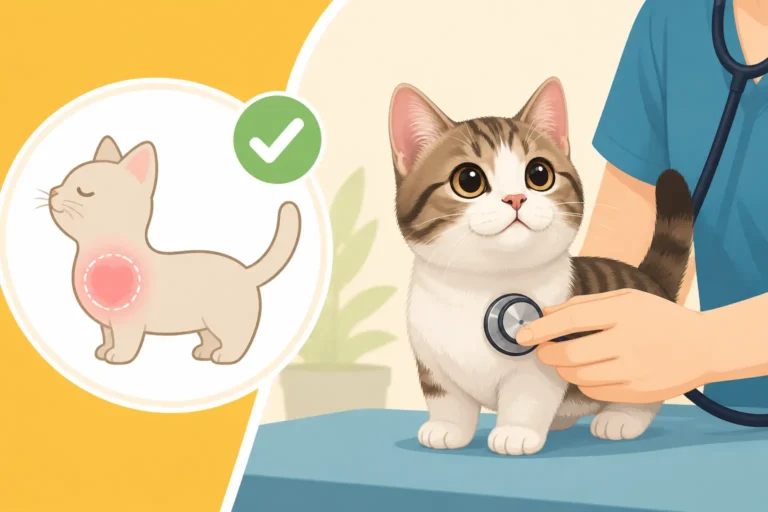
Long-term care for a hyperthyroid Munchkin involves ongoing partnership with your vet. After starting treatment, regular follow-up appointments are essential. These typically include physical exams, checking their weight, listening to their heart (hyperthyroidism can affect heart health), and, most importantly, repeat blood tests to measure their T4 levels. The frequency of these tests will depend on the chosen treatment method and your Munchkin's response. For instance, if on medication, tests might be needed every few weeks initially, then every 3-6 months once stable.
This monitoring allows your vet to adjust medication dosages, track the effectiveness of other treatments, and watch for any potential side effects. It's also a chance to assess for other age-related conditions that might emerge. Remember, an annual vet visit includes checking their gait and overall mobility, which becomes even more important if their body is stressed by a chronic illness. Being proactive and observing for subtle signs at home, such as changes in appetite, water intake, activity level, or litter box habits, will be invaluable information for your vet.
Supporting Their Quality of Life
Ultimately, the goal of managing hyperthyroidism is to ensure your Munchkin maintains a good quality of life. This means not just treating the disease itself, but also addressing any secondary issues that arise and supporting their overall well-being. If their hyperthyroidism has led to stiffness or joint pain, exploring options for joint supplements or pain relief, always under veterinary guidance, is crucial. For pet owners concerned about the costs of chronic conditions and ongoing supportive care, exploring pet insurance options like Healthy Paws can provide peace of mind by helping to cover the expenses of long-term medical management.
Ensuring their environment remains safe and accessible, especially if they are experiencing muscle weakness or disorientation, is also important. This might mean adding more ramps or steps to help them reach their favorite sleeping spots or window perches. Continue to engage them in gentle, floor-level play, even if their energy levels fluctuate. Providing comfort, routine, and plenty of love will go a long way in helping your older Munchkin thrive despite their condition. What an old Munchkin stops being able to do, whether due to hyperthyroidism or other age-related changes, should always be met with understanding and adaptation on our part.
Disclaimer
This article is for general informational purposes only and does not constitute professional advice. Laws, prices and regulations vary by location and change over time. Consult a qualified professional for guidance on your specific situation.