How Early a Munchkin’s Chest Should Be Checked
When you welcome a new Munchkin kitten into your home, you're not just gaining a furry friend; you're taking on the joyous responsibility of understanding their unique needs. One common concern for Munchkin owners, and rightly so, often revolves around their distinctive physique, particularly the potential for a condition known as Pectus Excavatum, or a "sunken chest." It can be incredibly worrying to think about such a health issue, but thankfully, early awareness and proper veterinary checks can make all the difference. This guide will walk you through exactly when and how your Munchkin's chest should be checked, what to expect, and how to stay proactive in their care.
The Critical Window: When to First Check a Munchkin's Chest
Understanding when to first check your Munchkin's chest is absolutely paramount for their long-term health. It's not just a one-time thing; it starts even before they come home with you and continues with diligent veterinary follow-ups. The goal is to catch any potential issues as early as possible, when intervention can be most effective, and to provide you with peace of mind.
Early Palpation by a Reputable Breeder
A truly responsible and reputable Munchkin breeder is your first line of defense in identifying potential health concerns, including Pectus Excavatum (PE). These dedicated individuals don't just breed kittens; they nurture them from birth, observing every tiny detail of their development. This means that they should be gently examining their kittens, including palpating the sternum (breastbone), from a very young age. They are feeling for any signs of an inward depression or abnormal shape of the chest wall.
Beyond just a quick feel, a good breeder will also observe the kittens' breathing patterns and activity levels. Are they playing normally? Do they seem to breathe easily, or is there any visible effort in their chest movements? These are all crucial indicators. If a breeder identifies a kitten with a significant sunken chest, they might make the difficult but ethical decision not to sell that kitten, or to sell it with full disclosure and a reduced price, ensuring the new owner is aware of the challenges. You should always ask your breeder directly about their screening processes and be transparent about any health issues they've observed in the litter or the parents. They should be able to show you a healthy cattery environment, and discussing things like What a Sunken Chest Feels Like on a Munchkin Kitten should be part of their open conversation. Furthermore, if a kitten has serious health concerns, understanding Why Some Munchkin Kittens Are Not Sold is an important part of a breeder's ethics. A truly transparent breeder will always be upfront about any concerns.
Your Veterinarian's Initial Assessment at 8-12 Weeks
While a breeder's early checks are vital, your Munchkin kitten's first veterinary visit, typically scheduled between 8 and 12 weeks of age, marks the official and most critical time for a comprehensive chest examination. This is usually when you bring your new kitten home, and it’s your chance to establish their baseline health with a professional medical opinion.
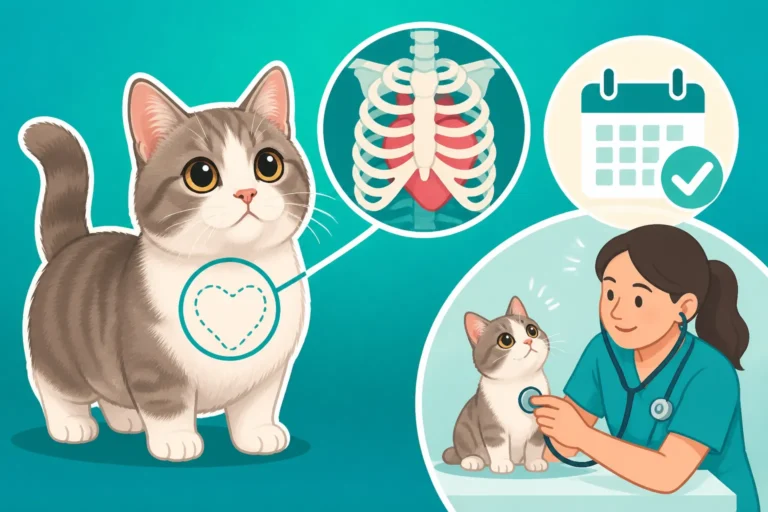
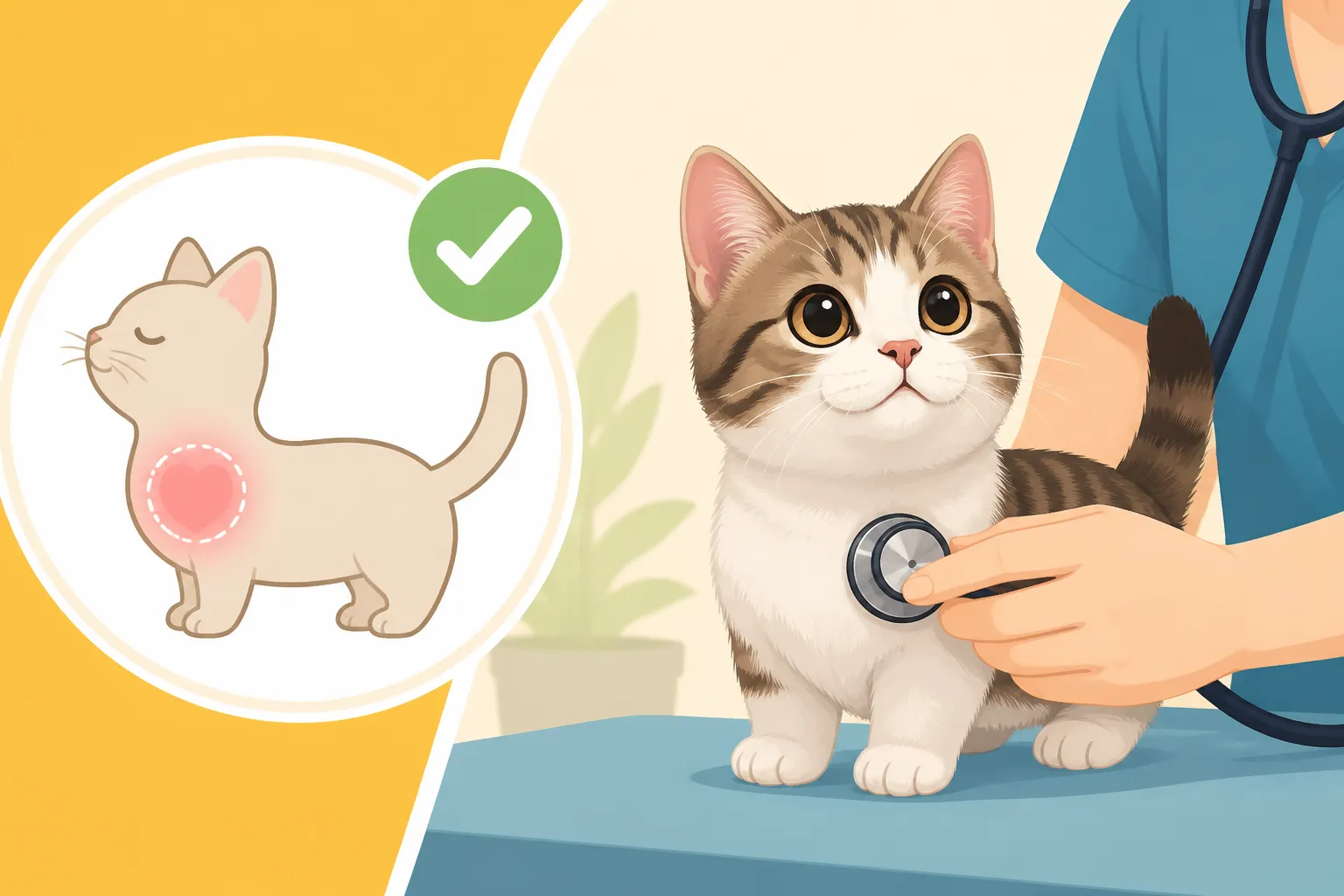
During this initial visit, your veterinarian will perform a thorough physical exam. This isn't just a quick look; it involves a meticulous visual inspection of your kitten's chest contour, gentle palpation of the sternum and rib cage to feel for any abnormalities, and auscultation – listening to their heart and lungs. Your vet will be checking for any heart murmurs or unusual lung sounds that could indicate the heart or lungs are being compressed by a sunken chest. They'll also observe your kitten's general demeanor, breathing effort, and how they move. It’s important to communicate any observations you’ve made at home, no matter how minor they seem. This comprehensive first check helps to confirm the absence of PE or to diagnose it early, allowing for potential management strategies to be considered. Remember, a detailed first vet visit is essential for any new kitten, and understanding What a Munchkin Kitten's First Exam Should Cover will help you prepare.
What a Comprehensive Chest Check Entails
A thorough chest check for a Munchkin cat goes beyond a simple visual inspection. While the initial physical exam is crucial, sometimes further diagnostic steps are necessary to get a complete picture of your cat's internal anatomy and to properly assess the severity of any discovered condition.
The Physical Examination: More Than Just a Look
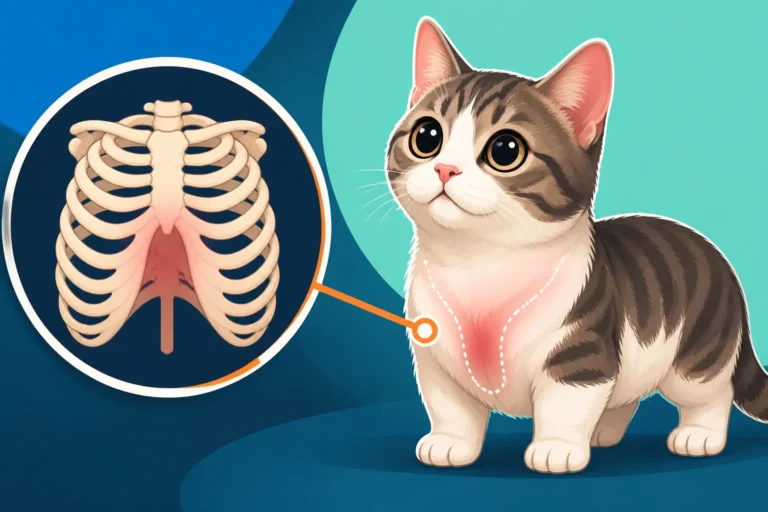
When your veterinarian performs a physical examination specifically looking for Pectus Excavatum, they are trained to look and feel for very specific indicators. Visually, they'll check for any obvious inward curving of the sternum or flatness of the chest. They'll also carefully watch your kitten breathe, noting if there's any labored breathing, paradoxical movement (where the chest wall moves inward during inhalation instead of outward), or flaring of the nostrils.
Palpation is a key part of this exam. The vet will gently run their fingers along your kitten's sternum, feeling for any indentations, deviations, or rigidity. They're assessing the shape and flexibility of the breastbone and ribs. They might also apply gentle pressure to see if the chest wall has any spring to it, which can be affected by PE. Concurrent with palpation, your vet will use a stethoscope to listen to your Munchkin's heart and lungs. Heart murmurs can sometimes be a secondary issue if the heart is displaced or compressed by a severely sunken sternum. Abnormal lung sounds could suggest reduced lung capacity or inflammation due to restricted chest movement. The insights gained from this detailed physical exam help your vet to establish a preliminary diagnosis and determine if further investigation is warranted, helping them to How a Vet Grades a Munchkin's Sunken Chest effectively.
Advanced Diagnostics and Their Importance
If your veterinarian detects any abnormalities during the physical examination, or if your Munchkin is exhibiting symptoms like coughing, wheezing, or difficulty breathing, they will likely recommend advanced diagnostics. The primary tool for assessing Pectus Excavatum is radiography, or X-rays.
Chest X-rays provide a clear image of the skeletal structures and internal organs, allowing the vet to accurately measure the degree of sternal deviation and evaluate its impact on the heart and lungs. They can determine if the heart is pushed to one side or if lung capacity is compromised. Depending on the severity and clinical signs, specialized views, like lateral and dorsoventral projections, might be taken. For very complex cases or if surgical correction is being considered, more advanced imaging such as a CT (Computed Tomography) scan might be recommended. A CT scan offers a three-dimensional view of the chest, providing invaluable detail for surgical planning. While these diagnostics come with a cost, they are crucial for a definitive diagnosis, understanding the prognosis, and guiding treatment decisions. It's worth discussing with your vet if Whether a Munchkin Needs X Rays as It Ages is something to consider routinely, especially if a mild case of PE is already identified. You might also want to follow up with another check specifically for What a Munchkin's Chest Should Be Rechecked at Six Months.
Monitoring and Long-Term Care for Your Munchkin's Chest
A Munchkin's health journey, particularly concerning their unique physical attributes, is a marathon, not a sprint. The initial checks are vital, but ongoing monitoring and proactive care are just as important to ensure your furry friend lives a comfortable and healthy life.
Ongoing Owner Observation and Follow-Up Checks
As a Munchkin owner, you become your cat's most important observer. After the initial vet visits, it's crucial to pay close attention to your cat's behavior and physical condition at home. Watch for any changes in their breathing – is it faster, more labored, or noisy? Are they coughing or wheezing more frequently? Notice their energy levels; are they suddenly less playful or more lethargic than usual? Monitor their exercise tolerance – do they tire quickly during play, or avoid activities they once enjoyed? Any of these signs could indicate a worsening of Pectus Excavatum or other respiratory issues.
Regular follow-up veterinary checks are also essential, even if your Munchkin was initially deemed healthy. Your vet will likely recommend annual wellness exams, during which they will continue to assess your cat's chest, listening to their heart and lungs, and palpating the sternum. If a mild case of PE was noted early on, these follow-up checks are critical to monitor its progression and ensure it’s not causing new problems as your cat grows. Being proactive can help identify issues before they become severe. Understanding How Pectus Excavatum Affects a Munchkin's Breathing can empower you to recognize subtle changes and act quickly.
Managing Pectus Excavatum and Preventing Complications
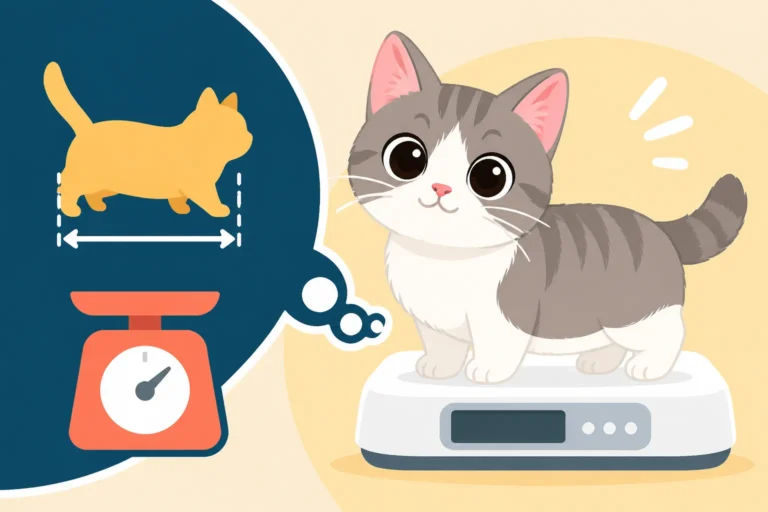
For Munchkins diagnosed with Pectus Excavatum, the management strategy depends heavily on the severity of the condition. In mild cases, conservative management is often recommended. This primarily involves careful monitoring and maintaining an optimal body weight. Excess weight puts additional strain on the chest cavity and respiratory system, exacerbating any existing breathing difficulties. Your vet might recommend a specific diet and exercise regimen to keep your Munchkin lean and healthy.
For more severe cases where the sunken chest significantly compromises organ function or causes severe respiratory distress, surgical correction might be considered. This is a complex procedure, typically performed by a specialist veterinary surgeon, that aims to reshape the sternum and alleviate pressure on the heart and lungs. Techniques can include external splinting or internal fixation with sutures or implants to hold the sternum in a more normal position as it heals. Such surgeries are usually reserved for kittens whose bones are still pliable and can achieve significant improvement in quality of life. The decision for surgery is a serious one, involving careful consideration of risks, benefits, and recovery, so it's vital to have an in-depth discussion with your vet about Whether a Munchkin's Pectus Excavatum Can Be Corrected. Throughout all of this, having a robust pet insurance plan, like those offered by Healthy Paws, can be incredibly beneficial, helping to cover the costs of diagnostics, specialist consultations, and potential surgical interventions, offering much-needed financial relief during stressful times.
The Broader Context of Munchkin Health and Ethical Breeding
Discussing specific health conditions like Pectus Excavatum in Munchkin cats naturally brings up the broader topic of their overall health and the ethical considerations surrounding their breeding. As responsible pet owners, it's vital to consider all aspects of a Munchkin's well-being and to support practices that prioritize their health.
The Interplay with Other Skeletal Concerns
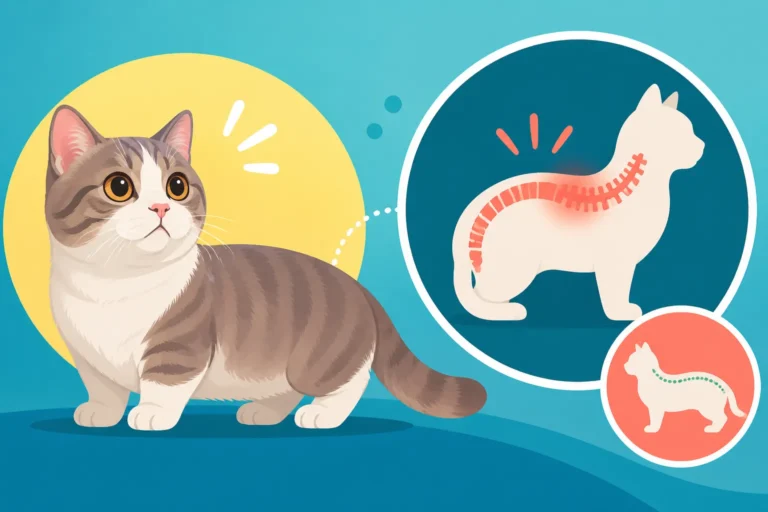
The genetic mutation responsible for the Munchkin's short legs, known as pseudoachondroplasia, primarily affects long bone growth. However, concerns often arise about other skeletal structures, particularly the spine and chest. While Pectus Excavatum is not definitively proven to be directly caused by the Munchkin gene itself, any condition that affects skeletal development or puts undue strain on a cat's frame warrants careful attention in breeds with unique bone structures. Another condition often discussed in relation to Munchkins is Lordosis, a severe inward curvature of the spine. Like PE, Lordosis can also impact internal organs by compressing them. While they are distinct conditions, both highlight the importance of thorough skeletal health screening.
The discussions around Munchkin health often bring up the unique genetic characteristics of the breed, such as how Munchkin Dwarfism Is Dominant and Lethal in Two Copies when two short-legged cats are bred together. This is why Munchkins are always outcrossed to normal-legged cats. These complex genetic factors underscore why breeders must be exceptionally diligent in their health screening. Understanding What Lordosis Actually Is in a Munchkin can provide further context on how skeletal anomalies can impact this breed.
Responsible Ownership and Breeder Selection
Choosing to bring a Munchkin into your life is a deeply personal decision, and it comes with the responsibility of ensuring you are supporting ethical breeding practices. This means seeking out breeders who are transparent about their cats' health, conduct thorough health screenings, and are willing to discuss any potential genetic predispositions within their lines. Don't hesitate to ask questions about the health history of the parent cats, the litter, and any specific concerns like Pectus Excavatum or Lordosis. A good breeder will welcome your questions and provide detailed answers, often supported by veterinary records.
Beyond the initial purchase, responsible ownership involves a lifelong commitment to your Munchkin's unique care needs. This includes providing a safe, adapted environment, maintaining a healthy weight, and scheduling regular veterinary check-ups that specifically address their skeletal and respiratory health. Proactive health management and a strong relationship with your veterinarian are key to ensuring your Munchkin enjoys a happy, comfortable life. Furthermore, investing in pet insurance from a reliable provider like Healthy Paws can be a sensible decision. Knowing you have support for potential health issues, whether related to their unique structure or common feline ailments, can provide immense peace of mind and allow you to make the best health decisions for your beloved companion without added financial stress.
| Age/Stage | Who Checks | What to Look For | Purpose |
|---|---|---|---|
| Newborn – 8 Weeks | Breeder | Visual signs of chest deviation, gentle sternum palpation, breathing quality | Early identification, assessing suitability for sale |
| 8 – 12 Weeks (First Vet Visit) | Veterinarian | Comprehensive visual exam, detailed sternum and rib palpation, auscultation of heart/lungs, breathing patterns | Baseline health assessment, formal diagnosis of PE if present |
| 6 Months (Follow-up) | Veterinarian/Owner | Reassessment of chest growth, monitor for any changes or new symptoms, check for organ compression | Monitor development during rapid growth, rule out late-onset issues |
| Annually | Veterinarian | Ongoing assessment of chest structure, overall health, check for age-related complications | Monitor for long-term health, complications, or progression of mild PE |
| Any time with concerns | Owner/Veterinarian | Labored breathing, lethargy, coughing, reduced activity, changes in appetite | Immediate intervention for acute symptoms or worsening conditions |
Disclaimer
The information provided in this guide is for general informational purposes only and does not constitute veterinary advice. Always consult with a qualified veterinarian for any health concerns or before making any decisions about your pet's medical care.