Why Some Munchkin Kittens Are Not Sold
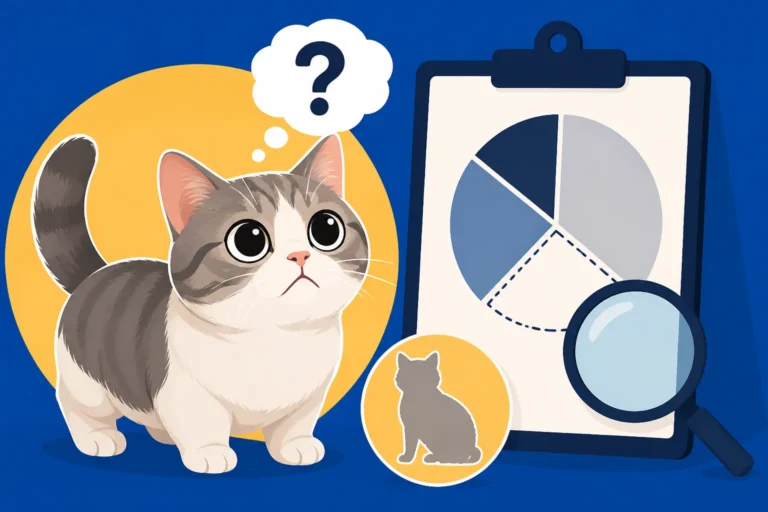
It’s a heart-wrenching thought for anyone dreaming of bringing a tiny, short-legged feline friend into their home: why would a Munchkin kitten not be sold? The reality behind this situation often stems from serious health and genetic issues that responsible breeders identify early on, leading them to make difficult choices to protect the kitten's welfare rather than profit from its sale. This guide delves into the hidden truths of Munchkin breeding, explaining the specific conditions that can result in a kitten being deemed unsellable and the ethical considerations involved.
The Unseen Costs of the Munchkin Gene at Conception
The allure of the Munchkin cat lies in its distinctive short legs, a characteristic caused by a dominant genetic mutation. However, this same mutation carries significant risks that can manifest even before a kitten is born or in its earliest weeks of life. Understanding these genetic realities is crucial for appreciating why some kittens never make it to the "for sale" page.
The Lethal Gene and Its Silent Toll
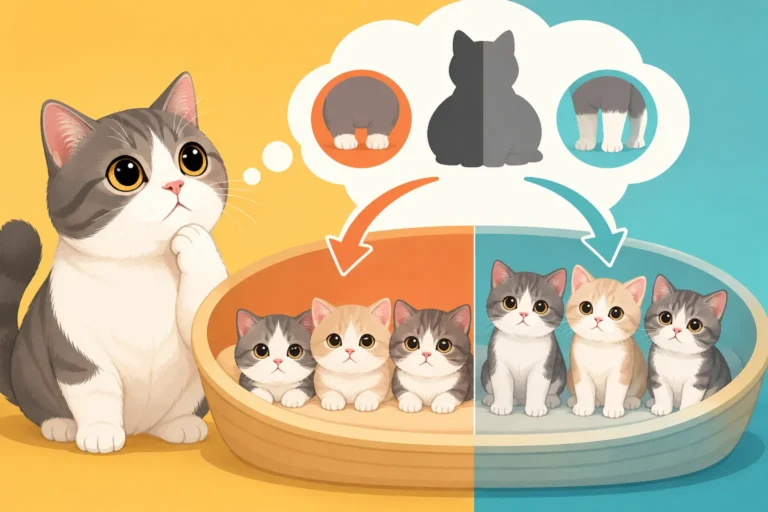
Many prospective Munchkin owners aren't aware that the gene responsible for those adorable short legs is actually lethal when inherited in two copies. This means that if a kitten receives a copy of the short-leg gene from both parents (a homozygous pairing), it will not survive. These kittens are typically reabsorbed in the womb or stillborn, often early in gestation. While it might seem like a silent tragedy, it's a significant factor that contributes to smaller litter sizes and is a primary reason why you will never see a breeder intentionally breeding two short-legged Munchkins together. This phenomenon is a stark reminder that Munchkin Dwarfism Is Dominant and Lethal in Two Copies.
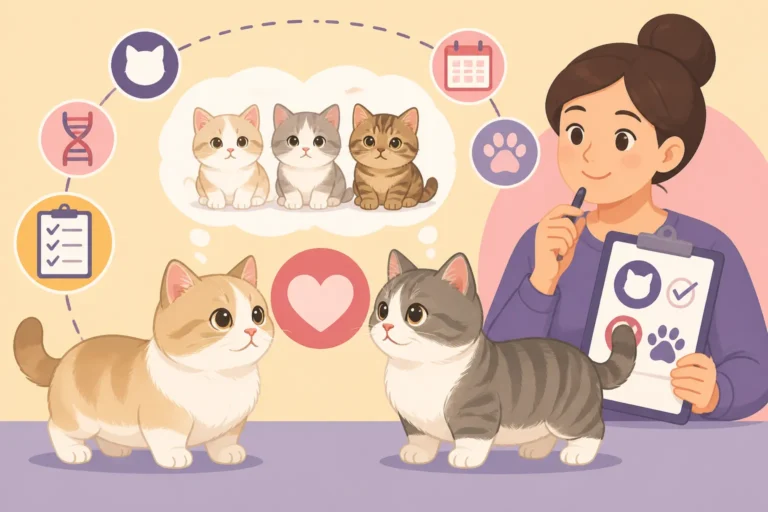
Responsible breeders go to great lengths to avoid this lethal pairing. They always breed a Munchkin (which carries one copy of the dominant gene) with a normal-legged domestic cat (which carries no copies of the gene). This breeding strategy ensures that any kittens produced will either inherit one copy of the gene (resulting in short legs) or no copies (resulting in normal legs), thus avoiding the fatal homozygous condition. Even with these careful pairings, the underlying genetic reality means that a portion of every litter, sometimes quietly and sometimes visibly, never develops to a sellable stage.
Why Every Munchkin Litter Is a Carrier Cross
Given the lethal nature of the double dominant gene, every single Munchkin cat you encounter, from the tiniest kitten to the oldest senior, carries only one copy of the short-leg gene. They are, by definition, heterozygous. This means that to produce short-legged kittens, a breeder must always cross a Munchkin with a non-Munchkin, normal-legged cat. This strategy is known as a carrier cross, and it's why Why Every Munchkin Litter Is a Carrier Cross is a foundational principle of the breed.
The outcome of such a cross typically results in litters where roughly half the kittens have short legs and half have normal-length legs. The normal-legged kittens, while genetically still part of the Munchkin line, do not express the short-leg trait and are often sold as "pet quality" or "long-legged Munchkins" at a different price point. However, this necessity of outcrossing also introduces variability. While it helps maintain a wider gene pool, it doesn't eliminate the potential for other conformational issues or health concerns that, while not directly caused by the short-leg gene, can appear in the offspring, sometimes severely enough to prevent a kitten from being sold.
Developmental Challenges That Prevent Sale
Beyond the lethal gene, specific developmental issues can arise in Munchkin kittens due to their unique skeletal structure. These conditions, often more severe in affected individuals, can significantly impact a kitten's quality of life and are primary reasons why a conscientious breeder would never sell them.
Detecting Severe Spinal Lordosis Early
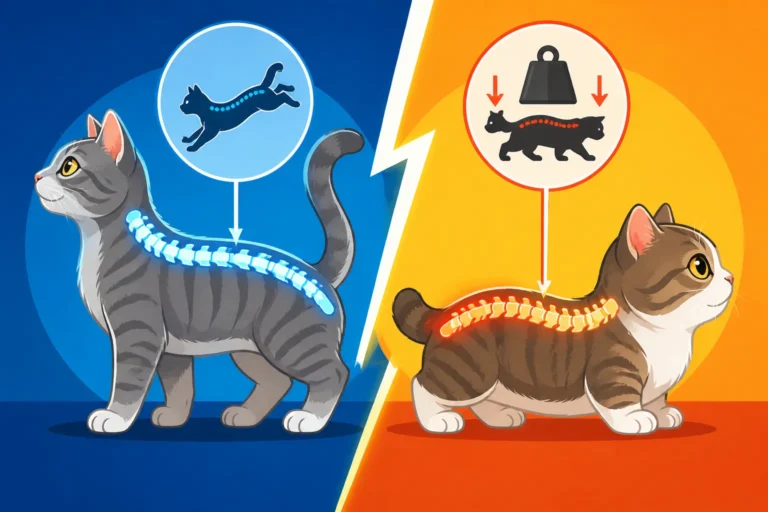
One of the most concerning conditions associated with Munchkin cats is lordosis, a severe inward curvature of the spine. While mild lordosis might be present in various cat breeds, in Munchkins, it's particularly problematic because their short legs mean their spine already carries a disproportionate load. Lordosis Is the Spinal Curve the Munchkin Argument Is About for a good reason – it can be debilitating. When lordosis is severe, it can cause the spine to collapse inwards, compressing internal organs like the lungs and heart. This not only causes immense pain and discomfort but can also lead to life-threatening respiratory and cardiac issues.
Responsible breeders closely monitor kittens for signs of lordosis from a very young age. How Early Lordosis Shows in a Munchkin Kitten can sometimes be as early as a few weeks old, appearing as a noticeable dip or "sway" in their back when they walk or stand. Kittens with severe lordosis will typically exhibit weakness, difficulty moving, and a visibly distorted posture. These kittens are often kept by the breeder for palliative care or, in the most severe cases, humanely euthanized to prevent prolonged suffering, as they would never thrive in a normal home environment. They are certainly never sold.
Identifying Pronounced Pectus Excavatum
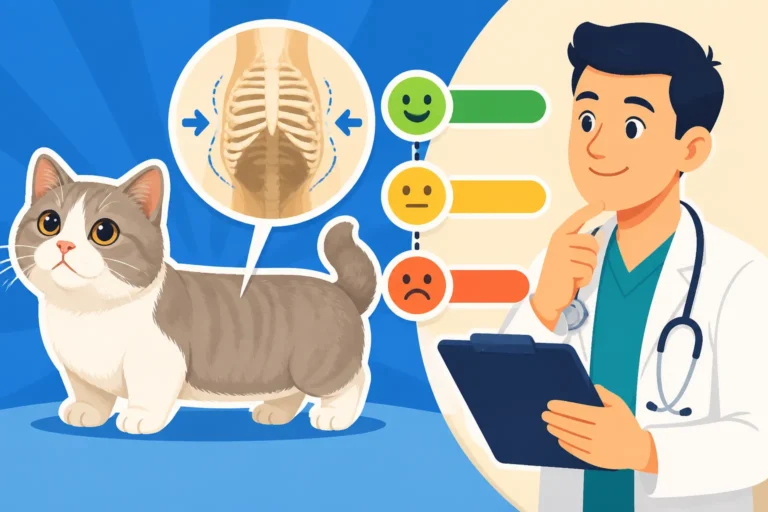
Another serious conformational issue that can prevent a Munchkin kitten from being sold is pectus excavatum, commonly known as "funnel chest" or "sunken chest." This condition involves an abnormal indentation of the sternum (breastbone) and ribs, which can compress the heart and lungs. While it can occur in any cat breed, it's a condition that breeders of Munchkins must be vigilant about due to the breed's skeletal peculiarities. Pectus Excavatum and the Munchkin's Sunken Chest details how this impacts the cat.
A breeder will physically examine kittens to What a Sunken Chest Feels Like on a Munchkin Kitten, feeling for any abnormalities in the rib cage. In severe cases, the indentation can be quite deep, visibly affecting the kitten's breathing and energy levels. Kittens with pronounced pectus excavatum may struggle to breathe, especially during activity, and might have a chronic cough or wheeze. Their growth can be stunted, and they may be prone to respiratory infections. Just like with severe lordosis, kittens with significant pectus excavatum are typically deemed unsellable due to the high risk of ongoing health complications and a severely compromised quality of life.
Conformation Issues Beyond the Legs
While lordosis and pectus excavatum are two of the most critical health concerns, other conformational issues can also arise in Munchkin kittens, rendering them unsellable. These might include severe angular limb deformities that go beyond the typical "bowing" often seen in their short front legs, or other significant skeletal malformations. Although a certain degree of bowing can be normal for a Munchkin, excessive or painful bowing could indicate deeper problems that will impact mobility and cause discomfort throughout the cat's life.
A breeder also assesses a kitten's overall gait and movement. If a kitten struggles to walk, shows signs of pain, or its movement is severely restricted, it's a red flag. These issues might lead to early arthritis, chronic pain, and a very limited capacity for normal feline activities. For instance, Why a Munchkin's Spine Carries a Load a Normal Cat's Does Not explains how crucial healthy conformation is for this breed. Any kitten displaying such severe limitations would not be sold to a pet owner, as it would require extensive, lifelong veterinary care and a highly specialized living environment. The ethical choice is always to prioritize the kitten's well-being over a sale.
Ethical Breeder Practices for Affected Kittens
When a Munchkin kitten is born with severe health issues, responsible breeders face incredibly difficult decisions. Their actions at this stage truly differentiate an ethical operation from those prioritizing profit. They don't simply "dispose" of these kittens; instead, they take on the burden of care or make the most humane choice. This is part of What a Munchkin Breeder Should Be Able to Show You – not just healthy kittens, but also their ethical practices when things don't go perfectly.
Providing Lifetime Sanctuary for Special Needs Cats
In cases where a Munchkin kitten has significant, but manageable, health issues that would make it unsuitable for a typical pet home, an ethical breeder may choose to keep the kitten themselves, providing lifetime care. This often happens with kittens that have moderate lordosis or pectus excavatum that might not be immediately life-threatening but will require ongoing management, regular veterinary check-ups, and a carefully adapted environment. These cats become permanent residents, receiving all the love and medical attention they need without being subjected to the stresses of rehoming or the potential for neglect if placed with an unprepared owner.
This commitment goes far beyond the initial cost of breeding and represents a deep dedication to the welfare of their animals. It means adapting their home, providing specialized diets, physical therapy, or even medications for chronic conditions. These "sanctuary" cats are not sold because their needs are too great for the average owner, and the breeder feels a moral obligation to ensure their comfort and safety for the entirety of their lives.
The Difficult Decision of Euthanasia in Severe Cases
For Munchkin kittens born with extremely severe or debilitating conditions, such as profound lordosis that compromises organ function, extreme pectus excavatum that prevents normal breathing, or multiple severe skeletal deformities, humane euthanasia may be the most compassionate option. This is undoubtedly the hardest decision a breeder can make, but it is sometimes necessary to prevent a lifetime of chronic pain and suffering for the kitten.
This decision is never taken lightly and is usually made in consultation with a veterinarian who confirms the severity of the condition and the poor prognosis for a reasonable quality of life. An ethical breeder chooses to end suffering rather than allow a kitten to endure a painful existence or be passed off to an unsuspecting owner who would then face the agonizing choice and financial burden. While heartbreaking, it is an act of profound responsibility and kindness, prioritizing the animal's welfare above all else. This highlights the reality that Whether a Munchkin With Lordosis Can Live Normally is not always a given.
Why Transparency Is Crucial for Reputable Breeders
A hallmark of a truly reputable Munchkin breeder is transparency. They are open and honest about the genetic realities of the breed, including the potential for health issues. They should be able to discuss potential problems like lordosis and pectus excavatum, explain their breeding practices to mitigate risks, and openly share their protocols for handling kittens that develop severe conditions. This might include providing health guarantees that cover inherited conditions, though it's important to understand the limits of such guarantees.
When you're interacting with a breeder, don't be afraid to ask direct questions about their health screening, what happens if a kitten develops a severe problem, and their general approach to animal welfare. A breeder who avoids these topics or becomes defensive is a red flag. Reputable breeders understand that educating potential owners is part of their responsibility, and they have nothing to hide. This transparency is vital, especially given that Which Health Problems the Munchkin Actually Has are often discussed and sometimes disputed.
The Long-Term Realities for Severely Affected Munchkins
Even if a Munchkin kitten with significant health issues somehow finds its way into a home, the reality of its care can be overwhelming. The financial and emotional toll is immense, which further underscores why responsible breeders prevent such kittens from being sold in the first place.
The Extensive Medical Care Required
A Munchkin cat born with severe lordosis, pectus excavatum, or other significant skeletal deformities requires an extraordinary amount of medical care. This isn't just a few vet visits; it can involve a lifetime of specialist consultations, imaging (X-rays, CT scans), medications for pain and inflammation, physical therapy, and sometimes even complex surgeries. The costs associated with such care can quickly skyrocket, easily reaching thousands of dollars annually. For conditions like severe pectus excavatum, corrective surgery might be an option, but it's invasive, expensive, and not without risks. Similarly, managing chronic spinal pain from lordosis requires ongoing commitment.
Many pet insurance providers, like Healthy Paws, offer coverage for unexpected illnesses and accidents, which can be a lifeline for owners of cats facing severe conditions. However, it's crucial to understand that pre-existing conditions are typically not covered. This means if a kitten is already showing signs of a severe issue before insurance is purchased, those specific conditions will likely be excluded. Therefore, ensuring a kitten is robustly healthy from a reputable breeder is the first line of defense against these potentially devastating financial burdens.
Quality of Life Considerations for Severely Affected Kittens
Beyond the financial aspect, the most important consideration for a Munchkin with severe health issues is its quality of life. A cat with severe lordosis might experience chronic pain, limited mobility, and difficulty breathing, making simple acts like grooming, playing, or using a litter box a challenge. Similarly, a kitten with pronounced pectus excavatum may struggle with exercise intolerance, frequent respiratory infections, and a generally weakened state. How a Vet Grades a Munchkin's Sunken Chest often involves assessing the impact on these vital functions.
It's heartbreaking to see an animal struggle day in and day out. While a loving owner can provide comfort and support, they cannot eliminate the underlying physical limitations and pain. This is why ethical breeders, when faced with a kitten whose prognosis for a good quality of life is extremely poor, make the compassionate decision not to sell and, in the direst circumstances, to choose euthanasia. Their choice is driven by a deep understanding of animal suffering and a commitment to preventing it, even if it means bearing the emotional and financial cost themselves. This is particularly salient when considering Whether Munchkin Spinal Problems Are More Common Than in Other Cats, which underlines the unique vulnerabilities of the breed.
| Condition | Typical Impact on Kitten | Reason for Non-Sale | Long-Term Outlook (if severe) |
|---|---|---|---|
| Homozygous Gene | In-utero reabsorption/stillbirth | Lethal; breeder avoids through pairing | Not applicable (fatal) |
| Severe Lordosis | Spinal curvature, organ compression | Chronic pain, respiratory/cardiac issues, immobility | Lifelong pain, medication, specialized care; often shortened lifespan |
| Severe Pectus Excavatum | Restricted breathing, stunted growth | Breathing difficulties, infections, cardiac strain | Lifelong respiratory issues, potential surgery, reduced stamina |
| Angular Limb Deformities | Painful gait, limited mobility | Chronic pain, arthritis, difficulty moving | Chronic pain, expensive orthopedic care, limited activity |
Ultimately, if a Munchkin kitten isn't sold, it's almost certainly because a responsible breeder has identified a severe issue that would compromise the kitten's health and happiness. While it might be disappointing for a prospective buyer, it's a testament to the breeder's ethical commitment to animal welfare.
Disclaimer
This article is for informational purposes only and is not a substitute for professional veterinary advice. Always consult with a qualified veterinarian for any health concerns or before making any decisions about your pet's care.