Why Half a Munchkin Litter Has Normal Legs
It can be quite a surprise for hopeful Munchkin cat parents, or even just curious cat lovers, to discover that not every kitten in a Munchkin litter will inherit those famously short legs. Many people expect a whole litter of adorable little "rug huggers," but the reality of Munchkin genetics is far more nuanced. This guide will delve deep into the fascinating world of Munchkin inheritance, explaining exactly why roughly half of a Munchkin litter will have legs of a perfectly normal length, and what that means for breeders and future owners alike.
The Unique Genetic Blueprint of the Munchkin Cat
The defining characteristic of the Munchkin cat is its incredibly short legs, a trait that sets it apart from almost every other feline breed. This unique physical feature isn't just a random occurrence; it's the result of a specific genetic mutation. Understanding this mutation is the first step to truly grasping why Munchkin litters are such a mix of leg lengths.
What the Munchkin Gene Actually Is
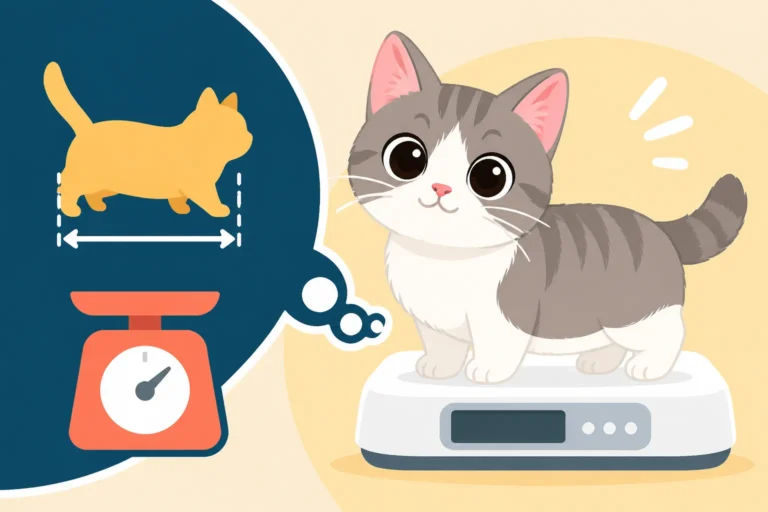
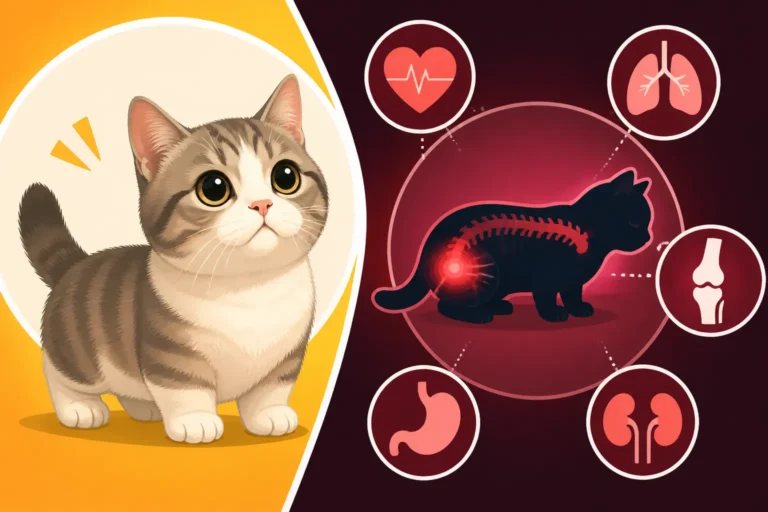
At its heart, the Munchkin's short legs are caused by a form of dwarfism known as pseudoachondroplasia. Unlike some forms of dwarfism that affect overall body size and proportion, the Munchkin gene primarily impacts the length of the long bones in the legs, while the body and spine typically remain normal in length. It's a spontaneous genetic mutation that was first widely observed in the 1980s, leading to the development of the breed we know today. This particular gene is responsible for inhibiting the normal growth of leg bones, resulting in the characteristic shortened limbs. It's crucial to understand that this isn't a disease in the conventional sense, but rather a genetic variation that has been selectively bred for.
The Science Behind Pseudoachondroplasia
Pseudoachondroplasia in cats, much like its counterpart in humans, affects the growth plates of the bones during development. These growth plates, or epiphyses, are areas of cartilage near the ends of bones that allow them to lengthen. In Munchkin cats, the gene interferes with the proper function of these growth plates, causing the bones to stop growing prematurely. This means that while the cat's torso and head develop to a normal size, their legs remain significantly shorter. This genetic trait is why a Munchkin's spine is normal length, distinguishing it from other forms of dwarfism where the spine can also be affected, leading to more severe health complications. The scientific community has studied this gene, and while the exact genetic marker is still being fully elucidated, its phenotypic expression – the short legs – is unmistakable and consistent.
Understanding Autosomal Dominant Inheritance
The reason Munchkin litters produce both short-legged and normal-legged kittens lies squarely in the way the gene is inherited. This isn't a recessive trait that hides away; it's an autosomal dominant gene, meaning it only takes one copy of the gene for the characteristic short legs to appear.
Why Munchkin Dwarfism Is Autosomal Dominant
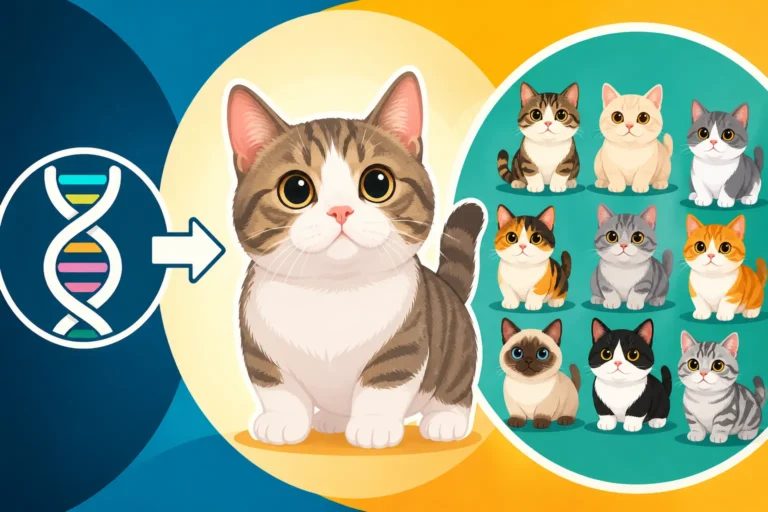
When we say a trait is autosomal dominant, it means that the gene responsible for the trait is located on a non-sex chromosome (an autosome), and only one copy of that gene is needed for the trait to be expressed. In the case of the Munchkin cat, a cat only needs to inherit one copy of the "Munchkin gene" from one parent to have short legs. If a cat inherits two copies of the gene, it leads to severe complications, which we'll discuss shortly. This understanding is fundamental to how breeders approach Munchkin matings. It means that if one parent has short legs and the other has normal legs, there's always a possibility of both types of kittens in the litter. This is in contrast to recessive traits, where both parents would need to carry the gene for it to appear in their offspring.
The Punnett Square Explained for Munchkins
To visualize how this works, geneticists often use a Punnett square. Let's represent the short-legged Munchkin gene with 'M' (since it's dominant) and the normal-legged gene with 'm'.
- A short-legged Munchkin cat will have the genotype 'Mm' (it has one dominant gene and one recessive gene).
- A normal-legged cat will have the genotype 'mm' (it has two recessive genes).
When a Munchkin cat (Mm) is bred with a normal-legged cat (mm), here's what the Punnett square looks like:
| M | m | |
|---|---|---|
| m | Mm | mm |
| m | Mm | mm |
From this table, you can see:
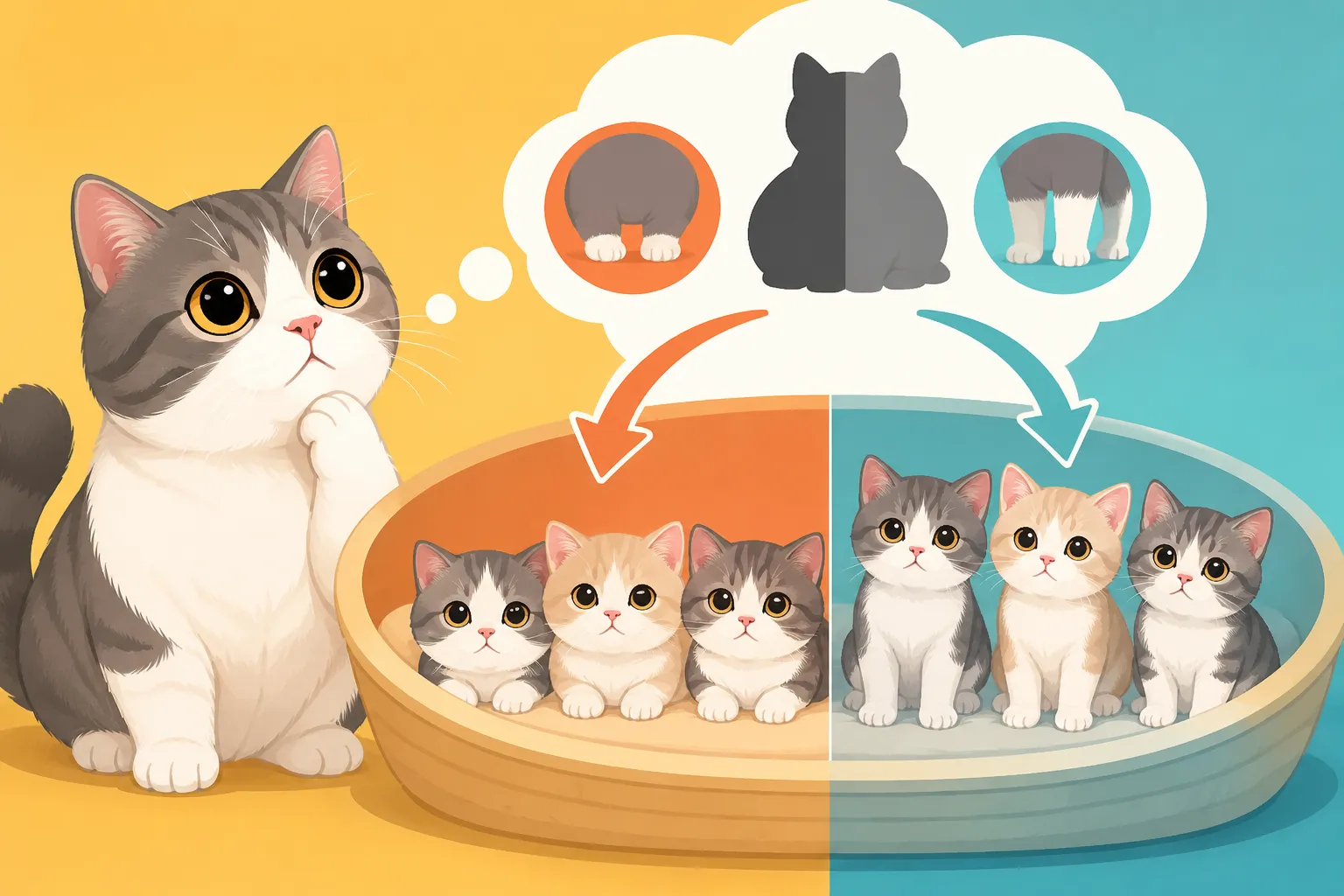
- Approximately 50% of the kittens will inherit 'Mm' – meaning they will have short legs.
- Approximately 50% of the kittens will inherit 'mm' – meaning they will have normal legs.
This genetic lottery explains precisely why half a Munchkin litter has normal legs. It's not a flaw or an inconsistency; it's the expected outcome of how the Munchkin gene is inherited. Every Munchkin litter is a carrier cross, as the short-legged parent is always 'Mm'.
The Lethality of Two Copies of the Munchkin Gene
While one copy of the Munchkin gene results in the breed's characteristic short legs, two copies of the gene are unfortunately lethal. This is a critical piece of information that dictates responsible breeding practices within the Munchkin community.
What Happens to a Homozygous Munchkin Embryo
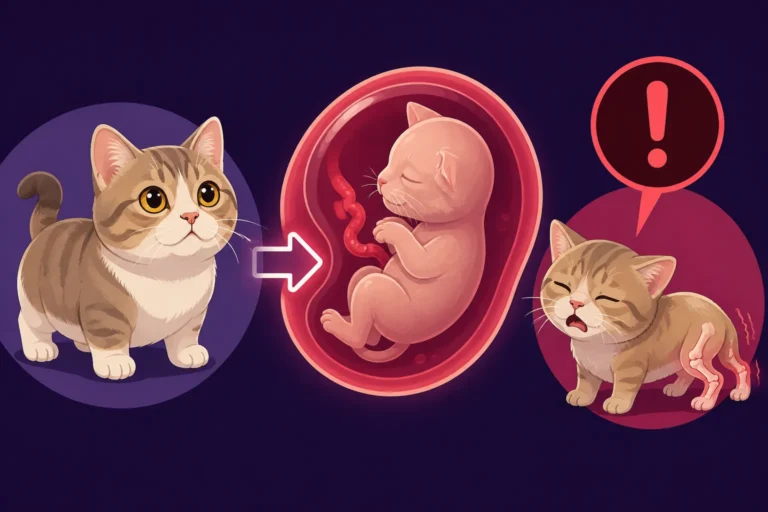
A homozygous Munchkin embryo, meaning an embryo that has inherited two copies of the dominant Munchkin gene (MM), will not survive. This genetic combination is considered embryonic lethal. The developing embryo typically fails to implant, or it is reabsorbed early in gestation, often before the breeder even knows the queen was pregnant with a homozygous kitten. In rare cases, a homozygous kitten may be stillborn or die very shortly after birth, though this is less common than early embryonic loss. This is why two short legged Munchkins are never bred together by responsible breeders. The severe skeletal abnormalities caused by two dominant genes are simply incompatible with life.
Why Homozygous Kittens Are Never Born
Because the 'MM' genotype is lethal, you will never find a living Munchkin cat with two copies of the short-legged gene. This natural selection mechanism ensures that all living short-legged Munchkin cats carry only one copy of the gene (Mm). This is a fundamental aspect of the breed's genetics and a key reason why breeders must adhere to strict outcrossing guidelines. It's a stark reminder of the delicate balance involved in breeding for specific traits, and why ethical breeding practices are so vital. Understanding what two copies of the Munchkin gene do underscores the importance of careful mate selection.
Responsible Breeding Practices for Munchkin Cats
Given the genetic realities of Munchkin dwarfism, breeders must follow specific protocols to ensure the health and well-being of their cats and kittens. This involves careful selection of breeding pairs and a deep understanding of feline genetics.
Why a Munchkin Is Always Bred to a Normal Legged Cat
Responsible Munchkin breeders always breed a short-legged Munchkin cat (genotype Mm) with a normal-legged cat (genotype mm). This breeding strategy, as illustrated by the Punnett square earlier, guarantees that no kitten will ever inherit two copies of the lethal Munchkin gene (MM). It ensures that all short-legged kittens produced will be 'Mm' (heterozygous) and healthy, while the other half of the litter will be 'mm' (normal-legged). This practice is not just about avoiding lethal outcomes; it's about maintaining the health and genetic diversity of the breed. By outcrossing to normal-legged domestic cats, breeders also help keep the Munchkin gene pool wide, reducing the risks associated with inbreeding that can crop up in closed gene pools.
How a Breeder Plans a Munchkin Mating
Planning a Munchkin mating involves more than just pairing a male and female. A good breeder will meticulously review pedigrees to understand the genetic background of both parent cats. They will ensure that the normal-legged cat used for outcrossing is healthy and free from any known hereditary conditions. Health screening for things like heart disease or kidney issues, common in many feline breeds, is also a must. Breeders often choose domestic shorthairs or longhairs for outcrossing, looking for robust health and good temperament. After the mating, they will closely monitor the queen during pregnancy. When the kittens arrive, the breeder can usually tell by eight weeks how short a Munchkin kitten's legs actually are, though grading for show purposes often happens around twelve weeks when the kitten's conformation is more settled. This early assessment helps determine which kittens will be sold as pets and which might be considered for future breeding programs, although breeding rights on a Munchkin come with conditions, especially regarding leg length of future mates.
The Fate of Long-Legged Munchkin Kittens
So, what happens to those adorable kittens in a Munchkin litter that end up with normal length legs? They are just as much a part of the Munchkin breed's heritage, even if they don't display the characteristic short stature.
What Happens to the Long Legged Munchkin Kittens
Long-legged Munchkin kittens are often affectionately called "non-standard" Munchkins or sometimes "Munchkin variants." Despite their normal leg length, they carry the same charming personalities and traits often attributed to the breed. These kittens are typically sold as pets, just like their short-legged siblings, but usually at a lower price point. They are perfectly healthy cats, free from any of the skeletal issues that can potentially arise from the short-legged gene, such as certain spinal concerns or joint strain. They grow to be regular-sized cats with no mobility limitations related to leg length. Many owners adore them for their playful nature and robust health, appreciating them for being "Munchkins in spirit" without the unique physical challenges of their short-legged relatives.
Whether a Long Legged Munchkin Carries the Gene
Here's an important distinction: a long-legged Munchkin kitten (genotype mm) does not carry the Munchkin gene. Since the gene is dominant, if they had even one copy, they would have short legs. This means a long-legged Munchkin cannot pass on the short-legged trait to its offspring. This is a common misconception, but the Punnett square clearly demonstrates that 'mm' kittens are genetically indistinguishable from any other normal-legged domestic cat regarding the Munchkin gene. They are literally the 'm' side of the genetic equation. This also means that if a long-legged Munchkin kitten is sold, there's no genetic risk of it producing short-legged offspring unless it were bred to a short-legged Munchkin.
Living with a Long-Legged Munchkin Variant
Owning a long-legged Munchkin variant is much like owning any other domestic cat, but with the added bonus of their unique heritage and often, their delightful Munchkin-like personality traits. They are not prone to the specific health considerations associated with the short-legged mutation.
Health and Temperament of Normal-Legged Munchkins
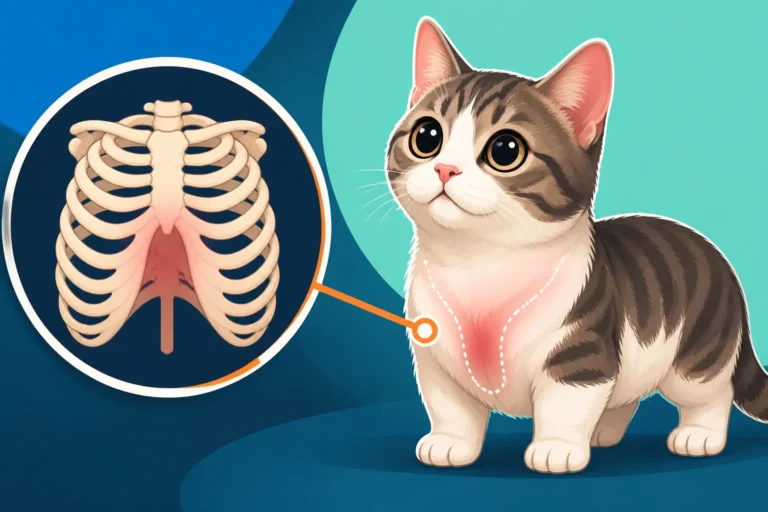
Because long-legged Munchkin variants do not possess the dwarfism gene, they do not face the potential health concerns sometimes associated with the breed's short legs, such as the increased risk of certain types of arthritis in areas like the shoulders or elbows due to increased impact from jumping, or conditions like lordosis or pectus excavatum, which some believe are more prevalent in short-legged Munchkins. For owners, this often means a slightly less specialized care routine, though all cats benefit from regular vet check-ups and a balanced diet. Regarding temperament, Munchkin cats, both short and long-legged, are known for being playful, curious, and outgoing. They often retain a kitten-like demeanor well into adulthood, displaying a great deal of affection and intelligence. They love interacting with their families and are usually good with children and other pets, provided they are introduced properly.
Why They Still Count as Munchkins
Even though they lack the signature short legs, these cats are still considered Munchkins because they are direct offspring of a registered Munchkin parent and are part of the breed's established breeding program. They contribute to the genetic diversity and health of the breed by being part of the outcrossing process. In fact, many breeders value these normal-legged cats highly as they are essential for healthy breeding lines, preventing the lethal homozygous gene combination and broadening the genetic pool. While they cannot be shown in TICA's championship classes as short-legged Munchkins can, they are crucial for the breed's future. The recognition of these cats as part of the Munchkin family speaks to the breed standard's allowance for both phenotypes within breeding programs.
Here's a quick look at the typical outcomes of a Munchkin x Normal-Legged Cat pairing:
| Trait | Genetic Makeup | Kitten Type | % of Litter (Approx.) | Health Considerations |
|---|---|---|---|---|
| Short Legs | Mm | Standard Munchkin | 50% | Potential for joint strain, lordosis, pectus excavatum. |
| Normal Legs | mm | Non-Standard Munchkin | 50% | Generally no breed-specific skeletal issues. |
| Lethal (Never Born) | MM | Homozygous Munchkin | 0% | Embryonic lethal; incompatible with life. |
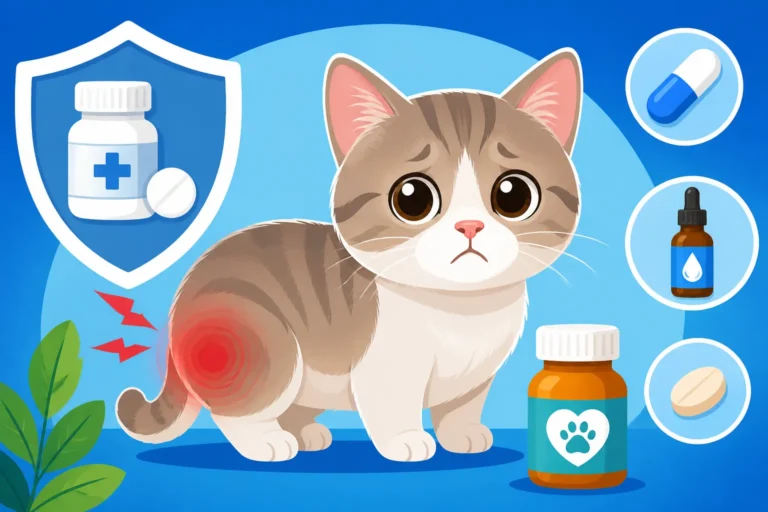
It's important for prospective owners to understand these nuances. If you're considering a Munchkin, whether short-legged or a normal-legged variant, ensuring your pet is covered by comprehensive pet insurance like Healthy Paws can provide peace of mind. This is especially true for short-legged Munchkins, given their unique conformation and potential for specific health considerations like arthritis or spinal issues. A good policy from Healthy Paws can help manage unexpected veterinary costs that might arise throughout your cat's life.
Debunking Common Myths About Munchkin Litters
There are several misunderstandings circulating about Munchkin cats and their offspring. It's essential to address these to provide accurate information and promote responsible pet ownership.
The Myth of Breeding Two Short Legs for "Shorter" Kittens
One of the most dangerous myths is the idea that breeding two short-legged Munchkins will result in kittens with even shorter legs, or a higher percentage of short-legged kittens. As discussed, breeding two short-legged Munchkins (Mm x Mm) would produce a theoretical 25% chance of 'MM' kittens, which are non-viable. This not only results in tragic loss of life for a quarter of the potential litter but also puts the breeding queen through unnecessary strain. Responsible breeders prioritize the health of their cats above all else, which is why this practice is strictly avoided. Any breeder suggesting this approach should be a significant red flag for prospective buyers. The goal is not to achieve the "shortest" legs, but to maintain healthy individuals within the breed standard.
Misconceptions About Long-Legged Kittens Being "Failed" Munchkins
Another common misconception is that long-legged kittens in a Munchkin litter are somehow "failed" or inferior Munchkins. This couldn't be further from the truth. They are genetically distinct but equally valuable members of the breed. They carry all the delightful personality traits of their short-legged siblings and are crucial to the breed's genetic health. What a long legged Munchkin kitten is worth is often debated, but their value in a breeding program as an outcross, or as a beloved pet, is undeniable. They are not "less Munchkin"; they simply express the 'mm' genotype rather than the 'Mm' genotype for leg length. This ensures the vitality and longevity of the breed as a whole. Many prospective owners find these normal-legged cats to be a wonderful compromise, offering the Munchkin personality without the physical characteristics that some find controversial. When researching pet insurance, you might find that a long-legged Munchkin variant from a reputable breeder is still eligible for coverage from providers like Healthy Paws, just like any other cat, without specific exclusions related to dwarfism.
The Broader Impact on Munchkin Breed Acceptance
The genetic basis of the Munchkin breed has been a point of contention in the cat fancy for decades, with the presence of both short and long-legged offspring playing a role in these debates.
Why Vets and Welfare Bodies Disagree About the Munchkin
The very existence of the Munchkin breed is a contentious issue. Organizations like The International Cat Association (TICA) recognize the Munchkin, while others, such as the Cat Fanciers' Association (CFA) and most European cat registries, do not. The primary concern raised by veterinary bodies and welfare organizations often centers on the potential for the short legs to lead to spinal problems, arthritis, or other mobility issues. While advocates emphasize that a well-bred Munchkin, free from other skeletal deformities, can live a full and active life, critics point to the inherent risk of breeding for a genetic mutation that causes physical changes. The fact that approximately half the litter is normal-legged highlights the genetic anomaly itself, prompting questions about the ethics of intentionally breeding for a trait that could be seen as a disadvantage. Ensuring you have robust pet insurance from a provider like Healthy Paws that understands and covers the specific needs of Munchkin cats can be a way to address these concerns proactively.
The Role of Genetic Diversity in Breed Health
The necessity of outcrossing Munchkins to normal-legged cats to prevent lethal 'MM' genotypes naturally fosters genetic diversity within the breed. This practice means that the Munchkin gene pool stays wide, which is generally a good thing for breed health, helping to avoid the concentration of other undesirable genetic traits that can plague more closed gene pools. The long-legged kittens born from these pairings contribute to this wider genetic base. While the short legs are the defining feature, the genetic diversity maintained through responsible breeding practices ensures the overall robustness of Munchkin lines, helping to mitigate some of the criticisms leveled against the breed. It ensures that the Munchkin isn't just about short legs, but about a vibrant and healthy feline companion.
Disclaimer
This article is intended for informational purposes only and does not constitute veterinary advice. Always consult with a qualified veterinarian for any health concerns or before making any decisions about your pet's care or breeding.