Why the Munchkin Gene Pool Stays Wide
It’s a common misconception that breeds with unique physical traits, like the distinctive short legs of a Munchkin cat, are inherently fragile or destined for a narrow, unhealthy gene pool. Many prospective owners worry about potential health issues stemming from limited genetics. But for the Munchkin, maintaining a broad and healthy genetic base is actually an integral part of its breeding standard, addressing these concerns head-on. This guide will walk you through the fascinating genetic realities and deliberate breeding practices that ensure the Munchkin gene pool remains remarkably wide and robust.
Understanding the Unique Genetics of the Munchkin Breed
The very foundation of the Munchkin breed lies in a spontaneous genetic mutation that causes their signature short legs. This mutation, however, comes with a critical caveat: it's what's known as an autosomal dominant gene that is also lethal in two copies. Understanding this genetic blueprint is paramount to grasping why their gene pool is actively kept wide.
The Dominant Gene and Its Visible Traits
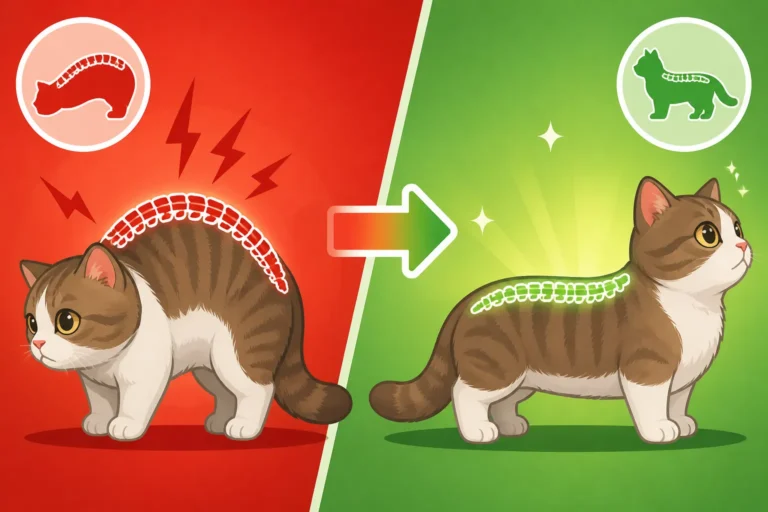
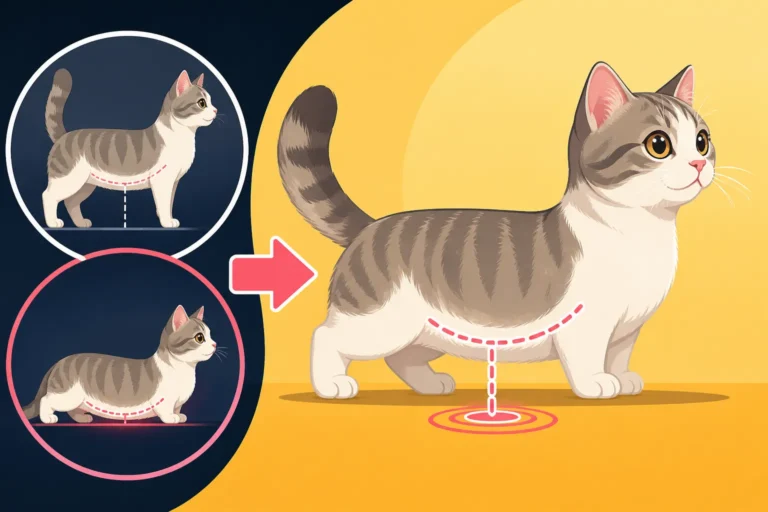
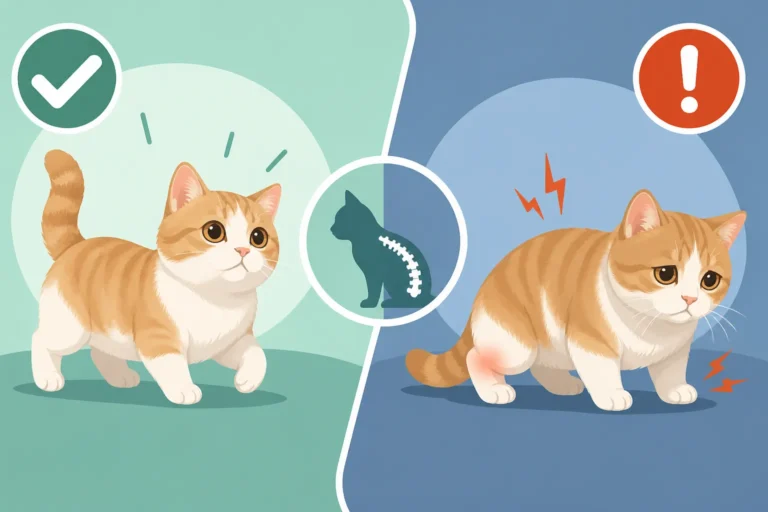
The gene responsible for the Munchkin's short legs is dominant, meaning only one copy of the gene is needed for a cat to display the characteristic short-legged phenotype. If a cat inherits even one copy of this gene, it will have short legs. This is why a Munchkin bred to a standard-legged cat will still produce short-legged offspring approximately 50% of the time. The short legs are the most obvious manifestation, but the gene also influences bone development in a specific way known as pseudoachondroplasia. Unlike some forms of dwarfism, the Munchkin's trunk and head size remain proportionate to a regular cat, it's primarily the long bones of the legs that are affected, leading to a body that sits low to the ground. This unique inheritance pattern is why you often see a mix of short-legged and normal-legged kittens in the same litter. The fascinating way How Munchkin Dwarfism Is Inherited truly shapes the breed's genetic future.
The Lethal Homozygous Gene and Embryo Development
Here's the crucial part that dictates breeding practices: while one copy of the Munchkin gene gives you a charming, short-legged cat, two copies are lethal. This means that if an embryo inherits two copies of the Munchkin gene – one from each parent – it will not develop to full term. It's reabsorbed early in gestation, usually before the breeder even knows conception occurred. This is the primary reason Munchkin Dwarfism Is Dominant and Lethal in Two Copies. Because of this genetic reality, breeders absolutely cannot breed two short-legged Munchkins together. To do so would result in a significant percentage of embryos (statistically, 25%) being homozygous for the gene and thus non-viable. This explains What Happens to a Homozygous Munchkin Embryo and why responsible breeders strictly avoid such pairings. This natural genetic mechanism inherently forces breeders to look outside the short-legged population for mates, automatically broadening the gene pool.
The Mandate for Outcrossing: Why Munchkins Are Always Bred to Non-Munchkins
Given the lethal nature of the homozygous gene, responsible breeding demands a specific approach: outcrossing. This isn't just a suggestion; it's a fundamental requirement for the health and continuation of the Munchkin breed. It's this necessity that actively ensures the gene pool remains wide and prevents the accumulation of genetic issues.
Breeding Protocol for Munchkin Litters
The standard breeding protocol for Munchkin cats dictates that a short-legged Munchkin must always be bred to a domestic cat with normal leg length. This ensures that no kitten can inherit two copies of the dominant Munchkin gene. Each short-legged kitten in the litter will inherit one copy of the gene from its Munchkin parent and one normal copy from its long-legged parent. This is precisely Why a Munchkin Is Always Bred to a Normal Legged Cat. This careful selection of mates means that every short-legged Munchkin kitten you see is, by definition, heterozygous for the gene. That’s Why Every Munchkin Litter Is a Carrier Cross – they carry one copy of the short-leg gene and one copy of the normal-leg gene. Breeders meticulously plan these pairings, understanding the genetic outcomes, which contributes to overall breed health and vitality. This responsible approach also minimizes the risk of other health problems that can arise from inbreeding.
Avoiding Inbreeding Depression
The practice of constantly bringing in non-Munchkin domestic cats as outcrosses is a powerful tool against inbreeding depression. Inbreeding depression occurs when a limited gene pool leads to a reduction in genetic diversity, making a population more susceptible to diseases, lower fertility rates, and a general decrease in vigor. For the Munchkin, mandatory outcrossing means a continuous influx of fresh genetic material, preventing the build-up of recessive genes that could lead to inherited diseases. It's a proactive measure to maintain robustness. This commitment to wide genetic diversity is a testament to the breed's health, which can even influence factors like pet insurance premiums; a healthy breed with robust genetics might see more favorable terms from providers like Healthy Paws. Breeders understand that maintaining diversity is key to How a Breeder Plans a Munchkin Mating to produce healthy, vibrant kittens. This practice is also Why Two Short Legged Munchkins Are Never Bred Together – it's a safeguard against the lethal gene and ensures genetic health.
Which Domestic Cats Contribute to the Munchkin Gene Pool
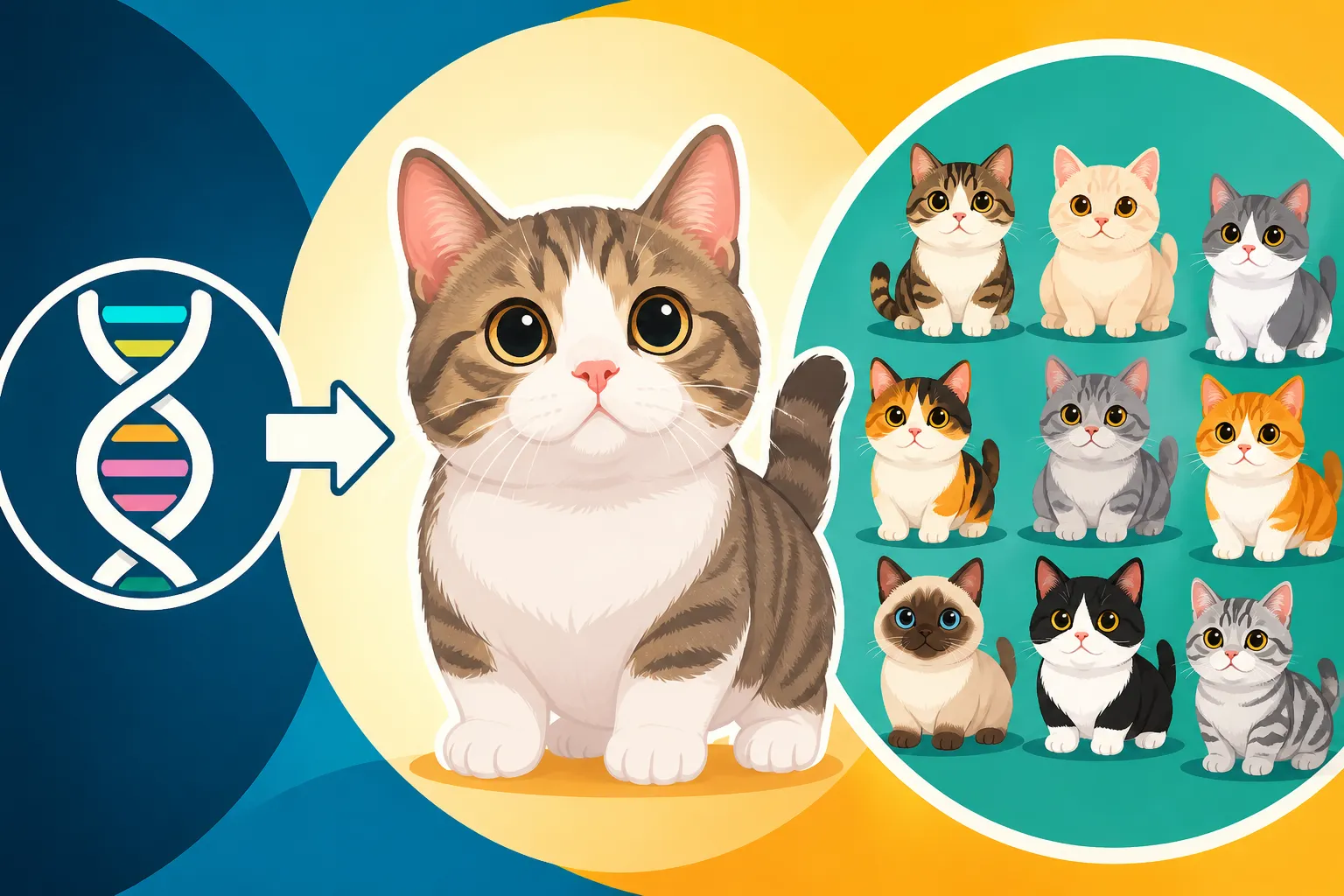
The beauty of the Munchkin's outcrossing mandate is the flexibility it offers in selecting suitable mates. Unlike many purebreds that are limited to breeding within their own defined populations, Munchkins can be bred with a variety of domestic cats, enriching their gene pool with diverse traits and excellent genetic health.
Permitted Domestic Breeds and Types
According to The International Cat Association (TICA), the primary registry for Munchkin cats, approved outcrosses for the Munchkin include domestic shorthairs and domestic longhairs. This means that cats of any color, pattern, or coat length, as long as they are healthy domestic cats, can be used. This wide selection of Which Domestic Cats Are Used as Munchkin Outcrosses is a huge advantage. It allows breeders to introduce desirable traits such as different coat types, eye colors, or temperaments, while simultaneously ensuring genetic diversity. For instance, a breeder might use a sturdy, healthy domestic shorthair with excellent conformation and no known genetic predispositions to strengthen their Munchkin lines. This broad approach is a key factor in the long-term vitality of the breed and helps prevent genetic bottlenecks.
The Role of Registries in Maintaining Diversity
TICA plays a crucial role in maintaining the integrity and health of the Munchkin breed's gene pool. By explicitly outlining the acceptable outcrosses and the breeding protocols, they guide breeders in making responsible choices. While the offspring of a Munchkin and an outcross are recognized as Munchkins, the outcross parent itself typically doesn't need to be a pedigreed cat; it just needs to be a healthy domestic cat. This policy ensures that the emphasis remains on genetic health and diversity rather than on restrictive, arbitrary breed lines. This allows for a much larger pool of potential mates than most other purebred cats, constantly refreshing the genetics of the Munchkin line. This proactive management by TICA means that the breed continues to thrive with a broad genetic foundation, giving owners peace of mind, knowing their beloved pets are part of a responsibly managed lineage. This strong genetic background can be a positive consideration for pet insurance providers like Healthy Paws when assessing overall breed risk.
The Long-Term Benefits of Genetic Diversity
The continuous practice of outcrossing isn't just about managing the lethal gene; it actively contributes to the overall health, vigor, and longevity of the Munchkin breed. A wide gene pool is a powerful defense against many common genetic problems that can plague more insular purebred populations.
Health Implications of a Diverse Gene Pool
A diverse gene pool acts as a buffer against hereditary diseases. When a breed has a very limited gene pool, any recessive genes for health issues are more likely to become widespread. However, with the Munchkin's constant outcrossing, new genetic material is continually introduced, diluting any potential harmful recessive genes that might appear in a specific line. This constant refreshing of genetics means that Munchkins, when bred responsibly, tend to be robust and healthy cats, often benefiting from what's known as "hybrid vigor" or heterosis, a tendency of crossbred individuals to show superior qualities to those of both parents. This translates to stronger immune systems, better adaptability, and a generally healthier constitution. Owners can feel more confident about their Munchkin's long-term health, a factor that can even impact decisions regarding comprehensive pet insurance coverage from companies like Healthy Paws, which recognizes the importance of good health management.
Longevity and Vigor in Outcrossed Lines
Cats from diverse gene pools often exhibit greater longevity and overall vigor compared to those from highly inbred lines. The regular introduction of new genetic material helps to maintain genetic fitness, ensuring that Munchkins remain energetic, playful, and resilient throughout their lives. They benefit from a wide range of genetic traits, making them less susceptible to the cumulative effects of breeding only closely related individuals. This proactive approach to genetic health means that Munchkin cats are typically active, well-adjusted companions that enjoy a full, normal cat lifespan. Their vitality is a direct result of these careful breeding practices, which prioritize a broad genetic foundation over narrow, aesthetic-only considerations. This focus on long-term health is something that responsible Munchkin breeders pride themselves on, offering future owners a confident start with their new feline family member.
Disclaimer
As a responsible content creator, I aim to provide accurate and helpful information based on available data and general veterinary understanding. However, this article is for informational purposes only and does not constitute professional veterinary advice. Always consult with a qualified veterinarian for any health concerns or before making any decisions about your pet's care, diet, or treatment. Genetic information can be complex, and individual cases may vary.