Whether a Munchkin’s Ribs Sit Closer to the Ground
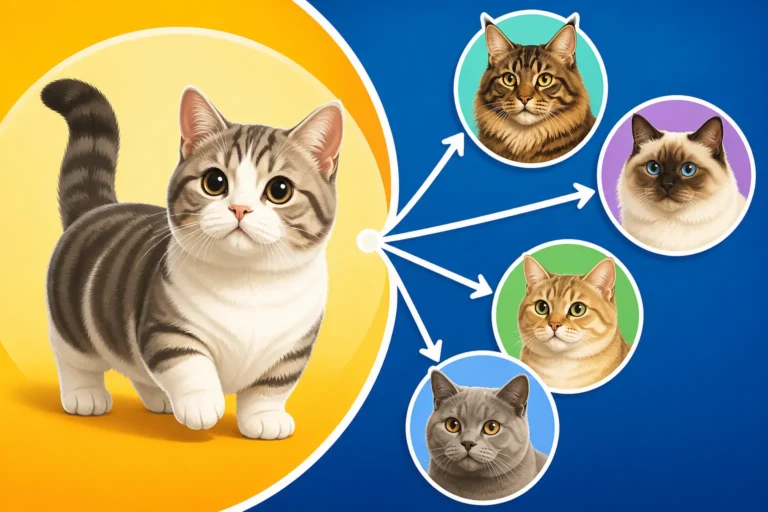
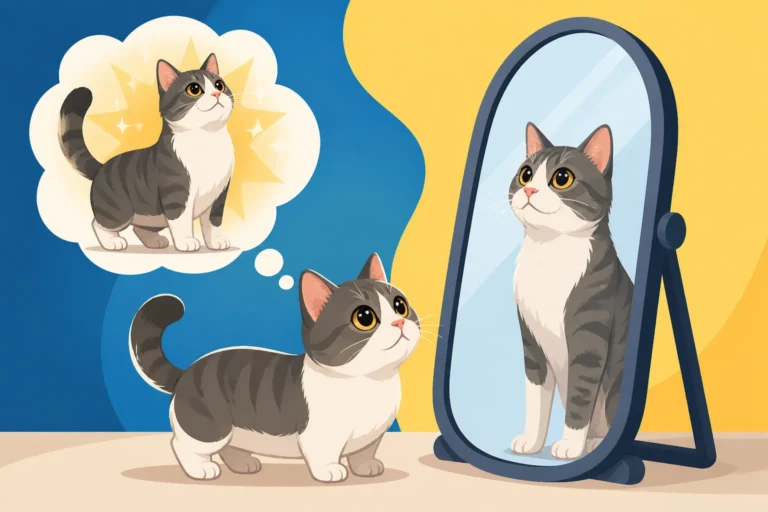
It’s a common observation, and a perfectly valid question, to wonder if a Munchkin cat's ribs truly sit closer to the ground than those of a typical cat. When you see those adorably short legs, your mind naturally starts to put together how their unique anatomy affects their entire body structure. This guide will delve into the reality of a Munchkin's physical build, explaining why they appear so low to the ground and what that means for their care, all while addressing the specific curiosity about their rib cage.
Understanding the Munchkin's Unique Anatomy
The most distinctive feature of the Munchkin cat is, of course, their short legs. This isn't just a quirky trait; it's due to a naturally occurring genetic mutation called chondrodysplasia, which specifically affects the long bones in their limbs. This condition, which is a form of dwarfism, results in shorter, sometimes slightly bowed legs, but it's crucial to understand that it does not typically affect the length or structure of their spine or rib cage.
The Science Behind Short Legs, Normal Body
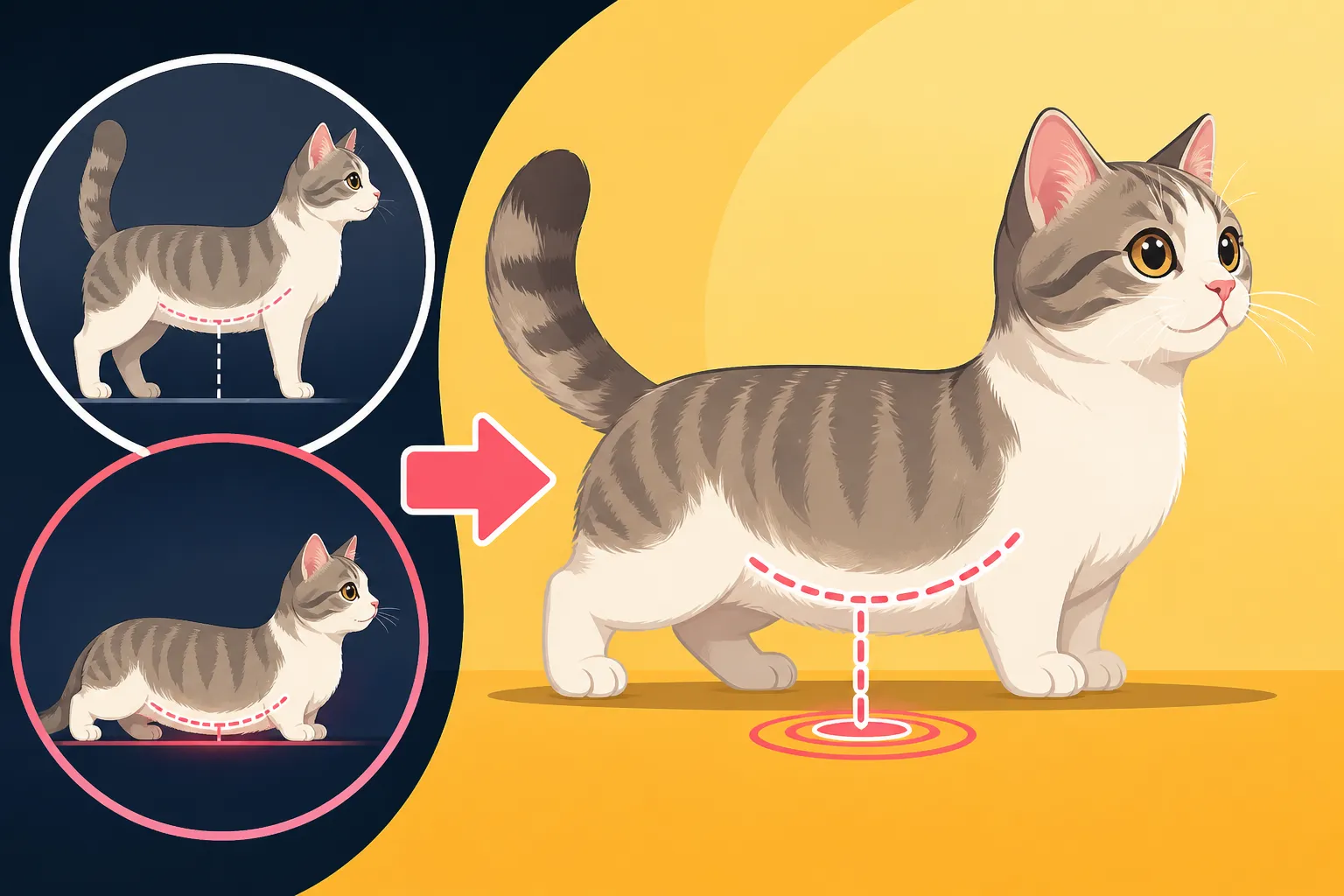
The genetic trait responsible for the Munchkin's short legs causes what's known as pseudoachondroplasia. This means the long bones of the legs don't grow to their full potential, while the other skeletal structures, like the spine and skull, develop normally. Think of it like this: the "framework" for the body is mostly standard, but the "stilts" holding it up are shorter. This is why when you look at a Munchkin, you see a cat with a normal-length torso and a full-sized head, but they simply sit much closer to the floor.
It’s a common misconception that their entire skeletal system is proportionally miniature. This isn't the case. The gene specifically targets limb length, leaving their vertebral column largely unaffected. This is a critical distinction, especially when discussing potential health concerns like lordosis, which is a separate issue, not an inherent consequence of their short limbs themselves. For a deeper dive into the specific condition, you might want to read about What Pseudoachondroplasia Does to a Munchkin's Legs.
Normal Spinal and Rib Cage Development
Despite their short stature, a healthy Munchkin possesses a spine that is the same length as that of an average domestic cat. Their rib cage, too, is typically proportioned to accommodate their internal organs without compression or distortion due to their leg length. The chest cavity offers the same amount of space for their heart and lungs as any other cat. The confusion often arises because the visual impact of the short legs makes the entire cat appear compacted.
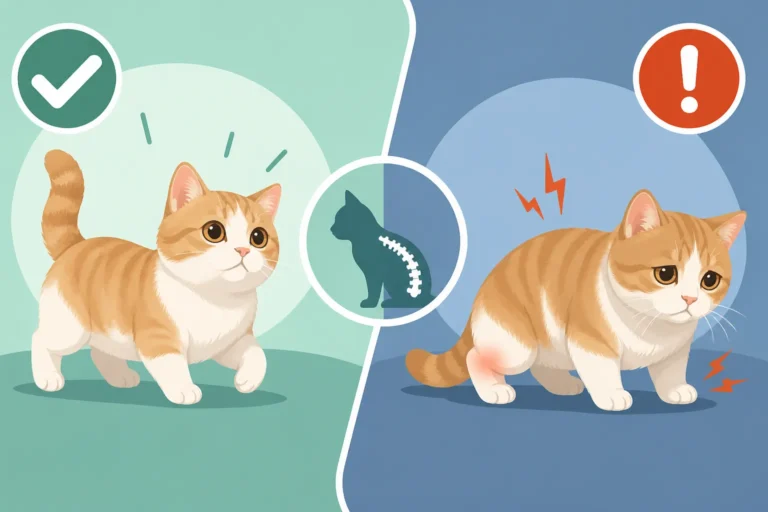
However, it's vital to differentiate this normal rib cage development from other potential spinal issues that can occur in Munchkins, though not directly caused by the short leg gene itself. Conditions like lordosis, a severe inward curvature of the spine, can cause the rib cage to be displaced or compress internal organs. But this is not because their ribs are inherently closer to the ground; it's a separate condition that affects the spine's curvature, thus altering the rib cage's position relative to the ground. For more on their general body structure, check out Why a Munchkin's Legs Are Short but Its Body Is Not.
The Visual Illusion: Why They Seem Low-Slung
While a Munchkin's ribs aren't anatomically closer to the ground, the illusion that they are is incredibly powerful. When you're looking at a Munchkin cat, what you're seeing is a normal-sized body held up by significantly shorter supports. This naturally makes the belly, and by extension, the bottom of the rib cage, appear much nearer to the floor.
Perception Versus Anatomical Reality
Imagine a regular cat standing on a set of risers – that's how a typical cat stands. Now, remove the risers, and let the cat stand directly on the floor. That's essentially the visual effect of a Munchkin. Their entire underside, including the lower part of their rib cage and their belly, sits just inches above the ground. This low profile is characteristic and one of the endearing qualities that many owners love.
It's not that their rib cage is disproportionate or malformed; it's merely situated lower because their legs don't provide the typical height. This also means that their center of gravity is lower, which contributes to their surprising agility on flat surfaces. They might not jump high, but they can be incredibly fast and nimble low to the ground. If you've ever wondered How Short a Munchkin's Legs Actually Are, this low-slung appearance gives you a pretty good idea.
How Body Condition Affects the Appearance
The perception of a Munchkin's ribs being close to the ground can also be exaggerated or lessened by their overall body condition. A Munchkin that is even slightly overweight will appear much rounder and closer to the floor. Their short legs offer less "clearance," so any extra weight around the belly or chest becomes much more noticeable.
A lean Munchkin will still sit low, but its tucked-up waist and visible ribs (if felt gently) will be more apparent. An overweight Munchkin, however, can look almost like a furry torpedo, with its belly dragging or nearly dragging on the floor. This visual cue can sometimes be misread as an anatomical defect when it's simply a matter of body condition. Understanding Why a Munchkin Looks Round Even When Lean is crucial for appreciating their unique physique and maintaining their health.
Here's a quick comparison of common perceptions versus the anatomical reality for Munchkin cats:
| Feature | Common Perception | Anatomical Reality | Implications for Care |
|---|---|---|---|
| Ribs | Sit much closer to the ground | Normal size and placement relative to the spine | Appear lower due to short legs, no direct health issue from rib position |
| Spine | Shorter, more compressed, or curved | Typically normal length and structure | Susceptible to lordosis (a separate condition) if not carefully bred |
| Belly | Almost touches the floor | Sits very low due to short legs | Prone to hygiene issues if not groomed, weight management critical |
| Legs | Fragile, prone to breaking | Strong for their length, but designed for low impact | Avoid high jumps, provide ramps/steps, careful handling |
Potential Practical Implications of a Low-Slung Body
While a Munchkin's ribs themselves aren't causing problems by being low, the overall low-slung nature of their body does present some unique considerations for owners. These aren't necessarily "problems" in the sense of health defects, but rather aspects that require thoughtful adaptation of their environment and care routine.
Grooming Challenges and Hygiene
One of the most immediate practical implications of a Munchkin's low body is grooming, especially for the hindquarters and belly. Because they sit so close to the ground, these areas can easily pick up debris, particularly from the litter box. For a longhaired Munchkin, this is an even greater concern, as the fur can become soiled or matted much more quickly than in a cat with longer legs.
Owners often find they need to pay extra attention to wiping their Munchkin's rear after litter box visits, or even consider a "sanitary clip" by a groomer to keep the fur around the rear end short. Without proper care, matting can occur, which can be painful and lead to skin infections. This is also why checking Why a Munchkin's Belly Fur Needs Checking regularly is so important. A good pet insurance plan, like those offered by Healthy Paws, can be incredibly helpful for covering unexpected veterinary visits if skin issues or infections arise from grooming difficulties.
Weight Management and Joint Health
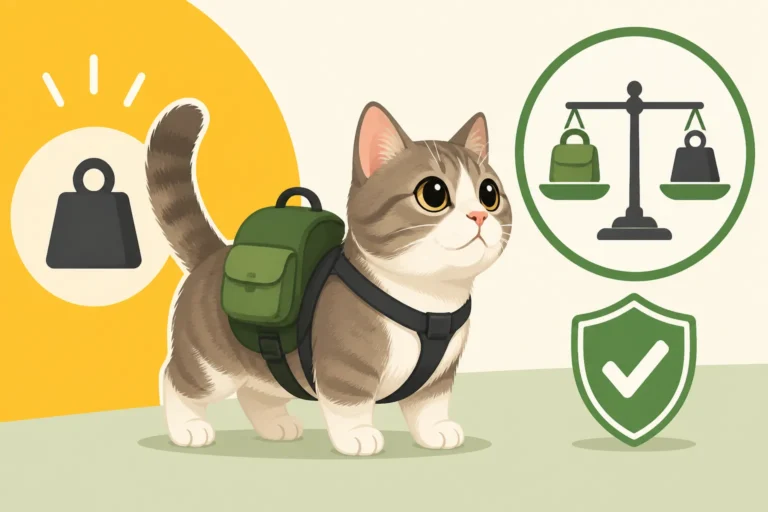
The low-slung body also means that every extra pound a Munchkin carries has a more significant impact on their joints. Their short legs are designed to support a lean, appropriately weighted body. If a Munchkin becomes overweight, that excess weight disproportionately stresses their short limb bones and their spine, which is still carrying a load it's not designed to carry when stretched beyond ideal body weight.
This can accelerate the onset of conditions like arthritis, particularly in their shoulders and elbows, which already bear the brunt of their movements and landings from even small jumps. Therefore, rigorous weight management is perhaps the most critical aspect of a Munchkin's long-term health plan. Maintaining an ideal body condition is paramount for their comfort and mobility throughout their lives. It truly underscores Why Weight Is More Dangerous on a Munchkin, making careful diet and portion control essential.
Responsible Ownership and Environmental Adaptations
Being a responsible Munchkin owner means proactively adapting your home and routines to suit their unique physical needs. This isn't about treating them like invalids, but rather recognizing that their world is experienced differently due to their short stature.
Essential Home Modifications
Since a Munchkin can't easily jump to high places, providing safe, accessible routes to their favorite spots is key. This means thinking about ramps and steps for beds, sofas, and even low windowsills. Without these aids, your Munchkin might attempt jumps that put undue stress on their joints, or they might become frustrated and miss out on enriching experiences.
Consider things like cat trees with closely spaced platforms or specifically designed Munchkin cat trees. Their litter boxes need low entry points so they can comfortably walk in and out without straining their back or hindquarters. Even food and water bowls might need to be slightly raised or placed in accessible areas to prevent them from having to bend down too far. It truly boils down to the philosophy that With a Munchkin the House Changes, Not the Cat.
Proactive Health Monitoring and Veterinary Care
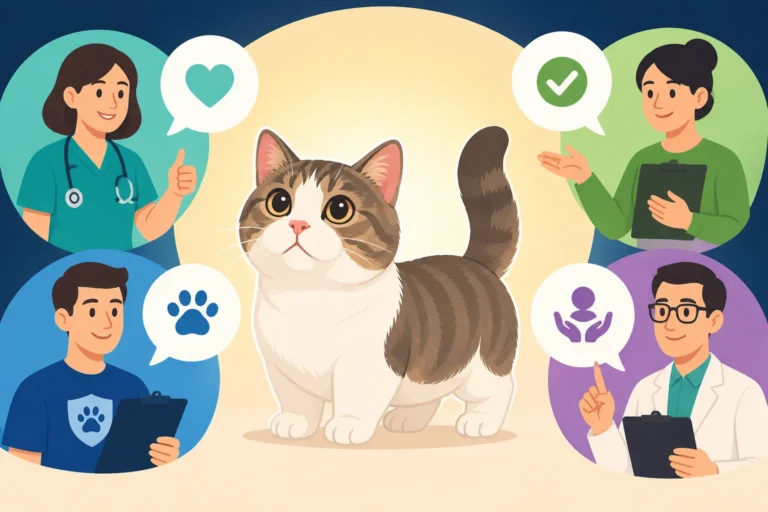
Regular veterinary check-ups are always important, but for a Munchkin, they take on an added dimension. Your vet will pay close attention to their gait, spinal health, and joint mobility. Discussing their weight and diet is a must at every visit. Early detection of any potential issues, like the subtle signs of arthritis or dental problems (which can also be harder for them to manage with a low body), can make a huge difference in their quality of life.
Investing in pet insurance from a provider like Healthy Paws can be a sensible decision, offering peace of mind should your Munchkin require extensive veterinary care for mobility issues or other age-related conditions down the line. It ensures that you can make the best decisions for your furry friend without financial stress. Being aware of Why a Munchkin's Vet Year Includes Its Joints is a good starting point for understanding their unique healthcare needs.
Grooming and Hygiene Routine
Establishing a regular grooming routine from kittenhood is essential for Munchkins. Even shorthaired Munchkins benefit from weekly brushing, especially around their hindquarters and belly, to prevent mats and ensure cleanliness. For longhaired Munchkins, daily brushing might be necessary.
Beyond brushing, you might need to routinely clean their hindquarters, especially if they have soft stool or are prone to getting dirty after using the litter box. Some owners even give their Munchkins a "butt bath" when needed. This diligence helps prevent skin irritation, infections, and discomfort. For more detailed advice, consider Whether Matting Becomes a Health Problem in a Munchkin and how to prevent it. A low-entry litter box can make a big difference, as discussed in Why a Munchkin Needs a Litter Box It Can Walk Into. Providing all of these adaptations, from grooming to environmental support, means that Ramps and Steps Are Munchkin Equipment, Not Luxuries, but essential items for their wellbeing.
Disclaimer
This article is for general informational purposes only and does not constitute professional advice. Laws, prices and regulations vary by location and change over time. Consult a qualified professional for guidance on your specific situation.