What Welfare Bodies Say About the Munchkin
For some prospective cat parents, the idea of a Munchkin cat conjures up images of absolute adorableness – those short legs and that unique body shape are undeniably captivating! But there's a strong and persistent whisper in the background, a feeling that these cats might face health challenges that give many pause. It's truly confusing when you see lovely, happy Munchkins online but also encounter serious ethical debates. So, this guide aims to pull back the curtain on what animal welfare bodies actually say about Munchkin cats, shedding light on their concerns and helping you navigate this often-contentious topic.
The Core Concerns of Animal Welfare Organizations
When we talk about what animal welfare bodies say about the Munchkin cat, it's important to understand that their primary focus isn't typically on individual cats being mistreated in their homes. Instead, their concerns stem from a fundamental philosophical objection to the breeding practices that intentionally propagate a genetic mutation associated with certain physical anomalies. These organizations are primarily concerned with the inherent health and welfare implications that arise from such breeding, advocating for every cat's right to a life free from preventable pain or disability. This core belief underpins their sometimes-strong stance on the breed.
The Fundamental Objection to Breeding for Dwarfism
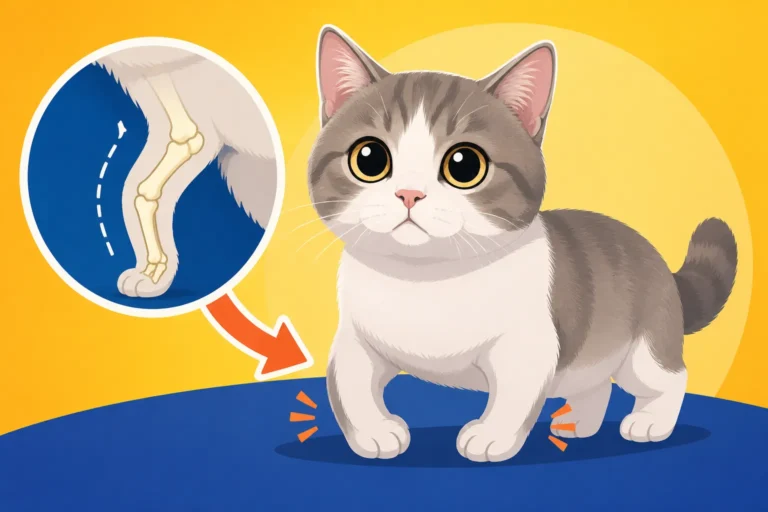
At the heart of the debate is the ethical argument against breeding for a specific physical anomaly: dwarfism, more scientifically known as chondrodysplasia. This isn't merely about the cosmetic appeal of short legs; it's about deliberately selecting for a genetic trait that can have far-reaching, and potentially detrimental, effects on a cat's skeletal structure and overall well-being. Groups like the RSPCA in the UK, for instance, have been consistently vocal in their opposition to breeding practices that prioritize exaggerated physical features over health and functional soundness. Their argument is rooted in the belief that an animal's inherent right to a healthy, unburdened existence should always come first. They see the intentional breeding of Munchkin cats as potentially creating a dependency and a predisposition to suffering that could otherwise be avoided. This perspective moves beyond personal preference, aiming to uphold a high standard for animal welfare as a core principle.
The genetic mutation responsible for the Munchkin's characteristic short legs is classified as autosomal dominant. This means that only one copy of the gene is necessary for a cat to exhibit the short-legged trait. However, it's crucial to understand that two copies of this gene are embryonic lethal, leading to the failure of embryos to develop, resulting in smaller litter sizes. This is precisely why a Munchkin is always bred to a normal-legged cat, a practice essential to avoid the tragic outcome of homozygous kittens. Welfare bodies argue that even one copy of the gene, while not immediately lethal, carries its own inherent set of risks and potentially compromises the cat's natural physical capabilities. They view the intentional propagation of a genetic condition that, in its double-dosed form, is lethal, as ethically problematic, regardless of how charming the resulting kittens may appear to some.
Impact on Natural Feline Behavior and Mobility
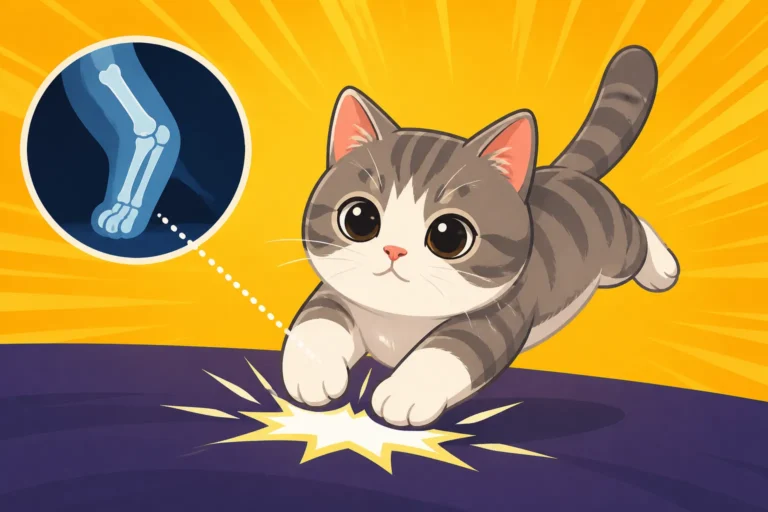
Another significant area of concern for animal welfare organizations centers on the impact of short legs on a cat's natural behaviors and overall mobility. Cats are inherently agile creatures, evolutionarily designed for climbing, jumping, and exploring their environment, often seeking vantage points. While many Munchkin enthusiasts often highlight their cats' impressive speed and agility on flat surfaces, welfare groups are more focused on the inherent limitations imposed by their unique conformation. Consider a cat's instinct to survey its territory from a high perch, or its innate ability to escape a perceived threat by rapidly scrambling up a piece of furniture; for a Munchkin, these natural actions are considerably hampered, if not impossible, without assistance.
These physical limitations can directly affect a Munchkin’s ability to engage in normal feline activities, potentially leading to frustration or a reduced quality of life compared to a long-legged cat. They might struggle to reach a sunny windowsill, leap onto a favorite comfortable chair, or even defend themselves by quickly climbing away from a boisterous child or an overly enthusiastic dog. This isn't just about minor inconveniences; it's about their fundamental ability to fulfill basic, species-specific needs and express natural behaviors. As Munchkins age, these mobility challenges can become even more pronounced. For instance, an owner might begin to notice that an old Munchkin stops using its ramp to access higher spots, a potential indicator of worsening joint pain or general weakness, which can be a direct consequence of the continuous strain on their unique anatomy. This makes it absolutely essential for owners to adapt their home environments to ensure their Munchkin can lead a fulfilling life, which often necessitates significant modifications to furniture and access points throughout the home.
Specific Health Issues Highlighted by Welfare Bodies
Beyond the broad ethical objections to breeding for a genetic mutation, animal welfare organizations frequently highlight specific, concrete health concerns associated with Munchkin cats. These aren't just hypothetical risks but documented conditions that can significantly impact a cat's comfort, well-being, and potentially its lifespan. For anyone considering bringing a Munchkin into their home, understanding these particular health issues is critically important for responsible ownership.
Spinal Issues: Lordosis and Pectus Excavatum
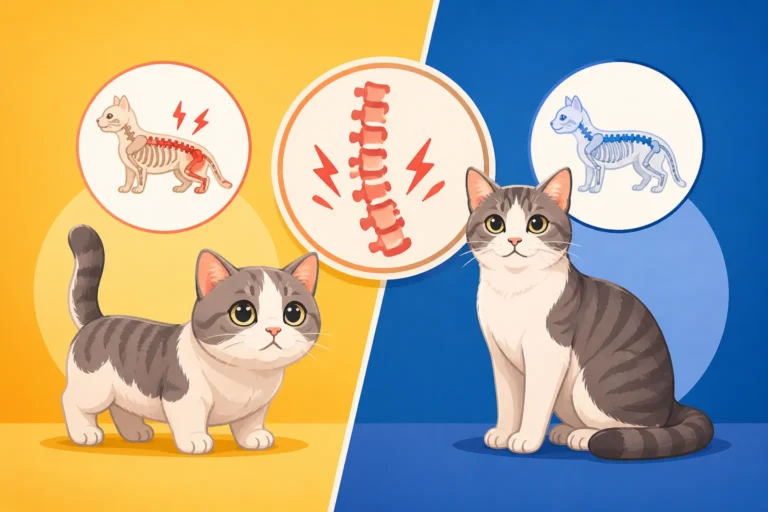
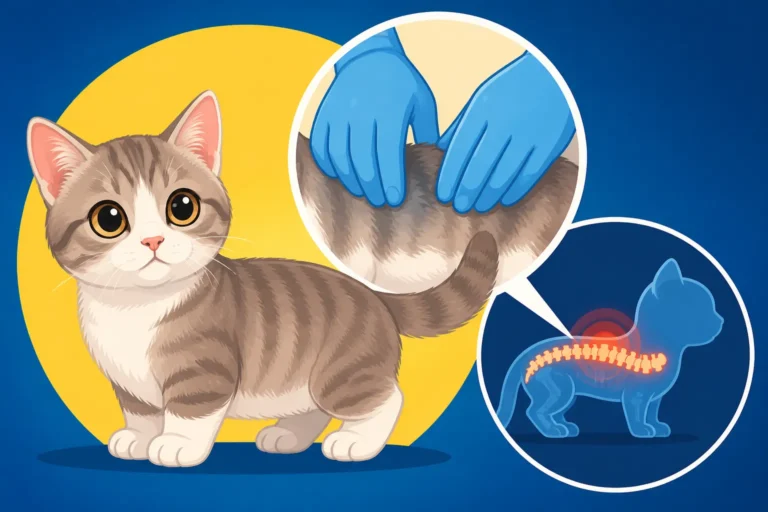
Among the most frequently cited and concerning issues are spinal deformities, particularly lordosis and pectus excavatum. Lordosis, characterized by an excessive inward curvature of the spine, is a condition that welfare bodies link directly to the Munchkin's unique body structure and the underlying genetic mutation. While lordosis can occur in other cat breeds, its prevalence and potential severity in Munchkins are a significant red flag for welfare advocates. A cat suffering from severe lordosis can experience intense pain, nerve compression, and even the displacement of internal organs, which can compromise crucial functions such as breathing and digestion. This is not a minor ailment; it's a condition that can transform a seemingly benign spinal curve into a severe, life-limiting disability. You can delve deeper into what Lordosis Actually Is in a Munchkin to truly grasp its implications.
Similarly, pectus excavatum, more commonly known as a "sunken chest," is another structural anomaly that raises serious concerns among welfare groups. This condition involves an abnormal indentation of the sternum or breastbone, which can lead to compression of the heart and lungs. This compression can result in breathing difficulties, reduced stamina, and chronic discomfort for the affected cat. While both lordosis and pectus excavatum are not exclusive to the Munchkin breed, welfare organizations argue that the breed's chondrodysplasia can either predispose them to these conditions or significantly exacerbate their impact due to the already compromised skeletal structure. They consistently highlight the critical need for careful veterinary checks, especially emphasizing the importance of knowing when a Munchkin kitten's chest should be checked, as early detection and potential intervention can be absolutely critical for a kitten's long-term prognosis and quality of life. Owners must also be prepared for the potentially significant financial and emotional toll of managing a cat with such chronic conditions throughout its life.
Joint Problems and Early Onset Arthritis
The unique biomechanics inherent to a Munchkin's short legs inevitably lead to different, and often greater, stress being placed on their joints compared to a normal-legged cat. Animal welfare bodies frequently voice concern that this altered weight distribution and distinctive gait can predispose Munchkins to joint problems, including the early onset of osteoarthritis. Every jump, every sprint, and every landing, even from relatively low heights, puts specific pressure on joints that are not designed with the same leverage and shock-absorbing capacity as those of a typical feline limb. Consider the repeated impact on a Munchkin's elbows as they take the landing, or how their shoulders wear first due to the constant weight-bearing and propulsion. This constant, atypical strain can contribute significantly to premature joint degeneration.
This predisposition means that Munchkin owners may need to be exceptionally proactive about their cat's joint health, often starting joint supplements or considering pain management therapies much earlier in their cat's life than they might with other breeds. Any signs of stiffness or discomfort, such as a reluctance to jump, difficulty with stairs, or a noticeable change in their usual playful gait, should be taken very seriously and promptly discussed with a veterinarian. Managing chronic pain and progressive mobility issues can become a substantial part of caring for an aging Munchkin, requiring patience and dedication. Pet insurance providers, such as Healthy Paws, often offer comprehensive plans, but prospective owners should always review the policy details carefully to understand how breed-specific susceptibilities or pre-existing conditions might be addressed. Proactive and vigilant care is absolutely essential, as ignoring these early signs of joint discomfort can lead to severe deterioration in their overall quality of life and comfort.
The Ethical Debate and Breeder Responses
The strong, often critical, statements from animal welfare bodies naturally ignite a vigorous and often passionate debate within the broader cat community, among breeders, and with the public. It's a complex conversation characterized by deeply held beliefs about animal welfare, varying scientific interpretations, and differing perspectives on responsible breeding practices.
Arguments Against Breeding for "Exaggerated Features"
Many animal welfare organizations, including a significant number of national and international veterinary associations, position the breeding of Munchkin cats within a broader category of breeding animals for "exaggerated features." This category often includes brachycephalic (flat-faced) dog and cat breeds, where aesthetic traits can lead to inherent health and welfare compromises. Their core argument is that prioritizing an aesthetic novelty – in this particular case, unnaturally short legs – at the potential expense of a cat's intrinsic health, functional capability, and natural behaviors is fundamentally unethical. These groups emphasize that truly responsible breeding practices should always aim to improve the health, temperament, and overall welfare of a breed, rather than introducing or perpetuating genetic traits that could lead to suffering or a diminished quality of life. They firmly believe that if a physical characteristic inherently interferes with a cat's ability to live a full, natural, and pain-free life, it should not be intentionally bred for.
This ethical stance is precisely why some prominent cat registries, such as the Cat Fanciers' Association (CFA) in the United States and the Governing Council of the Cat Fancy (GCCF) in the UK, explicitly refuse to recognize or register the Munchkin breed. Their rationale is that formally supporting such a breed would directly contravene their foundational principles of promoting healthy and genetically sound feline populations. For these organizations, the debate extends beyond whether an individual Munchkin cat can lead a happy life; it's about the broader ethical implications of the practice of creating a breed with a known genetic anomaly. They view it as setting a concerning precedent that could potentially normalize breeding for other debilitating traits, leading to situations where Why the Munchkin Divides the Cat Fancy More Than Any Breed becomes a constant source of contention.
Breeder Counterarguments and Health Screening
On the other side of this passionate debate are the many dedicated Munchkin breeders and enthusiastic owners who strongly refute the claims that the breed is inherently unhealthy or suffers unduly. They often argue that well-bred Munchkins, particularly those from reputable catteries with carefully managed lines, are active, playful, and lead long, fulfilling lives comparable to other domestic cats. Many breeders emphasize that their cats are simply "normal cats that cannot reach," asserting that their unique leg length doesn't automatically translate to a life of chronic pain or suffering. They highlight the breed's impressive ability to run, play, and adeptly navigate their environment, albeit with some minor modifications to their surroundings. You might even be surprised at just how fast a Munchkin runs on level ground, demonstrating remarkable agility despite their short stature.
Responsible Munchkin breeders often point to their rigorous health screening protocols as a testament to their commitment to welfare. These protocols typically include careful checks of breeding cats for any signs of lordosis, pectus excavatum, and other potential inherited issues. They advocate for complete transparency, actively encouraging prospective owners to visit their catteries, observe the cats' behavior and movement in person, and thoroughly review health records for the parent cats. Breeders also consistently stress the paramount importance of proper owner care, which includes maintaining a healthy body weight to avoid placing undue strain on their joints, and providing an adapted environment equipped with ramps and steps to facilitate easy access to favored spots. They might also highlight that What the Published Munchkin Health Data Actually Shows is often limited, subject to interpretation, or sometimes even misinterpreted, making broad generalizations about the breed's health unfair. For these breeders, the key to ensuring a Munchkin's well-being lies in careful genetic selection, dedicated care, and responsible ownership, which collectively allow these charming cats to thrive. They also emphasize that Why a Munchkin is Always Bred to a Normal Legged Cat is a crucial part of preventing severe homozygous forms of the condition.
International Perspectives and Legal Status of Munchkin Breeding
The intense debate over Munchkin cats is by no means confined to a single country or a few organizations; it represents a truly global discussion, with various regions adopting vastly different legal and ethical responses. These diverse approaches often reflect varying societal values, scientific understandings of animal welfare, and legislative priorities. This creates a complex and sometimes confusing landscape for both breeders and potential owners.
Bans and Restrictions in Certain Regions
While the Munchkin cat enjoys a degree of popularity and full breed recognition in some parts of the world, particularly in North America through The International Cat Association (TICA), other regions have adopted a much stricter, even prohibitive, stance. Notably, several European countries, including Germany, Austria, Belgium, and the Netherlands, have implemented specific legislation or robust guidelines that effectively ban or severely restrict the breeding of Munchkin cats. These regulations typically fall under broader "animal welfare acts" or specific "torture breeding" laws, which explicitly prohibit the breeding of animals with genetic traits that are known to cause suffering or severely impair their quality of life. The fundamental rationale behind these bans is a preventative welfare measure, aiming to eliminate the intentional perpetuation of characteristics deemed detrimental to an animal's inherent well-being, even if those characteristics are considered aesthetically appealing by some.
These governmental prohibitions reflect a growing legal and ethical consensus in these particular regions that certain selective breeding practices, regardless of their commercial or aesthetic appeal, are fundamentally incompatible with modern animal welfare standards. The core argument is that deliberately breeding animals with a known genetic mutation linked to significant skeletal abnormalities—a mutation that, in its homozygous form, is even lethal—constitutes an unacceptable and ethically indefensible compromise of an animal's welfare. This significant divergence in legal status and ethical perception across different countries creates a highly complex landscape for both breeders and prospective owners, making it absolutely crucial to understand whether a Munchkin is legal to breed everywhere you might reside or consider purchasing.
The Ongoing Role of Veterinary Opinion and Education
Veterinary organizations worldwide play a truly pivotal and influential role in informing public opinion, guiding ethical discussions, and shaping policy decisions regarding breeds like the Munchkin. Professional bodies, such as the British Veterinary Association (BVA) and various national veterinary councils, have consistently issued clear statements expressing significant and ongoing concerns about the welfare of Munchkin cats. They often advise against breeding or purchasing Munchkins due to the well-documented potential for inherited health problems and the undeniable impact of their unique conformation on their natural behaviors and overall physical comfort. These professional organizations function as authoritative advocates for animal health, grounding their recommendations in extensive scientific evidence, rigorous clinical experience, and an overarching commitment to animal welfare.
Their veterinary advice consistently stresses the substantial and often lifelong commitment required for a Munchkin, which may include the need for specialized care, adapted environments, and potentially increased veterinary expenses over their lifetime. While many reputable pet insurance providers, such as Healthy Paws, aim to offer comprehensive coverage for a wide range of conditions, prospective owners should always meticulously review policy details to fully understand how breed-specific susceptibilities or any pre-existing conditions might be handled in their coverage. Veterinarians strongly encourage prospective owners to ask critical questions about a kitten's health history, genetic screening protocols for the parent cats, and to consider arranging a thorough pre-purchase veterinary examination for any kitten they are considering. They consistently underscore the profound importance of fully understanding the potential challenges a Munchkin might face, such as Whether a Munchkin Gets Arthritis Earlier or the severe complications that can be associated with Lordosis Is the Spinal Curve the Munchkin Argument Is About. By actively educating the public and future owners, veterinary professionals aim to ensure that all decisions about acquiring a Munchkin are made with a comprehensive and fully informed awareness of all potential welfare implications.
Table: Summary of Welfare Concerns and Common Responses
To help visualize the different sides of this ongoing and often contentious debate, here's a concise summary of the primary welfare concerns consistently raised by animal welfare bodies, alongside the common responses articulated by Munchkin breeders and owners. This table aims to provide a balanced overview of the contrasting viewpoints.
| Welfare Concern/Issue | Welfare Body Stance | Breeder/Owner Response |
|---|---|---|
| Breeding for Dwarfism | Unethical to intentionally propagate a genetic mutation that causes morphological change and has a lethal homozygous form. | The mutation is naturally occurring and not necessarily harmful; responsible, well-bred Munchkins are generally healthy and live long lives. It's viewed as a distinct cosmetic difference rather than a disability. |
| Impaired Mobility | Short legs limit natural feline behaviors like jumping, exploring, and rapid repositioning, potentially reducing quality of life. | Munchkins are active, playful, and adaptive; they can navigate most home environments. They compensate by running swiftly, using clever climbing methods, and often utilize ramps/steps. They may not jump as high, but they are very fast on the ground. |
| Spinal Deformities (Lordosis, Pectus Excavatum) | Increased risk or exacerbation of serious skeletal issues, leading to pain, organ compression, and breathing difficulties. Lordosis Is the Spinal Curve the Munchkin Argument Is About. | These conditions are not unique to Munchkins and can occur in any breed. Responsible breeders screen their cats for these issues and avoid breeding affected individuals. Many healthy Munchkins do not suffer from these problems. |
| Joint Problems & Early Arthritis | Altered biomechanics place excessive strain on joints, leading to earlier onset of osteoarthritis and chronic pain. Whether a Munchkin Gets Arthritis Earlier is a key concern. | Proper weight management and a balanced diet, often supplemented with joint support, can mitigate these risks. Many Munchkins don't develop joint problems any earlier than other cat breeds, especially with proper care. |
| Ethical & Legislative Bans | Breeding is banned or highly restricted in several countries (e.g., Germany, Netherlands) due to welfare concerns. This points to a broader consensus against such breeding. | These bans are often based on outdated information, an overly cautious interpretation of welfare, or a lack of understanding about the health of well-bred Munchkins. Recognition by TICA validates the breed's legitimacy. Whether Any Country Has Banned Munchkin Breeding is still debated. |
| Veterinary Professional Opposition | Many veterinarians advise against owning or breeding Munchkins due to the potential for inherited health issues and lifelong care needs. Why Vets Disagree About the Munchkin. | Vets may lack extensive, up-to-date knowledge of the breed, or their opinions might be disproportionately influenced by extreme cases. Responsible breeders work closely with knowledgeable veterinarians and conduct thorough health checks. |
Disclaimer
This article is for general informational purposes only and does not constitute professional advice. Laws, prices and regulations vary by location and change over time. Consult a qualified professional for guidance on your specific situation.