Whether a Munchkin’s Bowing Is a Fault or a Defect
Many prospective Munchkin cat owners, and even those who've had these adorable, short-legged companions for a while, often find themselves gazing at those distinctive little front legs and wondering: "Is that bowing normal, or is there something wrong?" It's a completely valid concern. You want the best for your furry family member, and the sight of slightly bowed legs can certainly raise questions about their health and comfort. This guide is here to walk you through exactly what's considered typical for a Munchkin's leg conformation, how to tell if it might be a deeper issue, and what you can do to ensure your Munchkin lives its happiest, healthiest life.
Understanding the Munchkin's Unique Leg Conformation
When you look at a Munchkin cat, the first thing that catches your eye is almost always those endearing short legs. But beyond just being short, these legs often have a slightly bowed appearance, especially the front ones. It’s natural to feel a pang of worry when you see this, especially if you're used to the straight, athletic legs of most domestic cats. However, understanding the genetic blueprint of a Munchkin is key to appreciating why their legs look the way they do.
The Genetic Basis of Short Legs and Associated Bowing
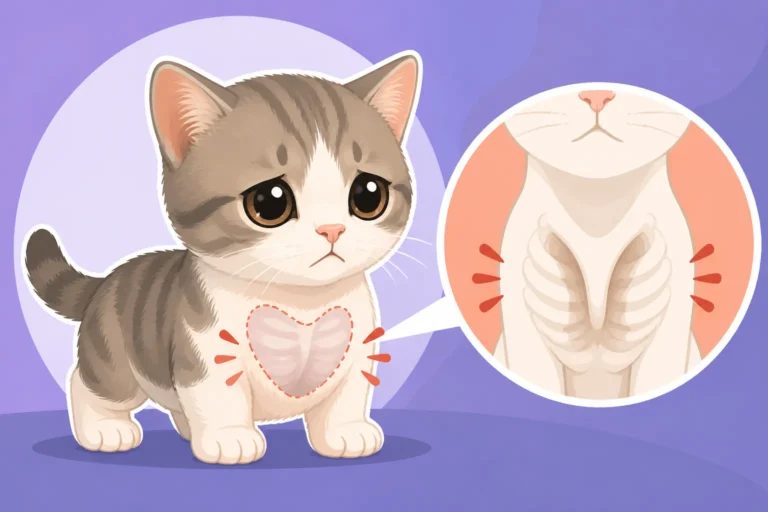
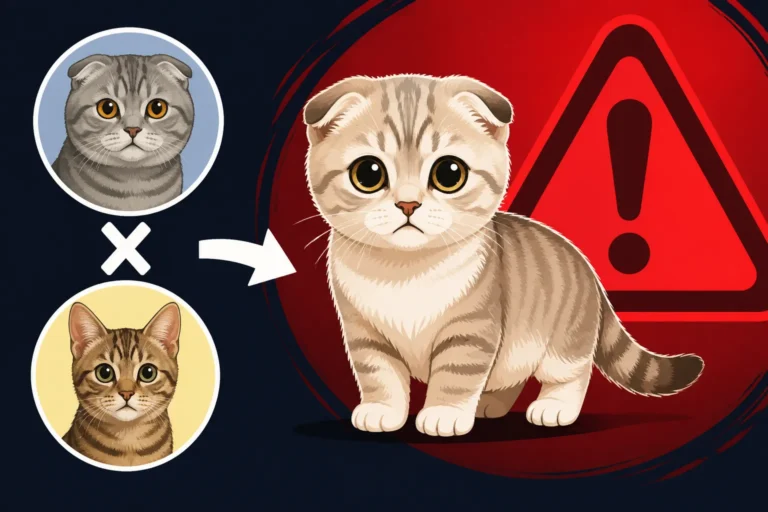
The defining characteristic of the Munchkin breed is its pseudochondroplasia, a form of dwarfism caused by a dominant gene mutation. This mutation primarily affects the long bones in the legs, causing them to be significantly shorter than those of a typical cat. Unlike some forms of dwarfism that impact overall growth or head size, the Munchkin's torso remains a normal size, which is why they appear so long-bodied and low to the ground. This disproportionate growth is exactly what leads to the bowed appearance.
The bones simply don't grow to their full length, and sometimes, the growth plates at the ends of these bones close prematurely or develop abnormally. This can result in bones that are not only shorter but also slightly curved or angled. It’s not necessarily a sign of pain or immediate distress, but rather a direct physical manifestation of their unique genetics. Think of it less as a broken branch and more as a sapling that grew in a specific, genetically predetermined way. It’s part of what makes a Munchkin a Munchkin, and it's why you'll often see explanations like "Why a Munchkin's Front Legs Look Bowed" when researching the breed.
Distinguishing Normal Munchkin Bowing from a Defect
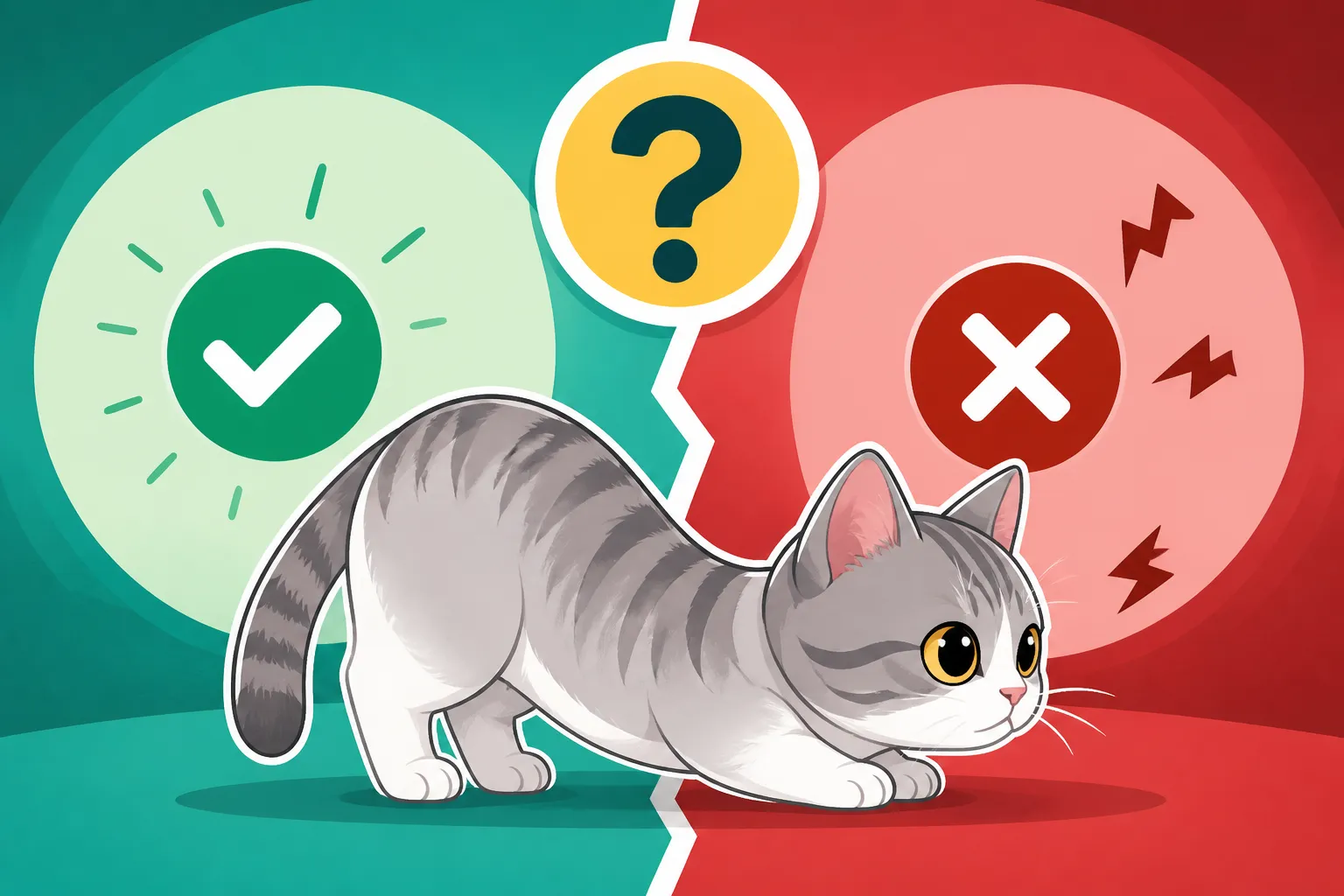
This is where the nuance really comes into play. For many Munchkins, a slight bowing of the front legs is considered a characteristic trait of the breed, an expected part of their conformation. It’s a fault in the sense that it deviates from the typical feline anatomy, but it's not necessarily a defect causing pain or significant dysfunction if it falls within the normal range for the breed. The TICA breed standard, for example, acknowledges the unique structure without condemning mild bowing.
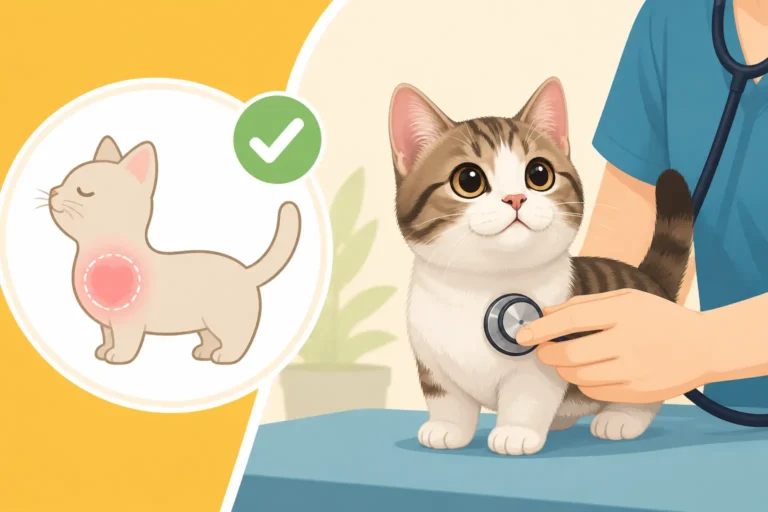
However, if the bowing is severe, accompanied by visible discomfort, lameness, or hinders the cat's ability to move normally, then it absolutely crosses the line from a characteristic fault to a serious defect. Signs of a true defect might include a severe inward or outward turn of the paws, legs that appear twisted, difficulty walking or jumping, or reluctance to bear weight. A breeder should always be transparent about their kittens' leg conformation and any potential issues, helping you understand "How a Vet Assesses a Munchkin's Leg Conformation." If a Munchkin kitten exhibits extremely pronounced bowing, or if the bowing seems to worsen rapidly, it's a red flag that warrants immediate veterinary attention. This is particularly important because while mild bowing might be manageable, severe cases can lead to chronic pain and debilitating joint issues down the line.
How Bowing Affects a Munchkin's Movement and Health
The unique architecture of a Munchkin's legs means their body mechanics are fundamentally different from those of a long-legged cat. While they are surprisingly agile and can keep up with their feline friends on flat surfaces, their movement patterns are adapted to their short stature, and this can have long-term implications for their joint health.
Impact on Mobility and Gait
Due to their short, often bowed legs, Munchkins develop a distinct gait. They tend to have a "waddle" or "ferret-like" trot rather than the graceful stride of a typical cat. This isn't usually a sign of pain in healthy Munchkins but an efficient way for them to move their normal-sized torso close to the ground. Their low center of gravity actually helps them with quick turns, as discussed in "Why a Munchkin Corners Faster Than It Should." However, the short limbs limit their jumping ability significantly. While a long-legged cat can effortlessly leap onto a kitchen counter, a Munchkin will struggle to reach even a low sofa, often requiring intermediate steps or ramps.
Repeated impacts from jumping down from even moderate heights can put considerable strain on their joints, especially their shoulders and elbows. Because their legs are shorter, the leverage and shock absorption are different. Imagine a long spring versus a short, stiff one – the short one absorbs less impact smoothly. This means that every landing, every scramble up a piece of furniture, places unique stresses on their joints and spine.
Potential for Secondary Joint Issues
The mechanical stress on a Munchkin's joints from their unique conformation can predispose them to certain health concerns over time. Perhaps the most common worry among owners and veterinarians alike is the increased risk of osteoarthritis. The bowed structure and the way they move can lead to uneven wear and tear on cartilage, particularly in the shoulders and elbows, which bear a significant amount of their body weight and absorb most of the impact from their movements. You might want to explore "Whether a Munchkin Gets Arthritis Earlier" to get a clearer picture.
Early signs of arthritis might be subtle – a slight hesitation before jumping, a change in gait, or less enthusiasm for play. As they age, this can progress, leading to stiffness, pain, and reduced mobility. This is where proactive care becomes absolutely vital. Keeping a close eye on their movement and seeking veterinary advice at the first sign of discomfort is crucial. Pet insurance providers like Healthy Paws can be a real lifeline here, helping to cover unexpected vet costs if joint issues do arise. Understanding "Why a Munchkin's Shoulders Wear First" and "What Repeated Landing Does to a Munchkin's Elbows" can help you anticipate these potential challenges.
Another serious, albeit rarer, concern for Munchkins is lordosis, a condition where the spine curves inward, putting pressure on internal organs. While not directly caused by leg bowing, it is a spinal issue that can also be linked to the skeletal abnormalities inherent in the breed's genetics. While a normal level of activity is good for muscle tone, excessive jumping or climbing without proper support can exacerbate any underlying skeletal weaknesses.
Assessing and Managing Leg Conformation in Munchkins
Caring for a Munchkin with bowed legs isn't about constant worry, but about informed, proactive management. It's about working with your vet and creating an environment that supports their unique physical needs, ensuring their comfort and longevity.
Veterinary Assessment of Leg Health
Regular veterinary check-ups are paramount for Munchkins. During these visits, your vet won't just perform a general health check; they'll pay close attention to your cat's gait, joint flexibility, and overall skeletal health. They'll palpate the leg bones and joints, looking for any signs of pain, swelling, or abnormal movement. They might gently manipulate the legs to assess the range of motion and identify any crepitus (a grinding sensation) that could indicate joint damage.
Don't be surprised if your vet wants to see your Munchkin walk and run, perhaps even requesting videos of their movement at home, especially if you've noticed any changes. In some cases, particularly if there are signs of pain or limited mobility, X-rays might be recommended to get a clearer picture of the bone and joint structure, helping to diagnose conditions like arthritis or to assess the severity of any bowing or other skeletal abnormalities. This thorough assessment is critical for establishing a baseline of health and catching any developing issues early.
Supportive Care for Munchkin Legs and Joints
Living with a Munchkin means making some thoughtful adjustments to your home and daily routine to support their unique physical structure. The goal is to minimize stress on their joints and maximize their comfort.
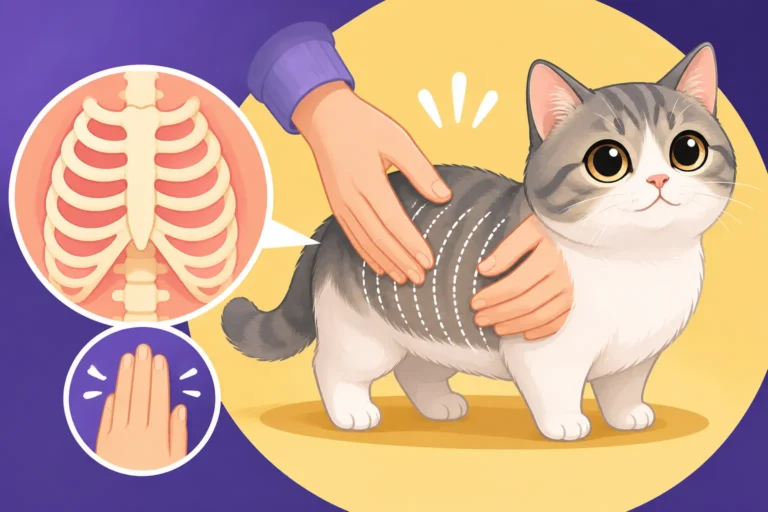
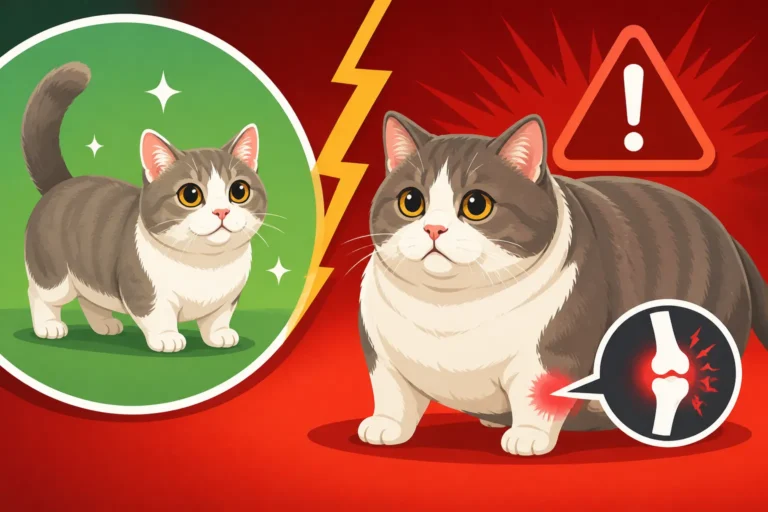
First and foremost, weight control is absolutely critical. Every extra pound on a Munchkin places disproportionate stress on their short legs and spine. A lean body condition helps to reduce the load on their joints significantly and can delay the onset of arthritis. Discuss appropriate feeding guidelines with your vet and monitor your cat's weight regularly. "Why Weight Is More Dangerous on a Munchkin" is a must-read for any Munchkin owner, as is learning "How to Score a Munchkin's Body Condition."
Secondly, environmental adaptations are essential. Provide ramps or pet steps to allow your Munchkin easy, low-impact access to their favorite spots – sofas, beds, windowsills, and even their litter box. This prevents them from repeatedly jumping up and down, which can exacerbate joint wear. Look for cat trees with closely spaced platforms or invest in sturdy pet stairs. Make sure their food and water bowls are at a comfortable height so they don't have to strain their neck or bend awkwardly to eat and drink, which can put stress on their spine.
Consider joint supplements. Many veterinarians recommend supplements containing glucosamine, chondroitin, and omega-3 fatty acids for breeds prone to joint issues. These can help support cartilage health and reduce inflammation. Always discuss supplements with your vet before introducing them to ensure they are appropriate for your cat.
Regular, gentle play and exercise on level ground can help maintain muscle strength and flexibility without putting excessive strain on their joints. Think wand toys that encourage horizontal chasing rather than high jumping. Finally, consider a robust pet insurance plan. Companies like Healthy Paws offer coverage that can significantly ease the financial burden if your Munchkin requires ongoing care for joint issues, physiotherapy, or medication as they age. Planning for these potential needs proactively is truly the best way to ensure your Munchkin enjoys a full, happy life.
Bowing in Munchkin Cat Legs: Typical vs. Concerning Signs
| Feature | Typical/Expected Bowing (Characteristic) | Concerning Bowing (Potential Defect) |
|---|---|---|
| Visual Appearance | Mild inward or outward curve of front legs; generally symmetrical. | Severe, asymmetrical bowing; twisted or abnormally angled paws/legs. |
| Mobility | Agile on flat surfaces; distinctive "ferret-like" gait; uses ramps/steps. | Limping, lameness, difficulty walking/running; refusal to use legs normally. |
| Pain Signs | No overt signs of pain; playful and active. | Hissing, growling, flinching when touched; reluctance to move. |
| Joint Swelling | No visible swelling or heat around joints. | Noticeable swelling, warmth, or tenderness around ankle, elbow, or shoulder joints. |
| Post-Activity | Recovers quickly after play; no prolonged stiffness. | Stiffness or limping after rest; worsens after activity. |
| Age of Onset | Present from kittenhood, stable as adult. | Worsening bowing or new onset of bowing later in life without injury. |
| Vet Assessment | Vet confirms conformation is within expected breed range; no signs of discomfort. | Vet identifies pain, limited range of motion, or signs of degenerative joint disease. |
Disclaimer
The information provided in this article is for general informational and educational purposes only and is not a substitute for professional veterinary advice. Always consult with a qualified veterinarian regarding any medical concerns or before making any decisions about your pet's health and treatment.