Why a Munchkin From a Scottish Fold Cross Is a Warning
It’s understandable to be captivated by the unique appearance of certain cat breeds, and sometimes, the idea of combining two distinct looks can seem intriguing. However, when we talk about a Munchkin from a Scottish Fold cross, we're stepping into territory that raises serious ethical and health alarms. If you’ve come across listings or discussions about these cats, you might be wondering why some people see them as a "warning." This guide is here to unravel the complex genetic truths behind both the Munchkin and the Scottish Fold, explaining in detail why combining these two breeds creates a high risk of compounded suffering for the animal, and why it’s a practice best avoided by responsible breeders and prospective owners alike.
Understanding the Genetic Foundations of Both Breeds
To fully grasp the significant health risks involved in a Scottish Fold Munchkin cross, we first need to understand the individual genetic conditions that define each parent breed. These aren't just cosmetic traits; they are fundamental skeletal mutations, each carrying its own set of health implications.
The Munchkin's Core Challenge: Pseudoachondroplasia
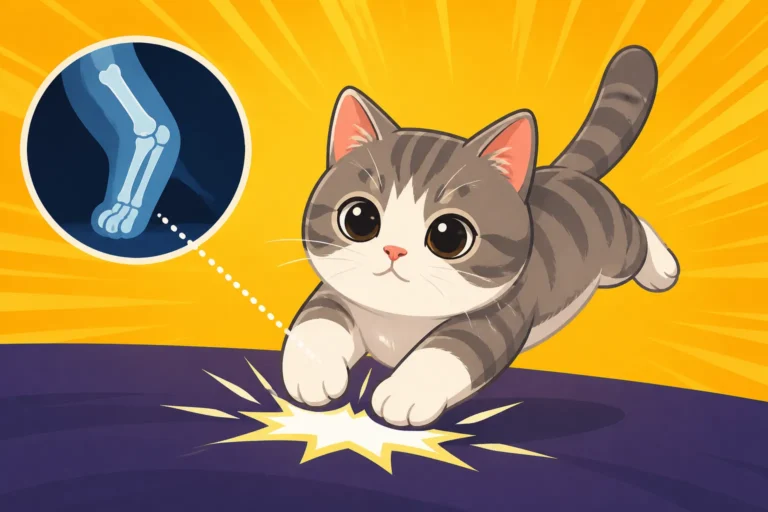
The Munchkin cat is famously characterized by its short legs, a trait that stems from an autosomal dominant gene mutation. This condition is often referred to as pseudoachondroplasia, which primarily affects the long bones of the legs, causing them to be significantly shorter than those of a typical cat. However, it's crucial to understand that while their legs are short, their body length and spinal structure are usually of normal proportion. This is a key distinction, as it means their spines are still designed for a full-sized feline body, even though their legs provide less leverage and shock absorption.
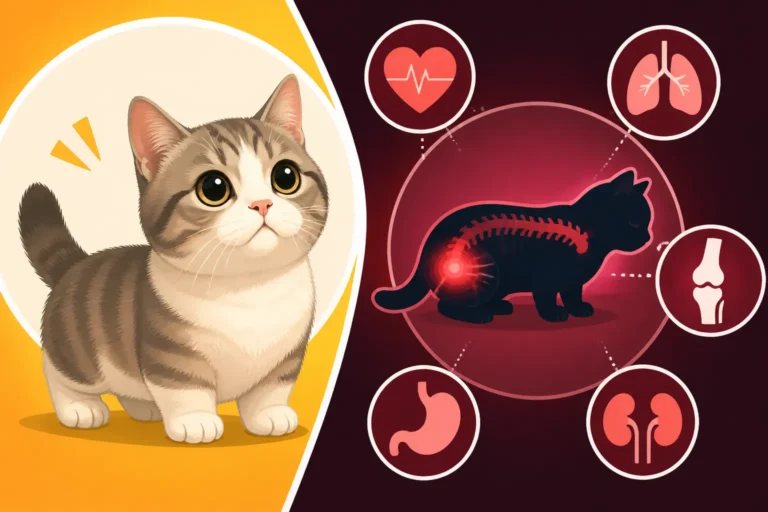
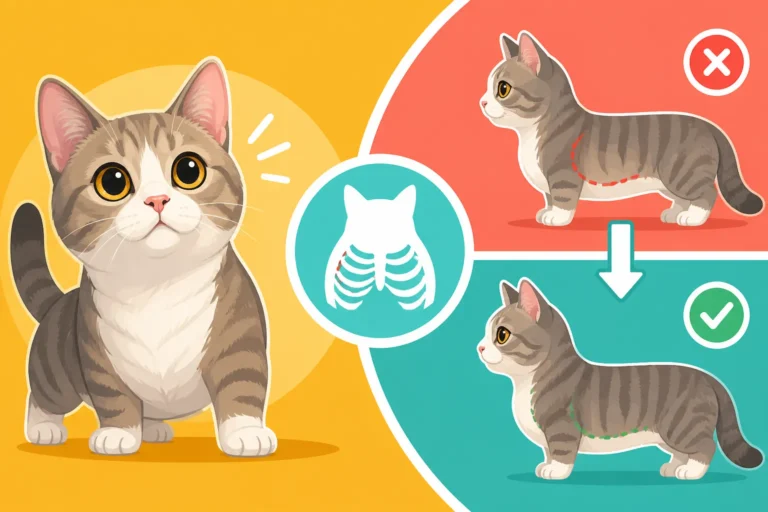
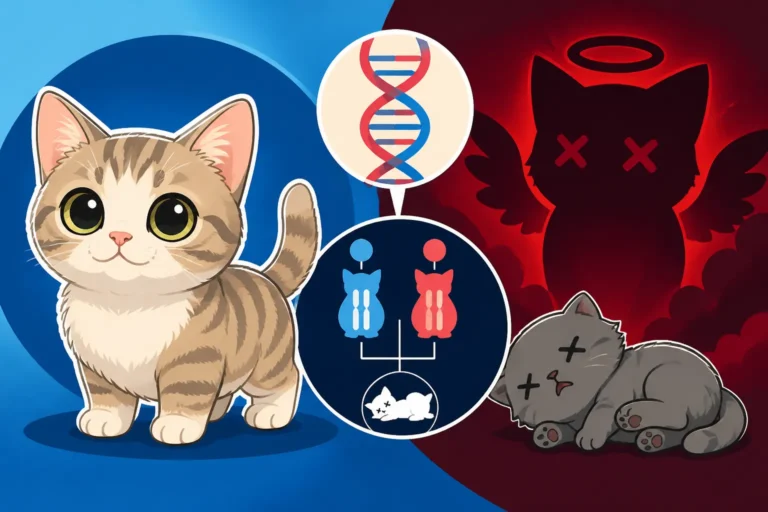
Because the Munchkin gene is dominant and lethal in two copies, you'll never see two short-legged Munchkins bred together; it would result in the death of homozygous embryos. This is why every Munchkin litter is a carrier cross, meaning one parent is a short-legged Munchkin and the other is a normal-legged cat. While Munchkins are generally active and can run, play, and even jump, their altered biomechanics can lead to certain predispositions. For instance, the way their spine carries a load a normal cat's does not can sometimes lead to conditions like lordosis, which is an excessive inward curvature of the spine. Some Munchkins might also be predisposed to pectus excavatum, a condition where the breastbone sinks inward, forming a sunken chest. While not every Munchkin develops these issues, they are considerations that responsible breeders and owners must be aware of and screen for. Understanding what pseudoachondroplasia does to a Munchkin's legs is key to appreciating their unique physical needs.
The Scottish Fold's Signature Trait: Osteochondrodysplasia
Now, let's turn our attention to the Scottish Fold. The characteristic folded ears that give this breed its adorable, owl-like appearance are the result of a genetic mutation known as osteochondrodysplasia (OCD). This isn't just a quirky ear cartilage; it's a systemic disorder that affects cartilage and bone development throughout the entire body. The gene responsible, TRPV4, impacts the healthy development of cartilage in the ears, but also in the spine, tail, and most critically, the joints of all four limbs.
Unlike the Munchkin's gene, which primarily affects long bone growth, the Scottish Fold's OCD gene causes progressive, painful arthritis and bone deformities. This can lead to fused vertebrae, abnormally short and rigid tails, and severe, debilitating arthritis that can manifest at a young age and worsen over time. Cats with this condition often experience chronic pain, stiffness, and reluctance to move, jump, or play. In severe cases, they may struggle with basic mobility, requiring extensive veterinary care, including pain management and potentially even surgery. There's a lot of debate around whether a Scottish Fold should even exist due to these health concerns, highlighting the ethical quandaries associated with breeding for such a distinctive, yet potentially debilitating, trait.
Why Combining These Mutations Creates a Major Health Hazard
When you consider the specific health challenges inherent in both the Munchkin and the Scottish Fold, the idea of crossing them immediately becomes problematic. This isn't a situation where two different genes somehow cancel out or dilute each other's effects; instead, they stack, creating a compounding array of severe skeletal problems that can lead to a lifetime of suffering for the cat.
Stacking Skeletal Problems: The Double Whammy
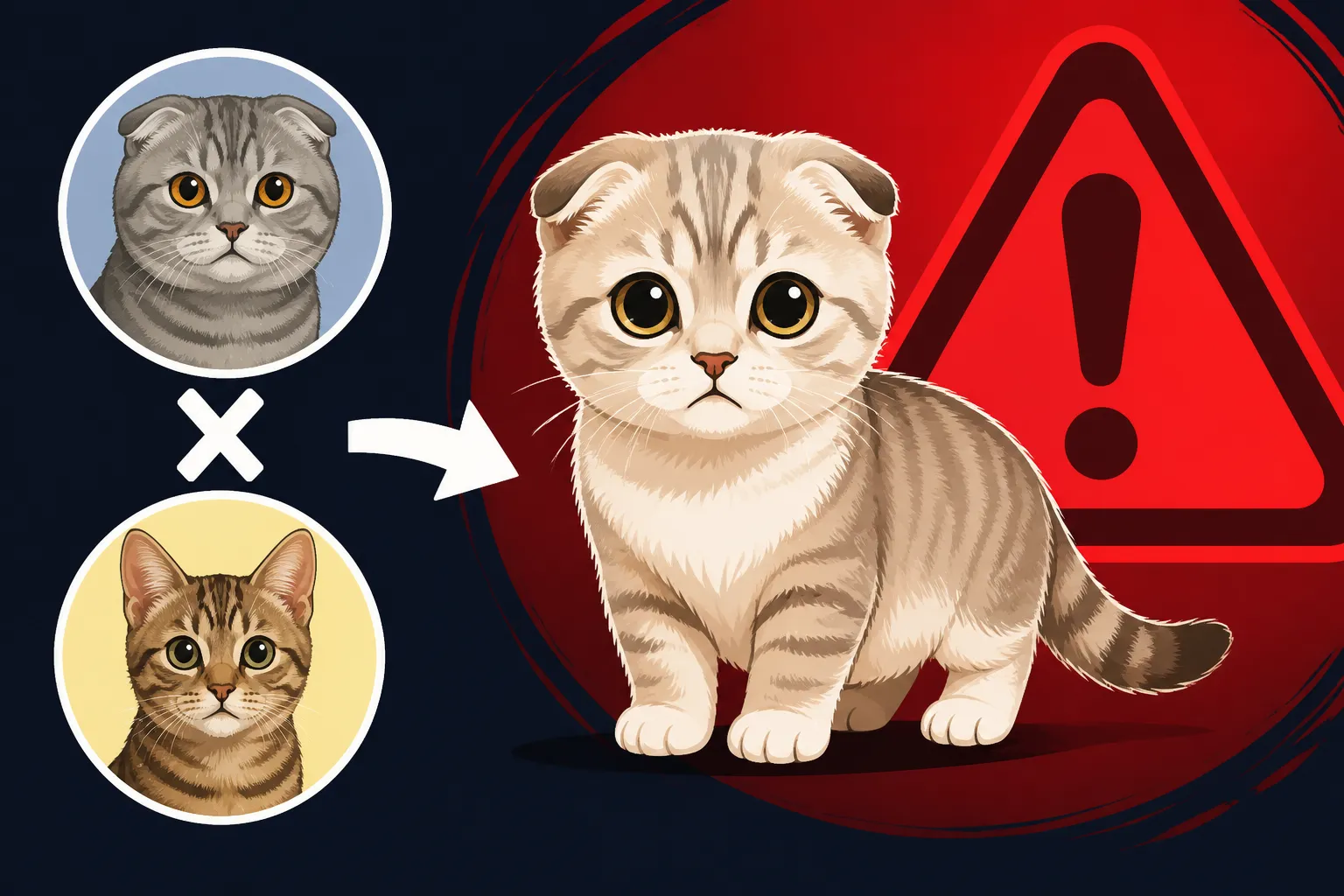
Imagine a cat that is already predisposed to spinal issues like lordosis and has abnormally short, weight-bearing leg bones from its Munchkin heritage. Now, add to that the Scottish Fold's genetic predisposition for widespread cartilage and bone abnormalities, particularly severe, progressive arthritis in its joints and spine. This is precisely what happens in a Scottish Fold Munchkin cross, often referred to as a "Scottish Kilt" or other similar designer names. These hybrids stack two mutations, meaning they inherit two separate genetic anomalies that individually cause skeletal issues.
The short legs of the Munchkin place abnormal stress on their joints and spine, as their normal-sized body is carried on shorter levers. If you then introduce the Scottish Fold's osteochondrodysplasia, which actively degrades cartilage and causes bone deformities, the cat faces an exponentially higher risk of severe, early-onset, and debilitating arthritis. The already stressed Munchkin spine might contend with fused vertebrae from the Fold gene. The joints in the legs, which already bear an unusual load due to the Munchkin's pseudoachondroplasia, will now also be rapidly deteriorating due to the Fold's cartilage defect. This can lead to extreme pain, severely limited mobility, and a greatly reduced quality of life. Owners might observe a peculiar gait, difficulty jumping even small distances, or a general reluctance to engage in normal feline activities, all exacerbated by chronic discomfort.
The Ethical Minefield of Breeding Such Crosses
Given the severe health implications, the breeding of Scottish Fold Munchkin crosses is almost universally condemned by reputable cat registries and animal welfare organizations. The practice is seen as deeply unethical because it intentionally creates an animal with a high probability of suffering from severe, lifelong health problems for the sake of a "novel" appearance. Responsible breeders, those who prioritize the health and welfare of their animals above all else, would never intentionally breed two cats carrying such significant skeletal mutations together. They understand that Munchkin dwarfism is dominant and lethal in two copies, and the same careful genetic planning applies to avoiding combinations that cause suffering.
Many veterinary associations also strongly advise against purchasing or breeding these types of hybrid cats. They often express concerns about Munchkin hybrids stacking two mutations, advocating for breeding practices that enhance, rather than compromise, the health and longevity of felines. The drive for unique "designer breeds" can sometimes overshadow the fundamental responsibility to ensure a cat's well-being. This is why you'll often hear that a Munchkin from a Scottish Fold cross is a warning – it signals a breeder who may be prioritizing profit or novelty over the foundational health principles of ethical animal husbandry.
Practical Realities and Long-Term Care for a Scottish Fold Munchkin
If you find yourself with a Scottish Fold Munchkin, whether through rescue or a previous, perhaps uninformed, purchase, understanding the practical realities of their care and the potential long-term challenges is absolutely vital. These cats require a level of dedication and financial commitment that significantly exceeds that of an average cat.
Identifying the Signs of Compounded Suffering
For a cat living with the combined effects of pseudoachondroplasia and osteochondrodysplasia, recognizing signs of distress and pain is paramount. It’s not just about a cute folded ear or short legs; it's about detecting subtle indicators that your cat is struggling. Look for changes in their movement: severe lameness in one or more limbs, a reluctance to bear weight, or a noticeably abnormal gait that is even more pronounced than what you might expect from a typical Munchkin. You might observe them struggling to jump onto low furniture that other Munchkins manage with ease, or even exhibiting pain during routine activities like walking or using the litter box.
Beyond mobility issues, watch for signs of chronic pain such as increased irritability, hiding more often, decreased appetite, or changes in grooming habits. Breathing difficulties could also be a concern, especially if the Munchkin's pectus excavatum is severe and exacerbated by any spinal rigidities from the Fold gene. It's not always obvious, and cats are masters at hiding pain, so keen observation and regular veterinary check-ups are essential. Any changes in their usual behavior, especially those related to movement or comfort, warrant immediate attention from your veterinarian.
The Steep Cost of Managing Chronic Pain and Disability
Caring for a Scottish Fold Munchkin is likely to be a significant financial undertaking. The combination of skeletal issues means these cats often require extensive and ongoing veterinary care. This can include frequent vet visits to monitor their condition and manage pain, specialized diagnostics like X-rays or even MRI scans to assess joint and spinal health, and a range of treatments. Pain relief medication, often prescribed for life, and joint supplements are common necessities. Furthermore, physical therapy, acupuncture, or other rehabilitative treatments might be recommended to help maintain mobility and alleviate discomfort.
Beyond medical interventions, you will likely need to adapt your home environment. This means providing ramps and steps to ensure your cat can safely access furniture, beds, and even litter boxes without painful jumps or strenuous climbs. Low-entry litter boxes are essential, and their food and water bowls should be raised to prevent strain on their neck and shoulders. All of these modifications and ongoing medical expenses contribute to why a Munchkin's vet year includes its joints, and why the lifetime cost of such a cat can be considerably higher than that of a healthier breed. When considering pet insurance, companies like Healthy Paws can be a lifesaver, but it's crucial to understand their coverage limitations, especially regarding pre-existing conditions that might be genetic in nature. It's wise to research whether pet insurance covers a Munchkin's spine, as these combined mutations often lead to spinal problems. This long-term financial commitment is a critical aspect of understanding what a Munchkin costs over thirteen years, especially one with compounded health issues.
The Moral Imperative for Prospective Owners
Ultimately, the choice to bring a cat into your home is a personal one, but when it comes to Scottish Fold Munchkin crosses, there is a strong moral imperative to consider. By seeking out or purchasing these cats, you are inadvertently supporting breeding practices that prioritize appearance over animal welfare, perpetuating a cycle of potential suffering. Instead, prospective owners are encouraged to focus on ethical sourcing. Research breeders thoroughly, ask for health clearances for both parents, and avoid anyone who is intentionally breeding for "stacked" genetic mutations.
If your heart is set on a cat with unique features, consider adoption from a reputable rescue, where cats of all breeds and mixes are looking for loving homes. Often, rescues will have already assessed the health needs of the animals in their care, providing transparency about any conditions they may have. Supporting responsible breeding practices, or adopting a cat whose health challenges are already known and manageable, is the most compassionate choice for the long-term well-being of our feline companions.
| Feature / Condition | Munchkin (Pseudoachondroplasia) | Scottish Fold (Osteochondrodysplasia) | Scottish Fold Munchkin Cross (Combined) |
|---|---|---|---|
| Primary Effect | Shortening of long leg bones | Cartilage and bone deformities | Both; compounded skeletal issues |
| Ear Structure | Normal | Folded ears (cartilage defect) | Folded ears |
| Spine | Typically normal length; risk of lordosis | Potential for fused vertebrae, stiffness | High risk of severe lordosis, fused vertebrae, chronic pain |
| Joints | Increased stress on joints due to leg length | Progressive, painful arthritis throughout the body | Accelerated, debilitating arthritis, severe joint deformities |
| Tail | Normal | Potential for short, rigid tail | Potential for short, rigid tail |
| Mobility | Agile, but limited jump height | Stiffness, reluctance to move, pain | Severely limited mobility, chronic pain, early disability |
| Pain Level | Generally low, unless conditions like lordosis are severe | High; often requires lifelong pain management | Very high; compounded and pervasive pain |
| Ethical Breeding | Bred to normal-legged cats only; TICA accepted | Ethical concerns due to welfare issues | Widely condemned; considered unethical |
| Care Needs | Adapted environment, weight control | Lifelong pain management, mobility aids | Extensive veterinary care, specialized diagnostics, profound home adaptation, lifelong pain management |
Disclaimer
This article is intended for informational purposes only and does not constitute veterinary advice. The health and well-being of your cat should always be managed in consultation with a qualified veterinarian. Any decisions regarding your cat's health, breeding, or care should be made with professional guidance tailored to your specific situation.