Why a Munchkin From a Persian Cross Needs a PKD Test
It's incredibly frustrating when you're considering bringing a new furry family member into your home, especially a unique breed like a Munchkin, only to be faced with a minefield of potential health issues, particularly those that might be silently lurking in their genetics. The question of why a Munchkin from a Persian cross needs a PKD test is a perfect example of this anxiety, and it's a completely valid concern that deserves a thorough, clear explanation. This guide is here to walk you through everything you need to know about Polycystic Kidney Disease (PKD) and its specific implications for Munchkin cats with Persian lineage, helping you make informed decisions for your beloved companion.
The Basics of Polycystic Kidney Disease PKD
Polycystic Kidney Disease, or PKD, sounds quite scary, and for good reason. It's a progressive, inherited condition that can severely impact a cat's quality of life and shorten its lifespan. Understanding what it is and how it works is the first step toward protecting your cat.
What is PKD and How Does it Affect Cats?
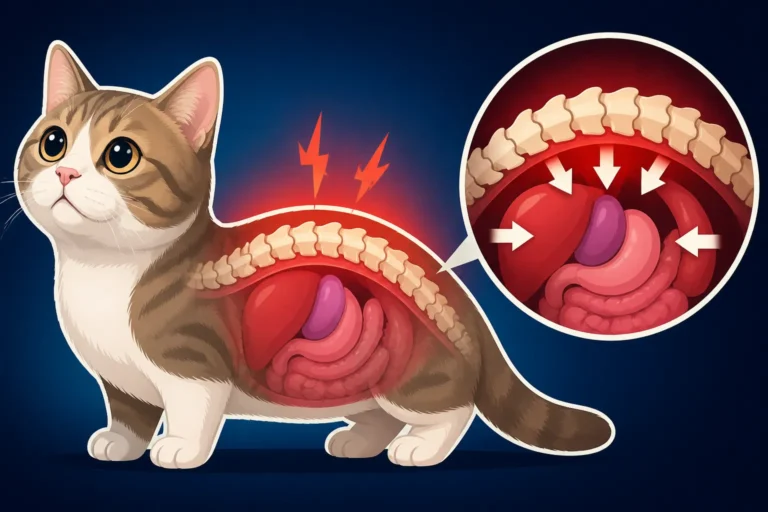
Imagine tiny, fluid-filled sacs, like miniature balloons, starting to form within your cat's kidneys. That's essentially what cysts are in PKD. These aren't just harmless bubbles; they grow in number and size over time, slowly but surely replacing healthy kidney tissue. As more and more functional kidney tissue is taken over by these cysts, the kidneys become less efficient at doing their vital job – filtering waste products from the blood. This process is gradual, often starting from birth, but the cysts typically enlarge and multiply as the cat ages. Eventually, if left unchecked, the kidneys can fail entirely, leading to serious health complications and, ultimately, renal failure. It's a slow, insidious thief of health, and it’s heart-wrenching to watch a cat suffer from it.
Recognizing the Signs and Symptoms of PKD
One of the most challenging aspects of PKD is its stealthy nature. Many cats with PKD, especially in the early stages, show absolutely no outward signs of illness. They might seem perfectly healthy and happy, chasing toys and purring on your lap. This asymptomatic period can last for years, which is why testing is so crucial. However, as the disease progresses and kidney function declines, you might start to notice more generalized symptoms of kidney disease. These can include increased thirst and urination, which is the kidneys struggling to concentrate urine, leading to your cat drinking more to compensate for fluid loss. You might also observe a loss of appetite, weight loss, lethargy, vomiting, or even a dull coat. In advanced stages, cats can become very unwell, showing signs of dehydration, weakness, and discomfort. Since these symptoms are common to many feline ailments, they can be easily missed or attributed to other issues, underscoring why specific testing is so vital for at-risk breeds.
The Genetic Reality of PKD Inheritance
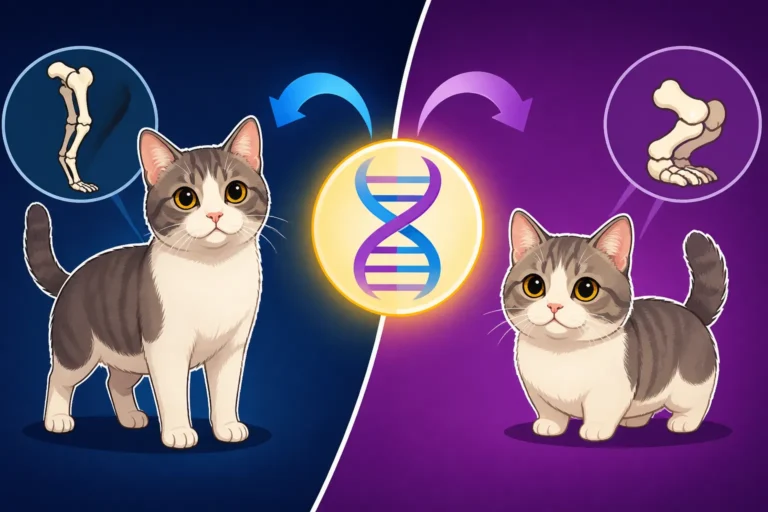
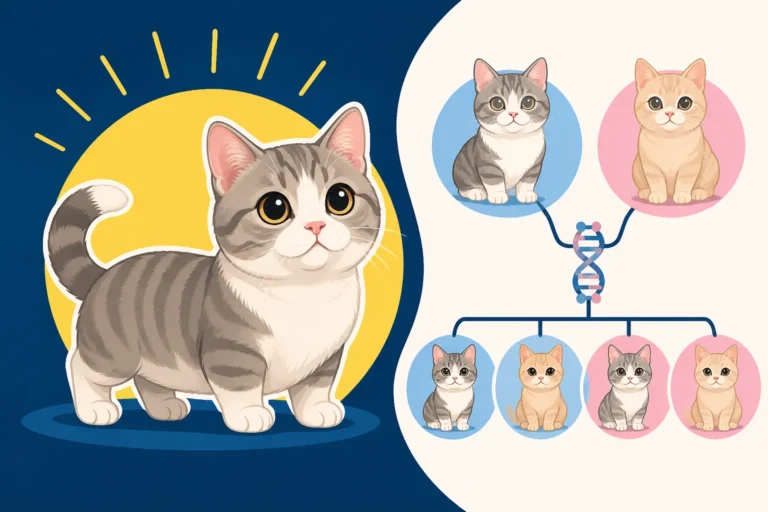
PKD is not something a cat "catches" like a cold; it's inherited. This means it's passed down from parent to kitten through their genes. Specifically, it's an autosomal dominant genetic trait. This scientific term simply means that a cat only needs to inherit one copy of the faulty gene from either parent to develop the disease. If a cat inherits two copies of the normal gene, it won't get PKD. If it inherits one normal and one faulty gene, it will develop PKD and can pass that faulty gene on to roughly half of its offspring. If, theoretically, a cat inherited two copies of the faulty gene (which is rare in breeds because affected cats typically don't live long enough to breed successfully, and responsible breeders screen for it), it would also develop PKD, likely more severely. This clear pattern of inheritance is why breeders of at-risk breeds, and by extension, owners, must be incredibly diligent about screening. It's a matter of knowing the family tree, literally, to understand the potential future health of your cat. If you're wondering Whether a Munchkin DNA Test Exists for PKD, it does for the specific gene mutation common in Persians.
Why Persian Lines are a Red Flag for PKD
The reason we're even having this conversation about PKD and Munchkins boils down to one specific breed: the Persian. Their long, luxurious coats and distinctive flat faces have made them beloved companions for centuries, but they also carry a genetic predisposition to PKD.
The Historical Link Between Persians and PKD
Persian cats have a well-documented history with PKD. For a long time, before genetic testing became widely available, PKD was rampant in Persian populations, with some studies indicating that over a third of the breed was affected. This was largely due to the widespread breeding of cats carrying the dominant PKD gene, simply because breeders didn't know they were carriers. Over generations, the condition became deeply entrenched within the Persian gene pool. While responsible breeders have made significant strides in recent decades to eradicate PKD from their lines through rigorous testing and selective breeding, the history means that any cat with recent Persian ancestry carries a higher baseline risk for this disease. It's a stark reminder of why careful breeding practices and genetic screening are so important in maintaining breed health. This is why when considering a kitten, it's vital to know Which Diseases a Munchkin Breeder Must Declare if they are known in their lines.
How Persian Outcrosses Introduce PKD Risk to Munchkins
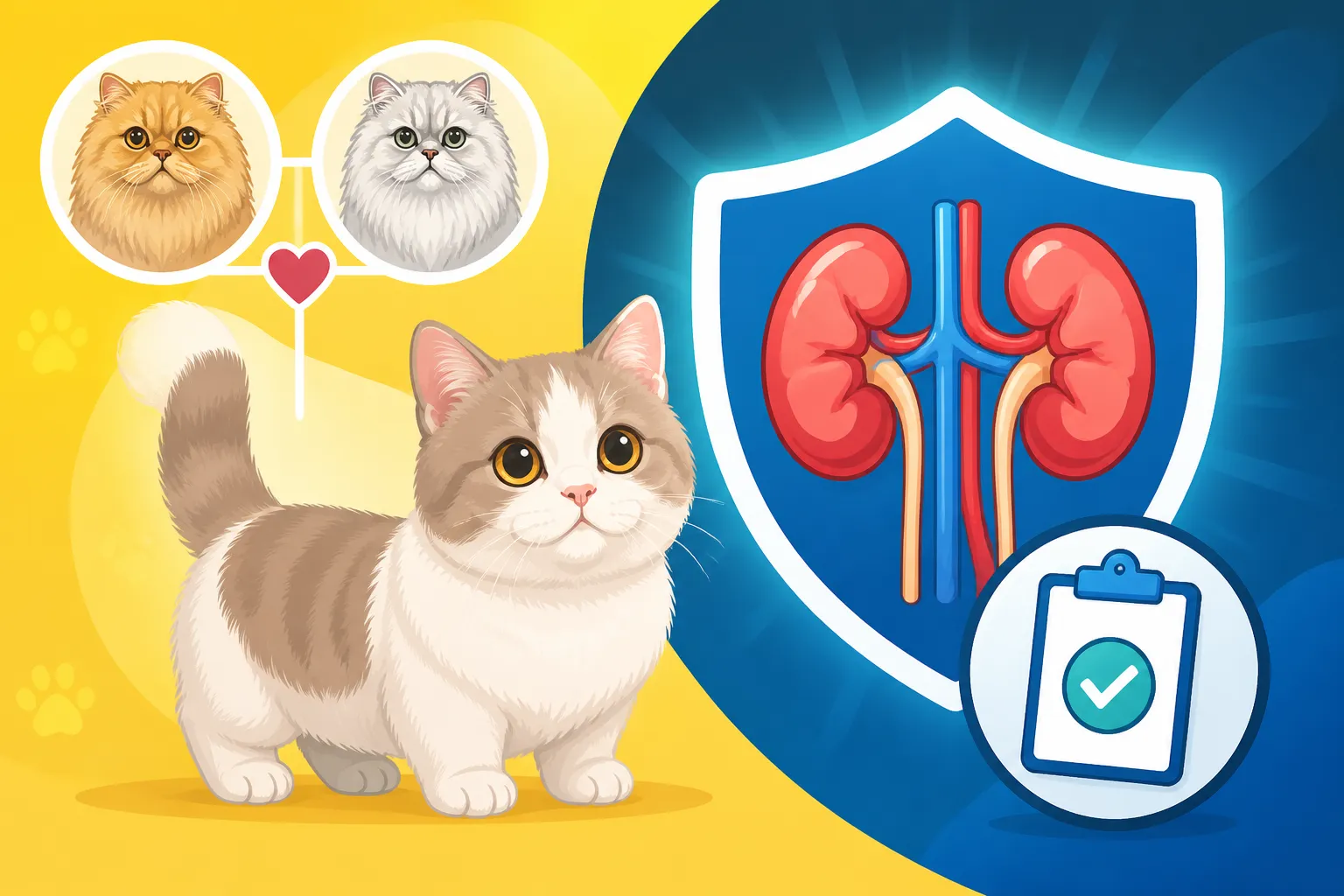
Here's where the Munchkin connection comes into play. The Munchkin breed itself was developed by outcrossing (breeding to) domestic cats of various types, and sometimes other pedigreed breeds, to introduce new genetic diversity and establish the breed. One of the breeds historically used in these outcrossings, especially for developing hybrid breeds like the Minuet (formerly known as the Napoleon), was the Persian. The Minuet, for example, is a cross between a Munchkin and a Persian (or Himalayan, which is a color-point Persian). While the goal of these crosses was often to combine the short legs of the Munchkin with the long, luxurious coat or flat face of the Persian, it inadvertently brought along the Persian's genetic baggage, including the risk of PKD.
So, if your Munchkin has a Persian (or Minuet, or Himalayan) cat anywhere in its recent pedigree, there's a possibility that the PKD gene was introduced. This isn't about blaming any specific breed or breeder; it's simply a genetic reality. Even if the Persian ancestor didn't show signs of PKD, if it carried the dominant gene, it could have passed it down. This is particularly relevant when you're looking at specific Munchkin hybrid breeds like the Minuet, as they directly incorporate Persian genetics. Understanding that your cat's lineage can contribute to its potential health problems is key to proactive care. It’s critical to ask a breeder What a Minuet Is and How It Relates to the Munchkin and what health screening they do for their breeding cats.
Understanding Munchkin Hybrid Breeding Practices
Munchkin hybrids are an interesting part of the cat world, often combining the distinct short legs with other appealing traits from various breeds. For instance, Why the Munchkin Persian Cross Was Called the Napoleon before it became the Minuet, speaks to the desire to create a cat with both the unique Munchkin stature and the regal Persian appearance. However, with every outcross, especially when introducing breeds with known genetic predispositions, breeders must be extra vigilant. The goal of responsible hybrid breeding isn't just to create a visually appealing cat but to ensure the health and well-being of the resulting offspring. This means that if a breeder is using Persian lines in their Munchkin breeding program, or if they are breeding Munchkin hybrids like the Minuet, they must be testing their Persian (or Persian-derived) breeding stock for PKD. Without this crucial step, they risk inadvertently propagating the disease into the Munchkin hybrid population. This consideration is particularly important when breeders consider Why Munchkin Hybrids Stack Two Mutations, as some crosses combine multiple genetic traits, each potentially carrying its own health concerns.
The Critical Need for PKD Testing in Munchkin-Persian Crosses
Given the genetic link, testing is not just a recommendation; it's a necessity for any Munchkin with known or suspected Persian ancestry. This isn't about being alarmist, but about being responsible and giving your cat the best chance at a long, healthy life.
Different Methods of PKD Screening
When it comes to screening for PKD, thankfully, we have reliable methods available. The two primary approaches are genetic testing and ultrasound.
1. Genetic Testing: This is often considered the gold standard for definitive diagnosis in at-risk breeds like Persians and their crosses. It's a simple DNA test, usually done via a buccal swab (a swab rubbed inside the cat's cheek to collect cells) or a blood sample. The beauty of the genetic test is that it identifies the specific mutation responsible for PKD. It tells you definitively whether your cat carries the gene, whether they are "clear" (no gene), or "affected" (has the gene). This test can be performed at any age, even on young kittens, and the results are lifelong. It's an incredibly powerful tool for breeders to ensure they are only breeding clear cats, thereby eliminating PKD from their lines. It gives you absolute peace of mind, much like knowing Whether a Munchkin Can Be Screened Before Purchase.
2. Ultrasound: This diagnostic imaging technique allows a veterinarian to visualize the kidneys and look for the presence of cysts. It's non-invasive and provides a direct view of the kidney structure. An ultrasound can identify cysts, but it's important to understand its limitations. While it can detect cysts, especially larger ones, it might miss very small cysts in young kittens, which is why repeated screening might be recommended by your vet as the cat ages. It also doesn't tell you if the cat carries the gene if no cysts are visible; it only tells you if cysts are present at that moment. For breeding cats, a genetic test is preferable because it definitively identifies carriers, allowing for informed breeding decisions. However, for a pet cat, an ultrasound can be a valuable tool for early detection and monitoring, especially if genetic testing isn't feasible or if you're assessing a cat of unknown lineage.
Here's a quick comparison of the two primary PKD screening methods:
| Feature | Genetic DNA Test | Renal Ultrasound |
|---|---|---|
| Method | Buccal swab or blood sample | Non-invasive imaging of kidneys |
| What it detects | Presence of the PKD gene mutation | Physical cysts within the kidney tissue |
| Age for testing | Any age, even kittens | Detects visible cysts; may miss small cysts in young cats |
| Results | Clear, Carrier, or Affected (lifelong) | Cysts present/absent (snapshot in time) |
| Breeding use | Definitive for preventing transmission to offspring | Used to assess physical kidney health, not carrier status |
| Accuracy | High for specific gene mutation | Operator-dependent; can miss early/small cysts |
| Cost | Generally lower for genetic panel | Higher due to specialized equipment and vet time |
Interpreting PKD Test Results and Breeder Responsibilities
Getting the results of a PKD test can be a nerve-wracking experience, but understanding them is crucial. If a genetic test comes back "clear," it means your cat does not carry the PKD gene mutation and cannot develop the form of PKD linked to this gene, nor can it pass it on. This is the ideal result for both pet owners and breeders.
If the result is "affected" (meaning the cat has one copy of the dominant gene), it means your cat has PKD. They will likely develop cysts and eventually kidney disease. For pet owners, this means proactive monitoring with your vet, including regular check-ups and potentially a specific diet, to manage the condition. For breeders, an "affected" result means the cat should immediately be removed from any breeding program. Breeding an affected cat guarantees that approximately half of its offspring will also inherit the condition, perpetuating the problem. Responsible breeders understand this critical responsibility and will never breed an affected cat. They should be able to provide you with proof of PKD screening for both parent cats, ideally through genetic testing, demonstrating their commitment to the health of their lines. This transparency is a key indicator of What a Munchkin Breeder Should Be Able to Show You before you commit to a kitten.
Proactive Steps for Owners of Munchkin-Persian Crosses
If you already own a Munchkin with Persian ancestry, or are considering adopting one, proactive steps are your best defense. Firstly, if you haven't already, discuss genetic PKD testing with your veterinarian. This is especially important for Munchkin hybrids like the Minuet. Early detection, even if it's just knowing your cat is genetically predisposed, allows you and your vet to establish a monitoring plan.
Regular veterinary check-ups are paramount. Your vet will perform routine physical exams, looking for any subtle signs of kidney issues. They might also recommend regular blood work and urinalysis, especially as your cat ages, to monitor kidney function. Things like creatinine and BUN levels in the blood, along with urine specific gravity, can indicate how well the kidneys are functioning. Knowing Which Blood Values Matter Most in a Munchkin in relation to kidney health can help you understand your vet's recommendations.
If your cat is diagnosed with PKD, or even just deemed at high risk, dietary management can play a significant role. Your vet might recommend a prescription kidney-supportive diet, which is typically lower in protein and phosphorus to reduce the workload on the kidneys. Ensuring constant access to fresh water and encouraging hydration through wet food can also help support kidney function. While there's no cure for PKD, early detection and diligent management can significantly slow its progression and improve your cat's quality of life. Investing in pet insurance like Healthy Paws, particularly a policy that covers hereditary conditions, can also provide immense relief should your cat require ongoing treatment for PKD or other genetic conditions. It’s always best to have that safety net in place, especially with breeds known for certain predispositions. Remember, even though PKD is genetic, it's possible for a Munchkin to get The Usual Kidney Problems as it ages, making general kidney health monitoring important for all cats. The peace of mind that comes from knowing you've done everything possible for your cat's health is truly priceless.
Disclaimer
Please remember that this article is intended for informational purposes only and does not constitute veterinary advice. Always consult with a qualified veterinarian for any health concerns or before making any decisions about your pet's medical care or treatment plan.