Why Munchkin Dwarfism Is Called Autosomal Dominant
The term "dwarfism" often carries a heavy weight, sparking concerns and questions for anyone interested in the beautiful and unique Munchkin cat. When you hear the scientific classification "autosomal dominant" used to describe their short legs, it can sound incredibly complex, even intimidating, making you wonder what it truly means for the cat's health and lifespan. This guide will break down this genetic concept into plain, understandable language, offering clarity and peace of mind about what makes Munchkins special.
Unpacking the Fundamentals of Feline Genetics
Before we dive into what "autosomal dominant" means for your adorable, low-riding friend, let's take a quick, friendly look at some basic cat genetics. Don't worry, we're not going to get bogged down in textbook definitions; instead, we'll focus on the concepts that directly apply to Munchkin cats and their unique physical characteristics. Understanding these foundational ideas is the first step in appreciating why the Munchkin's short legs are considered a genetic trait rather than a disease in the way some people might initially fear.
Chromosomes and Genes: The Blueprint of Life
Every living creature, from a tiny bacterium to your beloved cat, carries a complete set of instructions in its cells, much like a detailed blueprint. These instructions are organized into structures called chromosomes. Think of chromosomes as the individual volumes in a massive encyclopedia. Cats, for instance, have 38 chromosomes, arranged in 19 pairs. One set of 19 comes from the mother, and the other set of 19 comes from the father.
Within these chromosomes are smaller units of information called genes. If chromosomes are the encyclopedia volumes, then genes are the specific entries or paragraphs that give instructions for a particular trait. There's a gene for eye color, a gene for coat length, and yes, a gene that influences leg length. Each gene exists at a specific location on a chromosome. For any given gene, a cat inherits two copies, one from each parent. These different versions of a gene are called alleles. For example, a gene for coat color might have an allele for black fur and an allele for ginger fur. The combination of these alleles is what determines a cat's appearance.
Dominant Versus Recessive Traits
Now, here's where it gets really interesting: how do these two inherited alleles actually express themselves? This is where the concepts of "dominant" and "recessive" come into play.
A dominant allele is like the bossy sibling of the gene world. If a cat inherits even one copy of a dominant allele, that trait will be expressed. It's almost always guaranteed to show up. For example, if there's a gene for a certain ear shape, and one allele is dominant for "folded ears" while the other is recessive for "straight ears," a cat only needs one "folded ear" allele to have folded ears.
A recessive allele, on the other hand, is much shyer. Its trait will only be expressed if the cat inherits two copies of that recessive allele – one from each parent. If a cat inherits even one dominant allele, the recessive trait will stay hidden, though the cat can still carry the recessive allele and pass it on to its offspring. This explains why some traits seem to skip generations or appear unexpectedly; the parents might have been carriers of a recessive gene without showing the trait themselves. This basic understanding of dominant and recessive inheritance sets the stage for grasping the unique genetic situation of the Munchkin cat.
What "Autosomal Dominant" Truly Means for Munchkins
Now that we've covered the basics of chromosomes, genes, and dominant/recessive traits, let's dive into the core of our discussion: what exactly does it mean when we say Munchkin dwarfism is "autosomal dominant"? This term is crucial to understanding the breed's genetics, how their short legs are inherited, and why they are bred in a specific way. It’s not just a fancy scientific label; it’s the key to understanding why these cats look the way they do and how breeders maintain their health.
Defining "Autosomal" in Cat Genetics
First, let's tackle the "autosomal" part. In genetics, chromosomes are typically divided into two categories: sex chromosomes and autosomes. Sex chromosomes are the ones that determine an animal's biological sex (X and Y chromosomes in mammals, like cats). All other chromosomes, which carry genes for all other traits that aren't sex-linked, are called autosomes.
So, when we say the Munchkin gene is "autosomal," it simply means that the gene responsible for their short legs is located on one of the non-sex chromosomes. This is important because it means the trait is inherited equally by both male and female offspring; it doesn't matter if the cat is a boy or a girl, they have the same chance of inheriting the short-leg gene. This is different from, say, orange fur color in cats, which is a sex-linked trait. The autosomal nature means the inheritance pattern is straightforward, regardless of gender.
Dominant Inheritance and the Single Gene Principle
Next, we have the "dominant" aspect. As we discussed earlier, a dominant gene only needs one copy to express its trait. In the case of Munchkin cats, the gene for short legs (often referred to as the M gene) is dominant. This means if a cat inherits just one copy of this M gene from either parent, it will develop the characteristic short legs.
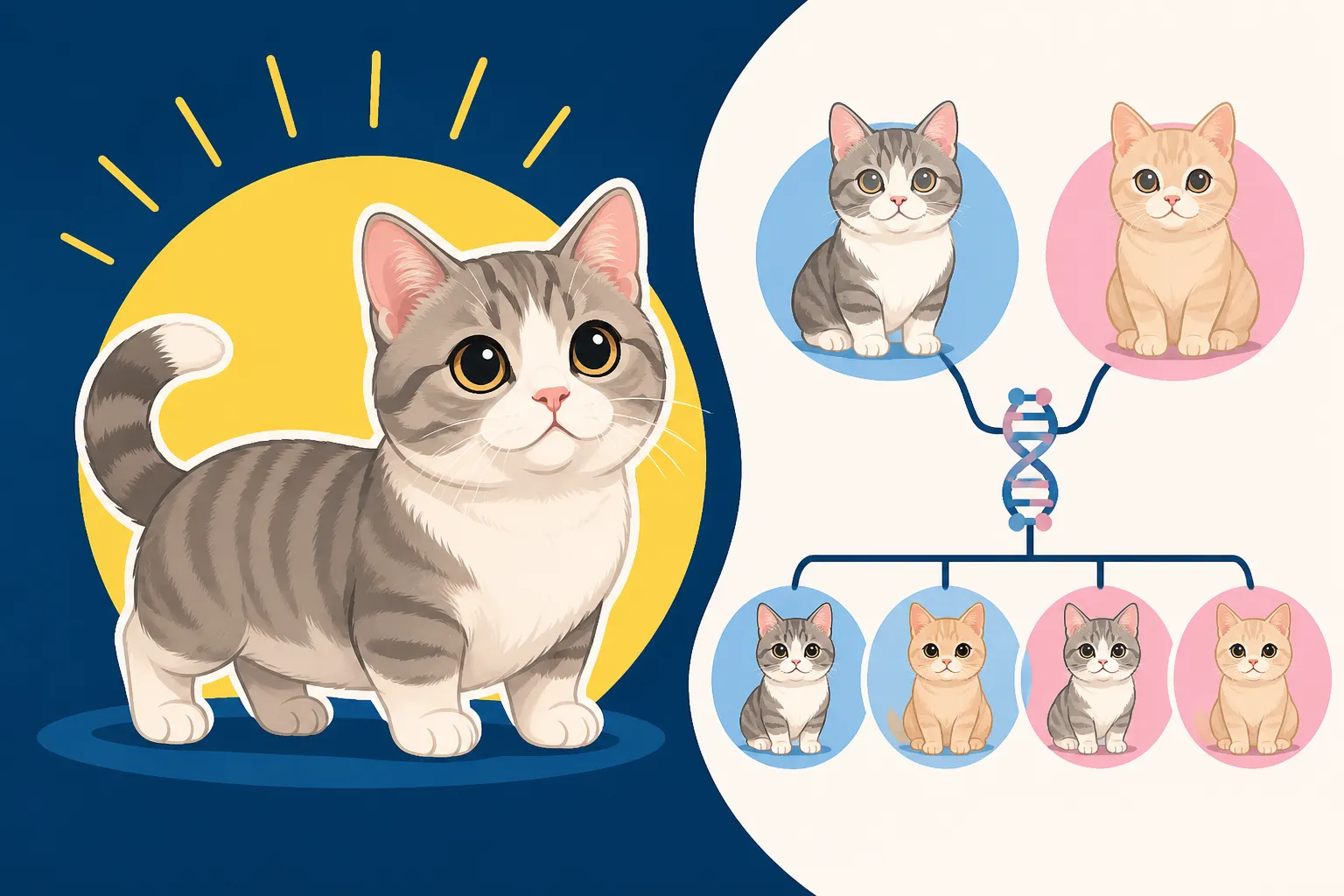
This is why, for example, if you breed a short-legged Munchkin to a normal-legged cat, about half of the kittens in the litter will have short legs. The normal-legged cat contributes only the "normal leg" allele, while the Munchkin contributes either its "short leg" allele or its "normal leg" allele. This 50/50 split is a classic hallmark of autosomal dominant inheritance when one parent carries a single copy of the dominant gene. This also tells us that a Munchkin cat itself only ever carries one copy of the dominant short-leg gene; if they carried two, the outcome would be different, as we'll explore shortly.
The Lethal Homozygous Trait: Why Two Short-Legged Munchkins Are Never Bred Together
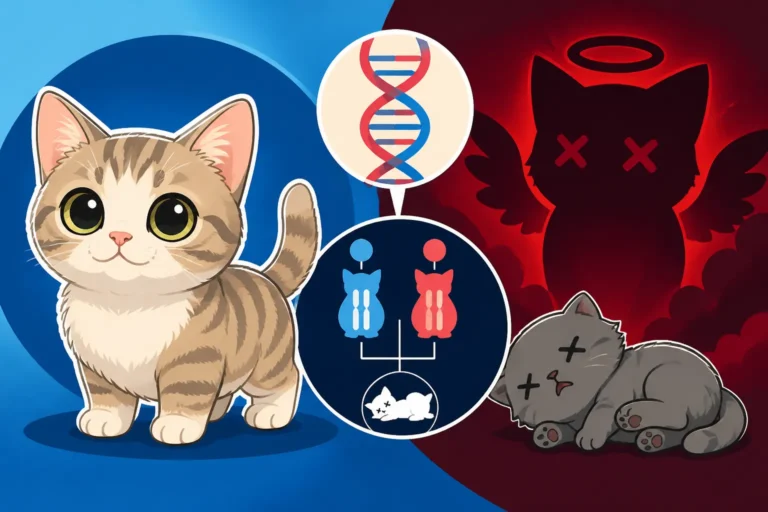
Here's the critical nuance that makes Munchkin genetics so important for breeders and owners to understand: while the short-leg gene is dominant, it is also what's known as a "lethal homozygous" trait.
What does "homozygous" mean? It means having two identical copies of a particular gene. If a cat were to inherit two copies of the dominant short-leg (M) gene – one from each parent – it would be homozygous for the trait (MM). However, in Munchkin cats, inheriting two copies of this gene is lethal; the embryo typically does not survive to term. This is a crucial point that explains What Happens to a Homozygous Munchkin Embryo and is a significant part of Why Munchkin Dwarfism Is Dominant and Lethal in Two Copies.
Because of this, responsible Munchkin breeders absolutely never breed two short-legged Munchkins together. To do so would knowingly risk producing litters where a significant portion of embryos would not survive. Instead, a short-legged Munchkin is always bred to a normal-legged cat (often referred to as a "Munchkin variant" or a domestic shorthair/longhair outcross that does not carry the short-leg gene). This practice is fundamental to the breed's health and ethical breeding. If you’re ever curious about the precise mating plans, it’s worth asking a breeder about How a Breeder Plans a Munchkin Mating, which will always involve a short-legged cat and a long-legged cat.
This careful breeding strategy ensures that any kittens born with short legs will only ever have one copy of the M gene (Mm), making them "heterozygous" – meaning they have one short-leg allele and one normal-leg allele. This heterozygous state is what defines a healthy, living Munchkin cat. The trait is visible, but the cat is not carrying the lethal double dose.
Practical Implications for Munchkin Breeding and Ownership
Understanding that Munchkin dwarfism is an autosomal dominant, lethal homozygous trait isn't just academic; it has very real, practical implications for both breeders and potential owners. This genetic reality shapes breeding practices, influences the makeup of a litter, and even impacts how we perceive and care for these special cats. If you’re considering bringing a Munchkin into your home, knowing these details will empower you to make informed choices and ensure your cat comes from a responsible background.
The Standard Munchkin Litter: A Mix of Leg Lengths
Due to the autosomal dominant nature of the short-leg gene and the fact that Munchkins are always bred with normal-legged cats, a typical Munchkin litter will contain a mix of kittens: some with short legs, and some with normal-length legs. This happens because the short-legged Munchkin parent contributes either its short-leg allele (M) or its normal-leg allele (m) to each kitten, while the normal-legged parent always contributes a normal-leg allele (m).
Here’s a simple breakdown of the genetic possibilities:
- Munchkin Parent (Mm) x Normal-Legged Parent (mm)
- 50% chance of Mm kittens (short legs, a true Munchkin)
- 50% chance of mm kittens (normal legs, often called a "Munchkin variant" or "long-legged Munchkin")
This explains Why Half a Munchkin Litter Has Normal Legs. These normal-legged kittens are genetically sound, do not carry the short-leg gene, and are often sold as companion pets, sometimes for a lower price than their short-legged siblings. They are just as much a part of the breed's lineage as the short-legged cats and are vital to maintaining a wide and healthy gene pool. Knowing this helps demystify why a breeder might have both short and long-legged kittens in the same litter.
Why Outcrossing to Normal-Legged Cats is Essential
The practice of always breeding a short-legged Munchkin to a normal-legged cat (an "outcross") is not just about avoiding the lethal homozygous outcome; it’s also crucial for maintaining genetic diversity and health within the breed. Why a Munchkin Is Always Bred to a Normal Legged Cat, is fundamental to their breeding program.
Regular outcrossing helps prevent the accumulation of other undesirable genetic traits that can occur in closed breeding pools. By introducing new genetic material from healthy domestic cats, breeders can strengthen the overall health and vigor of Munchkin lines. This broadens the gene pool, potentially reducing the incidence of inherited diseases that might otherwise become more prevalent through inbreeding. While the focus is often on the legs, it's good to remember that breeders are also managing the overall health of the cat, and part of that involves considering potential health conditions that are not directly linked to the short legs but might affect any feline, such as heart conditions. Many responsible breeders will also screen for common feline issues, which is important for overall wellness, and could be a factor in choosing pet insurance like Healthy Paws.
Misconceptions and Ethical Considerations
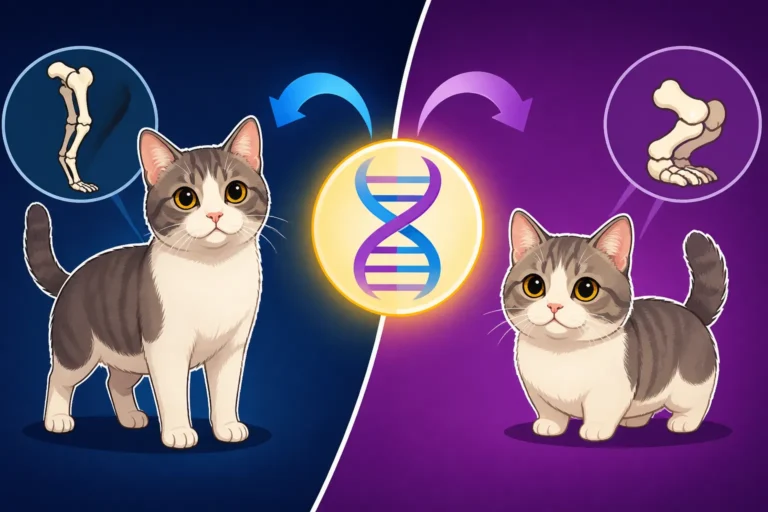
The term "dwarfism" can sometimes carry negative connotations, leading to misconceptions about the Munchkin cat's quality of life. It's important to differentiate the Munchkin's specific form of dwarfism – known as pseudoachondroplasia – from other, more debilitating forms of dwarfism. In Munchkins, the dwarfism primarily affects the long bones of the legs, resulting in their characteristic short stature, but their body length and overall size remain normal for a cat. This distinction helps to explain Why a Munchkin's Legs Are Short but Its Body Is Not.
While the short legs define the breed, it's natural to wonder about potential associated health issues. The primary health concerns often discussed in relation to Munchkins are lordosis (a curvature of the spine) and pectus excavatum (a sunken chest), though data on their prevalence specifically in Munchkins compared to the general cat population is often debated. Responsible breeders will actively screen their breeding cats for these conditions and be transparent about their lines. If you're interested in learning more about the breed's unique health profile, delving into Which Health Problems the Munchkin Actually Has, can offer further insights.
It's also why early vet checks for Munchkin kittens, including palpating the spine and checking the chest, are so important to identify any issues early on. Owners should be prepared for potential adaptations to their home, like ramps and low-entry litter boxes, to ensure their Munchkin can navigate its environment comfortably without straining its unique physique. Pet insurance, such as coverage from Healthy Paws, can be a valuable consideration for Munchkin owners, offering support for unexpected veterinary costs, especially if concerns arise about their joints or spine as they age.
Addressing Common Concerns and Ethical Considerations
The conversation around Munchkin cats often includes robust discussions about their welfare and the ethics of breeding cats with a genetic mutation. As a veteran lifestyle blogger, I've heard every concern and witnessed the passion on both sides of the debate. It's vital to address these common concerns head-on, validating the questions people have and providing a realistic perspective based on responsible breeding practices and the experiences of countless Munchkin owners. The term "autosomal dominant" might sound sterile, but its implications touch on the very heart of how we care for our feline companions.
Debunking Myths About Suffering and Mobility
One of the most frequent concerns I hear is whether Munchkin cats suffer or are severely mobility-impaired due to their short legs. It's a valid question, stemming from an understandable empathy for animals. However, the reality for a well-bred Munchkin is often quite different from what these fears suggest.
Munchkins, for the most part, are incredibly active, playful, and curious cats. They run, play, and interact with their environment much like any other cat, just… lower to the ground. While they can't jump as high as their long-legged counterparts, they are remarkably adept at finding alternative ways to get where they want to go, often using furniture as "steps" or simply asking for a lift. Their unique gait, often compared to that of a ferret, is a functional adaptation to their short limbs, not an indication of pain or difficulty. Observing a healthy Munchkin kitten in action is usually enough to dispel the notion that they are inherently suffering. Many of them live full, happy lives, often reaching The Twelve to Fifteen Years a Munchkin Usually Gets, which is on par with other domestic cats.
However, it's also crucial not to oversimplify. While most Munchkins are mobile and happy, their unique conformation does mean they face certain predispositions that owners need to be aware of. For instance, their spine carries a different load than a normal cat's, which is why conditions like lordosis and pectus excavatum are more frequently associated with the breed, even if their actual prevalence compared to the general cat population is still a topic of discussion. This is also why proper weight management and joint support as they age become even more critical for a Munchkin.
The Role of Responsible Breeding in Welfare
The ethical argument largely hinges on responsible breeding practices. As we've established, breeding two short-legged Munchkins together is universally condemned by ethical breeders due to the lethal homozygous outcome. This commitment to breeding a short-legged cat with a normal-legged cat ensures the viability and health of the offspring. A truly responsible breeder will:
- Perform Health Screenings: Beyond genetic considerations, responsible breeders will screen their cats for common feline diseases and specifically for conditions sometimes linked to the Munchkin conformation, such as lordosis or pectus excavatum. They should be able to provide documentation for these health checks.
- Prioritize Temperament: Good breeders also focus on breeding cats with excellent temperaments, ensuring that kittens are well-socialized and grow into friendly, adaptable companions.
- Provide Transparent Information: They are open about the genetics of the breed, the potential challenges, and what a prospective owner should expect. They will readily discuss What a Munchkin Breeder Should Be Able to Show You, including the health of the parents and the conditions of their cattery.
- Offer Lifetime Support: Reputable breeders don't just sell a kitten and disappear. They offer ongoing support and advice to new owners, acting as a resource throughout the cat's life.
Organizations like The International Cat Association (TICA) have granted the Munchkin championship status, acknowledging that when bred responsibly, they can be healthy and well-adjusted. However, other major cat registries, such as the CFA (Cat Fanciers' Association) and GCCF (Governing Council of the Cat Fancy) in the UK, do not recognize the breed, citing welfare concerns. This ongoing debate underscores the importance of education and choosing a breeder who demonstrates the highest ethical standards. If you are ever unsure about a breeder's practices, seeking advice from an experienced veterinarian or breed club can be incredibly helpful. Pet insurance providers like Healthy Paws often require a clean bill of health before coverage, reinforcing the importance of thorough veterinary checks for any kitten.
Long-Term Care and Adaptations for Your Munchkin
Owning a Munchkin cat means embracing their unique needs and making small adaptations to your home environment to ensure their comfort and safety. These adaptations are not about treating them as fragile, but rather about enhancing their quality of life.
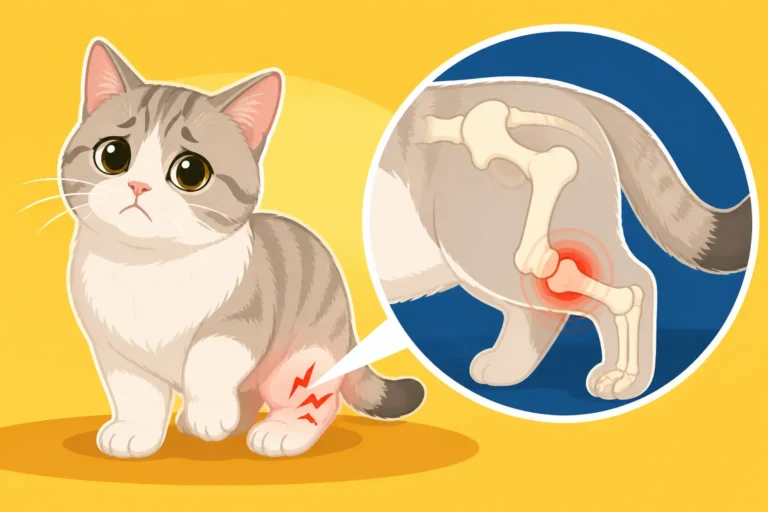
- Accessibility: Consider ramps or pet steps for accessing beds, sofas, and windowsills. This prevents repeated strenuous jumping and landings, which could put undue stress on their joints over time, potentially leading to issues like Whether a Munchkin Gets Arthritis Earlier.
- Litter Boxes: Low-entry litter boxes are a must. Their short legs mean high sides can be difficult to navigate, leading to accidents outside the box.
- Grooming: While Munchkins are generally good self-groomers, some might struggle to reach their hindquarters, especially long-haired varieties. Regular grooming assistance from you can prevent matting and skin issues.
- Weight Management: This cannot be stressed enough. Why Weight Is More Dangerous on a Munchkin, is a critical consideration. Extra weight puts significant strain on their short legs and spine. A balanced diet and regular play are essential to keep them at a healthy body condition.
- Veterinary Care: Regular veterinary check-ups are important for any cat, but perhaps even more so for a Munchkin. Your vet can monitor their joint health, spine, and overall well-being, helping to catch any potential issues early. Discussing their mobility and any changes in their gait is vital during these visits. Early intervention and preventative care, perhaps financially supported by a plan from Healthy Paws, can make a big difference in their long-term health.
By understanding the autosomal dominant nature of their short legs, acknowledging the importance of ethical breeding, and being prepared to make simple environmental adjustments, you can ensure your Munchkin cat thrives as a beloved member of your family, living a full and joyous life.
Navigating the Genetic Landscape of Munchkin Cats
| Genetic Term | Definition | Relevance for Munchkins |
|---|---|---|
| Chromosome | A thread-like structure of nucleic acids and protein found in the nucleus of most living cells, carrying genetic information in the form of genes. Cats have 38. | The Munchkin gene is located on one of these chromosomes. |
| Gene | A distinct sequence of nucleotides forming part of a chromosome, the order of which determines the order of monomers in a polypeptide or nucleic acid molecule which a cell (or virus) may synthesize. | The specific gene responsible for short legs in Munchkins. |
| Allele | One of two or more alternative forms of a gene that arise by mutation and are found at the same place on a chromosome. | Munchkins inherit one short-leg allele (M) and one normal-leg allele (m). |
| Autosomal | Pertaining to any chromosome that is not a sex chromosome. | The short-leg gene is on a non-sex chromosome, meaning it affects males and females equally. |
| Dominant | An allele that expresses its phenotypic effect even when heterozygous with a recessive allele; only one copy is needed for the trait to appear. | Only one copy of the Munchkin gene is needed for a cat to have short legs. |
| Recessive | An allele that produces its characteristic phenotype only when its paired allele is identical; two copies are needed for the trait to appear. | The normal-leg allele is recessive; a cat needs two copies to have normal legs. |
| Heterozygous (Mm) | Having two different alleles for a particular gene (one dominant, one recessive). | All living short-legged Munchkin cats are heterozygous (Mm). They have one short-leg gene and one normal-leg gene. |
| Homozygous (MM) | Having two identical alleles for a particular gene (e.g., two dominant or two recessive). | Homozygous (MM) for the Munchkin gene is lethal, meaning embryos with two copies do not survive. |
| Pseudoachondroplasia | The specific type of dwarfism seen in Munchkin cats, primarily affecting the long bones of the limbs without affecting the size of the skull or spine (though spinal issues like lordosis can be associated). | This describes the physical manifestation of the autosomal dominant gene, resulting in short legs while the body remains normal length. |
Disclaimer
The information provided in this article is for educational and informational purposes only and does not constitute veterinary advice. Always consult with a qualified veterinarian for any health concerns or before making any decisions about your pet's care.