Whether a Munchkin Gets Arthritis Earlier
It’s a natural worry for any Munchkin cat parent: given their undeniably unique, short-legged stature, are these adorable felines destined to suffer from arthritis at a younger age than their longer-limbed cousins? The concern is very real, stemming from a gut feeling that those little legs and a long body must put extra strain on their joints. This guide aims to clear up the confusion, delve into the realities of Munchkin joint health, and equip you with the knowledge to give your beloved companion the best possible quality of life, whether they face early stiffness or not.
The Munchkin's Unique Anatomy and Joint Mechanics
When you look at a Munchkin cat, it's impossible not to notice their distinctive short legs. This isn't just a cute quirk; it's the result of a genetic mutation that affects bone growth, specifically a form of dwarfism. Understanding how this unique anatomy influences their movement and weight distribution is key to addressing concerns about joint health.
The Genetic Basis of Short Legs
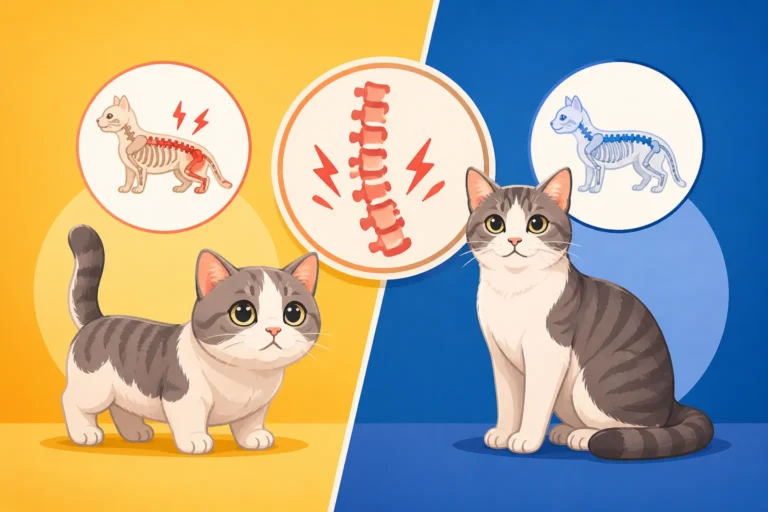
The Munchkin's short legs are a result of an autosomal dominant gene that causes a condition similar to pseudoachondroplasia in humans. This means the bones in their legs don't grow to a normal length, particularly the long bones of the limbs. Importantly, the rest of their skeletal structure, including their spine and body length, is typically proportional to that of a regular-sized cat. Unlike some forms of dwarfism that affect overall body size and bone density in a more widespread manner, the Munchkin's primary difference is concentrated in its limb length.
This difference in leg length fundamentally changes how a Munchkin interacts with its environment and how its body carries weight. While many short-legged breeds, like Dachshunds or Corgis, are prone to intervertebral disc disease (IVDD) due to their elongated backs, Munchkins generally have a spine that is of normal length for a cat. However, the way that normal-length spine is supported by shorter legs can lead to unique biomechanical considerations. You can read more about what their unique legs mean for their body in our article, "What the Short Legs Actually Cost a Munchkin".
How Short Legs Alter Weight Distribution and Impact
Imagine a normal-legged cat jumping down from a sofa. Its long legs act as natural shock absorbers, distributing the impact force across several joints and muscles before landing smoothly. Now, envision a Munchkin doing the same. Their shorter limbs mean a shorter drop, yes, but also less leverage and a potentially different angle of impact upon landing. This can lead to increased stress on their elbow and shoulder joints, as these areas bear more of the initial brunt.
Because their center of gravity is lower, Munchkins often display a unique gait and agility on flat surfaces. They can run and corner surprisingly fast. However, activities involving jumping down, even from moderate heights like a chair, place repetitive stress on these forelimb joints. This continuous, slightly abnormal loading over years can contribute to wear and tear. Over time, this cumulative stress might predispose them to earlier onset of conditions like osteoarthritis in their shoulders and elbows, compared to a cat with a more conventional limb structure. Our piece on "Why a Munchkin's Elbows Take the Landing" offers further insight into this specific area of concern.
The Strain on Spinal Health
While a Munchkin's spine is generally of a normal length, the way it's supported by shorter legs does create specific considerations. Think of a bridge: if the supporting pillars are shorter, the bridge itself might still be the same length, but the dynamics of the load distribution change. A Munchkin's spine carries a load that a normal cat's does not, simply due to the altered mechanics of their gait and movement. This isn't to say they are inherently "broken" or destined for severe spinal issues, but it highlights an area that warrants careful attention throughout their lives.
This altered weight distribution can sometimes lead to increased strain on the intervertebral discs and the musculature surrounding the spine. While reports of classic disc herniation (like in Dachshunds) are less common in Munchkins, the chronic subtle stress could potentially accelerate degenerative changes in the spinal column over many years. This is why paying close attention to any changes in your Munchkin's movement, posture, or willingness to jump is so important, especially as they age.
Distinguishing Arthritis in Munchkins vs. Other Breeds
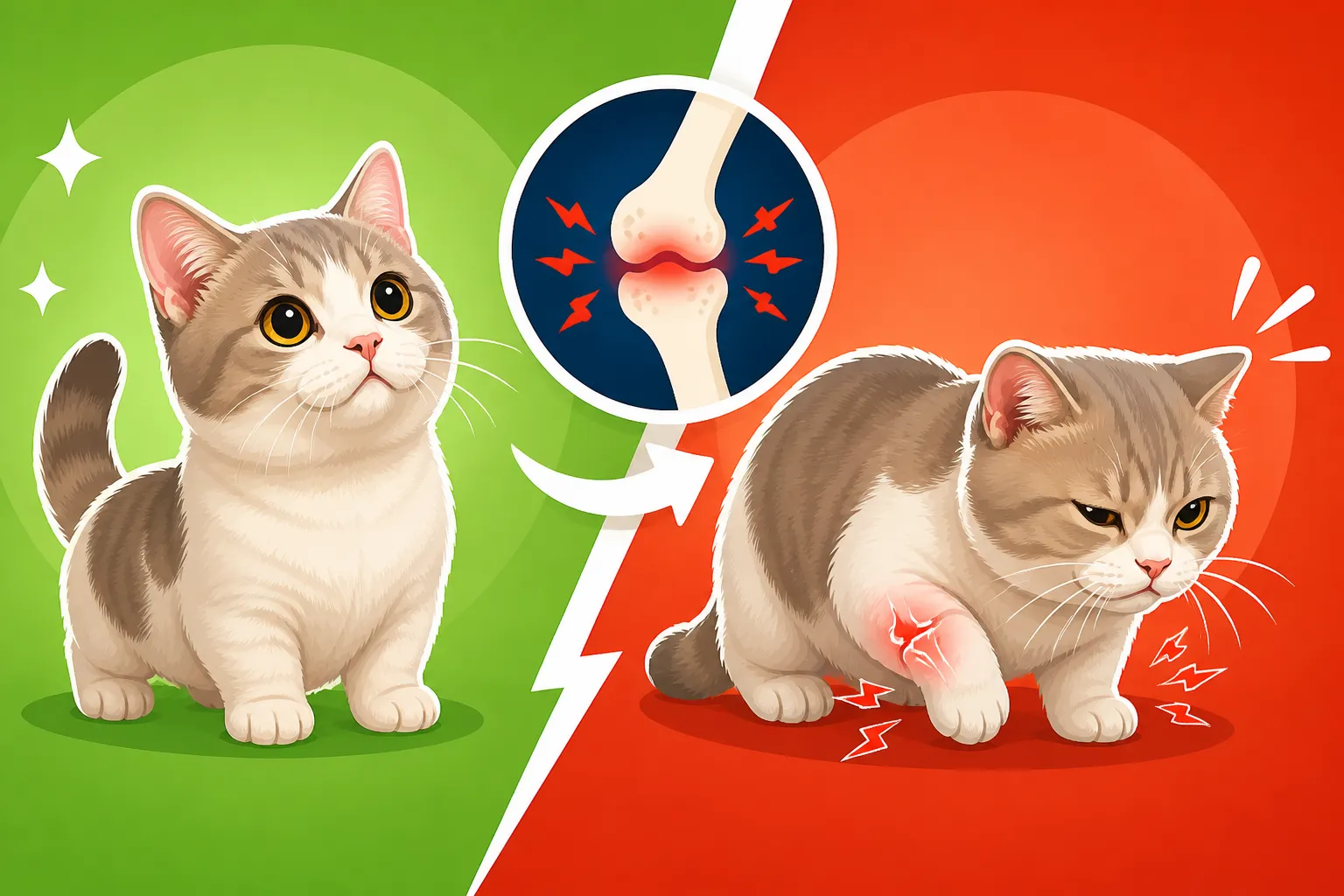
Arthritis, or osteoarthritis (OA), is a degenerative joint disease that affects cats of all breeds and ages, though it's more commonly associated with senior felines. The concern for Munchkins often revolves around whether their unique physical structure means they develop this painful condition earlier or exhibit it differently.
Common Signs of Osteoarthritis in Cats
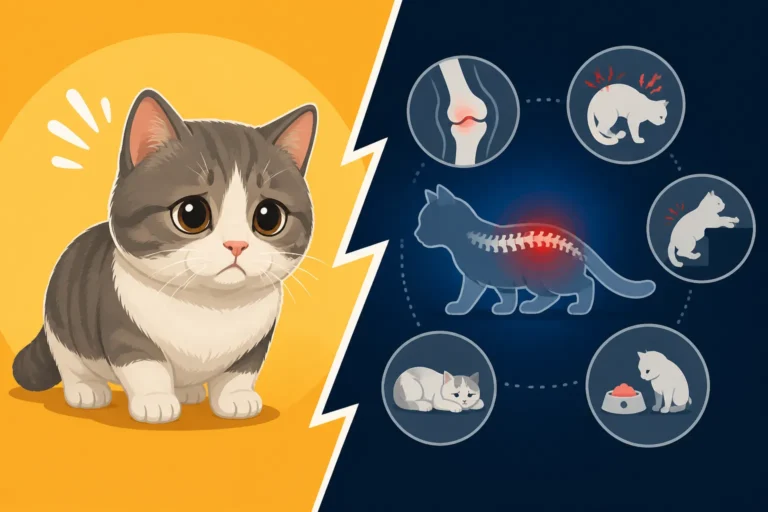
Recognizing arthritis in any cat can be tricky because cats are masters at hiding pain. Unlike dogs who might limp overtly, cats tend to become more subtle in their discomfort. Common signs of osteoarthritis in cats include:
- Reduced activity: Less jumping, climbing, or playing. They might choose to stay on lower surfaces or avoid certain rooms.
- Changes in gait: A stiffer walk, reluctance to use stairs, or a bunny-hopping motion with their hind legs.
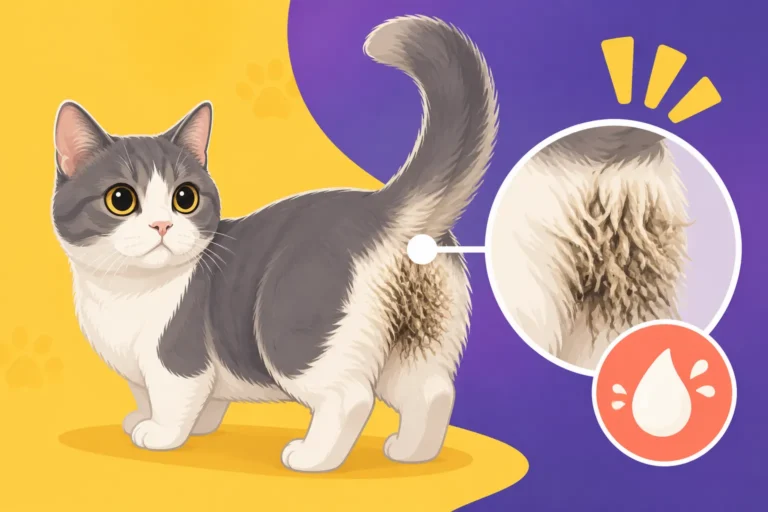
- Difficulty grooming: Especially in hard-to-reach areas like their back or hindquarters, leading to matted or unkempt fur.
- Irritability or changes in temperament: Pain can make a cat more withdrawn, aggressive when touched, or less tolerant of interaction.
- Litter box issues: Painful joints can make it difficult to get into or out of a litter box, leading to accidents outside the box.
- Reluctance to be touched: Especially in areas that are painful, such as the hips, shoulders, or spine.
- Increased sleeping: Resting more than usual.
It's crucial to remember that these signs can be very subtle and progress slowly over time. Regular observations of your cat's routine and behavior are your best tools for early detection.
Specific Manifestations in Munchkin Cats
For Munchkins, some of these general signs might be amplified or present themselves in slightly different ways due to their short legs. For example:
- Difficulty jumping: A regular cat might just jump less high; a Munchkin might stop attempting even small jumps they once easily managed, like onto a low chair or their favorite cat tree. You'll notice they try the same jump repeatedly, or simply give up.
- Altered "Prairie Dog" sit: Munchkins are known for their adorable "prairie dog" sit, where they sit up on their hind legs to get a better view. If you notice your Munchkin doing this less often, or struggling to maintain the position, it could be a sign of discomfort in their spine or hindquarters.
- Stiffness in the front limbs: Given the extra stress on their forelimbs, early arthritis in Munchkins might manifest as stiffness or pain in their shoulders or elbows before other areas. You might notice them walking with a more rigid front end, or favoring one front leg slightly. Our article "How Osteoarthritis Shows in a Munchkin's Shoulders" goes into more detail on this.
- Grooming difficulties in the lower back/hindquarters: Due to their body shape, reaching their lower back and hindquarters can already be challenging for Munchkins. Arthritis can make this even harder, leading to mats or skin irritation in these areas.
Understanding these specific nuances can help Munchkin owners differentiate between general feline arthritis symptoms and those that might be more prominent or appear earlier in their breed.
Debunking the Myth: Are They Actually Earlier?
This is the million-dollar question for many Munchkin parents. Is there definitive scientific proof that Munchkins, as a breed, statistically get arthritis earlier than other cat breeds? The honest answer is that comprehensive, long-term breed-specific studies on Munchkin arthritis prevalence and onset age are still relatively limited. While some veterinary professionals express concerns about the long-term impact of their unique conformation, there isn't a universally accepted scientific consensus stating they categorically develop arthritis earlier.
What we do know is that their altered biomechanics could predispose them to increased wear and tear on certain joints, potentially leading to earlier onset in some individuals. It's less about an inherent genetic predisposition to arthritis itself (like hip dysplasia in some dog breeds, although we also discuss whether a Munchkin gets hip dysplasia in another article) and more about the mechanical stresses on their joints over a lifetime.
Ultimately, whether your Munchkin develops arthritis earlier often comes down to a combination of individual genetics, environmental factors, lifestyle, and weight management. A well-cared-for, lean Munchkin living in an adapted home may have fewer issues than an overweight one constantly jumping from high places in a non-adapted environment. Instead of focusing on "earlier," it's more productive to focus on proactive care that mitigates potential risks, regardless of their leg length.
Here's a quick comparison of common signs:
| Symptom Category | General Cat Arthritis | Munchkin Specific Manifestation |
|---|---|---|
| Activity Level | Reduced jumping, climbing, playing; more sleeping | Reluctance to attempt even small jumps; avoiding ramps |
| Mobility | Stiff gait, hesitation with stairs, bunny hopping | Visible stiffness in front legs/shoulders; struggles with "prairie dog" sit |
| Grooming | Unkempt coat, mats, especially on back | Mats/skin issues concentrated on hindquarters/belly |
| Temperament | Irritability when touched, withdrawal, less interactive | May resist being picked up or handled, especially around spine |
| Litter Box Habits | Accidents outside box due to difficulty entering/exiting | May avoid taller litter box entries or struggle to squat comfortably |
| Appetite | May decrease or remain unchanged | Typically unchanged unless severe pain |
Key Risk Factors for Joint Health in Munchkins
While the Munchkin's unique legs are the primary concern for joint health, they are not the only factor. Several other elements play a significant role in determining whether a Munchkin will face arthritis issues, and when.
The Critical Role of Healthy Weight
Without a doubt, maintaining a healthy weight is paramount for any cat, but it becomes even more critical for a Munchkin. Every extra pound, or even a few ounces, adds disproportionate stress to their already uniquely structured joints and spine. Imagine carrying a backpack that's just a little too heavy all day, every day – it takes a toll. For a Munchkin, that "backpack" is their own body weight.
An overweight Munchkin will experience accelerated wear and tear on their joints, particularly the shoulders, elbows, and the entire spinal column. Their short legs are simply not designed to carry excess load efficiently. This increased burden significantly raises the risk of early arthritis and can exacerbate any pre-existing joint issues. It's not just about aesthetics; it's about physics and long-term health. Our article "Why Weight Is More Dangerous on a Munchkin" delves deeper into this critical topic. Keeping them lean isn't just a recommendation; it's a fundamental pillar of Munchkin care.
Environmental Stressors and Activity Levels
A Munchkin's home environment plays a massive role in their joint health. A house full of high furniture, tall cat trees, and no alternative access points forces a Munchkin to repeatedly jump down from heights that can be jarring for their joints. Each jump, each landing, creates impact. While cats are agile, continuous high-impact activity can be detrimental.
Conversely, a home that is entirely devoid of enrichment or opportunities for safe play can lead to inactivity and muscle wastage, which is also bad for joint health. Muscles support joints, and strong muscles help stabilize them. The ideal environment for a Munchkin is one that encourages safe, low-impact activity. This means providing ramps, pet stairs, and strategically placed lower furniture so they can access their favorite spots without strenuous jumps. It also means offering plenty of floor-level toys and interactive play that doesn't involve high leaps. Think about it: a cat tree with closely spaced platforms or a ramp to the sofa is much kinder to their joints than a sheer drop.
Genetic Predisposition and Breeding Practices
While the short leg gene itself is not a "disease" gene in the same way some other genetic conditions are, responsible breeding practices are still incredibly important for Munchkin health. Breeders should focus on overall soundness and health, ensuring that the outcross cats used in breeding programs (Munchkins must always be bred to normal-legged domestic cats) come from healthy lines with no history of hereditary joint issues.
A reputable breeder will screen their breeding cats for common feline genetic conditions and select for good conformation and mobility. They should be able to demonstrate that their cats move freely and without discomfort. Unfortunately, there are also breeders who prioritize extreme shortness of legs or breed Munchkins with other breeds known for skeletal issues (like Scottish Folds), which can compound potential problems. Choosing a Munchkin from a breeder who prioritizes health and ethical practices, and who can show you the parents' movements, is a crucial step in minimizing future joint concerns.
Proactive Care and Prevention Strategies
Preventative care is always better than treatment, especially when it comes to chronic conditions like arthritis. For Munchkin cats, a proactive approach can significantly delay onset, reduce severity, and improve their overall comfort.
Nutritional Support and Targeted Supplements
Just like us, cats benefit from a diet that supports their joint health, especially if they are predisposed to issues. High-quality cat food with a balanced nutritional profile is essential. For Munchkins, specifically, considering foods that contain natural joint-supporting ingredients can be beneficial. Look for foods that include:
- Omega-3 Fatty Acids: EPA and DHA, often derived from fish oil, have anti-inflammatory properties that can help reduce joint pain and stiffness.
- Glucosamine and Chondroitin: These are natural components of cartilage and can help maintain its structure and function. While their efficacy in cats is still debated in some circles, many vets and owners find them beneficial.
- Antioxidants: Vitamins E and C, and other antioxidants, can help protect joint tissues from damage.
Many reputable cat food brands, such as those that formulate for joint health like Hill's Prescription Diet j/d or Royal Canin Mobility Support, incorporate these ingredients. Always discuss dietary changes and supplements with your veterinarian to ensure they are appropriate for your cat's specific needs and don't interact with any medications. When looking for "Which Joint Supplements Suit a Munchkin," you'll find there are many options, but veterinary guidance is key.
Creating an Arthritis-Friendly Home Environment
Making your home safe and accessible is one of the most impactful things you can do for your Munchkin's joint health. This means "Munchkin-proofing" your space to reduce the need for strenuous jumps and awkward landings.
- Ramps and Steps: Provide ramps or pet stairs for access to all elevated surfaces your Munchkin loves, such as sofas, beds, windowsills, and cat trees. Ensure the ramps have a gentle incline and a non-slip surface. Our article, "Ramps and Steps Are Munchkin Equipment, Not Luxuries," emphasizes their importance.
- Low-Entry Litter Boxes: As we've discussed, getting in and out of a litter box can be painful for cats with arthritis. Use litter boxes with very low entry points or consider modifying an existing one.
- Comfortable Resting Spots: Ensure there are plenty of soft, warm, easily accessible beds and sleeping spots at floor level. orthopedic beds can also offer extra support for aching joints.
- Floor-Level Food and Water: While some raised bowls can help with neck strain, ensuring they are easily reachable without stretching or climbing is paramount. For a Munchkin, sometimes floor level is best to prevent any unnecessary strain.
- Non-Slip Surfaces: Carpets or rugs can provide better traction than slick hardwood or tile floors, making movement easier and reducing the risk of slips and falls that could injure joints.
Regular Veterinary Check-ups and Early Intervention
Regular veterinary care is crucial for monitoring your Munchkin's joint health. Your vet can perform physical examinations, assess gait, and palpate joints for signs of pain or stiffness. Don't wait until your cat is overtly limping; subtle changes can be detected earlier by a trained professional.
During annual check-ups, discuss any minor changes you've noticed in your cat's behavior or mobility. Early detection allows for earlier intervention, which can slow the progression of arthritis and manage pain more effectively. Your vet might recommend baseline X-rays as your Munchkin approaches senior age to get a clear picture of their joint health. They can also advise on appropriate preventative measures, dietary adjustments, and when to start joint supplements or other therapies. Think of your vet as a partner in managing your Munchkin's long-term mobility. Many pet insurance providers, like Healthy Paws, offer comprehensive plans that can help cover the costs of these important diagnostic tests and ongoing care, giving you peace of mind.
Managing Arthritis Symptoms and Maintaining Quality of Life
If your Munchkin does eventually show signs of arthritis, there's a lot you can do to manage their pain and ensure they continue to enjoy a good quality of life. It’s about adapting to their needs and supporting their comfort.
Pharmaceutical Options for Pain Management
When lifestyle changes and supplements aren't enough, your veterinarian may prescribe medications to manage your Munchkin's arthritis pain and inflammation. These options are usually introduced carefully and adjusted based on your cat's response.
- Non-Steroidal Anti-Inflammatory Drugs (NSAIDs): These are commonly used to reduce pain and inflammation. However, cat-specific NSAIDs are crucial as human versions are toxic to felines. Your vet will prescribe the correct dosage and monitor for any side effects, especially liver or kidney function. Brand names like Onsior (robenacoxib) or Metacam (meloxicam, used off-label in cats in some regions with careful monitoring) are examples.
- Gabapentin: This medication can be used to manage neuropathic pain and also has a mild sedative effect, which can be helpful for cats with chronic pain that makes them anxious or restless.
- Amantadine: Sometimes used in conjunction with NSAIDs, amantadine can help manage chronic pain by modulating certain pain receptors.
- Monoclonal Antibody Therapy (e.g., Solensia): This newer treatment specifically targets Nerve Growth Factor (NGF), a key mediator of pain in osteoarthritis. It's administered as a monthly injection and has shown great promise in providing consistent pain relief for many arthritic cats.
It’s vital to never administer human pain medications to your cat, as many are highly toxic. Always follow your vet's instructions carefully for any prescribed medications. These pharmaceutical options can truly make a difference in your Munchkin's daily comfort and mobility, helping them avoid the kind of discomfort that causes an old Munchkin to stop being able to do things it once enjoyed.
Physical Therapy and Complementary Treatments
Beyond medication, various complementary therapies can further support your arthritic Munchkin, promoting mobility and reducing pain.
- Hydrotherapy: Often performed in a controlled aquatic environment, hydrotherapy uses the buoyancy of water to reduce weight-bearing stress on joints while allowing for gentle movement and muscle strengthening. While less common for cats than dogs, some specialized pet rehabilitation centers offer it, and it can be incredibly beneficial for a stiff Munchkin.
- Laser Therapy (Low-Level Laser Therapy – LLLT): This non-invasive treatment uses specific wavelengths of light to stimulate cellular repair, reduce inflammation, and alleviate pain. Many veterinary clinics now offer this as part of their pain management protocols.
- Massage and Gentle Stretching: Learning safe techniques from a veterinary physiotherapist can allow you to perform gentle massages and stretches at home. This can improve circulation, reduce muscle stiffness, and increase range of motion.
- Acupuncture: Some veterinarians are also certified in veterinary acupuncture. This ancient practice can help stimulate nerve points to release natural pain-relieving chemicals in the body and improve blood flow.
These therapies, often used in combination with medication, can provide a holistic approach to managing your Munchkin's arthritis, enhancing their comfort and maintaining their functional ability for longer.
Long-Term Care Planning and Support
Living with a Munchkin who has arthritis requires a long-term commitment to their comfort and well-being. It's about constant vigilance and adaptation.
- Regular Monitoring: Continuously observe your cat for changes in mobility, pain levels, and behavior. Keep a journal to track good days and bad days, which can be helpful information for your vet.
- Maintaining the Adapted Environment: As your Munchkin ages and their arthritis progresses, you may need to make further adjustments to your home. Ramps might need to be less steep, or additional low-entry litter boxes might be necessary.
- Weight Management: Reiterate the importance of maintaining a lean body condition. Even a small increase in weight can significantly impact an arthritic cat's comfort.
- Financial Planning: Arthritis management can involve ongoing costs for medication, supplements, vet visits, and potentially specialized therapies. Having pet insurance, like a policy from Healthy Paws, can be a huge asset in covering these expenses. It's wise to consider that your Munchkin budget needs a mobility line to account for these potential long-term care needs.
- Patience and Empathy: Remember that your cat is in pain, even if they don't show it dramatically. Be patient, gentle, and understanding. Provide them with love, comfort, and the adapted environment they need to thrive.
By taking a comprehensive and compassionate approach, you can help your Munchkin live a full and comfortable life, even if they do face the challenges of arthritis.
Disclaimer
This article is intended for informational purposes only and does not constitute veterinary advice. Always consult with a qualified veterinarian regarding your Munchkin cat's health, diagnosis, and treatment options. Individual cat needs may vary.