Ramps and Steps Are Munchkin Equipment, Not Luxuries
It's a common misconception, isn't it? When you first consider bringing a delightful Munchkin cat into your home, you might envision cozy laps and playful antics, without necessarily thinking about how they navigate their world. Many new owners, and even some long-time cat enthusiasts, see ramps and steps as optional extras, a bit of pampering for a beloved pet. But for our short-legged friends, these aren't luxuries; they are fundamental, life-sustaining pieces of equipment that bridge the gap between their unique physiology and a world built for longer limbs. This guide is all about understanding why making your home accessible with ramps and steps is absolutely essential for your Munchkin's health, happiness, and overall quality of life.
Understanding the Munchkin's Unique Mobility Challenges
Before we dive into the solutions, it's vital to truly grasp the everyday struggles a Munchkin faces. Their charm comes from their distinctive short legs, a genetic trait that makes them undeniably adorable, but also presents a continuous challenge in an environment designed for cats with typical proportions. It's not just about a cute waddle; it's about navigating vertical spaces, protecting their unique skeletal structure, and ensuring they can perform basic feline activities without discomfort or injury.
The Impact of Short Legs on Jumping and Climbing
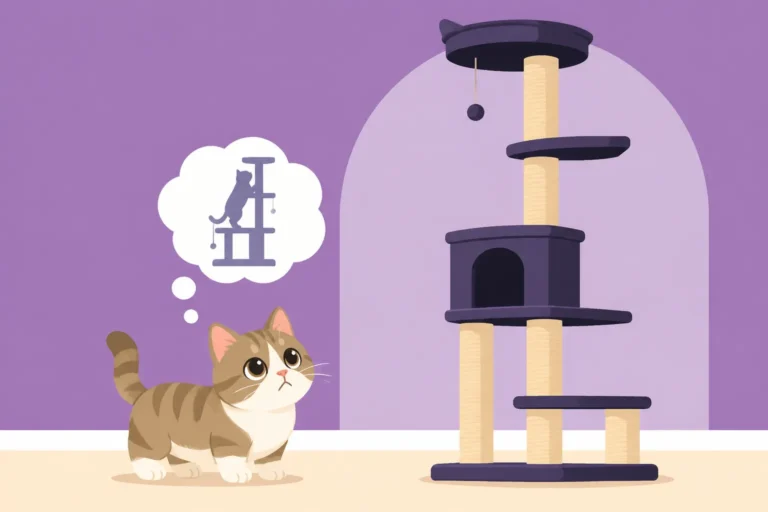
Imagine trying to reach a high shelf when your legs are half the length they should be. That's a daily reality for a Munchkin. While they are incredibly agile and determined, their short stature significantly limits their vertical reach. A normal-legged cat can effortlessly spring onto a kitchen counter, a tall cat tree, or a favorite windowsill in a single, fluid motion. A Munchkin, on the other hand, might try and fail, or resort to a series of precarious, multi-stage jumps that put undue stress on their body.
We often see our Munchkins trying bravely to launch themselves, their little bodies winding up with all their might. Sometimes they make it, but often they fall short, landing awkwardly. Each unsuccessful or strenuous jump isn't just a missed opportunity; it's a micro-trauma. Over time, these repeated impacts can contribute to joint wear and tear, especially in their front legs and shoulders, which bear the brunt of their landings. It's crucial to acknowledge that while they possess an impressive tenacity, their physical design simply isn't optimized for significant vertical clearance. This is why we need to build bridges, not expect them to pole vault.
Why a Munchkin's Spine Carries a Different Load
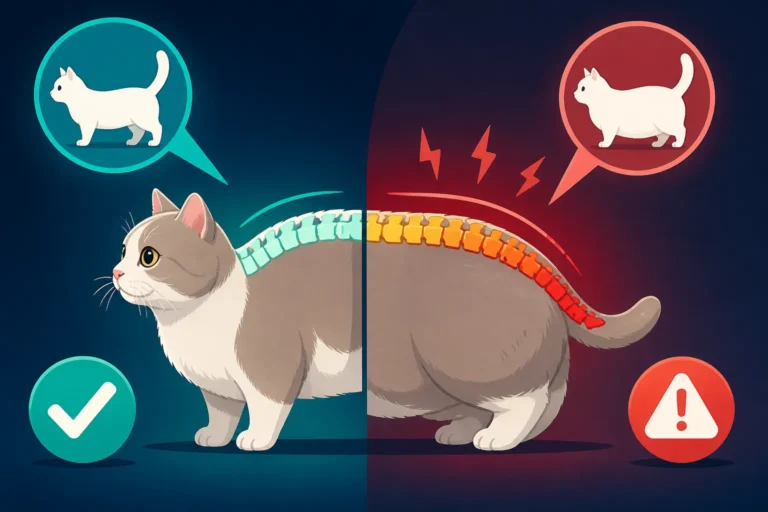
Beyond the visible shortness of their legs, a Munchkin's unique genetic makeup means their spine experiences different biomechanical forces than that of a long-legged cat. Their body length is perfectly normal, but with those shorter supports, the angle and pressure points along the spine are altered. This isn't to say every Munchkin will have spinal problems, but it highlights a predisposition that responsible owners must be aware of and proactively manage. You can read more about this in Why a Munchkin's Spine Carries a Load a Normal Cat's Does Not.
The genetic mutation that gives Munchkins their short legs is called pseudoachondroplasia, which affects cartilage and bone development in the limbs. While the spine itself is typically of normal length, the way it's supported and moves in relation to those shorter legs means it can be under more stress, particularly during activities like jumping or even running on uneven surfaces. This increased load means we must be extra vigilant in protecting their back. Providing ramps and steps isn't just about convenience; it's a preventative measure, helping to distribute forces more evenly and reduce the constant jarring that their spine might otherwise endure. Think of it as ergonomic furniture for your cat's skeletal system.
The Essential Role of Ramps for Accessibility
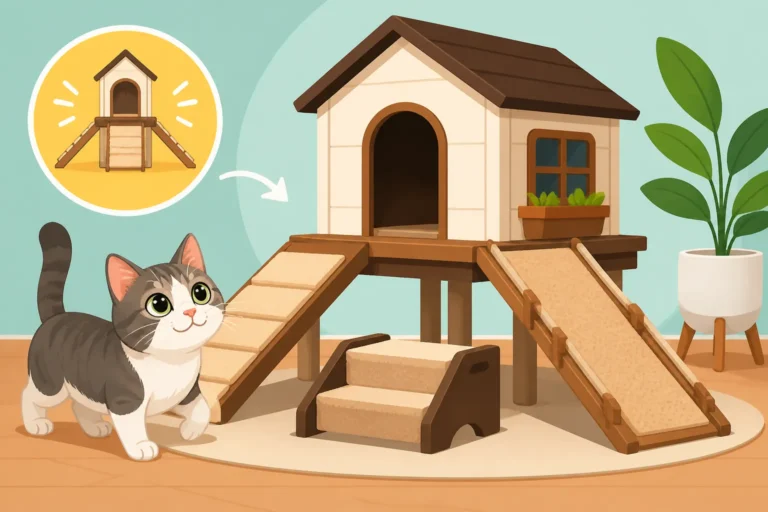
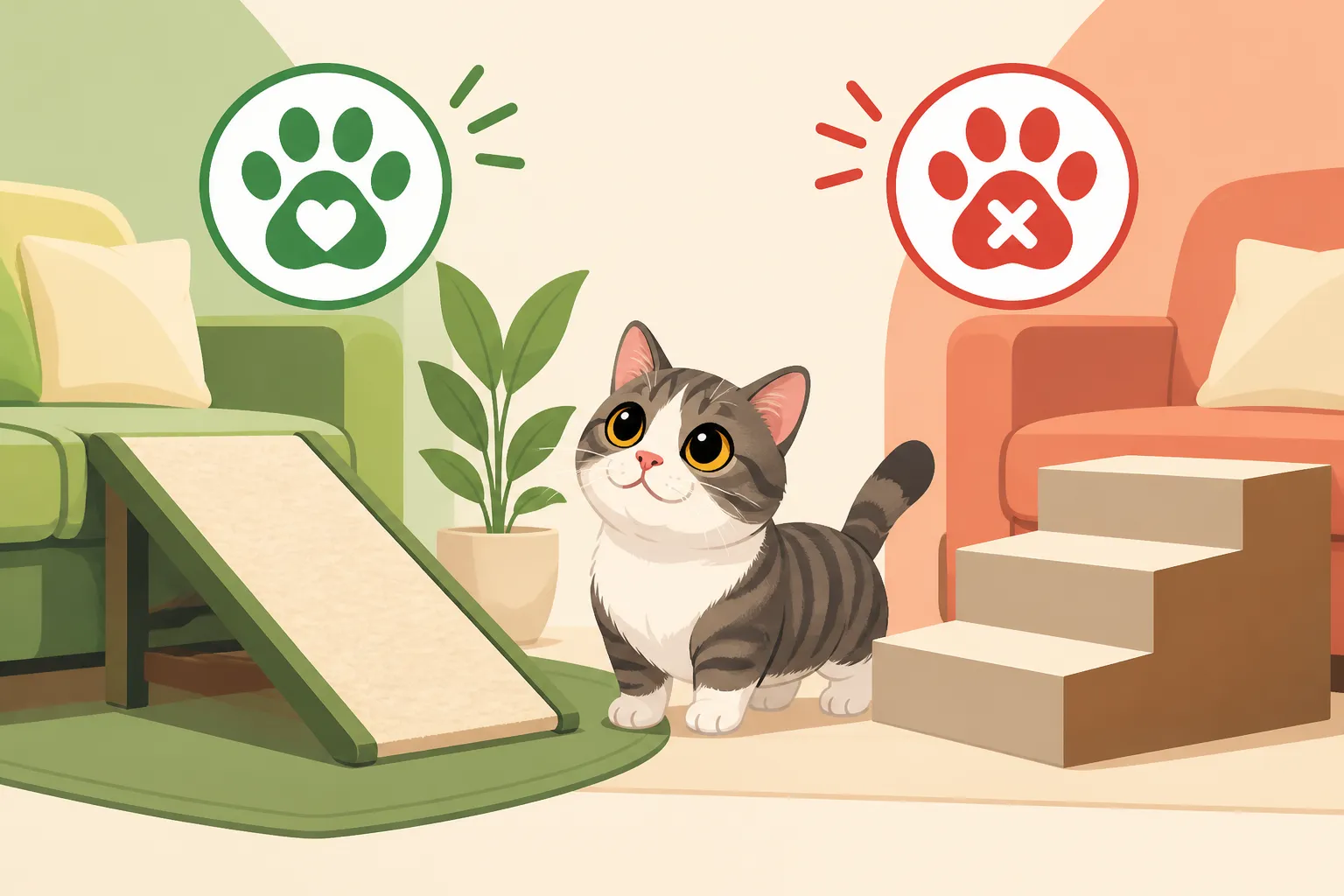
Ramps are perhaps the most straightforward and effective way to grant your Munchkin access to elevated areas. They provide a gentle incline, allowing your cat to walk up or down without jumping, ensuring a smooth transition that minimizes impact on their joints and spine. Choosing the right ramp and placing it strategically can make a world of difference in their daily freedom and overall health.
Selecting the Right Ramp Angle and Surface
Not all ramps are created equal for a Munchkin. The ideal ramp will have a gentle incline – nothing too steep that would make them struggle or lose their footing. A good rule of thumb is an angle that feels comfortable for you to walk up without feeling like you're climbing. If it's too steep, they'll simply avoid it or, worse, slip and injure themselves. Imagine a tiny cat trying to scale a near-vertical slope; it’s just not practical or safe for their short legs.
The surface of the ramp is equally critical. You want something with good traction, like carpet, felt, or a textured rubberized material. Slick surfaces, like bare wood or plastic, are a definite no-go. A skittish Munchkin trying to navigate a slippery ramp can quickly develop an aversion to it, defeating the whole purpose. Many pet ramps available on sites like Chewy offer carpeted surfaces specifically designed for traction, making them an excellent starting point. You want your Munchkin to feel confident and secure with every step.
Strategic Placement for High-Traffic Areas
The beauty of ramps lies in their versatility. They can be placed almost anywhere your Munchkin needs a leg up, literally. Think about the places your cat loves to be – the sofa for cuddles, your bed for nighttime snuggles, a favorite armchair, or even a low window perch where they can watch the world go by. These are prime locations for ramps.
One of the most common applications is for accessing beds and sofas. Instead of watching your Munchkin attempt heroic, and often clumsy, leaps onto your furniture, a well-placed ramp provides effortless access. For a window perch, a ramp can lead from a nearby piece of furniture or directly from the floor, ensuring they can safely indulge their curiosity. If you have a cat tree, look for one with an integrated ramp or consider adding your own for the lower levels. The goal is to anticipate their desired vertical movements and provide a safe, easy path, turning potential frustration into effortless enjoyment.
Why Steps Are Crucial for Different Heights
While ramps are fantastic for gradual inclines, sometimes steps are the more practical or space-efficient solution, especially for intermediate heights or when connecting multiple levels. They offer a structured, secure way for your Munchkin to ascend and descend, minimizing strain and promoting confidence in their movements.
Designing Pet Steps for Munchkin Safety
Just like ramps, pet steps need to be tailored to a Munchkin's unique physique. The key here is the height and depth of each step. Standard human steps are far too tall, requiring an uncomfortable and potentially harmful jump for a Munchkin. Instead, look for steps that are low-rise and deep, allowing your cat to comfortably place all four paws on each step before moving to the next. Ideally, each step should be no more than a few inches high, creating a gentle stairwell rather than a series of daunting obstacles.
The material should also be sturdy and stable. You don't want wobbly steps that might tip over or shift, startling your cat and causing them to lose trust in the equipment. Again, a non-slip surface is paramount. Carpeted steps are excellent, providing both grip and a soft landing. Some companies, including options found on Amazon, offer modular pet steps that you can configure to different heights, which can be incredibly useful for a growing Munchkin or for adapting to various furniture heights. Remember, if the steps feel precarious to you, they'll feel terrifying to your small cat.
When to Choose Steps Over Ramps
The choice between steps and ramps often comes down to the specific height difference and available space. For very slight elevations, or when you have plenty of room, a long, gradual ramp is often ideal. However, for steeper rises in a compact area, or when connecting multiple platforms, steps can be more practical.
Consider a multi-tiered cat tree. A ramp might work for the first level, but successive ramps could take up too much space. Here, a series of low-rise steps connecting the platforms would be far more efficient. Similarly, if your bed is quite high, a very long ramp might extend too far into the room, while a well-designed set of pet stairs could provide equivalent access in a smaller footprint. It's about finding the balance between safety, functionality, and how it fits into your living space. Often, a combination of both ramps and steps will be the perfect solution for creating a fully accessible Munchkin home.
| Feature | Ramps | Steps | Best For | Considerations |
|---|---|---|---|---|
| Angle/Height | Gradual incline, no sudden drops | Individual low-rise steps (2-4 inches high) | Low to medium heights, long furniture runs | Requires more floor space, can be less stable if too steep. |
| Surface | Carpeted, textured, non-slip | Carpeted, textured, non-slip | Medium to high heights, multi-level structures | Requires stable construction, each step must be wide enough for four paws. |
| Space | More horizontal space required | Less horizontal space, more vertical | Open areas, single access points | Compact spaces, multiple access points (e.g., cat trees). |
| Ease of Use | Generally easier for cats to learn | May require more coordination | Cats with mobility issues, very young/old cats | Agile cats, providing secure footing. |
Creating a Safe and Accessible Home Environment
Equipping your home for a Munchkin goes beyond just ramps and steps for high furniture. It’s about viewing your entire living space through their eyes and understanding how every element, from toys to litter boxes, impacts their daily experience. This holistic approach ensures they can thrive, play, and live comfortably without unnecessary stress or physical strain.
Lowering Essential Items for Easy Access
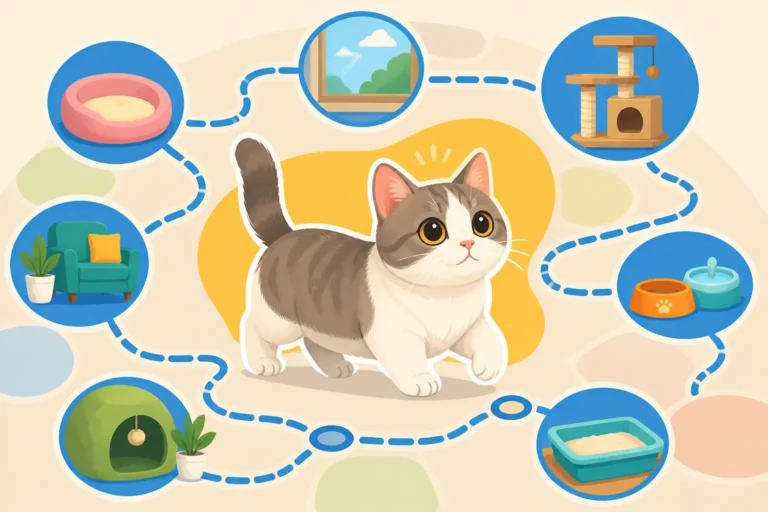
One of the simplest yet most impactful adjustments you can make is to lower all essential items to floor level or provide easy, ramped access. This includes their food and water bowls, litter boxes, and favorite sleeping spots. Imagine needing to stand on your tiptoes just to take a sip of water or hunch uncomfortably to eat; that’s what happens when bowls are placed too high for a Munchkin.
Raised food bowls, while often recommended for larger breeds to aid digestion, can actually put a strain on a Munchkin's short neck and shoulders if they're too high. Instead, aim for bowls that sit directly on the floor or are only slightly elevated. For litter boxes, a low-entry design is non-negotiable. Traditional litter boxes with high sides become insurmountable barriers, potentially leading to accidents outside the box due to discomfort or inability to enter. Look for senior cat litter boxes or those specifically marketed for small breeds, ensuring the entrance lip is just an inch or two off the ground. These small changes make a huge difference in their daily comfort and ability to maintain hygiene. Which Litter Box a Munchkin Can Actually Enter is a great resource here.
Adapting Play Areas and Scratching Opportunities
Play is vital for any cat's mental and physical well-being, but for Munchkins, the type of play and the equipment used need careful consideration. Toys that encourage excessive jumping or climbing should be used with caution, or modified to be accessible. Instead, focus on interactive toys that engage them at floor level. Wand toys, laser pointers, and small, rolling balls are perfect for stimulating their natural hunting instincts without requiring vertical acrobatics.
Scratching posts are another essential. A tall, vertical scratching post might be great for a long-legged cat to stretch and condition its claws, but a Munchkin often can't reach high enough to get a satisfying stretch. Provide horizontal scratchers, inclined scratchers, or shorter, sturdier vertical posts that they can fully utilize without straining their back or feeling frustrated. The key is to provide multiple scratching outlets at their height, ensuring they can comfortably stretch and maintain their claws. Remember, a frustrated cat will find alternative scratching surfaces, often your furniture!
Preventing Injury and Promoting Joint Health
The commitment to ramps and steps isn't just about convenience; it's a proactive strategy for preventing common Munchkin health issues and promoting their long-term joint health. Their unique anatomy, while endearing, makes them more susceptible to certain conditions if not properly accommodated. Thoughtful home modifications are an investment in their future well-being.
Minimizing Stress on Developing Joints
Munchkin kittens, just like human children, are still growing, and their bones and joints are particularly vulnerable during this developmental phase. Repeated jumping and jarring landings can have a cumulative effect, potentially leading to problems down the line. By introducing ramps and steps early on, you teach them safe ways to navigate their world from a young age, ingraining habits that protect their body.
Consider a Munchkin kitten's first year: they're full of boundless energy, exploring every nook and cranny. If every adventure involves a leap of faith onto a sofa, bed, or chair, that's hundreds, if not thousands, of impacts on their tiny, developing joints. Providing accessible routes minimizes this trauma, allowing their skeletal system to mature without undue stress. It's about nurturing their natural curiosity while safeguarding their physical health, giving them the best possible start in life. A Munchkin Kitten's First Year of Learning Its Limits delves deeper into this.
Preventing or Managing Conditions Like Arthritis
As Munchkins age, just like any breed, they can be prone to conditions like osteoarthritis, particularly in their shoulders, elbows, and hips due to the extra strain their short legs put on these areas. While proper nutrition and veterinary care are crucial, environmental adaptations play a huge role in preventing or mitigating the progression of these conditions. How Arthritis Shows in a Munchkin's Front Legs explains more about the specific presentation.
Ramps and steps reduce the need for high-impact movements that exacerbate arthritic pain. If a senior Munchkin is already stiff, a jump down from the bed can be excruciating, leading them to avoid the bed altogether, or worse, jump anyway and injure themselves further. Easy access points allow them to continue enjoying their favorite elevated spots without pain, maintaining their quality of life and independence. It’s about managing chronic conditions through thoughtful design, ensuring their comfort every single day.
The Critical Role of Weight Control in Joint Protection
An often-overlooked aspect of Munchkin health, intrinsically linked to mobility and joint well-being, is weight control. Because of their shorter legs, any extra weight a Munchkin carries places a disproportionately higher load on their joints and spine. Imagine carrying a heavy backpack all day, every day – it’s even harder when your legs are shorter!
An overweight Munchkin will struggle even more to jump or climb, increasing their reliance on safe, accessible routes like ramps and steps. More importantly, excess weight significantly accelerates wear and tear on their joints, predisposing them to earlier and more severe arthritis, and potentially exacerbating any underlying spinal issues. A lean, healthy weight is the single most important factor in protecting their unique musculoskeletal system. This ties directly into the need for ramps and steps: if movement is painful due to weight, they'll move less, gain more weight, and the cycle continues. Providing easy access encourages appropriate movement without undue strain, helping them maintain a healthier body condition. Why Weight Is More Dangerous on a Munchkin is a must-read on this topic.
Integrating Equipment into Daily Life and Training
It's one thing to buy the ramps and steps, but quite another to get your cat to actually use them! Cats can be creatures of habit, and introducing new elements into their environment might require a little patience and positive reinforcement. However, with the right approach, your Munchkin will quickly learn to appreciate and utilize their new, accessible pathways.
Introducing Ramps and Steps to Your Munchkin
The key to successful integration is positive association and gradual introduction. Start by placing the ramps and steps in a low-stakes area, perhaps to a favorite blanket on the floor, before moving them to higher furniture. Use treats, praise, and their favorite toys to entice them onto and over the new equipment. Place a treat halfway up the ramp, then another at the top, making it a rewarding experience.
Avoid forcing them onto the ramps or steps, as this can create fear or an aversion. Let them explore at their own pace. If they seem hesitant, try placing a familiar blanket or their scent on the ramp to make it feel more inviting. Many cats are naturally curious and, once they realize the ramps and steps offer an easier path to their desired spot, they'll adopt them readily. Consistency is also important; always encourage them to use the equipment rather than lifting them every time, so they build the habit.
Encouraging Consistent Use Through Positive Reinforcement
Once your Munchkin starts using the ramps and steps, the goal is to reinforce that behavior consistently. Every time they use them correctly, offer a small reward – a favorite treat, a gentle stroke, or a moment of play. This positive reinforcement solidifies the idea that using the equipment leads to good things.
If you find your cat trying to jump, gently redirect them to the ramp or steps. You can even block off the direct jumping path temporarily with a cushion or another soft object, making the ramp or steps the obvious, easier option. Over time, the ramps and steps will become their default mode of ascent and descent, a seamless part of their daily routine. This isn't about training tricks; it's about teaching them safer habits that protect their bodies. How to Teach a Munchkin to Use Steps offers more detailed advice.
The Long-Term Investment in Your Munchkin's Quality of Life
When you look at the cost of ramps, steps, and other home modifications, it's easy to see them as an added expense. However, reframing this perspective reveals that these items are not just purchases; they are a vital investment in your Munchkin's long-term health, happiness, and overall quality of life. The upfront cost pales in comparison to potential veterinary bills and the emotional toll of seeing your beloved cat in discomfort.
Avoiding Costly Veterinary Care for Injuries
The alternative to providing safe access is often a visit to the vet for an injury. A botched jump can lead to sprains, fractures, or exacerbation of spinal issues. These incidents can result in expensive vet visits, diagnostics like X-rays (which can be quite costly for a Munchkin, as explored in What Spinal X Rays Cost for a Munchkin), pain medication, and potentially even surgery. The recovery process can be stressful for both you and your cat, involving confined rest and rehabilitation.
By investing in ramps and steps, you are actively preventing many of these common injuries. You're safeguarding their joints and spine from unnecessary wear and tear, reducing the likelihood of developing chronic pain or mobility issues that require ongoing medical management. What seems like an expense today is often a significant saving tomorrow, both financially and emotionally.
Enhancing Independence and Mental Well-being
A Munchkin that can freely access all its favorite spots without struggle is a happier, more independent cat. Imagine the frustration of constantly wanting to be with your family on the sofa or in bed, but physically being unable to get there without assistance. This can lead to feelings of isolation or even depression in some cats.
Ramps and steps empower your Munchkin. They grant them the autonomy to choose where they want to be, when they want to be there. This sense of independence contributes significantly to their mental well-being, reducing stress and fostering a more confident and integrated pet. They can participate more fully in family life, curl up next to you for warmth, and enjoy the comfort of high vantage points they might otherwise be denied. This freedom to explore and interact on their own terms is priceless.
Common Mistakes to Avoid When Equipping Your Home
Even with the best intentions, it's easy to make a few missteps when setting up your home for a Munchkin. Avoiding these common pitfalls can save you time, money, and ensure your new accessibility solutions are truly effective for your unique feline friend.
Underestimating the Importance of Stability and Traction
One of the biggest mistakes owners make is choosing ramps or steps that are unstable or have slick surfaces. A wobbly ramp that shifts when a cat steps on it, or a smooth wooden surface that offers no grip, will quickly be abandoned by your Munchkin. Cats prioritize safety and security, and if they feel precarious, they simply won't use the equipment.
Always opt for ramps and steps that are sturdy and solid. Look for options with rubberized feet or non-slip pads that prevent movement on hard floors. The surface material should be carpeted, textured, or have grip strips to ensure secure footing at all times. Remember, even a single bad experience can create a lasting aversion. It's better to invest in high-quality, stable equipment from trusted retailers like Chewy or Amazon than to waste money on cheaper, less secure alternatives that will end up gathering dust.
Forgetting About the Descent – It's Harder Than the Ascent!
Many owners focus heavily on how their Munchkin will get up to a bed or sofa, but often overlook the challenges of getting down. For many cats, and especially those with short legs, descending from a height can be even more challenging and impactful than going up. Gravity is not their friend on the way down, and a jump from a significant height puts tremendous strain on their front legs and shoulders.
Always ensure that any ramp or set of steps you install provides a safe and comfortable path for both ascent and descent. The angle of a ramp should be gentle enough that they can walk down without sliding or needing to brace themselves too heavily. Steps should be wide and deep enough to allow a full paw placement on the way down, preventing missteps. If your Munchkin is happily using a ramp to get onto the bed, but then jumps off the other side, you've only solved half the problem. Consistently guide them to use the ramp for both directions, safeguarding their joints from those impactful landings. Why Coming Down Is Harder Than Going Up for a Munchkin offers further insights.
Overlooking Grooming and Hygiene Needs in an Adapted Home
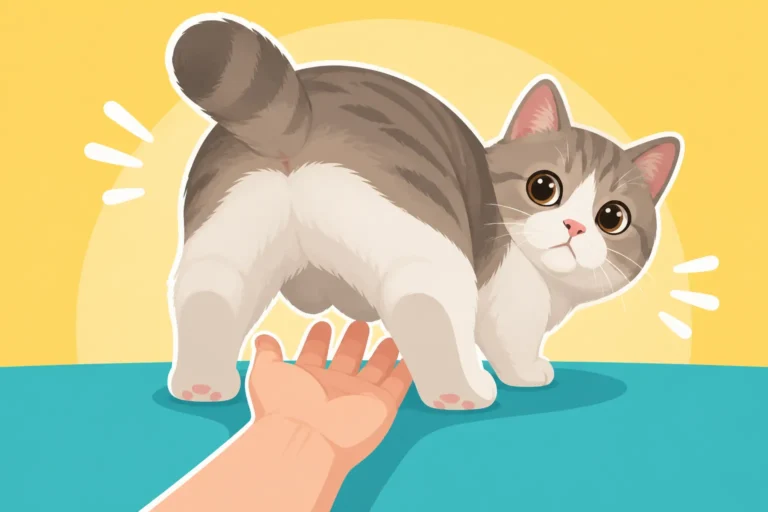
While not directly about ramps and steps, an accessible home also needs to consider a Munchkin's specific grooming and hygiene needs, which are impacted by their physical limitations. Their short legs mean they might struggle to reach certain areas of their body for self-grooming, especially their hindquarters and belly after using the litter box.
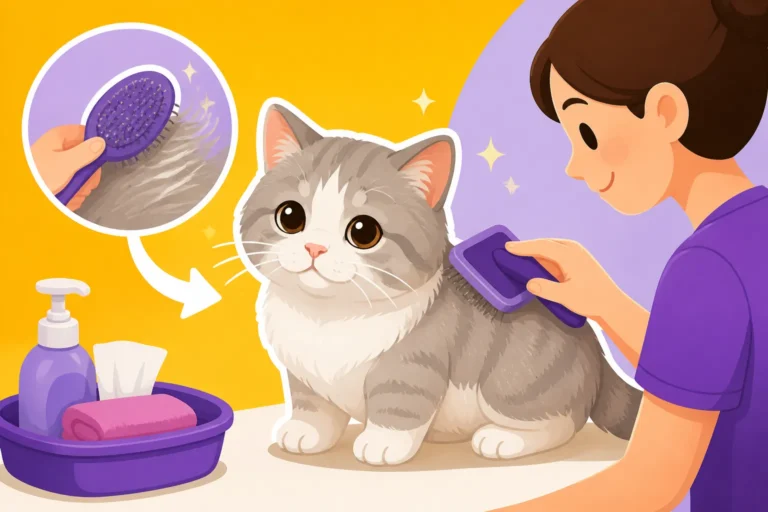
In an adapted home, ensure their low-entry litter box is cleaned frequently. Consider a litter type that is less likely to cling to their belly fur. Regular brushing, especially for long-haired Munchkins, becomes even more critical to prevent mats, which can lead to skin irritation and infections. If they are prone to getting messy after using the litter box, consider a "sanitary clip" around their hindquarters, performed by a vet or professional groomer. While ramps and steps help them navigate, these ongoing care considerations ensure they remain clean and comfortable in their unique physique. Why a Munchkin's Hindquarters Get Matted is an important read here.
Neglecting the Importance of Early Intervention and Introduction
Perhaps the most significant mistake is waiting until problems arise before introducing ramps and steps. It's much easier to teach a young, healthy Munchkin to use these aids as part of their normal routine than to try and introduce them to an older cat already experiencing pain or mobility issues. Early intervention is key.
Start introducing ramps and steps when your Munchkin is still a kitten. Make it a positive, playful experience. This way, the equipment becomes a natural and accepted part of their environment, a familiar pathway they instinctively use. If you wait until they are stiff, arthritic, or have already suffered an injury, they may associate the equipment with discomfort or simply be less inclined to learn new habits when they're already feeling unwell. Proactive care, including the early introduction of accessibility aids, is the best gift you can give your Munchkin.
Disclaimer
This article is for general informational purposes only and does not constitute professional advice. Laws, prices and regulations vary by location and change over time. Consult a qualified professional for guidance on your specific situation.