How to Take Over an Old Munchkin’s Grooming
It’s a common scenario for us Munchkin parents: one day your sweet, low-riding companion is diligently primping and polishing every inch of their sleek coat, and the next, you notice little mats forming where they can’t quite reach anymore. It’s heart-wrenching to see our beloved cats struggle with something as basic as grooming themselves, but it's a natural part of aging, especially for a breed with unique physical needs. This guide is all about giving you the practical, empathetic steps to take over your senior Munchkin’s grooming routine, ensuring they stay comfortable, clean, and happy as they enter their golden years.
Understanding Why Your Senior Munchkin Needs Grooming Help
As our Munchkins age, just like us, their bodies change. Those once spry, quick movements that allowed them to navigate their world with such distinctive grace can become stiff and less flexible. This isn't just about them slowing down; it directly impacts their ability to keep themselves pristine, leading to discomfort and potential health issues if left unaddressed.
The Physical Challenges of Aging and Short Legs
Think about it: a Munchkin already has a unique body structure with its characteristic short legs and a normal-length spine. While younger Munchkins are incredibly agile and adept at navigating their environment despite their stature, aging can exacerbate challenges. Many older cats develop arthritis, a painful condition that makes bending, stretching, and twisting difficult. For a Munchkin, whose spine already carries a specific load due to their conformation, even mild arthritis can make reaching their hindquarters or lower back feel like an insurmountable task. Why a Munchkin's Spine Carries a Load a Normal Cat's Does Not is a good read to understand this better.
Their shoulders and elbows, which take the brunt of impacts from even small jumps or landing, are often the first joints to show signs of wear and tear. How Arthritis Shows in a Munchkin's Front Legs provides more insight into this. When these joints are stiff or sore, the sweeping motions needed for thorough self-grooming become painful or impossible. You might notice your Munchkin trying to reach a spot, only to give up with a frustrated little sigh, or they might favor one side of their body, leaving the other neglected. This isn't laziness; it's a physical limitation that requires our understanding and intervention.
Common Grooming Spots an Old Munchkin Misses
So, where exactly do these adorable, short-legged seniors start to fall short in their grooming? It’s usually predictable once you know their anatomical quirks. The most common areas neglected are:
- The Hindquarters and Base of the Tail: This is probably the number one spot. Reaching around to adequately clean after using the litter box, or just to brush out loose fur, becomes incredibly challenging when flexibility is limited. Mats can form quickly here, especially in longer-haired Munchkins, and can become quite messy.
- The Lower Back and Flanks: Imagine trying to twist your torso to reach the middle of your back if you had short arms. That's essentially what your Munchkin is dealing with. Stiffness means they can't arch and reach these areas effectively, leading to dull fur, dander buildup, and potential mats.
- The Belly and Inner Thighs: Accessing these areas requires significant flexibility to roll onto their side or back. If their shoulders or hips are bothering them, this deep cleaning becomes too painful. This is particularly problematic for Munchkins, whose bellies naturally sit closer to the ground, increasing the chance of picking up debris. Why a Munchkin's Belly Nearly Touches the Floor highlights this.
- Behind the Ears and Top of the Head: While often less severe than hindquarter issues, some older Munchkins struggle to get their paws up and around to give these areas a good scrub. You might notice more earwax buildup or a slightly greasy patch on their head.
It’s truly a situation where Which Parts of Itself a Munchkin Cannot Reach becomes an even longer list as they age. Your keen eye and gentle touch are crucial for their comfort and hygiene.
Essential Tools and Techniques for Gentle Grooming
Stepping into the role of your senior Munchkin's personal groomer doesn't have to be daunting. With the right tools and a gentle approach, you can make it a bonding experience rather than a battle. The key is patience and consistency.
Gathering Your Grooming Arsenal
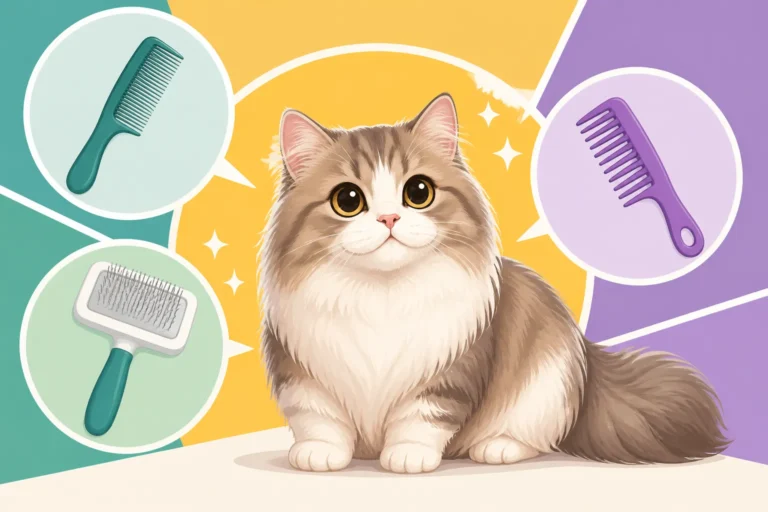
Before you even start, setting yourself up for success with the right equipment is crucial. You don’t need a professional grooming kit, but a few specific items will make a world of difference:
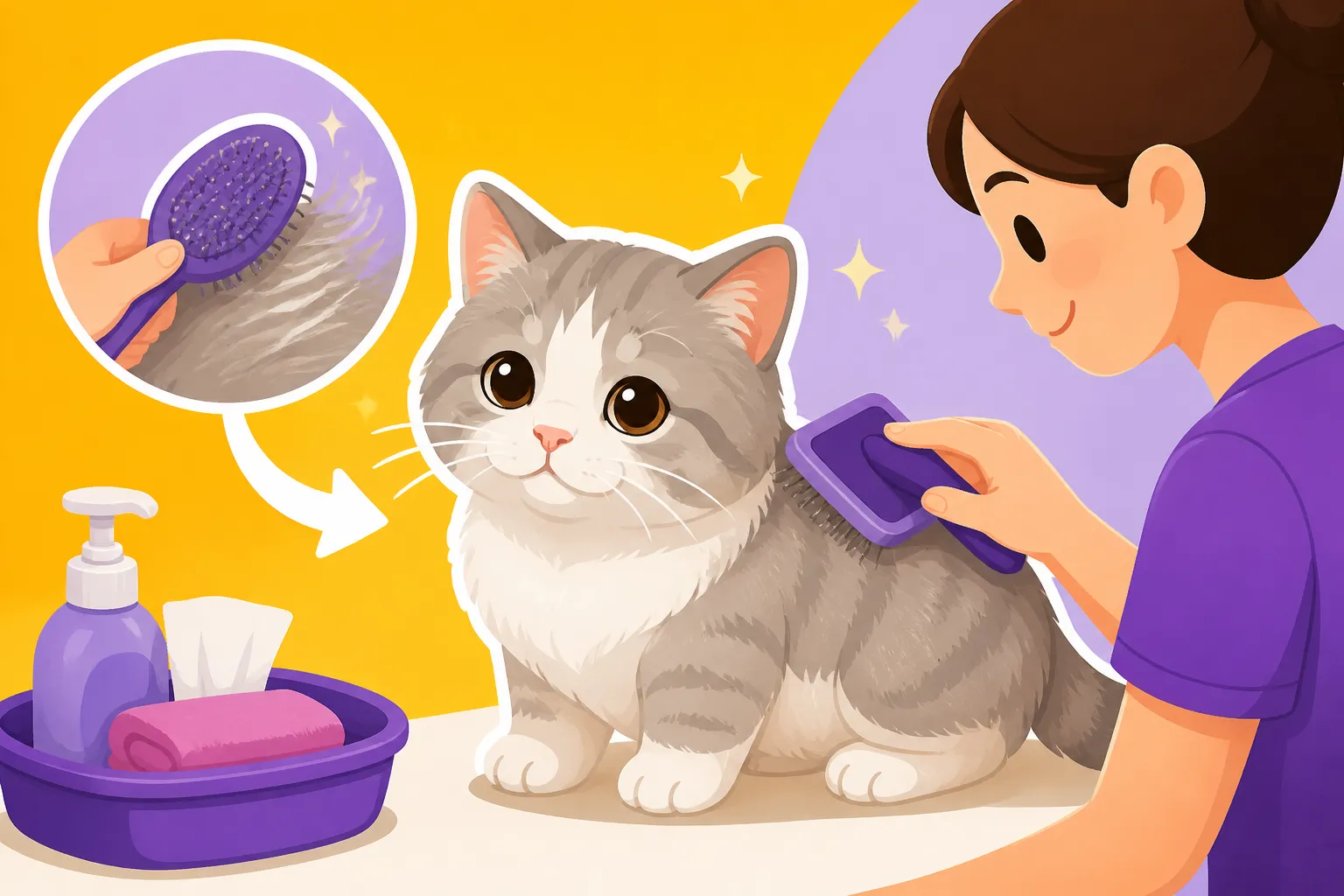
- Soft Bristle Brush or Rubber Curry Brush: For general brushing and distributing natural oils. A soft brush is less likely to irritate sensitive older skin.
- Fine-toothed Metal Comb: Essential for checking for and carefully working out small mats, especially in denser or longer coats. Look for combs with rounded teeth to prevent scratching.
- Wide-toothed Comb: Great for initial detangling, particularly for long-haired Munchkins, before moving to a finer comb.
- Cat-Safe Wet Wipes: Unscented, hypoallergenic wipes are perfect for cleaning up around the hindquarters, paws, or any sticky spots. Brands often available on Amazon or Chewy are excellent for this purpose.
- Blunt-nosed Scissors: ONLY for carefully cutting out severe mats that cannot be combed out, and only if you are confident and can see the skin clearly beneath the mat. If there's any doubt, professional help is always best.
- Grooming Glove: Many cats enjoy the sensation of a grooming glove, which can mimic petting while removing loose fur. It’s a great way to introduce grooming without a brush.
- High-Value Treats: Positive reinforcement is your best friend. Keep a stash of your Munchkin's favorite treats on hand to reward cooperation.
Creating a calm environment is also part of your "arsenal." Choose a quiet time of day when your Munchkin is relaxed, perhaps after a nap or a meal. Lay down a soft towel on a flat surface, like a coffee table or the floor, so they feel secure and don't have to balance on an elevated grooming table.
Step-by-Step Grooming for Problem Areas
Now for the hands-on part. Remember, short, frequent sessions are far better than one long, stressful ordeal. Aim for 5-10 minutes at a time, especially when you're both learning the ropes.
- Hindquarters & Tail Base: This is often the messiest area. Gently approach your Munchkin from the side or front, talking to them calmly. You might need to gently lift their tail to access the area around the anus. Use a fine-toothed comb to carefully check for mats. If you find one, try to work it out with your fingers first, then gently comb from the outside in, holding the base of the mat to prevent pulling on the skin. For any fecal matter, use a cat-safe wet wipe. If the fur is consistently soiled or matted, a sanitary clip might be necessary. This involves carefully trimming the fur around the anus and inner thighs short to prevent buildup. How to Groom a Munchkin's Hindquarters can offer more visual guidance on technique, and Whether a Munchkin Needs a Sanitary Clip discusses when this becomes essential. Always use blunt-nosed scissors and point them away from the skin, always placing a comb between the skin and the scissors if possible. If you're unsure, a professional groomer or vet can do this safely.
- Belly & Underlegs: These areas require a bit more maneuvering. If your Munchkin is comfortable, gently roll them onto their side while supporting their back. Alternatively, if they're lying down, you can carefully reach underneath. Use a soft brush or a grooming glove to work through the fur, checking for mats, particularly in the armpits and groin area. These mats can be notoriously painful as they rub against the skin. Be extra gentle here, as the skin is delicate. How to Reach Under a Munchkin's Legs is truly a skill you'll develop over time.
- Back & Shoulders: While often easier to reach, older Munchkins might still neglect these areas, leading to dull coats or dander. Use your soft brush or grooming glove to give a thorough but gentle brush, moving in the direction of hair growth. This helps stimulate circulation, remove loose fur, and distribute natural oils, making their coat healthier and shinier. Pay attention to their reactions; if they flinch or tense up, move to another spot or take a break.
Dealing with Mats and Skin Issues
Mats are not just unsightly; they can be incredibly painful and lead to serious skin infections. When fur becomes matted, it pulls on the skin, restricts movement, and can hide underlying skin irritation, parasites, or wounds.
Prevention is always better than cure. Regular, short grooming sessions drastically reduce the likelihood of mats forming. If you do find mats:
- Small, Loose Mats: Try to gently tease them apart with your fingers, then work through them with a wide-toothed comb, slowly moving to a finer comb. Always hold the fur at the base of the mat to prevent pulling on the skin.
- Tight, Persistent Mats: If a mat is tight against the skin and cannot be combed out, do not try to cut it out with sharp scissors unless you are absolutely certain you can do so without nicking the skin. Cat skin is very thin and easily cut, especially under a tight mat. This is where a professional groomer or your veterinarian comes in. They have specialized tools and techniques to safely shave or cut out mats, preventing unnecessary pain and injury to your cat. How Skin Problems Start Under a Munchkin's Mats can give you an idea of the seriousness. It's an investment in their comfort and health.
Regularly check your Munchkin's skin as you groom them. Look for redness, bumps, scabs, or any signs of irritation. Early detection of skin problems means quicker treatment and less discomfort for your cat.
| Grooming Area | Common Issues | Recommended Tools | Key Techniques |
|---|---|---|---|
| Hindquarters/Tail | Mats, fecal matter, dander | Fine-tooth comb, cat-safe wipes, blunt-nosed scissors (carefully) | Gentle tail lift, comb slowly from base, wipe with care, sanitary trim if needed |
| Belly/Inner Thighs | Mats in armpits/groin, skin irritation | Soft brush, grooming glove, fine-tooth comb | Gentle roll onto side, support back, work through fur slowly, check skin |
| Lower Back/Flanks | Dull fur, dander, minor mats | Soft brush, grooming glove | Brush in direction of hair growth, monitor reactions, short strokes |
| Behind Ears/Head | Greasiness, wax buildup | Soft brush, fine-tooth comb | Gentle strokes, check for debris, clean ears if needed with vet-approved cleaner |
Making Grooming a Positive Experience for Your Older Munchkin
No one wants grooming to be a wrestling match. For an older Munchkin, especially one who might already be feeling a bit sore or sensitive, creating a positive, calm experience is paramount. This isn't just about their physical comfort, but their emotional well-being too.
Creating a Low-Stress Grooming Environment
Making grooming enjoyable or at least tolerable starts long before you pick up the brush.
- Choose the Right Time and Place: As mentioned, pick a quiet moment when your Munchkin is naturally relaxed. Avoid times of high activity or when there are distractions (loud noises, other pets). A comfortable, familiar spot on the floor or a low, stable surface works best. Lay down a non-slip mat or soft towel to make them feel secure.
- Keep Sessions Short and Sweet: Seriously, 5-10 minutes is often enough. If you tackle one area per session, you'll avoid overwhelming your cat. You can always do another short session later in the day.
- Positive Reinforcement is Key: This cannot be stressed enough! Introduce the brush or comb gently, letting them sniff it. Give a treat even for just tolerating the brush near them. As you groom, offer soft praise and continue with small, high-value treats. Whether it's a lickable treat, a small piece of cooked chicken, or a bite of nutritious food, make it worth their while. The goal is for them to associate grooming with good things.
- Gentle Touch: Always use a soft, gentle touch. Avoid yanking or pulling on their fur, especially if you hit a snag. If your Munchkin shows any signs of discomfort—a twitching tail, flattened ears, a low growl, or trying to move away—stop immediately. Respect their boundaries.
- Consistency: Regular, predictable grooming sessions, even if very brief, will help your Munchkin get used to the routine. They'll learn what to expect, and it will become less of a surprise each time.
Recognizing Signs of Discomfort or Pain
Your Munchkin can't tell you in words that something hurts, so it's up to you to be a detective of their body language. Understanding these cues is vital to avoid causing pain or making grooming a negative experience.
- Subtle Cues: Watch for subtle shifts in posture, tensing of muscles, a slight flinch, or ears swiveling back. A quick lick of the lips, a yawn, or suddenly turning their head away can also be signs of mild stress or discomfort.
- Obvious Warnings: Hissing, growling, swatting, or attempting to bite are clear signals to stop. Never push through these. If your Munchkin frequently reacts this way, it might be an indication of underlying pain that needs veterinary attention.
- New Reluctance: If your usually cooperative Munchkin suddenly becomes very reluctant or aggressive during grooming, this is a huge red flag. It could mean new pain from arthritis, a skin issue you haven't spotted, or even something systemic. Why a Withdrawn Munchkin Should See a Vet is important because a change in behavior, including grooming tolerance, can signal deeper health problems. Don't hesitate to consult your veterinarian if you notice a significant change in their grooming tolerance or behavior.
Beyond Brushing: Additional Care Considerations
While brushing and mat removal are primary concerns for an aging Munchkin, their overall care plan needs to be holistic. Their short legs and unique physique mean other aspects of routine care also need thoughtful adjustment as they get older.
Dental Care and Claw Trimming
Don't forget these crucial elements of care that also become more challenging for an aging cat.
- Dental Care: Dental disease is incredibly common in older cats and can cause significant pain, impacting their appetite and overall health. Brushing your Munchkin's teeth regularly, even if it's just a quick brush a few times a week, is vital. As they age, they might be less tolerant of having their mouth handled or their head lifted high. Find comfortable positions – perhaps when they're lying down – and use a cat-specific toothbrush or a finger brush. How to Fit Toothbrushing Into a Munchkin's Routine suggests starting early, but it's never too late to try and establish some level of comfort. Your vet can also advise on dental diets or professional cleanings if needed.
- Claw Trimming: Older cats tend to be less active and may not wear down their claws as effectively as they used to. Overgrown claws can get snagged, grow into paw pads (causing painful infections), and affect their gait. Which Clippers Suit a Munchkin's Short Forelegs is a good question to consider; usually, standard cat nail clippers are fine, but focus on the technique. Support their paw gently, press lightly to extend the claw, and only clip the very tip, avoiding the quick. If your Munchkin resists, try doing one paw at a time over several short sessions. If they're particularly sensitive, your vet or groomer can do it for you.
Weight Management and Nutrition's Role
This is perhaps the single most important aspect of care for a senior Munchkin, particularly when considering mobility and self-grooming.
- The Danger of Extra Weight: Every extra gram your Munchkin carries puts additional strain on their joints and spine. For a breed already predisposed to certain spinal issues and with a lower center of gravity, being overweight drastically compounds mobility problems, making self-grooming even harder and exacerbating arthritic pain. Why Weight Control Is the Whole Munchkin Care Plan is not an exaggeration – it truly underpins their quality of life. An overweight Munchkin finds it harder to reach their hindquarters, belly, and even their face, increasing the likelihood of matting and hygiene issues. Why Every Extra Pound Matters More on a Munchkin drives this point home.
- Nutritional Support: Work with your vet to ensure your senior Munchkin is on an appropriate diet. There are specific senior cat foods designed with lower calorie counts but adequate protein to maintain muscle mass. Joint supplements containing glucosamine and chondroitin can also be incredibly beneficial for arthritic cats, helping to support joint health and reduce inflammation. These can often be found at pet stores or online retailers like Chewy.
Regular Vet Checks
As your Munchkin ages, regular veterinary check-ups become even more critical. These aren't just for vaccinations anymore.
- Proactive Health Monitoring: Your vet can assess your Munchkin's overall mobility, check their joints for signs of arthritis, and recommend pain management strategies if needed. They can also keep an eye on their weight and overall body condition. Why a Munchkin's Annual Visit Includes Its Gait is a clear indicator that their movement patterns are a key part of their health assessment.
- Addressing Concerns Early: If you're noticing new challenges with grooming, changes in behavior, or any signs of discomfort, your vet is your best resource. They can rule out underlying medical conditions and provide tailored advice to keep your senior Munchkin comfortable and healthy. Don't wait until problems become severe.
Looking after an older Munchkin's grooming needs is a true act of love. It requires patience, attentiveness, and a willingness to adapt, but seeing your cat clean, comfortable, and happy is a reward beyond measure.
Disclaimer
This article is for general informational purposes only and does not constitute professional advice. Laws, prices and regulations vary by location and change over time. Consult a qualified professional for guidance on your specific situation.