Why a Munchkin Should Not Climb Stairs to Its Box
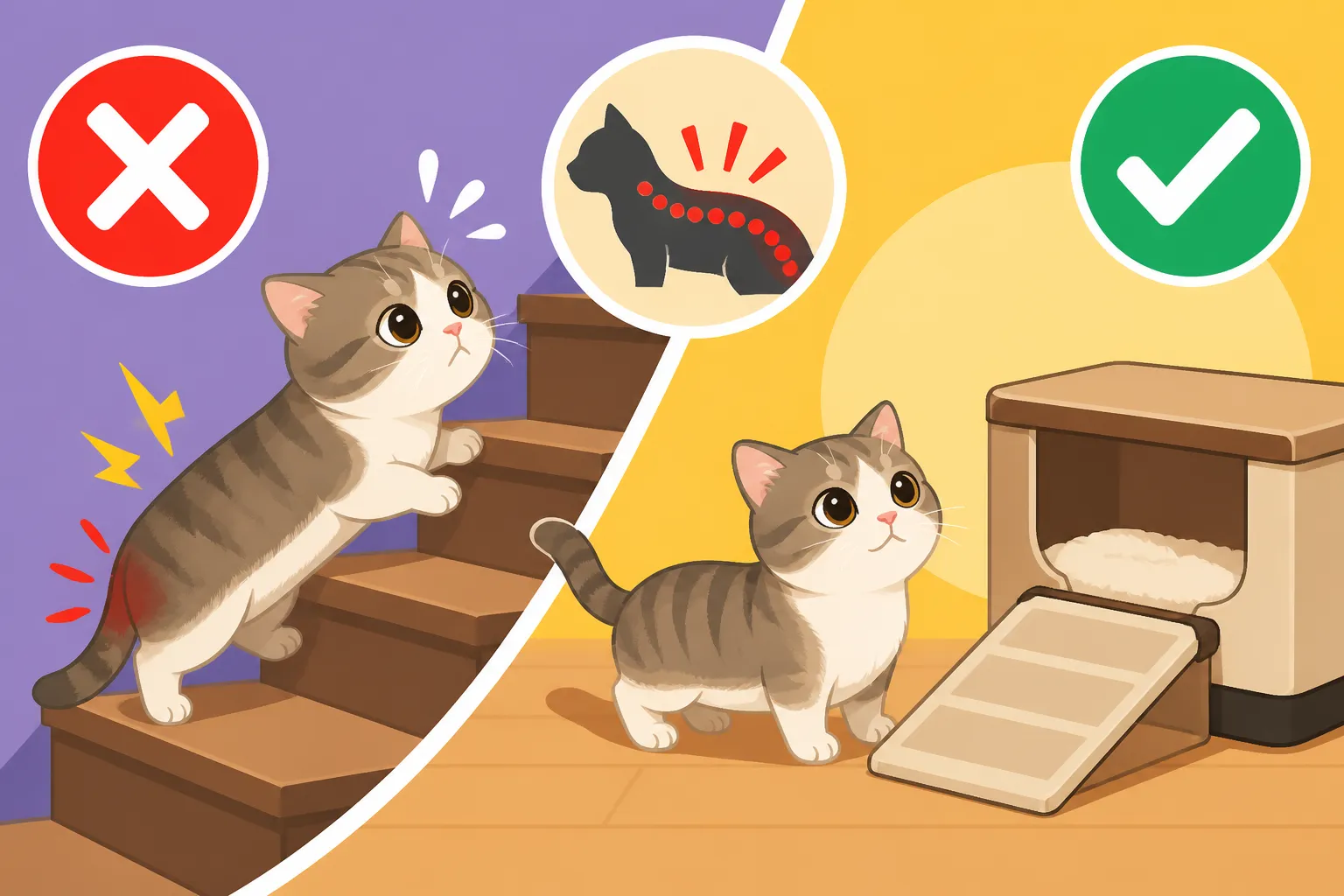
It's a common scenario for many cat owners: you've got a multi-story home, and naturally, you consider placing the litter box in a convenient spot like the basement or an upstairs bathroom. But when you share your life with a Munchkin cat, that simple decision can become a significant problem, not just for their physical comfort but for their overall well-being and your household harmony. This guide is here to unravel why asking your short-legged friend to navigate stairs for their most basic need is a recipe for potential trouble, and what you can do to make their home truly accessible.
The Physical Toll of Stair Climbing on a Munchkin's Body
Let's be brutally honest: a Munchkin cat's charmingly short legs are adorable, but they come with a distinct set of physical limitations that owners must understand and respect. Asking them to repeatedly climb and descend stairs, especially for something as frequent and urgent as litter box access, isn't just an inconvenience; it's a direct challenge to their unique anatomy.
The Strain on Their Unique Anatomy
Imagine trying to navigate a set of stairs on your knees. That's a bit of an exaggeration, but it gives you a sense of the disproportionate effort a Munchkin expends. Their short legs mean they have to stretch and propel themselves with an intensity that a long-legged cat simply doesn't. This isn't just about their legs, though. The Munchkin's spine, while typically normal length, is often described as carrying a load in a way a normal cat's does not due to the mechanics of their movement. Each step up and down places significant pressure on their joints, particularly the shoulders, elbows, and even their hips.
Think about the repetitive motion: pushing off with their hind legs, pulling with their front, and then absorbing the impact. Over time, this constant strain can contribute to premature wear and tear. Their front legs, in particular, are built for propulsion and absorbing the brunt of landings, and stairs amplify this workload. It's not just about one trip; it's about dozens, hundreds, even thousands over a cat's lifetime. You wouldn't ask a human with knee problems to climb stairs all day, and the principle is similar for our feline friends. The inherent design of their body, while perfectly capable of navigating a flat environment with surprising speed and agility, is simply not engineered for vertical challenges like stairs without consequence. Why a Munchkin's Spine Carries a Load a Normal Cat's Does Not delves deeper into this.
The Mechanics of Climbing Versus Descending
Many owners initially think climbing up is the harder part for a short-legged cat. And yes, it requires a significant push. A Munchkin often has to jump or hoist themselves onto each step, rather than simply walking up. This involves a burst of energy and can strain muscles and joints, particularly in their shoulders and upper back. Why a Munchkin's Shoulders Wear First is a real concern here.
However, descending stairs can actually be more problematic and riskier. When a Munchkin comes down, they often have to jump from step to step, sometimes even slide, rather than placing each paw gracefully. This creates a higher impact force on their front legs and elbows. Imagine doing a small jump off each step – that's essentially what some Munchkins are doing. This repetitive impact is rough on their delicate joint cartilage and can lead to inflammation and pain over time. What Repeated Landing Does to a Munchkin's Elbows explains the specific stresses on their elbow joints from this kind of movement. A misstep is also far more likely when descending, leading to falls that can result in sprains, strains, or worse. The physics of their short limbs and relatively long body just aren't optimized for controlled descent down a staircase.
Risk of Injury and Long-Term Wear
The immediate concern with stairs is the risk of acute injury. A slip, a missed step, or an awkward landing can lead to pulled muscles, sprains, or even fractures. While cats are generally agile, a Munchkin's reduced reach and altered gait make them more prone to these mishaps on stairs. But beyond sudden accidents, the chronic, repetitive stress is arguably a greater long-term threat.
This constant impact and strain can accelerate the development of degenerative joint diseases. Arthritis, for instance, is a condition that naturally progresses with age in many cats, but for a Munchkin constantly using stairs, it can appear much earlier and be far more severe. The cartilage in their joints erodes faster, leading to pain, stiffness, and reduced mobility. Whether a Munchkin Gets Arthritis Earlier is a pertinent question, and the answer, especially with high-impact activities, tends to be yes. You might start noticing subtle changes in their gait, a reluctance to move, or even visible discomfort. How Arthritis Shows in a Munchkin's Front Legs details these warning signs, often starting in the shoulders and elbows – precisely the areas most stressed by stair use. Essentially, by forcing them to use stairs for an essential function, you are inadvertently signing them up for a future of increased joint pain and potentially costly veterinary interventions.
Behavioral and Psychological Impact
Beyond the very real physical dangers, making your Munchkin climb stairs for their litter box also has a profound impact on their mental and emotional well-being. Cats are creatures of habit and comfort, and when a fundamental need like urination and defecation becomes a stressful ordeal, it can lead to significant behavioral problems.
Deterrence and Litter Box Aversion
This is perhaps one of the most common and frustrating outcomes for owners. If accessing the litter box on another floor is difficult, painful, or even scary for your Munchkin, they are going to seek alternatives. It's a natural feline response: if the designated toilet is inaccessible or unpleasant, they'll find somewhere else. This "somewhere else" often means your carpet, your laundry pile, a forgotten corner, or even your bed.
The problem isn't that your Munchkin is being "naughty"; it's a clear signal that their needs aren't being met. They might associate the effort of the stairs with the act of using the box itself, creating a negative association that leads to litter box aversion. They might even hold their waste for longer than is healthy, leading to bladder or bowel issues, simply to avoid the arduous journey. This can quickly spiral into a challenging situation for everyone, causing stress for you, and more importantly, for your cat who is trying to communicate a genuine problem. Why a Munchkin Will Go Outside a Box It Cannot Enter clearly highlights this common issue.
Stress and Anxiety
Imagine having to brave an obstacle course every time you need to use the restroom. It would undoubtedly cause you stress and anxiety. For a Munchkin, the stairs can represent just that. The anticipation of the climb or descent, the physical exertion, and the potential for pain or a fall can make them anxious about using the litter box.
This stress isn't limited to bathroom breaks. Chronic anxiety about fundamental needs can impact their overall demeanor. They might become more withdrawn, less playful, or even exhibit signs of aggression if they feel constantly vulnerable or uncomfortable in their environment. Cats thrive on predictability and comfort, and denying them easy, stress-free access to their litter box undermines their sense of security in their own home. It’s a subtle but pervasive form of stress that can degrade their quality of life.
Reduced Independence and Quality of Life
One of the joys of having a cat is watching them navigate their world with confidence. For a Munchkin, restricting their movement with stairs reduces their independence significantly. They cannot freely choose to use the litter box whenever nature calls without facing a physical barrier. This constant limitation can lead to a feeling of helplessness.
A cat’s quality of life is intrinsically tied to its ability to perform natural behaviors with ease. If their most basic needs are tied to a difficult physical challenge, it detracts from their overall happiness and sense of autonomy. They might miss out on social interactions or opportunities for play on a different floor if they are reluctant to make the journey, even for necessary functions. Ultimately, a house with stairs becomes less of a safe, comfortable sanctuary and more of a series of inaccessible zones, diminishing their enjoyment of their own home.
Practical Solutions for Stair-Free Litter Access
Okay, so we've established that stairs and Munchkin litter boxes don't mix. Now, what's the solution? It's all about thoughtful planning and adapting your home to their needs, not forcing them to adapt to yours. This isn't just about convenience; it's about their health and happiness.
Strategic Placement of Litter Boxes
The most straightforward and effective solution is to ensure a litter box is easily accessible on every floor your Munchkin spends time on. If you have a two-story house, you need at least one box downstairs and one upstairs. If they roam into the basement, you need one there too. The general rule of thumb for cats is one litter box per cat, plus one extra, but for a Munchkin, proximity is key. Don't hide them away in the furthest corner if it means a long, difficult walk. Place them in quiet, low-traffic areas that are easy to get to.
This isn't just about the stairs; it's also about the distance. Even a flat, long walk can be a deterrent if they're experiencing urgency or discomfort. Think about their daily routes and where they spend their time. A box in the living room if that's where they nap, and another near the bedroom for overnight needs, could be ideal. Where to Put a Munchkin's Boxes in the House offers more guidance on optimal placement.
Adapting the Litter Box Itself
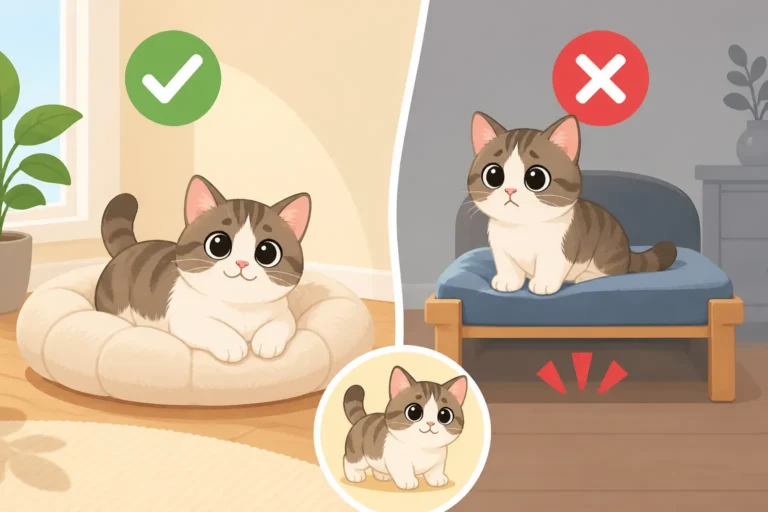
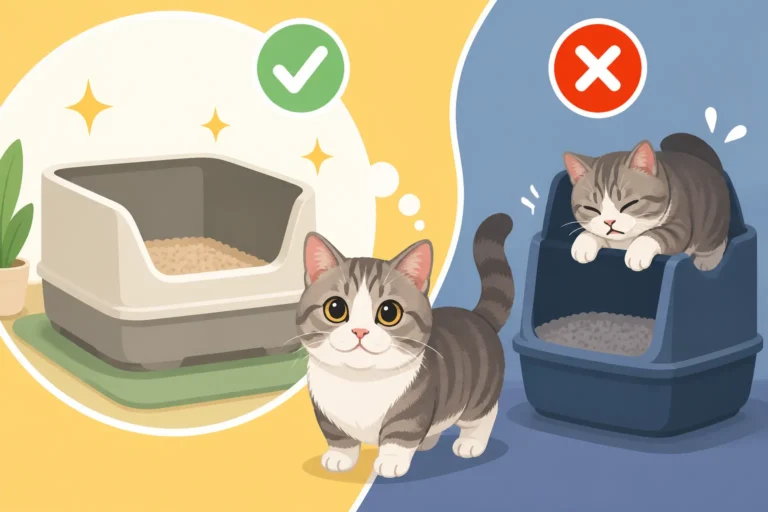
Even on the same floor, a standard litter box might present a challenge. Many commercial litter boxes have high sides designed to contain litter or accommodate larger cats. For a Munchkin, these high sides can be just as difficult to step over as a stair.
Look for low-entry litter boxes. These are often marketed as "senior cat" or "kitten" litter boxes, and they are perfect for Munchkins. The entry lip should be no more than a few inches high, allowing them to simply walk in without having to hoist themselves over a barrier. You can find a great selection of these on sites like Chewy or Amazon, making it easy to compare options and find one that truly suits your cat.
If you already have a high-sided box that you love, you can try cutting a U-shaped notch in one side to create a lower entry point, or even create a small ramp that leads into the box itself. Just make sure any DIY solution is stable and won't tip. Which Litter Box a Munchkin Can Actually Enter and How Low a Munchkin Litter Box Entry Should Be provide specific measurements and advice on selecting the right box. Remember, the easier it is for them to get in and out, the more likely they are to use it consistently.
Creating Alternative Routes (When Stairs Are Unavoidable for Other Access)
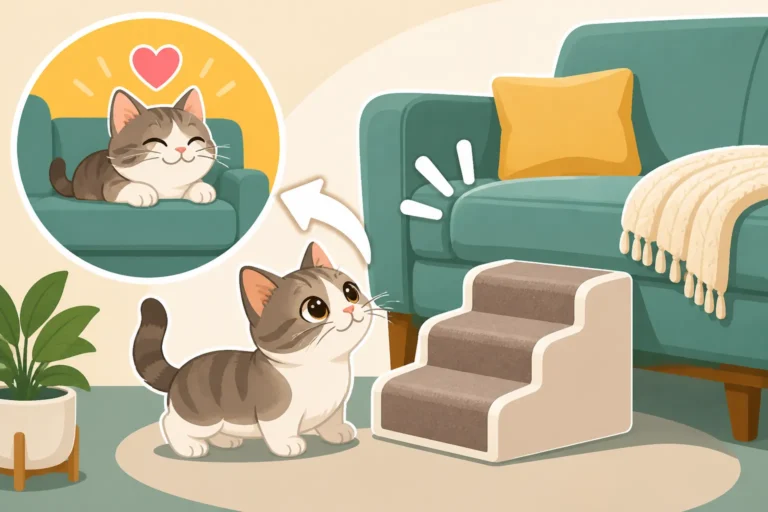
While the golden rule is "no stairs for litter boxes," you might still have furniture or other areas in your home that your Munchkin wants to access but can't. For these situations, ramps and steps are your best friends. These are not a substitute for litter boxes on every floor, but they can significantly improve your Munchkin's overall mobility and independence throughout the home.
Think of it as building a miniature obstacle course designed for ease. A gentle ramp leading up to a favorite sofa, or a series of low, sturdy steps beside your bed, can help them reach elevated surfaces without the dangerous jumping. You can find pre-made ramps and pet stairs on Amazon or Chewy, or if you're handy, you can build your own. Just ensure the incline is gradual and the surface provides good traction, like carpet or non-slip material. How to Set Up Ramps Around a Munchkin's House offers excellent tips for integrating these into your home. The goal is to eliminate all unnecessary jumping and climbing, not just for litter boxes, but for their general navigation. A Munchkin's home should be a single-plane environment as much as possible, regardless of how many stories it has.
Long-Term Health and Lifestyle Considerations
Living with a Munchkin isn't just about managing their immediate needs; it's about understanding their unique predispositions and proactively supporting their health for the long haul. Avoiding stairs for litter box access is a crucial piece of this puzzle, but it’s part of a broader commitment to their well-being.
Preventing Joint Issues and Spinal Strain
By providing easy, stair-free access to litter boxes, you're taking a massive step in preventing unnecessary wear and tear on your Munchkin's joints and spine. This proactive approach can significantly delay the onset and severity of conditions like arthritis. But your preventative care shouldn't stop there.
Regular, gentle exercise on flat surfaces is vital to maintain muscle tone around their joints, providing natural support. Keep them at a healthy weight; even a few extra ounces can put disproportionate strain on their short legs and spine. Consider talking to your vet about joint supplements as they age – many brands, readily available on platforms like Chewy, offer formulations designed for feline joint health that could be beneficial. While the focus here is on the litter box, remember that discouraging all high-impact activities, such as jumping from tall furniture, is equally important. Providing ramps and steps for sofas and beds is key to this. Whether a Munchkin Should Be Discouraged From Jumping is a critical point that ties into overall joint preservation.
Maintaining a Clean and Accessible Environment
A happy Munchkin is a clean Munchkin, and easy litter box access plays a huge role in this. Because their belly sits so close to the floor, Munchkins are particularly prone to dragging their undersides through soiled litter if the box isn't kept meticulously clean or if they have to navigate awkwardly to enter and exit. Why a Munchkin's Belly Nearly Touches the Floor explains this physical reality.
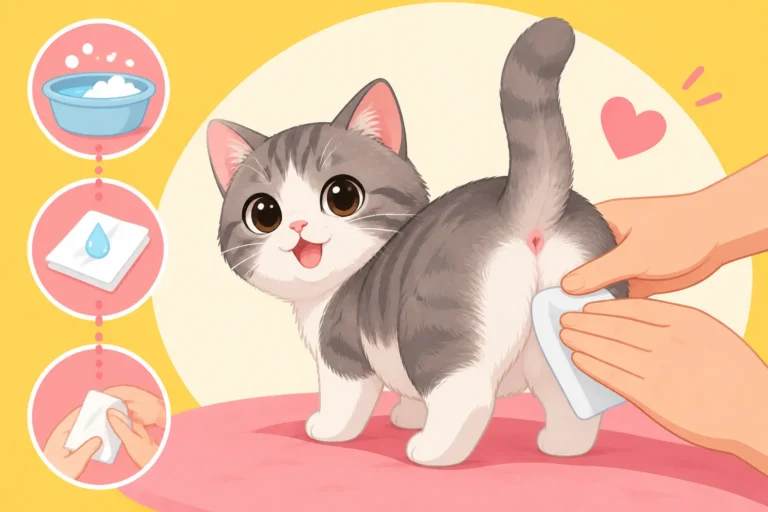
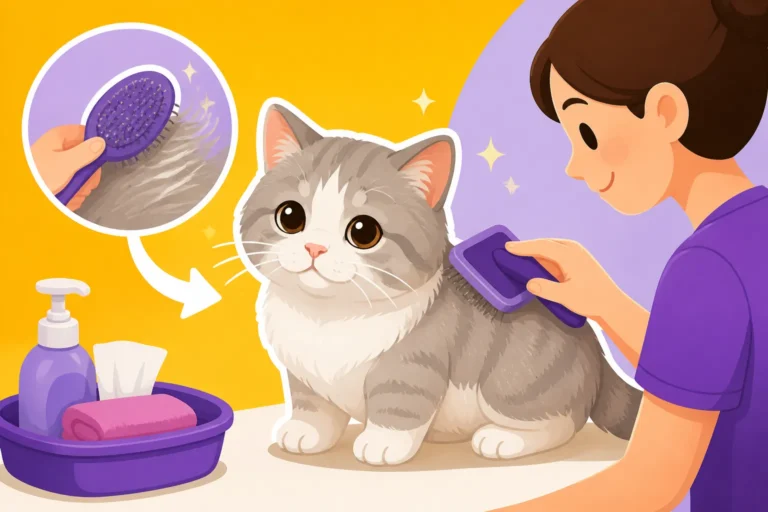
This isn't just an aesthetic problem. Litter sticking to their fur can cause irritation, skin infections, and lead to matting, especially in longer-haired varieties, which can become incredibly painful and difficult to remove. Whether Matting Becomes a Health Problem in a Munchkin can tell you more. Ensuring low-entry, easily accessible boxes means they can get in and out cleanly, reducing the chances of them carrying debris around the house or developing hygiene issues. Regular grooming, especially around their hindquarters, also becomes easier if they aren't constantly stressed by painful joints or soiled fur from difficult litter box experiences.
Recognizing Signs of Difficulty
Even with the best intentions and an adapted environment, it's vital to remain observant of your Munchkin's behavior as they age. Cats are masters at hiding pain, but subtle changes can be red flags that they are struggling.
Watch their gait. Is it less fluid? Are they hesitating before stepping into a low-entry box that used to be easy? Do they seem stiffer after waking up or after a period of rest? Are they favoring one side or limb? Any sudden reluctance to use a previously accessible litter box could indicate pain or discomfort, not just stubbornness. Changes in jumping ability – even small, necessary ones – or a decreased desire to play could signal joint issues. If you see them struggling, or if their "prairie dog" sit (where they sit upright on their hind legs) becomes less frequent or shorter in duration, it might be time for a vet check-up. How to Tell Stiffness From Old Age in a Munchkin provides insights into these crucial observations. Early detection of pain or mobility issues means you can work with your veterinarian to implement pain management strategies or further adapt their environment, keeping them comfortable and happy for as long as possible.
Disclaimer
This article is for general informational purposes only and does not constitute professional advice. Laws, prices and regulations vary by location and change over time. Consult a qualified professional for guidance on your specific situation.