Whether Matting Becomes a Health Problem in a Munchkin
It’s a common misconception that Munchkin cats are "low maintenance" when it comes to grooming, simply because they can't jump as high. In reality, their unique anatomy—those adorable short legs and often a longer body—creates distinct challenges that, if ignored, can lead to severe matting, transforming a minor aesthetic issue into a serious health crisis for your beloved feline friend. This guide will walk you through why matting is a particular concern for Munchkins, the health implications it carries, and how you can proactively prevent it to ensure your cat lives a comfortable, healthy life.
The Unique Grooming Obstacles Posed by a Munchkin's Anatomy
While their short stature is undeniably charming, it introduces a whole new set of considerations for routine care, especially grooming. Owners often don't realize how much a cat's ability to stretch and contort helps them keep their coats in top condition until they have a Munchkin.
The Struggle to Reach the Hindquarters and Back
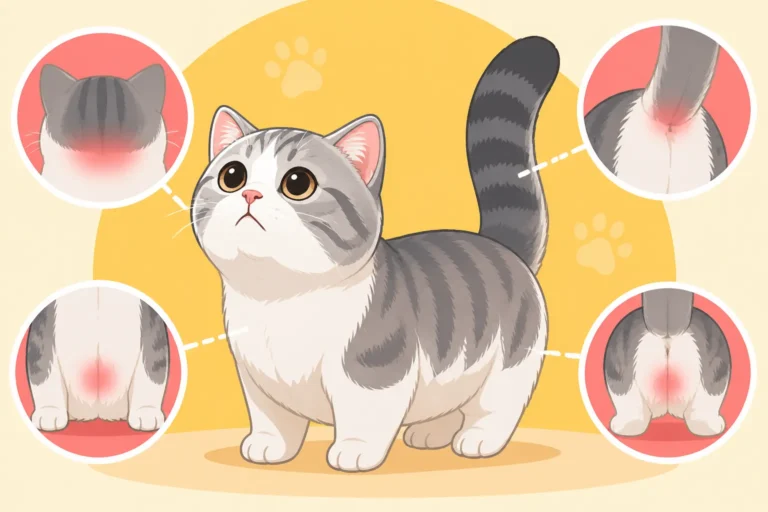
Imagine trying to brush your own back or clean areas that are just out of reach. That's a daily reality for many Munchkins. Their proportionally shorter limbs make it incredibly difficult, if not impossible, for them to properly groom their lower back, hindquarters, and the underside of their belly. This isn't laziness on their part; it's a physical limitation. These are precisely the areas that are most prone to accumulating debris, shedding fur, and ultimately, developing painful mats. Even a short-haired Munchkin can develop mats in these regions, but for a long-haired variety, the struggle is amplified significantly. If you've ever wondered Which Parts of Itself a Munchkin Cannot Reach, you'll quickly discover the answer centers around their back half.
Impact on Mobility and Flexibility
A cat's self-grooming isn't just about looking tidy; it's an intricate part of their hygiene and skin health. Normal cats spend a significant portion of their day meticulously cleaning themselves, using their flexibility to twist, turn, and reach every part of their body. A Munchkin, due to its unique skeletal structure, might find these acrobatic feats much harder. While their spine itself is of normal length, as discussed in Why a Munchkin's Spine Is Normal Length, the leverage and range of motion afforded by longer limbs for grooming are simply not there. This reduced flexibility means they often cannot twist enough to effectively lick away loose fur, dirt, or even small tangles before they escalate into serious mats. This limitation can also contribute to a less efficient distribution of natural skin oils, potentially leading to dry skin beneath the matted areas.
How Matting Develops and Its Immediate Impact on Skin Health
Matting doesn't happen overnight; it's a gradual process that can quickly snowball, especially in areas a Munchkin struggles to reach. Understanding how mats form helps in preventing them and appreciating the pain they cause.
The Formation of Mats and Their Rapid Progression
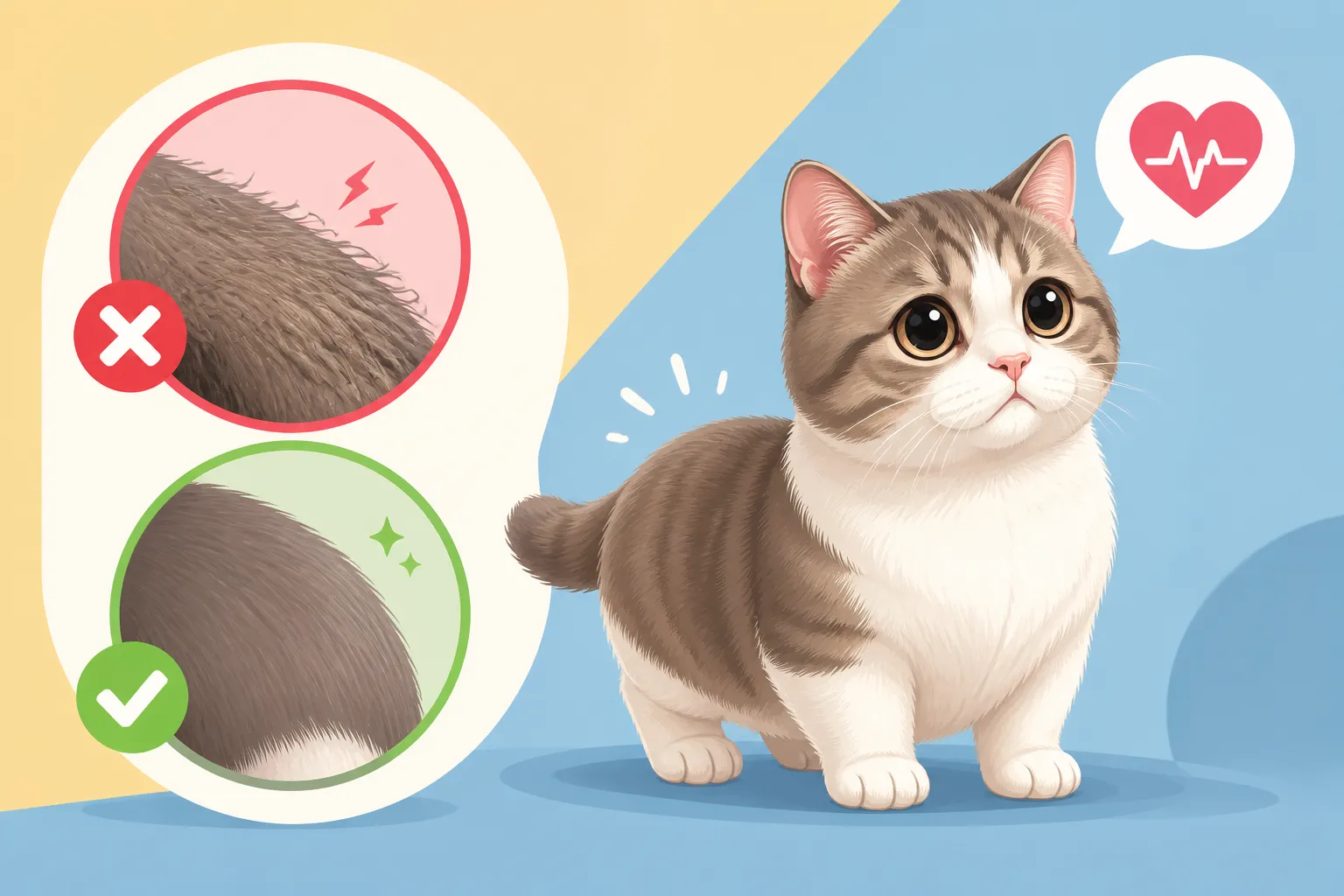
A mat begins as a small knot of shed fur that hasn't been removed from the coat. This loose hair, instead of falling out, gets tangled with surrounding hairs. As the cat moves, plays, or even just rubs against surfaces, these small tangles become tighter and more compressed. For Munchkins, particularly around their hindquarters, belly, and armpits, this process is accelerated because these areas often come into contact with the ground or other surfaces. The fur here can also get soiled more easily, especially after using the litter box, creating a sticky, dirty environment where tangles thrive. Before you know it, what started as a tiny knot becomes a dense, felt-like pad pulling painfully on the skin. This issue is particularly relevant to Why a Munchkin's Hindquarters Get Matted.
Skin Irritation, Infection, and Parasite Hiding Spots
The most immediate and obvious consequence of matting is its effect on the skin underneath. As a mat tightens, it constantly pulls on the cat's skin, causing significant discomfort and pain. This constant tension can lead to skin irritation, redness, and inflammation. In severe cases, the skin can tear, creating open wounds. These wounds, combined with the lack of airflow and moisture trapped under the mat, become a perfect breeding ground for bacterial and fungal infections. You might notice an unpleasant odor emanating from the matted area, a clear sign of infection.
Beyond infections, dense mats also serve as ideal hiding spots for parasites like fleas, ticks, and mites. These pests can thrive undetected beneath the protective layer of fur, making them harder to spot and treat. The cat's inability to scratch or groom these areas effectively means the parasites can multiply, leading to further skin irritation, allergic reactions, and even anemia in severe infestations. It’s a vicious cycle where discomfort leads to less grooming, which in turn leads to worse matting and more health problems.
The Cascade of Health Problems Caused by Untreated Matting
While skin issues are the first sign, untreated matting can have far-reaching and debilitating consequences for a Munchkin's overall health and well-being, affecting everything from their mobility to their mental state.
Impaired Movement and Joint Strain
Imagine wearing a tight, uncomfortable suit that restricts your every move. That's what severe matting can feel like for a Munchkin. Mats, especially those around the legs, armpits, and groin, can severely restrict a cat's range of motion. This isn't just about walking; it affects their ability to stretch, play, and even lie down comfortably. The constant pulling and restriction force the cat to adopt unnatural postures to avoid pain, putting undue strain on their joints and muscles. For a breed already predisposed to joint issues due to their unique limb structure, like Whether a Munchkin Gets Arthritis Earlier, this added stress can accelerate the onset or worsen existing conditions, leading to chronic pain and reduced quality of life. They might stop using their ramps or stairs, further isolating themselves from preferred resting spots or activities.
Digestive Issues and Organ Compression
While less direct, severe matting can indirectly contribute to digestive problems. When a cat grooms itself, it inevitably ingests some fur. While a normal amount is usually passed through the digestive system without issue, matted fur cannot be properly shed or ingested. This can lead to a build-up of dead hair on the coat, which then becomes part of the problem. However, the more significant digestive concern comes from the overall stress and discomfort. A cat in chronic pain from matting may experience changes in appetite, become lethargic, or show signs of constipation due to reduced activity and stress.
In extremely severe cases of full-body matting, particularly when mats are tight across the abdomen or chest, there have been instances where blood flow or even organ function can be mildly compromised due to the sheer tightness of the "fur shell" encasing the cat. While rare, this extreme scenario highlights just how serious matting can become.
Behavioral Changes and Psychological Distress
A cat in constant pain and discomfort is not a happy cat. Matting can lead to significant behavioral changes, including irritability, aggression when touched (especially near matted areas), hiding, or a general withdrawal from interaction. A previously playful and affectionate Munchkin might become reclusive, avoiding contact with its owners or other pets. They might also stop engaging in normal feline behaviors like playing, exploring, or even using their scratching posts effectively, which for a Munchkin might already be challenging as detailed in Which Scratching Post Suits a Munchkin.
The psychological distress caused by chronic pain and the inability to groom themselves properly can also lead to self-mutilation as the cat desperately tries to chew or pull out the painful mats. This can result in further skin trauma, infection, and an escalating cycle of suffering. A comprehensive understanding of How to Judge a Munchkin's Quality of Life must certainly include an assessment of their comfort and ability to move freely, unencumbered by mats.
Preventing Matting: Daily Care and Environmental Adjustments
The good news is that most matting issues are preventable with consistent, proactive care tailored to a Munchkin's specific needs. It's all about making their environment and grooming routine work for them.
Establishing a Consistent Grooming Routine
For Munchkins, especially those with longer coats, daily brushing is not just recommended, it's essential. Even short-haired Munchkins benefit from regular attention, as their unique body shape can still lead to tangles in hard-to-reach spots.
- Tools of the Trade: Invest in the right grooming tools. A slicker brush is excellent for removing loose undercoat and small tangles. A metal comb, with both wide and fine teeth, is crucial for finding and gently working out knots before they become mats. For long-haired Munchkins, a deshedding tool can be very effective, but use it sparingly and carefully to avoid irritating the skin. Always have a pair of blunt-tipped scissors on hand, but never attempt to cut out mats yourself unless absolutely confident, as it's incredibly easy to cut the skin underneath.
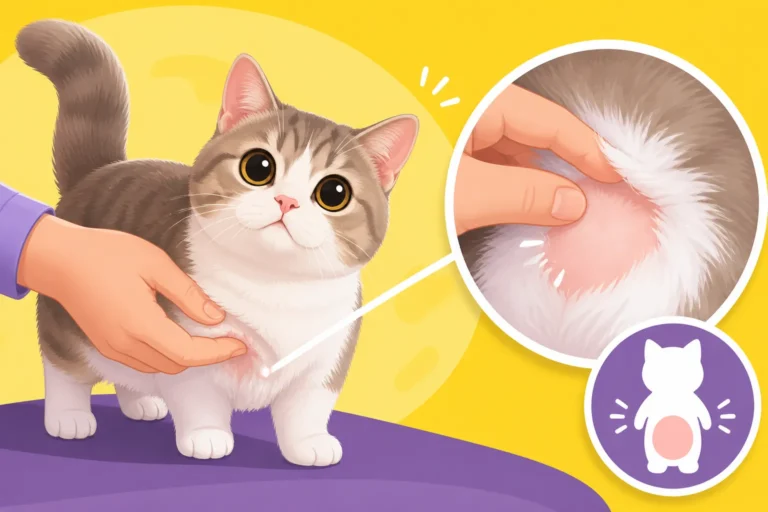
- Targeted Brushing: Focus on the areas your Munchkin can't reach: their lower back, hindquarters, armpits, and belly. These are prime matting zones. Gently lay your cat on its back or side for belly access, or have them stand for their back and hindquarters. Make it a positive experience with treats and praise. For a more detailed guide, consider How Often a Longhaired Munchkin's Back Half Needs Brushing.
- The "Mat Check": Beyond daily brushing, perform a weekly "mat check." Run your fingers through your Munchkin's fur, feeling for any small knots or bumps that might indicate a developing mat. Catching these early makes them much easier to resolve.
Adapting the Home Environment
A Munchkin's environment plays a significant role in preventing matting, particularly in keeping their hindquarters clean.
- Low-Entry Litter Boxes: This is non-negotiable for Munchkins. A standard litter box with high sides forces them to awkwardly clamber over the edge, often dragging their belly and hindquarters through soiled litter. A low-entry litter box allows them to step in and out gracefully, minimizing the chances of litter or waste sticking to their fur. Look for designs specifically marketed for senior cats or those with mobility issues. Understanding Which Litter Box a Munchkin Can Actually Enter is crucial here.
- Appropriate Litter: Consider the type of litter you use. Fine, dusty litters can cling to fur more easily. Opt for low-dust, larger granule litters that are less likely to get caught in their belly or hindquarter fur. Silica gel or crystal litters, for example, can be less prone to sticking.
- Regular Cleaning of Hindquarters: Sometimes, despite the best litter box efforts, a Munchkin's low-slung body means their hindquarters might still get soiled, especially after a bowel movement. Gently wiping their rear with an unscented, pet-safe wipe can prevent waste from drying and matting in the fur. This is a crucial step in How to Clean a Munchkin's Rear.
- Sanitary Trims: For long-haired Munchkins, a regular sanitary trim around their hindquarters can work wonders in preventing mats and keeping them clean. This involves carefully clipping the fur short around the anus and vulva/penis. While you can attempt this at home with extreme caution, a professional groomer is often the safer and more effective choice.
When to Seek Professional Help and Veterinary Intervention
Despite your best efforts, sometimes mats can still develop or become too severe for at-home management. Knowing when to call in the experts is vital for your Munchkin's comfort and health.
Recognizing Severe Matting and Its Dangers
Severe matting is not just a cosmetic issue; it's a medical emergency. You should seek professional help immediately if you notice:
- Hard, Dense Mats: Mats that are tight against the skin, unyielding, and cannot be gently separated with your fingers or a comb.
- Pain or Aggression: Your Munchkin cries out, hisses, or becomes aggressive when you try to touch a matted area.
- Skin Redness or Open Sores: Visible irritation, weeping skin, or any signs of infection underneath or around the mats.
- Restricted Movement: Your cat is struggling to walk, jump (even to low surfaces), or lie down comfortably.
- Foul Odor: A strong, unpleasant smell emanating from the matted fur, indicating potential infection or trapped waste.
- Behavioral Changes: Sudden lethargy, loss of appetite, hiding, or other significant changes in their usual demeanor.
Never try to aggressively pull apart or cut out severe mats yourself. It's incredibly easy to cut your cat's thin skin, which can lead to painful wounds requiring veterinary attention. Remember, Why a Munchkin's Belly Fur Needs Checking is so important—mats can hide anywhere!
Professional Grooming Services
A professional groomer experienced with cats, especially those with special needs like Munchkins, can be a lifesaver. They have the right tools, training, and techniques to safely and efficiently remove mats without injuring your cat.
- Demating vs. Shaving: Depending on the severity, a groomer might attempt to carefully demat smaller, looser tangles. However, for dense, severe mats, shaving is often the only humane option. They will use specialized clippers with safety blades to shave under the mat, close to the skin. It might not look pretty initially, but it’s the quickest way to relieve your cat's pain and allow their skin to heal.
- Post-Shave Care: After shaving, your groomer can advise you on skin care for any irritated areas and how to prevent future matting as the fur grows back. They can also provide regular sanitary clips and hygiene trims, which are incredibly helpful for Whether a Munchkin Needs a Sanitary Clip.
- Finding the Right Groomer: Look for groomers with specific "cat grooming" certifications or extensive experience with special needs cats. Ask about their techniques for handling anxious cats and their policy on severe matting.
Veterinary Intervention and Support
In cases where matting is severe, accompanied by skin infections, open wounds, or if your cat is extremely stressed or aggressive, a visit to the veterinarian is paramount.
- Sedation for Mat Removal: Your vet may recommend sedation or light anesthesia to safely remove very painful or extensive mats, especially if your cat is uncooperative due to pain or fear. This ensures the process is stress-free for your pet and prevents accidental injury.
- Treatment of Underlying Issues: The vet will treat any skin infections with antibiotics or antifungals, address inflammation, and provide pain relief. They can also check for parasites and recommend appropriate treatments.
- Long-Term Prevention Plan: Your vet can work with you to develop a long-term grooming and preventative care plan. They might also discuss nutritional supplements for skin and coat health or joint support, which are particularly important for a Munchkin.
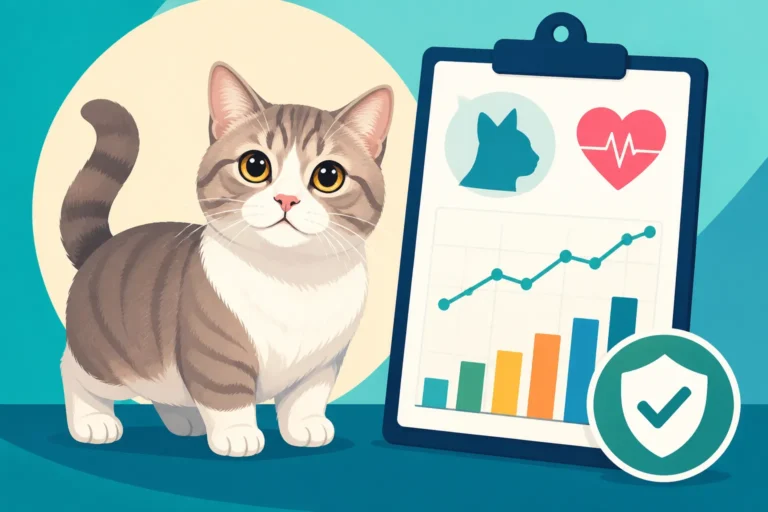
- Insurance Considerations: The costs associated with professional grooming or veterinary intervention for severe matting, especially if sedation and medication are needed, can add up quickly. Having a robust pet insurance plan, such as those offered by Healthy Paws, can provide significant financial relief, ensuring you can prioritize your Munchkin's health without undue stress about the expense. Remember, prevention is always cheaper than treatment, but it’s good to have a safety net for unexpected issues. Pet insurance from providers like Healthy Paws can also cover ongoing issues, so it's worth investigating.
Keeping Your Munchkin Comfortable and Healthy
Maintaining a Munchkin's coat might require a little more vigilance and effort than with a regular-legged cat, but it's a small price to pay for their comfort and health. Their unique anatomy, while endearing, means they simply can't handle self-grooming with the same efficiency as their longer-limbed counterparts.
Regular Health Checks and Proactive Care
Beyond daily brushing, regular check-ups are important. During your Munchkin's routine veterinary visits, make sure to bring up any grooming challenges or areas of concern. Your vet can physically check for early signs of matting or skin irritation that you might miss. Discussing your cat's mobility and comfort during these visits is also key. For example, understanding How Often a Healthy Adult Munchkin Needs Checking can help you stay ahead of potential issues.
Consider also the importance of proper weight management. An overweight Munchkin will find it even harder to reach and groom itself, exacerbating matting issues. As discussed in Why Weight Is More Dangerous on a Munchkin, every extra pound adds strain to their unique frame and further hinders flexibility.
A proactive approach, combining consistent home grooming, an adapted living environment, and timely professional intervention when needed, ensures your delightful Munchkin can enjoy a life free from the pain and distress of matting. Your commitment to their special needs will be rewarded with a happy, healthy, and affectionate companion.
| Matting Severity | Description | Impact on Cat | Recommended Action |
|---|---|---|---|
| Mild | Small, loose tangles; easily brushed out; typically found in high-friction areas. | Minor discomfort; mostly cosmetic. | Daily brushing; targeted combing; gentle dematting with a slicker brush. |
| Moderate | Several small, dense knots or a few larger, palpable mats; pulling on skin. | Moderate discomfort; restricted movement; potential for skin irritation; can hide minor parasites. | Professional grooming for dematting/shaving; vet check if skin is red. |
| Severe | Large, tight, dense mats forming a "shell" close to the skin; widespread. | Significant pain; severe restriction of movement; high risk of skin infection, tears, and parasite infestation. | IMMEDIATE VETERINARY VISIT for sedation/shaving and medical treatment. |
| Extreme | Full-body matting; skin may be torn or heavily infected; cat may be lethargic/depressed. | Excruciating pain; severe infections; potential organ compression; behavioral distress; life-threatening complications. | URGENT VETERINARY EMERGENCY; sedation, shaving, and intensive medical care. |
Disclaimer
The information provided in this article is for general informational purposes only and is not a substitute for professional veterinary advice. Always consult with a qualified veterinarian for any health concerns or before making any decisions about your pet's health or medical care.