How Often a Longhaired Munchkin’s Back Half Needs Brushing
It’s a common frustration for many Munchkin cat parents, isn't it? You adore their playful spirit and those adorable short legs, but then you find yourself staring down a tangle on their fluffy hindquarters, wondering if it's already too late. Longhaired Munchkins, with their unique physiology, present a special set of grooming challenges, especially when it comes to keeping their back half pristine. This guide is here to walk you through everything you need to know about how often to brush your longhaired Munchkin's back half, offering practical advice to keep them comfortable and mat-free.
Understanding the Unique Grooming Challenges of Longhaired Munchkins
Caring for a longhaired Munchkin means understanding that their physical traits, while endearing, require a dedicated approach to grooming. It’s not just about brushing; it’s about a holistic strategy to ensure their comfort and health.
Why Their Short Legs Are a Factor
Imagine trying to reach your own lower back or behind your knees if your arms were significantly shorter – that's essentially the daily reality for a Munchkin cat. Their defining short legs, a result of a naturally occurring genetic mutation, mean they simply cannot contort their bodies in the same way a normal-legged cat can to reach their hindquarters. This physical limitation directly impacts their ability to self-groom effectively.
When a longhaired Munchkin attempts to clean their back half, they often struggle to reach the necessary areas with their tongues. This leaves the fur around their hind legs, underbelly, and tail vulnerable to matting, especially in a long-haired variety. Without human intervention, these areas quickly accumulate loose hair, dirt, and dander, forming uncomfortable and potentially painful mats. It’s a vicious cycle: they can't reach to clean, so the fur mats, and then the mats make it even harder to reach. This is a primary reason why Which Parts of a Munchkin Need Owner Grooming is such a critical consideration for any Munchkin owner.
The Density and Length of Long Hair
Beyond the short legs, the very nature of a longhaired Munchkin's coat adds another layer of complexity. These cats typically boast a dense, plush, and often silky coat that can range from medium to truly long, sometimes with a luxurious plume of a tail. While beautiful, this type of fur is inherently prone to tangling and matting if not regularly maintained. Each individual strand of hair is longer, giving it more opportunity to intertwine with its neighbors.
Combined with their inability to reach, this thick, flowing coat means that even a single day without attention can see small knots begin to form. These knots quickly tighten into mats, especially in areas of friction or where moisture tends to accumulate. Think about the soft, fine hair on a human head – it tangles easily. Now imagine that on a cat who can't brush it out themselves and spends their day exploring, playing, and navigating at floor level. It's a recipe for a tangled disaster without consistent intervention.
The "Scoot and Drag" Effect
Another often-overlooked challenge stems from the Munchkin's low-slung body. Because their legs are short and their torsos are proportional to a regular cat, their bellies and hindquarters sit much closer to the ground than an average feline. This anatomical feature, while part of their charm, means they are more susceptible to picking up debris, dirt, and even moisture from the floor as they move around.
Every scoot across a rug, every investigation under a couch, every trip to the litter box can result in tiny particles getting embedded in their long fur. If they happen to step in something sticky or drag through a damp spot, that material can easily transfer to their low-hanging fur. This "scoot and drag" effect means their back half is constantly exposed to elements that encourage matting and general uncleanliness. It's also why cleanliness in their environment, especially the litter box, is paramount, as discussed in Which Litter Sticks to a Munchkin's Belly.
Establishing a Consistent Brushing Routine
Once you understand the 'why' behind the grooming challenges, the 'how' becomes much clearer. A consistent, proactive brushing routine is your best defense against mats and discomfort for your longhaired Munchkin.
The Baseline: Daily Brushing for Prevention
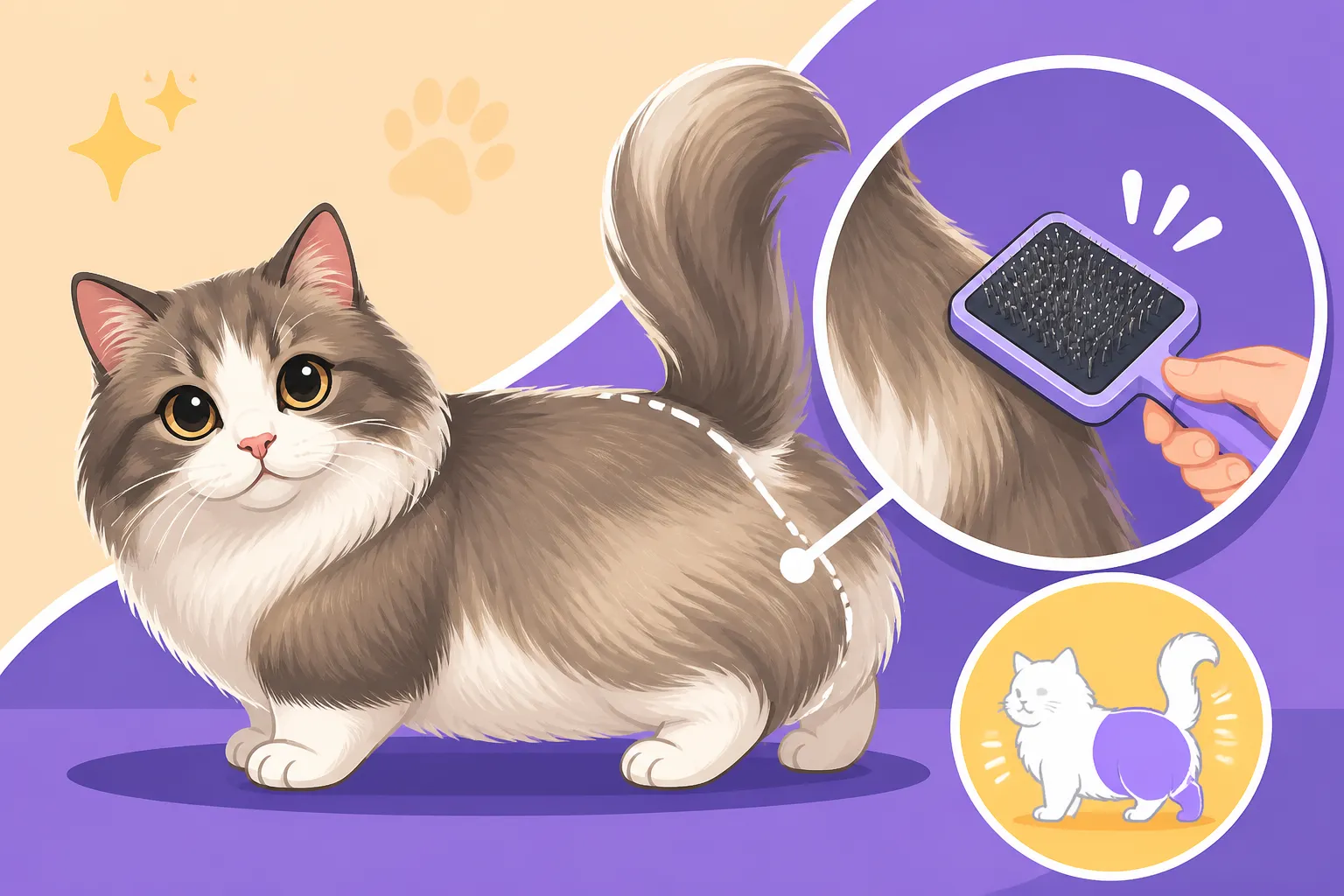
For a longhaired Munchkin, daily brushing of their back half isn't a luxury; it's practically a necessity. Many owners, myself included, have learned this the hard way by letting a few days slip and then battling a stubborn mat. The goal of daily sessions isn't necessarily to spend an hour meticulously grooming, but rather to perform quick, targeted checks and brushes that prevent small tangles from escalating into full-blown mats.
Think of it like this: a few minutes each day, gently working through the fur around their hind legs, underbelly, and tail, can save you hours of struggle later on. These short sessions allow you to catch loose hair before it knots, distribute natural oils, and ensure no debris has become lodged. Beyond the practical benefits, daily brushing also reinforces a positive association with handling and creates a special bonding time between you and your cat, making them more tolerant of the process as they age.
Adjusting Frequency Based on Lifestyle and Coat Condition
While daily brushing is an excellent baseline, the exact frequency can, and should, be adjusted based on your individual Munchkin's lifestyle and current coat condition. Some cats have finer, more tangle-prone hair, while others might have a coarser, more resilient coat.
Consider these factors:
- Activity Level: A highly active Munchkin who loves to zoom around, play rough, or investigate every nook and cranny might pick up more debris and develop tangles faster than a more sedentary companion.
- Seasonal Shedding: Cats typically shed more during spring and fall. During these periods, you'll likely need to increase brushing frequency, potentially to twice a day, to manage the increased volume of loose undercoat.
- Diet and Overall Health: A healthy diet rich in omega fatty acids can contribute to a shinier, healthier coat that's less prone to matting. Conversely, a cat recovering from illness might have a duller coat that mats more easily, or they might be less inclined to attempt self-grooming.
- Environment: Does your Munchkin have access to certain types of flooring that might create more static and tangles? Do they often get into dusty areas? These environmental factors play a role.
By being observant, you'll quickly learn your cat's specific needs. If you notice even a hint of a tangle forming, or if their fur feels less silky than usual, it's a sign to step up the brushing. This proactive approach ensures minor issues don't become major ones, helping you avoid the unpleasant experience of Getting a Mat Out of the Part a Munchkin Cannot Reach.
Tools of the Trade: Brushes for Longhaired Munchkins
Having the right tools makes all the difference when grooming a longhaired Munchkin. You wouldn't use a hammer to drive a screw, and similarly, one brush won't tackle all grooming needs.
Here’s a breakdown of essential tools:
- Slicker Brush: This is your everyday hero for longhaired cats. It features fine, short wires packed closely together, excellent for removing loose hair and minor tangles from the topcoat and undercoat. Use it gently, especially around sensitive areas.
- Metal Comb (Fine and Wide-toothed): A good quality metal comb is indispensable. The wide-toothed end is perfect for gently working through any small knots or tangles you encounter, while the finer end can be used for finishing and ensuring thoroughness. Always use the wide-toothed end first.
- De-shedding Tool (e.g., Furminator-style): These tools are fantastic for removing the dense undercoat that often contributes to matting. Use them sparingly and carefully, as over-use can damage the topcoat. They are especially useful during shedding seasons.
- Dematting Tool/Rake: If you encounter a stubborn mat that won't budge with a comb, a dematting tool (with bladed edges) can help break it up. Exercise extreme caution with these, as they can cut the skin if not used correctly.
You can find a wide array of these specialized grooming tools readily available from online retailers like Amazon or dedicated pet supply stores such as Chewy. Investing in a few quality tools tailored to longhaired cats will pay dividends in maintaining your Munchkin's coat health. For more specific recommendations, you might want to consult Which Comb Suits a Longhaired Munchkin.
| Tool Type | Primary Use | Ideal For | Caution |
|---|---|---|---|
| Slicker Brush | Removing loose hair, minor tangles, daily maintenance | General body, underbelly, hind legs | Use gently; can scratch skin if too much pressure is applied |
| Metal Comb | Detangling, checking for hidden mats, finishing | All areas, especially behind legs, tail, sanitary | Start with wide teeth, never pull hard on knots |
| De-shedding Tool | Removing dense undercoat, reducing shedding | Torso, back, flanks | Use infrequently (once a week/bi-weekly), avoid over-brushing |
| Dematting Tool | Breaking apart severe mats | Targeted stubborn mats | Extremely careful use required; can cut skin; professional help often best |
| Grooming Mitt/Glove | Gentle brushing, stimulating skin, distributing oils | Shorthaired areas, sensitive cats, quick touch-ups | Less effective for deep tangles in long hair |
The Step-by-Step Guide to Brushing a Longhaired Munchkin's Back Half
Now that you have your tools and understand the "why," let's get into the "how" of actually brushing your longhaired Munchkin's back half. It's a precise task that requires patience and a gentle touch.
Creating a Calm and Safe Environment
Before you even pick up a brush, set the stage for success. Grooming sessions should be a positive, calm experience for your Munchkin, not a wrestling match. Choose a quiet time of day when your cat is relaxed, perhaps after a meal or a good play session. Find a comfortable spot, like a low table covered with a non-slip mat or even on your lap if your cat is amenable.
Start small, especially with a kitten. Introduce the brush slowly, letting them sniff and investigate it. Begin with short sessions, just a minute or two, rewarding them with treats, praise, and gentle petting. Consistency is key here. Over time, your cat will associate grooming with positive outcomes, making the process much smoother. Never force the issue or punish them for resisting; this will only create negative associations and make future sessions harder. Your goal is to build trust, not fear.
Focusing on the Critical Areas
The back half of a longhaired Munchkin includes several key areas that are prone to matting and require your focused attention.
- Hind Legs and "Pants": The fur around their thighs and hocks (often called "pants" by groomers) can become incredibly thick and matted. Gently support your cat's weight, or have them stand on a non-slip surface, and carefully brush downwards, working from the top of the thigh towards the paw. Use a slicker brush first to get the loose hair, then follow with a metal comb to check for any missed tangles.
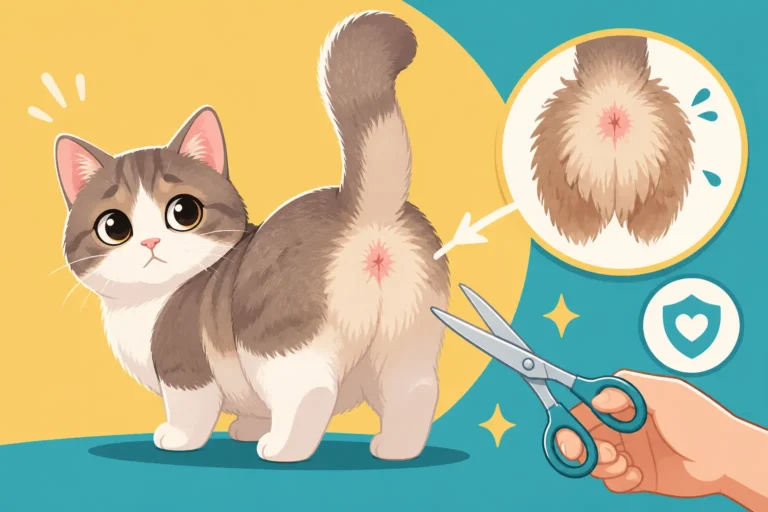
- Sanitary Area: This is a particularly sensitive and crucial spot. The long fur around the anus can easily become soiled after litter box visits, leading to mats, skin irritation, and hygiene issues. Carefully lift the tail and gently brush the fur away from the anal area. For longhaired Munchkins, a regular sanitary clip is often a lifesaver, as detailed in Whether a Munchkin Needs a Hygiene Trim.
- Tail: A longhaired Munchkin's tail can be a magnificent plume, but it's also a mat magnet. Brush it gently, starting from the base and working towards the tip. Hold the tail near the base to avoid pulling on the skin. Use a slicker brush and then a comb.
- Underbelly/Armpits (Hind Quarter Connection): While technically not always "back half," the fur on the lower belly and inner thighs, especially near the armpits (where the leg meets the body), mats easily due to friction and moisture. Gently roll your cat onto their side (if they tolerate it) or support them securely to access these areas. Always use caution and a light touch here, as the skin is very thin.
Remember to work in small sections, always brushing in the direction of hair growth. If you encounter a knot, do not pull.
Dealing with Mats and Tangles Safely
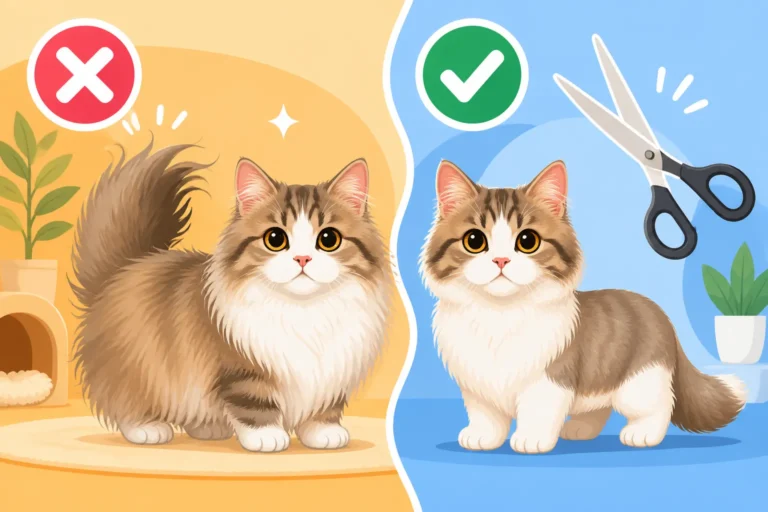
Finding a mat can be disheartening, but knowing how to deal with it safely is paramount to your cat's well-being. The golden rule: never use scissors to cut mats unless you are a trained professional and can clearly see the skin beneath the mat. Cat skin is incredibly thin and loose, making it all too easy to accidentally cut them, leading to painful wounds and vet visits.
For small, loose tangles:
- Finger Teasing: Try to gently tease the knot apart with your fingers first.
- Wide-toothed Comb: Hold the fur at the base of the mat close to the skin (this prevents pulling and pain) and use the wide-toothed end of a metal comb to gently work at the edges of the mat, slowly loosening it strand by strand. Work outwards from the skin.
- Cornstarch or Talcum Powder: A little sprinkle of cornstarch or unscented talcum powder can sometimes help loosen a mat by providing some slip, making it easier to comb through. Rub it in gently and then try combing.
For more stubborn or larger mats:
- Mat Splitter: This tool has small bladed edges designed to cut through a mat rather than pulling it. Use it very carefully, always pointing away from the skin, to make a few cuts through the mat, then try combing again.
- Professional Help: If a mat is large, tight against the skin, or if your cat is clearly in pain or uncooperative, it is always best to seek help from a professional groomer or your veterinarian. They have specialized tools and expertise to safely remove mats, often requiring sedation for severe cases. Ignoring severe mats can lead to skin infections, pain, and restricted movement, as detailed in How Skin Problems Start Under a Munchkin's Mats.
Beyond Brushing: Comprehensive Care for the Back Half
Brushing is undeniably important, but it's only one piece of the puzzle when it comes to keeping a longhaired Munchkin's back half healthy and clean. A truly comprehensive care plan involves several other key practices.
Regular Sanitary Clips and Hygiene Trims
For longhaired Munchkins, a sanitary clip isn't just for aesthetics; it's a vital part of their hygiene and preventative care. This involves carefully trimming the fur around the anus, vulva, or penis, and sometimes the inner thighs, to prevent fecal matter or urine from clinging to the long hair. Without this trim, a Munchkin can easily get "poop butt" – a messy, smelly, and unsanitary situation that can lead to skin irritation, infections, and uncomfortable mats. Whether a Munchkin Can Clean Itself After the Litter Box explains why this is so critical.
How often this is needed depends on your individual cat's growth rate and cleanliness habits, but typically it's every 4-8 weeks. You can learn to do a basic sanitary trim yourself with pet-specific clippers, but many owners prefer to have a professional groomer handle it. Groomers are skilled at working with sensitive areas and minimizing stress for your cat. Don't underestimate the impact this simple trim can have on your Munchkin's comfort and hygiene.
Diet and Supplements for Coat Health
What goes into your Munchkin's body has a direct impact on the quality of their coat. A healthy, shiny coat is less prone to matting and breakage, making it easier to groom. Conversely, a poor diet can lead to a dull, dry, and brittle coat that tangles more easily.
Look for high-quality cat foods that list real meat as the first ingredient and contain a good balance of essential fatty acids, particularly Omega-3 and Omega-6. These fatty acids are crucial for skin and coat health, promoting a lustrous, resilient coat.
You can also consider adding coat-specific supplements to their diet, such as fish oil (ensure it's formulated for cats and vet-approved) or supplements containing biotin. Always consult your veterinarian before introducing any new supplements to ensure they are appropriate for your cat's specific health needs and don't interact with any existing medications or conditions.
Preventing Debris and Moisture Accumulation
Given that a Munchkin's back half sits so close to the ground, proactive measures to minimize contact with debris and moisture are incredibly helpful.
- Litter Box Maintenance: This is perhaps the most significant environmental factor. Use a low-entry litter box that your Munchkin can easily step into without having to jump, which also protects their joints. Keep the litter box meticulously clean, scooping at least twice a day, and performing a full litter change regularly. Consider using a fine-grained, low-dust litter that is less likely to cling to their fur. For more on this, see Why a Munchkin's Belly Fur Needs Checking.
- Flooring Choices: If possible, minimize areas with carpet that can hold onto debris and create static electricity, which encourages tangles. Hard floors are easier to keep clean, and strategically placed rugs (that are regularly cleaned) can provide traction without accumulating too much dirt.
- Cleanliness Routines: If your Munchkin is particularly adventurous or has a slightly longer coat in the sanitary area, a quick wipe with a pet-safe grooming wipe after each litter box visit can make a huge difference. This helps prevent any residual moisture or particles from drying into mats.
- Catio/Outdoor Access: While Munchkins are generally indoor-only cats for their safety, some owners provide supervised catio access. Ensure any outdoor catio is kept immaculately clean, free of dirt, leaves, or damp patches that can cling to fur.
Recognizing and Addressing Potential Problems
Even with the most diligent grooming routine, issues can sometimes arise. Knowing what to look for and when to seek professional help is critical for your Munchkin's well-being.
Signs of Neglected Grooming
The consequences of insufficient grooming for a longhaired Munchkin can range from minor discomfort to serious health issues. It's important to be vigilant and recognize the signs early:
- Mats and Pelts: These are the most obvious signs. Mats start as small tangles but can quickly grow into large, dense masses that pull on the skin, causing pain and restricted movement. In severe cases, multiple mats can join together to form a solid "pelt" over a large area of the body.
- Skin Irritation and Redness: Underneath mats, the skin cannot breathe properly and can become irritated, red, and inflamed. This is particularly common in the sanitary area or where moisture gets trapped.
- Foul Odor: Mats and soiled fur can trap moisture and bacteria, leading to a strong, unpleasant odor. This often indicates a lack of hygiene and potential skin infection.
- Changes in Gait or Movement: If a mat is particularly painful or restrictive, your Munchkin might walk stiffly, refuse to jump (even onto low furniture they usually access), or become reluctant to move. This is a clear indicator of discomfort.
- Excessive Licking or Chewing: A cat trying desperately to remove a mat or alleviate discomfort might lick or chew excessively at a particular spot, potentially causing skin lesions.
These issues are not just cosmetic; they pose real health risks. Unattended mats can harbor parasites, cause open sores, and even lead to systemic infections. Recognizing these signs early allows for quicker intervention and prevents escalation of discomfort and health problems.
When to Seek Professional Grooming or Vet Intervention
There are times when even the most dedicated owner needs to call in the cavalry. Knowing when to seek professional help can save your Munchkin from unnecessary pain and stress.
You should consider a professional groomer when:
- Extensive Matting: If your Munchkin has developed multiple large or tight mats that you cannot safely remove at home, a professional groomer has the tools and expertise to shave them out without injury. They are equipped to handle uncooperative cats more safely.
- Cat Resistance: If your Munchkin becomes overly stressed, aggressive, or fearful during home grooming, forcing the issue can damage your bond and make future care impossible. A professional might have techniques to make the experience less traumatic, or recommend sedation if necessary.
- Sanitary Trims: If you're uncomfortable performing sanitary clips yourself, a groomer can do it efficiently and safely. How Often a Munchkin's Hindquarters Need a Groomer is a good article to review if you're considering this option.
A visit to the veterinarian is warranted if:
- Skin Infections: If you notice raw, red, pus-filled, or bleeding skin under mats, or if there's a strong, persistent odor, it indicates a skin infection that requires medical attention.
- Pain or Lameness: Any signs of pain, limping, or significant changes in movement related to the mats should prompt a vet visit. The vet can assess for underlying injuries or infections.
- Behavioral Changes: Lethargy, loss of appetite, or extreme withdrawal could be signs that your cat is in significant pain or distress due to neglected grooming.
Remember, attempting to remove severe, tightly pelted mats yourself can cause immense pain to your cat and potentially injure them. Don't hesitate to seek expert help; their comfort and health are paramount.
Long-Term Outlook for Back-Half Grooming
Caring for a longhaired Munchkin means accepting that regular, attentive grooming is a lifelong commitment. Their unique physical structure and beautiful coats require ongoing effort, but the rewards are immeasurable: a healthy, comfortable, and happy companion.
As your Munchkin ages, their grooming needs might change. Older cats, like their human counterparts, can become less flexible and might develop arthritis or other mobility issues, making self-grooming even more challenging. You might notice they stop attempting to clean certain areas, or their coat quality declines. This is when your role as their primary groomer becomes even more critical. You'll need to increase your home grooming frequency and potentially adjust your tools or techniques to be extra gentle. How to Take Over an Old Munchkin's Grooming offers valuable insights for senior cats.
By embracing this responsibility from kittenhood and adapting your routine as needed, you're not just maintaining a coat; you're nurturing a bond and ensuring your beloved Munchkin lives their fullest, most comfortable life. It’s a testament to the love and dedication of a Munchkin cat parent.
Disclaimer
This article is for general informational purposes only and does not constitute professional advice. Laws, prices and regulations vary by location and change over time. Consult a qualified professional for guidance on your specific situation.