Why a Munchkin’s Rear Needs Trimming It Cannot Do Itself
If you've ever owned a Munchkin cat, you know their adorable short legs are what make them so unique. But what many new owners don't realize until they bring their little furball home is that those very same short legs present a genuine challenge when it comes to self-grooming, especially for their rear end. This often leads to messy, uncomfortable, and even unhealthy situations for your beloved pet. This guide will walk you through exactly why your Munchkin cat struggles with hindquarter hygiene and, more importantly, how you can proactively help them stay clean, healthy, and happy.
The Physical Reality of Short Legs and Grooming
It's easy to assume all cats are master groomers, and in many ways, they are! Their incredible flexibility, long limbs, and rough tongues are perfectly adapted for keeping themselves pristine from head to tail. However, the Munchkin cat's distinctive physical traits mean they just can't perform certain essential grooming tasks as effectively as their long-legged counterparts.
Why Normal Cats Can Reach, and Munchkins Can't
Think about how a typical cat grooms its hindquarters. They'll twist their spine, arch their back, and stretch a leg, sometimes even bringing their rear up towards their mouth or using their hind paws to scratch and clean those hard-to-reach spots. It's a gymnastic feat that we often take for granted! They have the leverage and the reach to get to every nook and cranny, ensuring that any stray bits of litter, dingleberries, or urine residue are swiftly dealt with. Their long, lithe bodies allow for a full range of motion that is simply not available to a Munchkin.
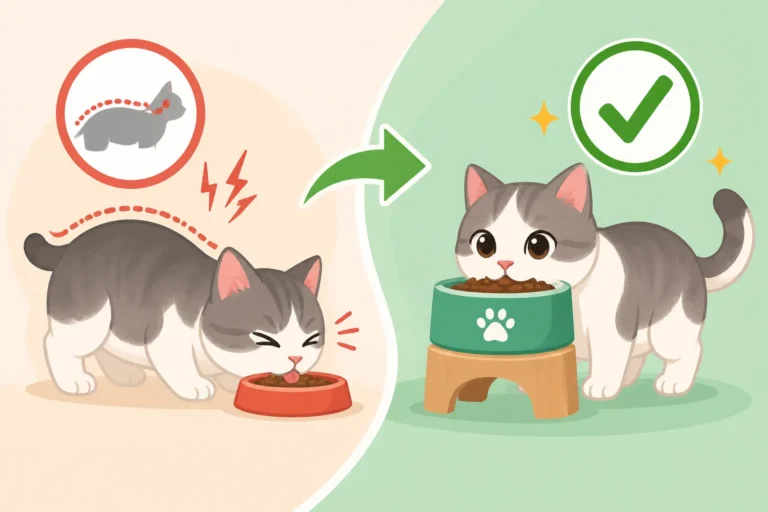
Now, picture a Munchkin trying to do the same. Their short legs, while adorable, significantly limit their ability to bend and twist in the same way. The distance from their mouth to their anus, or the top of their hind legs, is a much greater anatomical challenge for them. They might try, oh, how they try! You'll see them making valiant efforts, sometimes ending in a comical, slightly frustrated wobble. But despite their best intentions, the physical mechanics just aren't there for a complete, thorough self-cleaning of their entire posterior. Why a Munchkin's Legs Are Short but Its Body Is Not Their body length is normal, which means the areas needing grooming are still the same distance away from their head as a regular cat, but their tools to reach them are drastically shortened.
The Anatomy of the Hard-to-Reach Spots
Let's get a little specific about where the trouble spots are. For a Munchkin, the primary areas that become problematic are right around the anus, the underside of the tail (especially if it's fluffy), and the backs of their hind legs. Sometimes, depending on their build, even the lower belly can be a tricky zone. These are, ironically, precisely the areas that get the dirtiest.
Every time your Munchkin uses the litter box, there's a chance that tiny bits of fecal matter, urine droplets, or sticky litter particles can get stuck in the fur around their perineum. For a long-haired Munchkin, this is almost a guarantee. The fur acts like a magnet for these things, and without the ability to adequately lick, rub, or scratch them away, they simply accumulate. Imagine trying to clean mud off the back of your knees with your chin – it's just not going to work effectively! These areas are not just important for general cleanliness; they're also sensitive and prone to irritation if neglected.
The Unpleasant Consequences of Neglected Rear Grooming
When a Munchkin cat can't properly groom its hindquarters, it's not just a minor inconvenience. It can lead to a cascade of uncomfortable and potentially serious health issues that are entirely preventable with a little human intervention.
Matting and Skin Irritation
One of the most common and distressing consequences of inadequate hindquarter grooming is matting. This is particularly prevalent in long-haired Munchkins, but even short-haired varieties can develop dense, uncomfortable clumps of fur, often referred to as "dingleberries" or "poop pelts." These mats aren't just unsightly; they're painful. They pull on the cat's delicate skin, causing constant discomfort and restricting movement. Imagine having a tight knot of hair constantly tugging at your skin – it's no fun for anyone.
Beyond the physical discomfort of pulling, mats create a perfect breeding ground for bacteria and parasites. Trapped moisture, dirt, and warmth beneath a mat can lead to skin irritation, rashes, and even open sores. These areas can become infected, leading to a much more significant veterinary problem than a simple trim could have prevented. It's a vicious cycle: the mats form, the skin gets irritated, the cat tries to groom but can't reach, and the problem only escalates. How Skin Problems Start Under a Munchkin's Mats This is why owners often report their Munchkin becoming withdrawn or irritable when mats develop in these sensitive areas. Whether Matting Becomes a Health Problem in a Munchkin
Hygiene Issues and Health Risks
Beyond mats, poor hindquarter hygiene leads to a host of other unpleasant problems. Fecal matter, urine, and litter can become persistently trapped in the fur. This isn't just gross; it's a genuine health risk. The constant presence of waste products can cause a foul odor, make your cat constantly feel dirty, and significantly increase the risk of bacterial infections, especially urinary tract infections (UTIs) if urine repeatedly saturates the fur around the urethra.
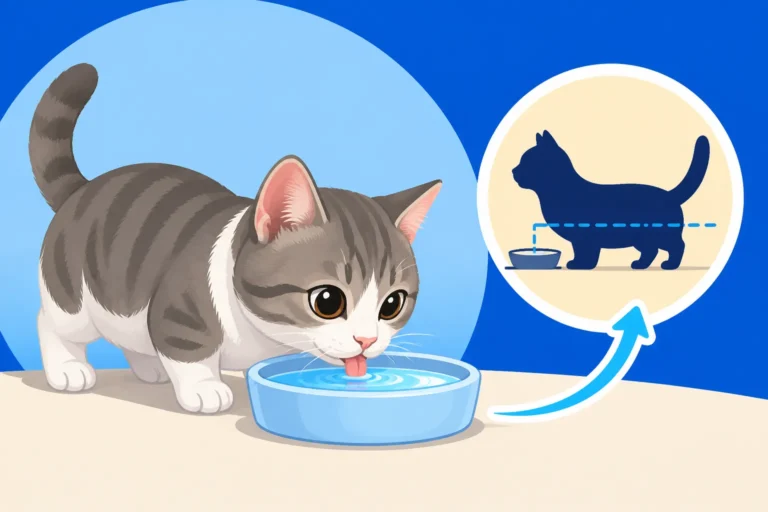
The skin around the anus and vulva or penis is very delicate. Constant exposure to irritants can lead to inflammation, itching, and pain. It can even become so severe that the cat resists defecating or urinating due to the discomfort, leading to further complications. Moreover, Munchkins, with their low-slung bodies, are often more prone to picking up debris from the litter box or the floor. Why a Munchkin's Belly Nearly Touches the Floor This close proximity to the ground means that not only are their hindquarters exposed, but their lower belly fur can also become soiled, requiring even more diligent attention from you.
Practical Solutions: How to Help Your Munchkin Stay Clean
The good news is that you, as a loving Munchkin owner, can easily step in to bridge this grooming gap. With a little care and the right tools, you can keep your cat's hindquarters spotless and comfortable.
The Importance of Regular Sanitary Trims
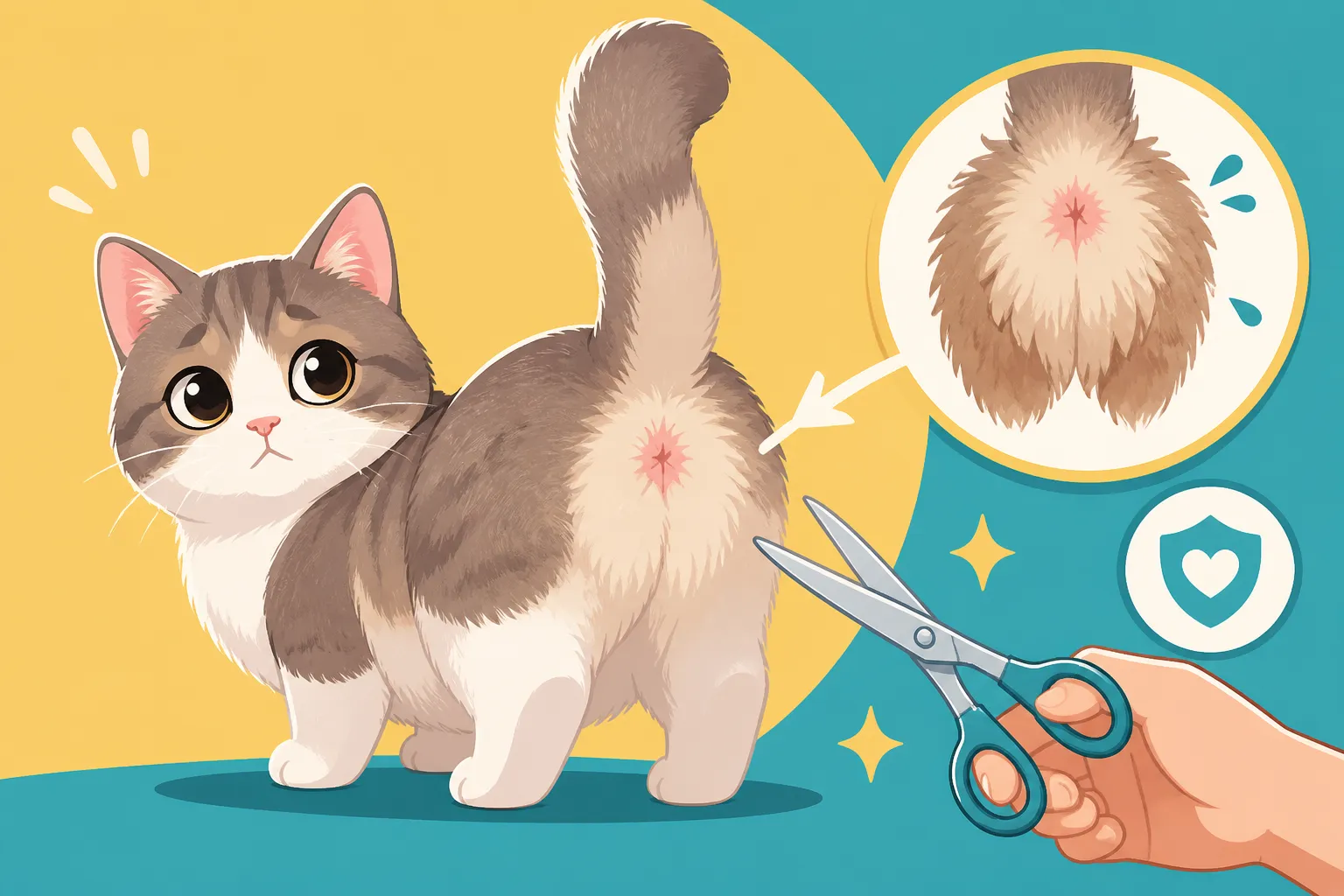
A sanitary trim, sometimes called a "hygiene clip" or "butt shave," is probably the most effective way to help your Munchkin with its rear-end hygiene. This involves carefully clipping the fur short around the anus, the perineum, and often the backs of the hind legs. This isn't about giving your cat a fancy haircut; it's a vital health measure. By keeping this fur short, you eliminate the surface area where waste and litter can cling, making it much easier for your cat (and you!) to maintain cleanliness. Whether a Munchkin Needs a Sanitary Clip
How often is "regular"? It really depends on your Munchkin's coat type and how quickly their fur grows. A long-haired Munchkin might need a trim every 4-6 weeks, while a short-haired one might only need it every 2-3 months. Pay attention to how quickly the fur starts to collect debris. While some adventurous owners might learn to do this themselves, it's often best to consult a professional groomer, especially for the first few times. They have the specialized tools, experience, and gentle touch to make the process as stress-free as possible for your cat. Many vets also offer this service, which can be a good option if your cat is particularly sensitive. Why a Munchkin Owner Books a Groomer for the Hindquarters
Tools and Techniques for At-Home Grooming (if comfortable)
If you decide to tackle the sanitary trim at home, gather your supplies and prepare for a calm, patient session. The key is safety and making it a positive experience for your cat.
Essential Tools:
- Blunt-Tipped Scissors: These are crucial for safety. The blunt tips reduce the risk of accidentally poking your cat's delicate skin. Use them for careful detail work or snipping small tangles.
- Small Electric Trimmers: Often called "paw trimmers" or "face trimmers," these are quiet, cordless, and specifically designed for sensitive areas. They're generally safer and more efficient for larger areas than scissors. You can find a great selection of pet clippers on Chewy or Amazon. Look for models that are quiet and have ceramic blades to reduce heat.
- Fine-Toothed Comb: Essential for brushing out the fur before and after trimming, and for checking for any lingering mats.
- Pet Grooming Wipes: Hypoallergenic, pet-safe wipes are fantastic for daily spot cleaning, especially if your Munchkin has a messy litter box visit.
- Styptic Powder: Keep this on hand just in case of a minor nick (accidents happen, even with the utmost care).
Technique for a Sanitary Trim:
- Preparation is Key: Find a quiet, well-lit area where your cat feels comfortable. Have all your tools ready. You might need a helper to gently hold your cat, or if your cat is cooperative, you can do it yourself while they're relaxed.
- Calm Your Cat: Offer treats, speak in a soothing voice, and pet them gently. Never force your cat. If they're stressed, try again later.
- Lift the Tail: Gently lift your cat's tail straight up, away from their body, to expose the area around the anus. Be very careful and gentle.
- Comb First: Use your fine-toothed comb to gently brush the fur away from the anus. This helps you see what you're doing and remove any loose fur or debris. If you encounter mats, try to gently tease them out with the comb first. If they're too tight, you'll need the clippers or scissors. How to Groom a Munchkin's Hindquarters
- Trim Carefully:
- With Scissors: Use only the very tips of the blunt-tipped scissors. Point them away from the skin. Snip small amounts of fur at a time. Never cut close to the skin. Pull the fur gently upwards and snip the ends, leaving about half an inch to an inch of fur.
- With Trimmers: Hold the skin taut with one hand and gently glide the trimmer through the fur, moving with the direction of hair growth first, then against it for a closer trim if needed. Be mindful of skin folds and never press the trimmer directly against the skin. Start with a longer guard comb if you're nervous, and you can always go shorter.
- Focus on the "Landing Strip": Create a clear, short-haired area around the anus and down the backs of the hind legs where waste might typically collect. You don't need to shave the entire rear; just create a clean zone.
- Check for Mats: Even if you're not doing a full trim, regular brushing of the hindquarters is crucial. Use a comb to check for any burgeoning mats and gently work them out before they become a problem.
- Positive Reinforcement: Always reward your cat with treats, praise, and cuddles after a grooming session, even if it was short. This helps them associate grooming with positive experiences.
Preventing Future Problems and Maintaining Overall Well-being
Beyond direct grooming, there are several lifestyle adjustments you can make to further support your Munchkin's hindquarter hygiene and overall health.
Maintaining a Clean Environment
Your Munchkin's immediate environment plays a huge role in how clean their hindquarters stay. Start with the litter box. Consider the type of litter you use. Fine clay litters, while good for clumping, can sometimes cling more readily to a Munchkin's low belly fur. Larger, less clingy pellets or crystal litter might be a better choice for some cats. Which Litter Suits a Munchkin's Low Belly
More importantly, invest in a low-entry litter box. A Munchkin's short legs mean that a standard high-sided litter box can be difficult, if not painful, to enter and exit, especially as they age. A low-entry box makes it much easier for them to get in and out gracefully, reducing the chance of them accidentally dragging their rear through soiled litter or stepping in their own waste. Which Litter Box a Munchkin Can Actually Enter Moreover, keep the litter box meticulously clean. Scooping multiple times a day is ideal to minimize the amount of waste that could potentially stick to your cat's fur.
Weight Management and Diet Considerations
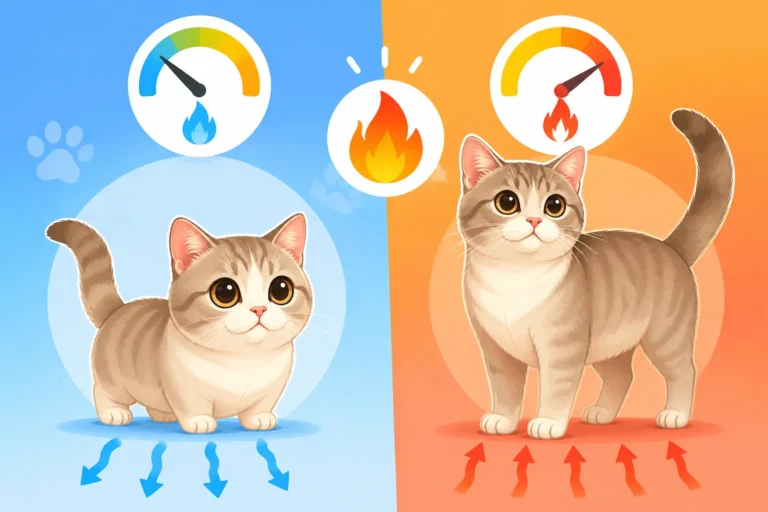
Weight management is perhaps one of the most critical aspects of care for a Munchkin cat. Every extra pound your Munchkin carries puts additional strain on their unique spine and short legs. This excess weight also makes it even harder for them to attempt any self-grooming, exacerbating the problem of dirty hindquarters. Imagine trying to bend and twist with extra weight – it's significantly more challenging. Why Weight Is More Dangerous on a Munchkin Keeping your Munchkin at a healthy, lean weight is not just good for their joints and spine; it directly contributes to their ability to move, play, and even attempt to groom themselves more comfortably.
Their diet also plays a role in coat health. A high-quality diet rich in appropriate proteins and healthy fats (like Omega-3s) can contribute to a healthier, less greasy coat that is less prone to matting. Discussing your Munchkin's nutritional needs with your vet can help ensure they're getting everything they need. Furthermore, consider joint supplements as part of their long-term care plan, especially as they get older. While they won't directly clean your cat's bottom, comfortable movement allows for better mobility overall, making any limited self-grooming attempts or your assistance less painful for them.
By understanding the unique challenges your Munchkin faces and implementing these practical grooming and care strategies, you can ensure your adorable companion lives a clean, comfortable, and joyful life.
Disclaimer
This article is for general informational purposes only and does not constitute professional advice. Laws, prices and regulations vary by location and change over time. Consult a qualified professional for guidance on your specific situation.