Which Litter Suits a Munchkin’s Low Belly
It's no secret that our short-legged Munchkin companions are just a little bit different, and those adorable low-slung bodies can sometimes present unique challenges when it comes to everyday essentials like their litter box. If you've ever found your sweet cat tracking more litter than seems normal, or noticed them looking a bit uncomfortable trying to do their business, you're not alone. This guide is all about diving deep into the world of cat litter to help you find the perfect match for your Munchkin's low belly, ensuring their comfort, cleanliness, and overall happiness.
Understanding the Unique Challenges of a Munchkin's Low Belly and Litter Boxes
Our Munchkins are truly special, known for their charming personalities and those unmistakable short legs. But these very features, while endearing, mean they navigate their world from a lower perspective, which can turn something as simple as using the litter box into a bit of a hurdle. It's not just about getting into the box; it's about what happens once they're inside.
Why Traditional Litter Poses a Problem for Munchkins
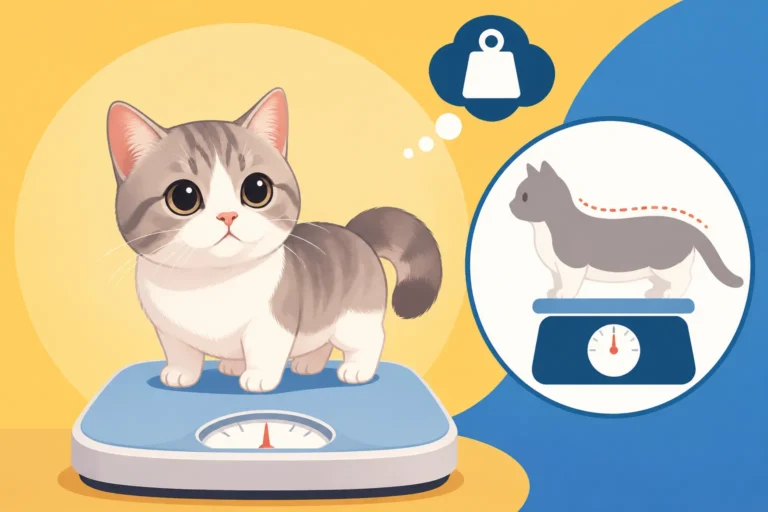
Imagine trying to wade through deep snow with very short legs. That's a bit like what a Munchkin experiences with a standard amount of traditional cat litter. Their unique anatomy means their belly sits much closer to the ground than a long-legged cat's. When they step into a litter box filled with several inches of litter, their underside can often drag right through it. This isn't just a minor inconvenience; it leads to a host of issues.
Firstly, hygiene becomes a real concern. As their belly glides across the litter, particles can easily cling to their fur, especially if they have longer hair. This means they might track litter throughout your home after every bathroom trip, and worse, they might ingest it during grooming. Beyond that, the constant contact with potentially soiled or damp litter can irritate their delicate skin, leading to rashes or discomfort. It’s a frustrating cycle for both you and your cat. We want them to feel clean and comfortable, not emerge from the box needing a wipe-down.
The Importance of a Low-Entry Litter Box and its Impact on Litter Choice
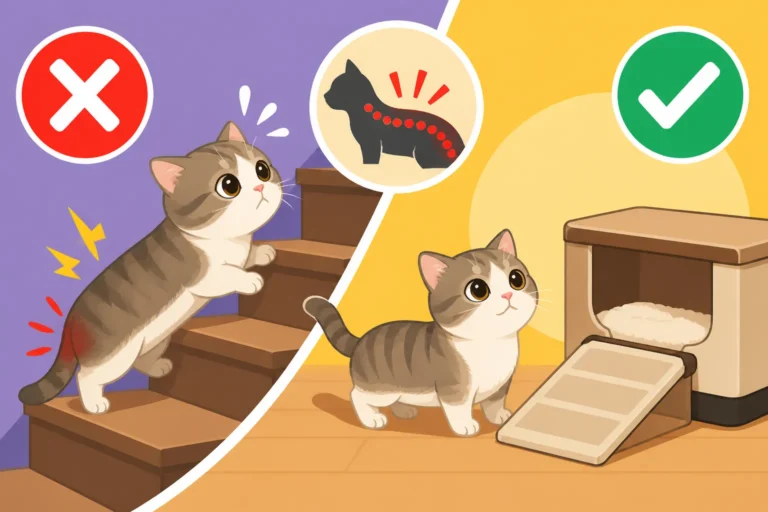
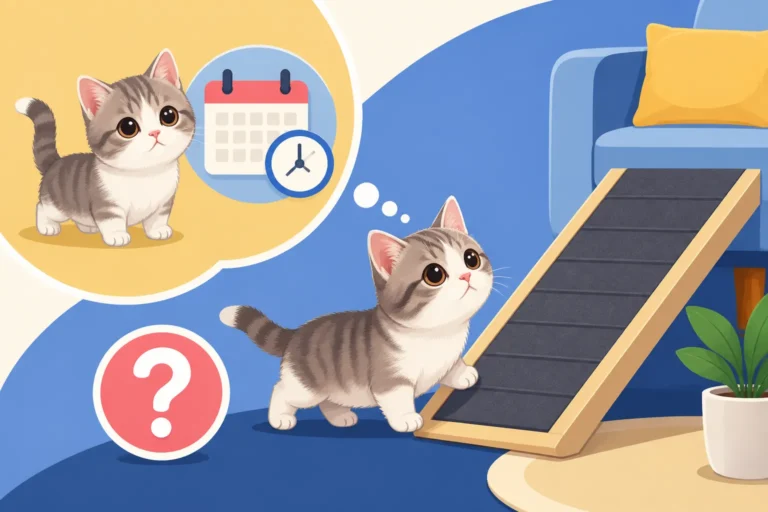
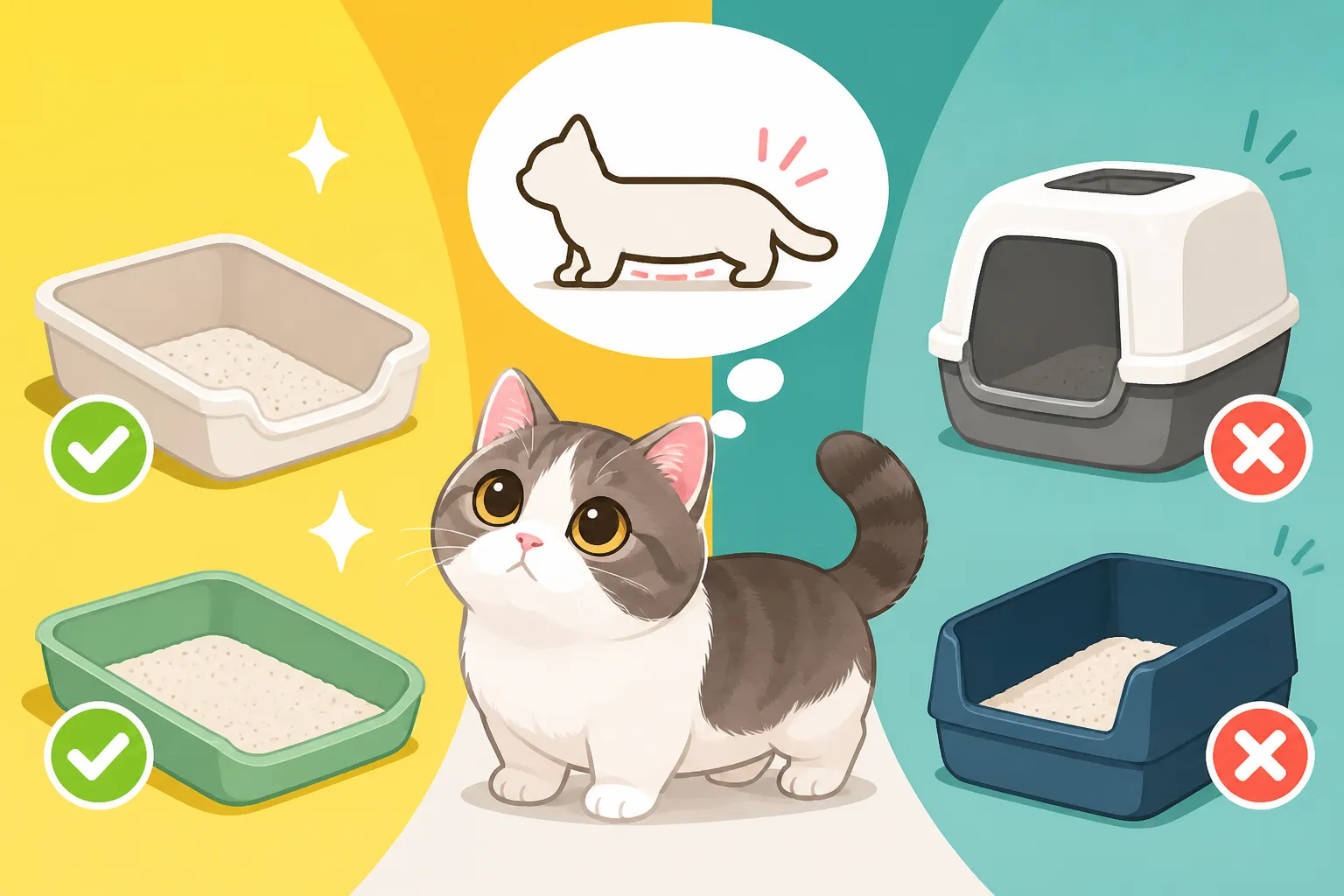
Before we even get to the type of litter, it’s crucial to acknowledge the foundation: the litter box itself. For a Munchkin, a low-entry litter box isn't a luxury; it's a necessity. Their short legs simply can't manage the high walls of a standard box without a strenuous climb, which can put unnecessary strain on their joints over time. You want them to be able to Which Litter Box a Munchkin Can Actually Enter with ease, stepping in rather than vaulting.
However, even with the perfect low-entry box, the problem of the low belly dragging in the litter remains. A low-entry box solves the access problem, but not necessarily the contact problem. This is precisely why your choice of litter becomes so critical. If the litter is too fine and dusty, it's more likely to stick. If it's too coarse, it might be uncomfortable under their sensitive belly. The right litter, combined with the right box, creates a seamless and clean experience for your Munchkin, preventing those annoying litter trails and promoting better hygiene. It's a holistic approach to their bathroom habits.
Exploring Different Litter Types and Their Suitability for Munchkins
The market is flooded with various types of cat litter, each promising superior odor control, clumping ability, or eco-friendliness. But for a Munchkin owner, the priority shifts slightly: what will minimize clinging to that low belly and keep them comfortable? Let's break down the common options and see how they stack up for our short-legged friends.
Clumping Clay Litter: Pros, Cons, and Munchkin Considerations
Clumping clay litter is, without a doubt, the most popular choice for cat owners. It's widely available, relatively affordable, and its clumping action makes scooping soiled waste incredibly easy, aiding in odor control. Many cats are accustomed to its texture, and it generally does a good job of neutralizing unpleasant smells. For a typical cat, it's a perfectly fine solution that serves its purpose well.
However, for a Munchkin, clumping clay litter often presents some significant drawbacks. The main issue is dust. Even "low-dust" formulas can produce a considerable amount of fine particulate matter, especially when stirred up by a cat scratching around. Because a Munchkin spends so much time close to the ground, they are far more likely to inhale this dust, which can irritate their respiratory system over time. Furthermore, the fine clay particles have a remarkable ability to stick to fur, meaning a Munchkin's low belly and hindquarters can become coated, leading to more tracking and requiring more frequent grooming. Some clay litters can also be quite heavy when saturated, making it harder for a Munchkin to comfortably navigate a deeper layer, and they are more prone to becoming embedded in the fur if wet.
Silica Gel (Crystal) Litter: Is It a Good Option for Short Legs?
Silica gel litter, often referred to as crystal litter, offers a distinct alternative to clay. Its main advantages are exceptional odor control and moisture absorption. These crystals can soak up a remarkable amount of liquid, and their low-dust nature is a huge plus, especially for cats with respiratory sensitivities or owners tired of dusty paw prints. Many people find crystal litter tracks less than fine clay, as the larger, heavier crystals don't stick to paws as readily.
For a Munchkin, the low-dust aspect is certainly appealing. Being closer to the ground, they benefit greatly from cleaner air in their immediate vicinity. However, the texture of silica gel litter can be a sticking point. The crystals can be quite coarse and sharp-edged. While they might be less prone to clinging to fur in the same way fine clay does, they could potentially be uncomfortable or even irritating for a Munchkin's soft belly as it drags across the surface. Think about how it feels to step on small stones with bare feet versus soft sand. Cats have sensitive paw pads, and a delicate belly dragging over sharp crystals might deter some Munchkins from using the box comfortably, or even lead to minor skin irritation. It's a trade-off between dust and texture, and some Munchkins might simply find it too abrasive.
Natural/Eco-Friendly Litters (Wood, Paper, Corn, Wheat): A Deeper Dive
The growing popularity of natural and eco-friendly cat litters brings a whole new array of options, often derived from renewable resources like wood, paper, corn, or wheat. These litters appeal to owners looking for sustainable choices, and many offer benefits that could be advantageous for Munchkins.
- Wood Pellets: Typically made from compressed sawdust, these pellets are known for excellent odor absorption and being very low in dust. They often have a natural, pleasant scent. For Munchkins, the low dust is a big plus. However, when wet, wood pellets break down into fine sawdust, which can then cling to a low belly and be tracked. While initially large, the crumbled, wet sawdust can become problematic.
- Recycled Paper Pellets: These are generally soft, highly absorbent, and almost entirely dust-free. They are gentle on paws and, by extension, on a Munchkin's belly. The softness is a huge advantage, making them very comfortable. The downside is that they don't always offer the best odor control compared to clay or silica, and they can get quite mushy when wet, which might still cling to fur. They are biodegradable and flushable in small amounts, which is convenient.
- Corn and Wheat Litter: These plant-based litters are clumpable, biodegradable, and often lower in dust than traditional clay. They utilize natural enzymes for odor control. For Munchkins, the lower dust and clumping ability are good points. However, some varieties can have a distinct natural scent that might not appeal to all cats (or owners), and there's a minor concern about potential mold growth if not scooped diligently, especially in humid environments. They can also still cling to fur when wet, much like fine clay, but usually less so.
- Tofu Litter: Emerging as another natural contender, tofu litter is often praised for its excellent clumping, superior odor control, and near dust-free nature. It's soft and gentle, which is fantastic for a Munchkin's sensitive skin and paws. It's also often flushable. The main drawback tends to be its higher price point compared to other options, but for the benefits it offers a Munchkin, it could be a worthwhile investment. You can find these kinds of specialized litters from retailers like Chewy or Amazon, which often have a wider selection of natural products.
Each of these natural options presents its own unique texture and absorbent properties, so careful consideration of how they interact with a Munchkin's low-slung body is key. The goal is to find something that doesn't just work, but works better for their specific needs.
Key Features to Prioritize When Choosing Litter for a Munchkin
When you're trying to choose the perfect litter for your short-legged friend, it's not just about what smells good or clumps well. For a Munchkin, specific characteristics related to their unique physique move to the top of the priority list. Focusing on these features can dramatically improve their comfort and your home's cleanliness.
Dust-Free or Low-Dust Formulas: A Must-Have for Respiratory Health
This is arguably one of the most critical factors for any cat, but it's amplified for a Munchkin. Because their bodies are so close to the ground, they are quite literally breathing in whatever particles are kicked up from the litter box. Traditional clay litters, even those labeled "99% dust-free," can still produce a fine cloud that can irritate a cat's delicate respiratory system. Over time, this constant exposure could potentially contribute to or exacerbate respiratory issues.
Opting for truly dust-free or very low-dust alternatives, like many paper or tofu litters, or high-quality silica gel, is a proactive step towards protecting your Munchkin's health. Not only does it benefit their lungs, but it also means less dust settling on their fur and being tracked around your house. Imagine the relief of not seeing tiny dust clouds rise every time your cat uses the box. This simple change can make a significant difference in their long-term well-being and the cleanliness of their immediate environment.
Soft Texture and Fine Granulation: Comfort and Cleanliness
Beyond dust, the physical texture of the litter is paramount for a Munchkin. Their sensitive paw pads and, more importantly, their belly, are in direct contact with the litter. A rough, coarse, or sharp texture can be unpleasant, leading a cat to try and "tip-toe" or rush their business, or even avoid the box altogether. We want their litter box experience to be as comfortable and inviting as possible.
Look for litters that are described as soft, gentle, or fine-grained. Recycled paper pellets, certain types of soft tofu litter, or very fine, smooth clumping clay (though remember the dust consideration here) can offer a more pleasant feel. These softer textures are less likely to irritate their skin as their belly drags, and while very fine particles can stick to fur, a smooth particle is generally easier to dislodge than a sharp, angular one. The goal is a litter that feels like soft sand or smooth pebbles rather than jagged gravel, promoting both physical comfort and reducing the risk of skin irritation from repeated contact.
Odor Control and Absorption: Keeping the Environment Fresh
While dust and texture address comfort and physical contact, odor control and absorption are still non-negotiable for a clean environment. Even the most comfortable litter won't be effective if it leaves your home smelling unpleasant. Good absorption is particularly important for Munchkins because it helps prevent wet litter from clinging to their fur. A litter that quickly wicks away moisture and locks it in means less saturated material for their low belly to drag through.
Many litters achieve odor control through various methods: activated charcoal, baking soda, or natural plant-based enzymes. Consider litters that boast strong, natural odor neutralization rather than heavy artificial perfumes, which can also be irritating to a cat's sensitive nose and lungs. Litters with excellent clumping ability, whether clay or natural, also contribute significantly to odor control by allowing you to remove soiled waste efficiently. This combination of quick absorption and effective odor locking will not only keep your home smelling fresh but will also ensure your Munchkin is stepping into a cleaner, drier litter box each time, reducing the chances of Why a Munchkin Carries Litter on Its Underside.
Practical Tips for Managing Litter with a Munchkin's Low Belly
Choosing the right litter is a fantastic start, but successful litter box management for a Munchkin involves a few more practical considerations. Their unique build means we need to adapt our routines and environment slightly to ensure they stay clean, comfortable, and happy. It's about thinking proactively to prevent problems before they even arise.
Optimizing Litter Depth and Box Maintenance
One of the simplest yet most effective adjustments you can make for your Munchkin is to control the depth of the litter. While many conventional litter boxes are filled with 3-4 inches of litter, this can be far too much for a Munchkin whose belly is so close to the ground. Aim for a shallower depth, perhaps 1.5 to 2 inches, especially if you're using a clumping litter. This reduces the amount of litter their belly comes into contact with, minimizing clinging and discomfort. You'll still want enough litter for good absorption and clumping, but finding that sweet spot is key. You can find more detailed recommendations on How Deep a Munchkin's Litter Should Be.
Because you're using less litter, diligent and frequent scooping becomes even more crucial. Scoop the box at least once, preferably twice, daily. This prevents soiled or wet litter from accumulating, which is the primary cause of clinging to fur and unpleasant odors. Regular scooping also means you're reducing the overall moisture in the box, making it a much more pleasant and hygienic experience for your low-slung cat.
Grooming and Hygiene Routines: Beyond the Litter Box
Even with the best litter and optimized depth, a Munchkin's low belly and hindquarters are still more prone to getting dirty or accumulating stray litter particles than a long-legged cat's. This means that a consistent grooming routine becomes an integral part of their overall care. For long-haired Munchkins especially, daily brushing of their back half and belly is highly recommended. This helps remove any loose litter, prevents matting, and allows you to check for any skin irritation. You might find some excellent grooming tools and supplies on platforms like Amazon or Chewy to make this task easier.
Consider a "sanitary clip" for your Munchkin, particularly if they have longer fur around their hindquarters. This involves carefully trimming the fur short around their bottom, which significantly reduces the surface area for waste or litter to cling to. It's a simple procedure that many groomers or even your vet can perform, and it can make a huge difference in their cleanliness. Regular checks for mats, especially in hard-to-reach areas, are vital, as Whether Matting Becomes a Health Problem in a Munchkin. Being proactive with grooming keeps them comfortable and hygienic.
Trial and Error: Finding Your Munchkin's Preferred Litter
Despite all the advice and recommendations, remember that every cat is an individual with their own preferences. What one Munchkin adores, another might turn their nose up at. The journey to finding the "perfect" litter is often one of trial and error, and that's perfectly normal. Don't be discouraged if the first new litter you try isn't an instant success.
When introducing a new litter, do so gradually. Mix a small amount of the new litter with their current litter, slowly increasing the proportion of the new over several days to a week. This allows your Munchkin to adjust to the new texture and scent without feeling overwhelmed. Pay close attention to their behavior: Are they using the box consistently? Do they seem comfortable? Is there less tracking? If you notice any hesitation or accidents outside the box, it might be a sign that the new litter isn't to their liking. Observing your cat is your best guide, and with a little patience, you'll find the litter that makes your adorable, low-riding Munchkin truly happy.
| Litter Type | Key Features | Pros for Munchkins | Cons for Munchkins | Best For (Munchkin Owner Priorities) |
|---|---|---|---|---|
| Clumping Clay | Widely available, strong odor control, easy clumping | Familiar, affordable, generally good absorption | Dusty, prone to clinging to low belly fur, can be heavy | Budget-conscious, cats accustomed to clay, owners with good ventilation |
| Silica Gel (Crystal) | High absorption, excellent odor control, low dust | Very low dust (good for respiratory issues), good absorption | Potentially sharp texture on belly/paws, higher cost | Owners prioritizing dust-free and odor-free, less frequent litter changes |
| Wood Pellets | Natural, low dust, good odor absorption, eco-friendly | Low dust, natural scent, soft initially | Breaks down into sawdust when wet (can cling), less effective clumping | Eco-conscious, seeking natural options, willing to manage sawdust |
| Recycled Paper Pellets | Very soft, highly absorbent, almost no dust | Extremely gentle on paws and belly, minimal dust | Less odor control than some, can get mushy when wet, may cling | Sensitive paws/belly, dust-averse, highly prioritize softness |
| Corn/Wheat Litter | Natural, clumpable, biodegradable, lower dust than clay | Lower dust, natural, eco-friendly, clumps well | Can have distinct scent, potential for mold if not scooped diligently, may still cling when wet | Eco-conscious, seeking clumpable natural, willing to monitor for scent |
| Tofu Litter | Excellent clumping, superior odor control, dust-free | Very soft, gentle, almost no dust, flushable | Higher price point, not as widely available | Prioritizing premium comfort, cleanliness, and eco-friendliness |
Disclaimer
This article is for general informational purposes only and does not constitute professional advice. Laws, prices and regulations vary by location and change over time. Consult a qualified professional for guidance on your specific situation.