Whether a Munchkin’s Bed Should Be Raised at All
One common concern I hear from new Munchkin cat parents, or even those considering bringing one of these adorable, short-legged furballs into their home, revolves around their physical limitations – or perceived limitations, anyway. Specifically, a lot of folks wonder about mundane things like their cat's bed. It’s natural to want to provide the comfiest, coziest spot for your feline friend, but with a Munchkin, the usual assumptions about cat beds, especially those with some height, just don't apply. This guide is all about tackling that question head-on: should a Munchkin's bed be raised at all, and if so, how do we make sure it’s safe and comfortable for their unique physique?
Understanding Your Munchkin's Unique Mobility Needs
Let's be real, a Munchkin isn't just a regular cat with shorter legs. Their entire structure is adapted to those shorter limbs, and this impacts how they move, how they play, and ultimately, how they interact with their environment. Ignoring these differences can lead to unnecessary strain and discomfort for your beloved pet.
The Reality of Short Legs and Joint Impact
The defining characteristic of a Munchkin cat is their adorably short legs, a result of a naturally occurring genetic mutation called pseudoachondroplasia. While they are incredibly agile and surprisingly fast on flat surfaces, these shorter legs mean a different distribution of weight and stress on their joints, especially the shoulders and elbows. Think about it: a normal cat has long, springy legs designed for powerful leaps and soft landings. A Munchkin, however, has to exert more effort to achieve even a modest jump, and those landings can be much harder on their little joints. This is why joint health is such a crucial topic for Munchkin owners, and why we always recommend thinking about it from day one. Whether a Munchkin Gets Arthritis Earlier is a very real question for many owners.
Every jump, every twist, every landing places a specific kind of load on their body that a long-legged cat doesn't experience in the same way. Their spine, while generally of normal length, is still supporting a body that is closer to the ground, requiring different mechanics for movement and shock absorption. We delve into this more in Why a Munchkin's Spine Carries a Load a Normal Cat's Does Not, but for now, just know that repeated high-impact activities are not their friend.
Why Elevated Spaces Are a Challenge
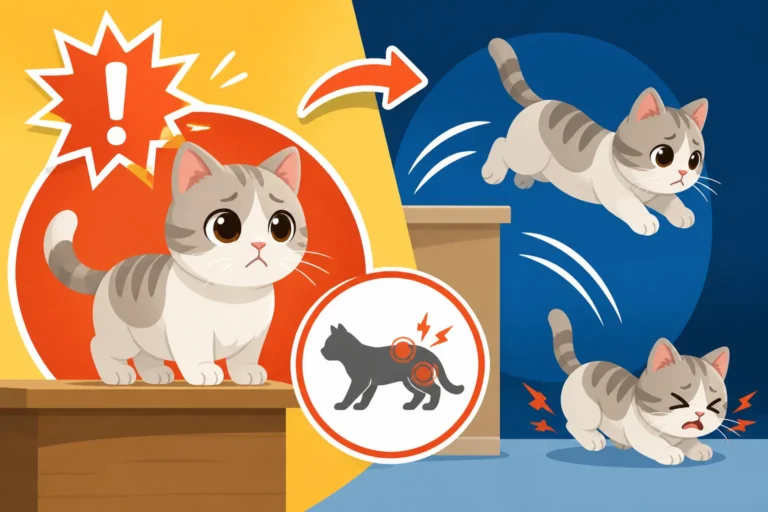
This brings us to elevated spaces. For most cats, jumping onto a sofa, a bed, or a windowsill is effortless. It's second nature. For a Munchkin, it's a calculated risk, a series of smaller jumps, or an impossible feat. Trying to access a high bed can lead to:
- Repeated Strain: Constantly attempting to jump onto a bed that's too high puts repetitive strain on their shoulders, elbows, and spine. Over time, this can contribute to early onset arthritis or other joint issues. It's like asking a weightlifter to lift too much, too often – eventually, something gives.
- Falls and Injuries: A misjudged jump from a height, even one that seems small to us, can result in sprains, fractures, or spinal injury for a Munchkin. Their shorter legs mean less leverage and less ability to correct themselves mid-air if they lose balance. Imagine trying to jump onto a tall kitchen counter if your legs were half their usual length – it’s a precarious situation.
- Frustration and Stress: Imagine wanting to cuddle with your human on the bed but being unable to get there. Or wanting to nap in a sunny spot but it’s just out of reach. This can cause significant frustration and stress for your Munchkin, potentially leading to behavioral changes or withdrawal. They are, after all, still cats with natural instincts to survey their domain, even if their domain is limited by their height.
So, while we might envision a lovely, plush bed sitting proudly on a stand, for a Munchkin, that vision needs a heavy dose of realism.
The Case for Floor-Level Beds and Resting Spots
When it comes to a Munchkin's bed, simplicity and accessibility are truly your best friends. Think "cat-centric" design, but specifically for a cat who lives closer to the earth.
Prioritizing Safety and Accessibility
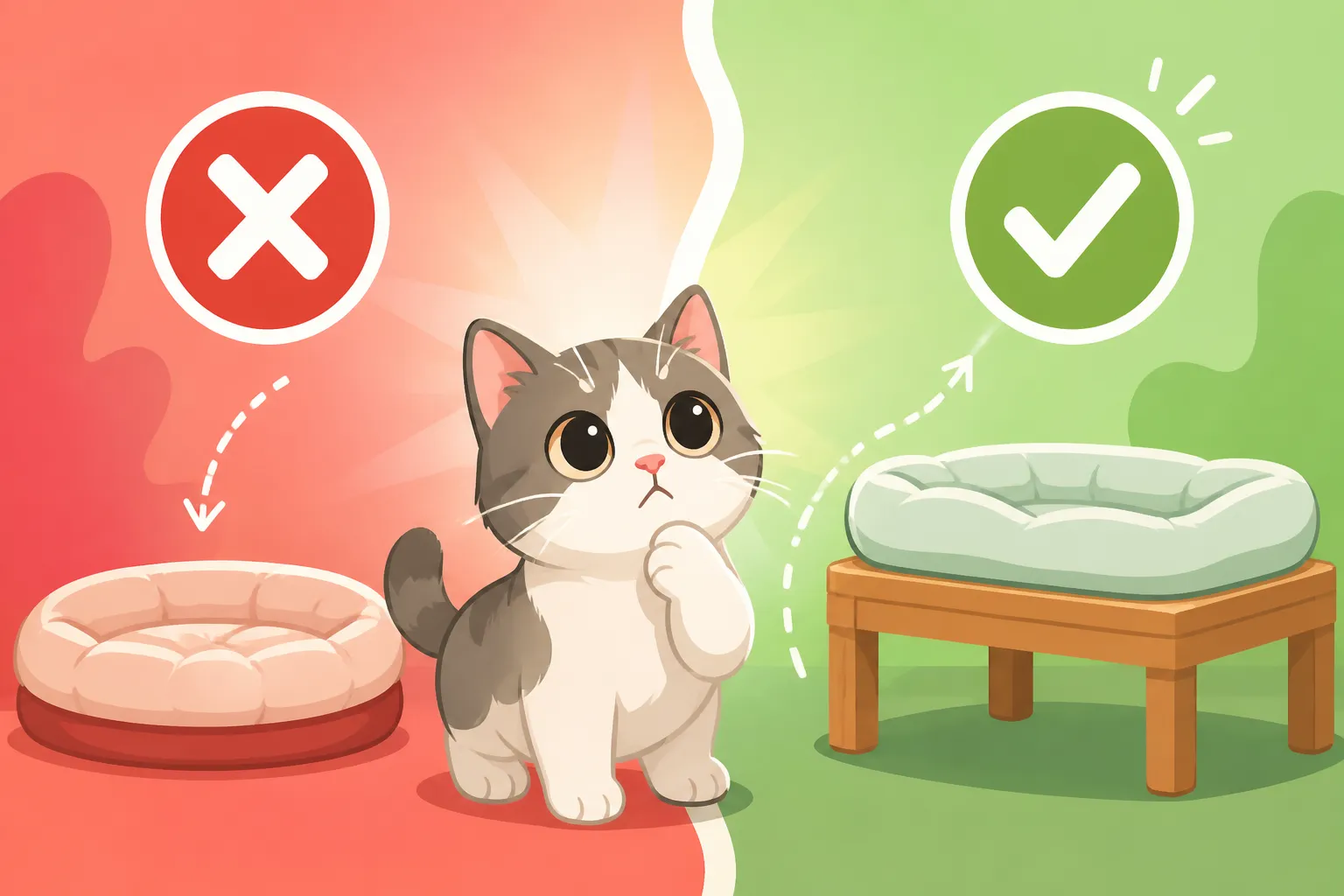
For a Munchkin, a floor-level bed is often the safest and most comfortable option, hands down. This means a bed that rests directly on the floor, requiring no jumping or climbing to access.
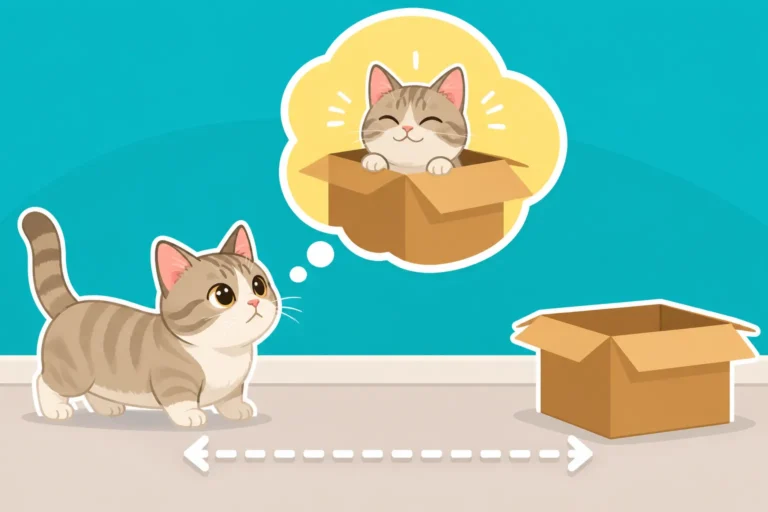
- Zero Jump Policy: With a floor-level bed, there's no need for jumping. Your Munchkin can simply walk in, turn around a few times, and settle down. This completely eliminates the risk of strain from jumping up and the potential for falls from jumping down. It's like having a perfectly flat walkway instead of a series of hurdles.
- Reduced Joint Stress: By removing the need for vertical movement, you significantly reduce the daily wear and tear on their joints and spine. This is especially important as they age, helping to keep them comfortable and mobile for longer. What an Old Munchkin Stops Being Able to Do often relates directly to their mobility, and we want to delay that as much as possible.
- Independent Access: Cats are independent creatures, and having easy, unassisted access to their resting spots contributes to their overall well-being. They won't have to wait for you to lift them or struggle with ramps if their main bed is always within easy reach. This fosters a sense of security and control over their environment.
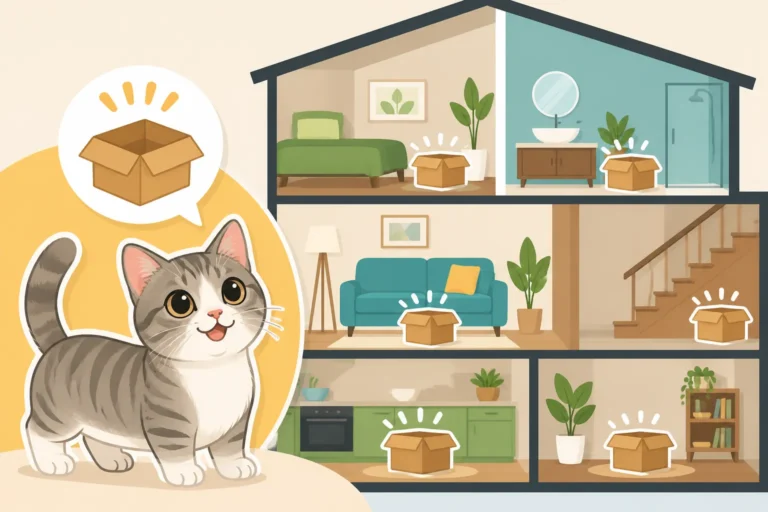
- Variety is Key: Even with floor-level beds, you can offer a variety of options. Think soft donut beds, cozy caves, flat mats, or even a simple, plush blanket in a quiet corner. Cats love options, and a Munchkin is no different. Many great options can be found on sites like Chewy or Amazon, offering everything from simple mats to more luxurious low-profile beds.
Natural Resting Habits and Instincts
Despite their unique physique, Munchkins are still cats at heart. They retain many of the natural resting habits and instincts of their long-legged counterparts.
- Seeking Warmth and Security: Like all cats, Munchkins love warmth and feeling secure. A floor-level bed nestled in a quiet, draft-free corner can provide precisely this. They'll appreciate a spot where they feel safe from being stepped on and can observe their surroundings without having to be elevated.
- Sunbathing Specialists: We all know how much cats adore a good sunbeam. A floor-level bed placed near a sunny window (but without a sill they need to jump onto) becomes an instant favorite. They can soak up the rays without any physical exertion.
- Proximity to Their People: Many Munchkins love to be near their human companions. If your main gathering spots are on the floor – maybe you spend time on a rug or have low-slung furniture – a floor-level bed allows them to participate in family life without feeling excluded or having to make risky jumps to join you.
In essence, a floor-level bed allows your Munchkin to be a cat in the most comfortable, safest way possible, respecting their physical limitations while catering to their innate feline desires.
When and How to Safely Introduce Slightly Raised Beds (With Caveats)
Okay, so we've established that floor-level is ideal. But what if you really want your Munchkin to enjoy a cozy spot on the sofa with you, or maybe a slightly elevated view from a low-lying window perch? It's not entirely out of the question, but it requires careful planning and the right equipment. You can't just expect them to make the leap.
The Role of Ramps and Steps for Access
If you absolutely must have a bed that isn't directly on the floor, ramps and steps are non-negotiable. They are essential mobility aids that create a safe pathway for your Munchkin to reach slightly elevated surfaces without jumping.
- Ramps for Gentle Ascent: Ramps provide a continuous, gentle incline, which is often preferable for cats, especially those with any underlying joint sensitivities. Look for ramps with a non-slip surface, like carpet or textured fabric, to ensure good grip. The angle should be gradual; a steep ramp will be difficult and potentially off-putting for your Munchkin. Think of it like a miniature highway to their destination. What Ramps for a Munchkin Cost to Buy can vary, but consider it an investment in their long-term health.
- Steps for Short Climbs: Pet steps, designed for small dogs or older pets, can also work well. The key is to find steps that are wide enough for stability and have a low rise between each step. Again, non-slip surfaces are crucial. Ensure the top step is level with the bed's edge for a smooth transition. It's really important to teach your Munchkin how to use these aids, which we cover in How to Teach a Munchkin to Use Steps.
- Placement is Everything: Strategically place these aids so they provide direct access to the raised bed. They should be stable and not wobble, as any instability will deter your cat from using them. If the bed is next to a sofa, the ramp or steps should lead directly from the floor to the sofa cushion.
Choosing the Right Bed Type and Height
Even with ramps or steps, the type and height of the bed itself still matter immensely. We're talking about slightly raised, not a tall, four-poster cat bed!
- Low Profile is Key: Opt for beds that are inherently low to the ground. If it has legs, they should be very short, just enough to get it off the floor by an inch or two. This minimizes the length of the ramp or the number of steps required, making access easier and safer.
- Stable and Sturdy: The bed needs to be incredibly stable. Imagine your Munchkin walking up a ramp and stepping onto a wobbly surface – it's a recipe for disaster. Heavy, well-constructed beds are best.
- Comfort and Support: Choose a bed with good orthopedic support, especially if your Munchkin is older or has known joint issues. Memory foam or supportive cushions can make a huge difference to their comfort.
- Consider the Destination: If the "bed" is actually a spot on your sofa, consider a dedicated pet blanket or a small, flat bolster bed that sits on the sofa cushion itself. This makes it a distinct, comfortable spot for them without adding extra height.
Table: Comparison of Bed Height Options for Munchkin Cats
| Feature | Floor-Level Bed | Slightly Raised Bed (with Ramp/Steps) |
|---|---|---|
| Accessibility | Excellent, no jumping required | Good, but requires use of aid |
| Safety | Highest safety, no fall risk | Good, if aids are stable and used correctly |
| Joint Strain | Minimal to none | Minimal, if aids are used and bed is low profile |
| Independence | High, always accessible | Moderate, dependent on cat's willingness to use aids |
| Cost | Generally lower (simple beds) | Higher (bed + quality ramp/steps) |
| Space Required | Compact | More space needed for ramp/steps |
| Ideal For | All Munchkins, especially kittens, seniors, or those with mobility issues | Healthy adult Munchkins whose owners are committed to proper aids |
Monitoring Your Munchkin's Comfort and Mobility
Even with the best intentions and equipment, it's vital to constantly observe your Munchkin. They can't tell you in words if something hurts or is too difficult.
- Watch Their Gait: Pay attention to how they move when using the ramp or steps. Is their gait smooth and confident, or do they hesitate, stiffen, or appear to struggle? Any limping or reluctance is a red flag. How Arthritis Shows in a Munchkin's Front Legs is something every owner should be aware of.
- Listen for Sounds: Are there any grunts, sighs, or other vocalizations that indicate discomfort when they're using a raised bed or its access points?
- Check for Swelling or Tenderness: Periodically, gently check their joints (shoulders, elbows, hips) for any swelling, warmth, or signs of pain when you touch them. If you notice anything, a vet visit is in order.
- Behavioral Changes: A cat in pain might become withdrawn, less playful, or even aggressive when handled. If your usually social Munchkin starts hiding or avoiding interaction, especially around their bed, it could signal an issue.
- Regular Vet Check-ups: Ensure your vet is aware of your Munchkin's sleeping arrangements and can assess their joint health during routine examinations. They can offer professional advice and catch potential problems early.
The bottom line here is: if you choose a slightly raised bed, you're taking on the responsibility to make it as safe and accessible as possible, and to be vigilant about your cat's response to it.
Creating a Holistic Low-Impact Environment
The bed is just one piece of the puzzle. To truly support your Munchkin's long-term health and happiness, you need to consider their entire living space. It's not about making a single accommodation, but rather creating an environment that works with their short stature, not against it.
Integrating Floor-Level Food, Water, and Litter Boxes
Just like their bed, other essential items in your Munchkin's life need to be easily accessible. Struggling to reach food or water, or being unable to get into a litter box, can lead to serious health and behavioral issues.
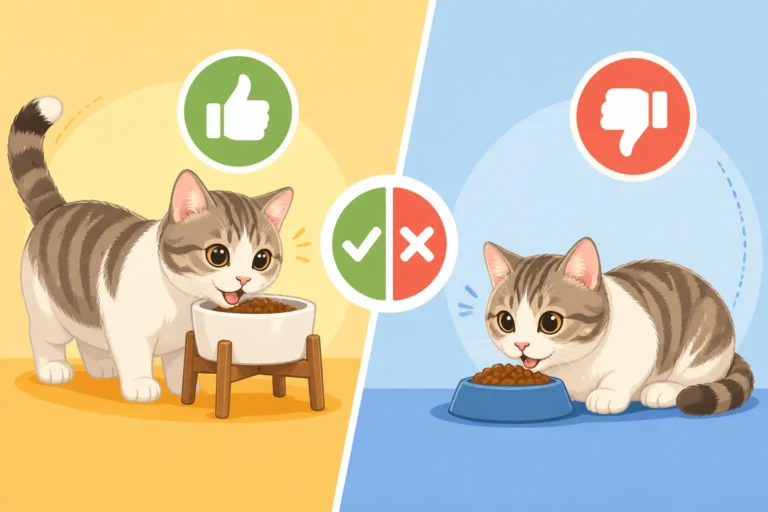
- Food and Water Bowls: These should always be at floor level, or very slightly raised bowls that prevent them from having to bend down excessively, which can strain their neck and shoulders. Imagine having to crouch uncomfortably for every meal; that's what a tall bowl can feel like for a Munchkin. Many pet stores and even online retailers like Amazon offer elevated bowl stands designed for small breeds, but ensure the height is truly appropriate and doesn't require a stretch.
- Low-Entry Litter Boxes: This is absolutely critical. Many standard litter boxes have high sides that a Munchkin simply cannot step over comfortably, if at all. This can lead to them holding their eliminations or going outside the box, causing urinary tract infections or inappropriate urination. Look for senior cat litter boxes or even large, flat storage containers that you can cut an entrance into. Why a Munchkin Needs a Litter Box It Can Walk Into cannot be stressed enough. These often have a front entry lip of only a couple of inches.
- Multiple Stations: Just like with beds, having multiple food, water, and litter stations spread throughout the house on the same level can reduce the need for long trips, especially for older Munchkins or those with mobility issues.
Enrichment at Their Level
Cats need mental and physical stimulation, and Munchkins are no exception. But their enrichment needs to be adapted to their height.
- Floor-Level Play: Embrace floor-level play! Wand toys that sweep along the ground, small rolling balls, and puzzle feeders that lay flat are perfect for them. How Much Floor Level Play a Munchkin Needs is probably more than you'd expect, as they can't get exercise through vertical climbing in the same way.
- Accessible Scratching Posts: A tall, vertical scratching post is mostly useless to a Munchkin. They can't stretch up high to use it. Instead, opt for horizontal scratchers, scratching ramps, or short, angled posts that they can use while standing on all fours or with a slight reach.
- Tunnels and Mazes: Munchkins adore tunnels and cardboard box mazes. These provide hiding spots, opportunities for ambush play, and mental stimulation, all within their comfortable height range.
- Cat Trees with Close-Set Platforms (or Ramps!): If you want a cat tree, it needs to be specifically designed for small cats, with platforms that are very close together or, even better, a tree that incorporates ramps between levels. Without these, a standard cat tree is a fall hazard or simply inaccessible.
- Safe "High" Spots: If you want them to enjoy a view, consider things like low, wide ottomans, or even small, stable pet stairs leading to a windowsill if the sill itself is not too high. Again, ramps are your best friend here.
Ultimately, caring for a Munchkin means thinking like a Munchkin. Every item in their environment, from their bed to their toys, needs to be considered through the lens of their unique physical build. By making their world accessible and safe, you're not just accommodating their short legs; you're ensuring they lead a full, joyful, and pain-free life.
Disclaimer
This article is for general informational purposes only and does not constitute professional advice. Laws, prices and regulations vary by location and change over time. Consult a qualified professional for guidance on your specific situation.