How to Fit Toothbrushing Into a Munchkin’s Routine
One common frustration for Munchkin cat owners is figuring out how to provide the best care for their unique companions, especially when it comes to routine tasks like toothbrushing. Their adorable short legs, while endearing, can make standard pet care a bit more challenging, leading many to wonder if their Munchkin's dental health might suffer. This comprehensive guide will walk you through practical, empathetic strategies for integrating toothbrushing into your Munchkin's routine, ensuring their oral hygiene is top-notch without causing undue stress for either of you.
The Unique Hurdles of Brushing a Munchkin's Teeth
You love your little Munchkin, but let's be honest, their physical structure presents some interesting considerations when it comes to things like dental care. What might be a straightforward task for a long-legged feline can become a bit of a puzzle when you have a cat built closer to the ground. It's not about them being difficult; it's just about adapting our approach to their specific needs.
Reaching Their Mouth Comfortably
Imagine trying to brush your teeth while someone holds you at an awkward angle, straining your neck or back. That's often what a Munchkin experiences if we try to brush their teeth in the same way we might a standard cat. Their short legs mean they can't stand tall on their hindquarters or brace themselves against a surface in the same way. This leads to a common problem: how do you get them into a comfortable, stable position where you can access their mouth without making them feel like a pretzel?
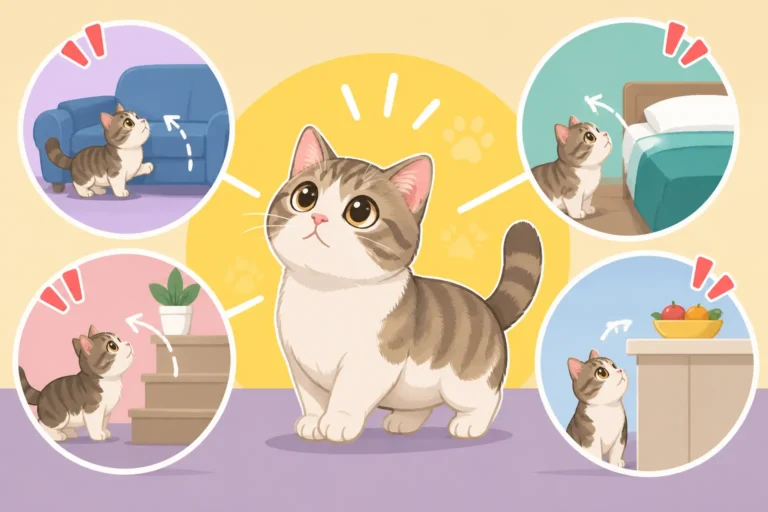
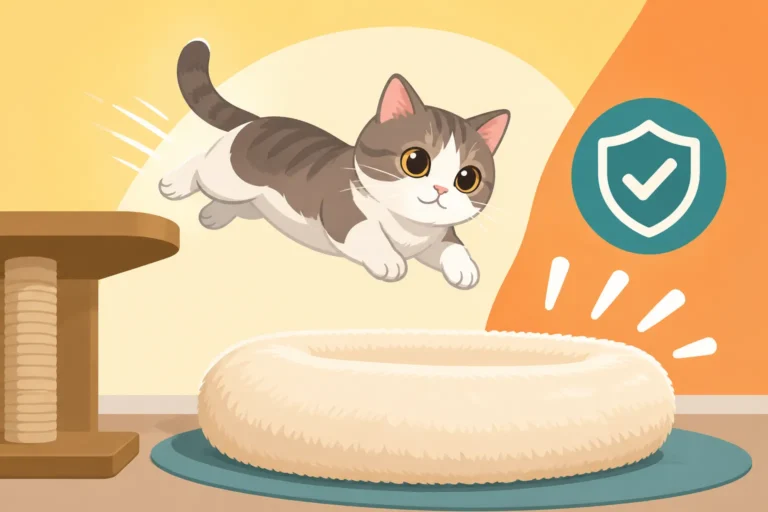
Lifting a Munchkin can also be a delicate balance. While they are sturdy, excessive twisting or unsupported lifting can put strain on their spine and joints, especially if done repeatedly or incorrectly. We want to avoid any action that might cause discomfort or injury, particularly as they age and their joints naturally become a bit stiffer. Many owners report that their Munchkins will try to squirm away more vigorously if they feel unstable or improperly supported, making the whole process less effective and more stressful for everyone involved. The key is to minimize the amount of physical manipulation needed and instead create an environment where they feel secure. Learning How to Lift a Munchkin Correctly is a great first step, ensuring you provide full support to their body, not just their front half.
Maintaining Stability During Brushing
When you're trying to gently brush tiny teeth, you need a cat that feels secure and doesn't want to make a break for it. For a Munchkin, their low center of gravity often means they're very stable on the floor, which can actually be an advantage. However, if you try to lift them onto a table or countertop without proper support, they might feel precarious. They don't have the long legs to quickly rebalance themselves or leap away with the same agility as a taller cat, which can sometimes make them panic if they feel trapped or unstable.
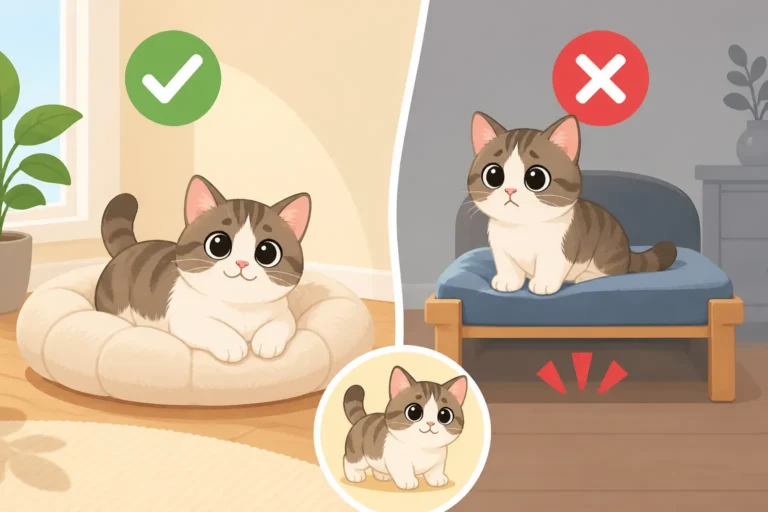
The ideal scenario is to find a position where your Munchkin can relax, preferably with all four paws on a stable surface. This could be your lap, a low stool, or even just the floor. The goal is to make them feel grounded and safe, reducing their instinct to struggle. If they feel secure, they're much more likely to tolerate the brushing process. This consideration also extends to their back and shoulders; a low position helps prevent straining these areas, which carry a significant load due to their unique conformation.
The Importance of Early Introduction
Let's be real, no cat loves having their teeth brushed right off the bat. It's an unnatural sensation for them. But like with any new routine, starting early makes a world of difference. When you bring home a Munchkin kitten, you have a golden opportunity to introduce them to dental care as part of their regular handling. Kittens are generally more pliable and open to new experiences than adult cats who might have already formed strong opinions about what they like and don't like.
Starting around 12 weeks of age, you can gently begin by simply touching their mouth, rubbing their gums with your finger, and letting them taste a cat-specific toothpaste. This desensitization process is crucial. You're not aiming for a full brushing session initially; you're just building positive associations. Consistent, short sessions will gradually accustom them to the sensation. Think of it as laying the groundwork for a lifetime of good oral health, rather than trying to force a full routine too quickly. Don't forget, you can find specific guidance on Introducing a Toothbrush to a Munchkin at Twelve Weeks. This early positive experience will save you a lot of hassle and stress in the long run.
Essential Tools and Techniques for Munchkin Dental Care
Getting the right tools and knowing how to use them gently can make all the difference in making toothbrushing a successful part of your Munchkin's routine. You don't need a vet's degree to do this, just a little patience and the right gear.
Choosing the Right Toothbrush and Toothpaste
First things first, you absolutely need cat-specific toothpaste. Never, ever use human toothpaste on your cat, as it contains ingredients that are toxic to them. Pet toothpastes come in appealing flavors like chicken or fish, which can help make the experience more palatable for your feline friend. You can easily find these at most pet stores or online retailers like Chewy and Amazon. When considering Whether Dental Treats Fit a Munchkin's Calorie Ration, remember that a good toothpaste is always a better primary defense.
As for the toothbrush, you have a few options, and what works best often comes down to individual preference for both you and your Munchkin.
| Toothbrush Type | Description | Pros for Munchkins | Cons for Munchkins |
|---|---|---|---|
| Finger Brush | A small brush that slips over your finger, often made of silicone. | Allows for precise control and a more natural "touch" feeling. Great for starting out. | Can be bitten if your cat isn't cooperative. Not as effective for deep cleaning. |
| Small Pet Toothbrush | Designed specifically for pet mouths, often with a small head and soft bristles. | Better reach for back teeth, more thorough cleaning than a finger brush. | Can feel more invasive than a finger brush, might require more head stabilization. |
| Gauze Pad | A piece of sterile gauze wrapped around your finger. | Very gentle, good for kittens or very sensitive cats. Helps wipe away plaque. | Less abrasive than bristles, so cleaning power is limited. |
Experiment to see what your Munchkin tolerates best. A finger brush might be less intimidating initially, allowing them to get used to the sensation. Over time, you might transition to a small pet toothbrush, which offers more effective cleaning. Remember to consider Which Brush Head Fits a Munchkin's Mouth to ensure it's not too large.
Creating a Low-Stress Brushing Environment
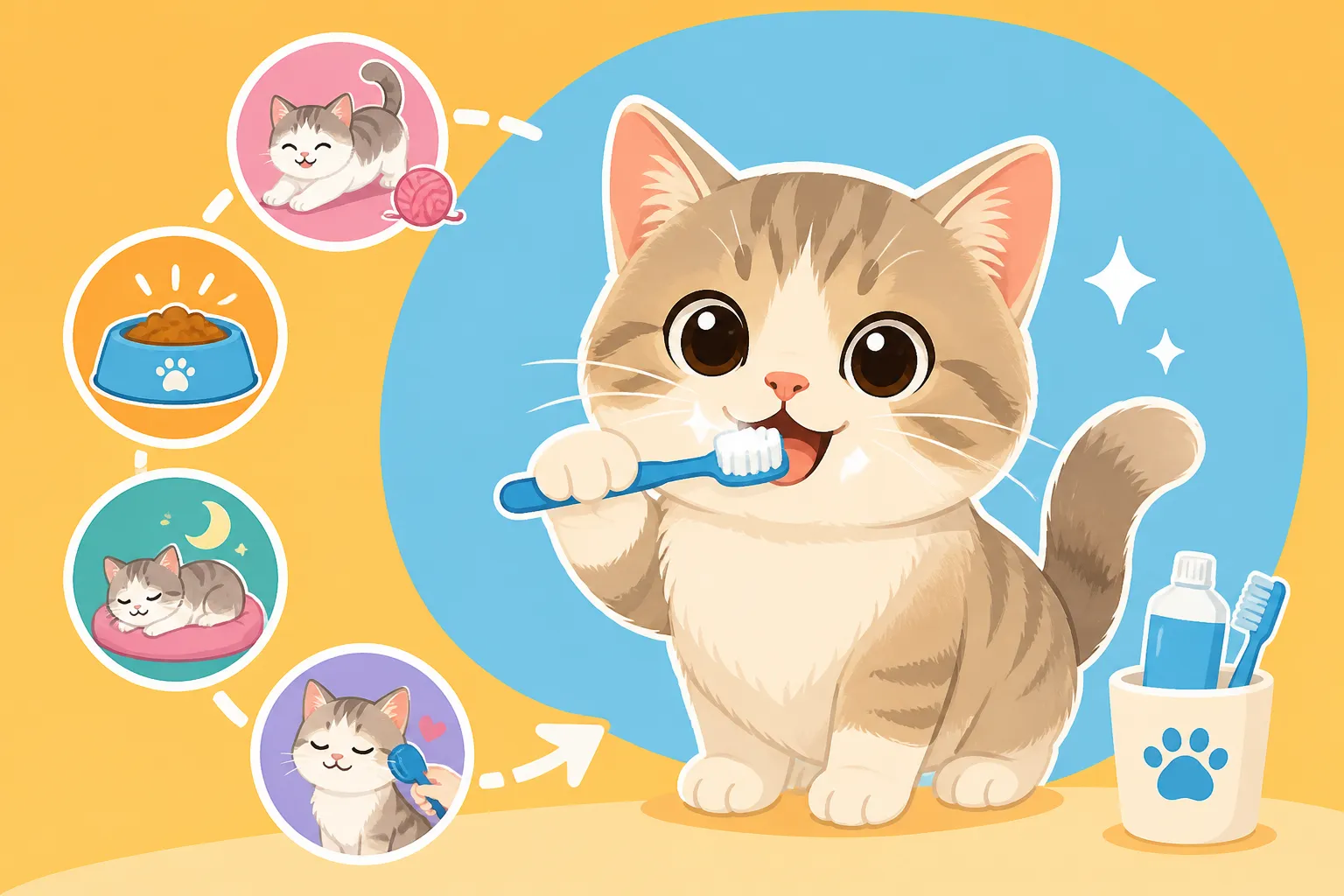
The environment where you brush your Munchkin's teeth plays a huge role in how successful you'll be. This isn't a wrestling match, it's a calm, bonding experience – at least, that's the goal! A low-stress environment means choosing a quiet time when your cat is relaxed, perhaps after a play session or when they've just woken up.
Instead of trying to pin them down on a high surface, try brushing them while they're sitting comfortably on your lap, or even on the floor next to you. Their natural inclination to be low to the ground can actually work in your favor here. Some owners find success by kneeling on the floor, allowing the Munchkin to remain on the ground feeling secure. Have everything ready before you start – the toothpaste on the brush, a few favorite treats nearby. Associate the brushing with positive things. Give a treat before you even start, then intermittently during the short session, and definitely at the end. This positive reinforcement helps them create a mental link between brushing and good things happening. It's about building trust, not forcing compliance.
Step-by-Step Brushing Guide
Once you have your tools and a calm environment, you're ready to begin. Remember to take it slow and be patient. This might not happen perfectly the first time, or even the tenth time, and that's absolutely okay. The goal is progress, not perfection.
- Prepare: Get your cat-specific toothpaste and toothbrush ready. Put a pea-sized amount of toothpaste on the brush. Have treats nearby.
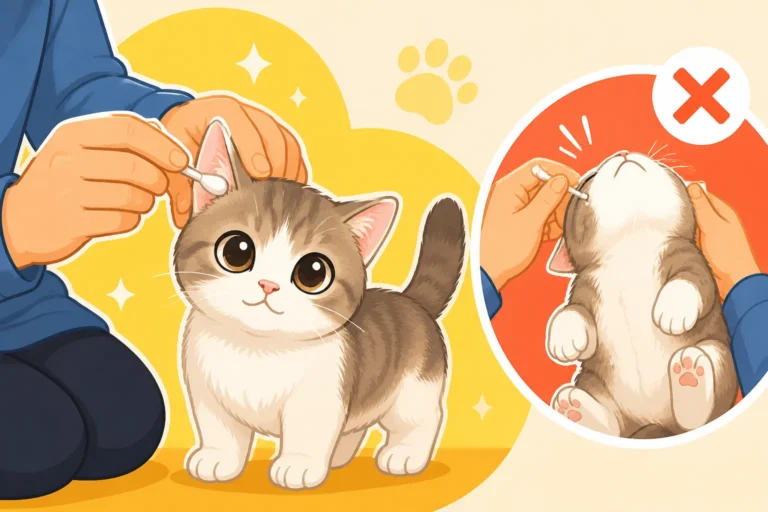
- Position: Find a comfortable, low-to-the-ground position. This could be with your Munchkin on your lap, sitting next to you on a couch, or even just on the floor. The key is to avoid lifting or twisting them unnecessarily. Ensure they feel stable.
- Approach Gently: Gently lift their lip to expose their teeth. Start with the canine teeth (the long ones) and gradually move towards the back. You don't need to brush the inside surfaces of their teeth, as their tongue helps keep those clean. Focus on the outer surfaces.
- Brush in Small Circles: Use small, gentle circular motions. Aim for the gumline, where plaque tends to accumulate. Don't scrub vigorously; a soft touch is all that's needed.
- Short Sessions: Start with very brief sessions, even just 10-20 seconds for the first few times. Gradually increase the duration as your Munchkin becomes more accustomed to it.
- Praise and Reward: Constantly offer verbal praise in a soothing voice. Immediately after the session, give them a high-value treat, a bit of their favorite wet food, or engage in a quick play session. This positive reinforcement reinforces that brushing is a good thing.
- Consistency is Key: Even if you can't brush daily, aim for at least 2-3 times a week. Consistency is more important than intensity when you're starting out. Remember, this is a long-term health investment. While we focus on brushing, it's also good to know How Often a Munchkin Needs a Dental professionally, which complements home care.
Integrating Toothbrushing into Your Munchkin's Daily Life
Making dental care a regular part of your Munchkin's life is less about grand gestures and more about consistent, small habits. It's about creating a routine that feels natural and beneficial, rather than a battle you have to win.
Establishing a Consistent Routine
Just like humans, cats thrive on routine. When something becomes predictable, it's less scary and more acceptable. Choose a specific time of day for your Munchkin's dental care – maybe right after their evening meal, or before bed. The consistency helps them anticipate the activity and eventually, it just becomes "what we do at this time." This doesn't mean you have to brush every single day, especially if your cat is still getting used to it. Even a few times a week, consistently applied, is far better than sporadic attempts.
Think of it as part of their overall wellness schedule, alongside feeding times and play. If you find yourself struggling to remember, you can even set a reminder on your phone. Over time, your Munchkin might even start to approach you when it's "toothbrushing time," especially if you consistently pair it with those delicious treats they love. This routine also ties into their general well-being, influencing factors like Why Weight Control Is the Whole Munchkin Care Plan which affects their overall health and longevity.
Alternative Dental Health Boosters
While toothbrushing is the gold standard for at-home dental care, there are other tools in your arsenal that can help support your Munchkin's oral health. These shouldn't replace brushing entirely but can definitely act as valuable supplements, especially on days when a full brushing session just isn't happening.
- Dental Treats: There are many dental treats on the market designed to help scrape plaque off teeth as your cat chews them. Look for products that are approved by veterinary dental health organizations. Brands available on Amazon or Chewy often carry a good selection. However, be mindful of their calorie content; remember How Much a Munchkin Gets in a Weighed Meal and adjust their main food portion to prevent overfeeding.
- Water Additives: These products are added to your cat's drinking water and contain ingredients designed to reduce plaque and tartar formation. They're often tasteless and odorless, so most cats don't even notice them. They offer a hands-off approach but are generally considered less effective than direct brushing.
- Specialized Dental Diets: Some cat food brands offer formulations specifically designed for dental health. These kibbles are often larger and have a fibrous texture that helps to mechanically clean the teeth as the cat crunches them. Discuss these options with your vet to see if they're a good fit for your Munchkin's overall nutritional needs. A balanced, high-quality diet generally supports overall health, including dental health.
- Oral Gels or Wipes: These can be applied directly to your cat's gums and teeth to help reduce bacteria and plaque. They are a good option for cats who absolutely won't tolerate a toothbrush.
Combining these methods can create a multi-pronged approach to keeping your Munchkin's teeth healthy. Remember, the goal is to prevent the buildup of plaque and tartar that can lead to more serious dental issues.
Recognizing Signs of Dental Problems
Even with the best at-home care, it's crucial to be vigilant for signs that your Munchkin might be developing dental problems. Cats are incredibly good at hiding pain, so you need to know what to look for. Regular checks, even just quick peeks into their mouth, can help you catch issues early.
Here are some red flags to watch out for:
- Bad Breath (Halitosis): While some "cat breath" is normal, truly foul, persistent odor is a strong indicator of dental disease, often caused by bacteria.
- Red, Swollen, or Bleeding Gums: Healthy gums should be pink and firm. Redness, swelling, or any bleeding is a sign of gingivitis or periodontitis.
- Tartar Buildup: Yellow or brown crust on the tooth surface, especially near the gumline, is tartar. This is hardened plaque and cannot be removed by brushing alone; it requires a professional dental cleaning.
- Drooling: Excessive drooling, especially if the saliva is bloody, can indicate oral pain or infection.
- Difficulty Eating or Changes in Eating Habits: Your Munchkin might chew on one side of their mouth, drop food, eat less, or show reluctance to eat hard kibble if they have a painful tooth.
- Pawing at the Mouth or Face Rubbing: These can be signs of discomfort or pain in their mouth.
- Weight Loss: If eating becomes too painful, your cat might stop eating enough, leading to weight loss. This is a serious symptom.
If you notice any of these signs, it's time to schedule a vet visit. Early detection and treatment can prevent more severe pain and systemic health issues that can arise from untreated dental disease. Keep in mind that Whether a Munchkin's Teeth Are Normal is also a good question to discuss with your vet during their routine check-ups.
Overcoming Resistance and Making it a Positive Experience
Let's face it, not every cat is going to embrace toothbrushing with open paws. Some Munchkins might put up a good fight, and that's okay. The key is to avoid turning it into a negative experience that makes them dread you approaching their mouth. Patience, consistency, and knowing when to ask for help are your best allies.
Patience and Positive Reinforcement
This can't be stressed enough: patience is paramount. You're teaching your cat a new skill that goes against their natural instincts. It takes time, consistency, and a whole lot of positive reinforcement. If your Munchkin resists, don't force it. Pushing them too hard will only create a negative association, making future attempts even harder. Instead, back off, offer a treat, and try again later or the next day, taking an even smaller step.
Break down the process into tiny, achievable steps. Maybe one day you just touch their mouth and give a treat. The next, you introduce the smell of the toothpaste. Then, a quick rub with your finger, followed by a treat. Gradually, you introduce the brush. Every successful, even tiny, step earns praise and a reward. Remember, you're building a habit, and habits take time to form. It's like teaching a child to ride a bike; you don't expect them to be a pro on the first try. Your Munchkin needs that same gentle encouragement and consistency. If an older Munchkin starts resisting grooming in general, it might be a sign of discomfort, and understanding Why an Old Munchkin Stops Grooming Its Back can shed light on other care considerations.
When to Seek Professional Help
Despite your best efforts, some Munchkins might just not tolerate home dental care, or they might develop issues that are beyond what brushing can fix. This is where your veterinarian comes in. Professional dental cleanings are a crucial part of maintaining your cat's oral health. During these procedures, your cat will be under anesthesia, allowing the vet to thoroughly examine their entire mouth, take X-rays (which are vital for assessing health below the gumline), and scale and polish all tooth surfaces, including those hard-to-reach areas.
Your vet can also extract any diseased or painful teeth, preventing further infection and discomfort. If your Munchkin is showing any signs of dental disease, or if you simply cannot manage to brush their teeth at home, don't hesitate to schedule a professional dental check-up. They can also advise you on the best home care routine tailored to your specific cat's needs and temperament. Think of professional dental care as a partnership with your at-home efforts – both are necessary for a truly healthy smile for your beloved Munchkin.
Disclaimer
This article is for general informational purposes only and does not constitute professional advice. Laws, prices and regulations vary by location and change over time. Consult a qualified professional for guidance on your specific situation.