Which Brush Head Fits a Munchkin’s Mouth
Trying to brush a Munchkin cat's teeth can feel like a wrestling match with a tiny, furry Houdini, especially when you're fumbling with a brush that seems too big for their unique little mouth. It’s a common frustration for Munchkin parents to wonder if they're even using the right tools, or if their short-legged friend's oral anatomy makes it particularly difficult. This guide is here to walk you through the various brush head options available and help you find the perfect fit for your beloved Munchkin, making dental hygiene less of a chore and more of a bonding experience.
Understanding the Unique Challenges of Brushing a Munchkin's Teeth
Before we dive into brush types, it’s really helpful to understand why brushing a Munchkin's teeth can feel different from brushing a long-legged cat's. It's not just about their short legs; their overall build plays a significant role in how comfortably they can be handled and how easily you can access all areas of their mouth.
The Anatomy of a Munchkin's Mouth and Jaw
While a Munchkin's legs are distinctly short, their internal anatomy, including their spine and jaw, is generally proportional to that of a normal-sized cat. This means their mouth size, tooth count, and jaw structure are pretty much the same as any other domestic feline. You might expect a smaller mouth because of their overall smaller appearance, but that's not usually the case. What is different is how their short stature and body conformation can impact the angle you have to work with.
Think about it: when a regular cat is on your lap, you might hold them in a way that gives you a good angle to reach their molars. For a Munchkin, whose belly nearly touches the floor and whose posture is generally lower to the ground, getting a comfortable and effective angle can be trickier. You might find yourself bending over more, or needing to position them differently on your lap or a low surface. This can be particularly noticeable when trying to reach the very back teeth, which are often the most prone to plaque and tartar buildup. Regularly introducing a toothbrush to a Munchkin at twelve weeks, or even younger, is crucial to get them accustomed to the process early on, before any specific dental issues arise.
Common Frustrations for Munchkin Owners
We've all been there: you’ve got the toothpaste, you've got the brush, and your Munchkin is looking at you like you’ve just suggested they learn to fly. One of the biggest frustrations is simply getting your cat to cooperate. Many cats, Munchkin or otherwise, aren't thrilled about having their mouths handled. For Munchkins, this can be compounded by their inability to easily escape to a high perch, making them feel a bit more vulnerable during handling.
The awkward angles we just talked about also contribute to frustration. You might feel like you're contorting yourself and your cat into strange positions just to get the brush where it needs to go. This can lead to quick, rushed brushing sessions that aren't as effective as they could be, leaving you wondering if you're doing any good at all. Another common worry is the fear of hurting them. Cats' gums can be sensitive, and if you’re not confident in your brush choice or technique, you might hold back, again compromising the effectiveness of the cleaning. It’s all about finding a tool that feels safe and efficient for both of you.
Exploring Different Brush Head Types for Your Munchkin
When it comes to dental hygiene for your Munchkin, the brush head is truly the star of the show. The right one can make all the difference in turning a dreaded chore into a manageable routine. Let's break down the options.
Finger Brushes: Pros and Cons for Munchkins
Finger brushes are often the first port of call for many cat owners, and they can be quite effective, especially when you're just starting out. These are typically small, soft silicone or rubber thimbles that fit over your index finger, with tiny bristles or nubs on the end.
Pros for Munchkins:
- Direct Control: You have maximum tactile feedback, meaning you can feel exactly what you're doing and how much pressure you're applying. This is great for navigating a cat's mouth gently.
- Gentle Introduction: For a kitten or a cat new to brushing, the finger brush can feel less intimidating than a rigid toothbrush. It’s softer and moves with your finger, making it a good first step for Introducing a Toothbrush to a Munchkin at Twelve Weeks.
- Bonding Experience: Because your finger is directly involved, it can feel like a more personal interaction, potentially strengthening the bond with your Munchkin, rather than feeling like a clinical procedure.
Cons for Munchkins:
- Limited Reach: This is the big one. While excellent for the front teeth and easily accessible areas, a finger brush often struggles to reach the molars at the very back of your Munchkin's mouth. These back teeth are crucial because they're where plaque and tartar tend to accumulate the most.
- Risk of Bites: While rare in a well-trained cat, there's always a slight risk of your finger being bitten if your Munchkin is particularly feisty or startled.
- Less Effective Cleaning for Stubborn Plaque: The bristles on a finger brush are usually softer and less numerous than on a traditional toothbrush, which means they might not be as effective at scrubbing away more stubborn plaque buildup.
Finger brushes are fantastic for starting a dental routine, maintaining the front teeth, or for very tolerant Munchkins who might not have significant back-molar plaque. However, for comprehensive cleaning, you'll likely need something with a bit more reach.
Small-Headed Toothbrushes: What to Look For
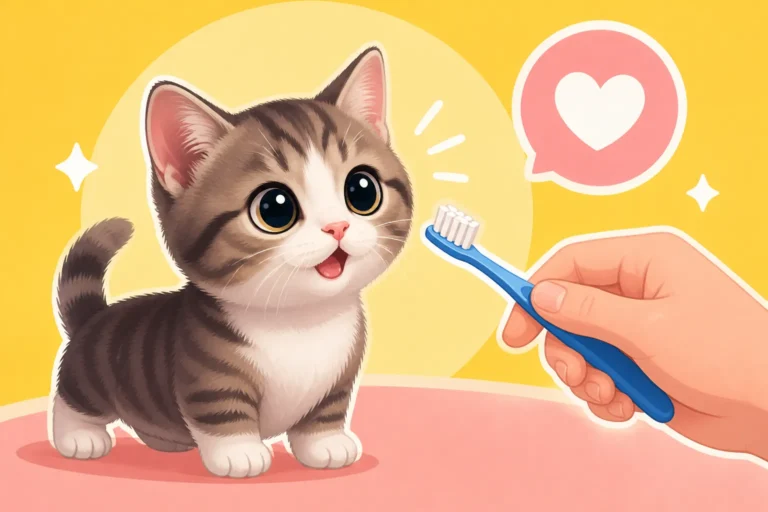
This category is probably your best bet for a thorough, effective cleaning for most adult Munchkins. The key here is "small-headed." We're not talking about human toothbrushes, which are almost universally too large for a cat's mouth.
What to Look For:
- Infant Toothbrushes: Believe it or not, infant toothbrushes designed for human babies often have the perfect small head and soft bristles for a cat's mouth. They’re readily available at most drugstores or general retailers like Amazon.
- Specialized Pet Toothbrushes: Many pet brands offer toothbrushes specifically designed for cats. These often feature smaller heads and angles that can make reaching different parts of the mouth easier. You can find a wide variety on pet supply sites like Chewy.
- Soft Bristles: This is non-negotiable. Hard bristles can damage your Munchkin's gums, leading to pain, bleeding, and a complete refusal to cooperate in the future. Always opt for extra-soft or soft bristles.
- Ergonomic Handle: While not directly about the brush head, a comfortable handle for you will make the process much smoother. Look for something easy to grip, even if your hands get a little wet.
- Head Size: The brush head should be small enough to fit comfortably between your Munchkin's cheek and teeth, allowing you to maneuver it around the molars without gagging or discomfort. A good rule of thumb is that the brush head should be no wider than one of your cat's premolars.
These brushes offer a good balance of reach, cleaning power, and safety. They allow you to apply the toothpaste effectively and brush all tooth surfaces, including the critical gumline, which is where periodontal disease often begins. This is particularly important for your Munchkin as they age, given that What an Old Munchkin Stops Being Able to Do can include self-grooming and keeping their teeth clean.
Dual-Ended Brushes: A Versatile Option
Dual-ended toothbrushes are a smart choice if you’re looking for versatility and aren't quite sure which size will work best. These brushes typically have two different-sized heads, one at each end of the handle.
How They're Useful:
- Two Sizes, One Tool: Often, one end will be a standard small cat toothbrush size, while the other might be even smaller or angled differently. This means you can use the larger end for the broader surfaces of the teeth and the more accessible areas, then flip it over to use the smaller, more precise head for tight spots, individual teeth, or the back molars.
- Adapting to Growth: If you start brushing your Munchkin as a kitten, a dual-ended brush can grow with them. You might start with the smaller head and transition to the larger one as their mouth matures, or simply use both as needed.
- Targeted Cleaning: The different head sizes allow for more targeted cleaning. For example, if your Munchkin has a specific area where plaque tends to build up, you can use the appropriately sized head to tackle that spot more effectively without irritating other parts of their mouth.
Dual-ended brushes can be found at most pet stores and online retailers. They offer a comprehensive solution, giving you options within a single tool to address all your Munchkin's dental cleaning needs.
Ultrasonic and Electric Brushes: Are They Suitable?
The world of pet dental care is always evolving, and electric or ultrasonic toothbrushes for pets are becoming more widely available. These brushes use vibrations or ultrasonic waves to help break down plaque and tartar, often without the need for intense scrubbing.
Benefits:
- Efficient Cleaning: The primary benefit is their efficiency. The vibrations or ultrasonic action can disrupt plaque and bacteria more effectively than manual brushing, potentially reducing the time you need to spend brushing.
- Less Physical Effort: For owners who might have dexterity issues or simply want a more hands-off approach to the cleaning action, these can be appealing.
Challenges for Munchkins:
- Noise and Vibration Tolerance: Many cats, including Munchkins, can be sensitive to noise and vibrations. The buzzing sound and feeling of an electric or ultrasonic brush might be very off-putting, leading to increased stress and resistance.
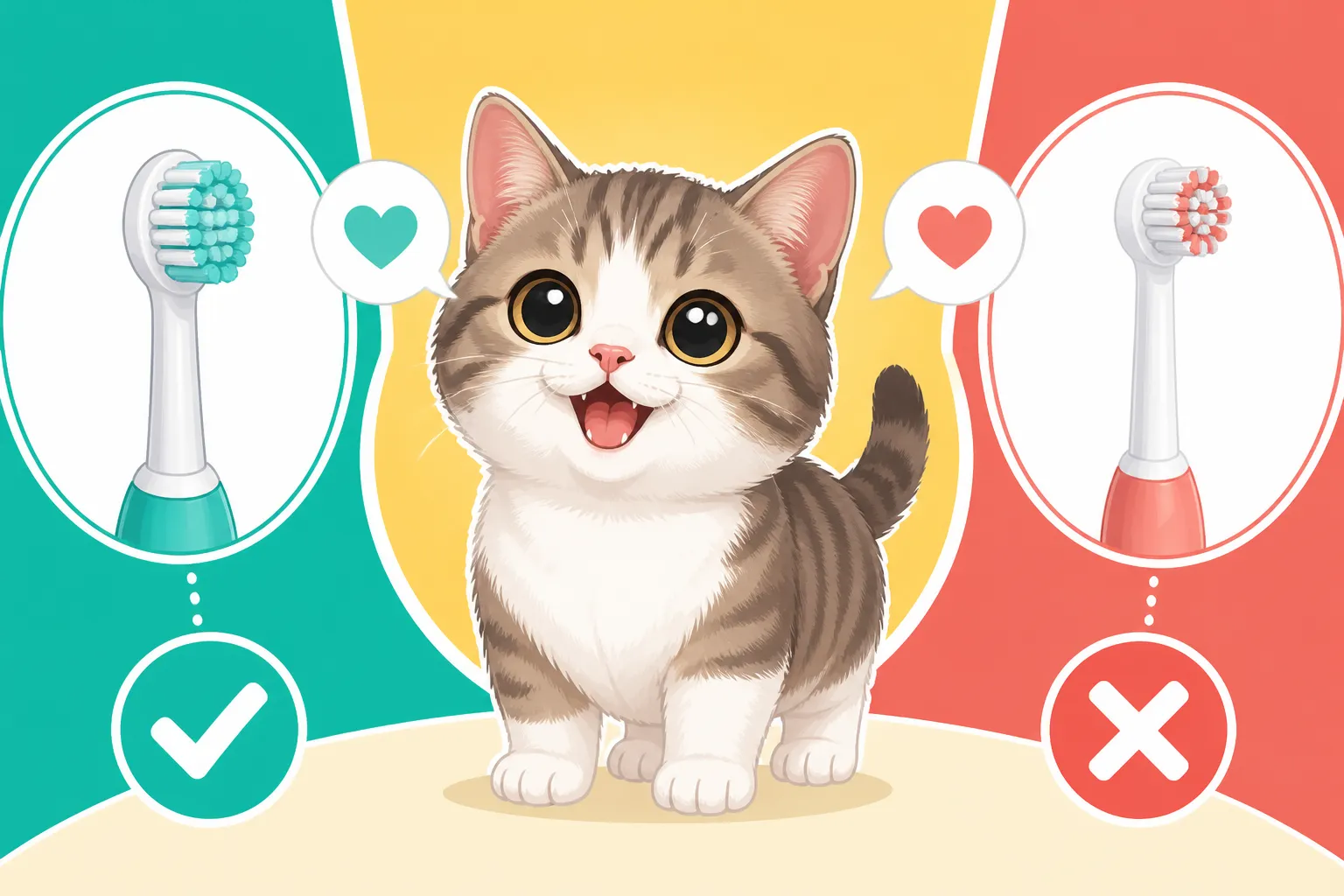
- Size of Head: While some models are designed for small pets, you'll still need to ensure the brush head is truly small enough to maneuver comfortably inside your Munchkin’s mouth. A head that’s too large defeats the purpose, no matter how effective the technology.
- Cost: These brushes are generally much more expensive than manual toothbrushes, and they require batteries or charging.
- Acclimation Period: Introducing an electric brush requires an even more gradual and patient approach than a manual one. Your Munchkin needs to get used to the sound, the feel, and the general presence of the device.
| Brush Head Type | Pros for Munchkins | Cons for Munchkins | Best Use For |
|---|---|---|---|
| Finger Brush | Direct control, gentle, good for beginners. | Limited reach for back molars, less scrubbing power. | Introducing brushing, front teeth, very tolerant cats. |
| Small-Headed Toothbrush | Excellent reach, effective cleaning, widely available. | Requires careful selection of size and bristle softness. | Comprehensive daily cleaning, reaching all tooth surfaces and gumline. |
| Dual-Ended Brush | Versatile (two sizes), good for different areas. | Can be slightly bulkier, cats might prefer one end over the other. | Targeted cleaning, adapting to different mouth sizes or specific needs. |
| Electric/Ultrasonic | Efficient plaque disruption, less manual effort. | Noise/vibration sensitivity, larger head size, higher cost. | Highly tolerant cats, specific dental issues, when manual brushing is difficult. |
Ultimately, the choice of brush head really comes down to what your Munchkin tolerates best and what allows you to achieve the most thorough cleaning. Remember, its teeth are normal (Whether a Munchkin's Teeth Are Normal), but they still require diligent care to prevent dental disease.
Tips for Successful Munchkin Dental Hygiene
Getting your Munchkin to accept, and even enjoy, having their teeth brushed is a process. It takes patience, consistency, and the right approach. It’s not just about the tool; it’s about the whole experience.
The Importance of Gradual Introduction and Positive Reinforcement
You wouldn't expect a child to suddenly love brushing their teeth, and the same goes for your feline friend. The key to success with your Munchkin is a super gradual introduction and loads of positive reinforcement. Start small, seriously small.
Here’s how to do it:
- Start with Touch: Begin by simply touching your Munchkin's face around their mouth. Do this gently, maybe while they’re relaxed on your lap or getting pets. Offer a treat immediately afterward. Repeat this a few times a day for a few days. The goal is to associate facial touching with something positive.
- Introduce Flavored Toothpaste: Once they’re okay with facial touching, put a tiny dab of cat-specific enzymatic toothpaste (never human toothpaste!) on your finger and let them lick it. Cat toothpastes come in appealing flavors like poultry or fish, and this step is often surprisingly easy. They learn that the toothpaste is a delicious treat. Sites like Chewy and Amazon offer a good selection of cat toothpastes.
- Finger Brush Introduction: Now, put a little toothpaste on a finger brush and gently rub it on one or two of their canine teeth or a front tooth. Don't try to do the whole mouth! Just a quick swipe, then praise and a treat. Build up the number of teeth you touch over several days or even a week.
- Transition to Toothbrush: Once they're comfortable with the finger brush, introduce your chosen small-headed toothbrush in the same gradual way. Start with just a few teeth, focus on the outside surfaces where plaque builds up most, and work your way up. Always follow with praise, play, or a special treat. This positive association is crucial for long-term success. Remember, consistency is more important than perfection in the beginning. Even a minute of gentle brushing a day is far better than nothing at all.
Choosing the Right Toothpaste and Technique
Beyond the brush head, the toothpaste and your brushing technique are equally vital.
Toothpaste:
- Cat-Specific Only: I cannot stress this enough – only use toothpaste formulated for cats. Human toothpastes contain ingredients like fluoride and xylitol that are toxic to cats.
- Enzymatic Toothpastes: These are fantastic because they contain enzymes that help break down plaque and bacteria, even with minimal scrubbing. They do some of the work for you!
- Flavor Matters: Pick a flavor your Munchkin loves. Poultry, fish, or malt flavors are usually big hits. If they hate the taste, they'll hate the experience.
Technique:
- Gentle, Circular Motions: Use small, gentle circular motions, focusing on the gumline. This is where plaque accumulates and where periodontal disease starts. Don't scrub vigorously; a gentle massage is usually all that's needed.
- Angle the Bristles: Angle the bristles of the brush at about a 45-degree angle to the gumline. This helps the bristles get under the gum where bacteria love to hide.
- Focus on the Outside: While ideally you’d brush all surfaces, the outside surfaces of the teeth (facing the cheek) are where most of the plaque forms and are usually easier to access. If you can only manage these, you're still doing a great job.
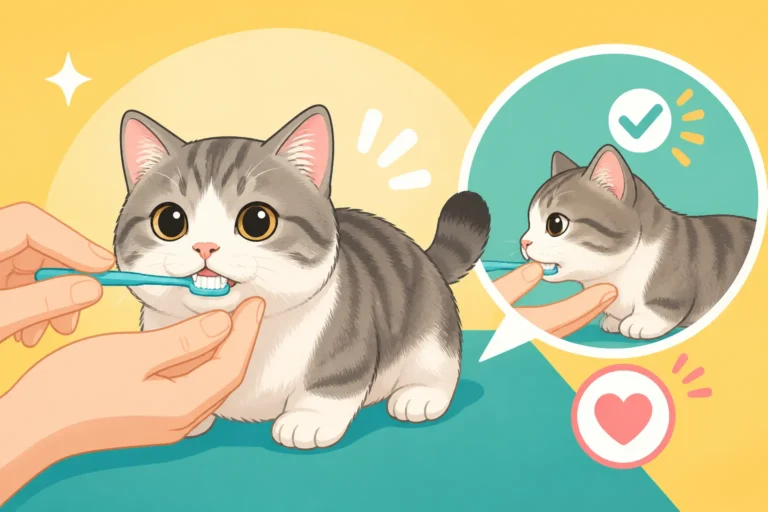
- Lift the Lip, Don't Pry the Mouth: Most cats don't like their mouths forced open. Instead, gently lift their lip with one hand to expose the teeth, then insert the brush. This is less invasive and usually more accepted. This gentle approach is also key when considering How to Hold a Munchkin for a Nail Trim – it's all about making handling comfortable.
When to Seek Professional Dental Care
Even with the best home dental care, professional veterinary dental cleanings are often necessary. Think of it like your own dental visits – you brush and floss, but still see a hygienist.
Signs Your Munchkin Needs a Vet Check:
- Bad Breath: This is often the first and most obvious sign of dental disease. Cat breath shouldn't knock you over.
- Red, Swollen, or Bleeding Gums: These indicate gingivitis or more advanced periodontal disease.
- Tartar Buildup: Yellow or brown crust on the teeth, especially near the gumline.
- Difficulty Eating: Dropping food, chewing on one side, or showing pain when eating.
- Pawing at Mouth: Your Munchkin might try to relieve discomfort by pawing at their face.
- Changes in Behavior: Reduced appetite, lethargy, or reluctance to play. These can all be subtle signs of pain from dental issues.
Your vet will perform a dental examination during routine check-ups. During What a Munchkin Kitten's First Exam Should Cover, the vet should check the health of their gums and teeth. As your Munchkin ages, these checks become even more vital. If significant plaque, tartar, or gum disease is present, your vet will likely recommend a professional dental cleaning under anesthesia. While anesthesia always carries a degree of risk, a thorough pre-anesthetic workup helps mitigate this. Don't let fear of anesthesia prevent necessary dental care; remember, Whether a Munchkin Is a Normal Anesthetic Risk and your vet will take all precautions.
Professional cleanings allow the vet to scale off tartar both above and below the gumline, polish the teeth, and address any extractions or other issues. It’s an essential part of keeping your Munchkin healthy long-term, reducing the risk of pain, infection, and secondary health problems that can arise from untreated dental disease. While you're focusing on overall care and nutrition, remember that How Much a Munchkin Costs Over Thirteen Years will inevitably include regular vet visits and possibly dental procedures to keep them in tip-top shape.
Disclaimer
This article is for general informational purposes only and does not constitute professional advice. Laws, prices and regulations vary by location and change over time. Consult a qualified professional for guidance on your specific situation.