Whether a Munchkin Is a Normal Anesthetic Risk
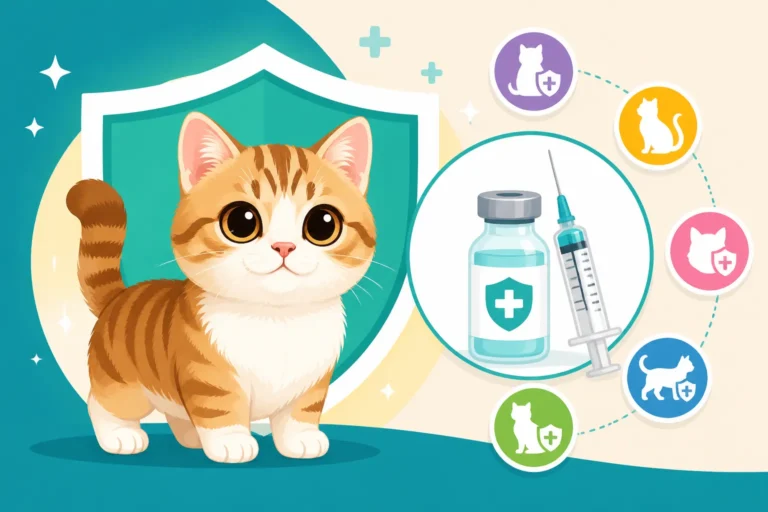
It's completely normal to feel a surge of anxiety when your beloved Munchkin cat needs a procedure requiring anesthesia. You might wonder if their unique build, those adorable short legs, and their overall physiology could put them at a higher risk compared to a standard-legged cat. This concern is valid, and understanding the specific considerations for Munchkins under anesthesia is key to ensuring their safety and your peace of mind. This guide will meticulously break down the factors influencing anesthetic risk in Munchkin cats, helping you navigate discussions with your vet and advocate for your furry companion's best care.
Understanding Anesthesia and Its Risks for Any Cat
Before we dive into the specifics of Munchkin cats, it's helpful to first understand the general principles of anesthesia and the inherent risks that apply to any feline friend. Anesthesia, while commonplace in modern veterinary medicine, is never entirely without its challenges.
General Anesthetic Principles in Felines
Anesthesia essentially involves using medications to induce a controlled, temporary loss of sensation and consciousness. For cats, this typically means a combination of sedatives, pain relievers, and inhalant anesthetics. The goal is to keep them still, pain-free, and unaware during a procedure, whether it's a routine dental cleaning or a more invasive surgery. The process usually begins with a pre-medication to help them relax, followed by an injectable anesthetic to allow for intubation – placing a tube in their windpipe to deliver gas anesthesia and oxygen. Throughout the procedure, a dedicated veterinary technician meticulously monitors vital signs, adjusting anesthetic levels as needed.
Every step, from the initial injection to the moment your cat is fully awake, requires careful planning and execution. The depth of anesthesia is carefully balanced; deep enough to prevent pain and movement, but light enough to minimize physiological stress. This delicate balance is why thorough pre-screening and constant monitoring are non-negotiable for any cat undergoing a procedure.
Common Risks Associated with Feline Anesthesia
Even in healthy cats, anesthesia carries a baseline level of risk. These can range from minor, easily managed issues to severe, life-threatening complications, although severe incidents are thankfully rare thanks to advancements in veterinary care. Some common concerns include allergic reactions to medications, which can manifest as hives or, in severe cases, anaphylaxis. Another frequent issue is hypotension, or low blood pressure, which can reduce blood flow to vital organs. Hypothermia, a drop in body temperature, is also a concern, as anesthetic drugs can interfere with the body's thermoregulation.
Respiratory depression, where breathing becomes too shallow or slow, is another risk, as is cardiac arrhythmia or even cardiac arrest in very rare circumstances. Nausea and vomiting during recovery are also common, potentially leading to aspiration if not carefully managed. While these risks exist for all cats, proactive measures like comprehensive pre-anesthetic testing, careful drug selection, and vigilant monitoring significantly reduce their likelihood. This foundational understanding helps frame the discussion around specific considerations for Munchkins.
Specific Considerations for Munchkin Cats and Anesthesia
When it comes to Munchkin cats, their unique physical characteristics introduce a few extra layers of consideration for anesthesia. It's not necessarily about higher risk across the board, but about different considerations that a knowledgeable veterinary team will take into account.
Impact of Unique Skeletal Structure
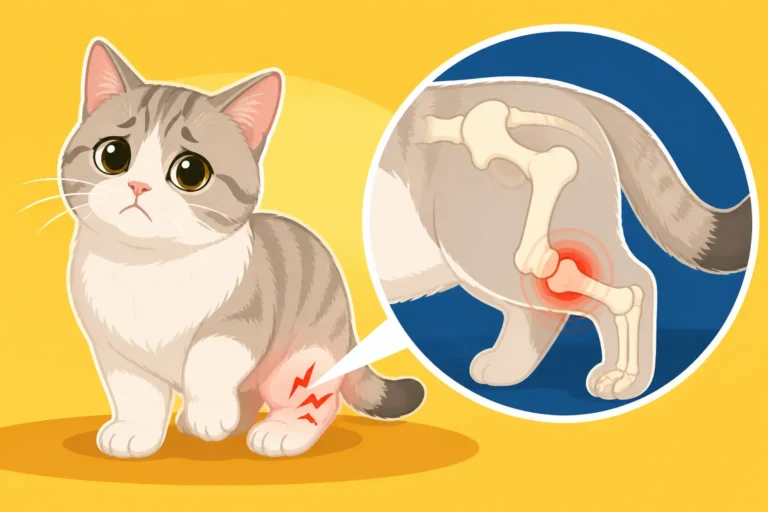
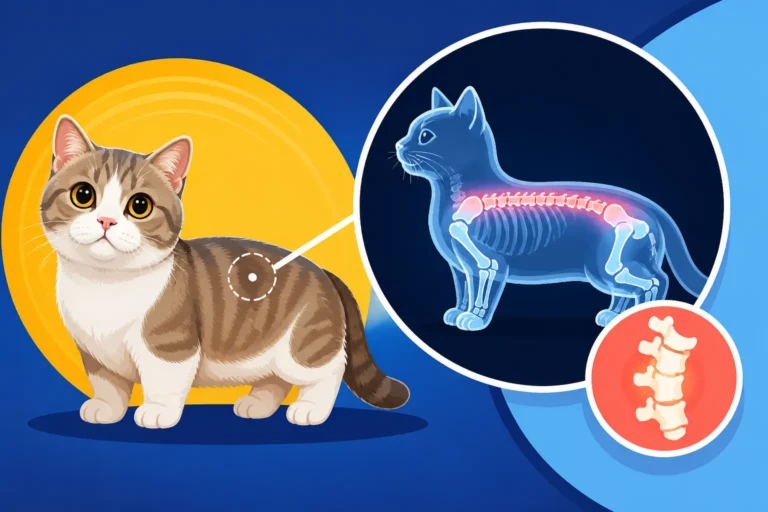
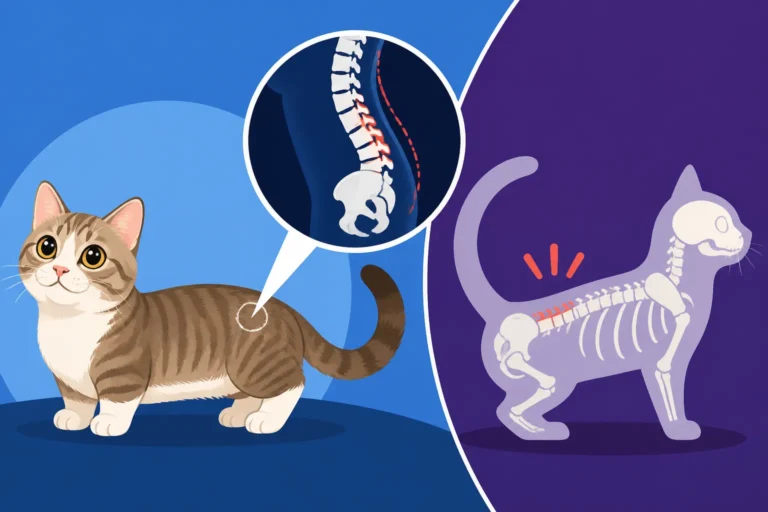
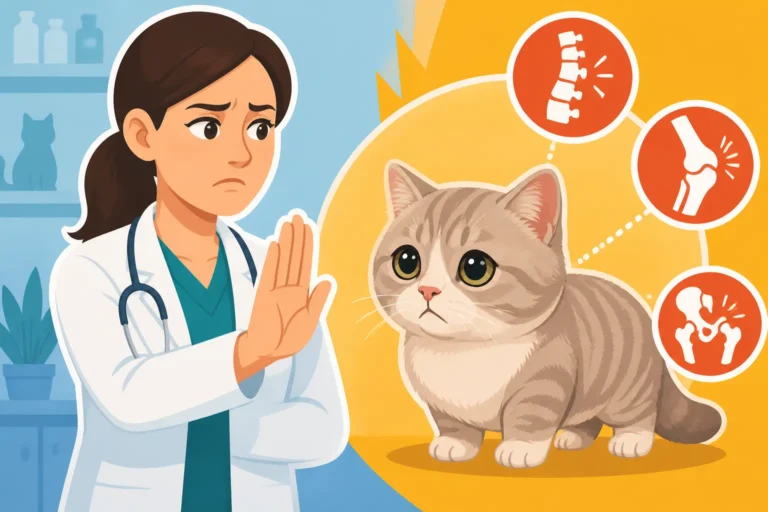
The defining feature of a Munchkin cat is their disproportionate dwarfism, characterized by short legs and a body of normal length. This condition, known as pseudoachondroplasia, means their long bones are shorter than average. While their spines are typically of normal length, this unique conformation can sometimes lead to secondary issues that might affect anesthetic management. For instance, some Munchkins might be prone to Lordosis Is the Spinal Curve the Munchkin Argument Is About, a condition where the spine curves inward, creating a 'swayback' appearance. In severe cases, lordosis can compress internal organs, potentially impacting respiratory or cardiac function, which are critical factors during anesthesia. Similarly, Pectus Excavatum and the Munchkin's Sunken Chest, a deformity of the chest wall, can also affect lung capacity and heart placement, even if mildly.
When a Munchkin cat needs to be positioned for surgery, especially on their back for abdominal procedures, extra care must be taken to ensure their spine is properly supported and not unduly stressed. The unique length and angle of their limbs mean that standard positioning might not be ideal or comfortable, necessitating creative padding and support to keep them stable and protect their skeletal system. The veterinary team needs to be acutely aware of these potential structural nuances to prevent injury or discomfort both during and after the procedure. This is part of the reason why understanding Why a Munchkin's Spine Carries a Load a Normal Cat's Does Not is so important for their overall health management.
Cardiovascular and Respiratory Health in Munchkins
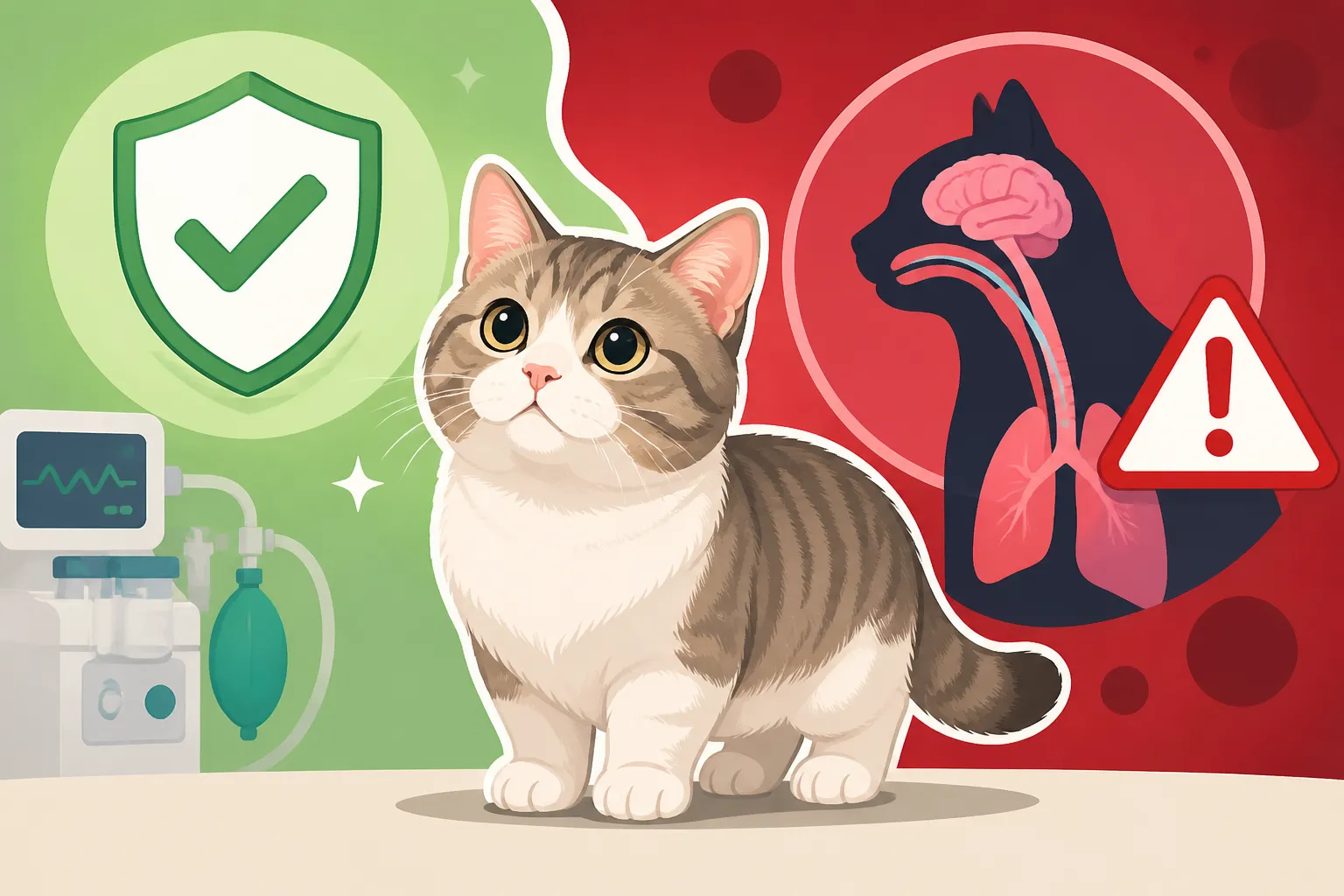
While Munchkins are not inherently predisposed to specific cardiovascular or respiratory diseases solely due to their short legs, any underlying health condition in these systems can significantly complicate anesthesia. The veterinary team will thoroughly assess your Munchkin's heart and lungs during the pre-anesthetic exam. If there's any suspicion of murmurs, irregular heartbeats, or abnormal lung sounds, further diagnostics like chest X-rays, an ECG, or even an echocardiogram might be recommended. These tests help paint a clearer picture of their internal organ health, allowing the vet to tailor the anesthetic protocol to minimize risks.
For Munchkins with even mild lordosis or pectus excavatum, evaluating lung capacity and heart function becomes even more crucial. While many Munchkins live healthy lives, these structural variations can subtly impact how their internal organs function, particularly under the stress of anesthesia. A good veterinary practice will factor in these potential anatomical nuances, ensuring that oxygen delivery and cardiovascular stability are prioritized throughout the procedure. Being proactive about understanding Which Health Problems the Munchkin Actually Has can empower owners to ask the right questions and ensure comprehensive screening.
Pre-Anesthetic Evaluation and Risk Mitigation for Munchkins
The cornerstone of safe anesthesia for any cat, including Munchkins, is a thorough pre-anesthetic evaluation. This isn't just a formality; it's a critical step to identify any hidden risks and tailor the anesthetic plan to your individual cat's needs.
Comprehensive Pre-Anesthetic Screening
Before any anesthetic procedure, your veterinarian will recommend a comprehensive pre-anesthetic screening. This typically includes blood tests like a complete blood count (CBC) to check for anemia, infection, or clotting issues, and a biochemistry panel to assess organ function, particularly the kidneys and liver, which are responsible for processing and eliminating anesthetic drugs. A urinalysis might also be performed to further evaluate kidney health. For older Munchkins, or those with suspected issues, additional tests such as thyroid hormone levels might be recommended.
Beyond blood work, a thorough physical exam is paramount. The vet will listen carefully to your Munchkin's heart and lungs, palpate their abdomen, and assess their overall body condition. This is also the time to discuss any past health issues, medications, or behavioral quirks. If your Munchkin has a history of a spinal issue or a chest wall deformity, even mild, pre-anesthetic X-rays might be advised to get a current view of their internal structures. This information allows the vet to select the safest combination of anesthetic agents and anticipate any potential challenges. A good breeder will provide you with a comprehensive health history, and knowing What a Munchkin Breeder Should Be Able to Show You can help you assess their commitment to health screening. Pet insurance providers like Healthy Paws are often a lifeline for covering these diagnostic costs, ensuring you can make the best medical decisions without financial strain.
Tailored Anesthetic Protocols and Monitoring
Once the pre-anesthetic screening is complete, your veterinary team will formulate a tailored anesthetic protocol specifically for your Munchkin. This involves selecting anesthetic drugs that are appropriate for their age, health status, and any identified underlying conditions. For instance, if blood work reveals mild kidney compromise, certain drugs that are primarily metabolized by the kidneys might be avoided or used at lower doses. The goal is always to use the safest, most effective drug combination with the fewest side effects.
During the actual procedure, intensive monitoring is crucial. Your Munchkin will have an array of equipment keeping track of their vital signs: an electrocardiogram (ECG) to monitor heart rhythm, a pulse oximeter to measure oxygen saturation in their blood, a blood pressure cuff, and a thermometer to track body temperature. Many clinics also use capnography to monitor carbon dioxide levels, which reflects respiratory function. Maintaining body temperature is especially important for cats, as they are prone to hypothermia under anesthesia. Warming blankets, heated operating tables, and intravenous fluids can help maintain a stable temperature. This meticulous attention to detail ensures that any adverse reactions or changes in vital signs are detected and addressed immediately, significantly improving the safety margin for your Munchkin.
| Anesthetic Risk Category | General Feline Risk | Munchkin-Specific Considerations |
|---|---|---|
| Cardiovascular | Arrhythmias, hypotension, cardiac arrest | Baseline risks, plus potential for mild organ compression from severe lordosis or pectus excavatum to impact function. |
| Respiratory | Hypoventilation, aspiration | Baseline risks, plus potential for reduced lung capacity from severe pectus excavatum or spinal curvature; careful intubation. |
| Thermoregulation | Hypothermia | Increased risk of hypothermia due to smaller body mass; need for vigilant warming measures. |
| Skeletal/Positioning | General support | Special attention to spinal alignment and joint support due to unique short-leg dwarfism and potential for lordosis. |
| Organ Function | Liver/kidney damage, adverse drug reactions | Baseline risks; pre-anesthetic blood work is critical to ensure organ function can metabolize drugs safely. |
| Recovery | Nausea, pain, disorientation | Baseline risks, plus potential for mobility challenges with stiff joints or spinal discomfort after prolonged recumbency. |
Positioning and Recovery Challenges for Munchkins
The procedure itself isn't the only concern; how your Munchkin is positioned during surgery and how they recover afterward are equally vital aspects of anesthetic safety.
Ergonomic Positioning During Procedures
Due to their unique short-legged stature and the potential for conditions like lordosis, careful consideration must be given to how a Munchkin cat is positioned during an anesthetic procedure. Standard surgical tables and positioning aids might not adequately support their frame. For example, if your Munchkin needs abdominal surgery and must lie on their back, their spine needs to be kept in a neutral position to prevent strain. This often means using extra padding, rolled towels, or specialized orthopedic cushions to ensure their body is well-aligned and supported from head to tail, especially around their mid-back where lordosis can be an issue.
It’s not just about comfort; improper positioning can impede breathing, restrict blood flow, or even lead to musculoskeletal strain or injury during prolonged anesthesia. The veterinary team should be experienced in handling cats with unique anatomies, ensuring their limbs are not twisted, their joints are not overextended, and their spine is always protected. This attention to detail is crucial for preventing post-operative pain or complications related to their structure. You might find that discussions around Why a Munchkin's Legs Are Short but Its Body Is Not help explain these positioning needs to your vet.
Post-Anesthetic Care and Monitoring
The recovery period is a critical phase for any cat coming out of anesthesia, and for Munchkins, it requires the same careful attention to detail as the procedure itself. As they wake up, they might be disoriented, unsteady, and cold. Keeping them warm in a quiet, comfortable recovery area with soft bedding is paramount. Close monitoring of their vital signs, pain levels, and consciousness continues until they are fully alert and stable.
For Munchkins, particular attention should be paid to their mobility as they regain full function. If they've had a procedure that involved their legs or spine, they might experience some stiffness or discomfort, necessitating appropriate pain management. Ensuring they have easy access to low-entry litter boxes and food/water bowls is vital during this time, as they might still be wobbly. In some cases, if extensive surgery was performed, the vet might recommend limited activity or even specific physical therapy exercises as they recover. Being prepared for this recovery stage is a crucial part of responsible Munchkin ownership. You may have noticed your Munchkin is not as agile as a normal cat, and considering What an Old Munchkin Stops Being Able to Do can give you an idea of how their mobility might be impacted if they are still recovering from a procedure.
Choosing the Right Veterinary Care for Your Munchkin
When it comes to something as serious as anesthesia, selecting the right veterinary team is paramount. You want a team that not only understands general feline medicine but also has a nuanced appreciation for the specific needs of a Munchkin cat.
The Importance of an Experienced Veterinarian
Finding a veterinarian who is experienced with Munchkin cats, or at least with dwarf breeds and their unique anatomical considerations, can make a significant difference. While all vets are trained in general feline anesthesia, one with specific knowledge of Munchkins will be more attuned to potential issues like spinal conformation, joint health, and the ergonomic challenges of positioning. They'll know to perform a more focused pre-anesthetic assessment, looking for subtle signs of lordosis or pectus excavatum, and will be better equipped to tailor the anesthetic plan accordingly.
Don't hesitate to ask your prospective veterinarian about their experience with Munchkin cats or other breeds with similar anatomical variations. Inquire about their standard anesthetic protocols, their monitoring equipment, and their approach to pain management and recovery. A good vet will be happy to discuss these concerns with you in detail, making you feel confident in their ability to care for your special cat. If you're wondering Why Vets Disagree About the Munchkin on a broader scale, it's often due to these very specific anatomical considerations and differing philosophies on breeding.
Communication with Your Veterinary Team
Open and honest communication is your best tool in ensuring your Munchkin receives the safest possible anesthetic experience. Provide your vet with a complete and accurate health history, including any previous illnesses, injuries, medications (even supplements), and any observations you've made about your cat's gait, posture, or breathing. If you've been monitoring their weight, share that information too, as How Much Weight a Munchkin Can Safely Carry is a critical factor for joint and spinal health, and thus anesthetic risk.
Before the procedure, ask your vet to walk you through the entire anesthetic plan. This should include:
- Pre-anesthetic testing: What tests will be run and why?
- Drug choices: Which anesthetic agents will be used and why are they considered suitable for your Munchkin?
- Monitoring during anesthesia: What equipment will be used, and who will be monitoring your cat?
- Pain management: What plan is in place for pain relief during and after the procedure?
- Recovery plan: What should you expect during recovery, and what post-operative care will be needed at home?
Feeling informed and having your questions answered will alleviate much of your worry. Remember, you are your cat's primary advocate. Having pet insurance, like a policy from Healthy Paws, can also make these conversations easier by giving you more options for comprehensive diagnostics and care without immediate financial burden. This empowers you to pursue the most thorough and specialized care your Munchkin might need, from that initial Why a Munchkin Kitten Needs an Early Vet Check to senior years.
Disclaimer
This article is intended for informational purposes only and does not constitute veterinary advice. Always consult with a qualified veterinarian for any health concerns or before making any decisions about your pet's medical care.