When a Munchkin Should Have Its Spine Imaged
It's incredibly worrying when your beloved Munchkin cat starts showing signs of discomfort or changes in their usual playful demeanor, especially when it might involve their spine. We know the unique build of Munchkins can sometimes lead to questions about their health, and spinal issues are often at the forefront of those concerns. This guide is here to walk you through the signs that suggest your Munchkin might need spinal imaging, what to expect from the process, and how to proactively support their long-term well-being.
Understanding the Munchkin Spine: Why Imaging Matters
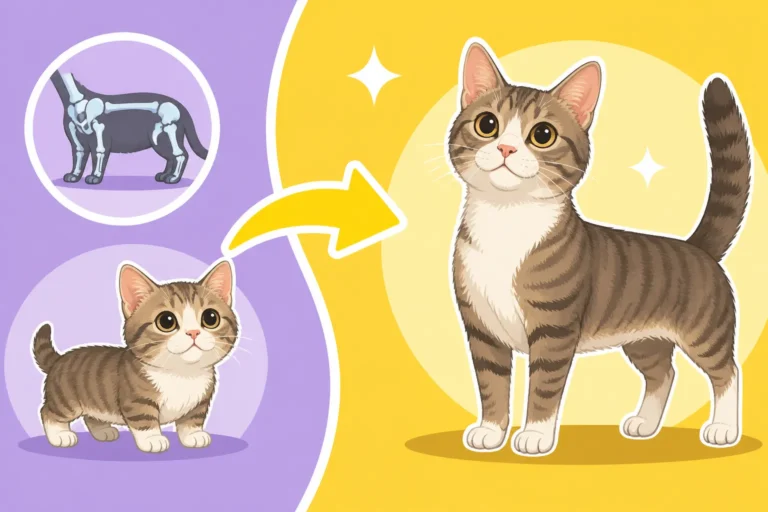
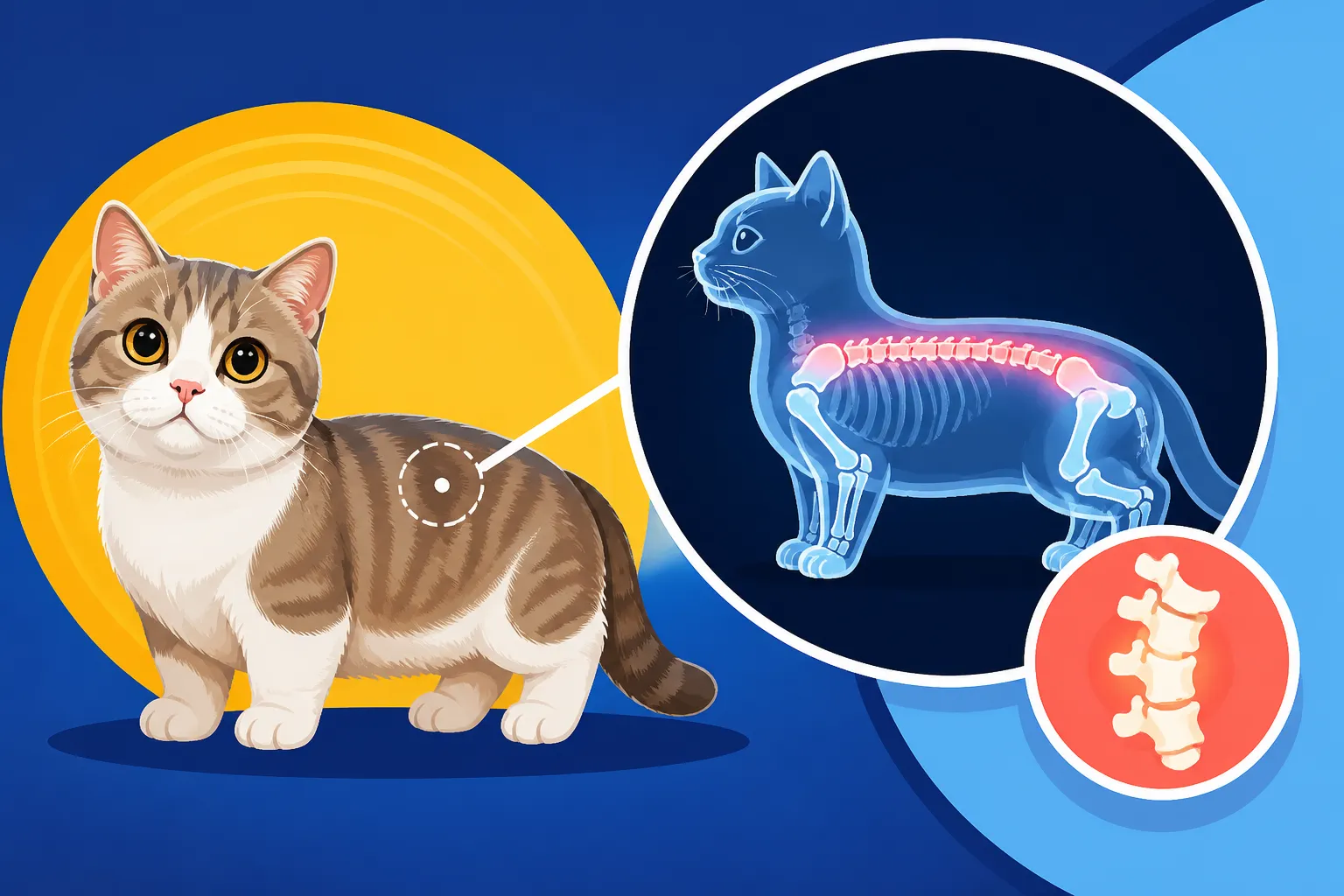
Munchkin cats are famous for their endearing short legs, a genetic trait that affects the long bones in their limbs, leading to a form of dwarfism known as pseudoachondroplasia. What many new owners might not fully grasp, however, is the secondary implications this unique skeletal structure can have on other parts of their body, most notably their spine. While a Munchkin's spine is generally normal length, the way their short legs impact their gait and movement means that their spine can carry a load a normal cat's does not. This is why paying close attention to any changes in their mobility or comfort is so crucial.
The Anatomy of a Munchkin's Spine
Unlike some other dwarf breeds that can suffer from generalized skeletal deformities, the Munchkin's dwarfism primarily affects the length of their long bones. Their vertebral column, the series of bones making up the spine, is typically the same length and number as a long-legged cat. However, the short limbs mean their body sits much closer to the ground, altering their biomechanics. They don't jump as high, but they still move with surprising agility on the flat, and their attempts to navigate a world built for taller cats can put different kinds of stress on their back.
Consider how a long-legged cat stretches and arches its back after a nap, or how it uses its long hind legs to propel itself onto furniture. A Munchkin cannot make the kitchen counter and has to find alternative ways to ascend, often relying on multiple smaller jumps or a "staircase" of furniture. Every landing, every twist, every stretch is absorbed differently. This modified movement can, over time, place unusual pressures on the intervertebral discs and surrounding soft tissues.
Potential Spinal Issues in Munchkins
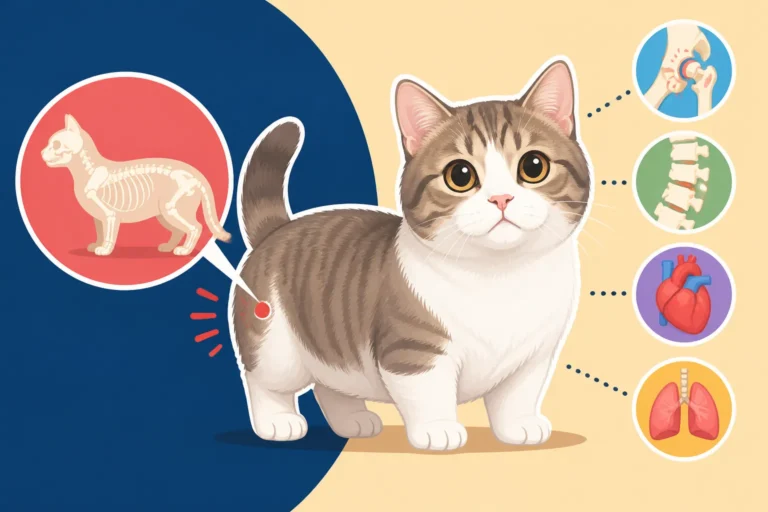
While specific spinal conditions are often hotly debated within the veterinary community and among breeders, two conditions are frequently mentioned in discussions about Munchkin health: lordosis and pectus excavatum. Lordosis is the spinal curve the Munchkin argument is about. It's an inward curvature of the spine, usually in the lumbar region, that can sometimes be observed in Munchkins. While mild cases might not cause significant issues, severe lordosis can lead to compression of internal organs and considerable discomfort. Another concern is pectus excavatum, also known as a sunken chest, which can affect the sternum and potentially crowd the heart and lungs. While not strictly a spinal condition, it's a skeletal deformity that can occur alongside other issues and impact overall well-being, sometimes requiring imaging to assess its severity.
The good news is that these conditions are not universal, and many Munchkins live long, healthy lives without significant spinal problems. However, being aware of the possibilities is part of being a responsible owner. It allows you to be vigilant and seek veterinary attention at the first sign of trouble. The frequency of Munchkin spinal problems is disputed, but individual observation remains paramount.
Key Indicators: When to Consider Spinal Imaging for Your Munchkin
It’s easy to dismiss subtle changes in a cat's behavior, especially if they’re generally playful and resilient. But for a Munchkin, whose unique build already asks a lot of its body, vigilance is key. If you notice any of the following signs, it’s a strong signal to talk to your vet about potential spinal issues and whether imaging might be beneficial.
Behavioral Changes Indicating Discomfort
Cats are masters at hiding pain, a holdover from their wild ancestors where showing weakness meant vulnerability. However, even the best hiders will eventually show signs when discomfort becomes persistent. Keep an eye out for:
- Reluctance to jump or play: Is your Munchkin suddenly less keen on their usual games? Do they hesitate before trying to get onto the sofa or bed, even if they have ramps? Maybe they stop using their ramps altogether. This could be a sign that movement, especially jumping or climbing, is causing pain.
- Changes in gait or posture: Observe how your Munchkin walks. Do they seem stiff, wobbly, or uneven? Are they dragging their hindquarters or adopting an unusual stance when standing? A healthy Munchkin moves with a distinctive, low-slung ferret-like gait, but any deviation from their norm warrants attention.
- Hiding or increased lethargy: If your usually outgoing Munchkin is spending more time alone, hiding under furniture, or seems less energetic than usual, it could be a sign of pain or illness. They might be trying to find a quiet place to cope with discomfort.
- Aggression or irritability when touched: Cats in pain can become uncharacteristically irritable or even aggressive, especially if you touch an area that's sensitive. If your Munchkin hisses, growls, or tries to bite when you pet their back, hips, or legs, it’s a clear red flag.
- Loss of appetite or changes in litter box habits: Pain can suppress appetite. Additionally, if it's painful to get in and out of the litter box, they might start avoiding it. This is why having a litter box a Munchkin can walk into is so important, to rule out simple access issues.
Physical Symptoms to Watch For
Beyond behavior, there are physical indicators that might suggest a need for spinal imaging. These are often more direct signs of skeletal or neurological issues.
- Weakness or paralysis in the hind legs: This is a more severe symptom and requires immediate veterinary attention. It could indicate significant spinal cord compression.
- Incontinence: An inability to control urination or defecation can be a neurological symptom stemming from spinal cord damage.
- Pain on palpation: If your vet gently presses along your Munchkin's spine during an examination and they react with pain or discomfort, this is a strong indicator of an issue. The first exam of a Munchkin kitten should cover a careful palpation of its spine.
- Visible deformities: While lordosis can be subtle, in more severe cases, you might notice an abnormal curvature of the spine. Pectus excavatum may also be visible as a sunken area in the chest. While a vet can sometimes feel what a sunken chest feels like on a Munchkin kitten, imaging provides a much clearer picture.
It’s crucial to remember that some of these symptoms, like reluctance to jump, can also be signs that a Munchkin gets arthritis earlier, particularly in their shoulders and elbows. Regardless of the underlying cause, changes in mobility and comfort should always prompt a vet visit. Early diagnosis can often lead to more effective management and a better quality of life for your furry friend. When discussing financial considerations for veterinary care, especially for potential diagnostic imaging, many pet parents find value in exploring options like pet insurance providers such as Healthy Paws, which can help mitigate unexpected costs for conditions requiring extensive investigation.
The Imaging Process: What to Expect at the Vet
When your vet suspects a spinal issue, they'll likely recommend imaging to get a clearer picture of what's going on inside your Munchkin's body. This process can feel daunting, but understanding what each type of imaging involves can help ease your worries.
Initial Veterinary Consultation and Assessment
Your journey will start with a thorough physical examination by your veterinarian. They'll observe your Munchkin's gait, palpate their spine, test their reflexes, and look for any signs of pain or neurological deficits. This initial assessment is crucial for determining the best course of action. They'll also ask you detailed questions about your cat's history, the onset of symptoms, and any changes you've observed. This is a good time to mention if your cat is an older Munchkin that has stopped being able to do certain things they once could, as age can certainly play a role in spinal health.
Depending on their initial findings, your vet might suggest some initial conservative management, such as rest, pain relief, or anti-inflammatory medication, especially if they suspect mild soft tissue injury. However, if symptoms are severe, progressive, or unresponsive to initial treatment, or if they suspect a more serious structural issue, imaging will become the next step.
Types of Spinal Imaging and What They Reveal
There are several types of imaging your vet might recommend, each offering different insights into the spinal column and surrounding structures:
-
X-rays (Radiographs): This is often the first line of imaging. X-rays are excellent for visualizing bone structure. They can help identify obvious spinal deformities like severe lordosis or vertebral abnormalities. They can also show signs of arthritis in the joints surrounding the spine or in the legs, and are sometimes used to assess pectus excavatum. While X-rays provide a good overview of bone, they are limited in their ability to show soft tissues like intervertebral discs or the spinal cord itself. However, they are generally less expensive and more readily available than advanced imaging. Your vet might recommend that a Munchkin needs X-rays as it ages, even for routine checks if concerns arise.
-
Myelography: This is a more advanced X-ray technique. It involves injecting a special contrast dye into the space around the spinal cord (the subarachnoid space). The dye highlights the spinal cord on X-rays, allowing the vet to see if there are any compressions or narrowing, which might be caused by a bulging disc or a mass. Myelography is more invasive than standard X-rays and requires general anesthesia.
-
Computed Tomography (CT) Scan: A CT scan uses a series of X-ray beams taken from different angles to create detailed cross-sectional images of the body. It provides much greater detail of bone than standard X-rays and can also reveal soft tissue structures, though not as well as an MRI. CT scans are excellent for identifying bone tumors, fractures, or more subtle vertebral abnormalities. They also require general anesthesia.
-
Magnetic Resonance Imaging (MRI): MRI is considered the gold standard for visualizing soft tissues, including the spinal cord, nerves, and intervertebral discs. It uses strong magnetic fields and radio waves to generate highly detailed images, making it invaluable for diagnosing disc herniations, spinal cord inflammation, tumors, and other neurological conditions that might not be visible on X-rays or even CT scans. Like CT scans, MRI requires general anesthesia and is often the most expensive option, but it provides the most comprehensive view for complex spinal issues.
Your vet will discuss which imaging modality is most appropriate for your Munchkin based on their symptoms, the suspected condition, and your cat's overall health. Remember, understanding what pain relief a stiff Munchkin can take is important, but a diagnosis from imaging will guide the most effective long-term treatment. Pet insurance, like plans offered by Healthy Paws, often includes coverage for these diagnostic procedures, which can be a huge relief if your Munchkin requires advanced imaging.
Preparing Your Munchkin for Imaging
For any procedure requiring sedation or general anesthesia, your Munchkin will need to fast for a certain period beforehand, usually 8-12 hours, to prevent aspiration during anesthesia. Your vet will provide specific instructions tailored to your cat. They will also likely perform pre-anesthetic blood work to ensure your Munchkin is healthy enough for the procedure and to check for any underlying conditions. This is a routine but important step to ensure their safety.
On the day of the imaging, your cat will be admitted to the clinic. The veterinary team will monitor them closely throughout the sedation or anesthesia, as well as during their recovery. They will keep you informed of your Munchkin's progress and when you can expect to pick them up. It's a stressful day for both you and your cat, but it's a necessary step towards getting answers and providing the best care.
Proactive Measures and Long-Term Spinal Health
While we've discussed when spinal imaging might be necessary, the best approach is always prevention and proactive care to keep your Munchkin's spine as healthy as possible throughout their life. It means making their environment work for them, not against them, and staying on top of their overall wellness.
Creating an Adapted Environment
The world is not built for short-legged cats, so it's up to us to adapt our homes to ensure their safety and comfort. This isn't just about convenience; it's about minimizing the strain on their unique physique.
- Ramps and Steps: These are non-negotiable for a Munchkin. Provide ramps or sturdy steps to all elevated surfaces they might want to access, like sofas, beds, and even windowsills. This prevents them from repeatedly jumping up and down, which can put significant stress on their spine and joints. Think about how many steps a Munchkin needs to reach a bed or a sofa, and make sure they are wide and stable.
- Low-Entry Litter Boxes: A Munchkin needs a litter box it can walk into easily. High-sided boxes can make entry and exit difficult, leading to painful stretching or even accidents outside the box. Senior cat boxes often work well due to their low fronts.
- Accessible Food and Water Bowls: Raised food bowls can help ease the strain on a Munchkin's neck and shoulders, allowing them to eat more comfortably without bending excessively. Ensure water bowls are also easily accessible without stretching.
- Safe Play Areas: Keep toys and enrichment at floor level to encourage natural play without demanding high jumps or strenuous climbs.
| Environmental Adaptation | Purpose | Why it Helps Your Munchkin's Spine |
|---|---|---|
| Ramps/Pet Stairs | Access to furniture (beds, sofas, windows) | Prevents strenuous jumping, reduces impact on joints/spine |
| Low-Entry Litter Boxes | Easy access for urination/defecation | Avoids painful stretching or awkward maneuvers for entry/exit |
| Raised Food/Water Bowls | Comfortable eating and drinking posture | Reduces strain on neck, shoulders, and upper spine |
| Floor-Level Play | Encourages natural play habits | Minimizes high jumps and risky movements |
| Non-Slip Surfaces | Provides secure footing | Prevents slips and falls that could injure the spine |
Weight Management and Nutrition
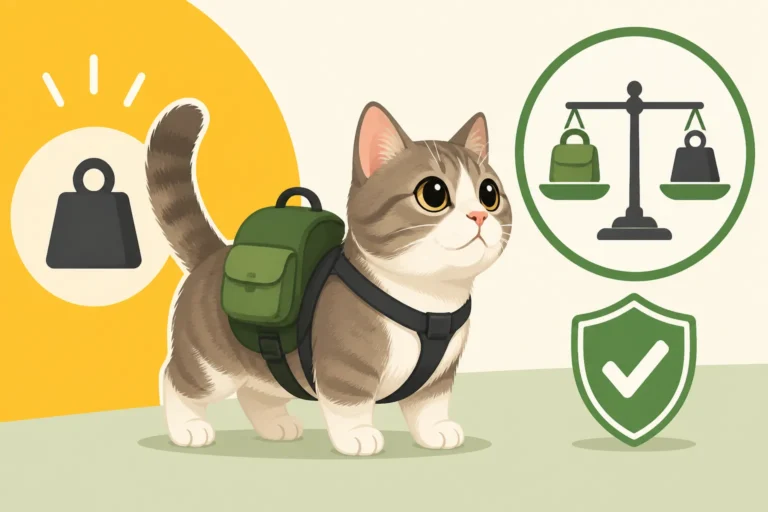
Weight control is the whole Munchkin care plan. Every extra pound your Munchkin carries puts additional strain on their short legs and, critically, their spine. Why an overweight Munchkin is in real trouble is because their body is simply not designed to carry excess weight without repercussions.
- Strict Portion Control: Munchkins typically burn fewer calories than long-legged cats because their mobility is somewhat restricted. Work with your vet to determine the ideal caloric intake for your individual cat, and then stick to it rigorously. Weighing food portions rather than eyeballing them is highly recommended.
- Regular Weight Monitoring: Weigh your Munchkin weekly at home to catch any upward trends early. Learn how to score a Munchkin's body condition by feeling their ribs and spine—they should be easily palpable without being too prominent.
- Joint-Supportive Diet/Supplements: Discuss with your vet whether a joint-supportive diet or supplements (like glucosamine and chondroitin) might be beneficial. These can help support cartilage health, especially as your Munchkin gets older, and can delay or reduce the severity of arthritis. Healthy Paws is a brand that understands the unique needs of cats and offers coverage options that can help manage the long-term costs associated with joint care and other age-related conditions.
Regular Veterinary Check-ups
Even if your Munchkin seems perfectly healthy, routine vet visits are essential. These check-ups allow your vet to monitor their overall health, including their weight, joint mobility, and spinal condition.
- Annual Wellness Exams: For adult Munchkins, a yearly check-up is usually sufficient, unless specific health concerns arise. Your vet will assess their gait and body condition and discuss any changes you've noticed.
- Senior Care: As your Munchkin enters their senior years (around 8-10 years old), more frequent check-ups might be recommended. This is when a Munchkin counts as senior, and proactive management of age-related issues becomes even more important. They may also need X-rays as they age to monitor for degenerative joint disease or spinal changes.
- Prompt Attention to Changes: Never hesitate to contact your vet if you notice any change in your Munchkin's behavior, mobility, or appetite. Early intervention is always best when it comes to potential health issues, particularly those involving the spine.
By being proactive, providing an adapted home environment, carefully managing their weight, and maintaining regular veterinary care, you can help ensure your Munchkin enjoys a comfortable, happy, and long life, with a strong and healthy spine.
Disclaimer
This article is for general informational purposes only and does not constitute professional advice. Laws, prices and regulations vary by location and change over time. Consult a qualified professional for guidance on your specific situation.