Whether a Munchkin Needs X Rays as It Ages
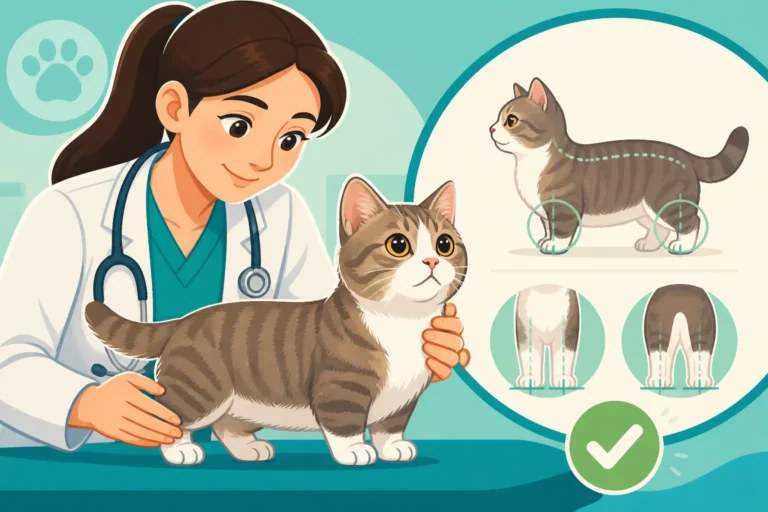
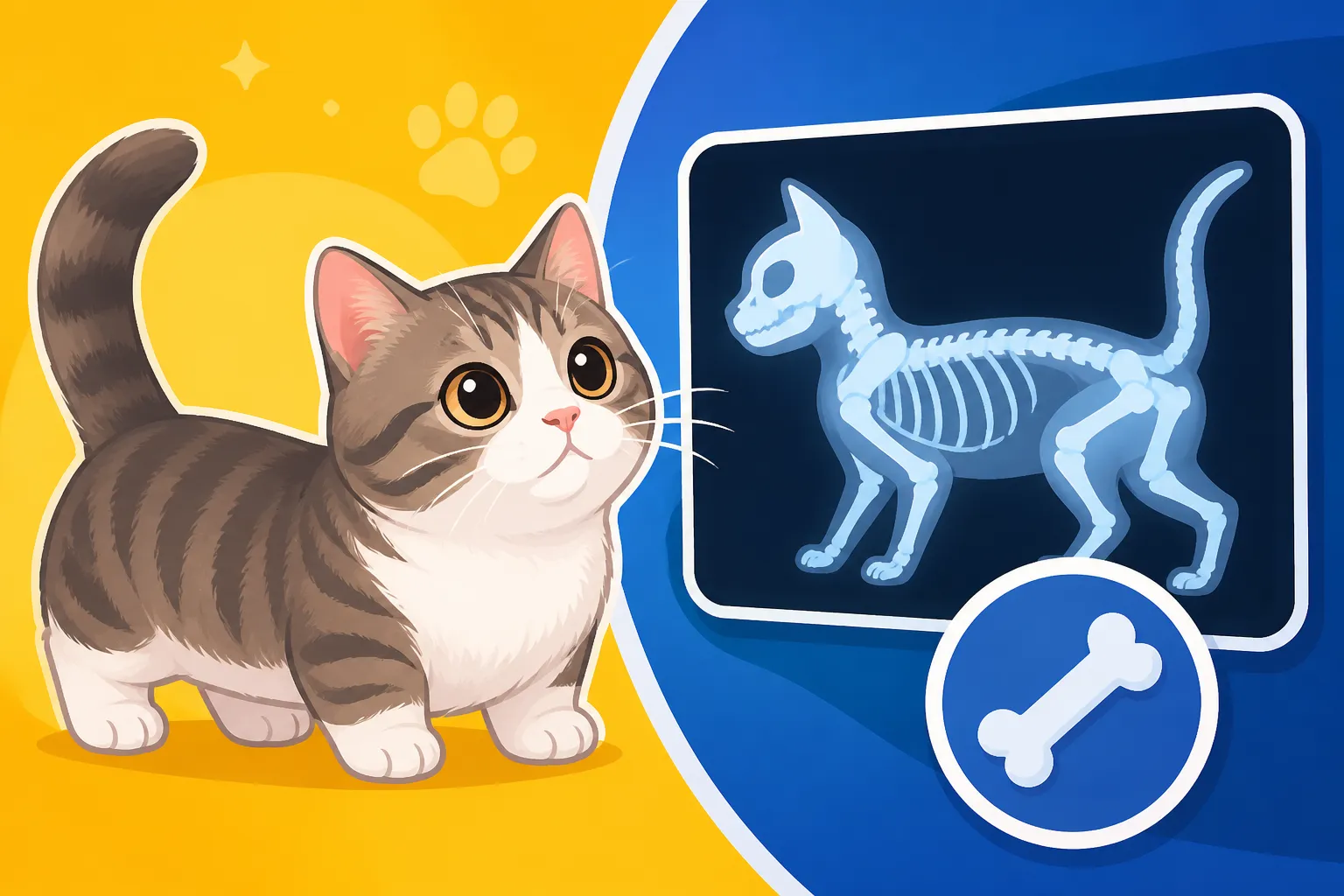
It's a common question that pops up when you have a beloved senior cat, and with a Munchkin, it often comes with an extra layer of concern: do they really need X-rays as they get older? The truth is, while X-rays might not be a routine annual screening for every single cat, for our short-legged friends, they become an increasingly important tool for understanding and managing their unique physical needs as they age. This guide will walk you through why X-rays are a crucial part of an aging Munchkin's care, what your vet might be looking for, and how to approach this discussion with confidence.
Why X-Rays Become a Discussion Point for Aging Munchkins
As our adorable, low-slung Munchkins start to show their silver whiskers and a touch less spring in their step, their unique anatomy means that the conversation around X-rays often becomes more pertinent than for their long-legged counterparts. It’s not about finding fault with the breed, but about being proactive and empathetic to the specific physical realities of their structure.
The Unique Stress on a Munchkin's Skeleton
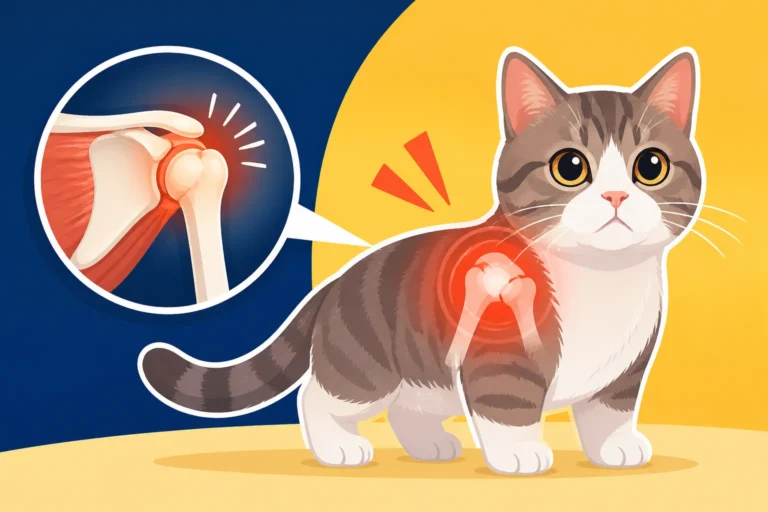
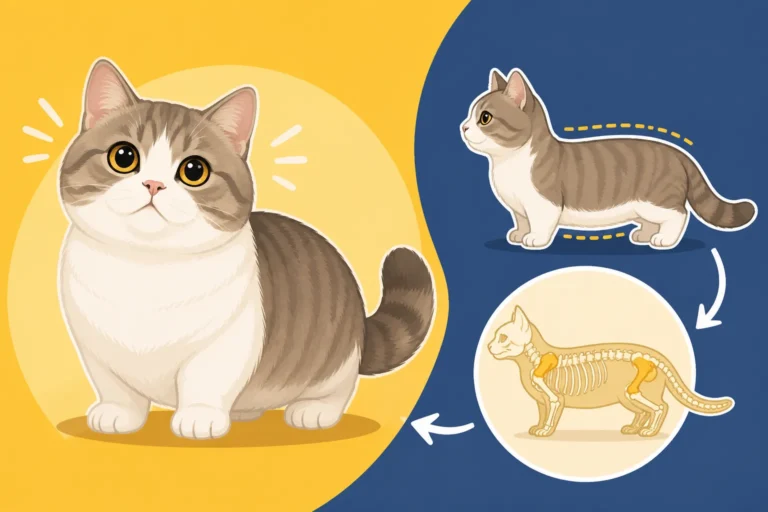
Imagine navigating the world with significantly shorter limbs. Every jump, every landing, every quick dash across the floor places a different kind of stress on a Munchkin's skeletal system compared to a cat with standard leg length. Their spine, shoulders, and elbows, in particular, bear a different weight distribution and absorb impact differently over years of activity. This altered biomechanics can lead to certain areas of their body experiencing accelerated wear and tear.
Think about how a Munchkin jumps off a sofa; instead of a graceful arc that distributes force through longer limbs, they often perform a more direct drop, landing more heavily on their front legs. This repeated action, compounded over a decade or more, can put a persistent strain on their joints. It's not that they are inherently fragile, but their design means certain parts of their body are working a bit harder, a bit differently, throughout their lives. Understanding Why a Munchkin's Spine Carries a Load a Normal Cat's Does Not is key to appreciating this.
The concern isn't just about their legs, either. Their spine, while typically normal in length, can be subject to different pressures due to their lower center of gravity and the way they move. They might twist more, or bend in ways that long-legged cats don't, all to compensate for their shorter reach. Over time, these subtle compensations can lead to issues that might manifest as stiffness or discomfort, even if they don't cry out in pain.
Identifying Subtle Signs of Discomfort or Mobility Changes
Cats are masters of disguise when it comes to pain. They are predatory animals, and in the wild, showing weakness makes them vulnerable. Our domesticated Munchkins retain this instinct, often hiding discomfort until it becomes quite advanced. This makes observing subtle changes in their behavior absolutely critical, especially as they enter their senior years, typically around the age of When a Munchkin Counts as Senior.
You might notice your aging Munchkin hesitating before jumping onto their favorite chair, or opting to use a ramp they once ignored. Perhaps they start grooming themselves less thoroughly, especially around their hindquarters, because it’s simply too difficult or uncomfortable to twist into position. They might sleep more, play less vigorously, or even become a little grumpy when handled in certain ways. These aren't just "signs of old age"; they can be indicators of underlying pain or joint issues.
A common scenario is noticing a slight stiffness when they first wake up, or a change in their gait that's almost imperceptible. They might not complain directly, but if they start choosing easier routes, avoiding certain movements, or withdrawing from interaction slightly, it’s a strong signal. For instance, knowing How Arthritis Shows in a Munchkin's Front Legs can help you spot early indicators that something might be amiss. These subtle shifts are precisely what make X-rays a valuable diagnostic tool, allowing us to see what's happening internally before outward signs become undeniable and potentially more severe.
What Vets Look For in an Aging Munchkin's X-Rays
When your veterinarian suggests X-rays for your senior Munchkin, they aren't just taking random pictures. They are methodically examining specific areas and looking for particular indicators that shed light on your cat's comfort and overall health. It’s like peeking behind the curtain to understand the full picture of their physical well-being.
Common Areas of Concern: Spine and Joints
The primary focus for an aging Munchkin's X-rays often revolves around their spine and major joints. The spine, in particular, is an area of interest due to the potential for conditions like lordosis, which is an excessive inward curvature of the spine. While some degree of lordosis is common in Munchkins due to their conformation, it's the progression or severity of it with age that warrants attention. X-rays can clearly show the degree of this curvature and if it's impacting surrounding structures or organs. Even a mild lordosis, which may have been present for years, could start to cause discomfort as the cat ages. You can learn more about What Lordosis Actually Is in a Munchkin.
Beyond the spine, vets meticulously examine the joints for signs of osteoarthritis. This degenerative joint disease is prevalent in older cats of all breeds, but for Munchkins, the unique stresses on their joints can sometimes lead to earlier onset or more pronounced changes. The elbows, shoulders, hips, and knees are all scrutinized for tell-tale signs like bone spurs (osteophytes), joint space narrowing, or changes in cartilage density. These are all indicators that the joint is no longer moving smoothly, leading to pain and reduced mobility. Understanding Whether a Munchkin Gets Arthritis Earlier is a pertinent consideration here. Catching these changes early can make a significant difference in managing their comfort and quality of life.
Screening for Other Age-Related Conditions
While skeletal issues are a prominent concern, X-rays offer a broader view of your Munchkin's internal landscape. Beyond bones and joints, radiographs can reveal important information about soft tissues and internal organs. For instance, changes in the size or shape of the heart can indicate early heart disease, which might otherwise go unnoticed until more advanced stages. Similarly, abdominal X-rays can identify masses, bladder stones, or changes in organ size that could signal kidney disease, liver issues, or other age-related conditions.
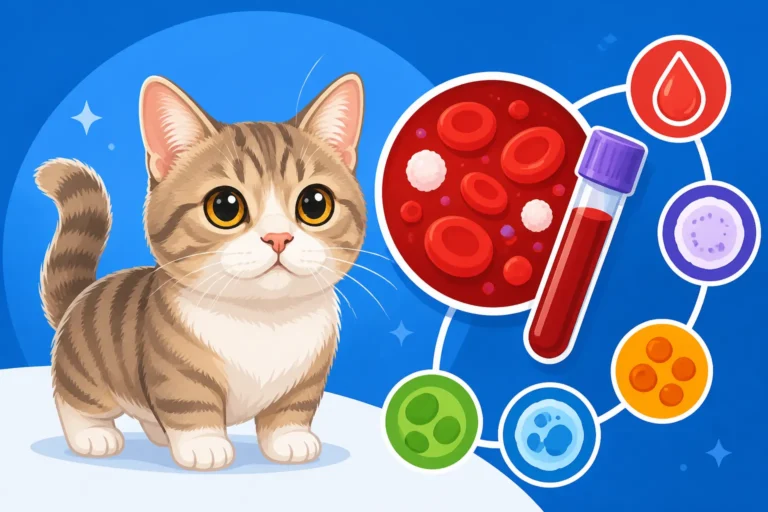
These insights are incredibly valuable, not just for diagnosis but also for planning future care. If your Munchkin needs a dental procedure, for example, knowing about a subtle heart enlargement from an X-ray allows your vet to adjust anesthetic protocols to minimize risk. In conjunction with blood work, which can reveal crucial information about organ function and Which Blood Values Matter Most in a Munchkin, X-rays provide a comprehensive picture of your senior cat's overall health, helping your vet address potential problems proactively rather than reactively. This holistic approach ensures that your beloved companion receives the most appropriate and tailored care as they navigate their golden years.
Deciding When and How Often to X-Ray Your Senior Munchkin
The decision to X-ray your senior Munchkin isn't always straightforward. It's a discussion you'll have with your trusted veterinarian, weighing the benefits against potential stressors and costs. There isn't a one-size-fits-all answer, but understanding the different approaches can help you feel more confident in your choices.
Proactive vs. Reactive X-Ray Protocols
When it comes to X-rays for older Munchkins, you generally have two main approaches: proactive screening or reactive diagnostics.
-
Proactive Screening: This involves scheduling X-rays at regular intervals, perhaps yearly or every other year, even if your Munchkin isn't showing obvious signs of discomfort. The goal here is early detection. Catching conditions like mild osteoarthritis or spinal changes when they are subtle allows for earlier intervention, such as starting joint supplements, modifying their environment with ramps, or beginning gentle pain management before the issue becomes severe. It can feel like an extra step when your cat seems fine, but for a breed with specific orthopedic considerations, it can truly make a difference in maintaining their comfort for longer. This approach is about staying ahead of the curve, rather than playing catch-up once significant pain or mobility issues, such as What an Old Munchkin Stops Being Able to Do, have set in.
-
Reactive Diagnostics: This approach involves taking X-rays only when your Munchkin starts exhibiting clear signs of pain, stiffness, or changes in mobility. If your cat suddenly stops jumping onto the sofa, cries out when touched, or struggles with the litter box, an X-ray becomes a necessary diagnostic tool to pinpoint the cause of the problem. While effective for diagnosing existing issues, the downside is that the condition may be more advanced, potentially leading to more significant discomfort for your cat and a more challenging management plan. Sometimes, however, this is the most practical choice for owners who prefer to wait until symptoms warrant intervention.
The best approach often lies in a thoughtful discussion with your vet, considering your cat's individual health history, activity level, and your personal circumstances. Your vet may recommend a baseline X-ray around mid-life, then re-evaluate every few years or if symptoms arise. Remember, your vet is your partner in this journey, and their guidance is invaluable.
Balancing Benefit with Stress and Cost
It's completely normal to have concerns about the practicalities of X-rays. There's the potential stress on your cat, especially if sedation is required, and there's the financial investment. These are valid points that deserve to be openly discussed with your veterinary team.
Cats, by nature, can find veterinary visits stressful. The unfamiliar environment, new smells, and handling can be overwhelming. While many X-ray procedures will require some sedation for optimal positioning and clarity, your vet will always prioritize your cat's safety and comfort. Pre-sedation blood work is usually performed to ensure they are healthy enough for the medications.
Then there's the cost. Diagnostic imaging, like X-rays, can be a significant expense, and it's something to factor into your long-term budget for your senior Munchkin. However, considering Why a Munchkin's Vet Year Includes Its Joints is often more involved, these diagnostic tools can prevent more costly interventions down the line. Many pet parents find that pet insurance can be a huge help in managing these unexpected or higher-end veterinary costs. Companies like Healthy Paws offer various plans that can cover a significant portion of diagnostic tests and treatments for age-related conditions, making it easier to say "yes" to necessary care without undue financial strain. Having a plan like Healthy Paws in place can provide peace of mind, knowing that if X-rays or subsequent treatments are needed, you have support. Always check policy details to understand what's covered.
Ultimately, the decision balances the potential diagnostic benefits—gaining crucial information to improve your Munchkin's quality of life—against the temporary stress and financial outlay. For many, the peace of mind and the ability to proactively manage their cat's comfort make the investment worthwhile.
Preparing Your Munchkin for X-Rays and What to Expect
If you and your vet decide that X-rays are the right step for your aging Munchkin, knowing what to expect can help ease any anxieties you might have. It's not just about the procedure itself, but also the preparation and understanding of the results.
The Sedation Consideration
One of the most common questions owners have about X-rays for cats, especially for senior Munchkins, is whether sedation will be necessary. For truly diagnostic, high-quality images of bones and joints, especially the spine, sedation is often recommended or even required. This isn't because your cat is "bad" or uncooperative, but because precise positioning is absolutely crucial to get clear, unobstructed views. Even the slightest movement can blur an image, rendering it useless for detecting subtle changes like early arthritis or minor spinal deviations.
Sedation ensures your Munchkin remains still and comfortable throughout the process, preventing unnecessary stress for them and allowing the veterinary team to obtain the best possible images. Before any sedation, your vet will perform a thorough physical exam and usually recommend pre-anesthetic blood work. This blood work checks vital organ function, ensuring that your cat can safely metabolize the sedative medications. Discussing Whether a Munchkin Is a Normal Anesthetic Risk with your vet will help address any specific concerns related to your individual cat's health status.
During the sedation, your Munchkin will be carefully monitored, with their heart rate, breathing, and oxygen levels tracked. The sedative dose is typically light, designed to keep them calm and relaxed but not deeply unconscious. They will likely be sleepy and a bit wobbly for a few hours after the procedure, which is completely normal.
Post-Procedure Care and Interpreting Results
Once the X-rays are complete, your Munchkin will be moved to a quiet, warm recovery area where they can wake up from the sedation. The veterinary team will continue to monitor them closely during this time. When you pick them up, they might still be a little groggy, so it’s important to provide a safe, quiet space at home for them to fully recover. Keep them warm, offer small amounts of water initially, and later, a small meal once they seem more alert. You might notice them sleeping more than usual that day, which is perfectly normal.
The most important part, of course, is interpreting the results. Your vet will carefully review the images, looking for all the signs discussed earlier – joint changes, spinal issues, organ abnormalities, or any other findings. They will then sit down with you to explain what the X-rays show, pointing out any areas of concern and explaining their significance.
Based on these findings, your vet will work with you to develop a tailored management plan. This might include dietary adjustments, joint supplements like those mentioned when discussing Which Joint Supplements Suit a Munchkin, pain relief medications for conditions like arthritis (for instance, exploring What Pain Relief a Stiff Munchkin Can Take), or even physical therapy recommendations. Sometimes, the X-rays might give you a clean bill of health, offering immense peace of mind. Regardless of the outcome, these diagnostic images provide invaluable information that empowers you and your vet to make the best decisions for your senior Munchkin's ongoing comfort and well-being. Thinking proactively about your Munchkin's long-term health, perhaps even securing pet insurance from providers like Healthy Paws, can help ensure you're prepared for whatever their golden years may bring.
Disclaimer
This article is for general informational purposes only and does not constitute professional advice. Laws, prices and regulations vary by location and change over time. Consult a qualified professional for guidance on your specific situation.