Whether a Munchkin DNA Test Exists
It’s completely understandable to wonder if there's a simple DNA test available for Munchkin cats, especially when you're thinking about welcoming one into your home or even if you're a seasoned breeder. With so much modern science at our fingertips, it feels like we should be able to get a definitive genetic readout for everything, right? However, the reality of genetic testing for Munchkin cats, particularly concerning the unique short-leg gene itself, isn't as straightforward as some might hope. This comprehensive guide aims to clear up the confusion, explaining what DNA tests currently exist for Munchkins, what they can tell you, and what they can't.
The Elusive DNA Test for the Munchkin Gene Itself
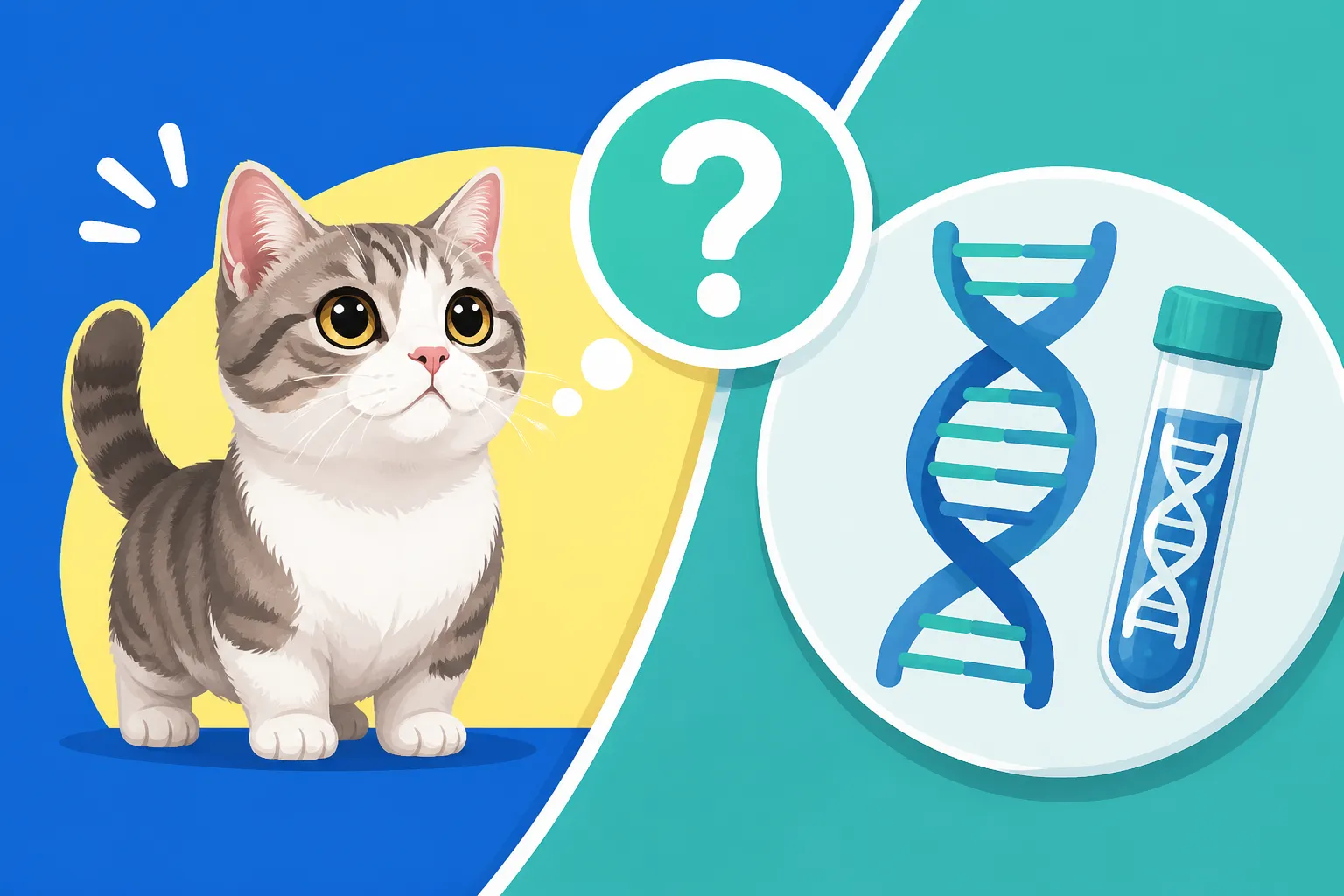
One of the most common questions people ask is whether a simple DNA test can confirm if a cat is a Munchkin, or more precisely, if it carries the gene responsible for their characteristic short legs. You’d think by now, with all the advancements in genetic science, this would be a routine test, but it's not. The specific genetic mutation that causes Munchkin dwarfism, while well-understood in its effect, hasn't had a commercially available, direct DNA test for identification developed by major genetic testing labs for cats.
Understanding the Munchkin Gene's Nature
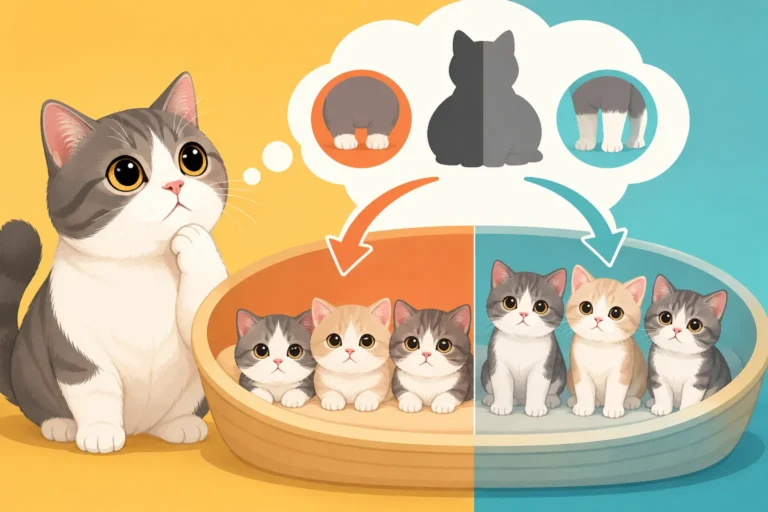
The Munchkin breed owes its distinctive appearance to a naturally occurring genetic mutation that causes a condition known as pseudoachondroplasia. This isn't just any old gene; it's an autosomal dominant gene. This means that a cat only needs to inherit one copy of this gene from one parent to display the short-legged trait. If a cat inherits two copies of this gene, the outcome is unfortunately lethal, with the embryos typically not surviving to term. This crucial detail, that Munchkin Dwarfism Is Dominant and Lethal in Two Copies, is a fundamental part of understanding why breeding Munchkins always involves an outcross to a normal-legged cat.
Because the gene is dominant, a short-legged Munchkin always has one copy of the gene. If it didn't, it wouldn't have short legs. So, in a way, the visible trait is the test. There's no "hidden" carrier status for the short legs in a normal-legged cat, unlike some recessive genetic diseases. A cat either has short legs or it doesn't. If it has short legs, it carries one copy of the gene. If it has normal legs, it doesn't carry the gene. It’s that simple for the dwarfism gene itself. This is why How Munchkin Dwarfism Is Inherited is such an important topic for breeders and prospective owners to grasp.
Why a Direct Test Isn't Widely Available
Given this genetic reality, the primary reason a specific, commercial DNA test for the Munchkin short-leg gene isn't widely available or even particularly necessary is that the trait is overtly visible. If a cat has short legs, it's a Munchkin or a Munchkin-derived breed. If it doesn't, it's not, and it doesn't carry the gene for short legs. Unlike diseases where a cat can be a carrier without showing symptoms, the Munchkin gene expresses itself phenotypically – you can see it.
Furthermore, the scientific community has been able to pinpoint the region on the cat genome responsible for this trait. However, Why the Munchkin Gene Has Not Been Identified as a singular, easily testable marker, despite being mapped to a specific chromosomal region, adds another layer to this. Developing a commercial test would require isolating the exact causative mutation, which can be complex for a highly penetrant visible trait. For breeding purposes, breeders know a cat is a Munchkin by its appearance, and then they breed it responsibly with a non-Munchkin to ensure healthy litters, as Why a Munchkin Is Always Bred to a Normal Legged Cat dictates.
The Genetic Challenges of Carrier Status
For many genetic conditions, a "carrier" is an animal that holds one copy of a problematic gene but doesn't express the disease itself. They can, however, pass it on to their offspring. This is where DNA tests are invaluable. For the Munchkin short-leg gene, this concept is different. A short-legged Munchkin is the "carrier" of one copy of the gene, and it displays the trait. A normal-legged cat from a Munchkin litter, often called a "long-legged Munchkin" or "Munchkin variant," does not carry the gene. Therefore, there's no hidden "carrier" state for the dwarfism itself that a DNA test would need to uncover in a phenotypically normal cat. They simply don't have the gene.
This leads to the practical implication that if you have a normal-legged cat, and you're wondering if it could somehow secretly carry the Munchkin gene, the answer is no. If it doesn't have short legs, it doesn't have the gene. This simplifies things but also means breeders rely on careful pedigree tracking and visual confirmation rather than a specific DNA marker test for the dwarfism gene itself.
Beyond the Short Legs: What DNA Tests Do Exist for Munchkins?
While a direct DNA test for the Munchkin dwarfism gene itself might not be a commercial reality, that doesn't mean genetic testing is irrelevant for Munchkin cats. Far from it! Responsible breeders and owners utilize a range of other DNA tests to ensure the overall health and genetic diversity of their cats. These tests focus on general feline health conditions and issues that might arise from outcross breeds.
Screening for General Feline Genetic Diseases
Like any breed, Munchkins can be susceptible to general feline genetic diseases that are not specifically tied to their short-legged mutation. These are the kinds of conditions that can affect many different cat breeds, and for which DNA tests are readily available. These include:
- Polycystic Kidney Disease (PKD): This is a progressive kidney disease common in Persian cats and breeds derived from them. If a Munchkin has Persian ancestry in its outcross lines, a PKD DNA test is absolutely critical.
- Hypertrophic Cardiomyopathy (HCM): A common heart disease in cats, particularly certain breeds like Maine Coons and Ragdolls. While there isn't one universal genetic test for all HCM, some breed-specific mutations can be screened for.
- Progressive Retinal Atrophy (PRA): A group of degenerative eye diseases that can lead to blindness.
- Pyruvate Kinase Deficiency (PKDef): An inherited anemia common in Abyssinians and Somalis, among others.
- Spinal Muscular Atrophy (SMA): A neurodegenerative disease primarily affecting Maine Coons.
Many reputable feline genetic testing labs, such as Optimal Selection or Wisdom Panel, offer comprehensive panels that screen for dozens of these conditions. These tests are incredibly valuable, allowing breeders to make informed decisions and ensuring that they are not inadvertently passing on other serious genetic health issues. Having this information can also be invaluable for securing pet insurance, where companies like Healthy Paws may require knowledge of pre-existing conditions. Understanding Whether a Munchkin Carries Any Breed Specific Disease is crucial, and these broader DNA tests help answer that.
Testing for Outcross Breed Inherited Conditions
The Munchkin breed relies heavily on outcrossing to maintain a wide gene pool and ensure overall health. This means that Munchkins are regularly bred with domestic shorthair or longhair cats, or other TICA-recognized breeds that are allowed as outcrosses. When these outcrosses are used, it's vital to consider the genetic health of those breeds.
For example, if a Munchkin is outcrossed to a Persian, then DNA screening for PKD becomes paramount, as mentioned above. Why a Munchkin From a Persian Cross Needs a PKD Test highlights this perfectly. Similarly, if a cat with some Ragdoll ancestry is used as an outcross, screening for Ragdoll-specific HCM mutations would be a responsible step. Reputable breeders will not only screen their Munchkin lines for general feline diseases but also carefully consider the health screenings relevant to their chosen outcrosses. This diligence helps prevent the introduction of new genetic problems into the Munchkin lines, contributing to the overall health of the breed.
The Importance of Parentage Verification
While not a health-related test, parentage verification through DNA is another common genetic test used in breeding programs. This confirms who the sire and dam of a litter are, which is essential for maintaining accurate pedigrees and registration with organizations like TICA (The International Cat Association), the primary registry for Munchkin cats. While a Munchkin's visible characteristics usually make its breed obvious, proving lineage can be important for ensuring the integrity of a cattery's breeding records.
Table: Types of Genetic Tests Relevant to Munchkin Cats
| Test Type | Purpose | Availability (Commercial) | Necessity for Munchkin Dwarfism Gene | Benefits |
|---|---|---|---|---|
| Munchkin Dwarfism Gene Test | To detect the specific gene causing short legs. | Not widely available | Low (visible trait) | Unnecessary for identification; trait is visible. |
| General Feline Disease Panel | Screens for common inherited diseases (e.g., PKD, HCM). | High | High | Prevents passing on widespread genetic illnesses. |
| Outcross Breed-Specific Panel | Screens for diseases prevalent in the outcross parent breed. | High | High | Prevents introducing new genetic problems from diverse ancestry. |
| Parentage Verification | Confirms biological parents of a litter. | High | Low | Ensures accurate pedigrees and ethical breeding practices. |
| Coat Color/Pattern Genetics | Determines genetic basis for fur color and pattern. | High | Low | Useful for breeding aesthetics and predicting kitten appearances. |
Implications for Breeders and Responsible Ownership
Understanding the nuances of genetic testing for Munchkins has significant implications for both breeders committed to ethical practices and individuals considering bringing one of these unique cats into their lives. Without a direct DNA test for the short-leg gene, responsible breeding relies heavily on observation, pedigree analysis, and screening for other health issues.
Breeder Due Diligence Without a Direct Gene Test
Since the short-leg gene's presence is evident by the cat's physical appearance, Munchkin breeders don't need a DNA test to know if their cat carries the trait. Instead, their due diligence focuses on several critical areas:
- Careful Outcrossing: Breeders must meticulously choose healthy, normal-legged outcross partners, typically domestic cats or other TICA-accepted breeds. They should then screen these outcrosses for any genetic diseases common to their lineage. This is essential for Why the Munchkin Gene Pool Stays Wide and healthy.
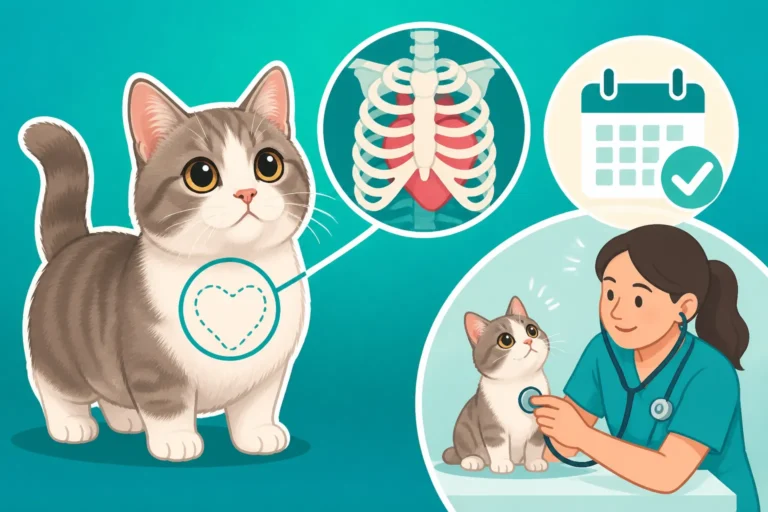
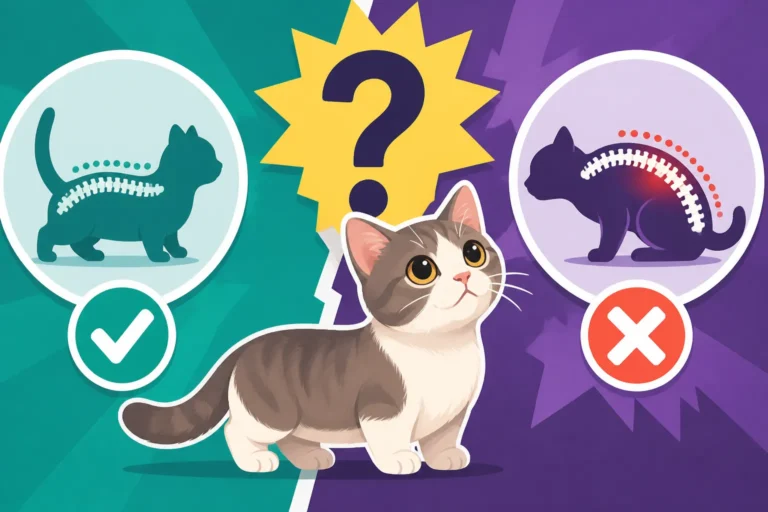
- Health Screening of All Breeding Stock: All cats in a breeding program, Munchkins and outcrosses alike, should undergo extensive health screening for the general feline genetic diseases mentioned earlier, as well as regular veterinary check-ups to monitor for conditions like Lordosis Is the Spinal Curve the Munchkin Argument Is About or Pectus Excavatum and the Munchkin's Sunken Chest. Breeders should be transparent about these screenings. What a Munchkin Breeder Should Be Able to Show You often includes these test results and veterinary records.
- Observation of Physical Conformation: Responsible breeders also pay close attention to the conformation of their Munchkins, looking for healthy mobility and avoiding extremes in leg shortness that could compromise quality of life. They observe their kittens carefully to ensure they are robust and developing well, ensuring that the unique characteristics of the breed do not hinder their overall well-being.
Informing Owners About Potential Health Concerns
Prospective Munchkin owners need to be fully informed about the breed's unique needs and any potential health predispositions. While a DNA test for the short-leg gene isn't a thing, understanding the genetics of the breed means owners should be aware of conditions that have been associated with the body type, even if incidence rates are debated. For example, some argue that the unique spinal load Why a Munchkin's Spine Carries a Load a Normal Cat's Does Not could lead to issues.
This is where the comprehensive health screening performed by reputable breeders becomes vital. Owners should ask to see health clearances for the kitten's parents, including any genetic test results for conditions like PKD or HCM. This transparency helps owners understand the kitten's genetic background and make informed decisions about their care, including considering pet insurance from providers like Healthy Paws to help manage potential future veterinary costs.
The Role of Veterinary Evaluation in Health Screening
Ultimately, regular veterinary evaluation remains the cornerstone of health screening for Munchkin cats. While DNA tests can provide valuable insights into genetic predispositions, a skilled veterinarian can assess a cat's physical health, gait, and overall well-being. During routine check-ups, vets can monitor for any signs of discomfort or mobility issues that might arise from their unique conformation.
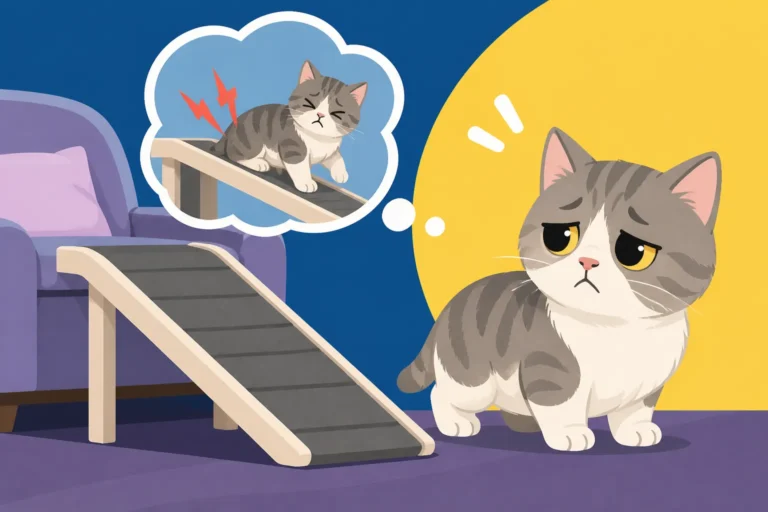
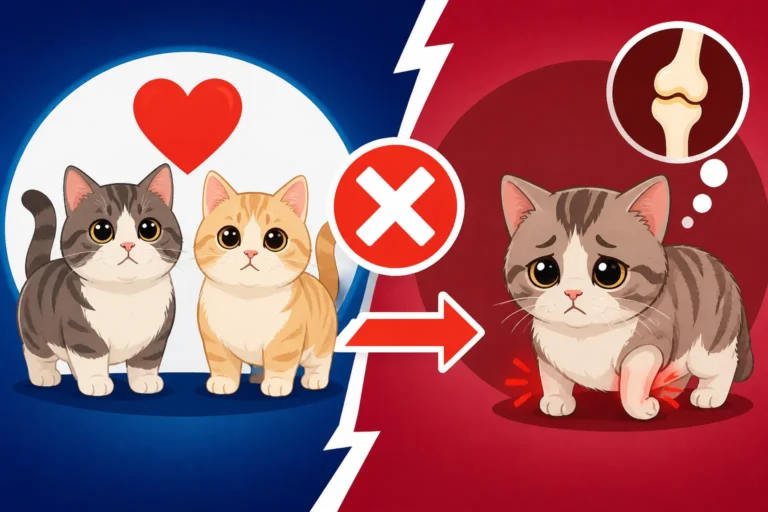
For kittens, early vet checks are crucial to assess for any developmental concerns. As Munchkins age, especially, Which Health Problems the Munchkin Actually Has may become more apparent, and regular exams can help detect issues like arthritis, which can sometimes appear earlier in cats with unique skeletal structures. While genetic tests illuminate potential risks, hands-on veterinary care and attentive observation by owners are indispensable for ensuring a Munchkin cat lives a long, healthy, and happy life.
Disclaimer
This article is for general informational purposes only and does not constitute professional advice. Laws, prices and regulations vary by location and change over time. Consult a qualified professional for guidance on your specific situation.