When a Munchkin Counts as Senior
It's a question every loving Munchkin cat owner eventually faces: when does your adorable, short-legged companion officially cross over into their senior years? It’s not always as simple as circling a date on the calendar, and the unique physical traits of Munchkin cats mean their journey into old age can bring a slightly different set of considerations compared to their long-legged counterparts. This guide will help you understand the common markers of feline seniority, highlight specific points to watch for in your Munchkin, and equip you with the knowledge to provide the best care for their golden years.
Understanding Feline Seniority: More Than Just a Number
For us cat parents, the thought of our beloved furballs growing older can be a little bittersweet. We want them to stay forever playful kittens, but understanding and embracing their aging process is crucial for their well-being. Knowing when to consider your Munchkin a "senior" isn't just about celebrating another birthday; it's about proactively adjusting their care to meet their changing needs.
General Feline Age Classifications
When we talk about cat ages, veterinarians and animal welfare organizations often use categories that go beyond simple calendar years. These classifications help us understand the life stage our feline friends are in and anticipate potential health challenges. For most domestic cats, the general guidelines break down like this:
- Kitten: Birth to 6 months
- Junior: 7 months to 2 years
- Adult: 3 years to 6 years
- Mature/Middle-Aged: 7 years to 10 years
- Senior: 11 years to 14 years
- Geriatric: 15 years and older
So, for a typical cat, the "senior" label generally kicks in around 11 years of age. During the mature phase, from about 7 to 10 years, you might start noticing subtle shifts, like a little less zoomie energy or a preference for longer naps. These aren't necessarily signs of trouble, but rather a gentle heads-up that your cat is maturing and their body is beginning to take on the subtle changes that come with age. Just like people, some cats age more gracefully or rapidly than others, but these categories provide a helpful framework.
The Unique Trajectory of a Munchkin's Aging Process
Now, when we layer the unique genetics of a Munchkin cat onto these general guidelines, things get a little more nuanced. While their overall lifespan, often cited as similar to other domestic cats, generally falls between 12 and 15 years, the way they age can feel different due to their distinctive short legs. Because of their unique conformation, a Munchkin's joints and spine are often under different kinds of stress throughout their lives. This can mean that while their internal organs might age at a similar rate to a long-legged cat, their mobility and musculoskeletal system might show signs of aging earlier or in different ways.
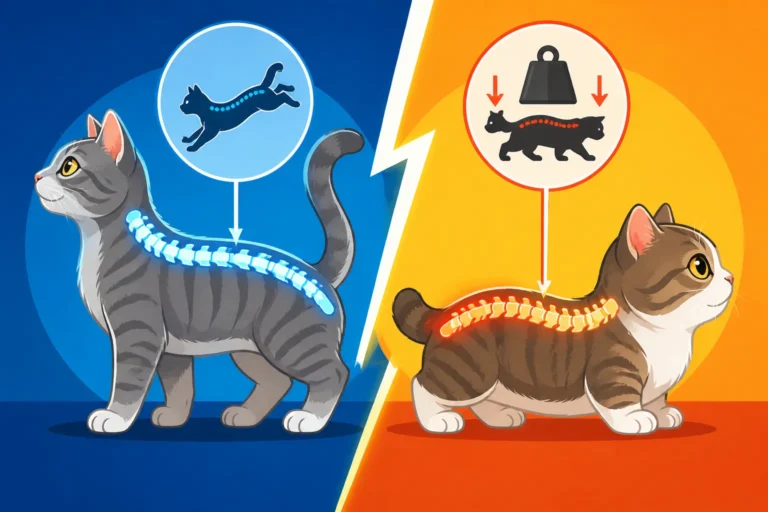
Think about it: a Munchkin's legs are short, but their body is a normal length, meaning their spine carries a load a normal cat's does not. This structural difference, while making them incredibly cute and unique, means their joints, especially in their shoulders and elbows, can experience more wear and tear over the years from the constant impact of their low-to-the-ground movements and attempts at jumping. This doesn't mean they're destined for pain, but it does mean we, as their caregivers, need to be extra vigilant and proactive in supporting their physical health as they mature. You'll want to pay close attention to subtle shifts in their movement and demeanor as early as 7 or 8 years old, even if they're not technically "senior" by the usual standards.
Early Signs of Aging in Munchkin Cats
Watching for the first subtle indicators of aging is key to providing timely support for your Munchkin. These aren't always dramatic changes; sometimes, they're just tiny whispers from their bodies telling you that things are shifting. Being attuned to these minor alterations can make a world of difference in keeping them comfortable and happy as they enter their golden years.
Subtle Behavioral Shifts to Watch For
One of the first places you'll likely notice changes in your maturing Munchkin is in their daily habits and personality. They might not stop playing altogether, but the intensity or duration might lessen. For instance, a cat that once chased toys with boundless energy for 20 minutes might now only manage 5-10 minutes before needing a long nap. You might also notice a decrease in their vertical prowess; while a Munchkin cannot make the kitchen counter easily even in their prime, an older Munchkin might struggle more with reaching their favorite low windowsill or even getting onto the sofa without a ramp. They may start relying more heavily on the ramps and steps you've provided, or even ask to be lifted more frequently, indicating that jumping is becoming more taxing.
Another common behavioral change is an increase in sleep. Older cats, including Munchkins, tend to sleep more deeply and for longer periods. They might seek out warmer, softer sleeping spots, or spend more time simply resting and observing rather than actively participating. Changes in their social interactions can also occur. Some senior Munchkins become more affectionate, seeking out cuddles and reassurance, while others might become a bit more withdrawn or irritable, especially if they are experiencing discomfort. If your normally sociable cat suddenly prefers solitude, it's a good idea to consider if pain might be a factor.
Physical Manifestations of Maturing Joints and Bones
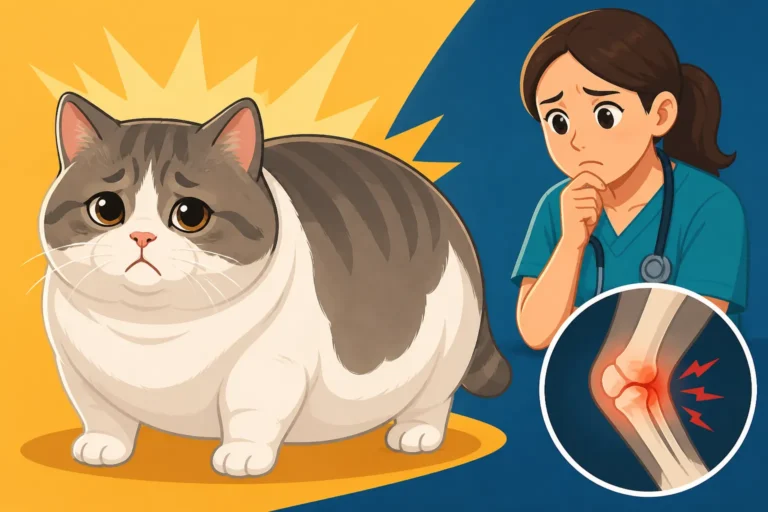
Given their unique physiology, the physical signs of aging in a Munchkin often center around their musculoskeletal system. Their short legs, while adorable, mean their joints absorb more impact, potentially leading to earlier onset of conditions like arthritis. You might start to notice a stiffness, especially after they've been sleeping for a while. Perhaps their gait looks a little less fluid, or they take a moment to "stretch out" before truly getting going. Pay close attention to how they move when they first wake up. Do they seem hesitant or stiff? Do they shy away from being touched in certain areas? These can be important clues.
One common area where you might notice changes is in how osteoarthritis shows in a Munchkin's shoulders. These joints bear a significant load throughout their lives, and signs like a reluctance to fully extend their front legs, a slight limp, or even just a general slowing down could be indicative of joint discomfort. You might also observe changes in their muscle mass, particularly around their hindquarters, even if their weight remains stable. This loss of muscle can further impact their stability and agility. Remember, any noticeable change in how your Munchkin moves or carries itself warrants a conversation with your vet. Catching these issues early can allow for interventions that significantly improve their quality of life.
| Age Category (General) | Typical Age Range | Common Behavioral Changes | Common Physical Changes | Munchkin Specific Considerations |
|---|---|---|---|---|
| Mature/Middle-Aged | 7-10 years | Reduced play, more naps | Subtle stiffness, minor muscle loss | Monitor joint function, early mobility shifts |
| Senior | 11-14 years | Increased sleep, less jumping, potential irritability | Clearer signs of arthritis, decreased agility, potential vision/hearing loss | Increased joint pain, greater grooming difficulty, pronounced mobility issues |
| Geriatric | 15+ years | Significant reduction in activity, seeking comfort/warmth, changes in appetite | Marked stiffness, significant muscle wasting, organ decline | Intensive mobility support, meticulous grooming, specialized diet |
The Impact of Short Legs on Senior Munchkin Health
The very trait that defines a Munchkin cat – their charmingly short legs – also means that their aging process has specific considerations. While all cats experience age-related changes, the Munchkin's unique conformation can exacerbate certain issues, making proactive care even more vital. Understanding these challenges allows you to anticipate and mitigate them, ensuring your senior Munchkin enjoys the best possible quality of life.
Exacerbated Joint Issues and Mobility Challenges
Without a doubt, one of the most significant impacts of short legs on senior Munchkins is the increased likelihood and severity of joint issues. Their disproportionately long bodies, combined with short limbs, mean their joints, particularly those in the shoulders and elbows, bear a greater load and experience more impact during daily activities. Over years of movement, jumping, and landing, this can lead to accelerated wear and tear on cartilage and bone, increasing the risk of arthritis. You might notice that a senior Munchkin gets arthritis earlier than a long-legged cat.
As your Munchkin ages, this predisposition to joint stress can translate into pronounced mobility challenges. They might find it increasingly difficult to navigate even small steps, struggle to get onto their favorite low perch, or refuse to jump down from furniture they once managed with ease. This isn't just about discomfort; it can affect their ability to access food, water, and litter boxes, leading to a diminished quality of life. Providing ramps and steps becomes non-negotiable, and you'll want to explore options for joint supplements that suit a Munchkin to support their cartilage health. Regular, gentle exercise is important, but always mindful of their comfort levels. If you notice them slowing down significantly or limping, a vet visit is essential to discuss pain management.
Weight Management Becomes Even More Critical
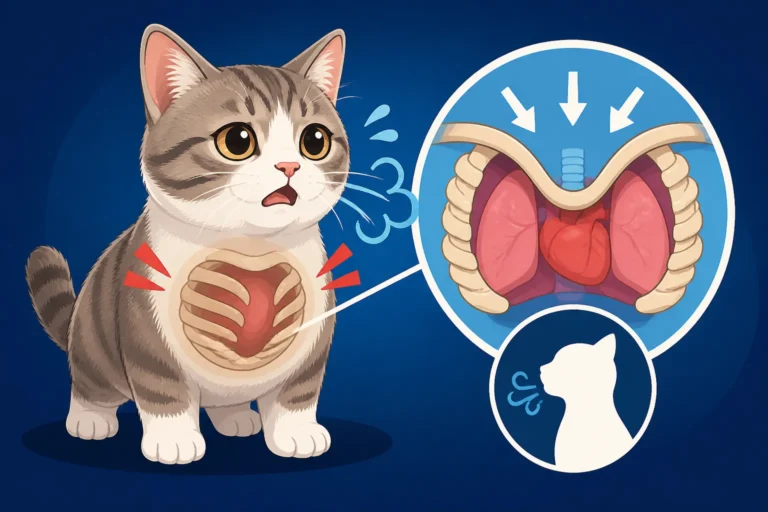
For any cat, maintaining a healthy weight is crucial for longevity, but for a Munchkin, it's absolutely paramount. Why weight is more dangerous on a Munchkin is directly related to their short stature and the mechanics of their spine and joints. Every extra pound your Munchkin carries puts an immense, undue strain on their already hardworking short legs and spine. This increased load can accelerate joint degeneration, worsen existing arthritis, and contribute to other health issues like diabetes or heart disease.
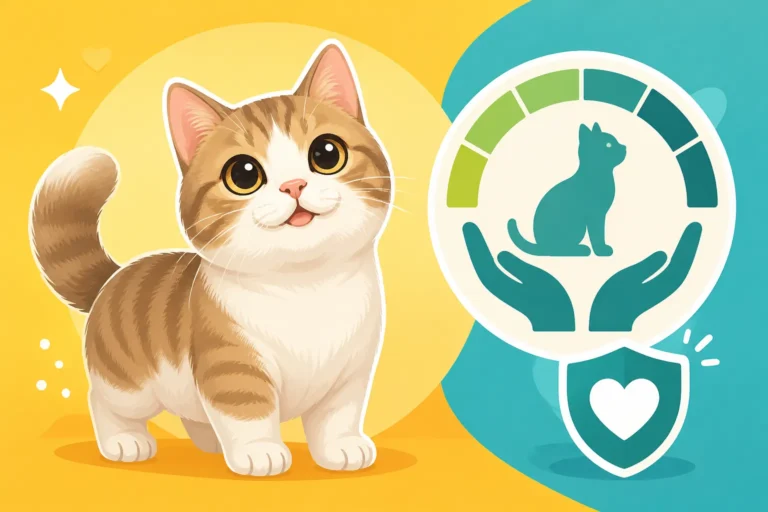
As Munchkins age, their metabolism naturally slows down, and their activity levels often decrease. This combination creates a perfect storm for weight gain. It's incredibly easy for a senior Munchkin to pack on extra pounds without a noticeable change in their diet, simply because they're burning fewer calories. Regular weight checks are vital, and you'll likely need to adjust their diet to a lower-calorie, high-quality senior formula. Monitoring their body condition by feeling their ribs and spine is more important than relying solely on the scale, as their unique physique can sometimes mask weight issues. A proactive approach to weight management can significantly alleviate pressure on their joints and extend their comfortable years.
Grooming Difficulties and Skin Health
Another area where a Munchkin's short legs pose a challenge as they age is grooming. Cats are fastidiously clean creatures, but their short limbs can make it difficult for them to reach and properly groom certain parts of their bodies, especially their hindquarters, lower back, and belly. While this might be a minor inconvenience for a young, flexible Munchkin, it becomes a significant problem as they become stiffer and less agile in their senior years. You might find that a Munchkin cannot reach to groom its back half effectively.
This inability to self-groom can lead to mats and tangles, particularly in long-haired Munchkins, which can then pull on the skin, cause discomfort, and even lead to skin infections or parasites. The fur around their rear can also become soiled after using the litter box, especially if they have a low-hanging belly, leading to hygiene issues. Regular, gentle grooming by you becomes an essential part of their daily care routine. This includes brushing, checking for mats, and potentially giving them a sanitary trim around their rear. This hands-on care not only keeps them clean and comfortable but also provides an opportunity to bond and to check for any new lumps, bumps, or tender spots that might indicate a health concern.
Veterinary Care for the Aging Munchkin
Just like with people, an aging Munchkin needs a more tailored approach to their healthcare. Regular veterinary check-ups become even more crucial as they transition into their senior years. These visits aren't just about catching problems; they're about proactively managing their health to ensure they remain comfortable and vibrant for as long as possible.
Tailored Senior Health Check-ups
Once your Munchkin reaches that senior threshold, typically around 11 years, or even a bit earlier if you're seeing signs of aging, annual vet visits should transition to bi-annual check-ups. These more frequent visits allow your veterinarian to monitor subtle changes that might otherwise go unnoticed for a full year. A senior check-up goes beyond a basic physical exam. It will likely include a thorough dental check, as dental disease is common in older cats and can significantly impact their overall health. Your vet will also pay particular attention to their weight, muscle condition, and of course, how they're moving. They'll assess their gait, checking for stiffness, pain, or any reluctance to bear weight, understanding why a Munchkin's annual visit includes its gait as a key component.
During these visits, don't hesitate to share any observations you've made at home, no matter how small. Has their appetite changed? Are they drinking more water? Are they less enthusiastic about their favorite toy? Every piece of information helps your vet build a complete picture of your Munchkin's health. It’s also a great time to discuss pain management strategies, even if your cat isn't overtly showing signs of discomfort. Many cats are masters at hiding pain, so a proactive approach can be very beneficial. Your veterinarian can also advise on appropriate preventative care, like parasite control and vaccinations, which might need to be adjusted for an older cat.
Proactive Screening for Common Ailments
Beyond the physical exam, comprehensive bloodwork and urinalysis are typically recommended for senior Munchkins, often annually or bi-annually depending on their health status. These diagnostic tools are invaluable for detecting underlying conditions before they become advanced and harder to treat. The blood panel can provide insight into which blood values matter most in a Munchkin, such as kidney and liver function, thyroid levels, and blood sugar. Early detection of issues like kidney disease, hyperthyroidism, or diabetes allows for intervention, often through dietary changes or medication, that can slow disease progression and maintain quality of life.
X-rays might also be suggested, especially if your vet suspects joint issues or changes in the spine. Given the Munchkin's unique anatomy, regular monitoring of their musculoskeletal health is especially important. Some pet insurance providers, like Healthy Paws, offer comprehensive coverage that can help ease the financial burden of these diagnostic tests and ongoing treatments, ensuring you can always choose the best care for your aging companion without undue stress. Proactive screening is about catching things early when they are most manageable, rather than waiting for obvious symptoms to emerge, which often means the condition is already advanced. It's a fundamental part of caring for a senior cat, and even more so for a Munchkin who may have inherent predispositions due to their breed.
Adapting Your Home for a Senior Munchkin
As your Munchkin cat ages, their home environment, which might have been perfectly fine in their younger years, may need some thoughtful adjustments. Their once-effortless movements can become challenging, and what was once a small jump might now be an insurmountable obstacle. Adapting your home isn't just about convenience; it's about preserving their dignity, reducing pain, and ensuring they can continue to access all the things that make them happy.
Rethinking Accessibility: Ramps, Steps, and Low Entry Points
The most significant change you'll need to consider for a senior Munchkin is improving accessibility. The short legs that gave them their distinctive look can become a hindrance as arthritis sets in and jumping becomes difficult or painful. This means a strategic placement of ramps and steps throughout your home. Think about all the places your Munchkin loves to be: the sofa, your bed, their favorite windowsill perch. These areas will likely need a ramp or a set of low, sturdy steps. It’s about creating a safe, easy path to their preferred spots, rather than forcing them to strain or giving up entirely. You may even find that an old Munchkin stops using its ramp if it's too steep or too high, so adjust accordingly.
Beyond furniture, consider essential items like litter boxes. A standard litter box with high sides can become a painful climb for a stiff, senior Munchkin. Investing in or creating a litter box with a low entry point is crucial to prevent accidents outside the box due to discomfort. Similarly, ensuring their food and water bowls are easily accessible without requiring a jump or a stretch is important. Raised food bowls can sometimes ease strain on their neck and shoulders, making mealtime more comfortable. Remember, the goal is to eliminate any physical barriers that could cause pain or frustration, allowing your Munchkin to move about their world with ease. This thoughtful adaptation of their living space is a direct extension of your care and love.
Comfort and Security in Their Environment
Beyond mere accessibility, a senior Munchkin also benefits greatly from an environment that prioritizes comfort and security. Older cats often feel the cold more, so ensuring they have warm, soft beds in draft-free areas is important. Heated cat beds can be a wonderful luxury, especially for cats with arthritic joints. Just make sure they can get in and out of them easily. They might also appreciate more secluded, quiet spaces where they can retreat for uninterrupted sleep, away from household hustle and bustle.
Security also means preventing unnecessary falls or injuries. If you have slippery floors like hardwood or tile, consider adding rugs or runners, especially in high-traffic areas or leading to their ramps. These provide better traction for their shorter legs, reducing the risk of slips and strains. Think about their overall routine: older cats thrive on predictability. Maintaining a consistent feeding schedule and litter box routine can reduce anxiety. Lastly, ensure easy access to their vet-prescribed medications or supplements. Keeping everything within their reach, or easily accessible for you to administer, contributes to their overall sense of well-being. This attention to detail creates a sanctuary where your aging Munchkin can feel safe, loved, and pain-free.
Nutrition and Wellness for a Golden Age Munchkin
As our Munchkins enter their golden years, their dietary and wellness needs shift significantly. Just like us, what fueled them perfectly as a playful kitten or active adult might not be the best choice for a graceful senior. Adapting their nutrition and ensuring continued mental and gentle physical enrichment are cornerstones of keeping them healthy and happy.
Dietary Adjustments for Seniors
Nutrition plays a pivotal role in supporting a senior Munchkin's health. As cats age, their metabolism often slows down, their activity levels decrease, and their digestive systems can become less efficient. This means the calorie count and nutrient profile of their food likely need to be adjusted. Many senior cat foods are formulated with lower calorie content to help manage weight, but they also often contain higher quality protein to help maintain muscle mass, which can naturally diminish with age. Look for ingredients that support joint health, such as glucosamine and chondroitin, which can be particularly beneficial for Munchkins.
It's also important to ensure they are getting enough moisture in their diet, as older cats can be prone to dehydration and kidney issues. Incorporating wet food or adding water to dry kibble can be helpful. Pay close attention to their appetite and any changes in their eating habits. If your Munchkin suddenly becomes finicky or experiences digestive upset, it's worth discussing with your vet. Small, frequent meals might be easier for them to digest than one or two large ones. Every extra gram lands on a Munchkin's spine, so precise portion control, weighing their food rather than just scooping, becomes critical to prevent unwanted weight gain that can exacerbate joint problems.
Mental Stimulation and Gentle Exercise
While their bodies might be slowing down, a senior Munchkin's mind still needs stimulation! Mental enrichment is just as important as physical activity for keeping them engaged and preventing cognitive decline. Puzzle feeders that require a little thought to get treats can be excellent, just make sure they are accessible and not too challenging for their physical limitations. Interactive toys, like wand toys that you manipulate at floor level, can encourage gentle play without putting stress on their joints. You'll want to choose toys that work at a Munchkin's height.
Gentle exercise is still crucial for maintaining muscle tone, joint flexibility, and a healthy weight. This doesn't mean encouraging high jumps or vigorous chasing. Instead, think about short, controlled play sessions that keep them moving without overexertion. Perhaps a slow walk around the house, or a game with a laser pointer (used carefully to avoid frustration) that keeps them moving on the flat. Encouraging them to use their ramps and steps regularly also serves as gentle exercise. Regular grooming sessions also offer a chance for positive interaction and a physical check-up. The key is to monitor their enthusiasm and stop before they show signs of fatigue or discomfort. Tailoring their play to their changing abilities ensures they remain happy, engaged, and physically capable for as long as possible, truly embodying the spirit of caring for a Munchkin past ten.
Disclaimer
As a veteran lifestyle blogger, I want to be upfront that while I share extensive knowledge and experiences related to Munchkin cats, this content is intended for informational purposes only. It is not a substitute for professional veterinary advice, diagnosis, or treatment. Always seek the advice of your qualified veterinarian with any questions you may have regarding a medical condition or health concerns of your pet. Never disregard professional veterinary advice or delay in seeking it because of something you have read here.